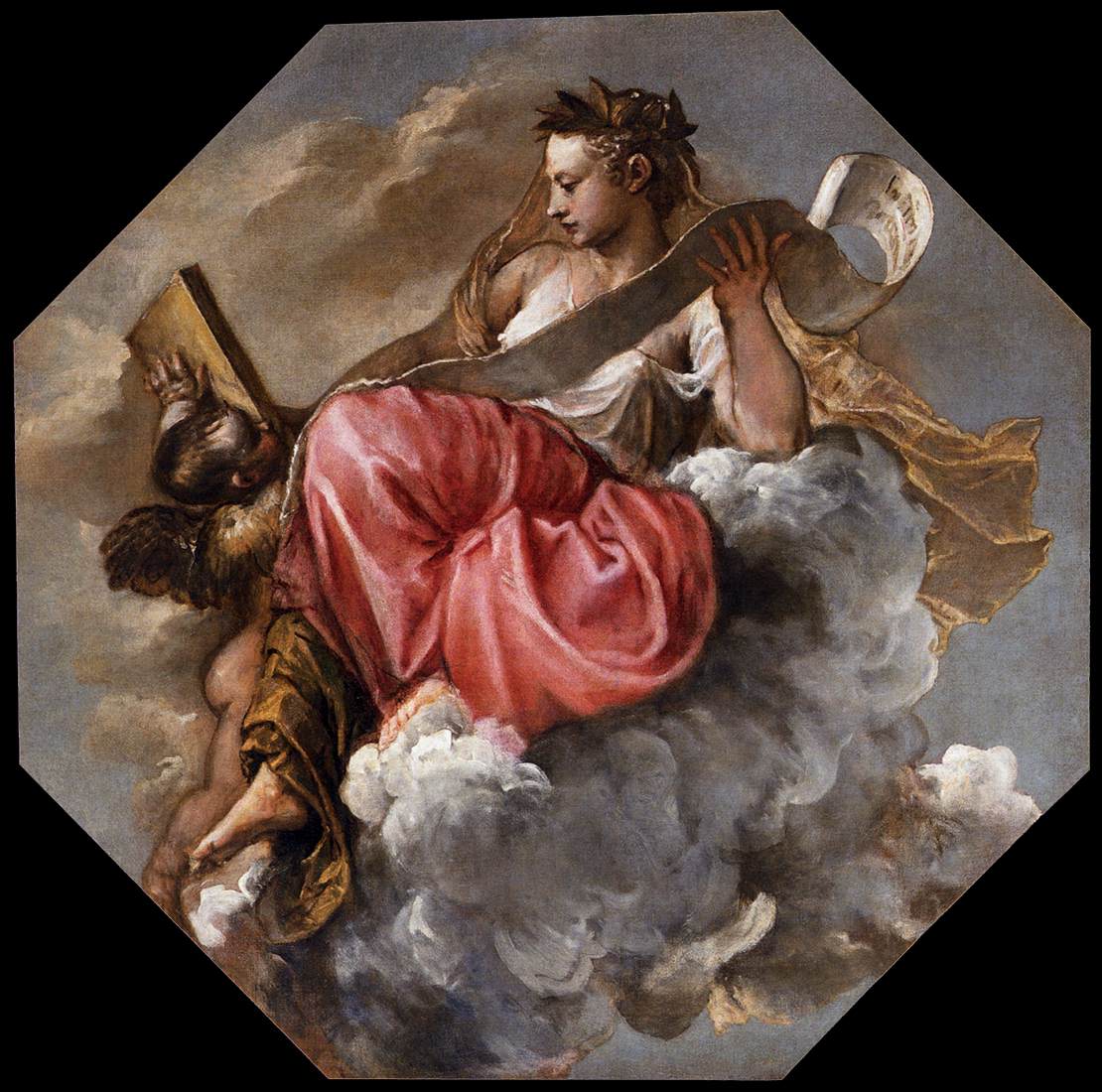
Titian
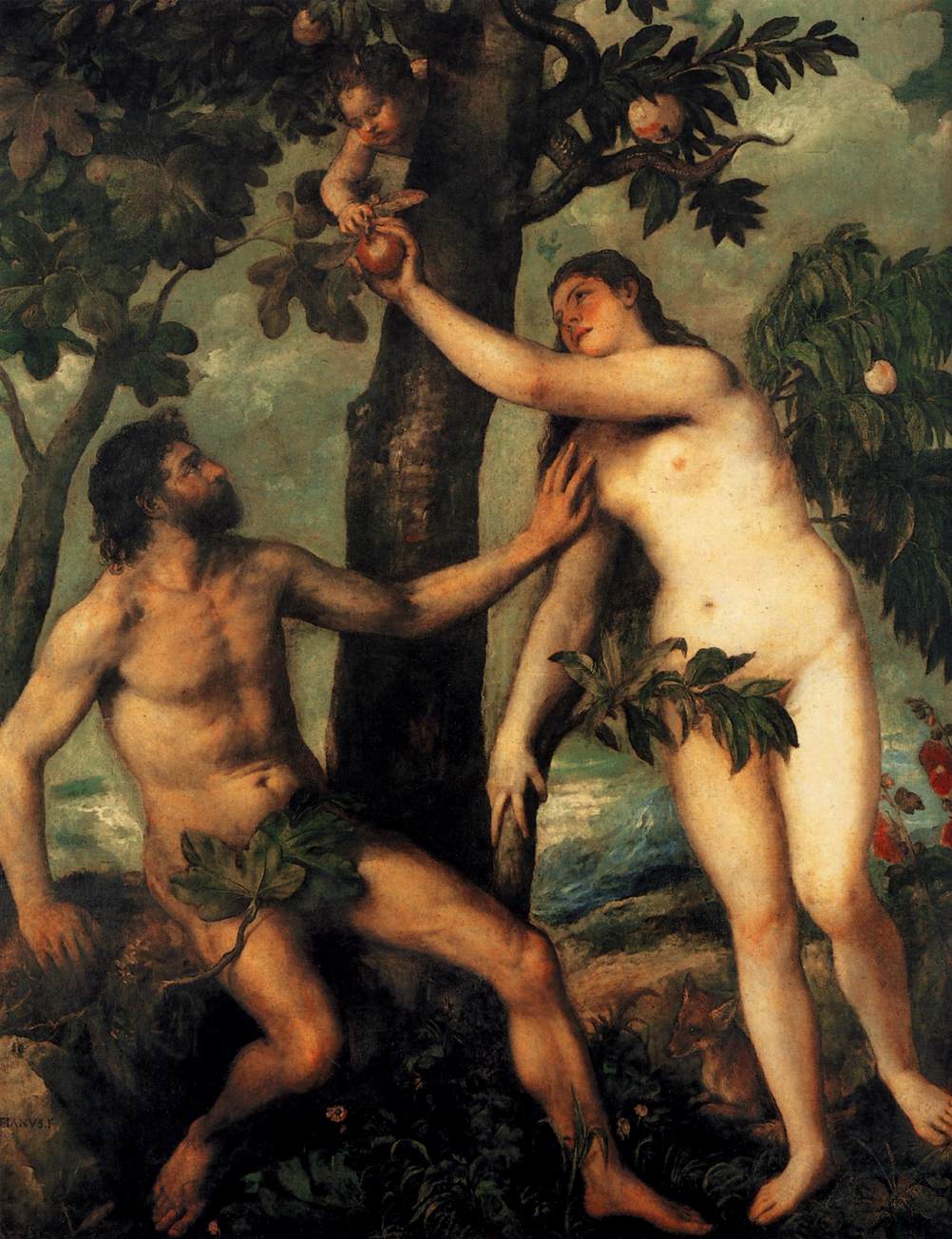
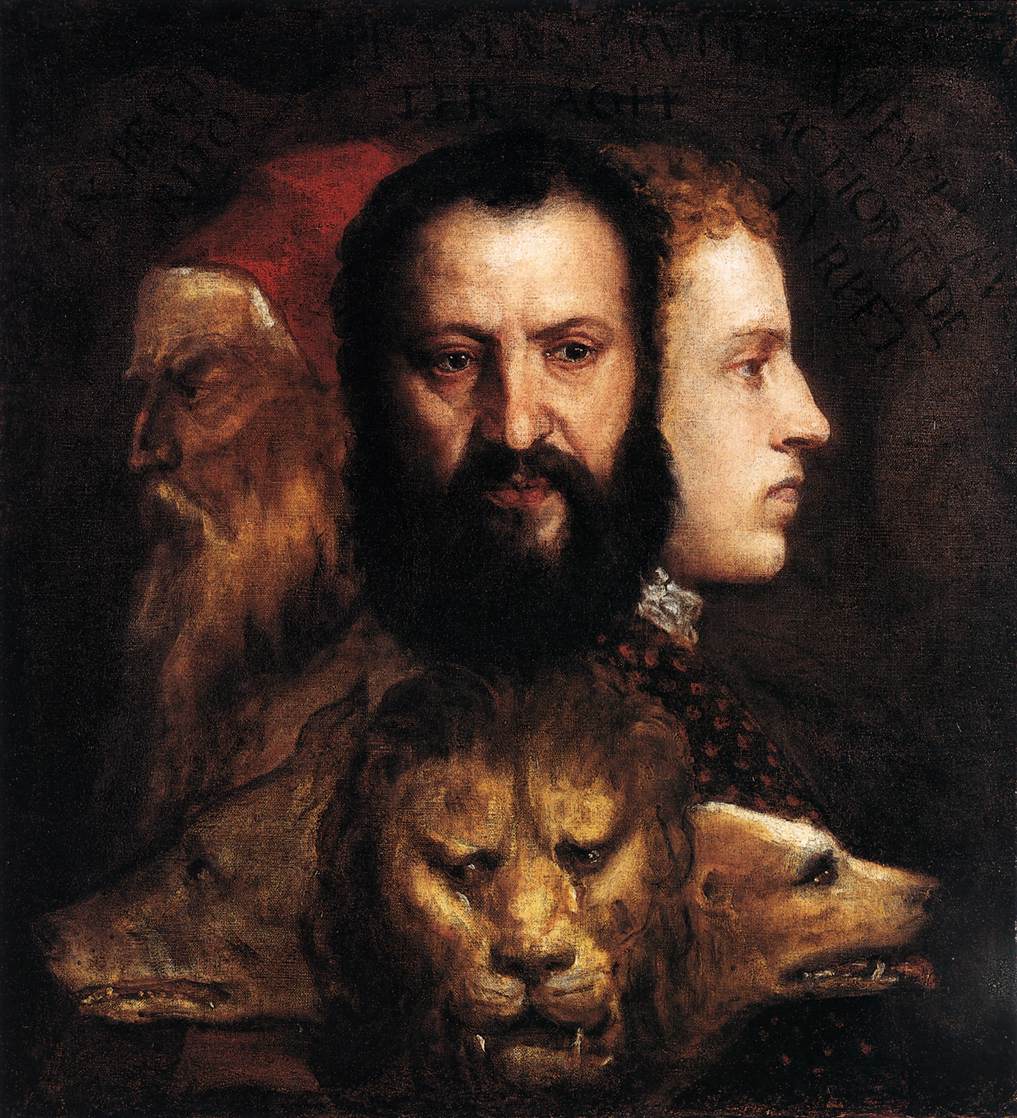
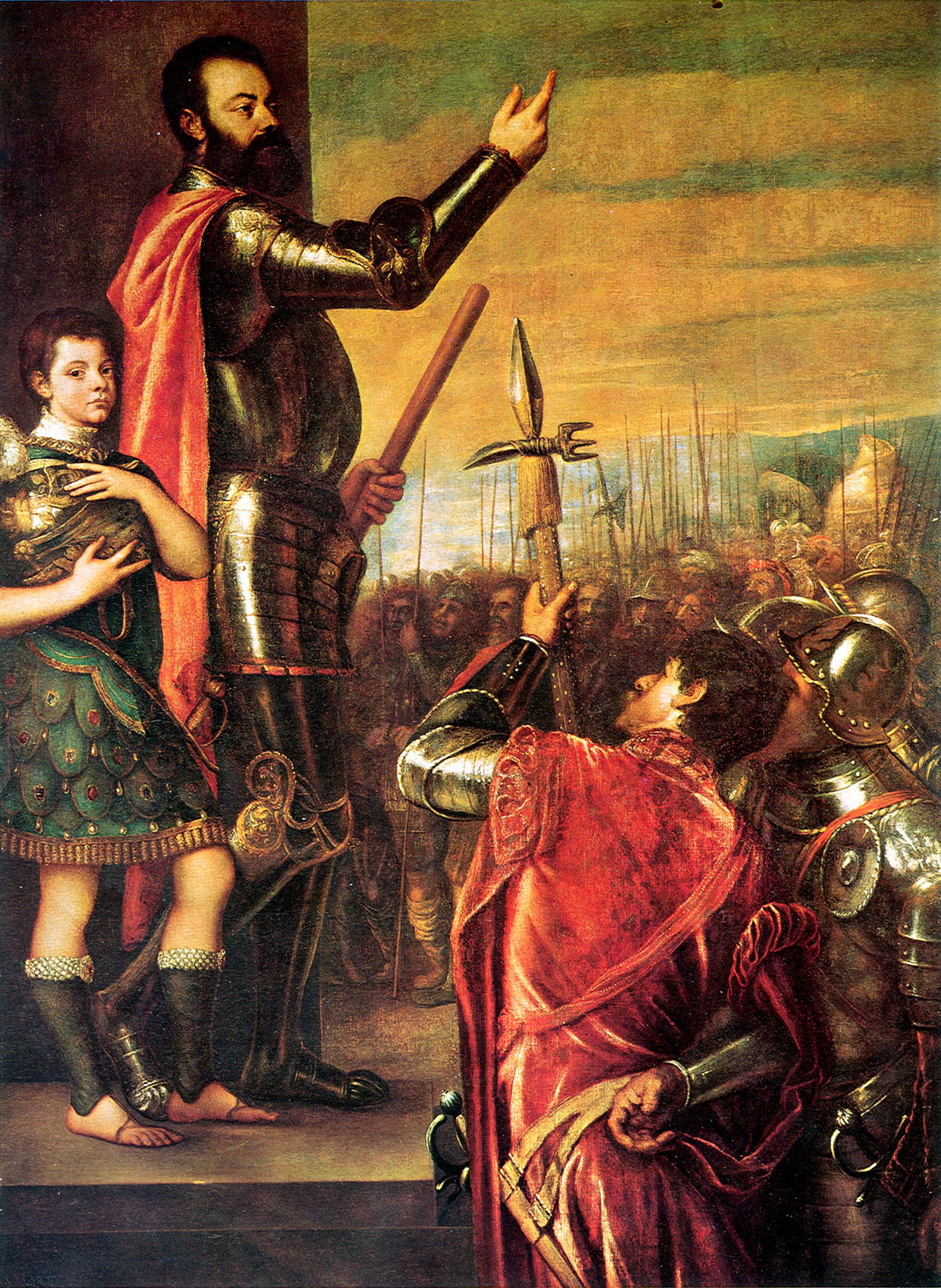
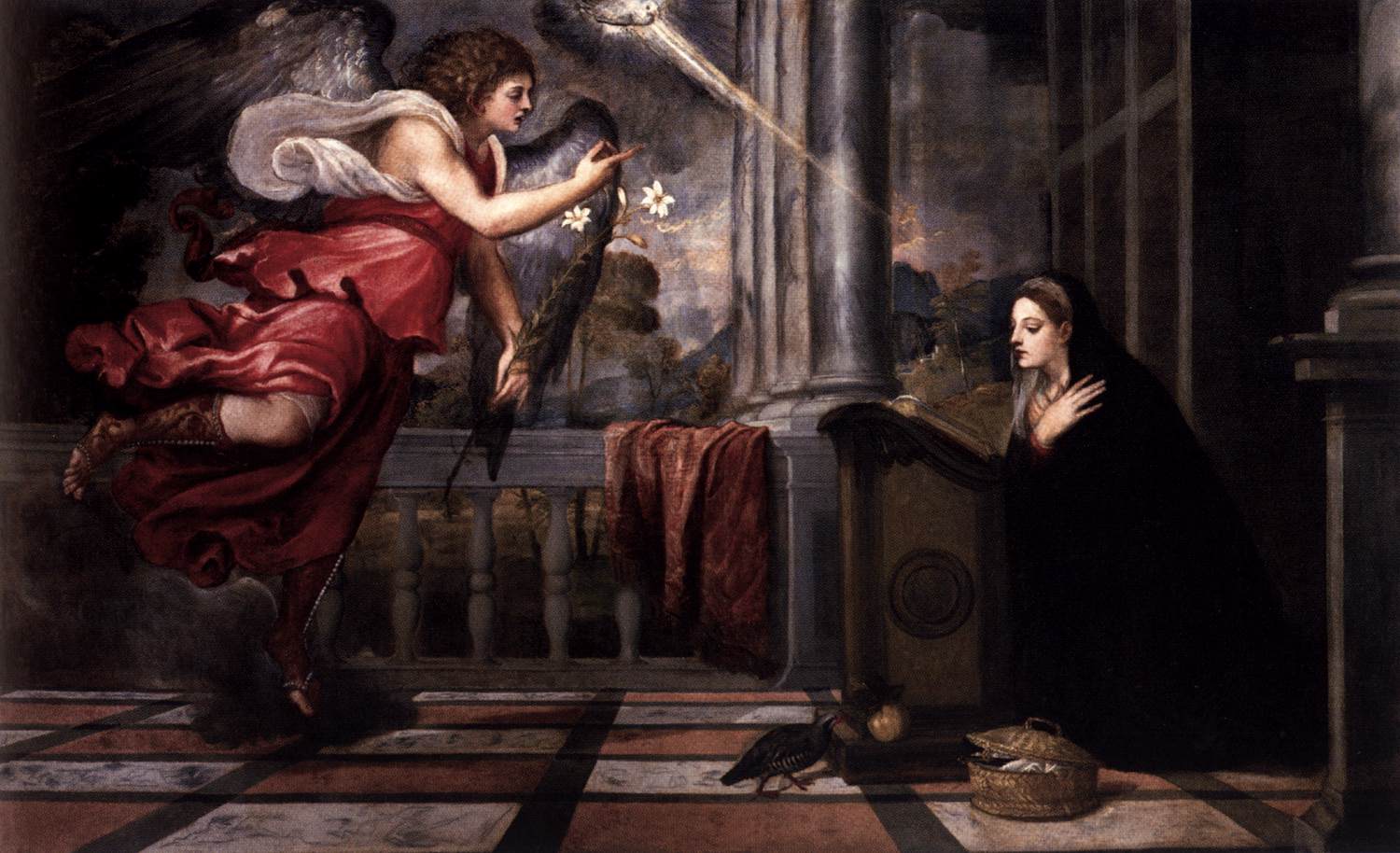
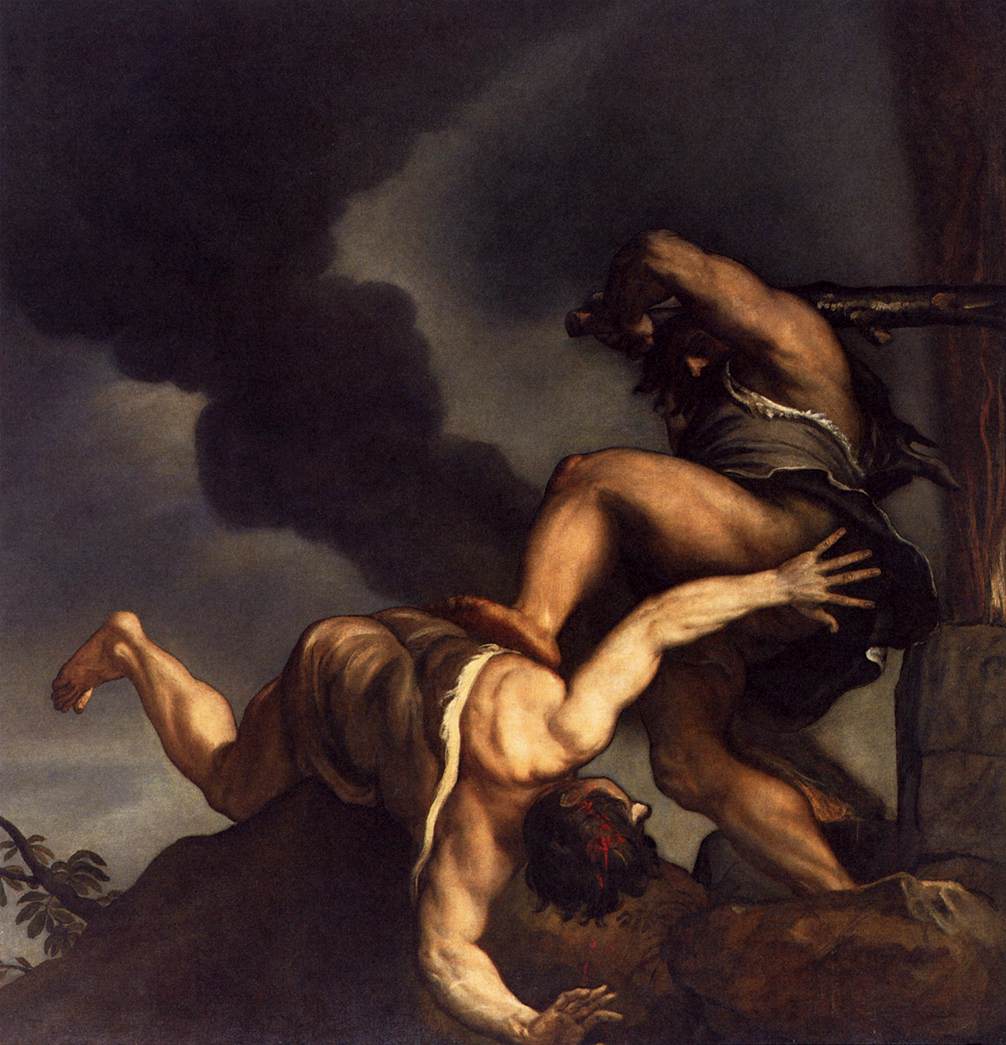
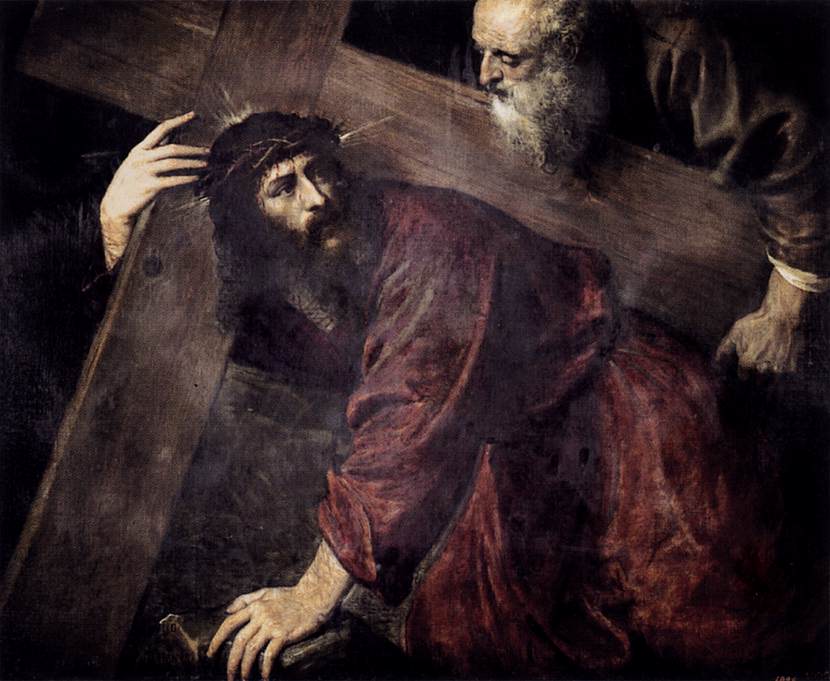
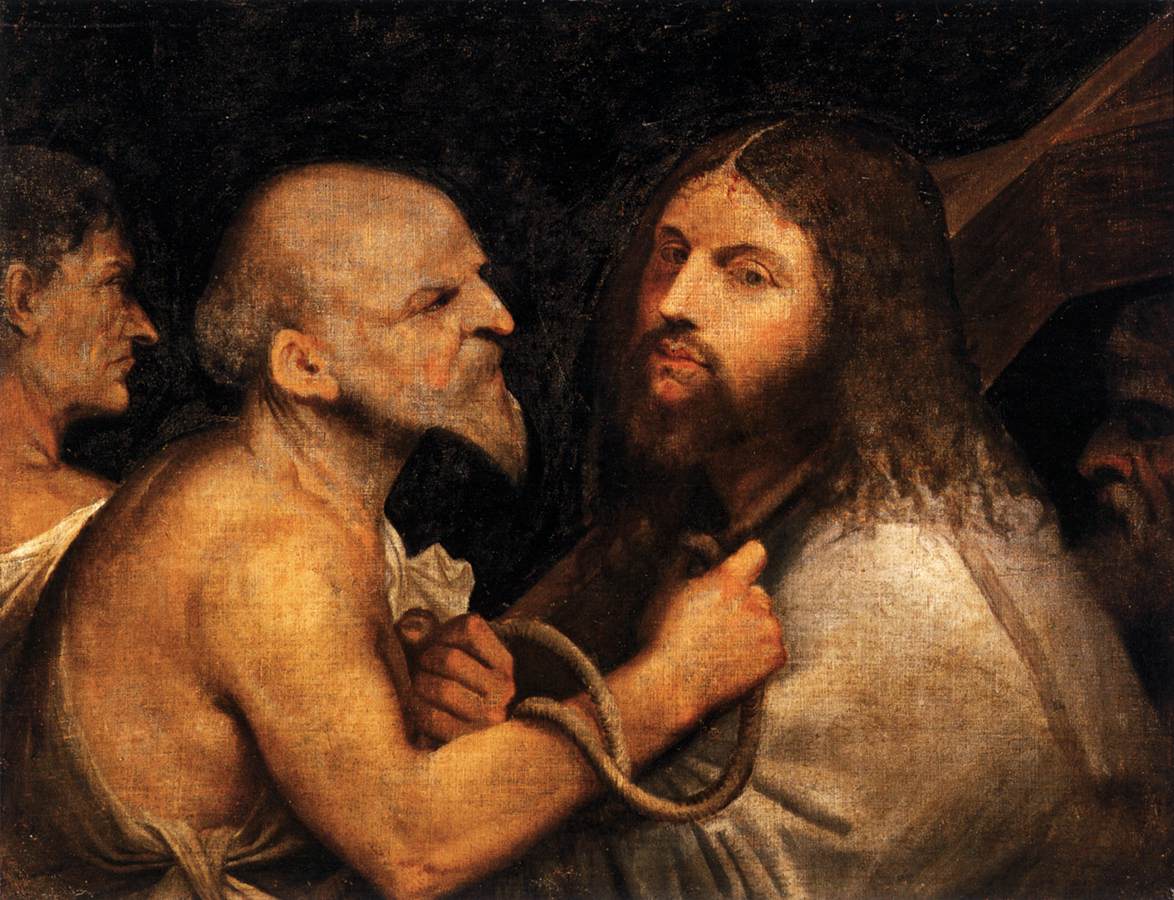
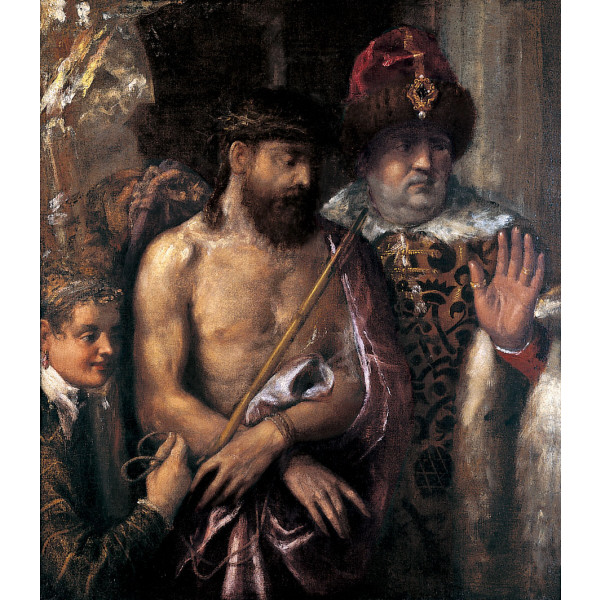
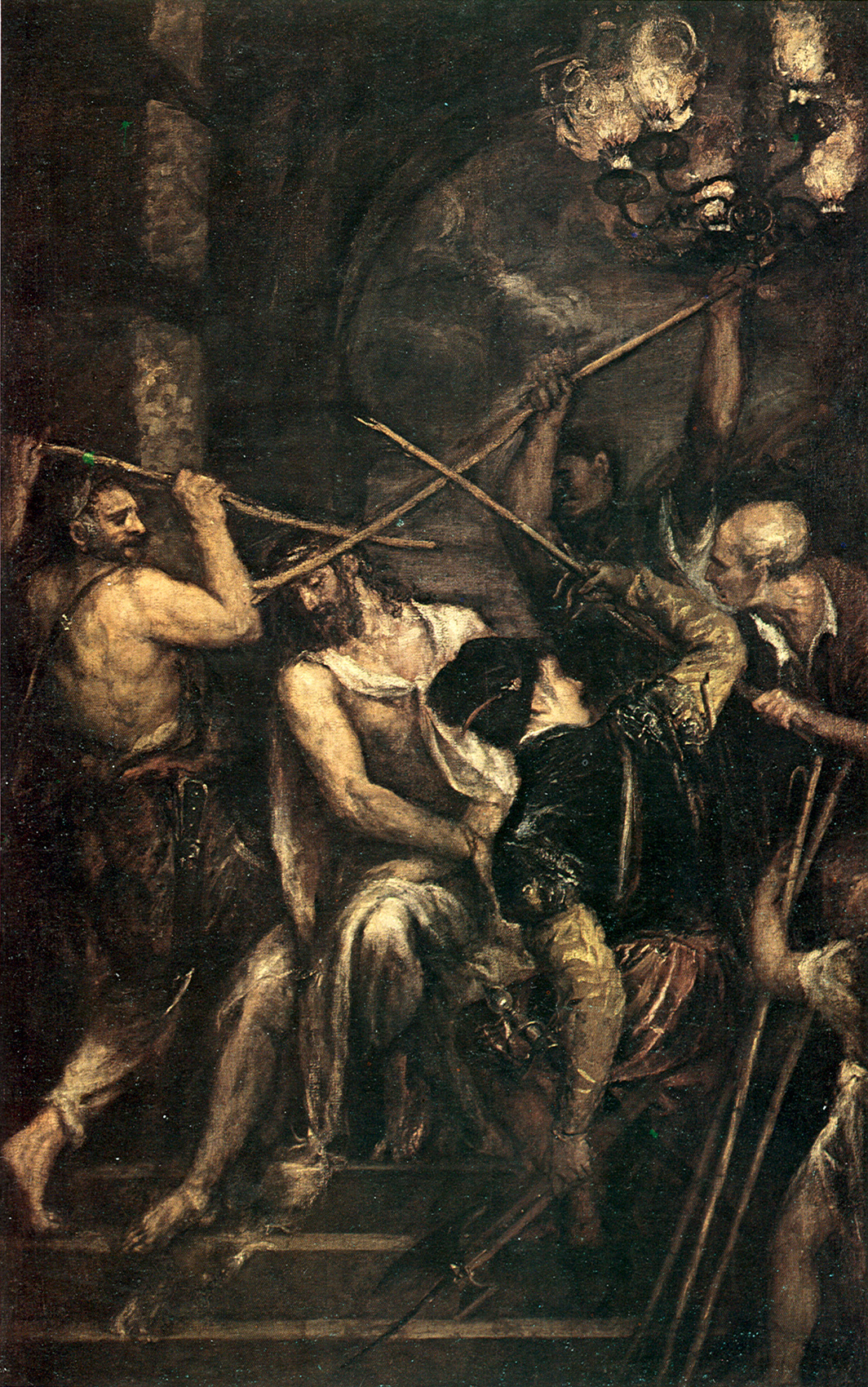
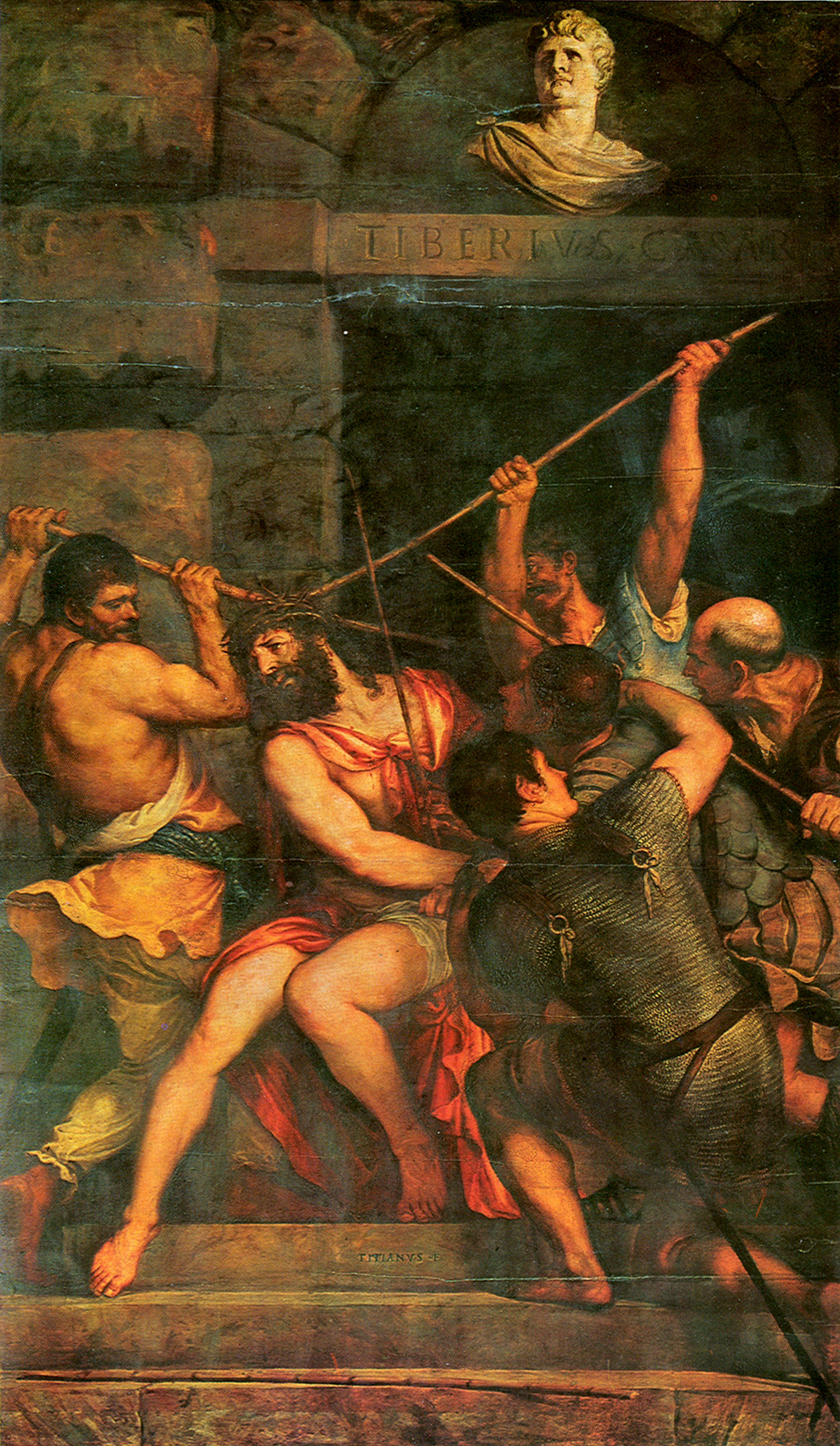
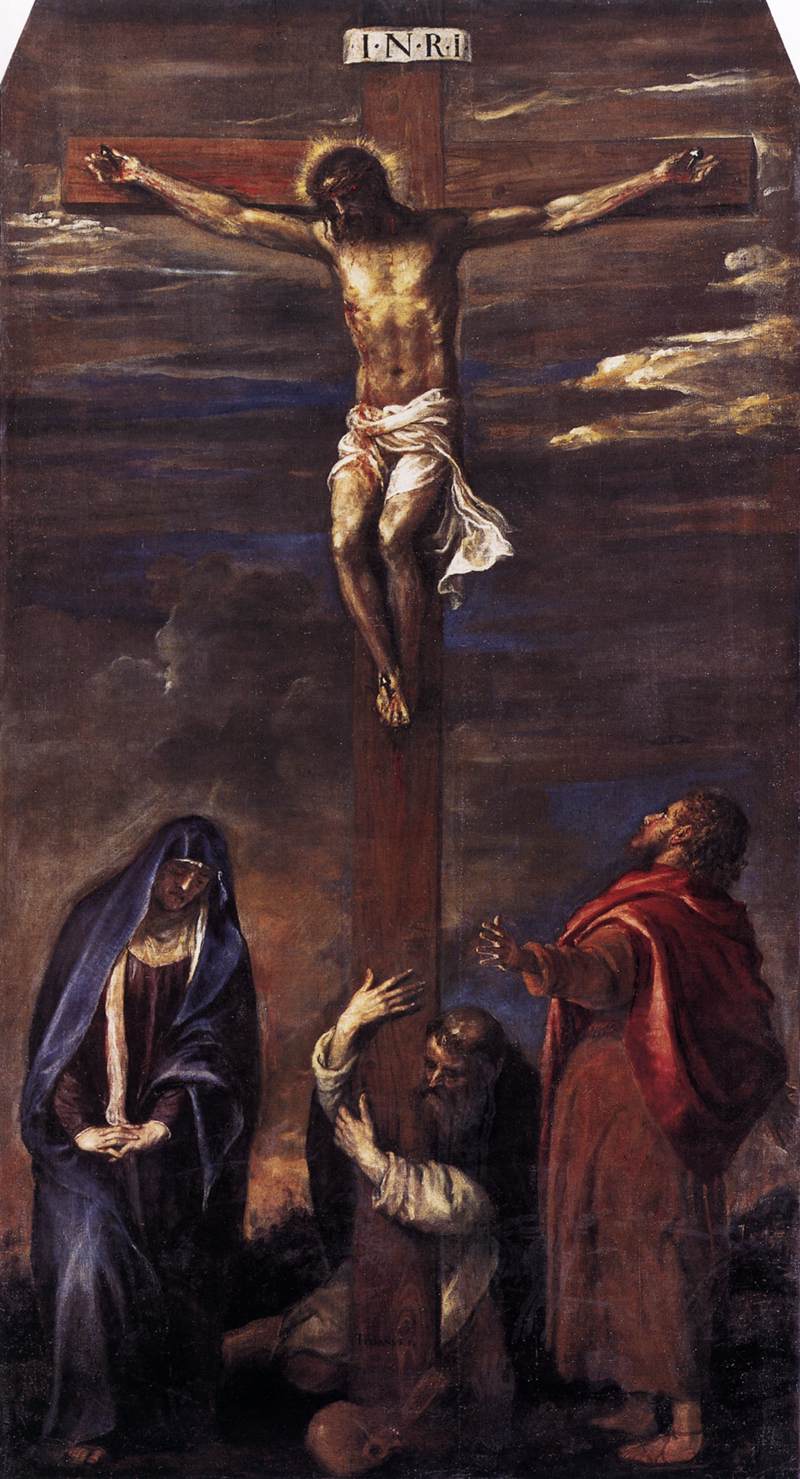
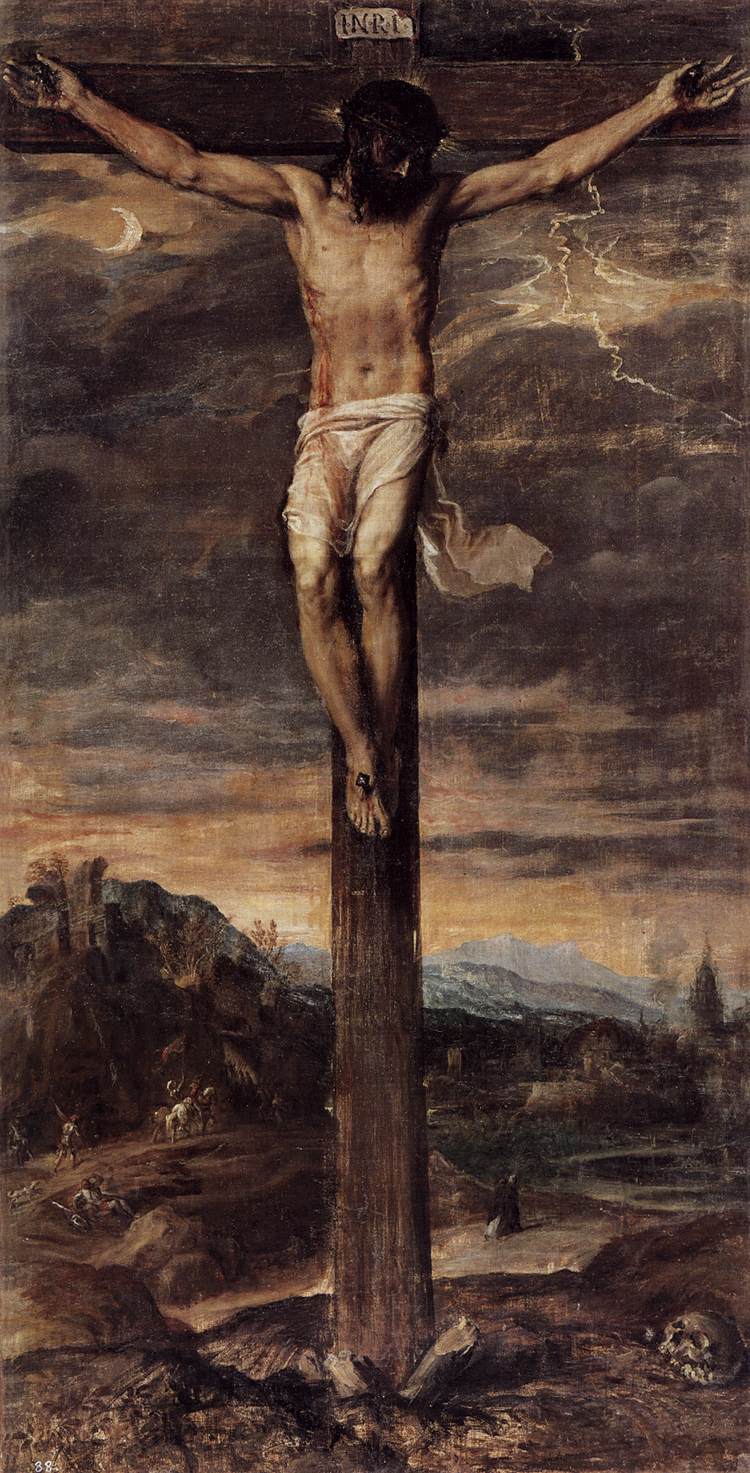
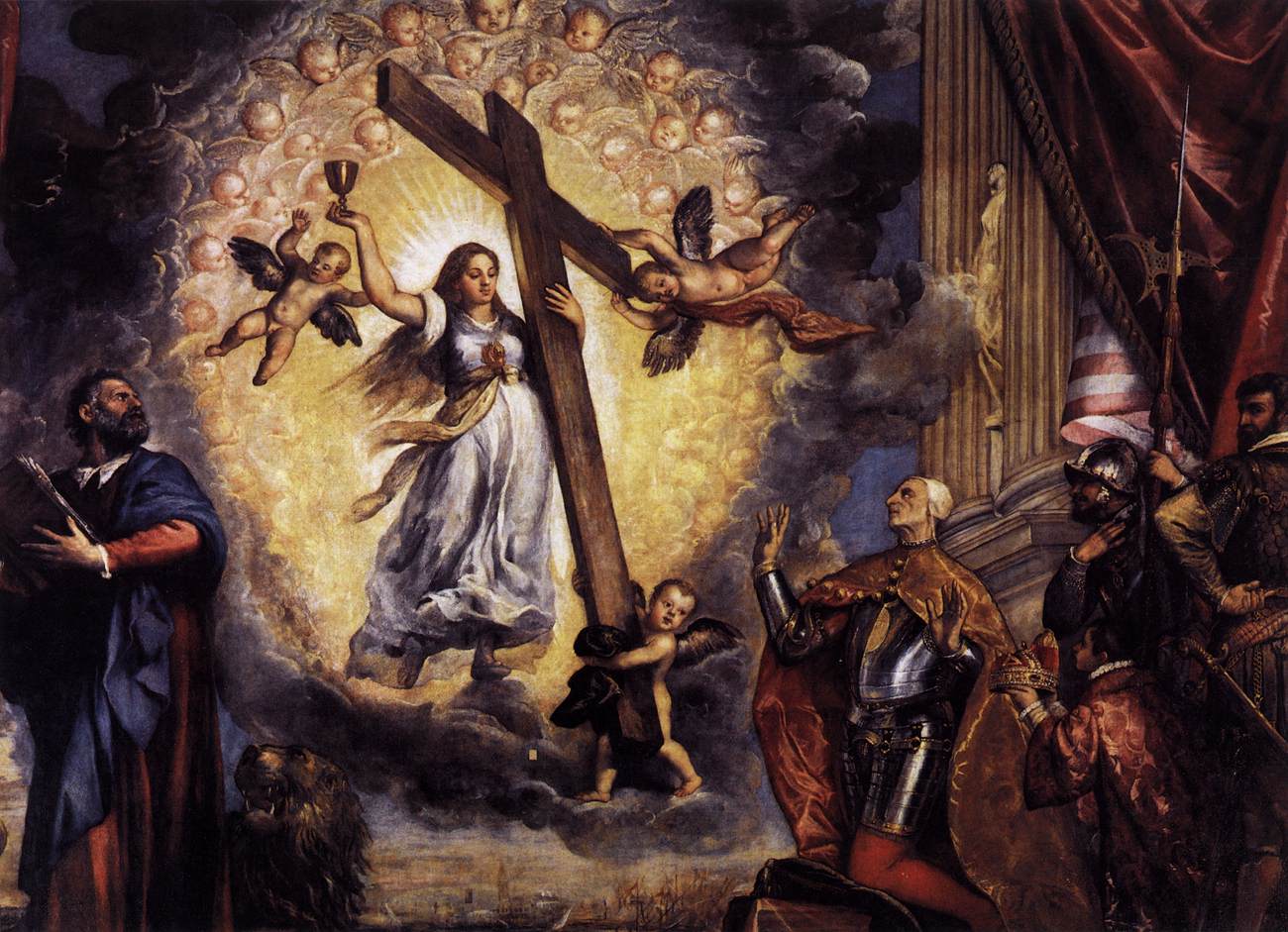
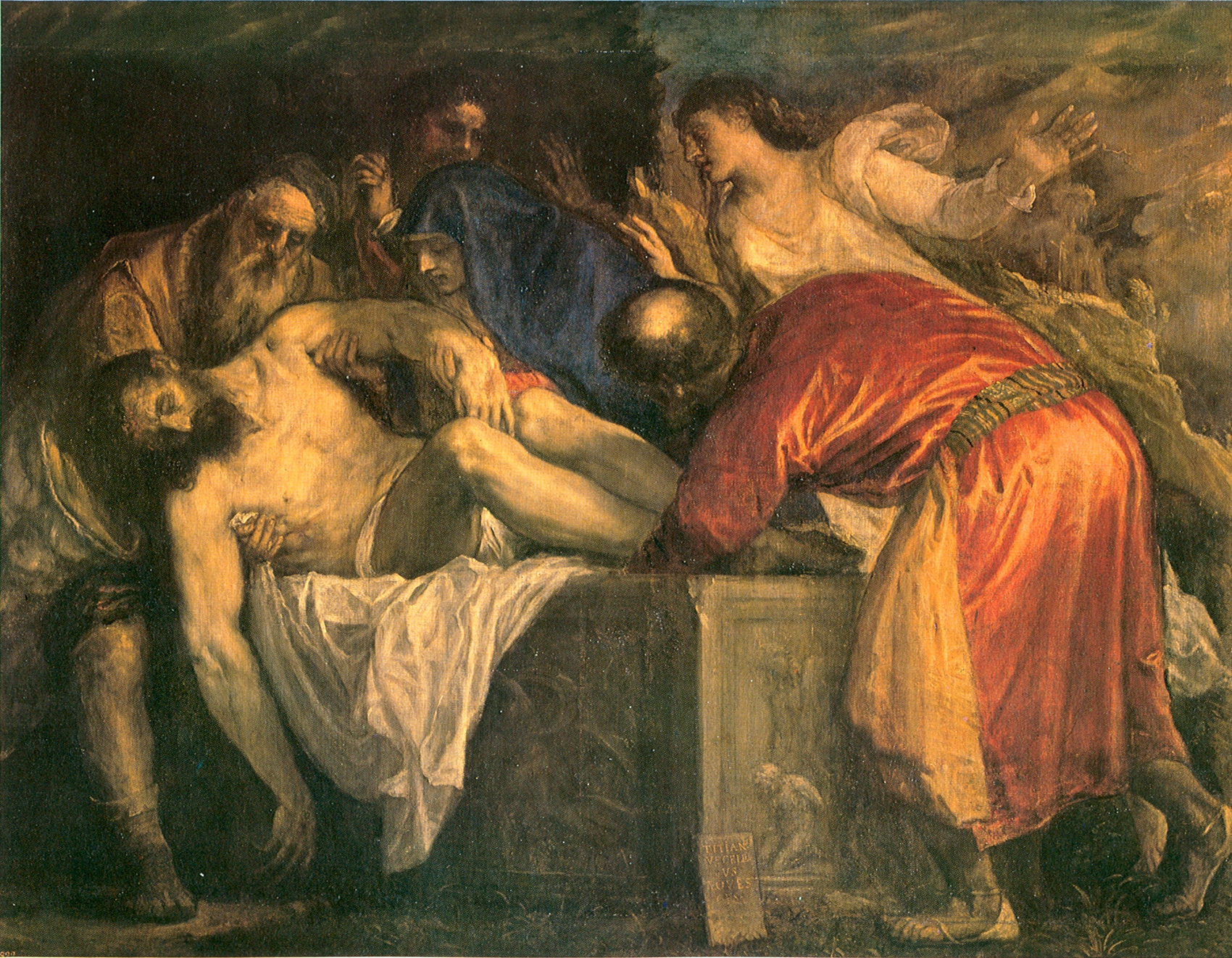
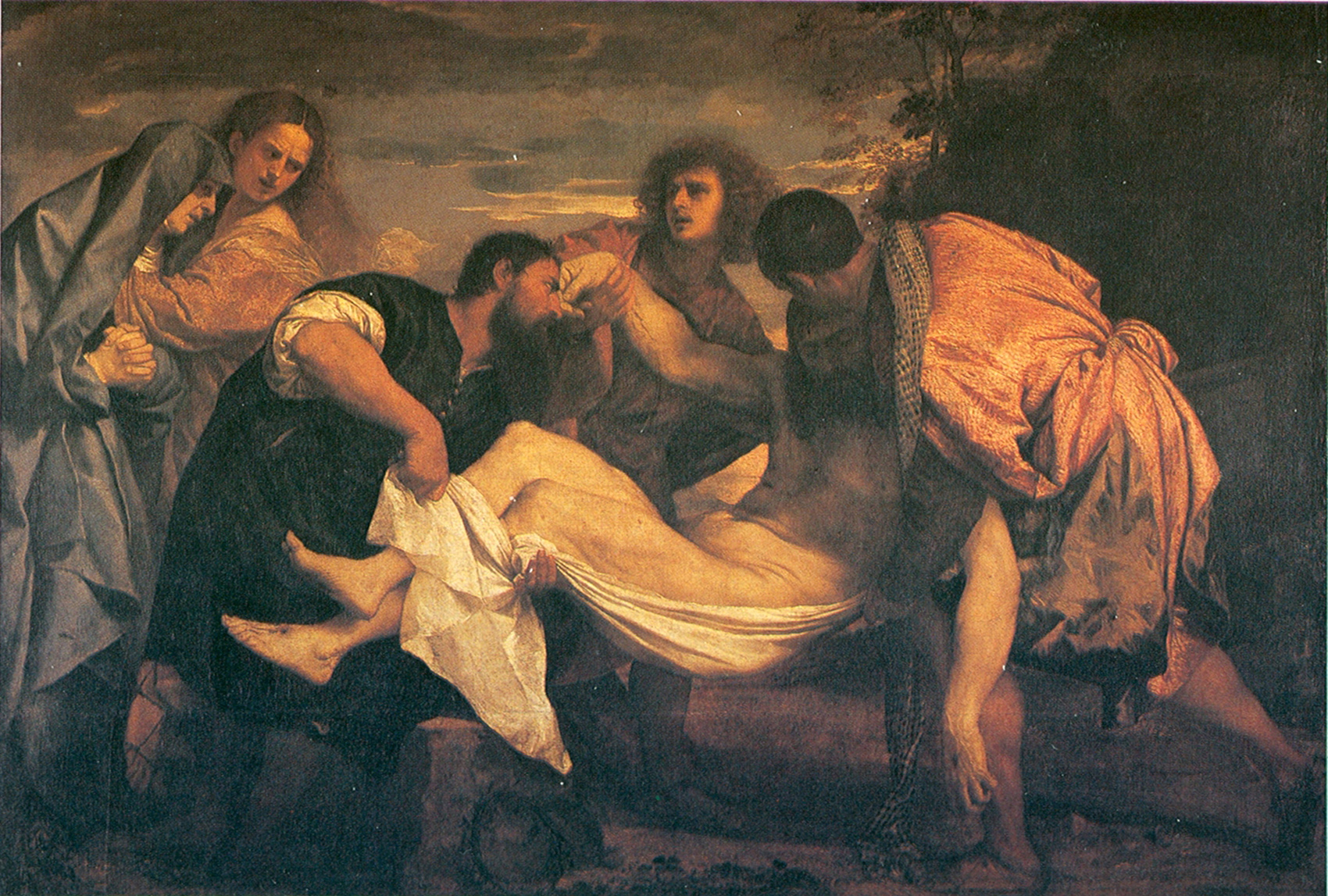
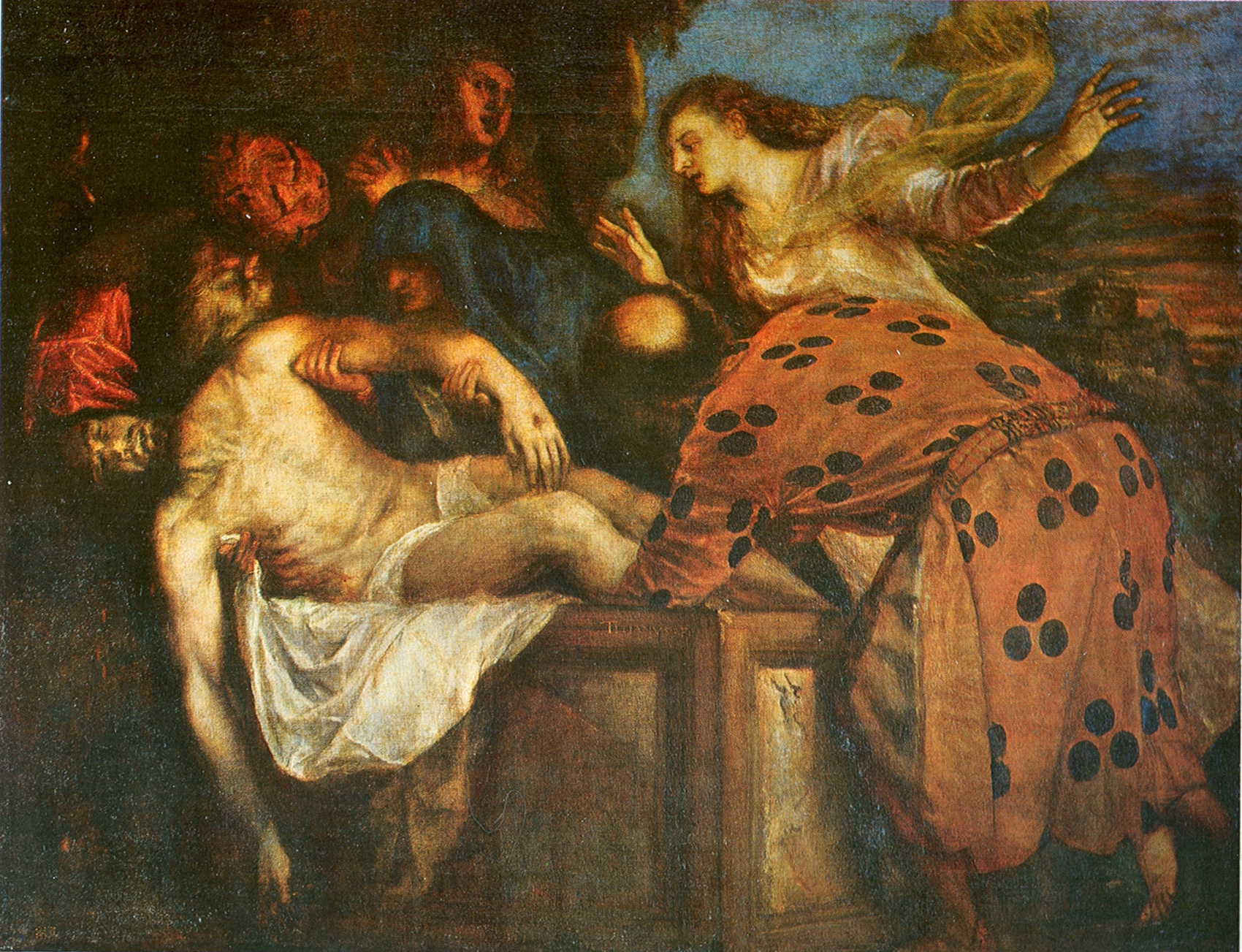
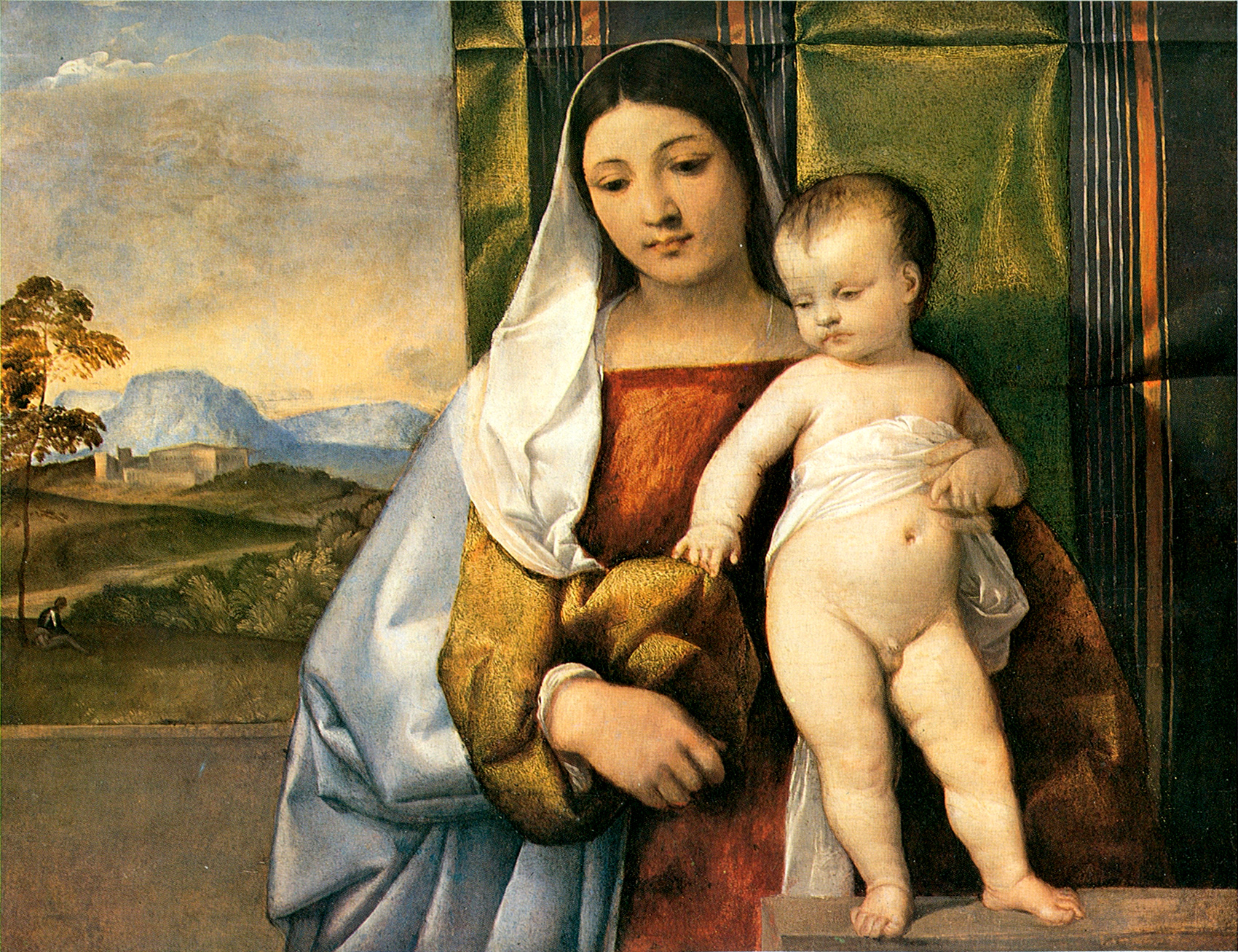
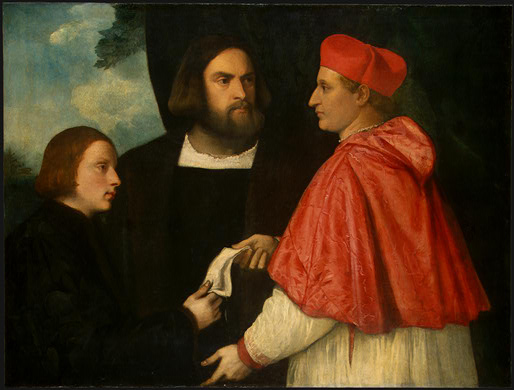
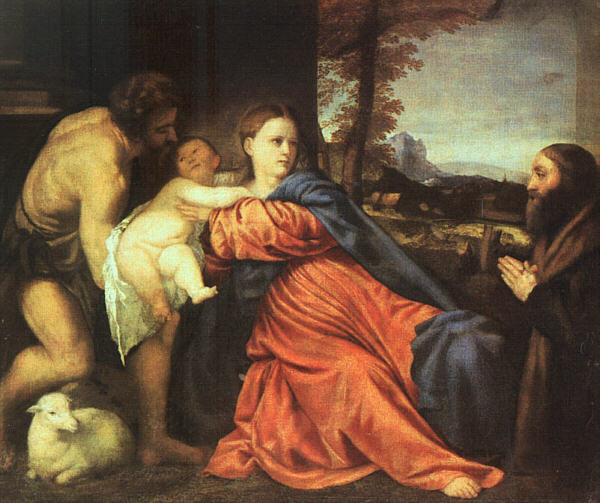
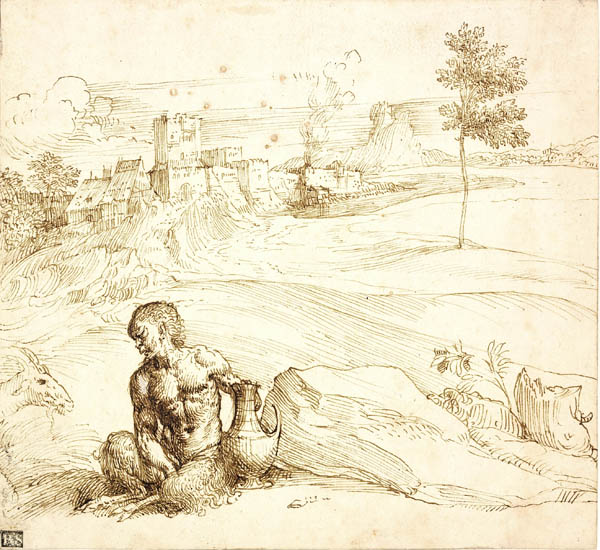
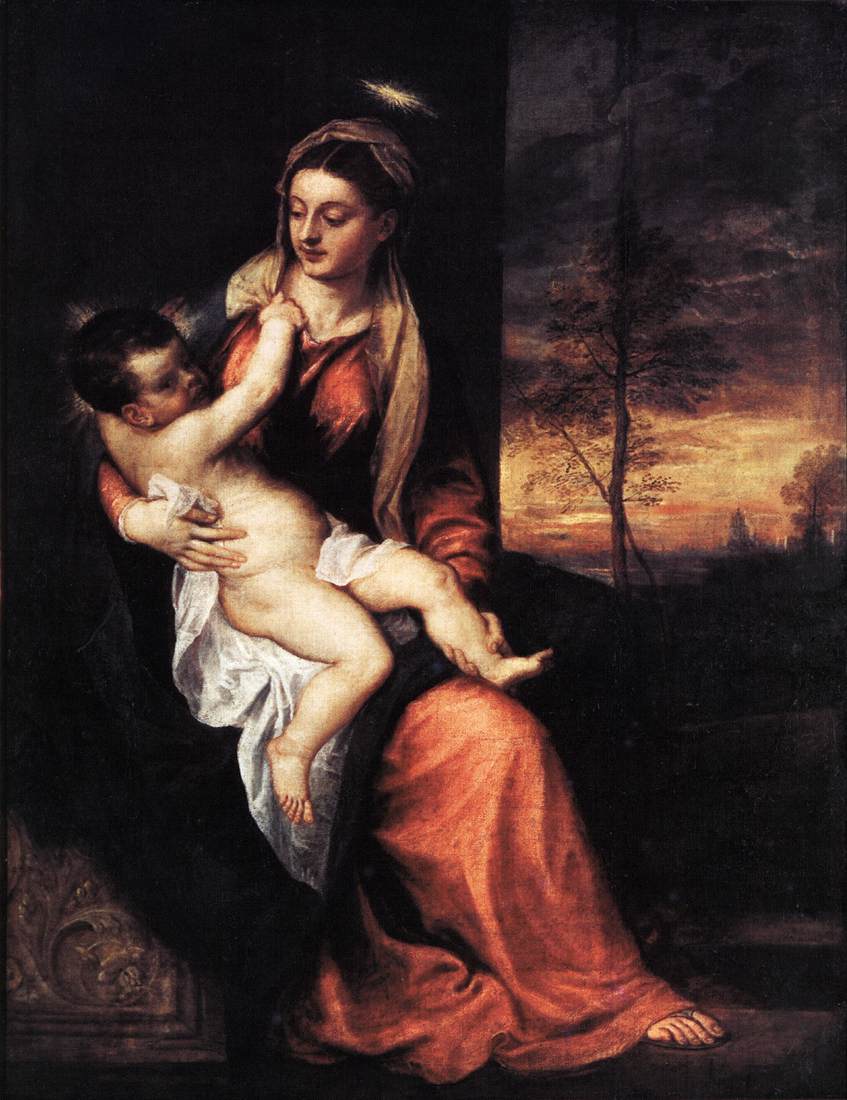
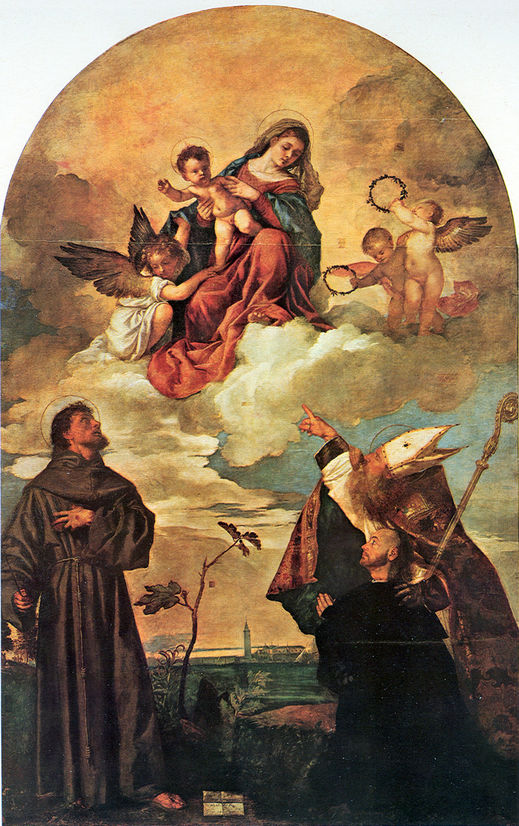
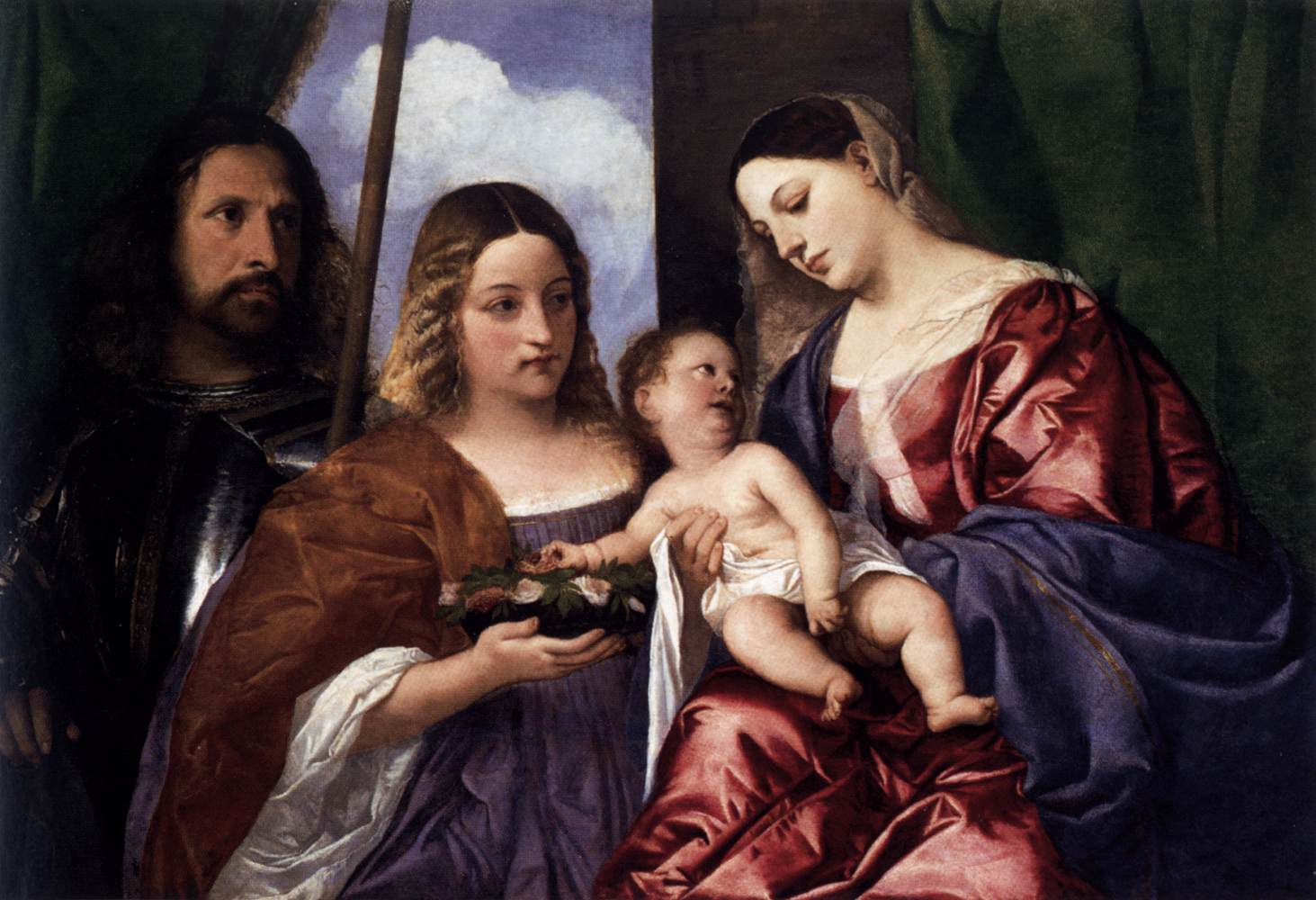
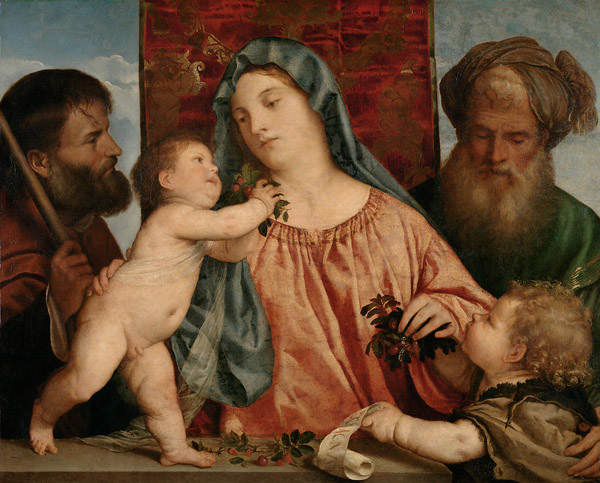
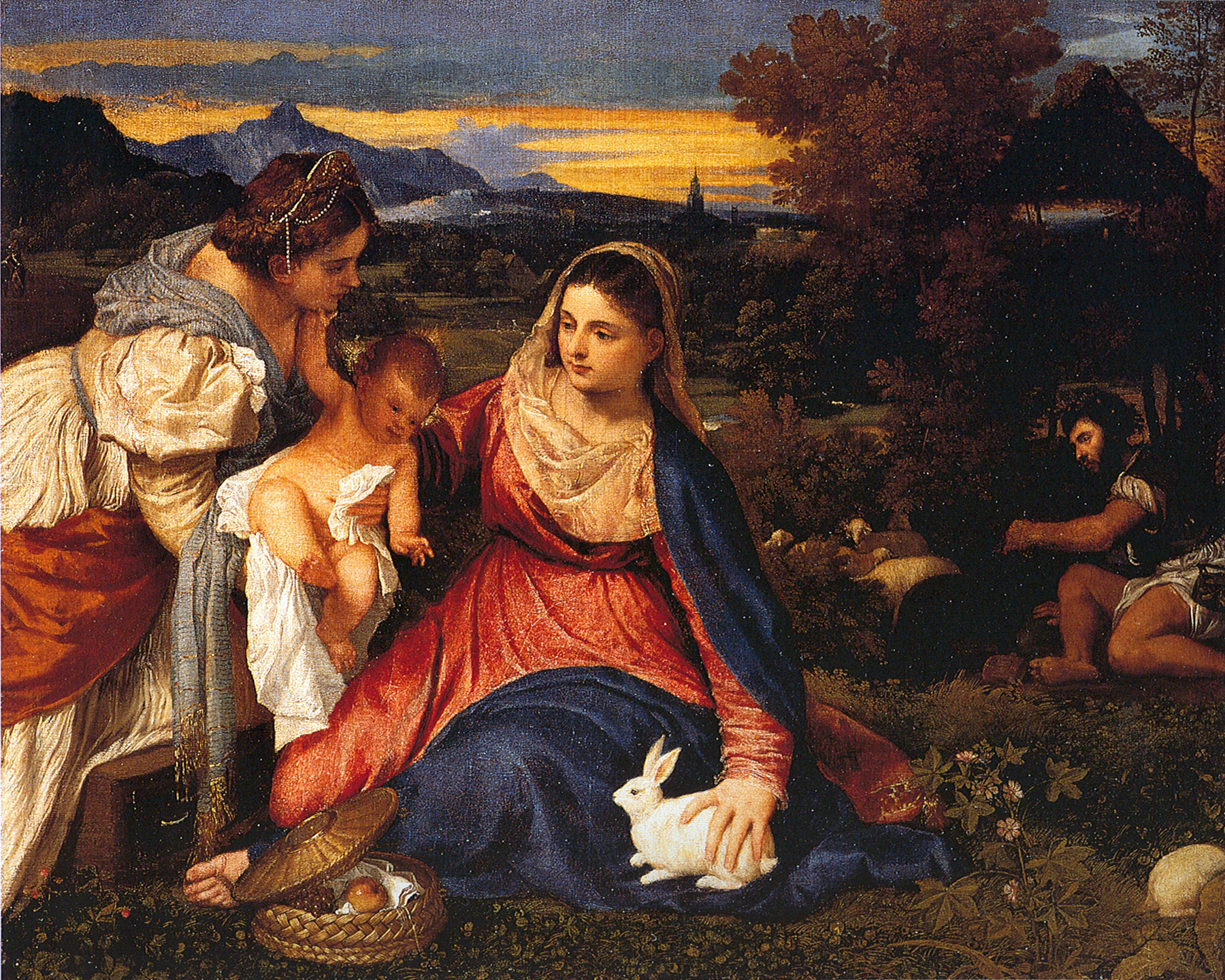
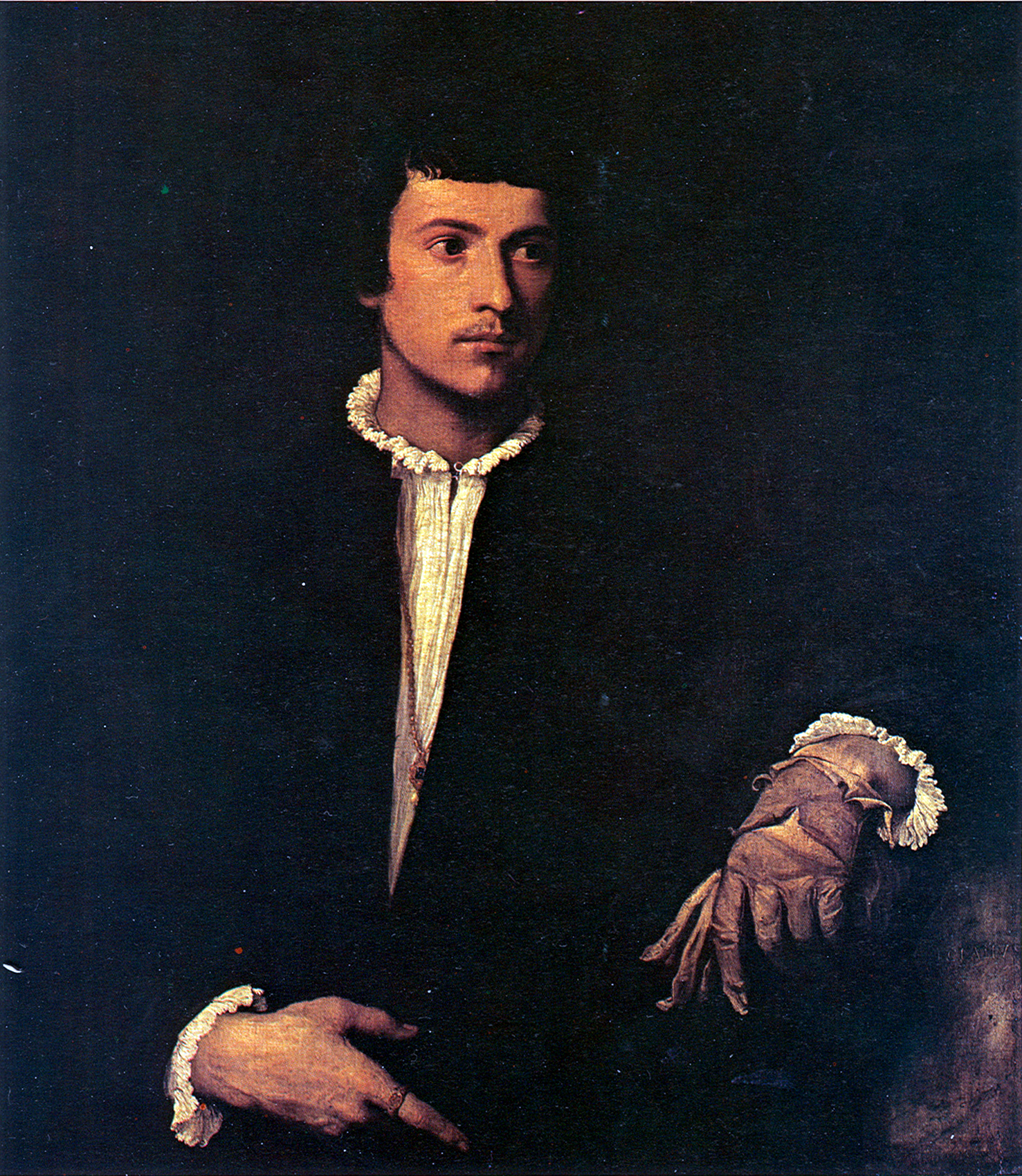
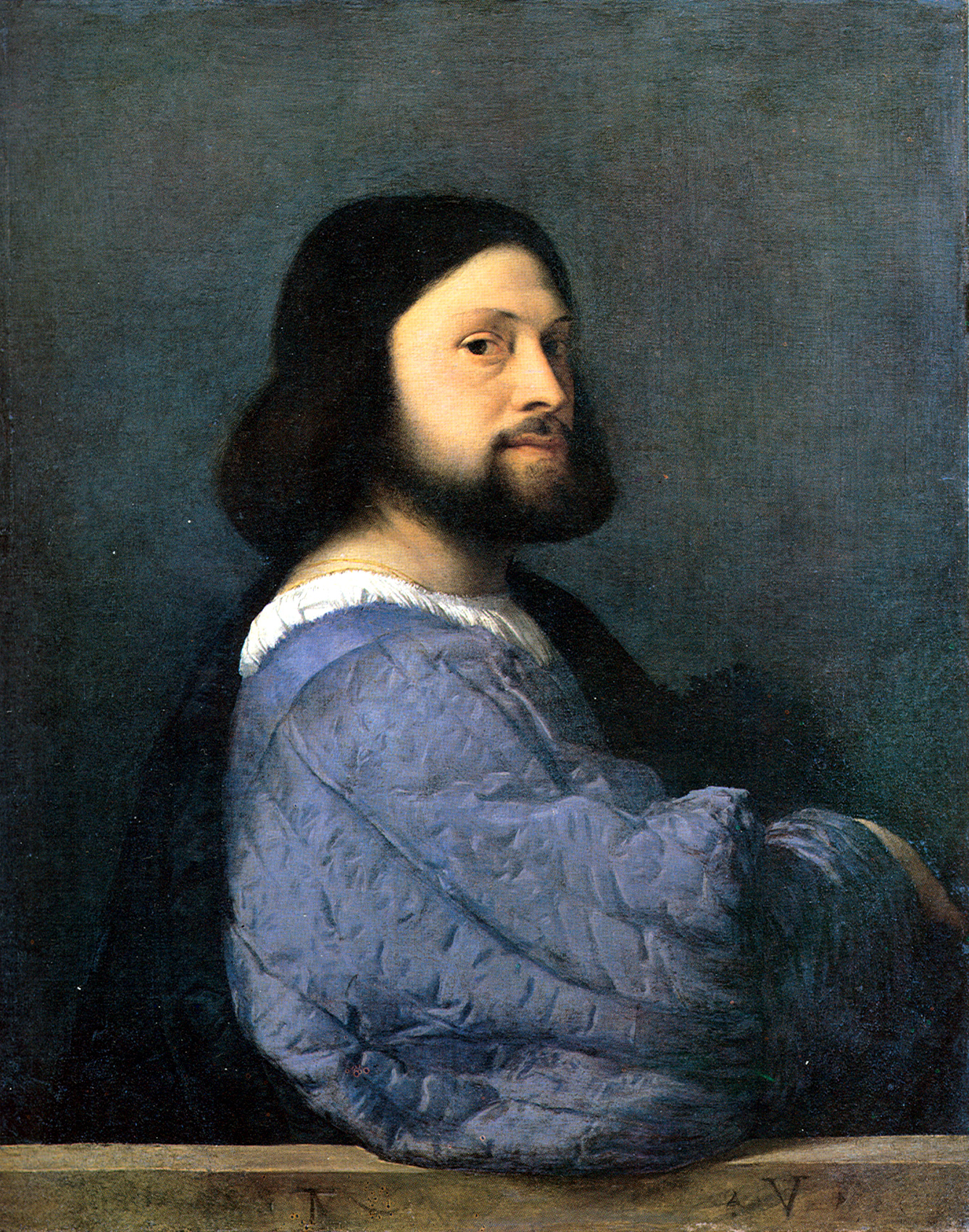
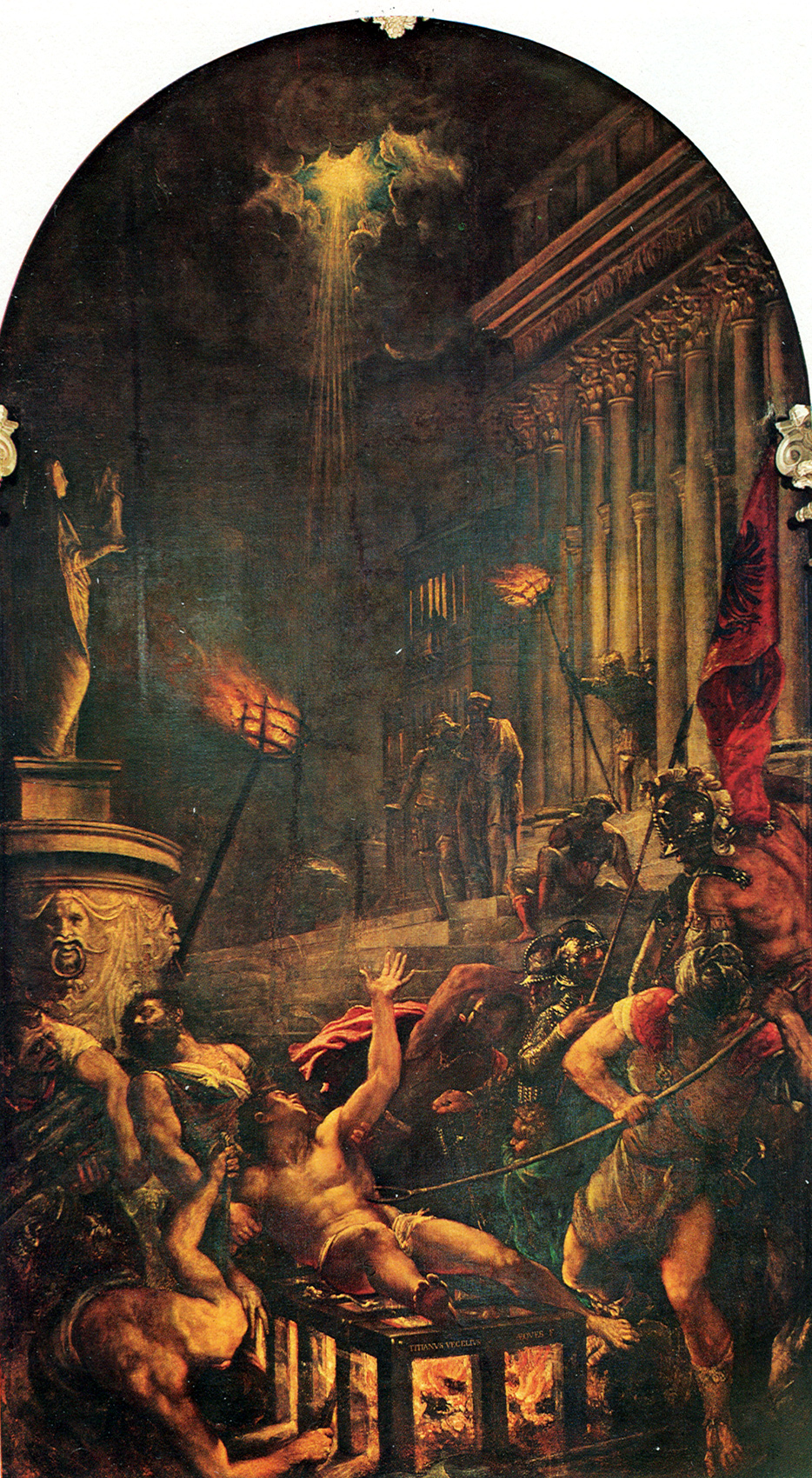
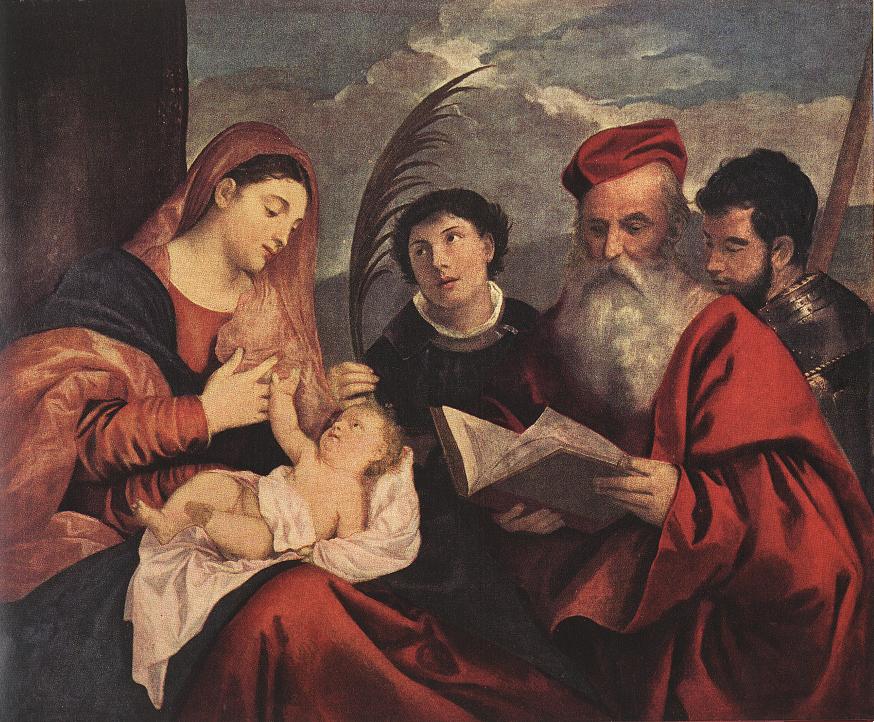
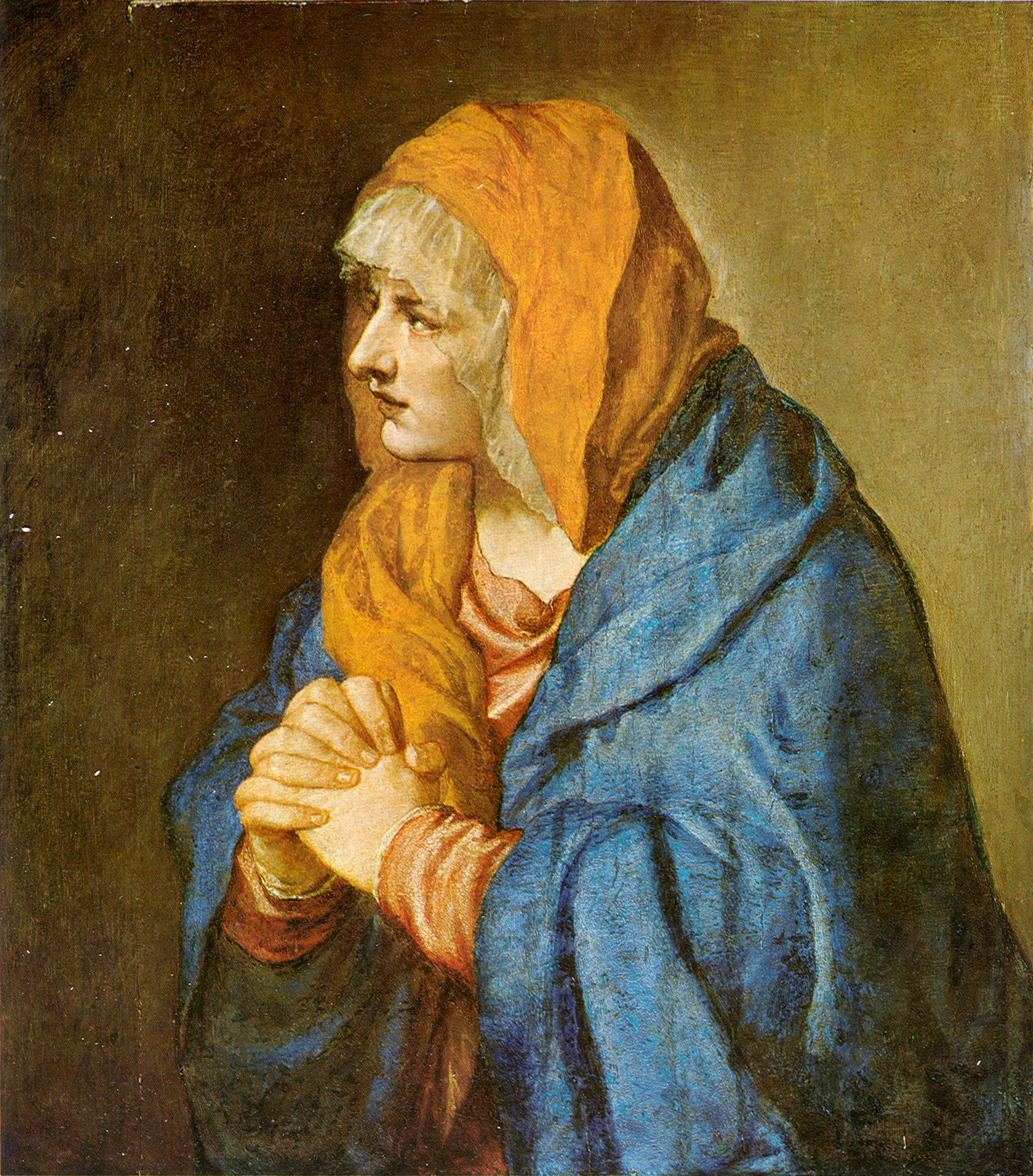
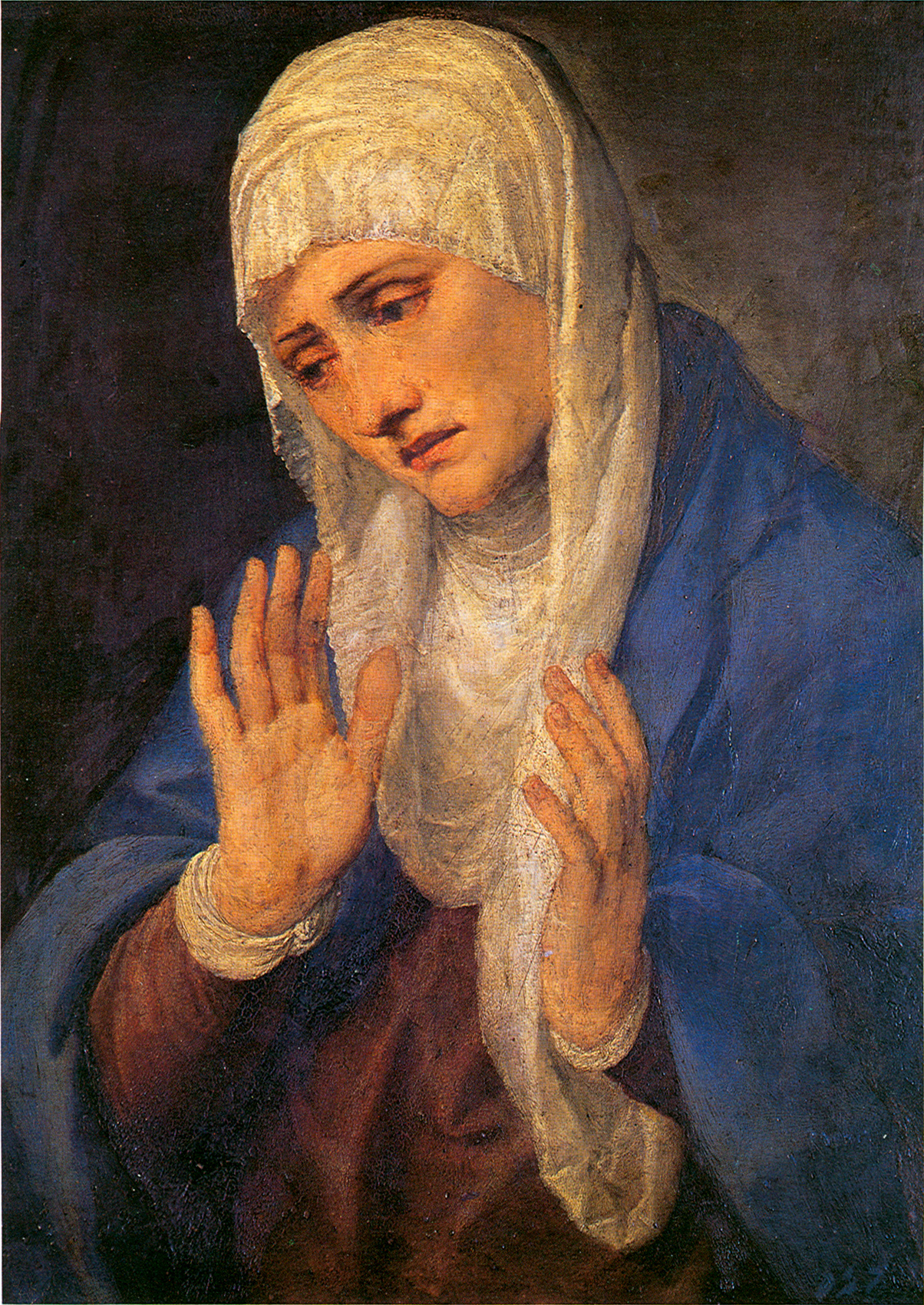
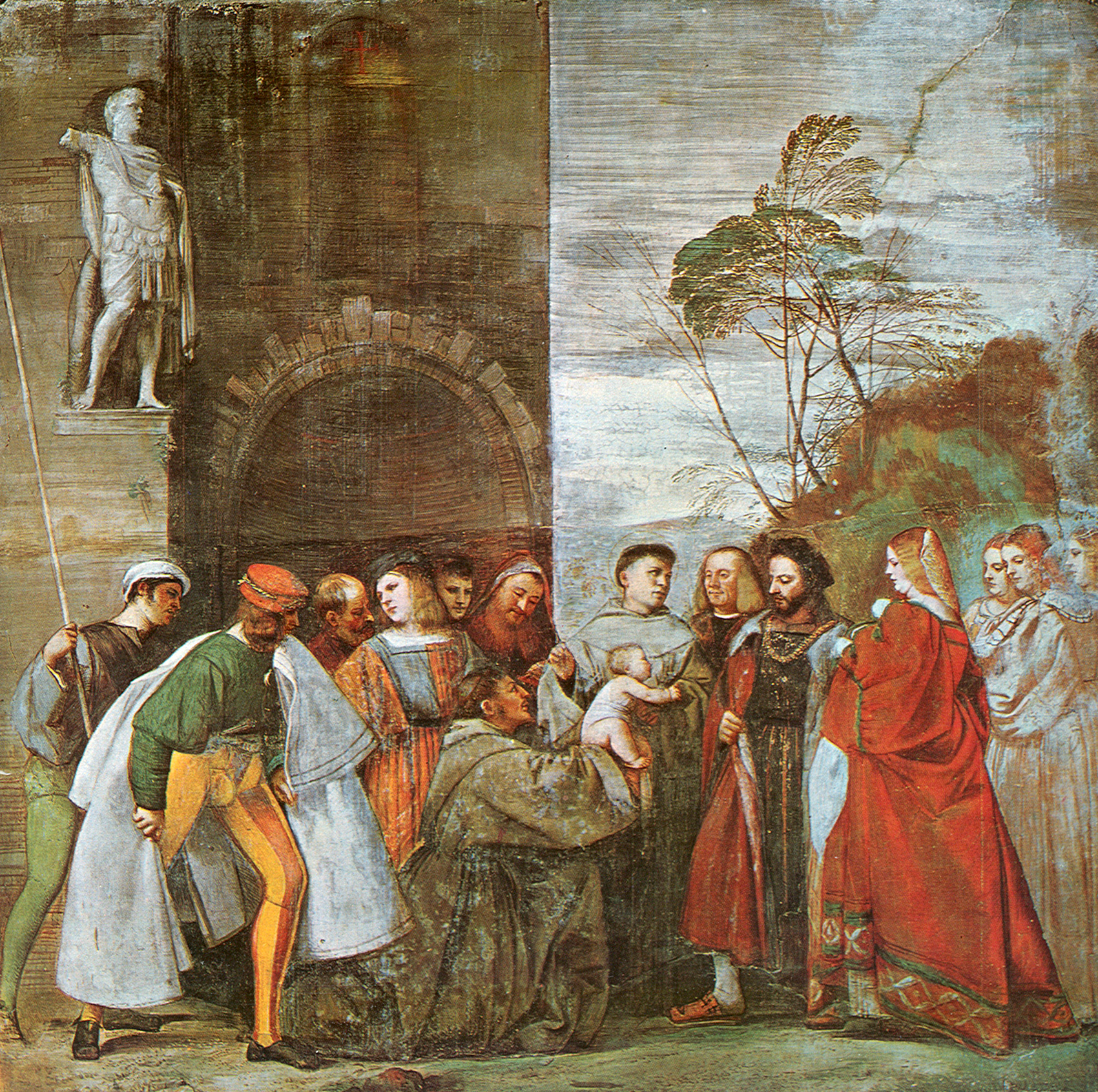
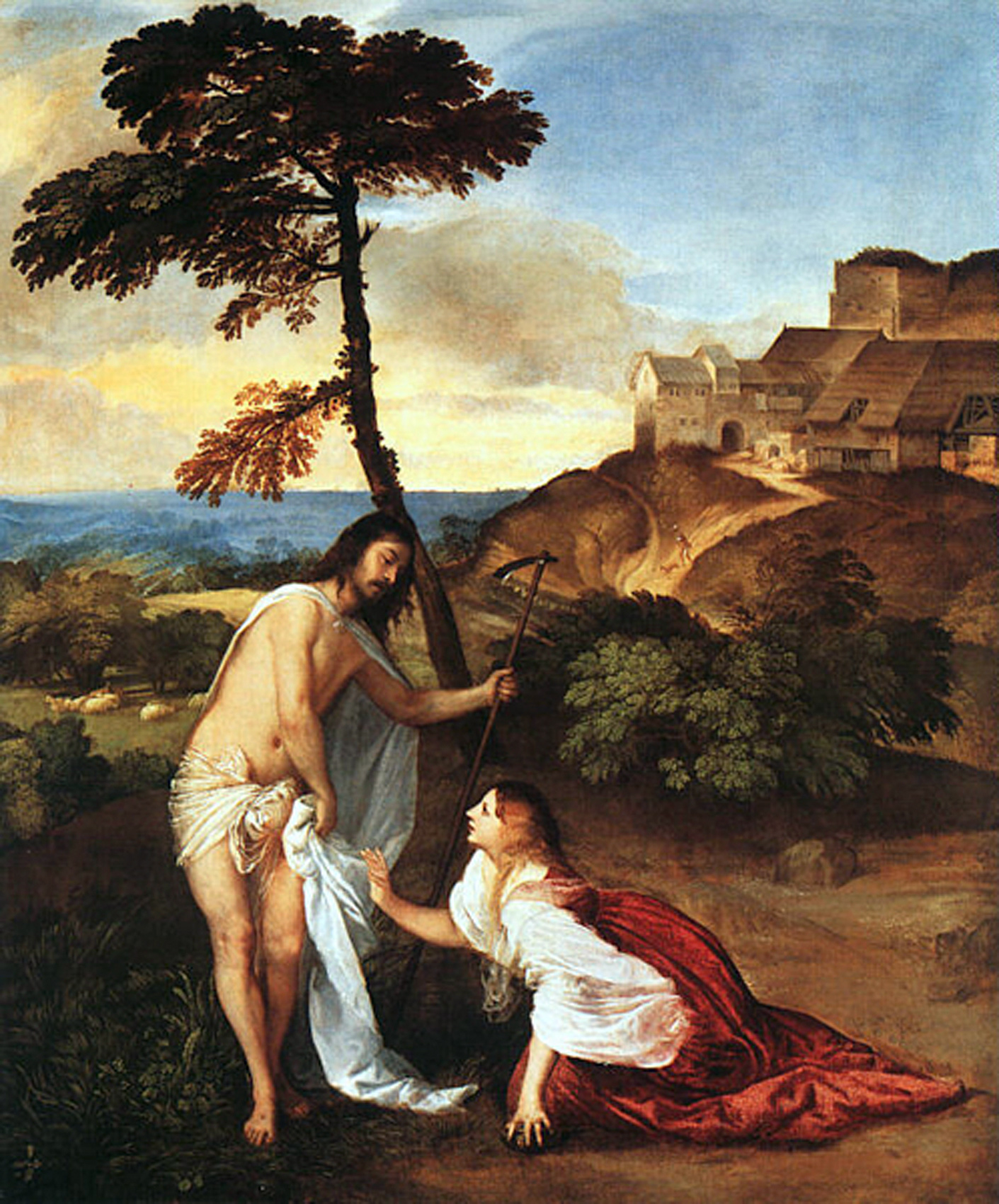
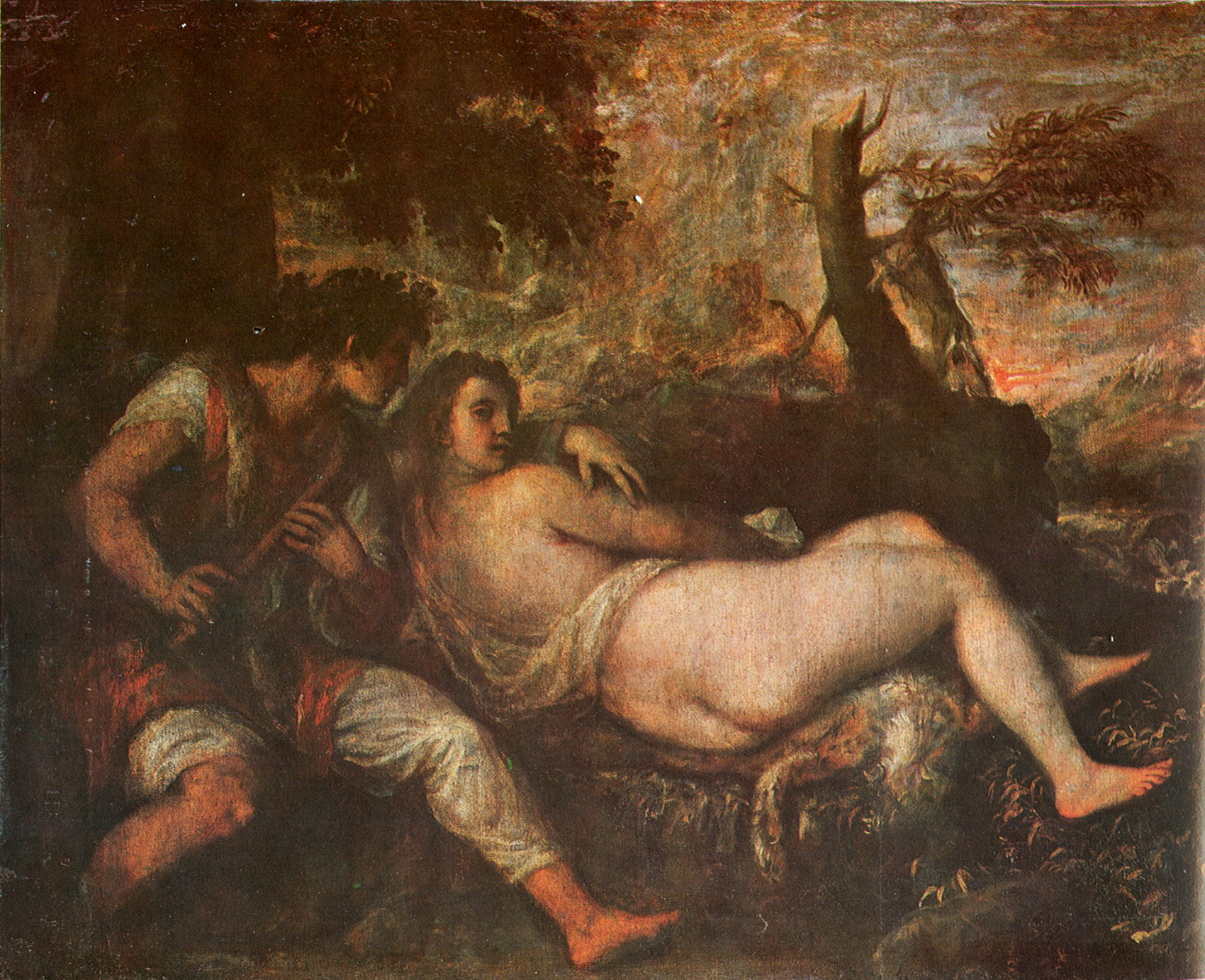
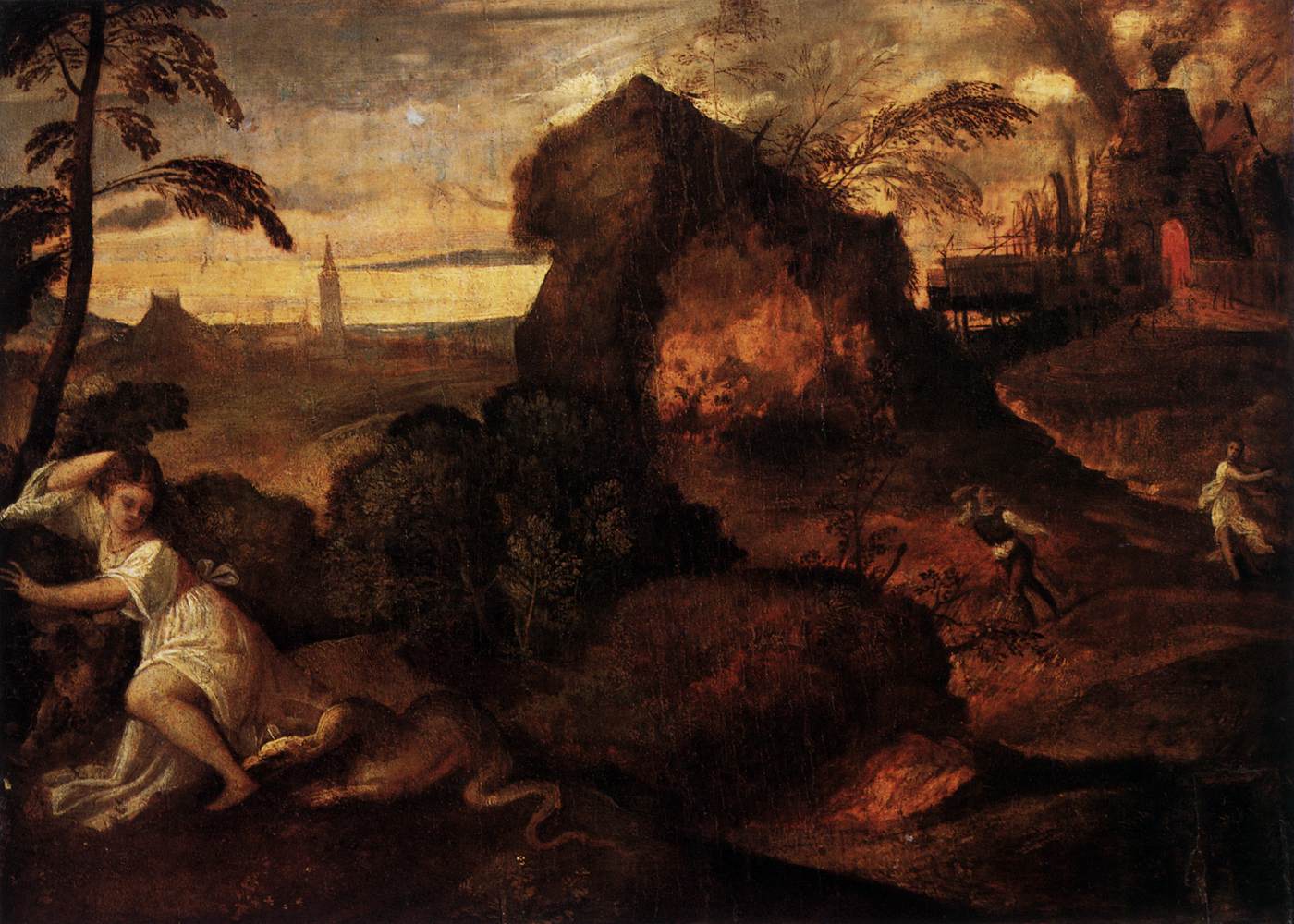
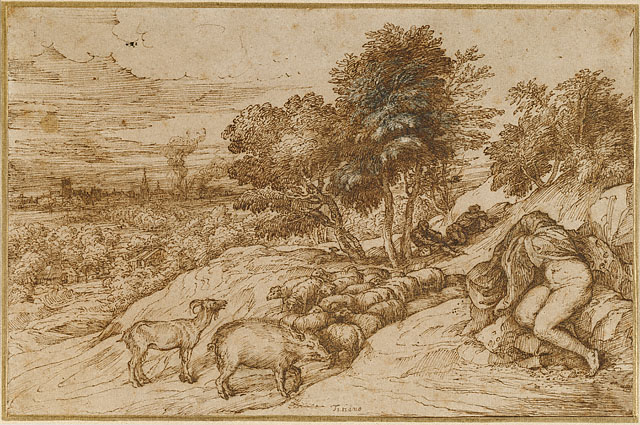
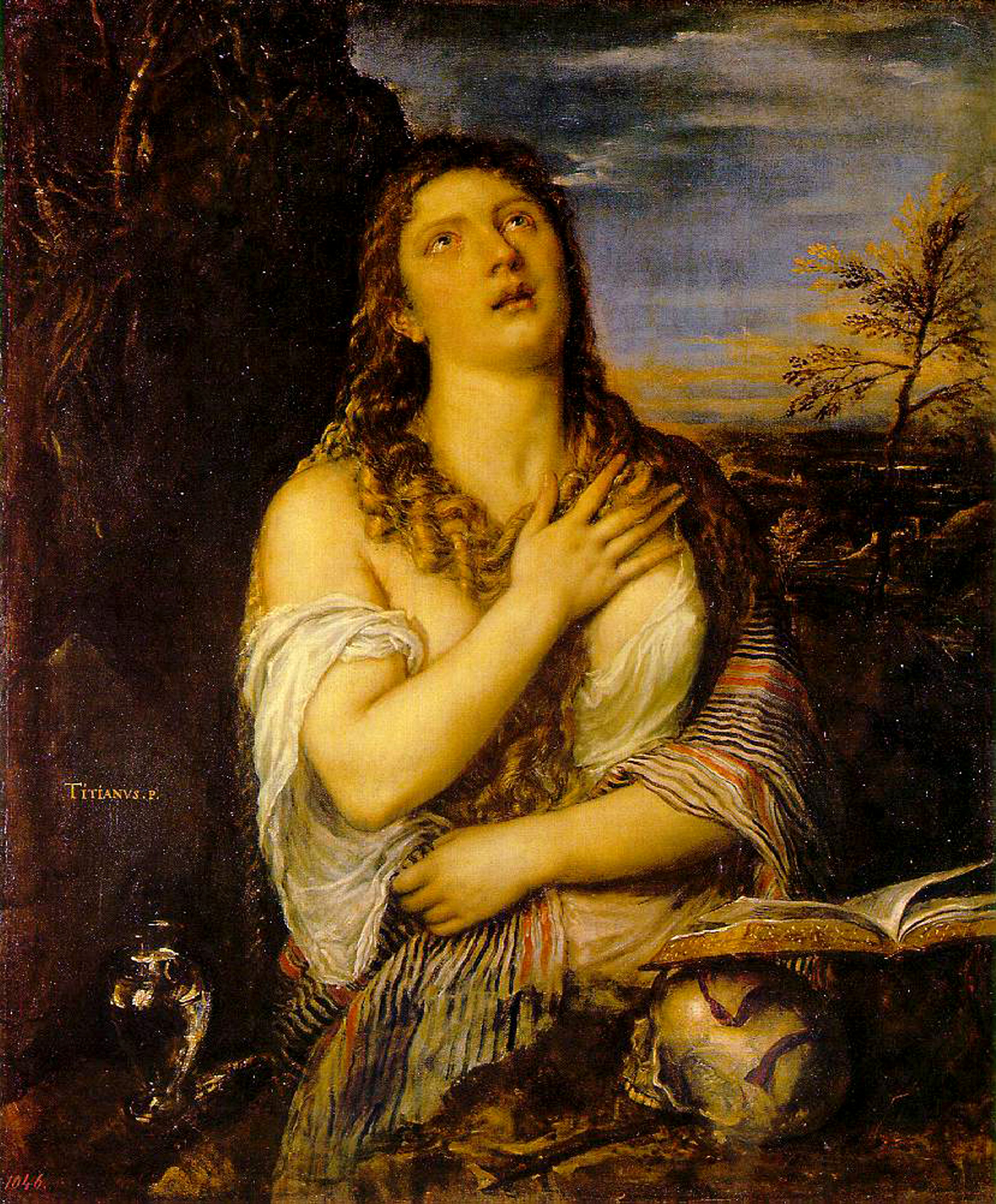
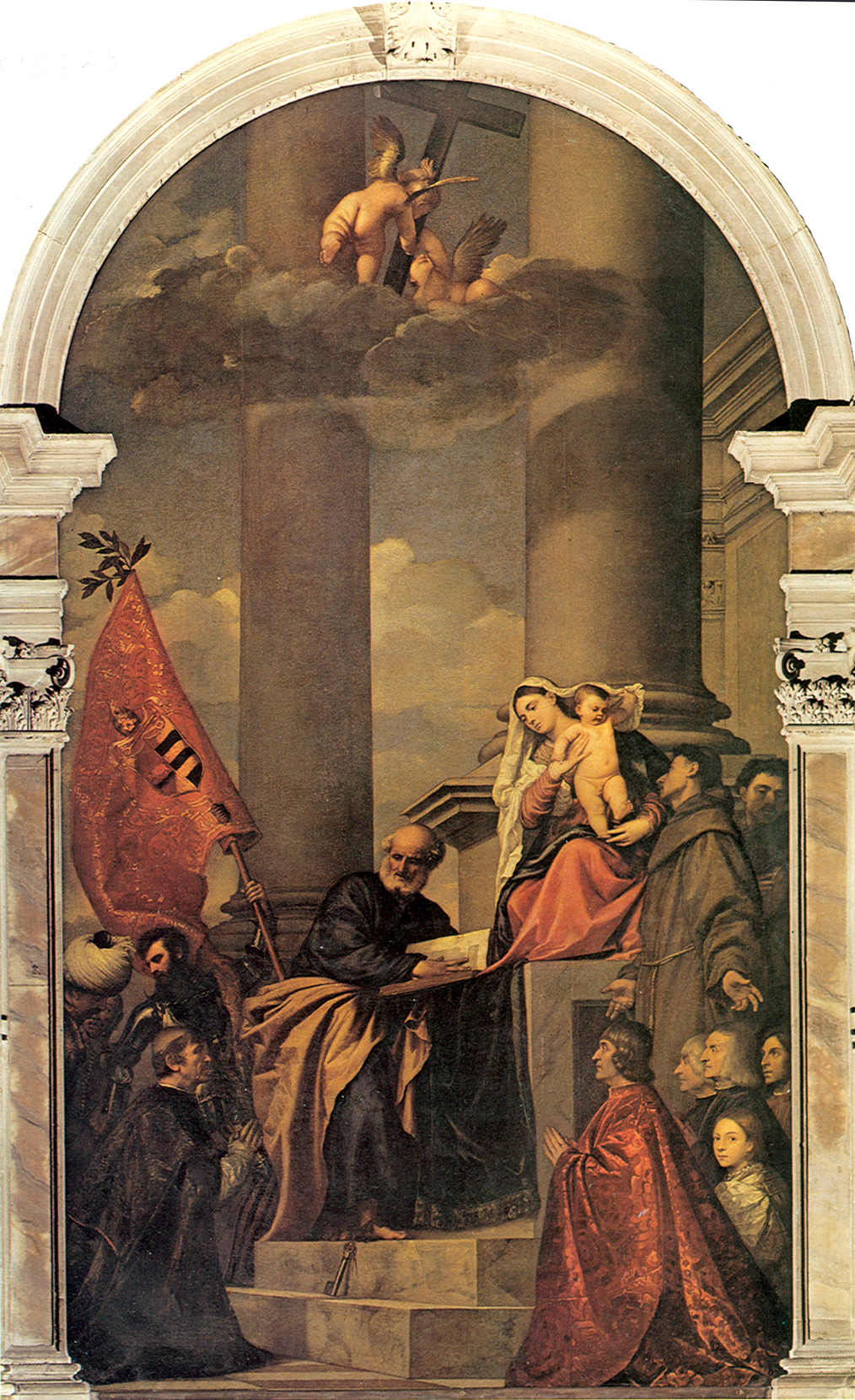
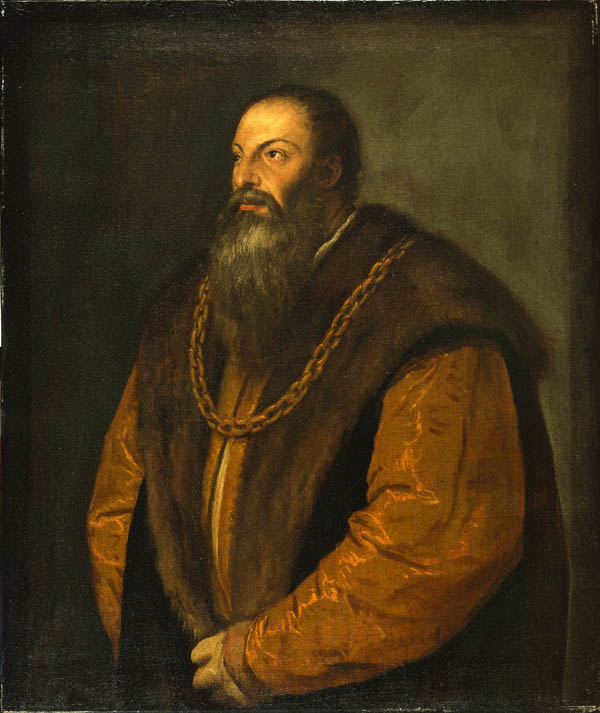
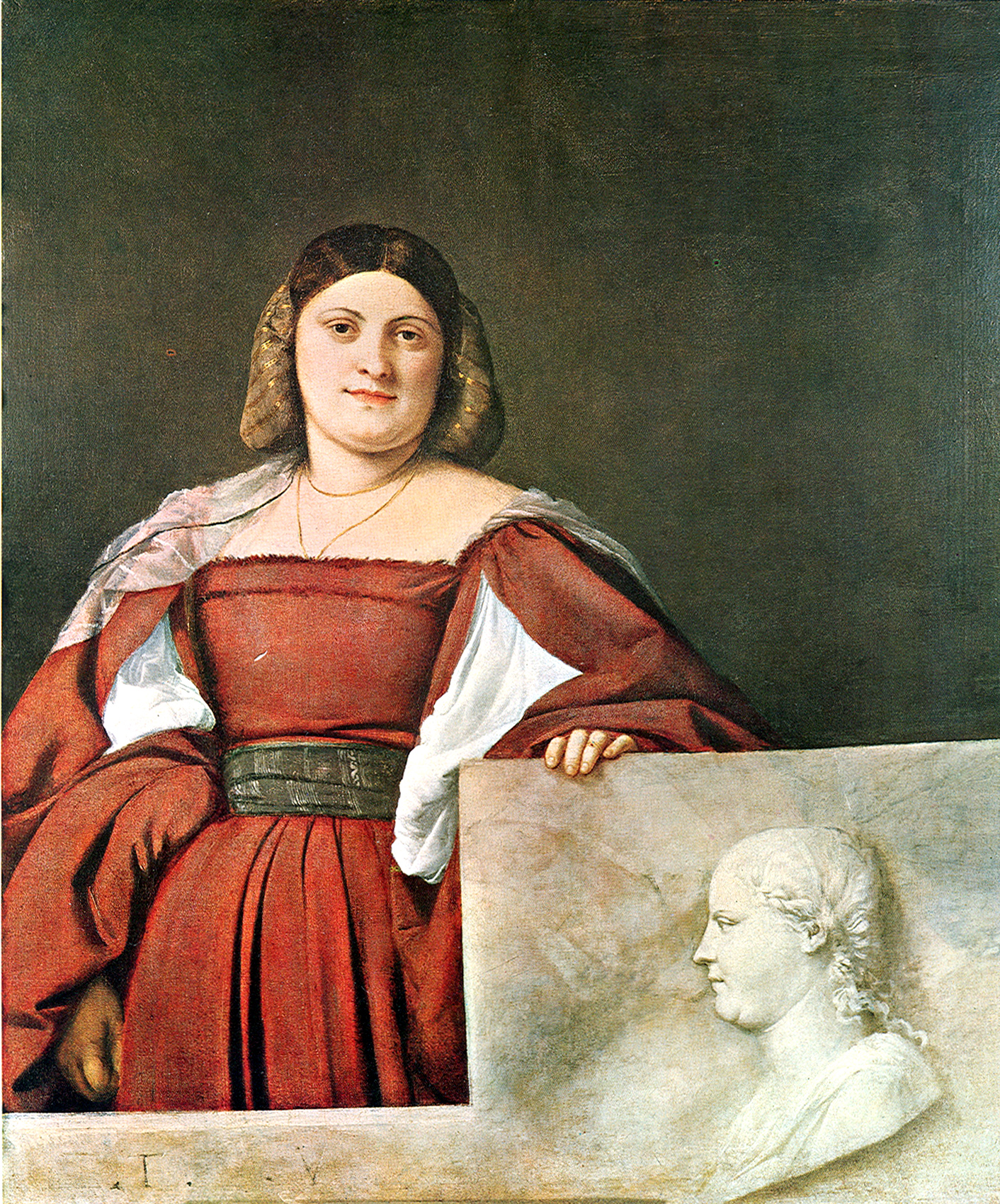
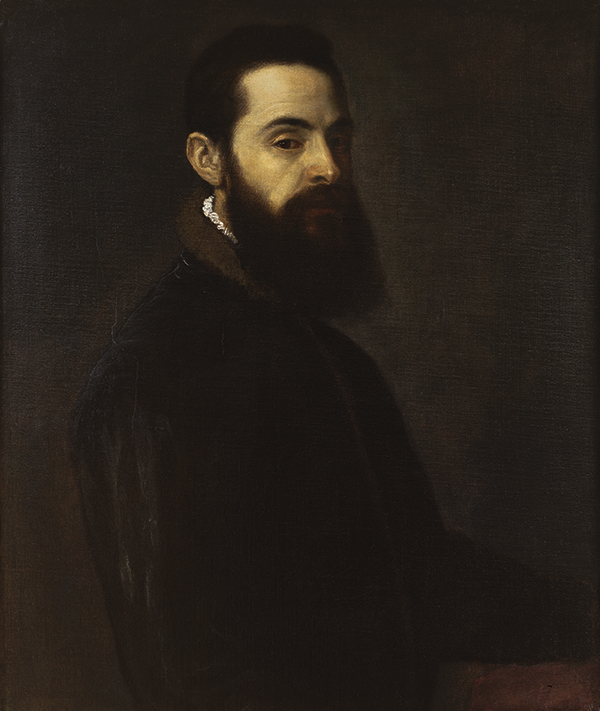
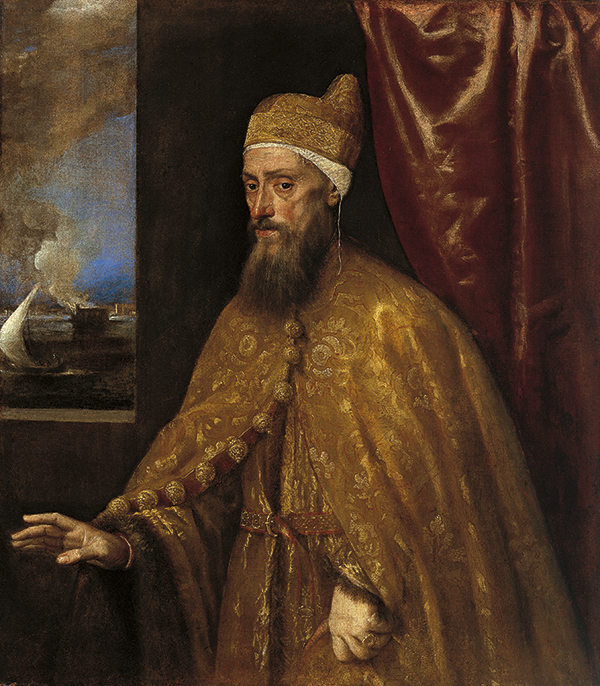
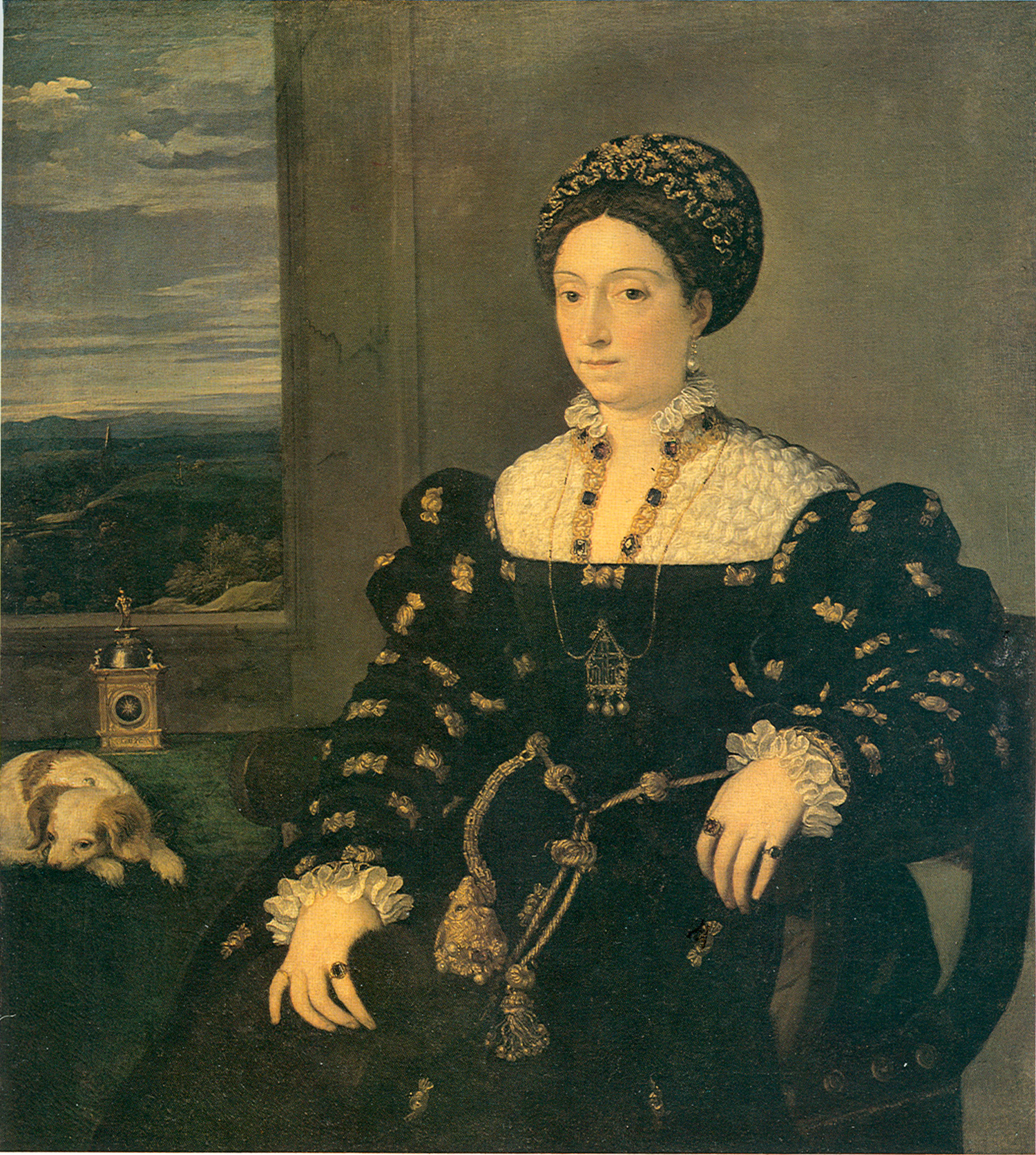
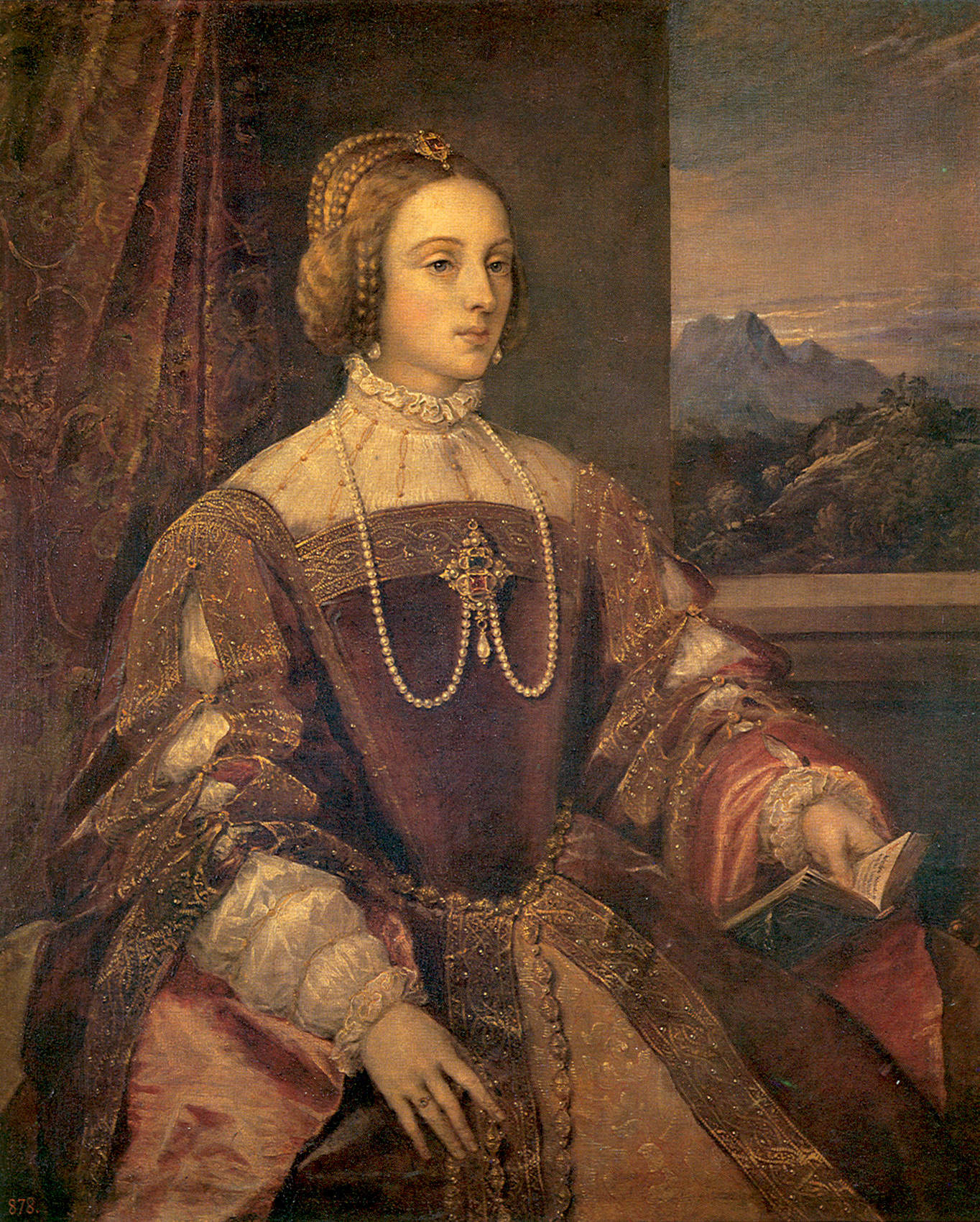
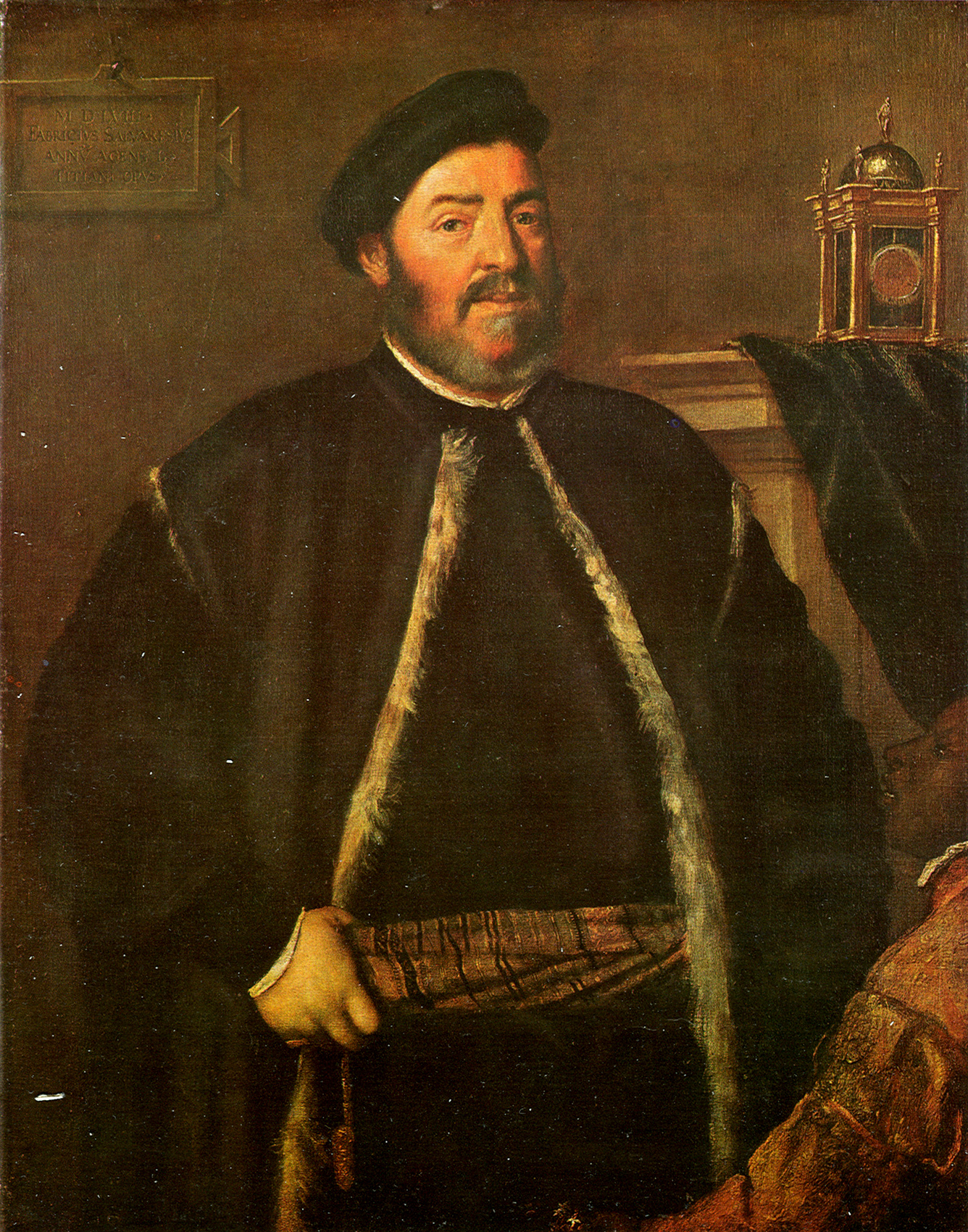
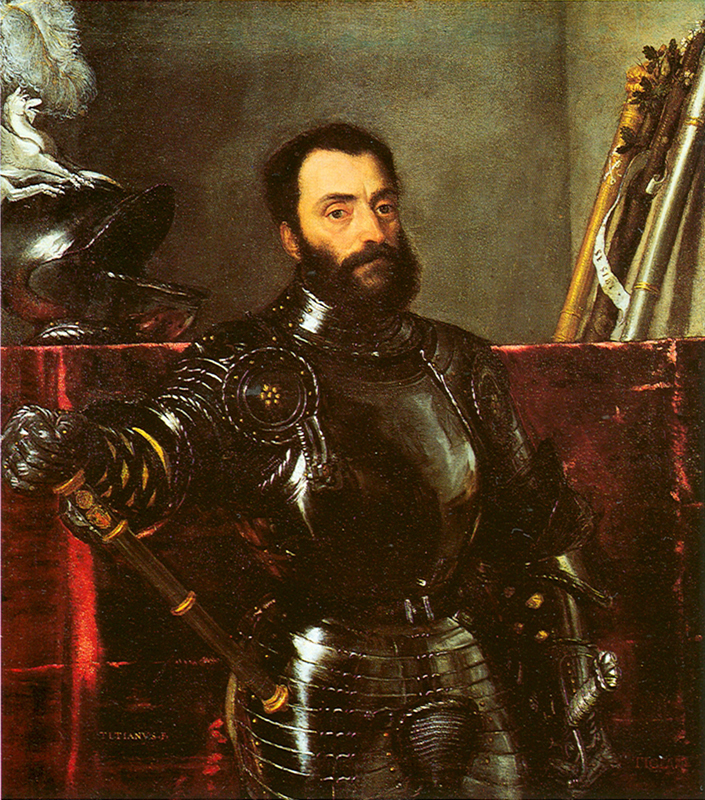
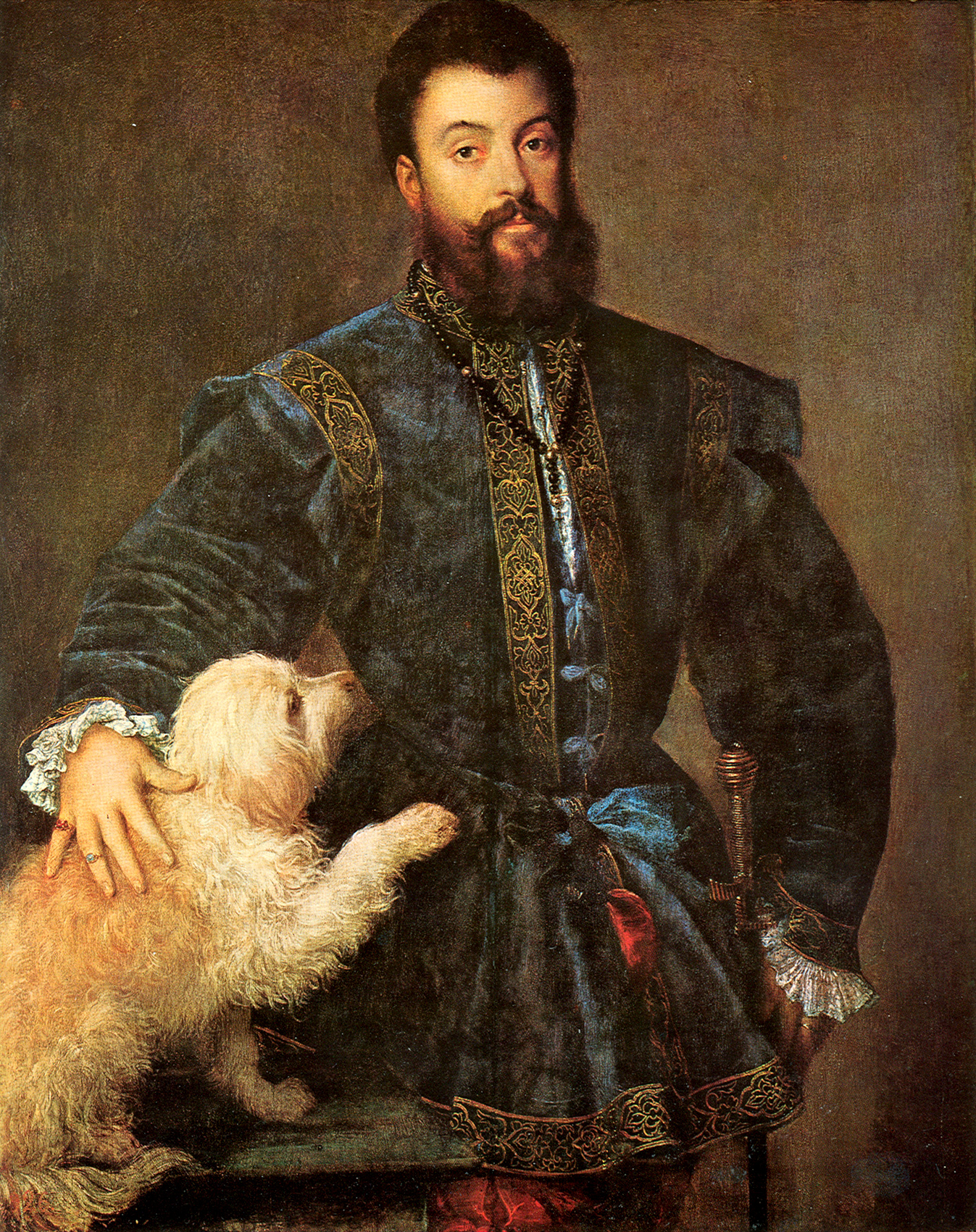
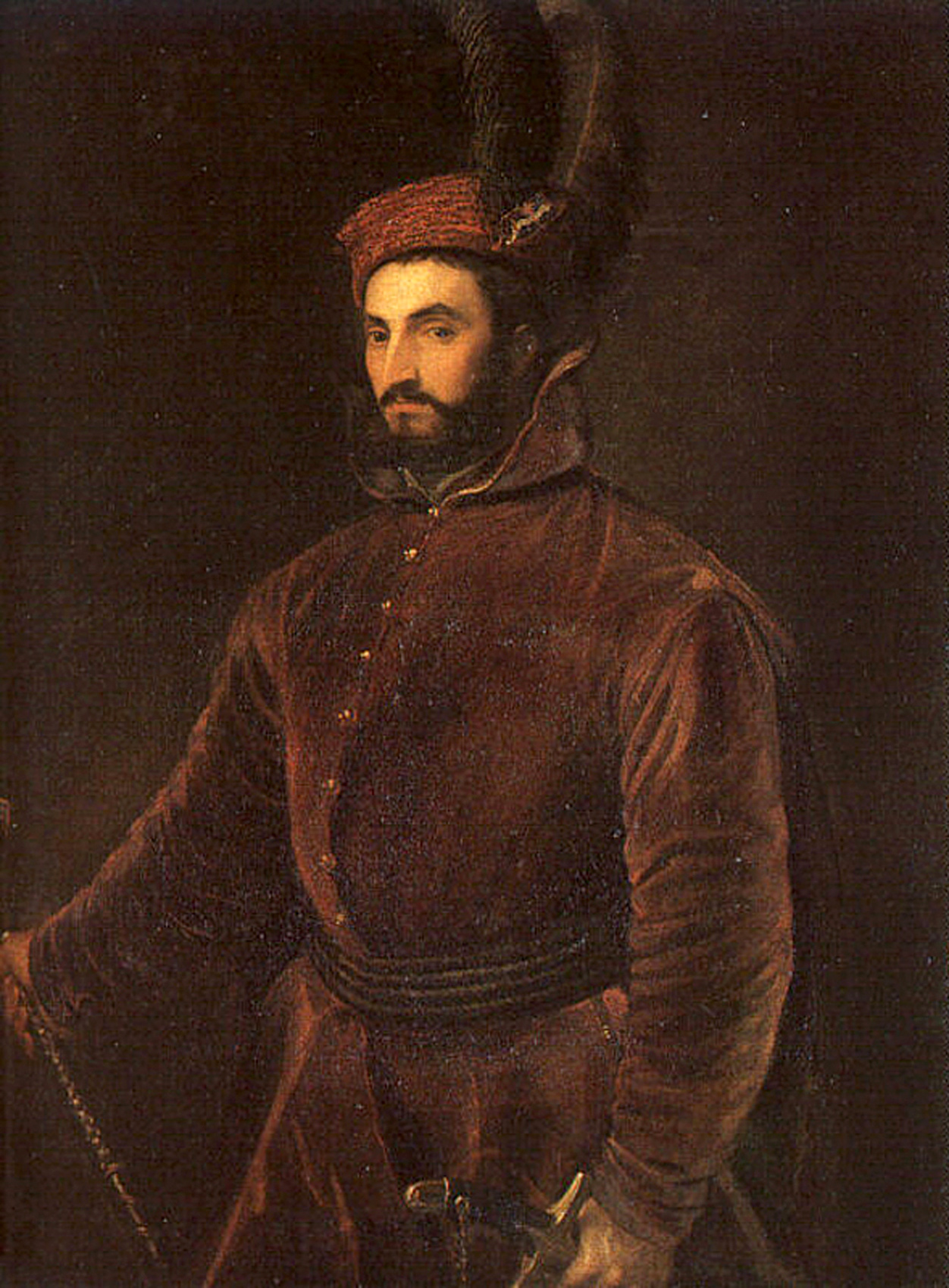
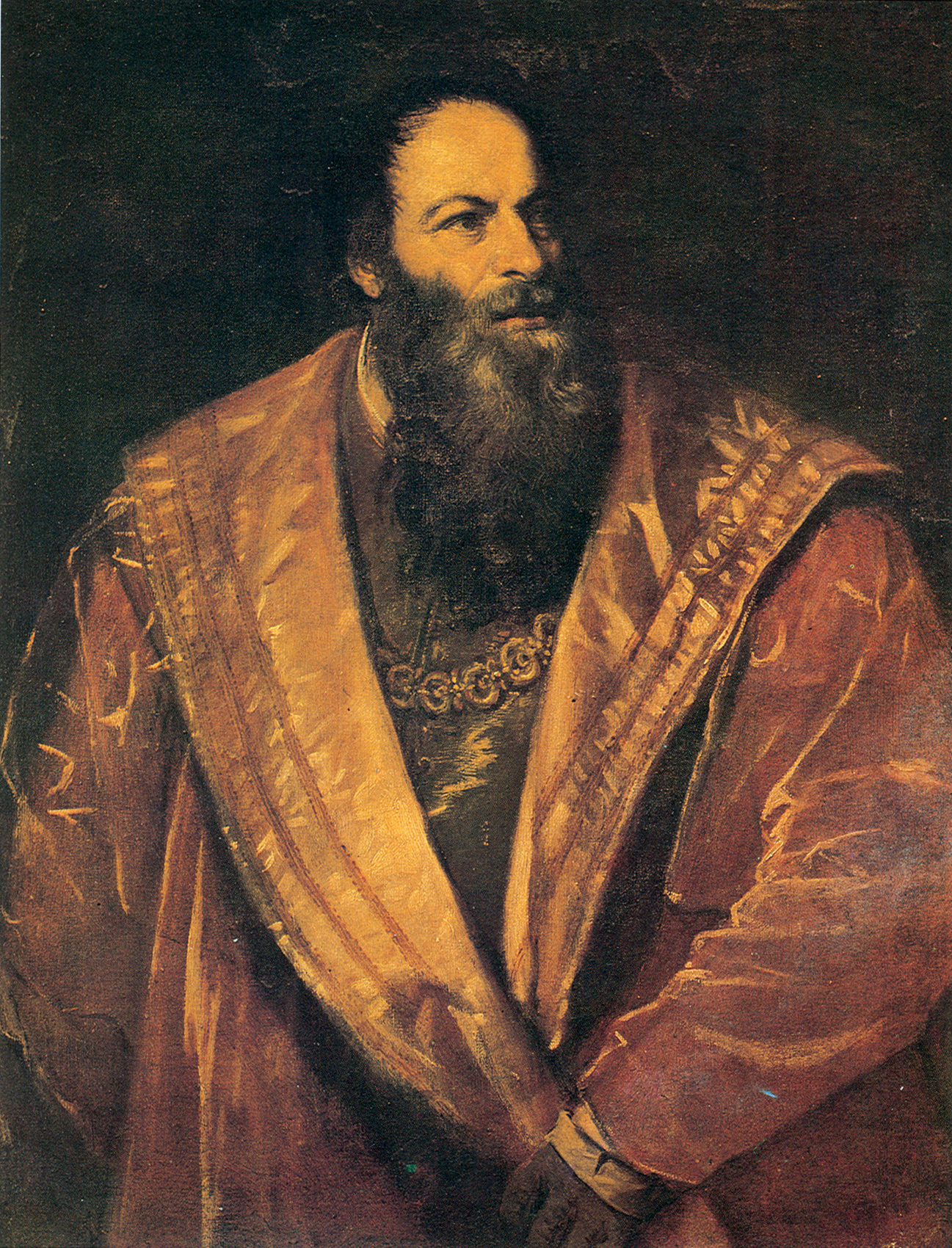
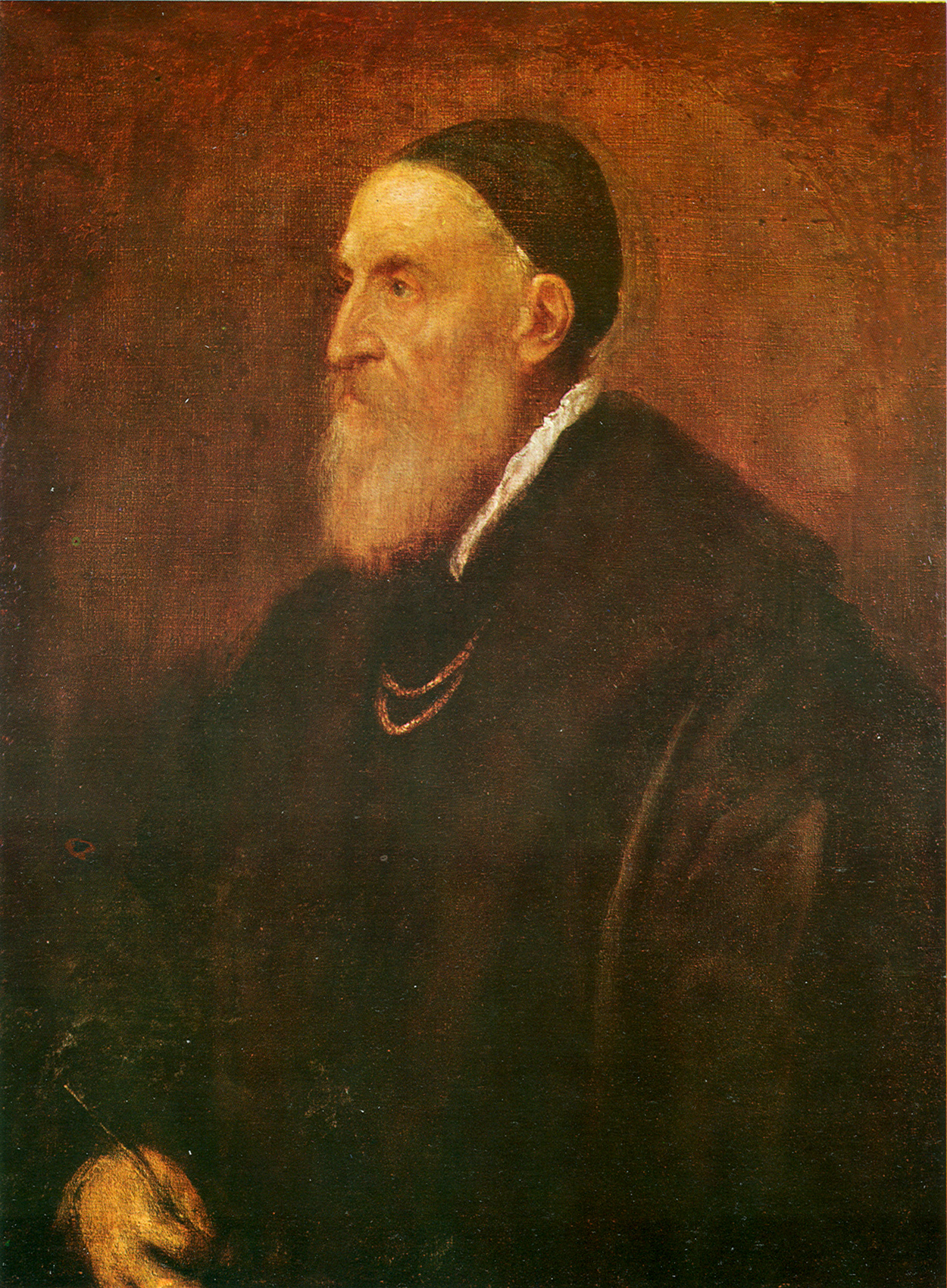
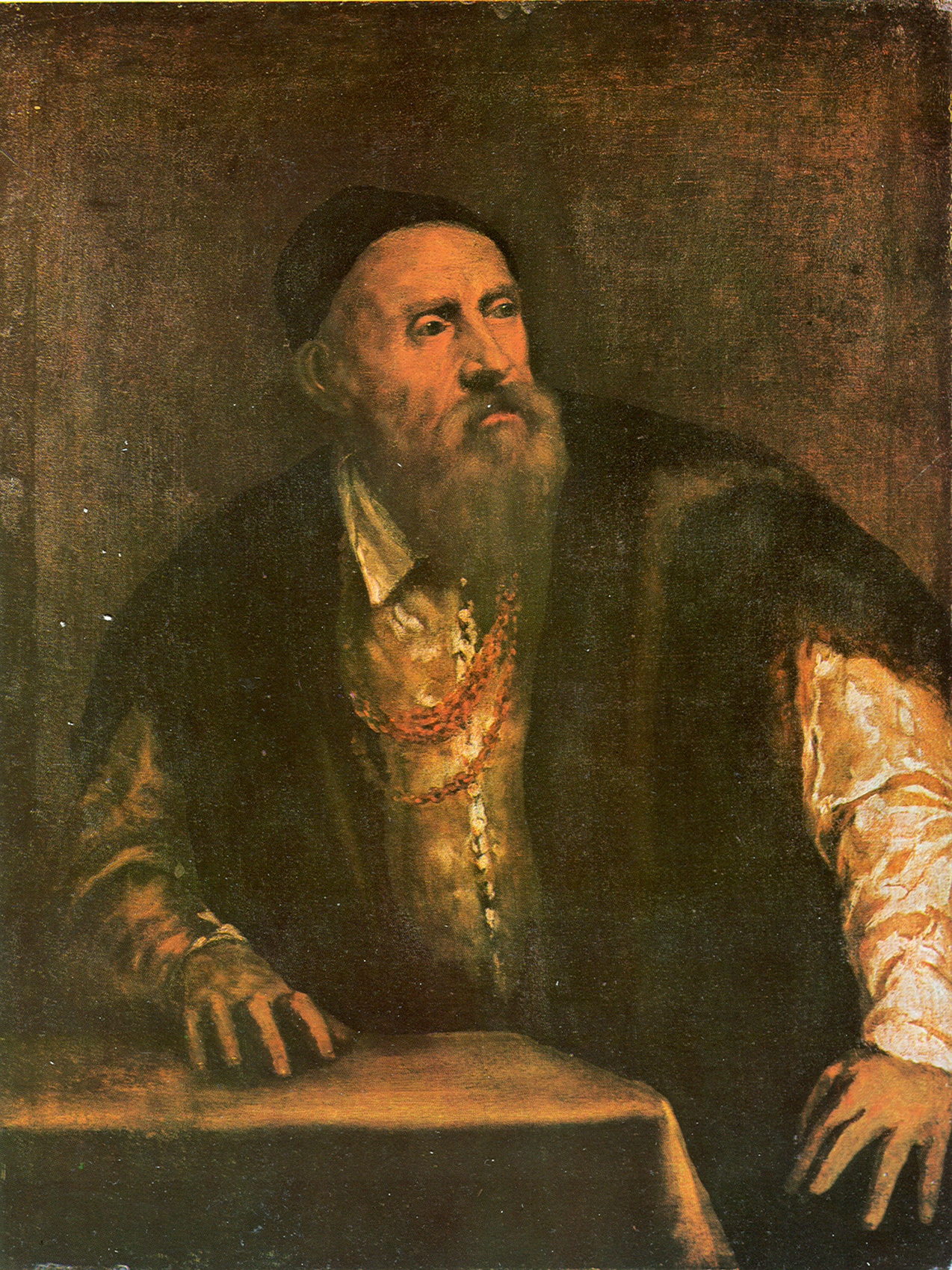
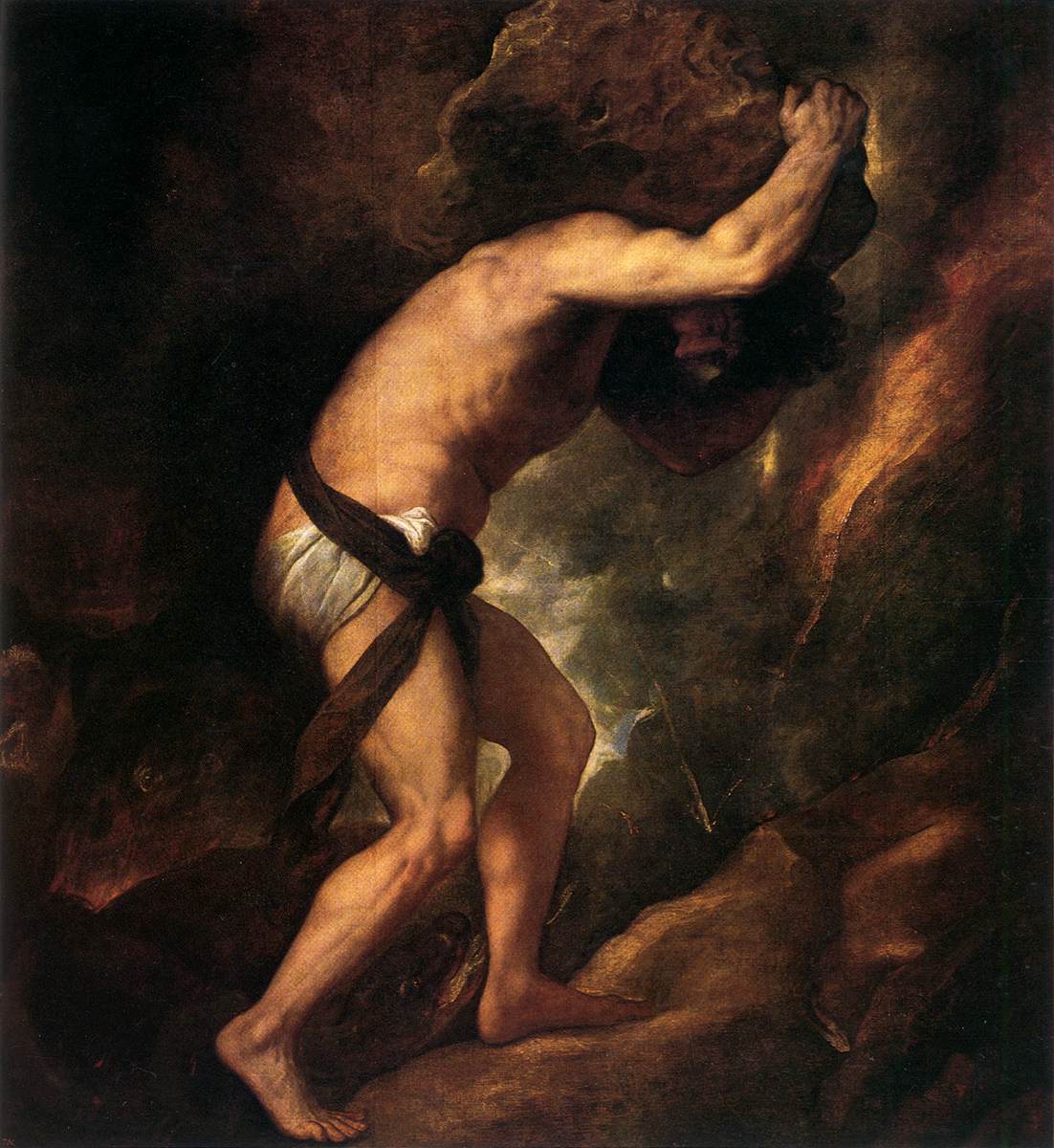
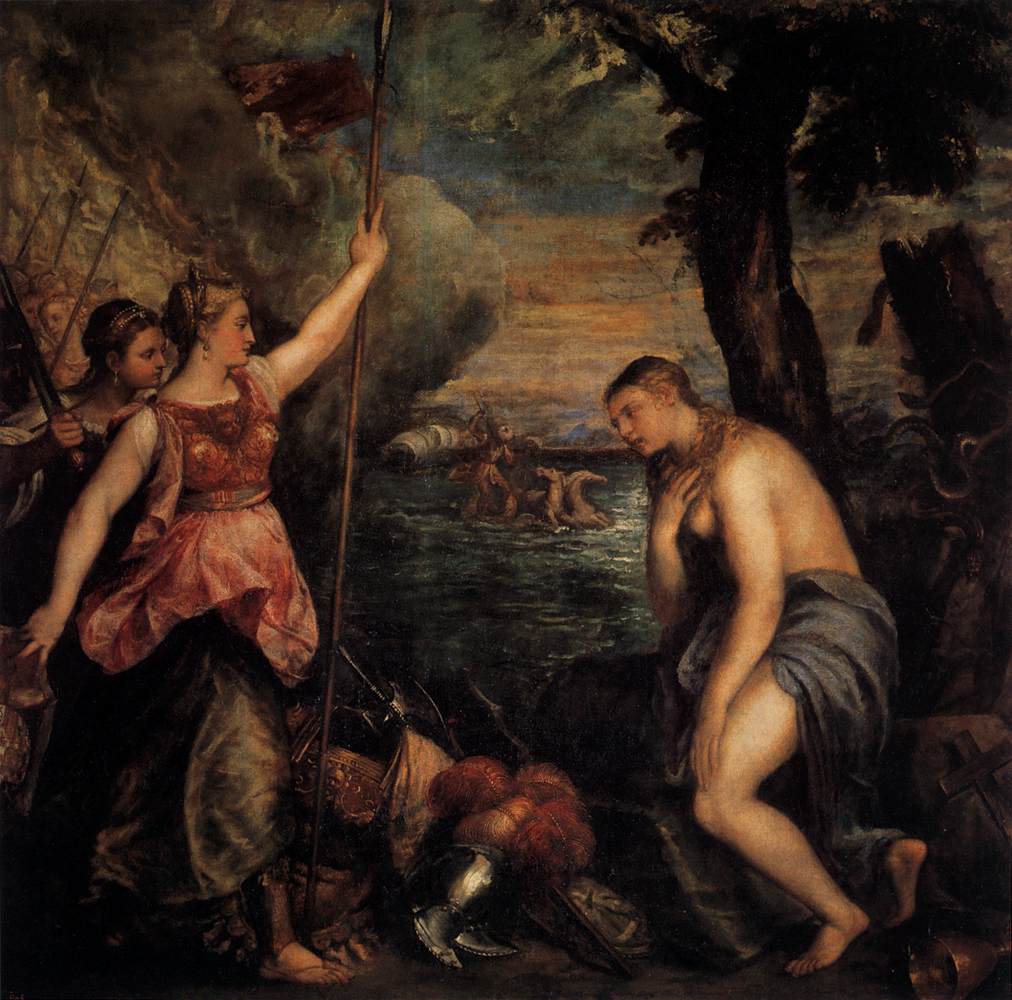
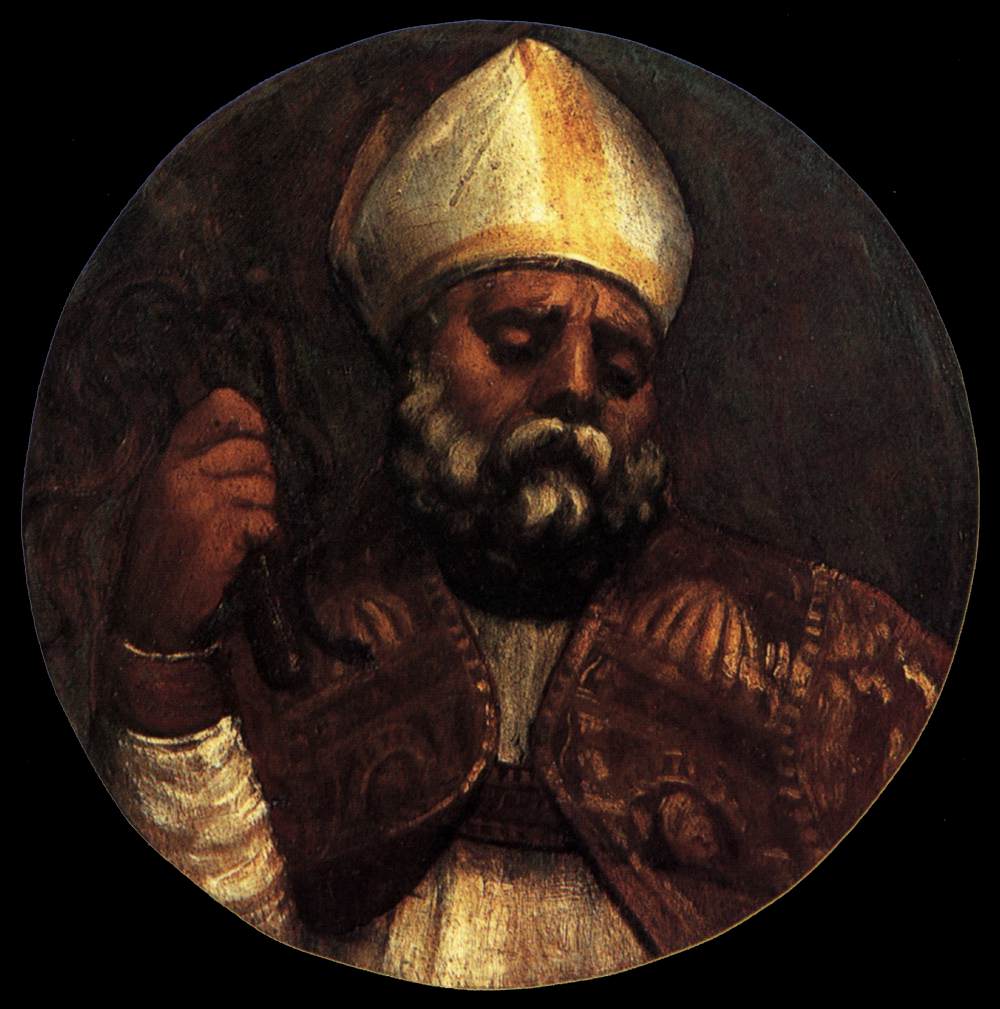
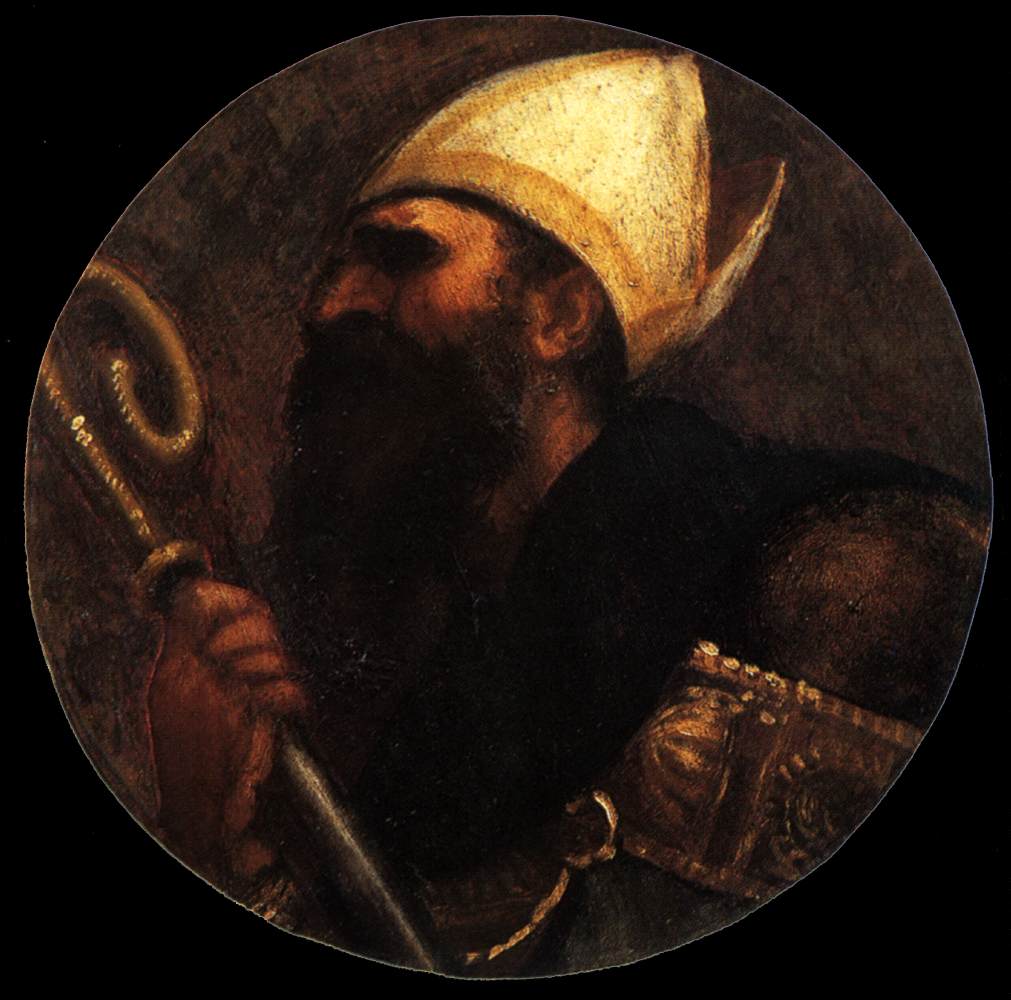
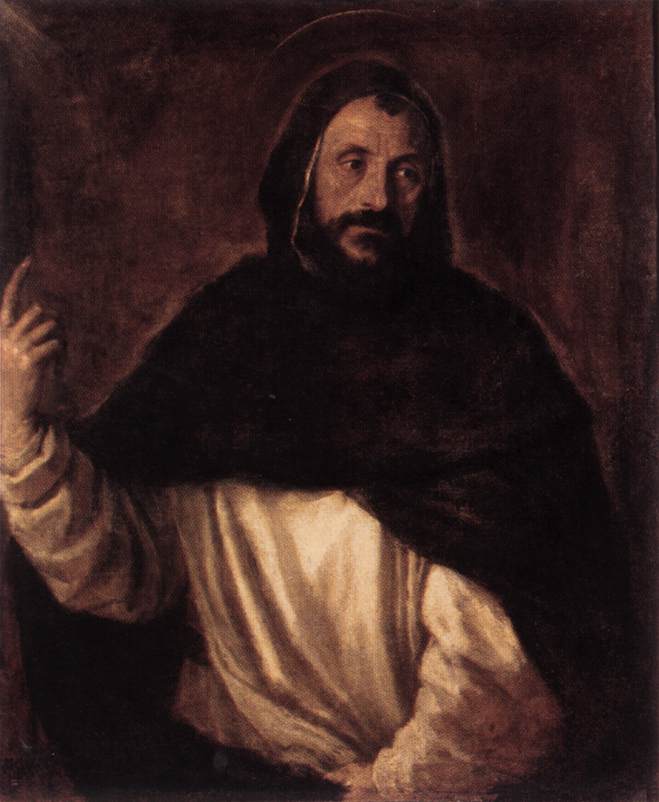
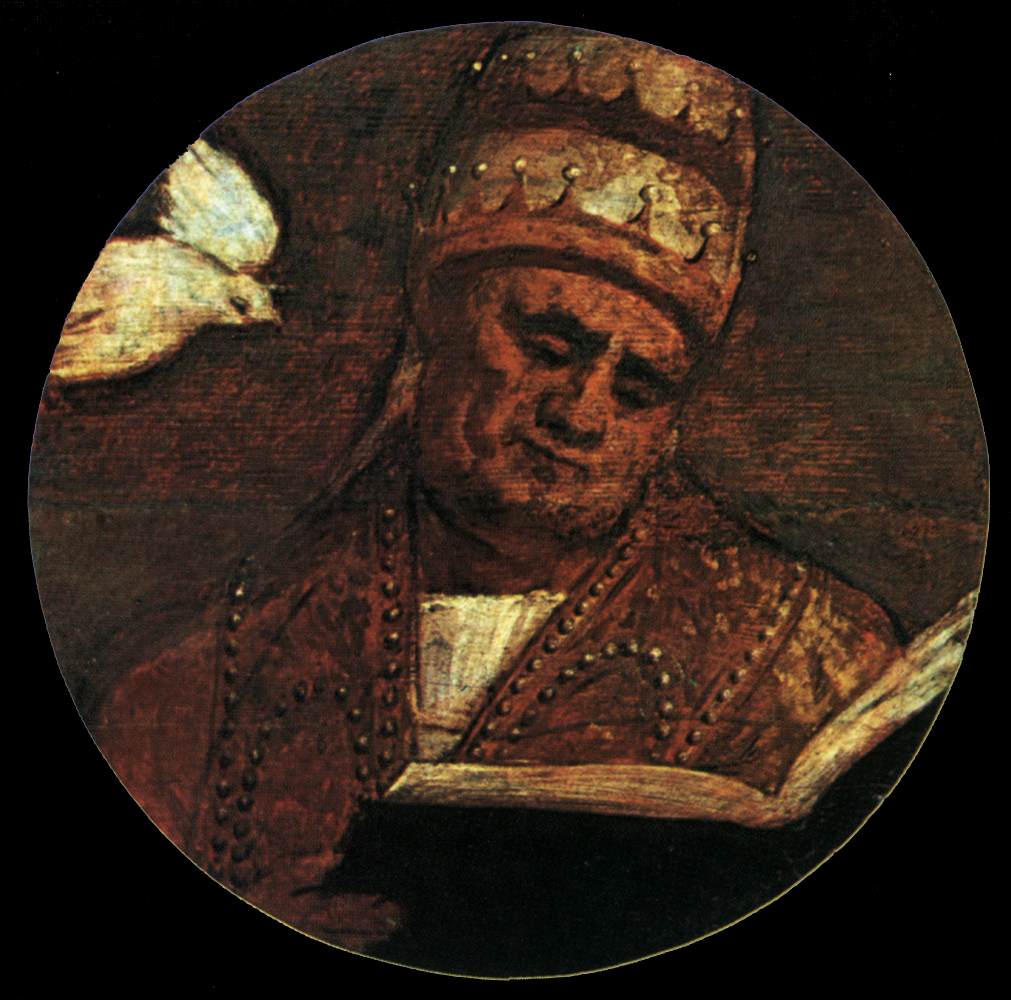
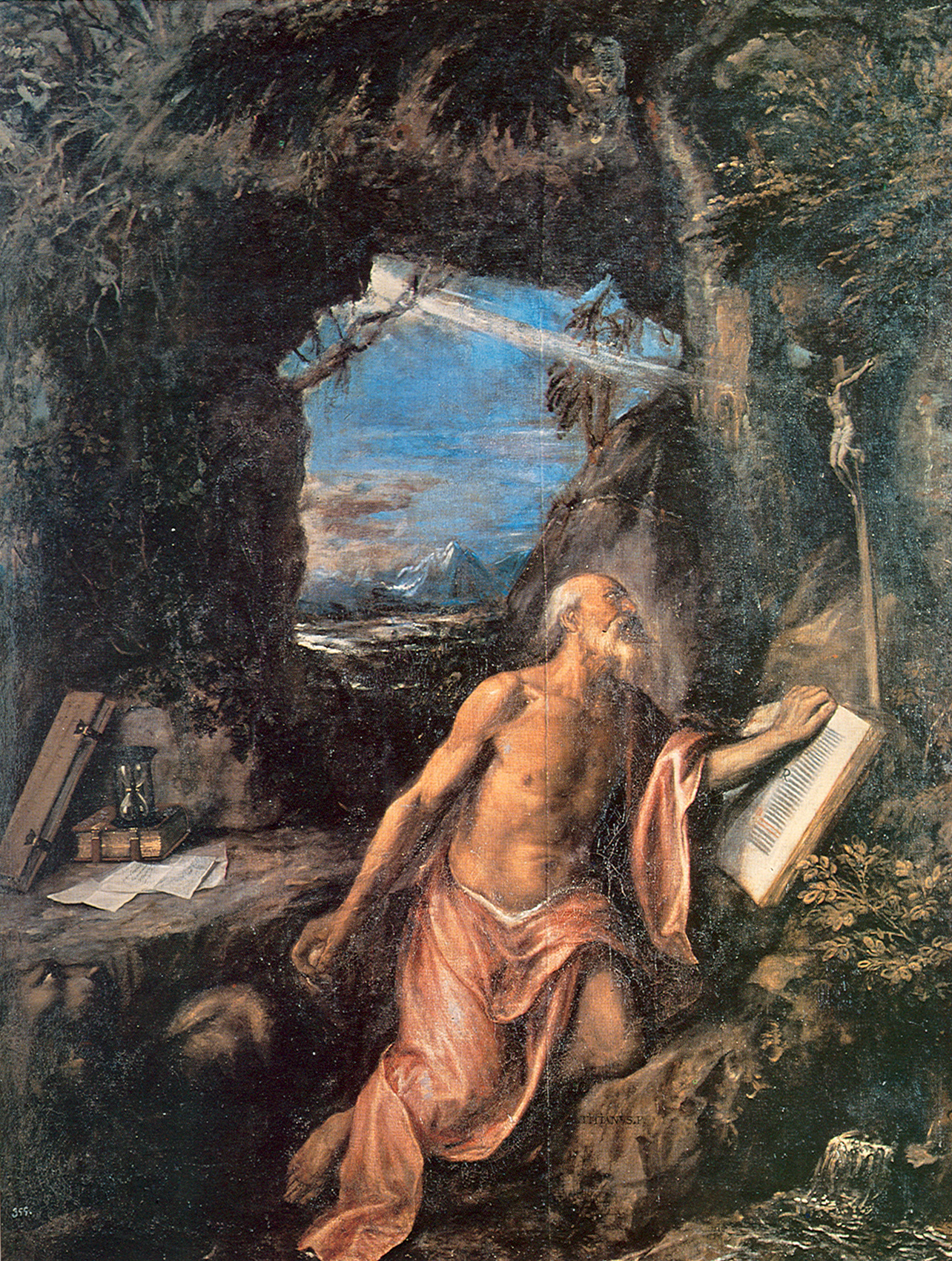
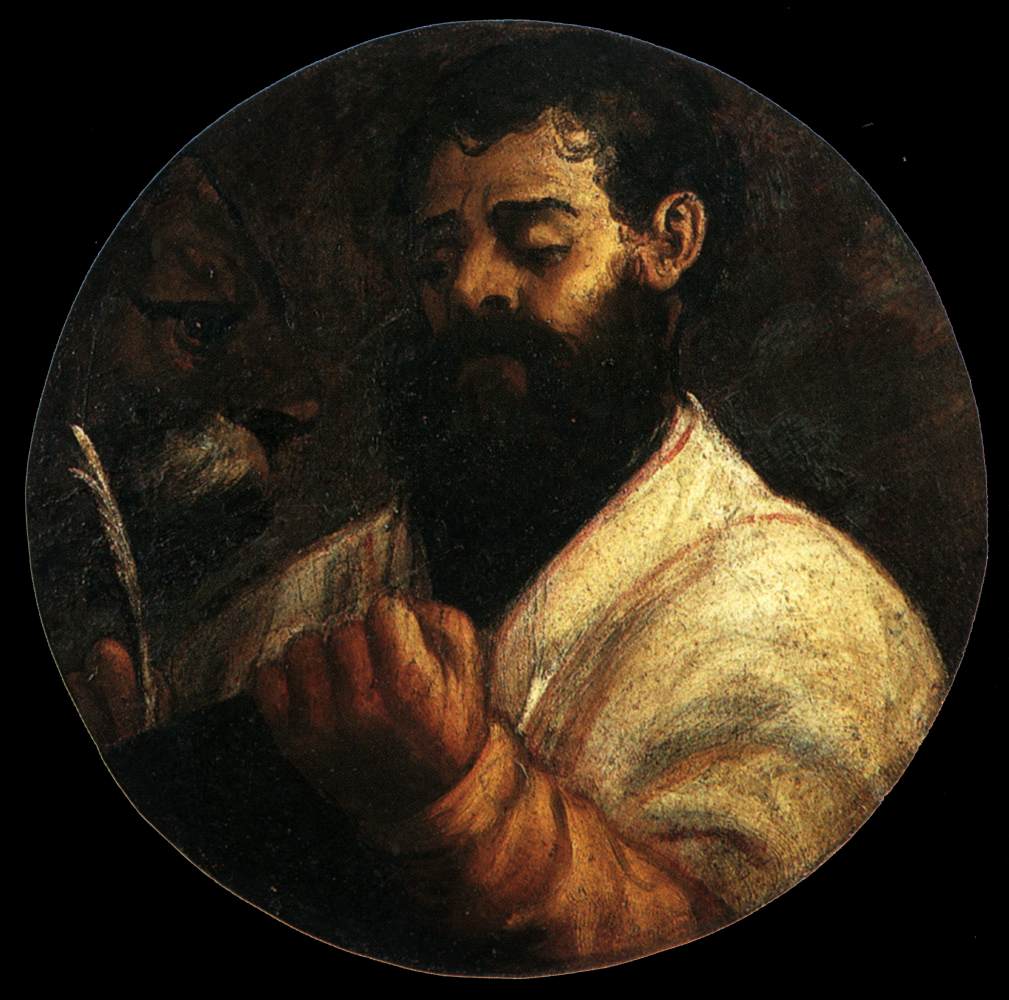
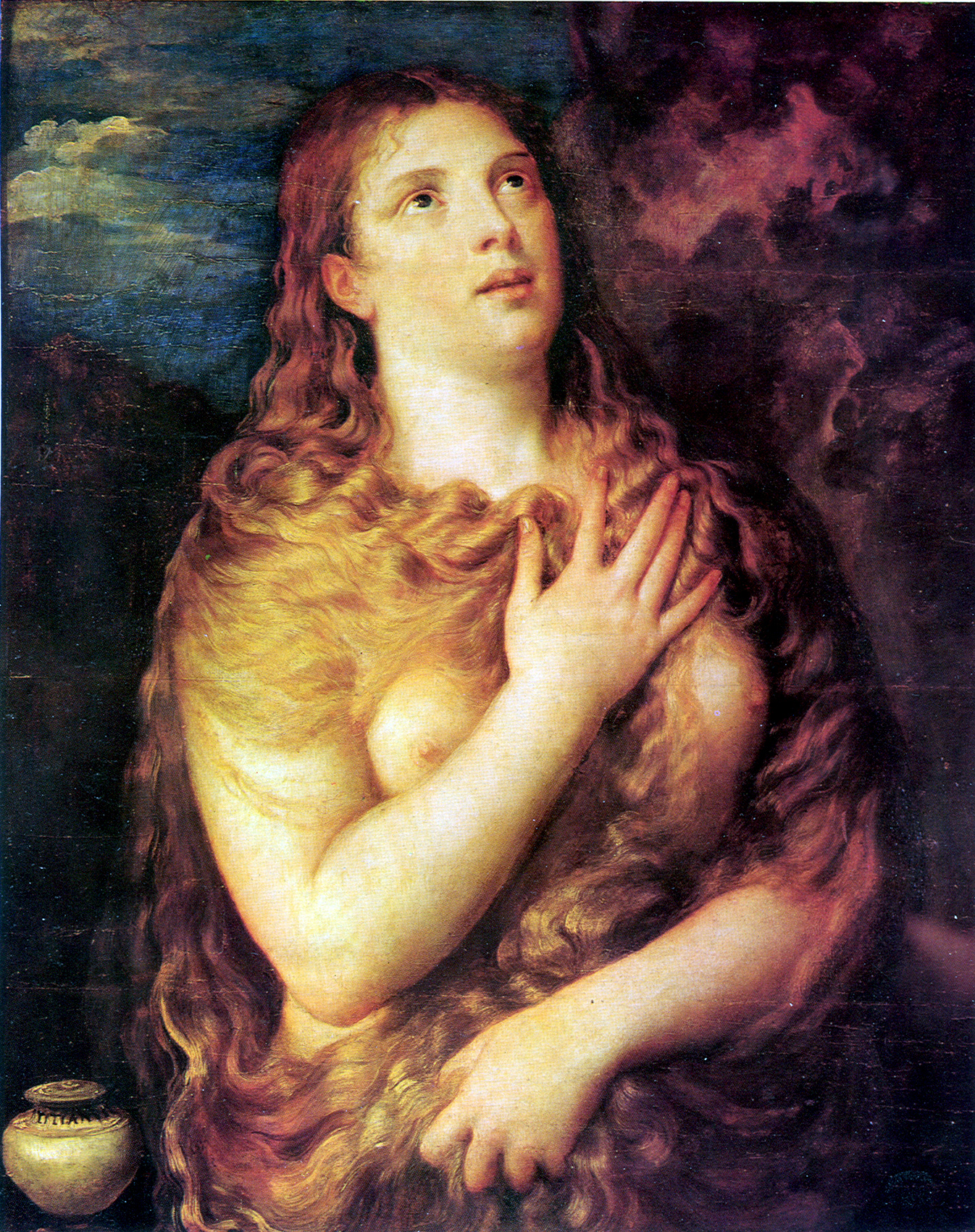
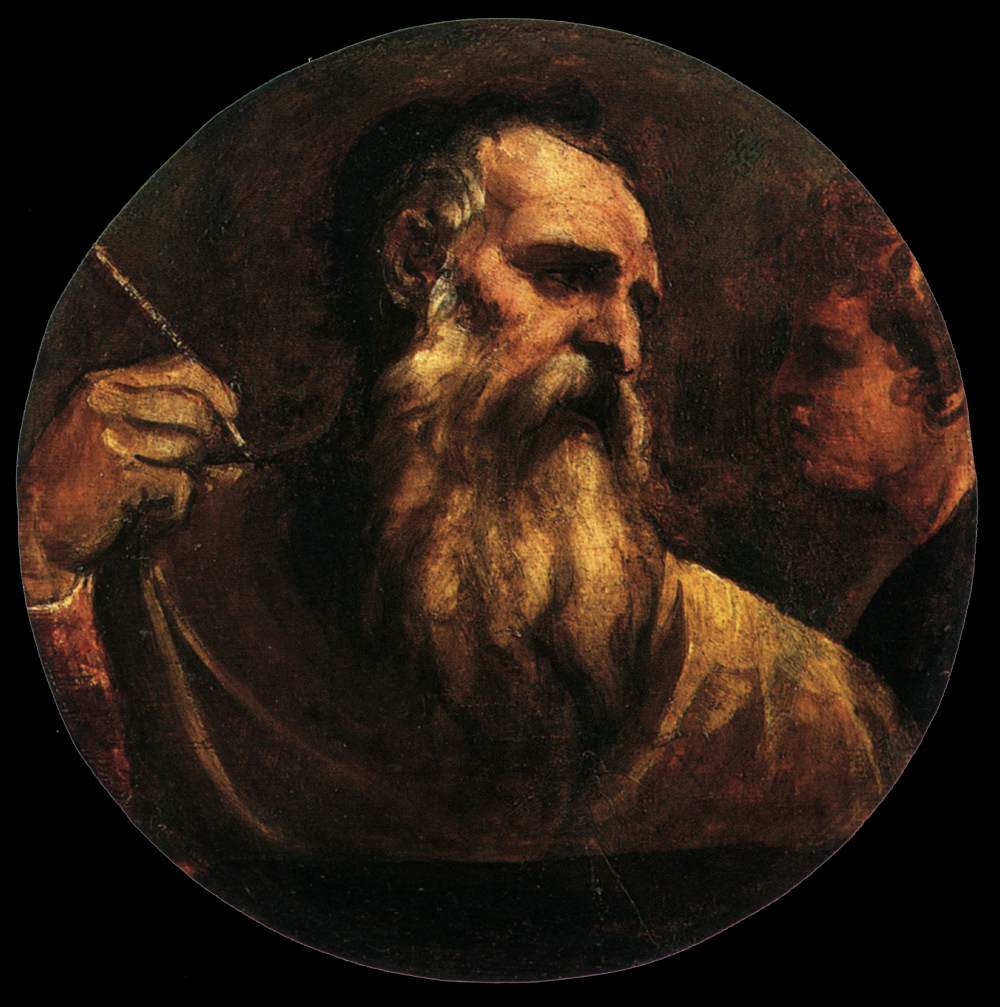
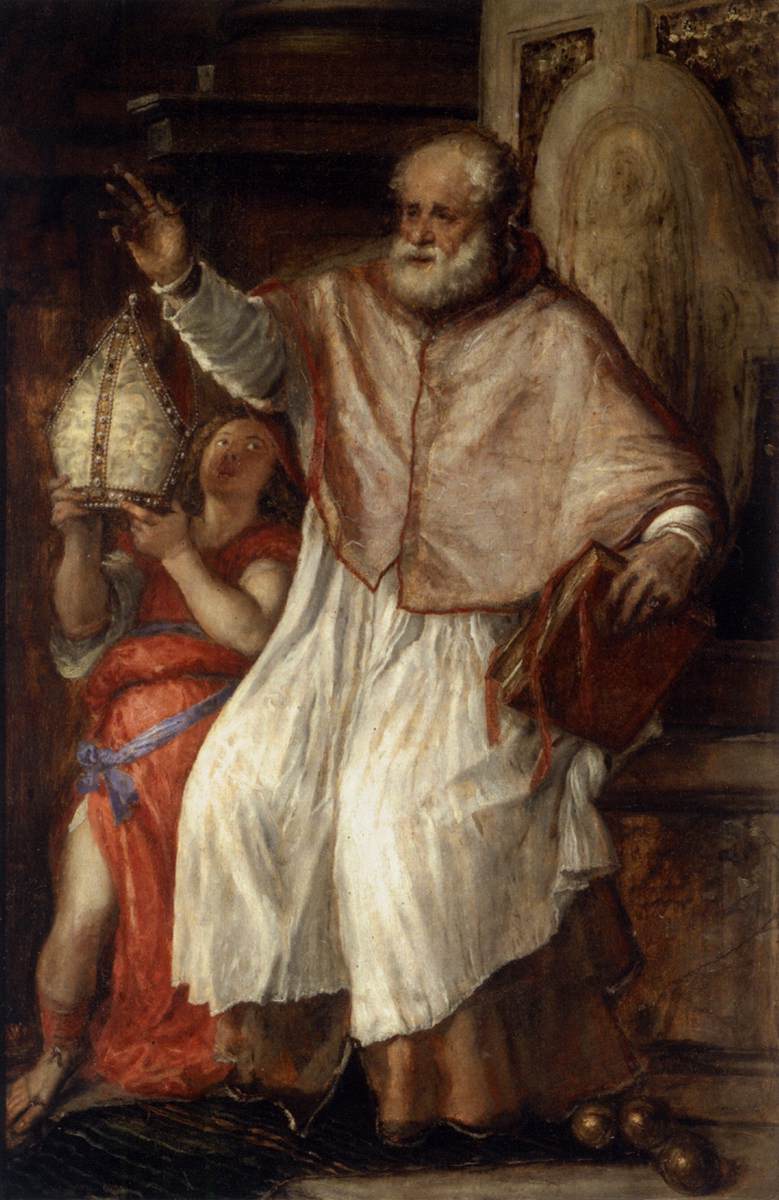
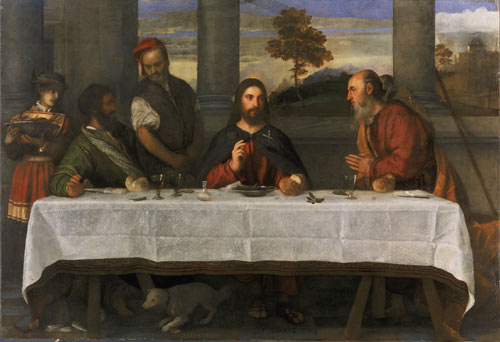
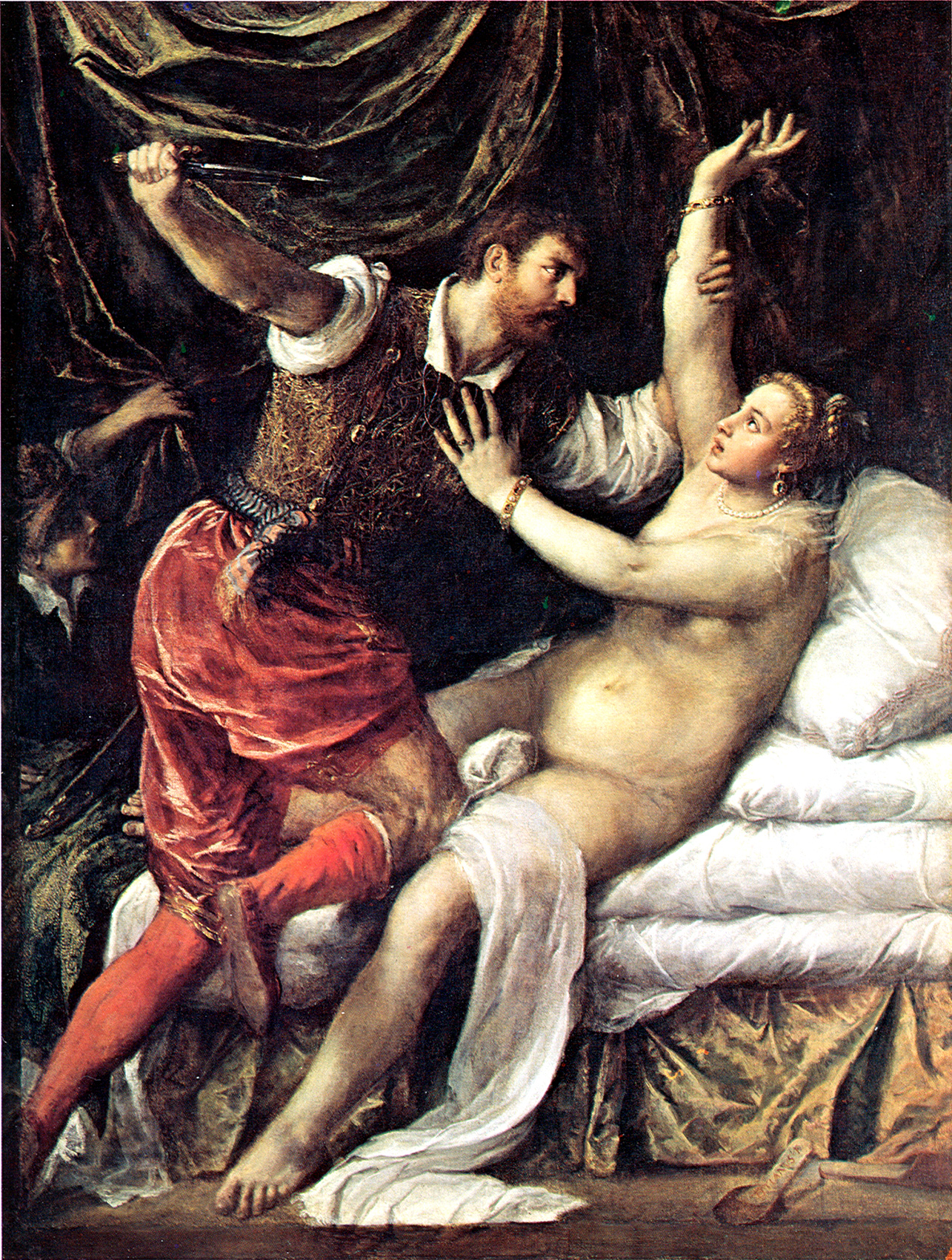
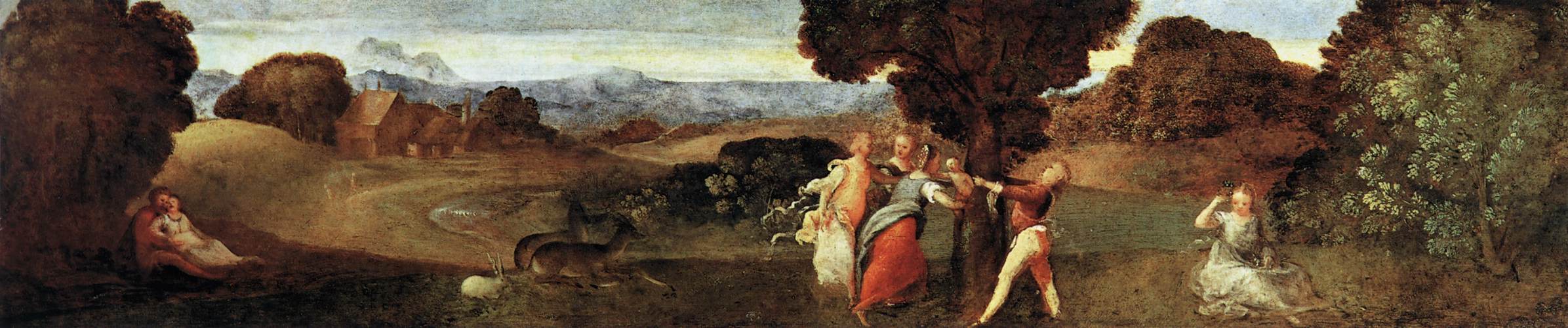
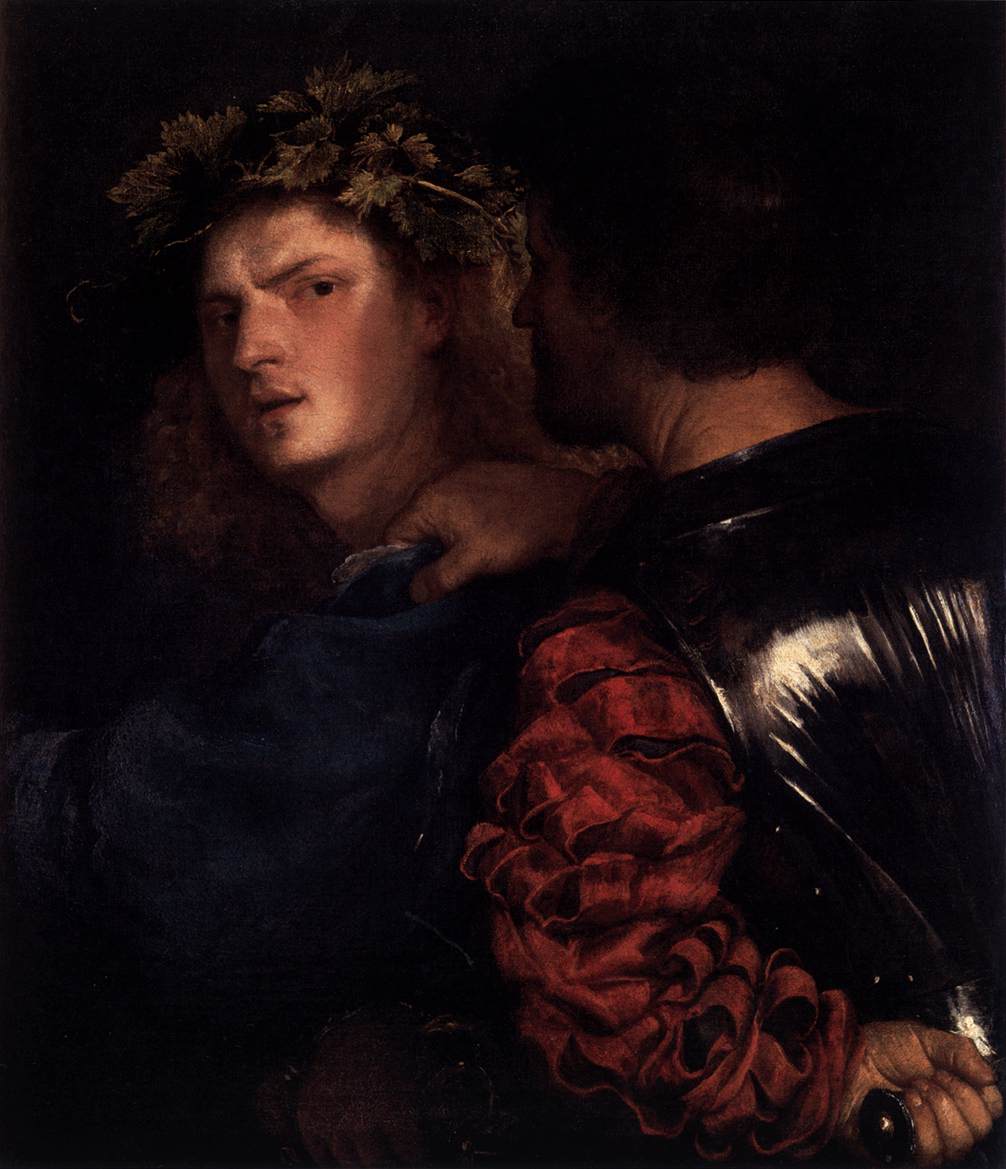
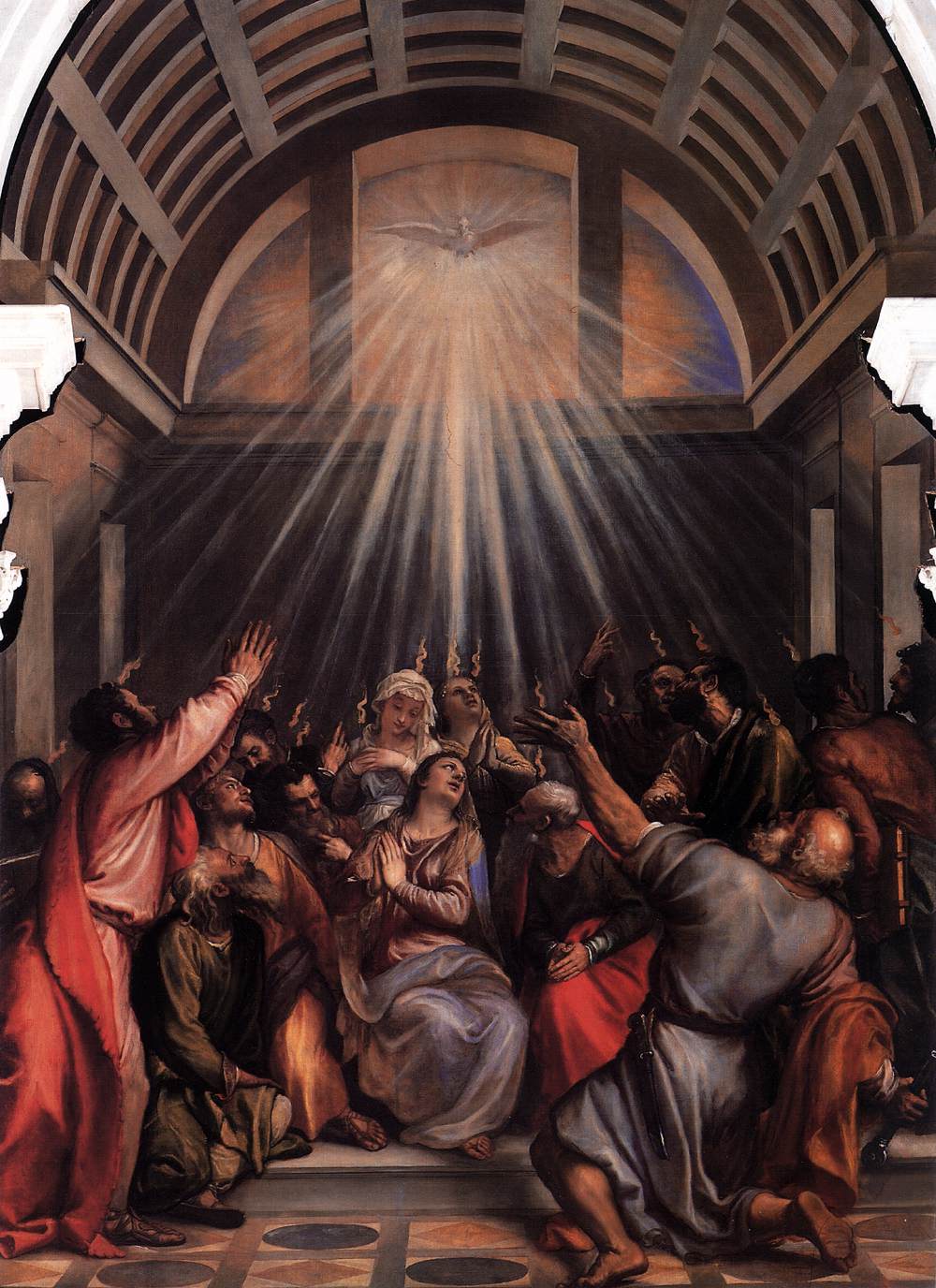
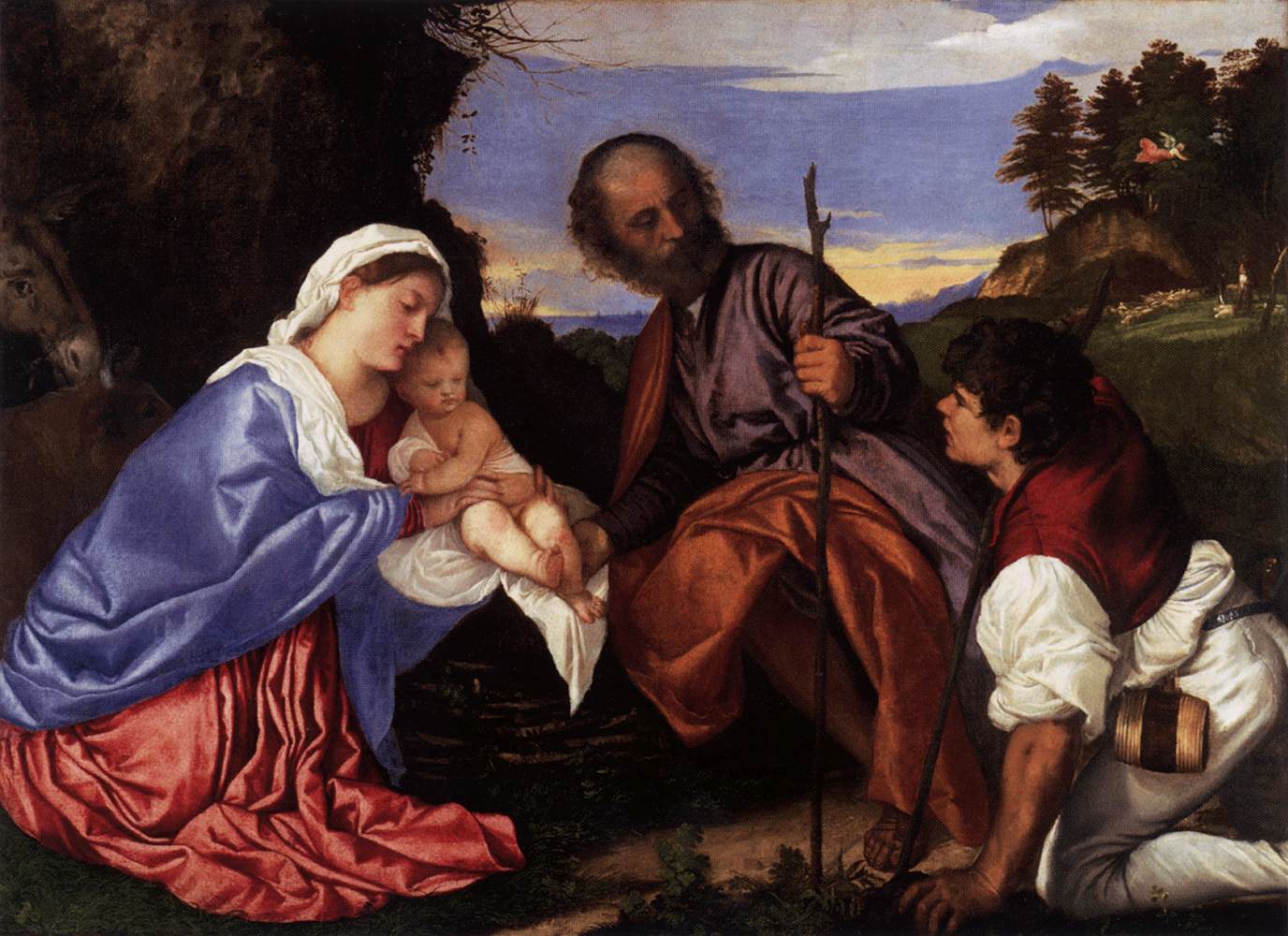
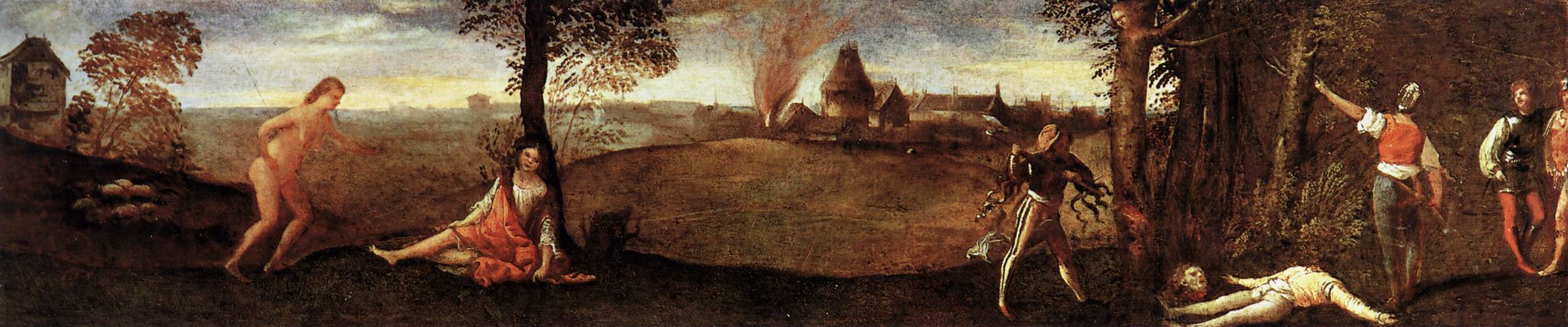
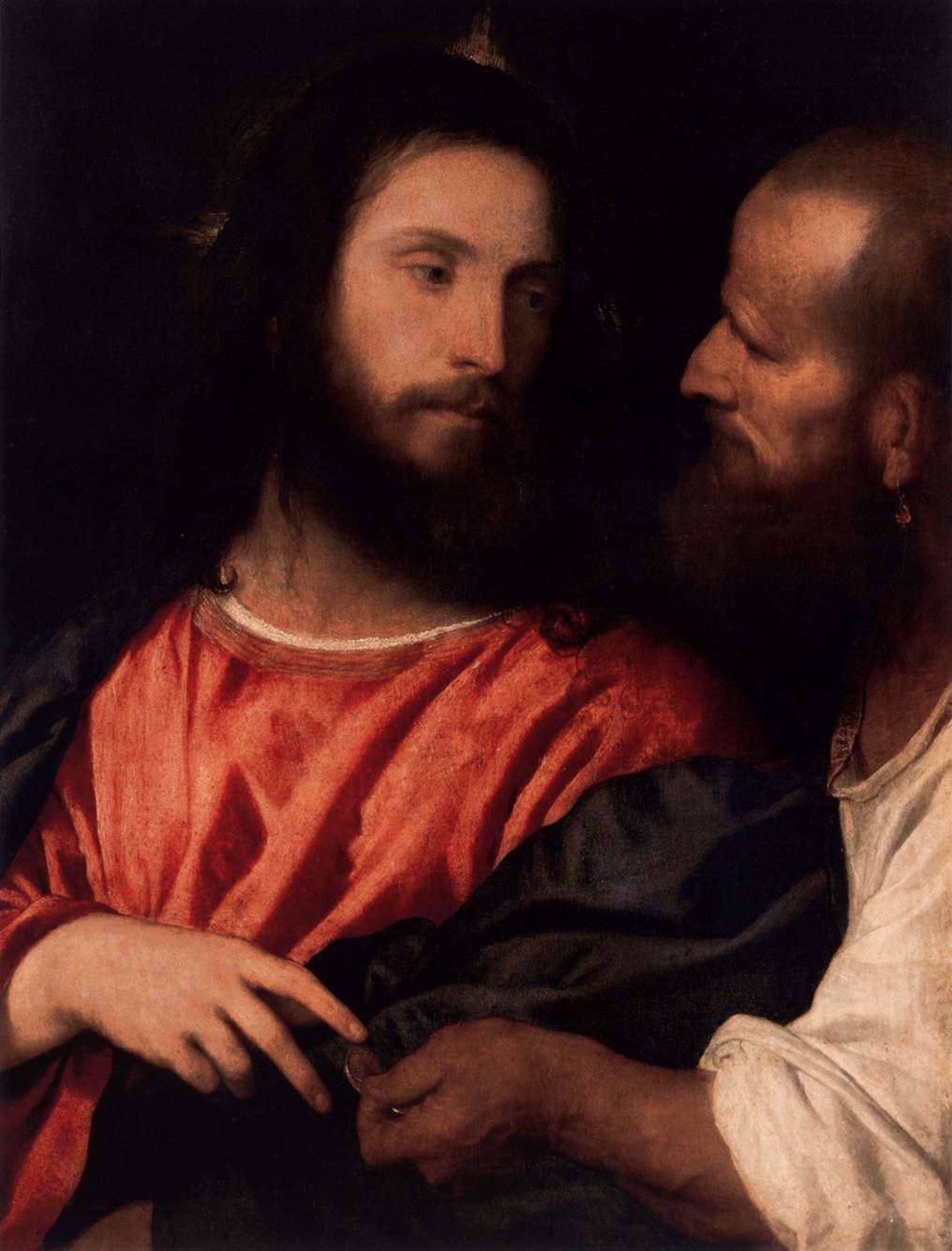
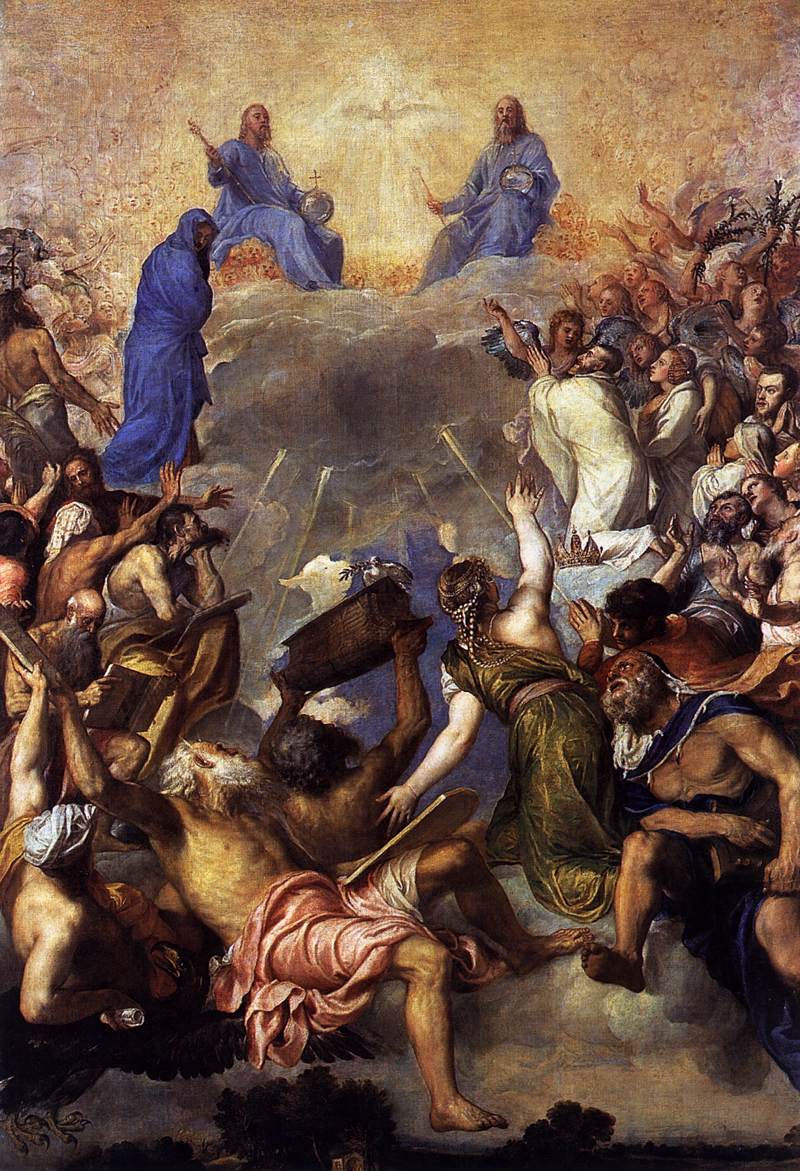
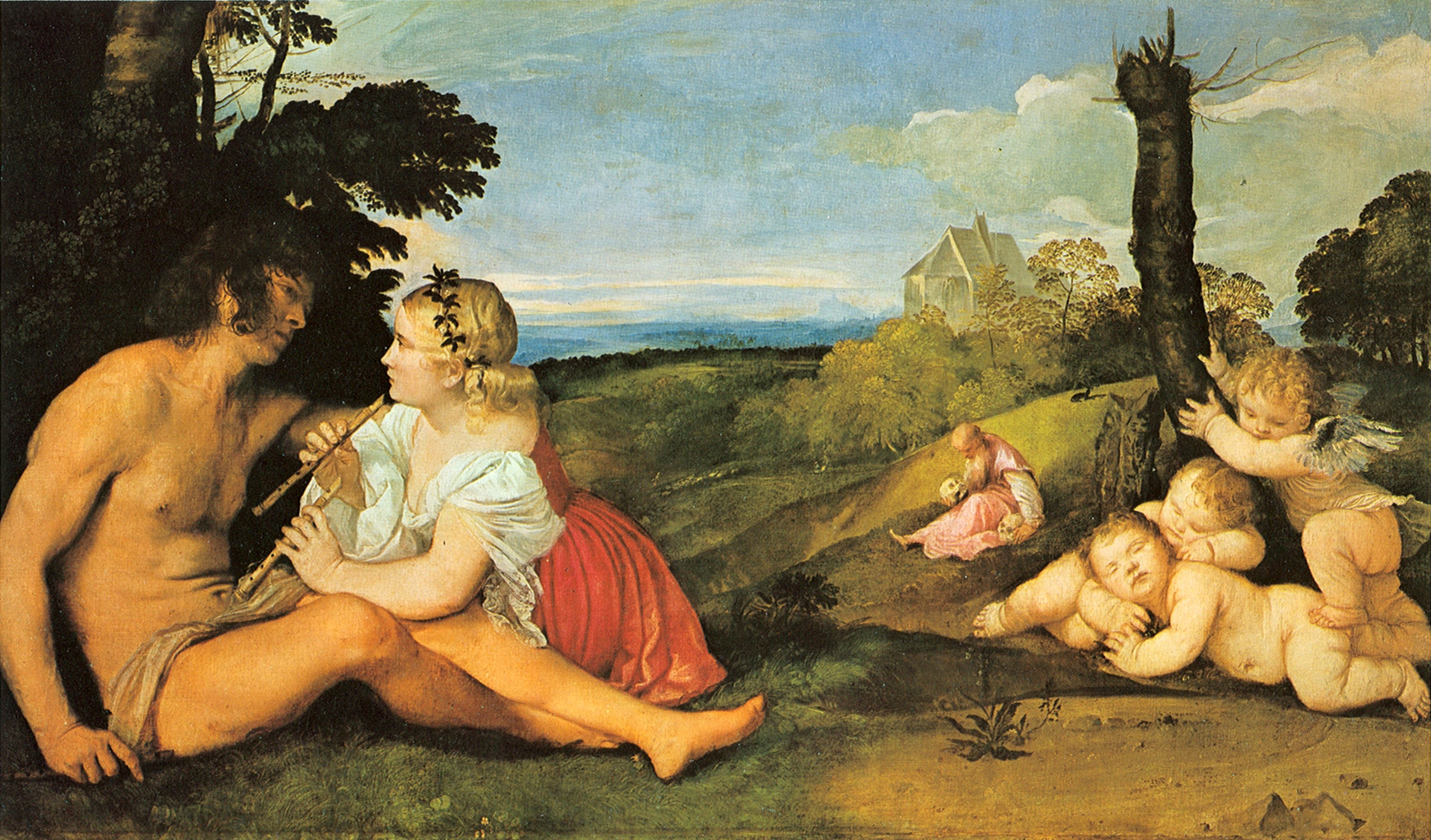
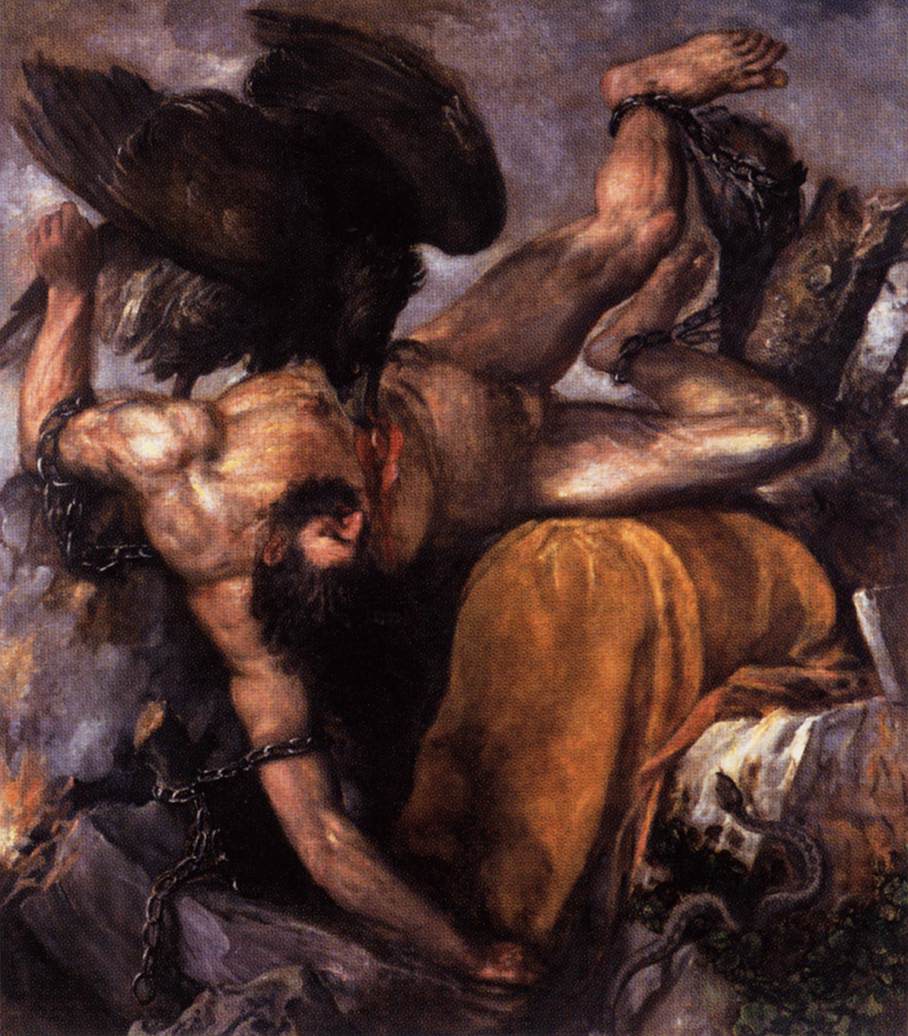
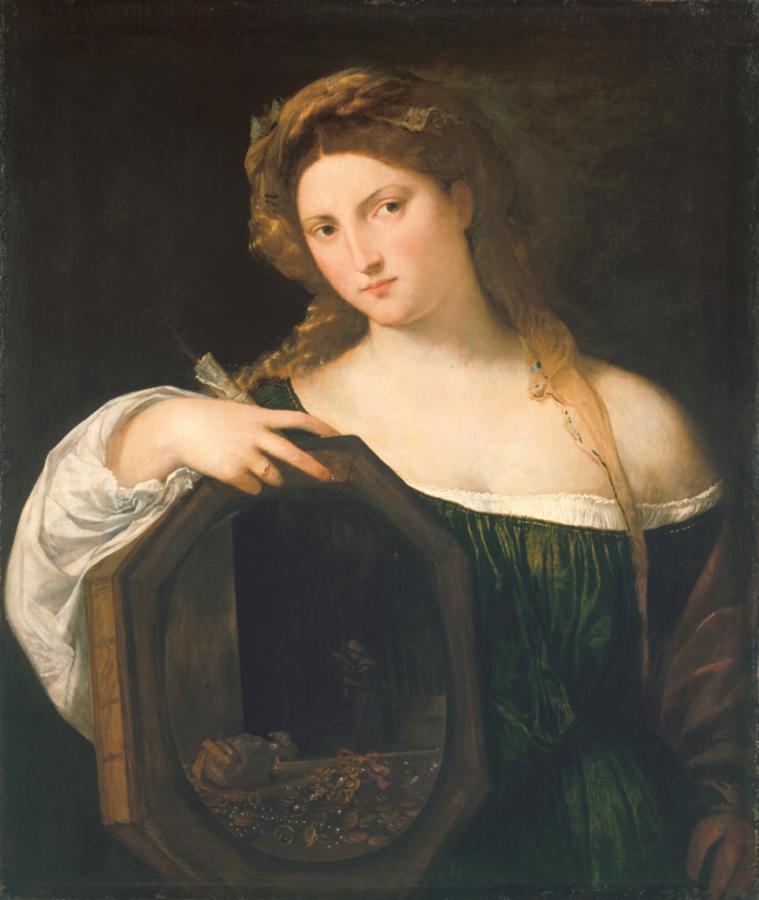
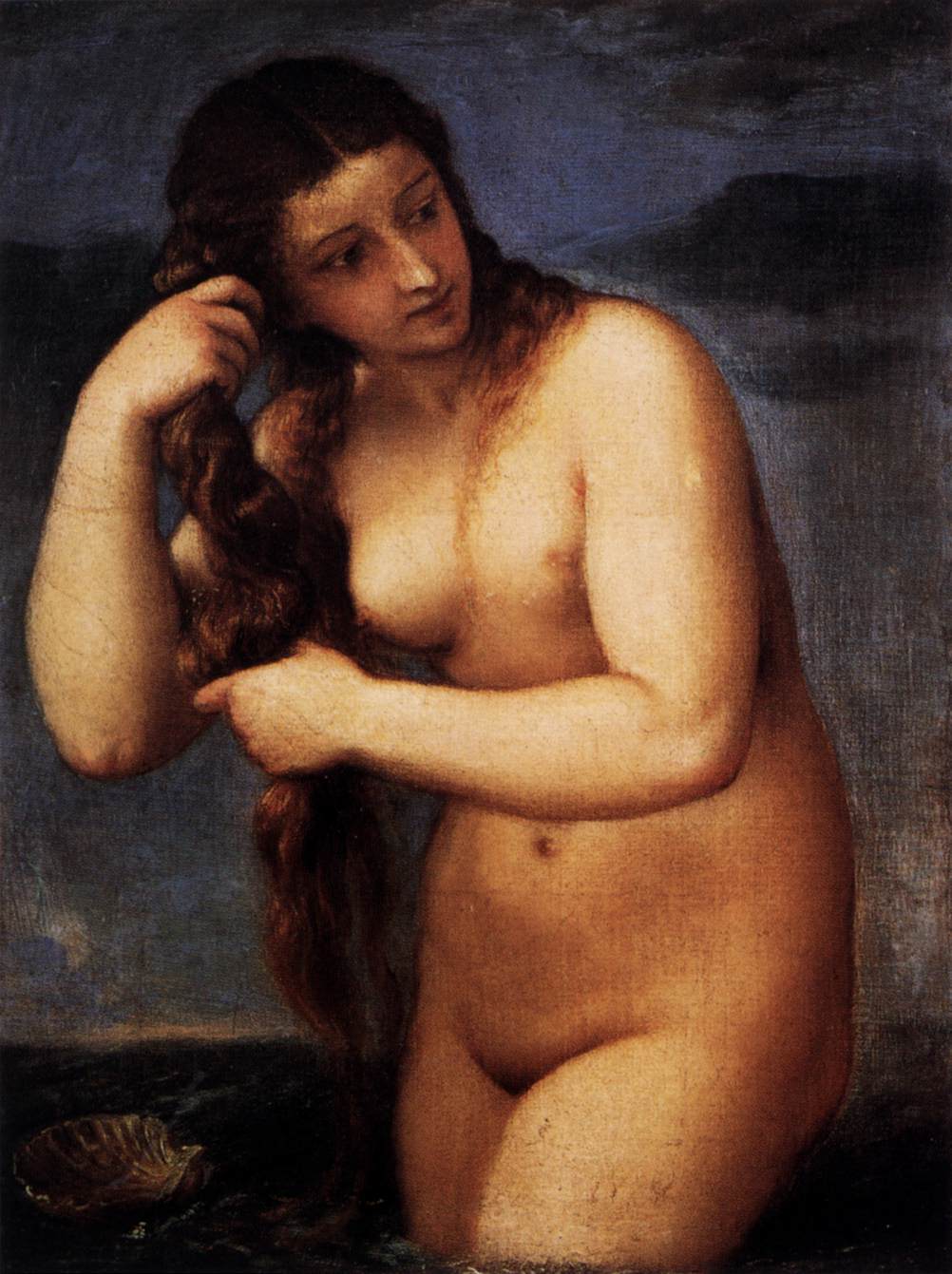
Titian (b.1477?-d.1576) is the greatest 16th-century Venetian painter and one of the key figures in the history of art.
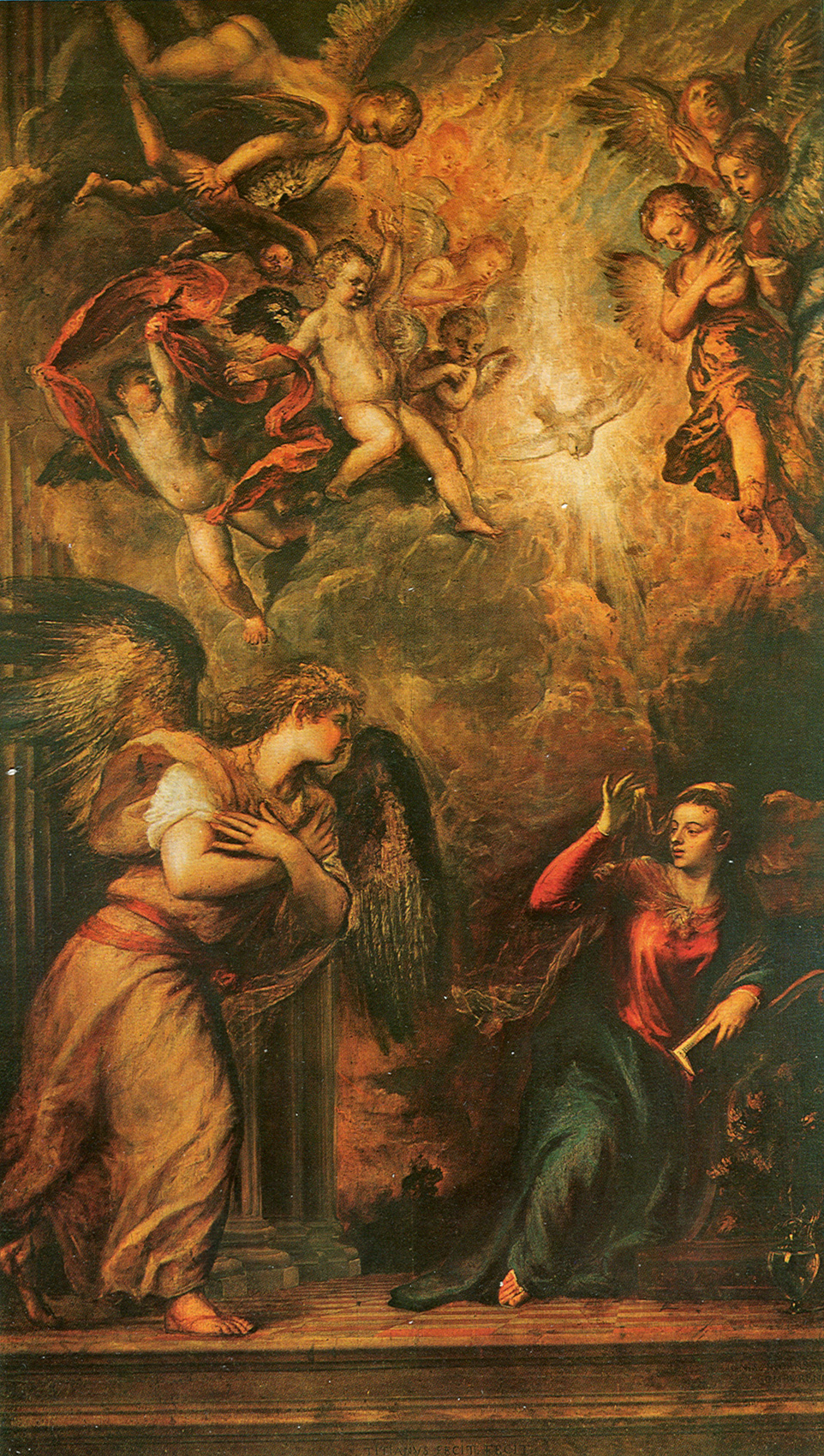
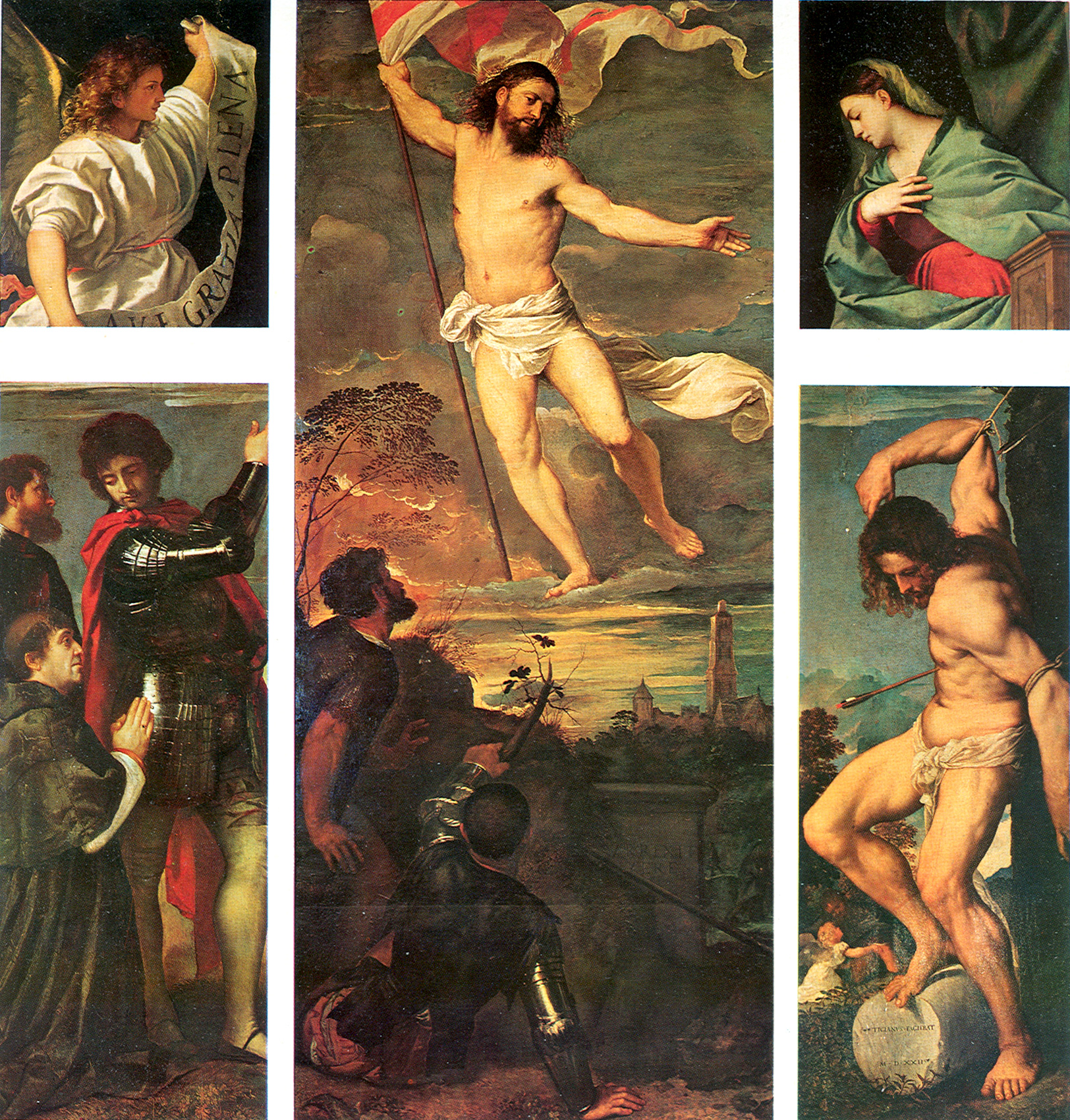
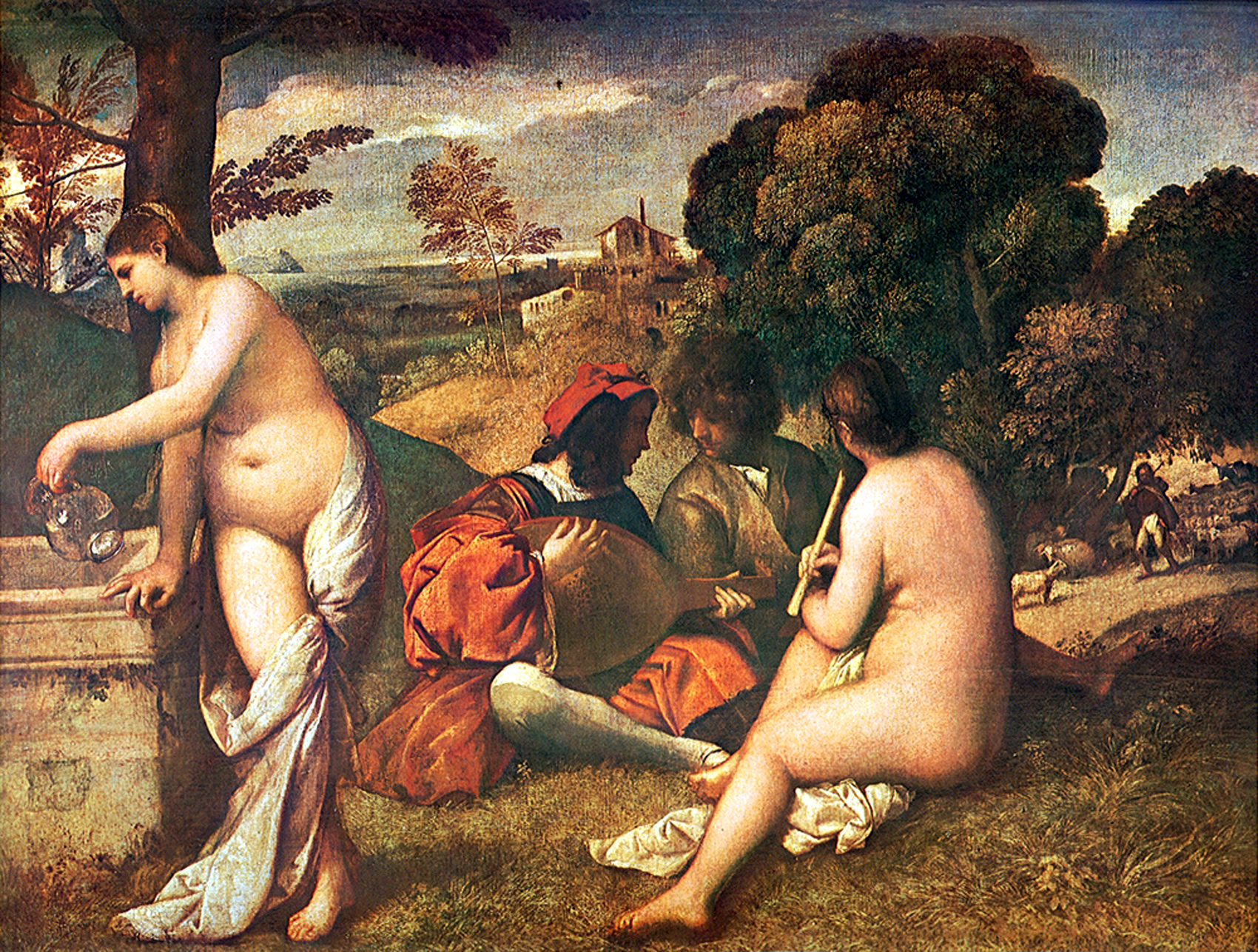
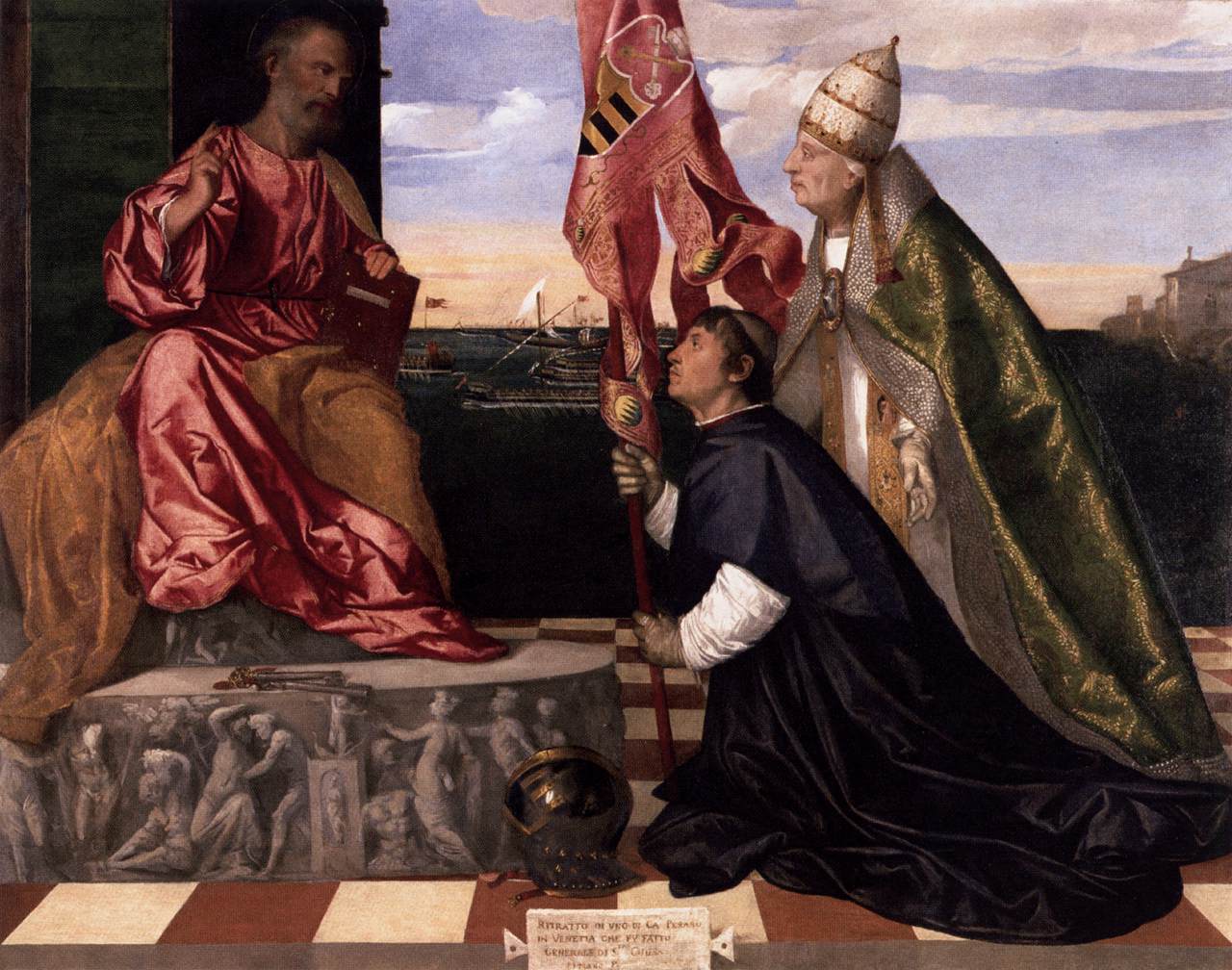
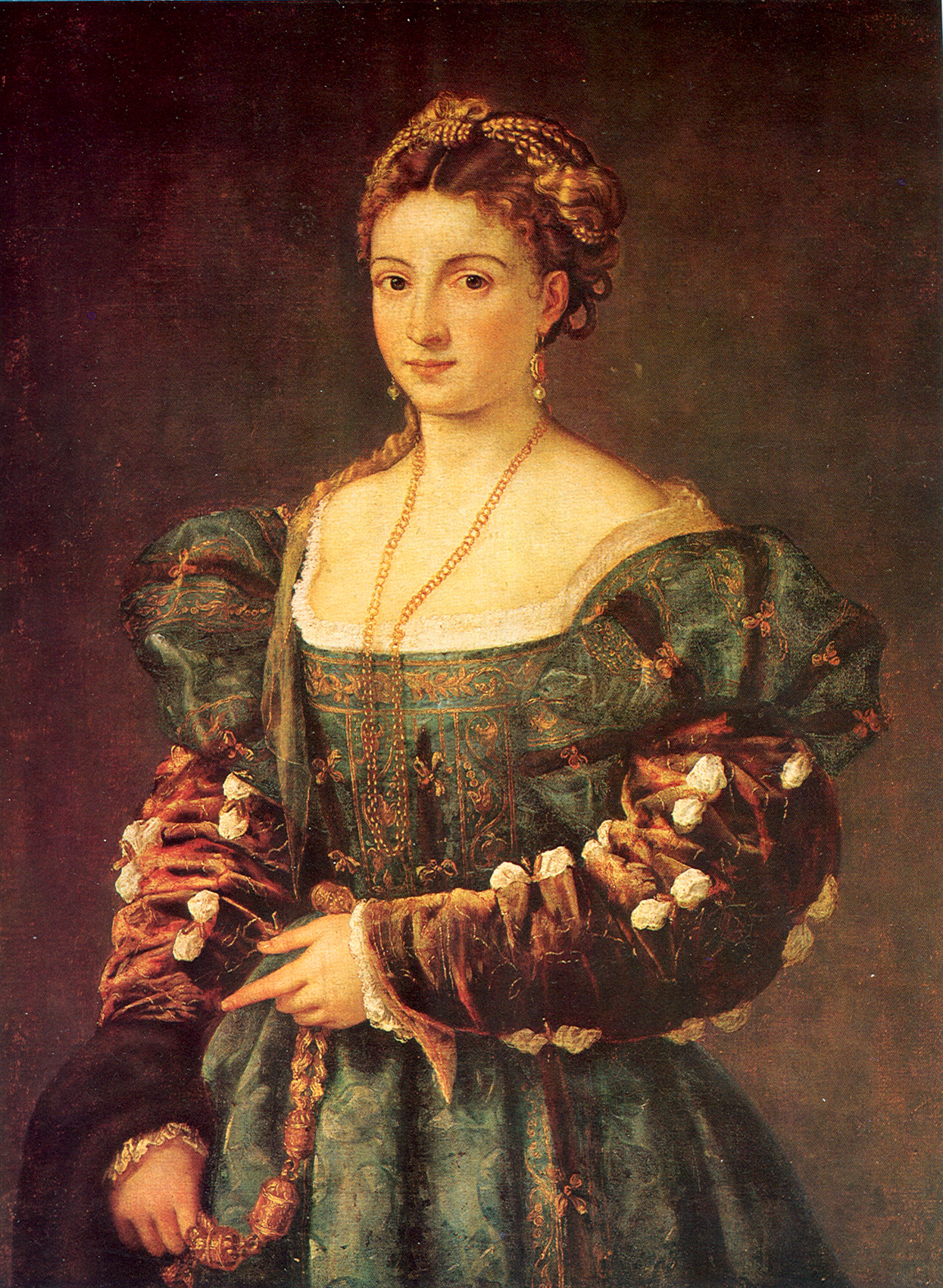
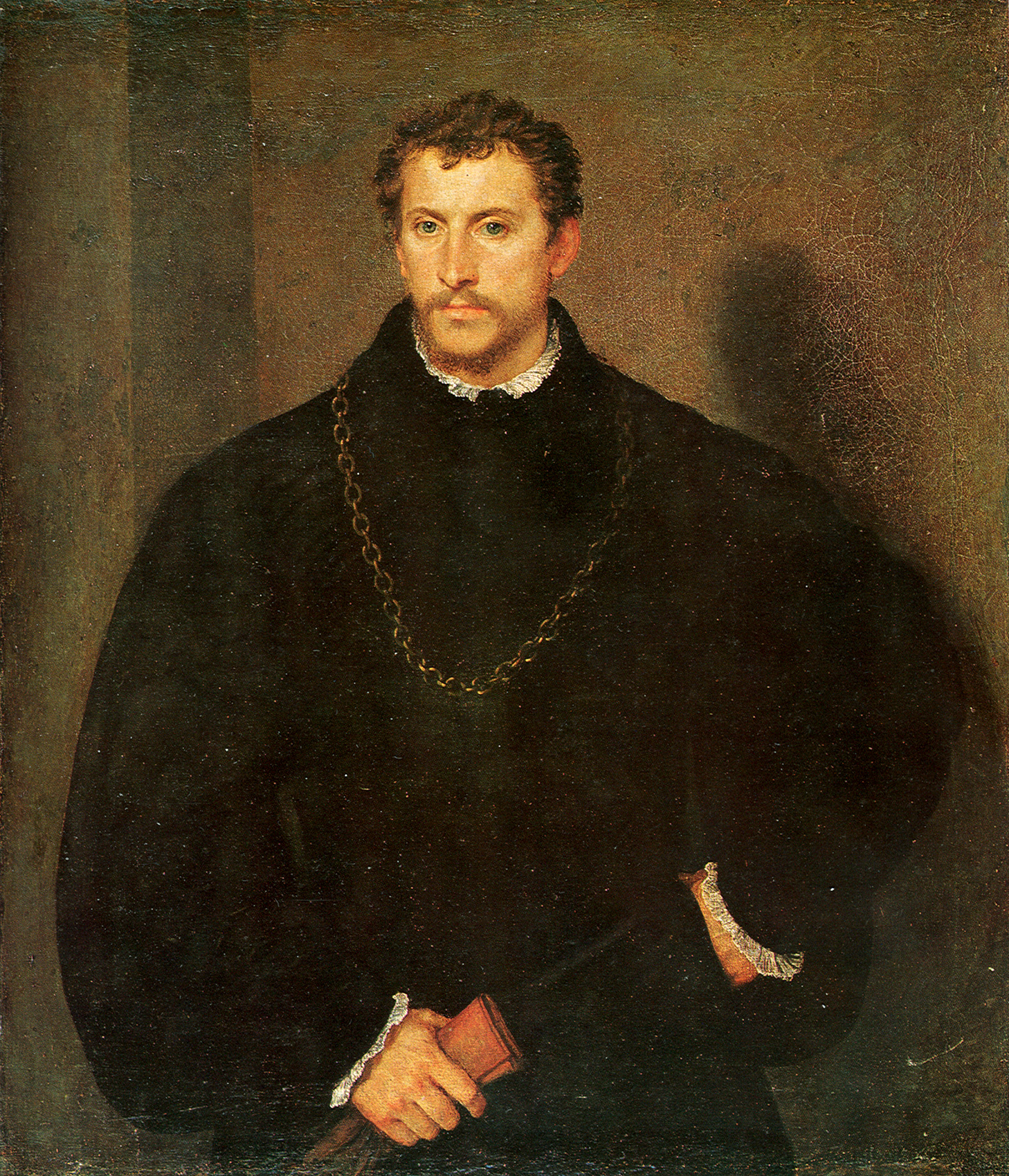
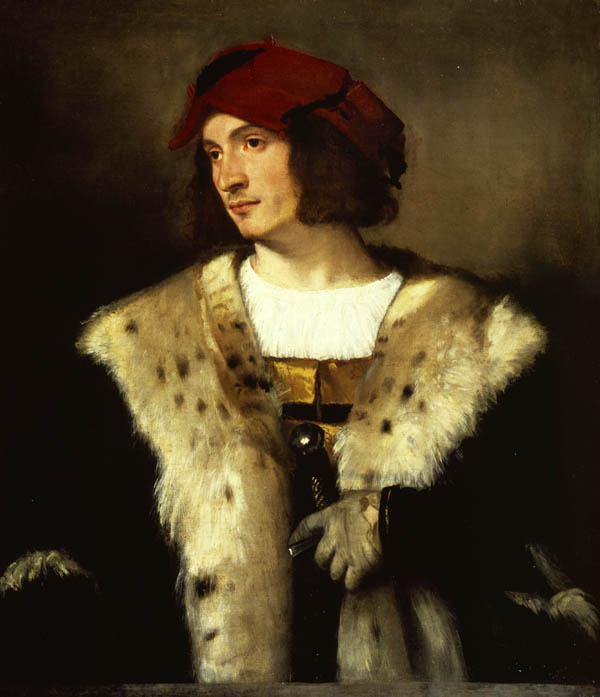
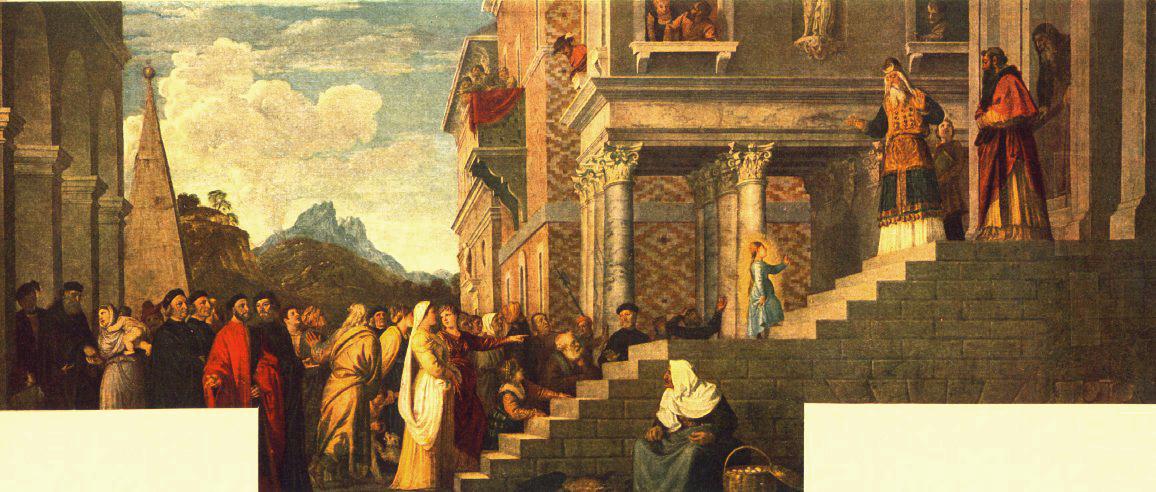
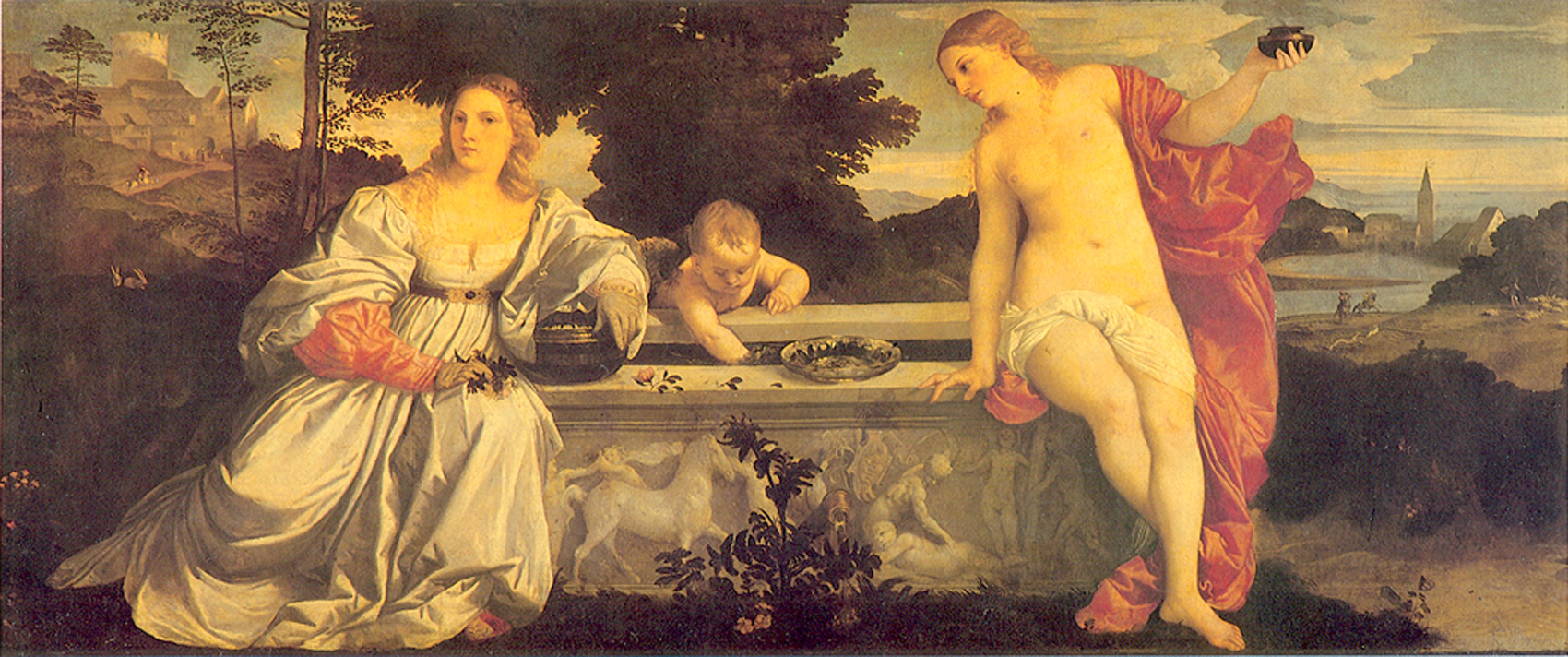
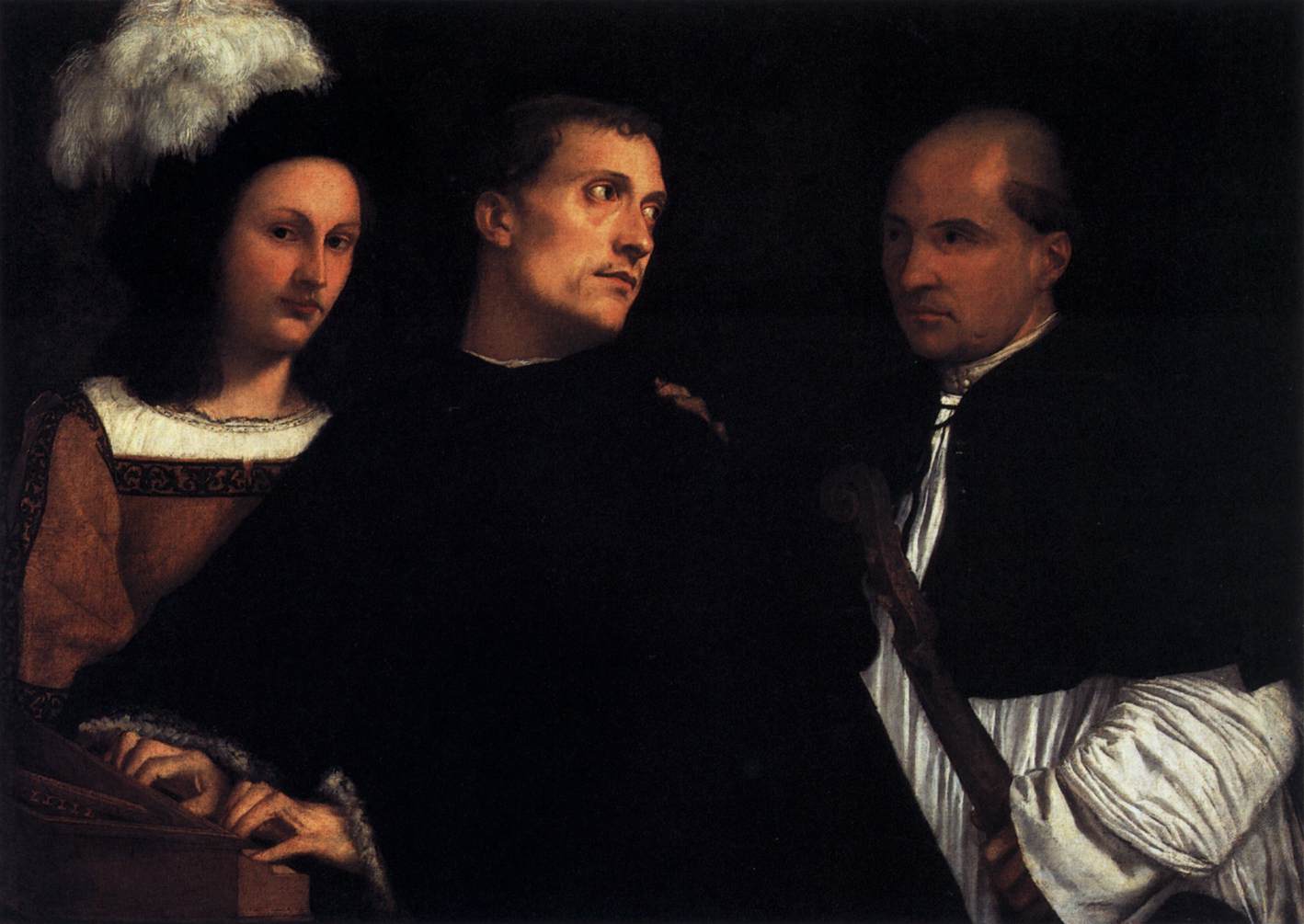
Titian, whose name in Italian is Tiziano Vecellio, was born in Pieve di Cadore, near Venice. In Venice, he studied with Sebastiano Zuccato, then in the studio of Gentile and Giovanni Bellini. Titian was influenced by Giorgione, whom he assisted in executing the fresco decoration of the Fondaco dei Tedeschi on the Grand Canal in Venice. Upon Giorgione's death in 1510, Titian completed several of Giorgione's works-in-progress. In 1511, Titian executed three frescoes for the Scuola del Santo in Padua. By 1513 he had begun painting a Battle for the Chamber of the Grand Council in the Doge's Palace in Venice. Upon the death of Giovanni Bellini in 1516, Titian became official painter to the Republic.
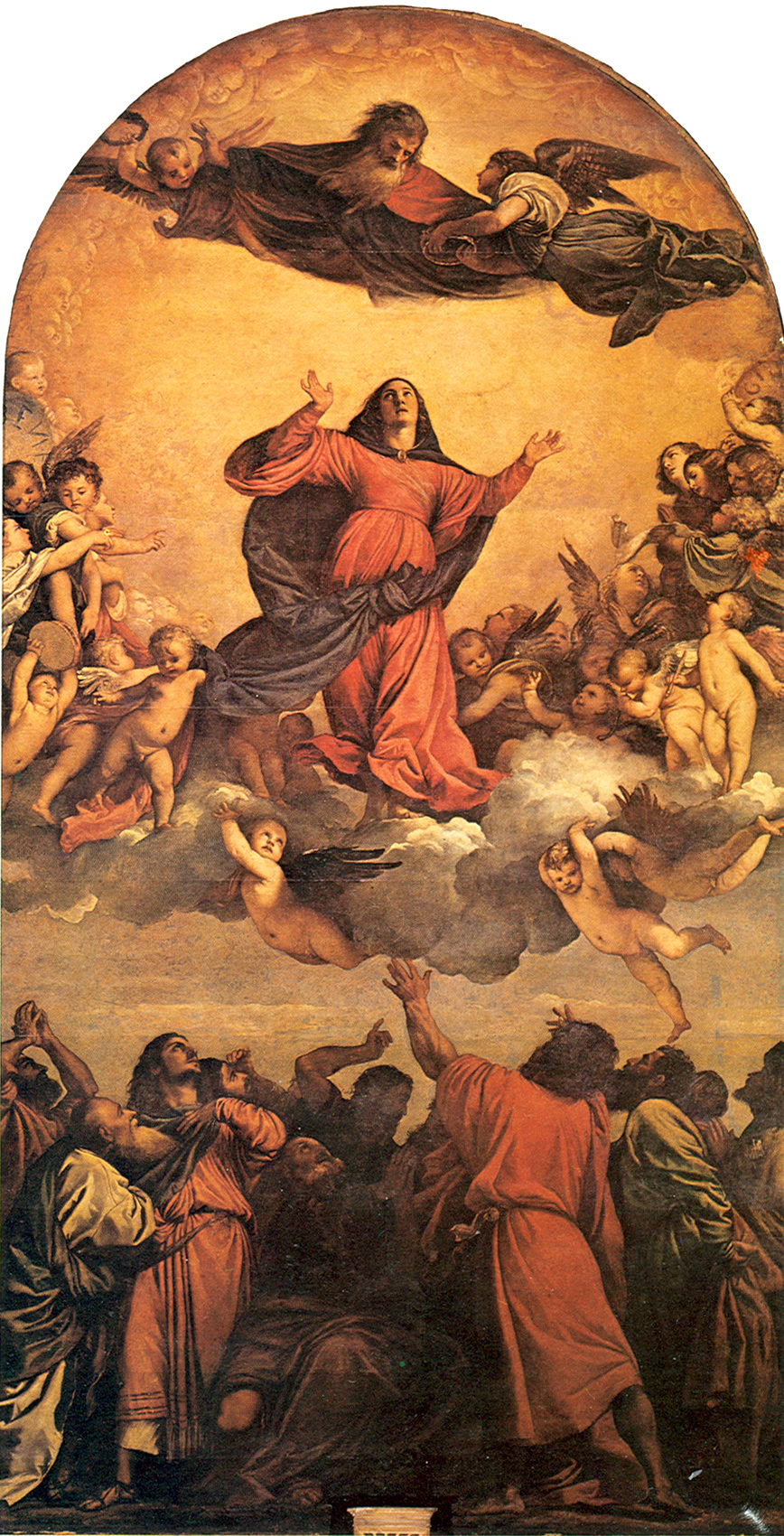
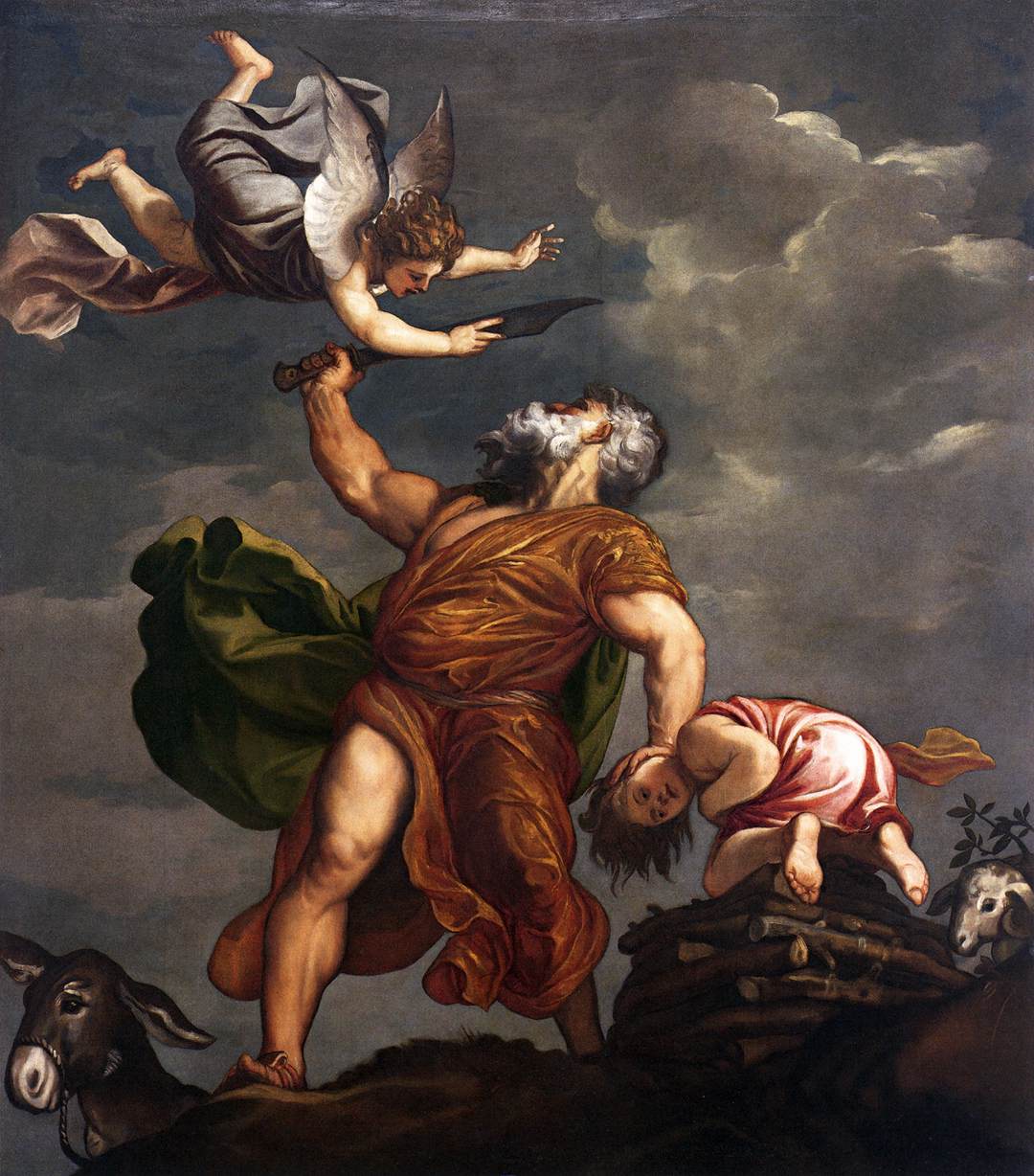
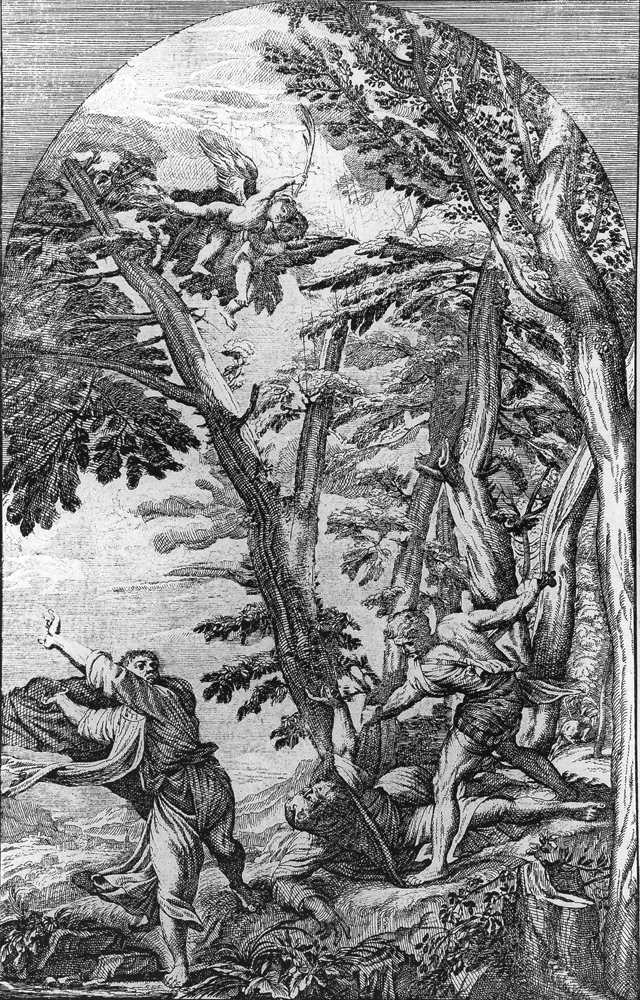
The dynamic vibrancy of these works is paralleled in Titian's religious paintings of the same period. First among these is the mighty Assumption of the Virgin (1516-1518) over the high altar of Santa Maria dei Frari in Venice. Its unveiling in 1518 provoked a sensation. The most dynamic of all Titian's paintings of this period was the huge Death of St. Peter Martyr (1530), in which the violent action was echoed in the convulsion of sky and trees.
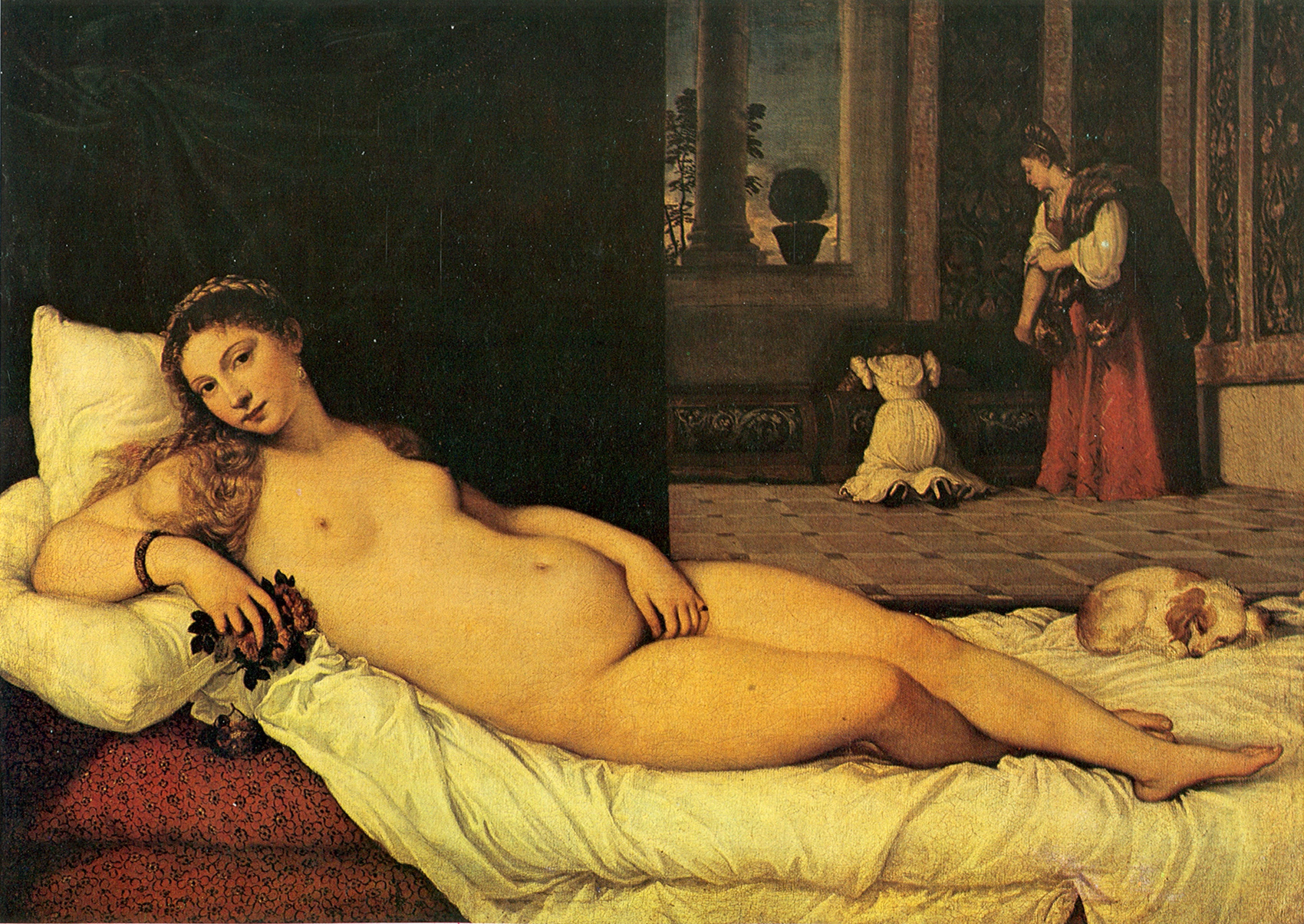
Titian's paintings of the 1530s are marked by relative quiet, pictorial subtlety, and coloristic refinement, as exemplified by the Venus of Urbino (1538). A new surge of energy is seen in the turbulent Battle of Cadore (1540) and in three grandiose ceiling paintings (1543-1544), in which drastic foreshortenings and titanic figures bespeak Titian's knowledge of the Mannerist style.
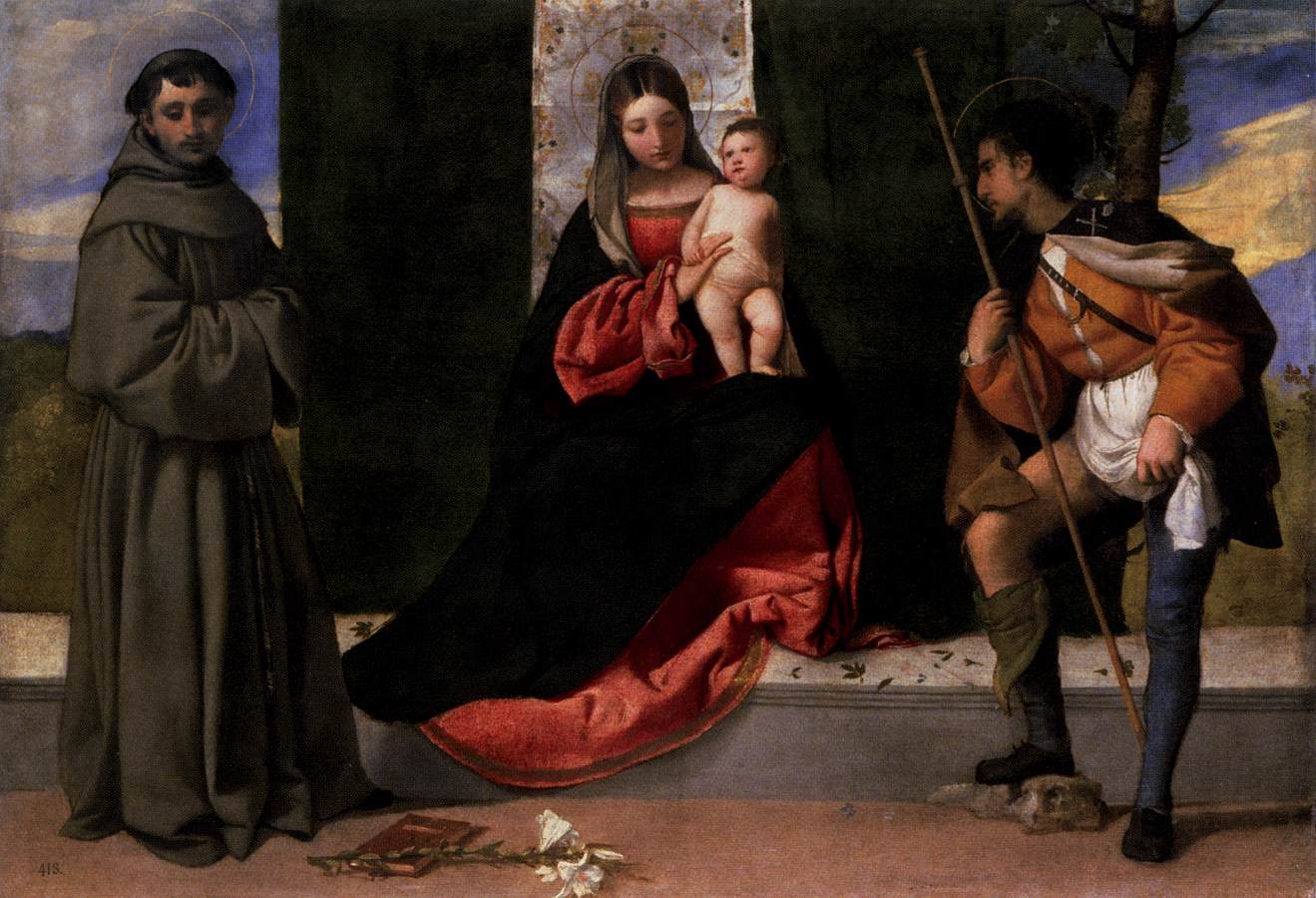
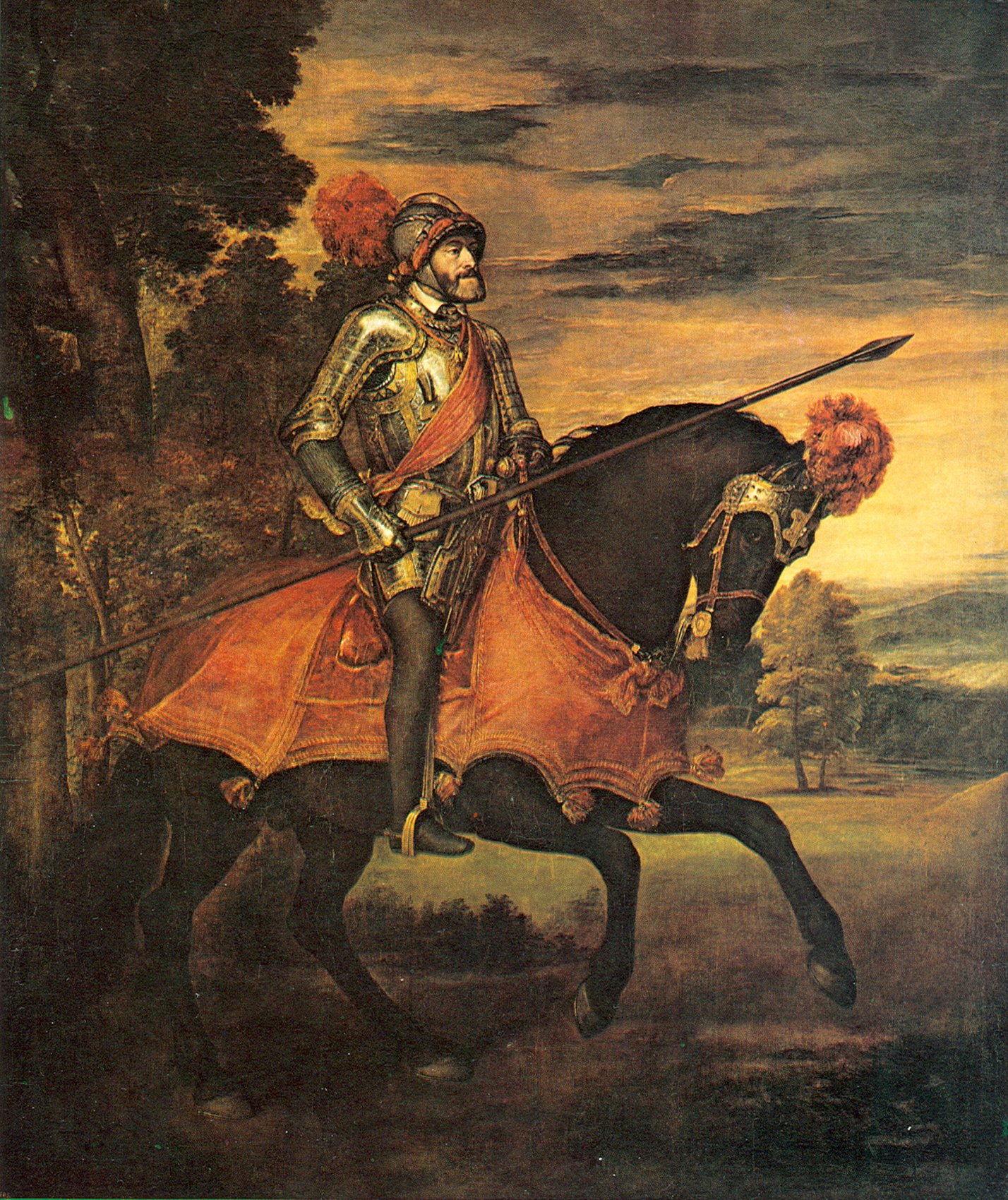
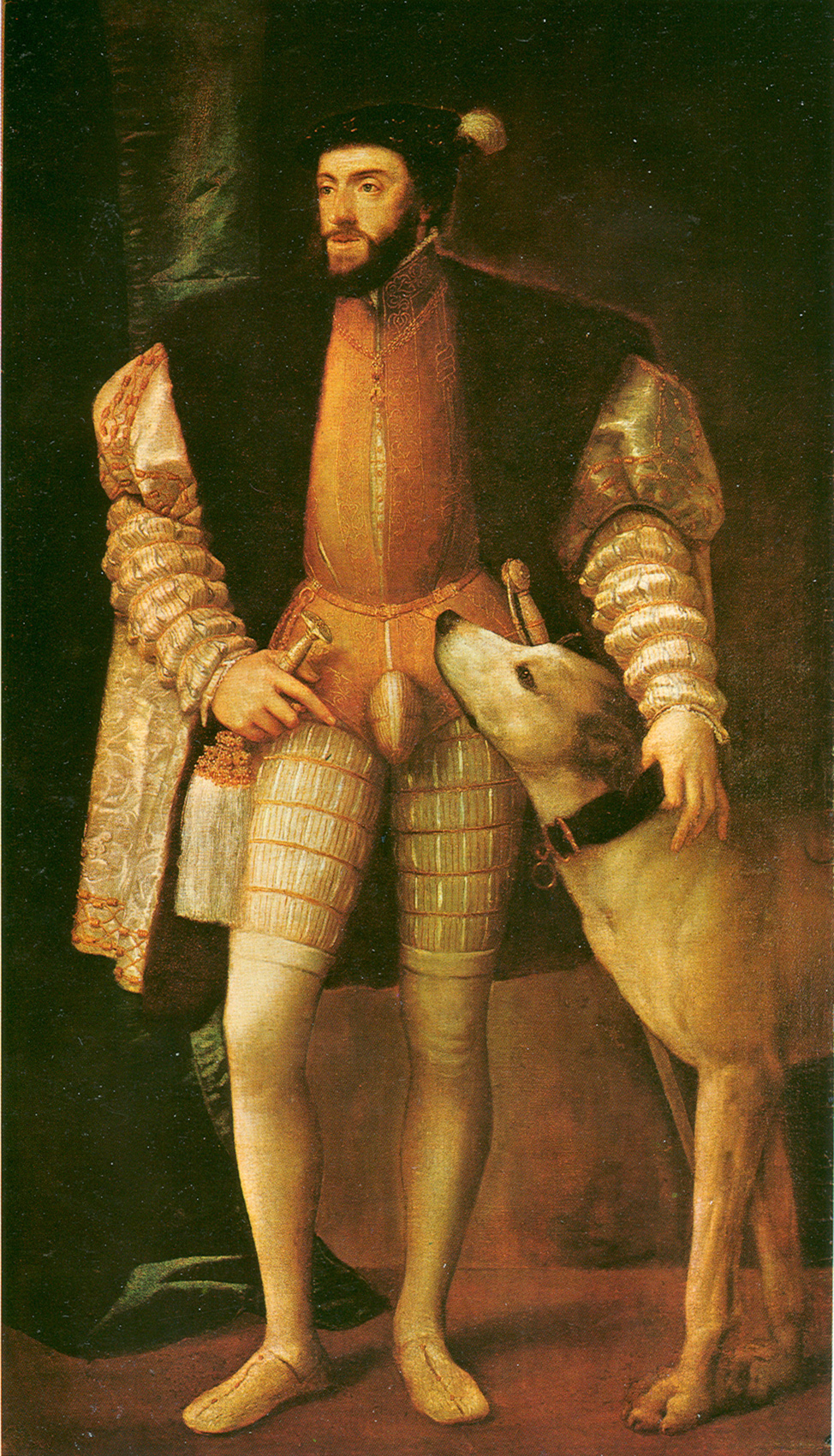
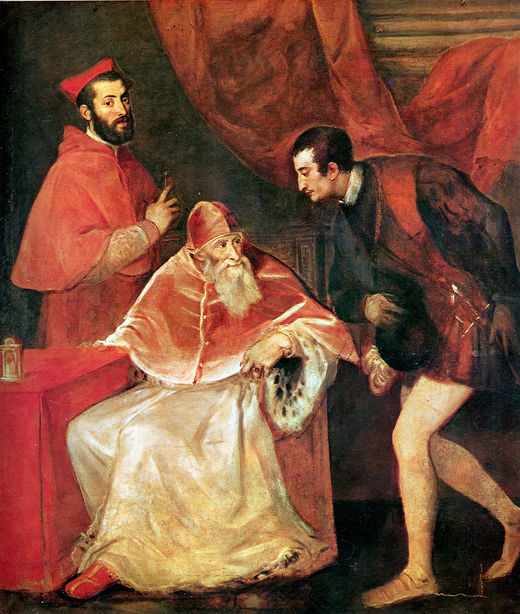
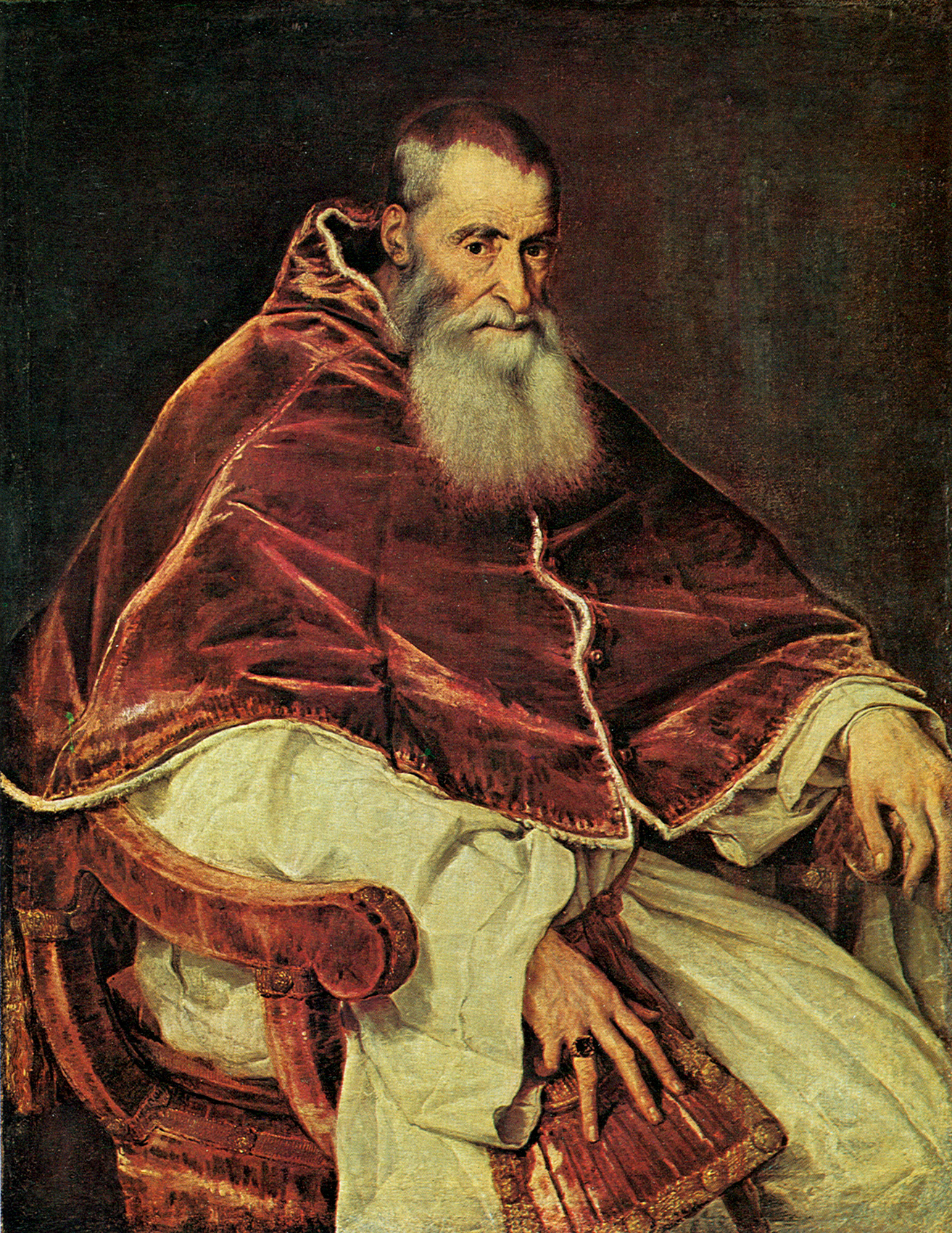
In the 1530s and 1540s he traveled to Bologna to paint the Emperor Charles V and Pope Paul III, and at the Pope's behest he visited Rome and met Michelangelo. In the 1540s Titian's work became more heavily influenced by the Mannerism of central and north Italy.
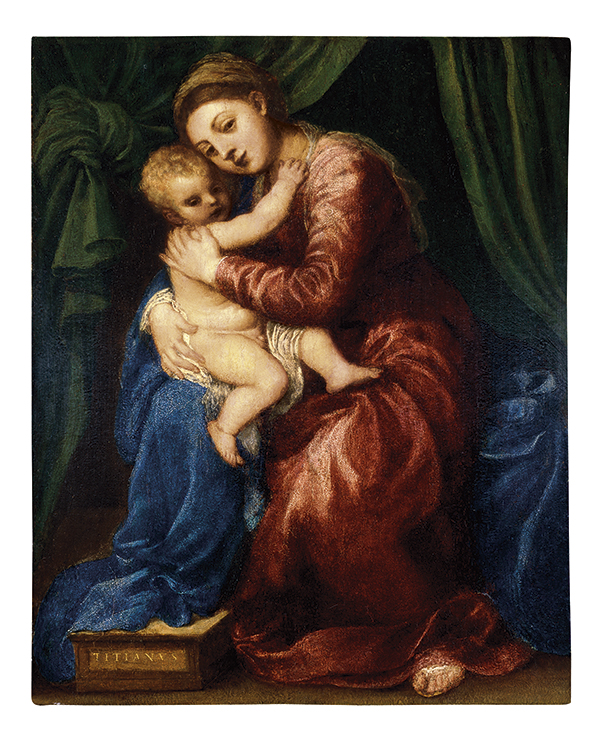
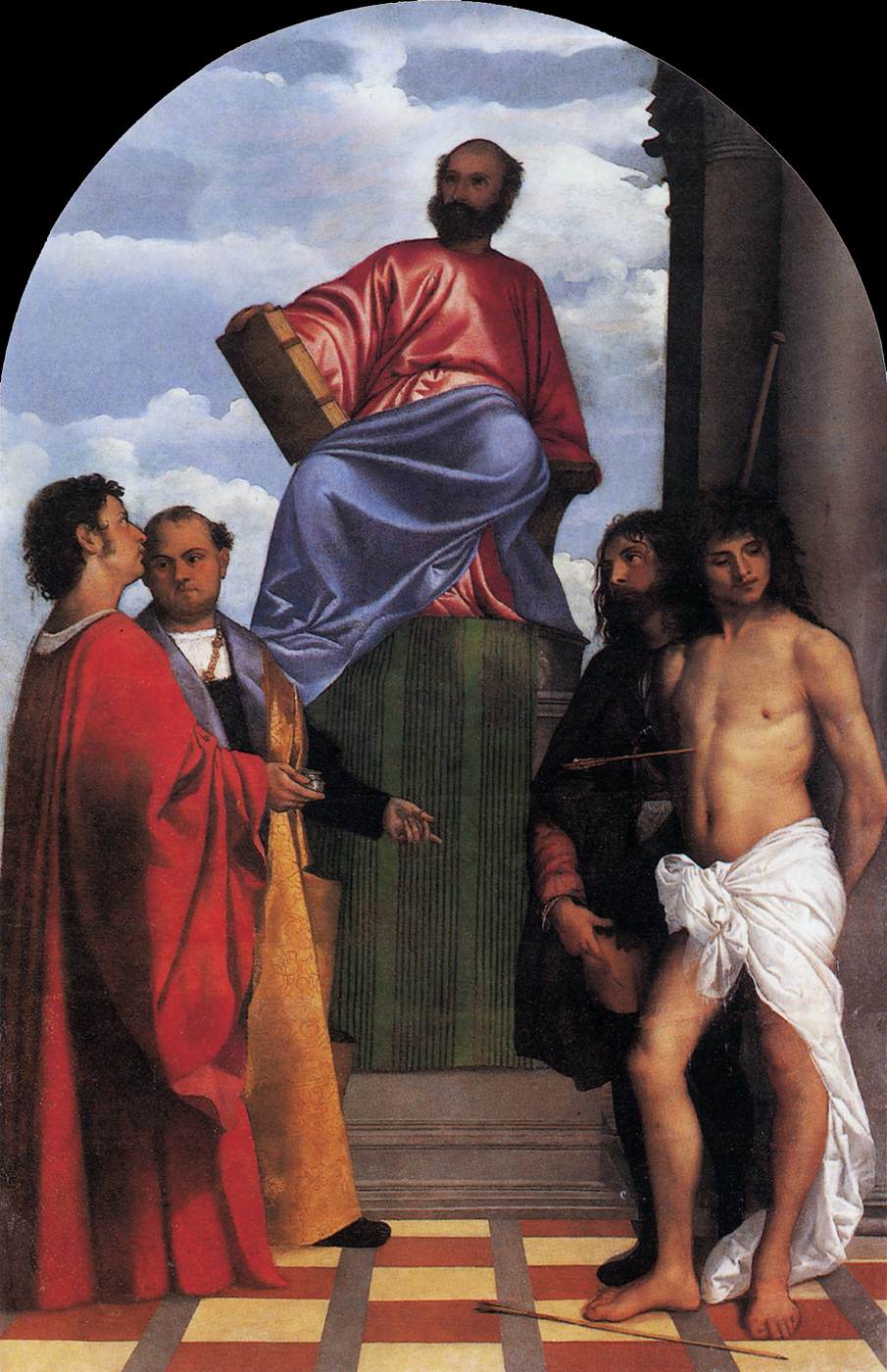
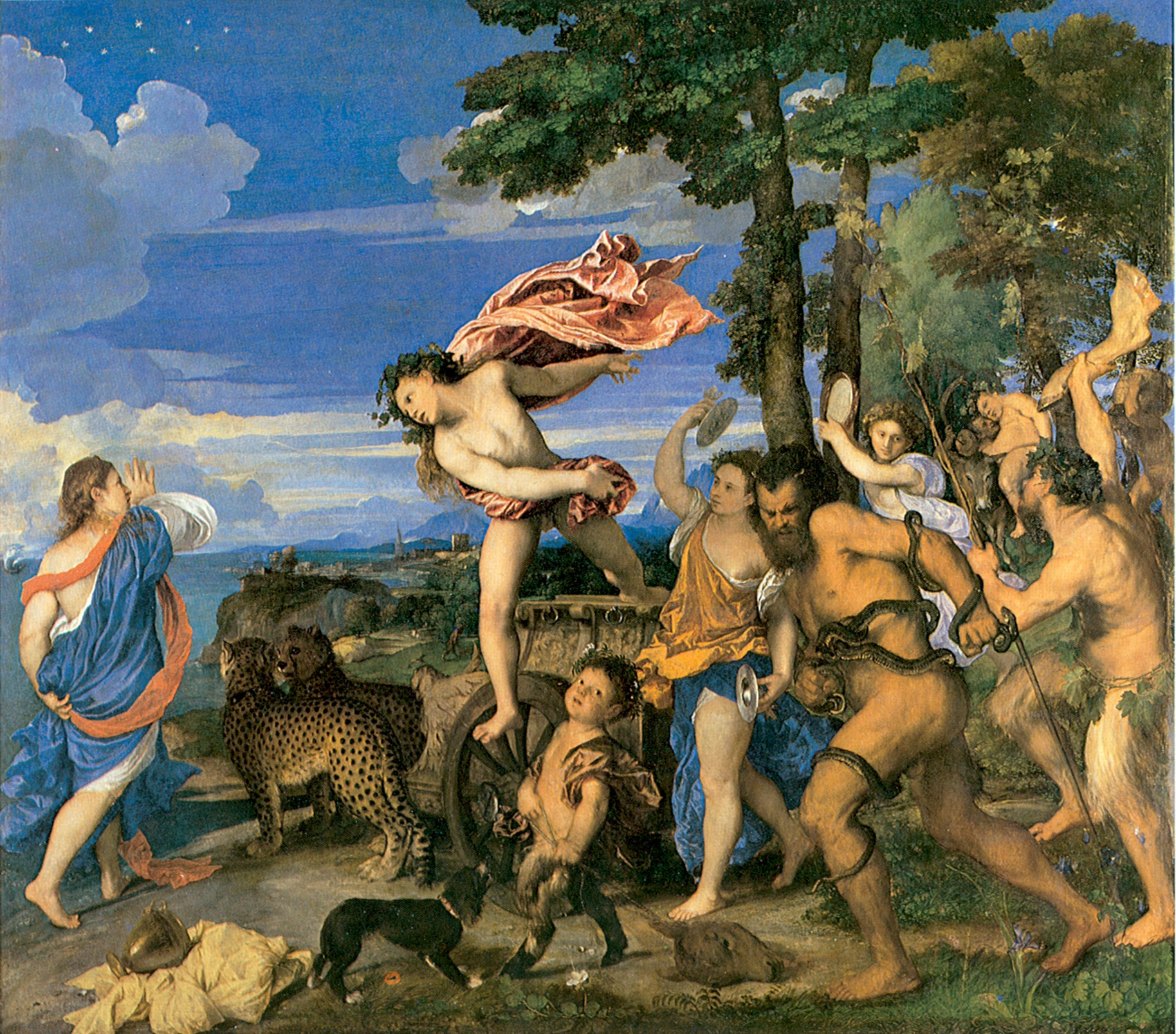
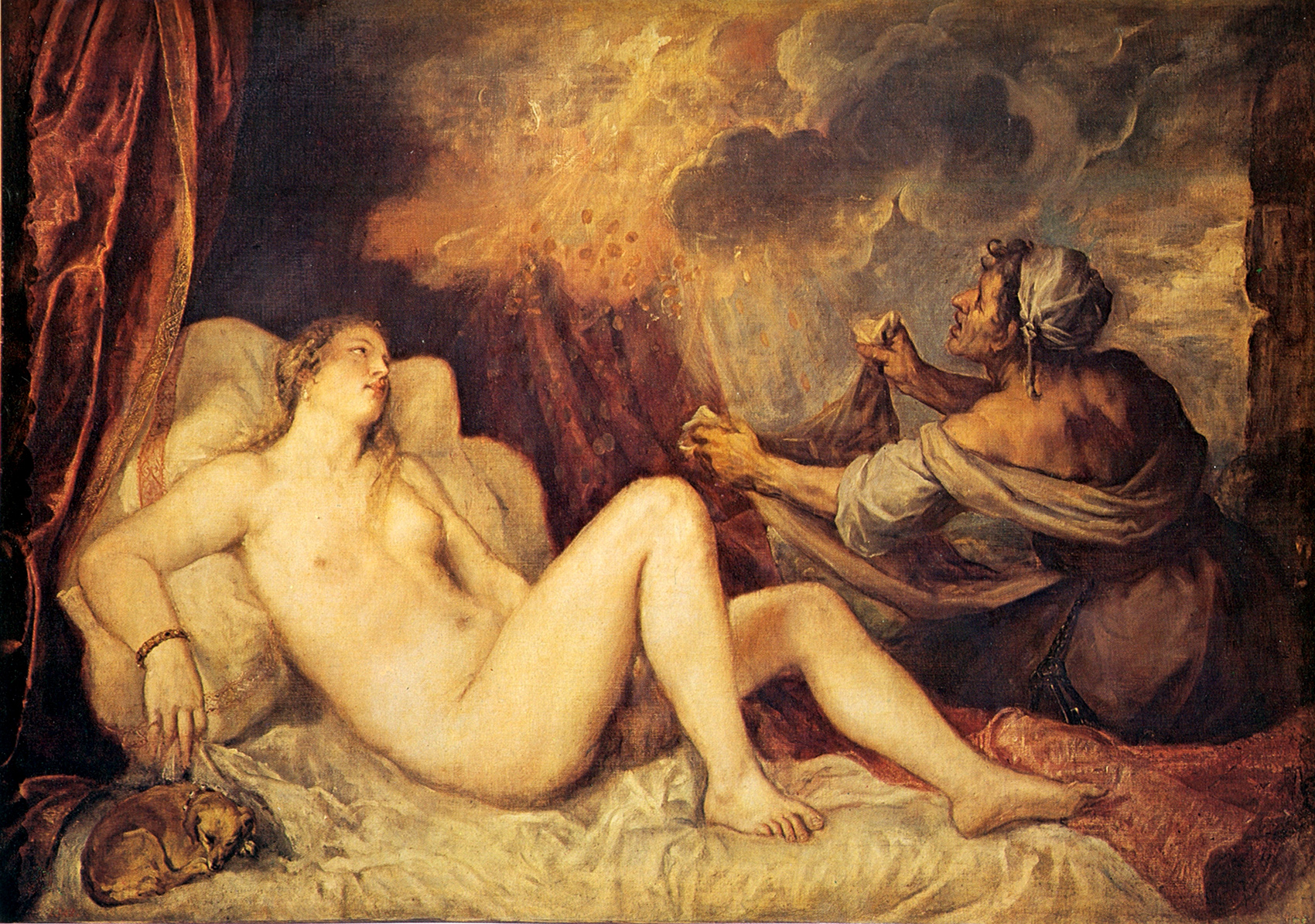
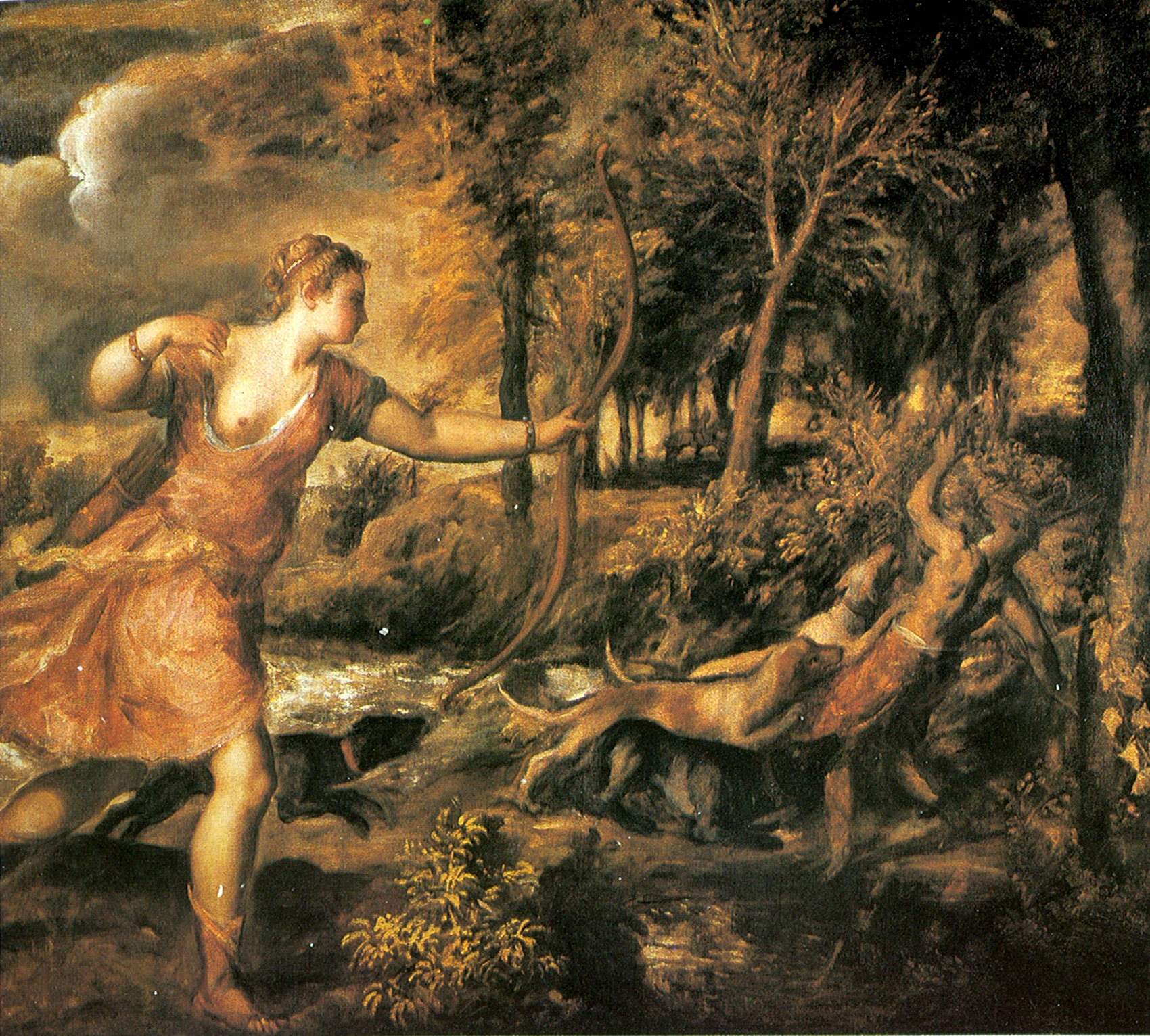
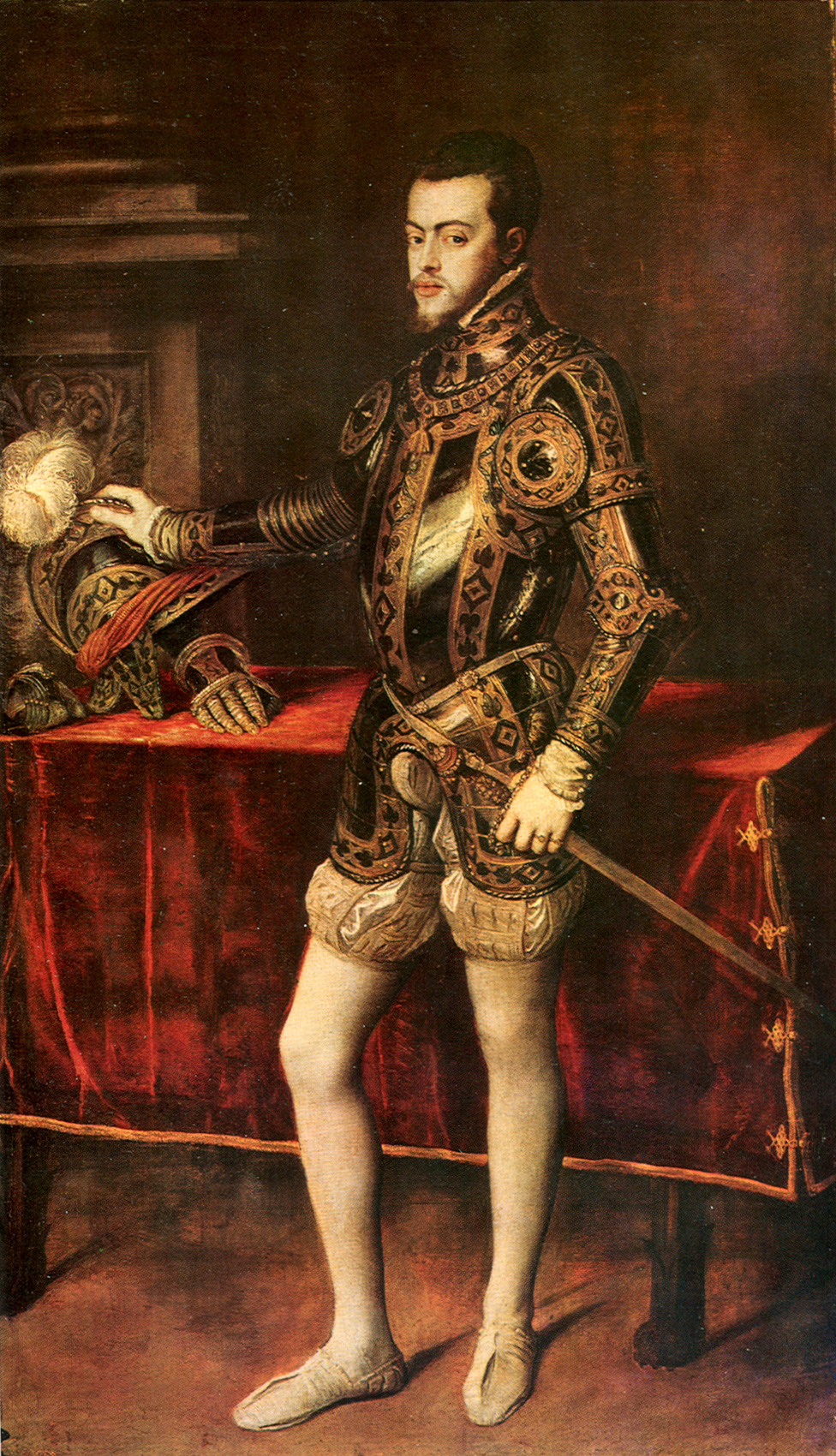
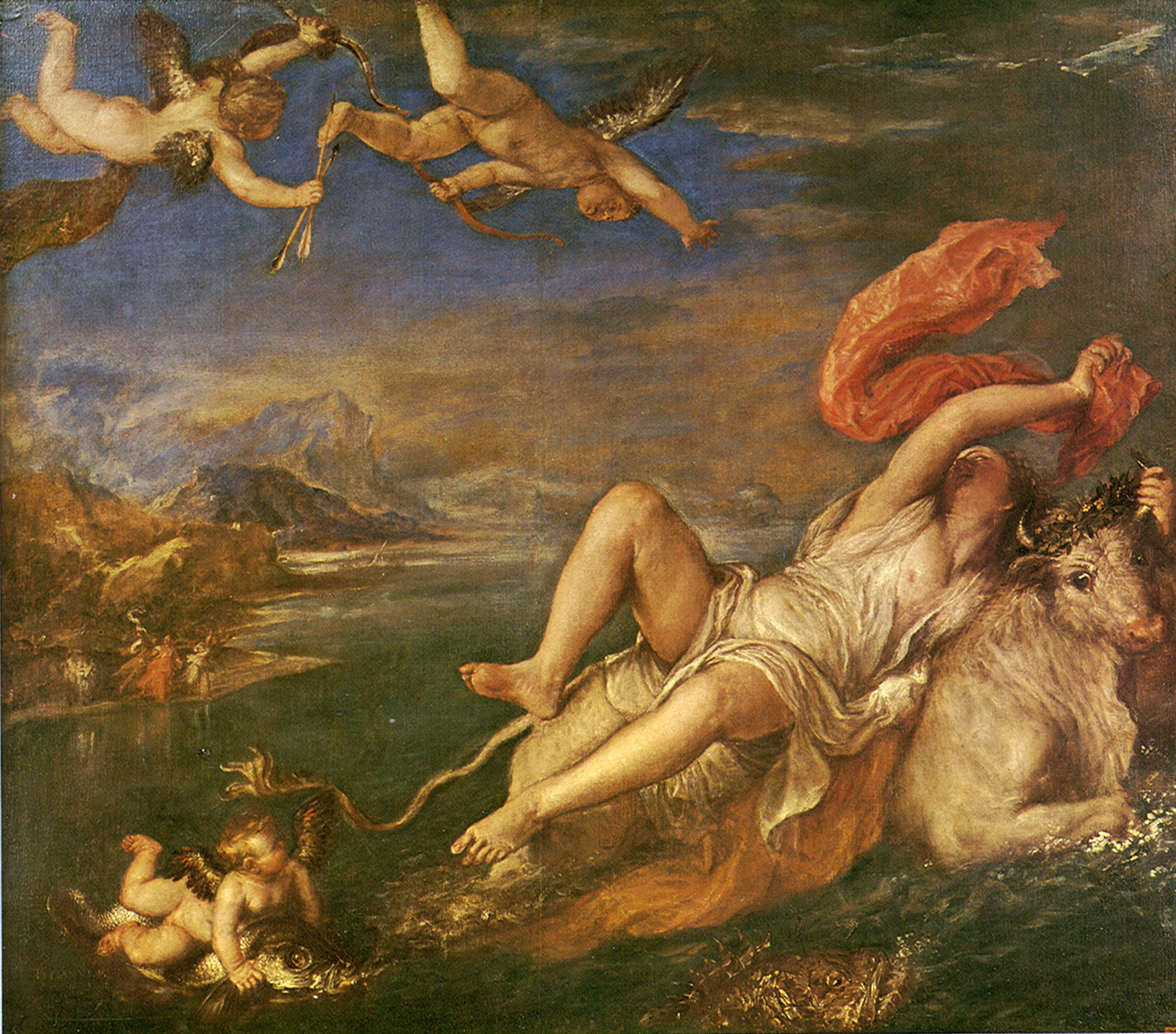
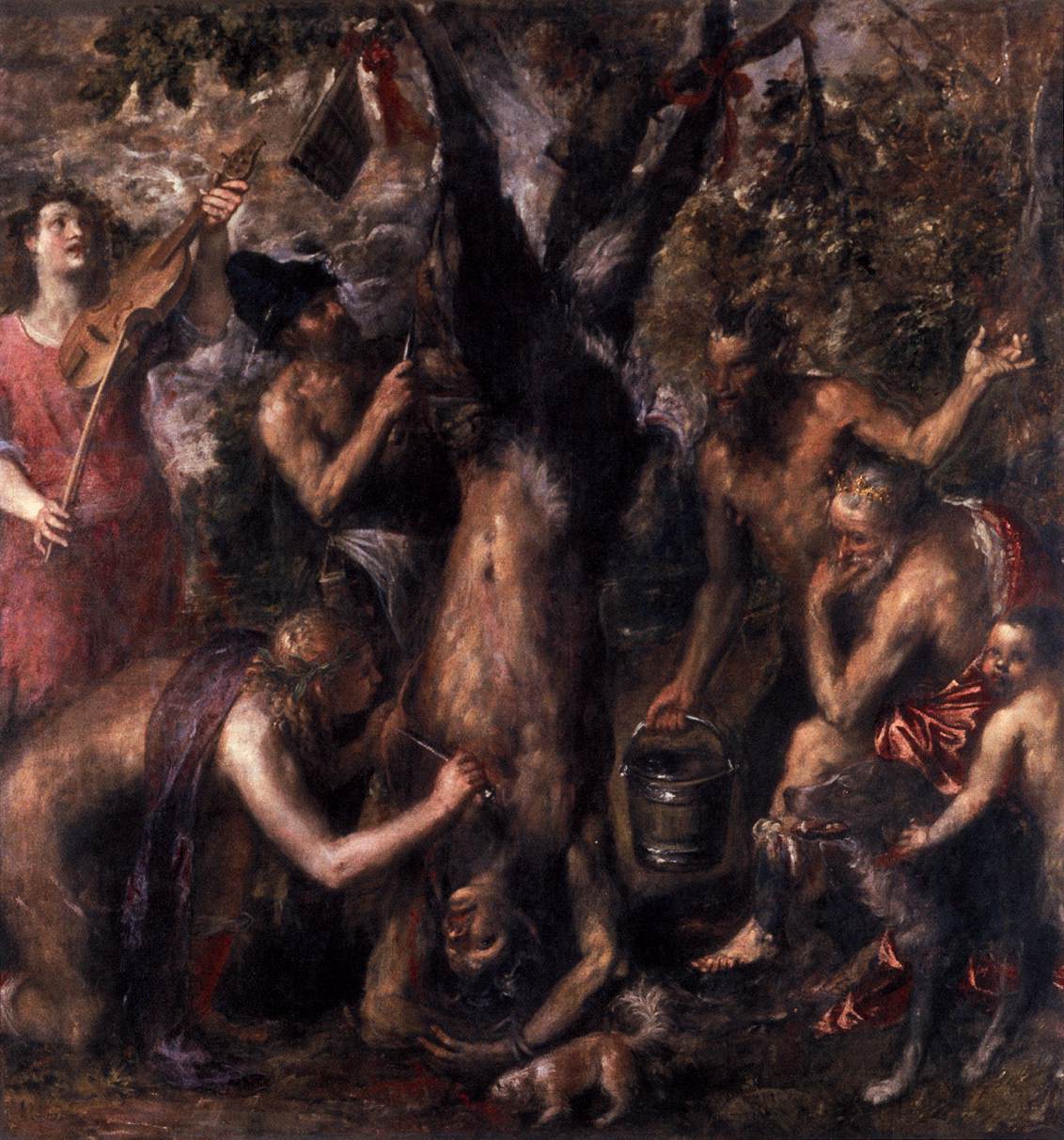
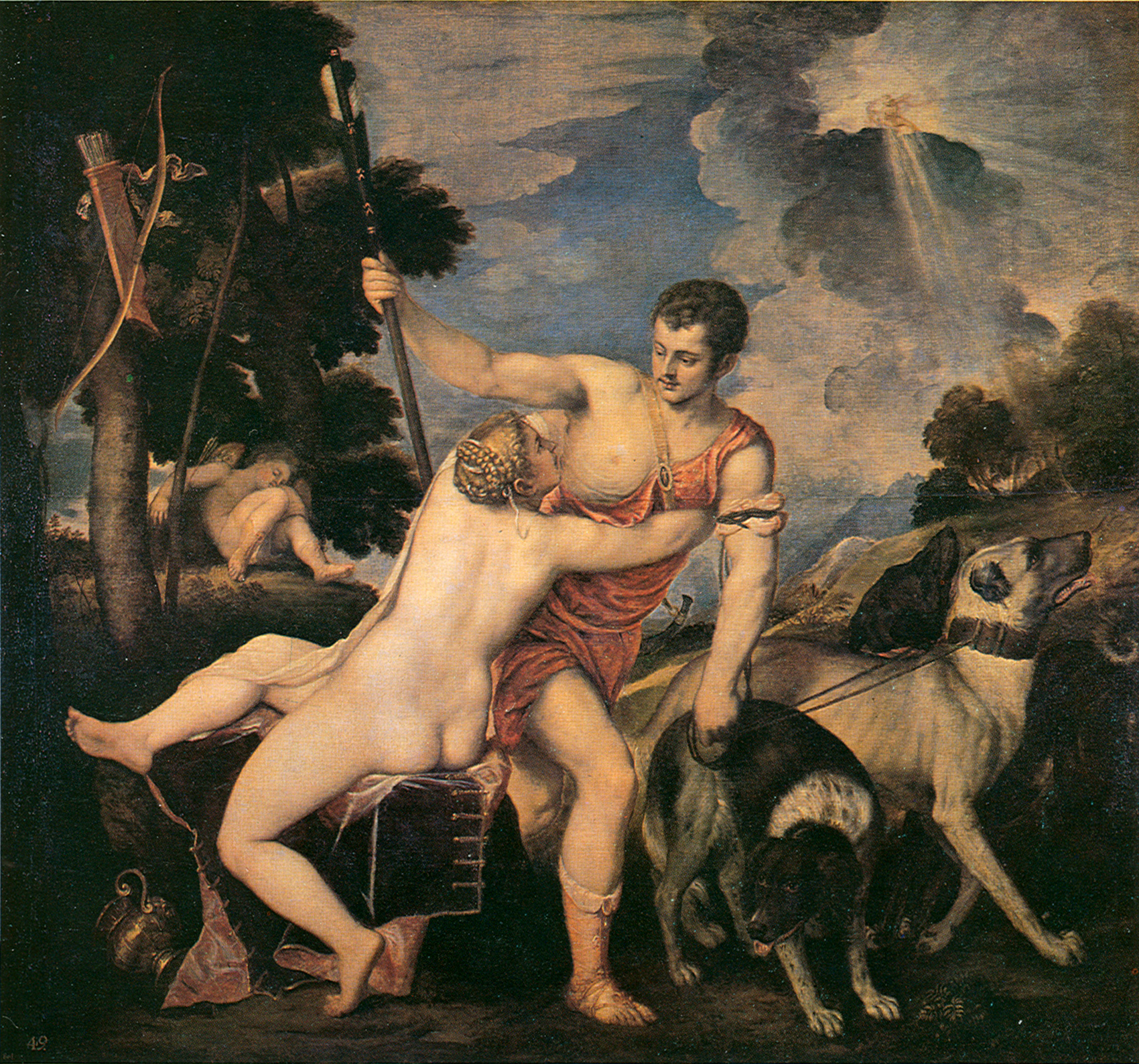
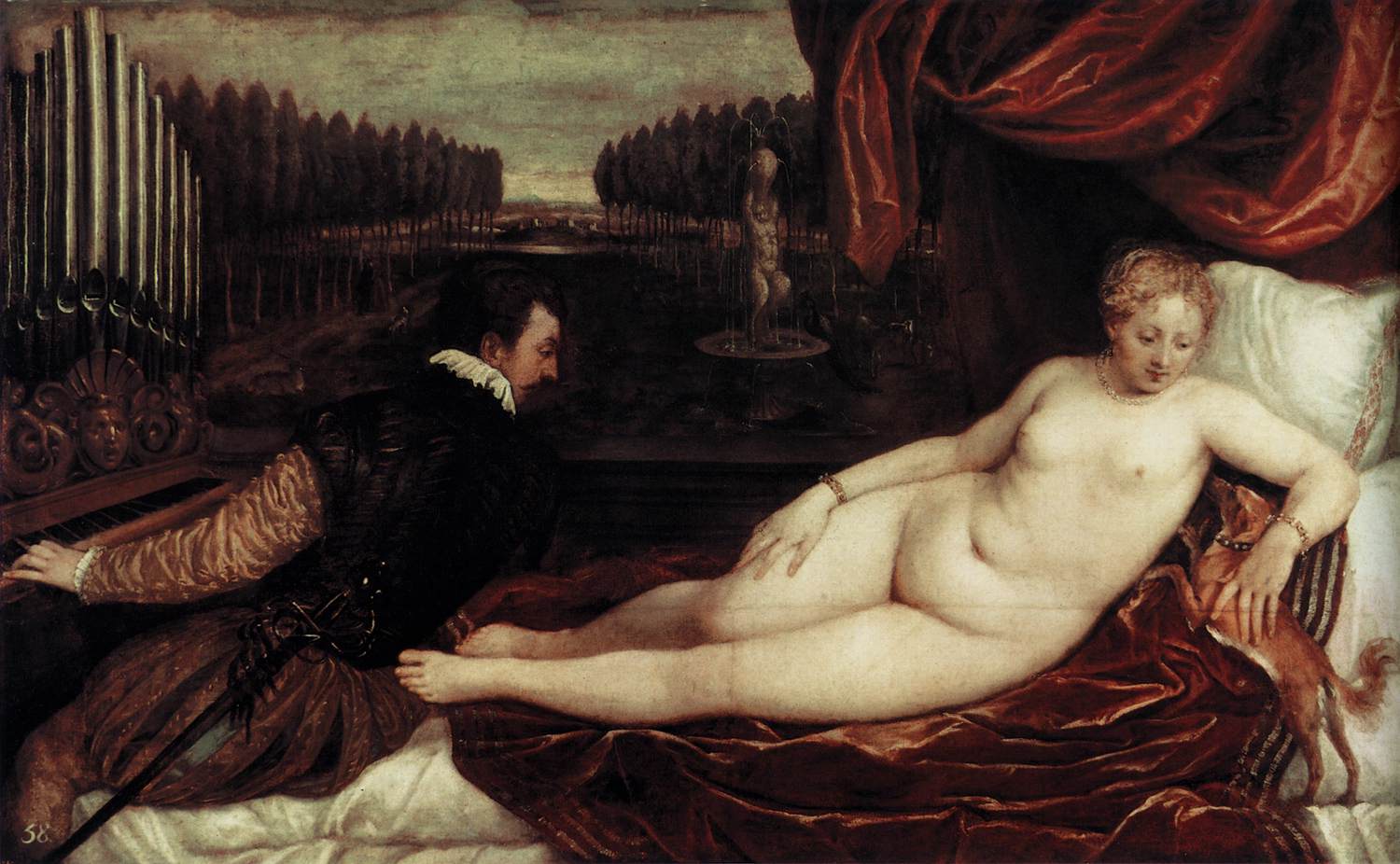
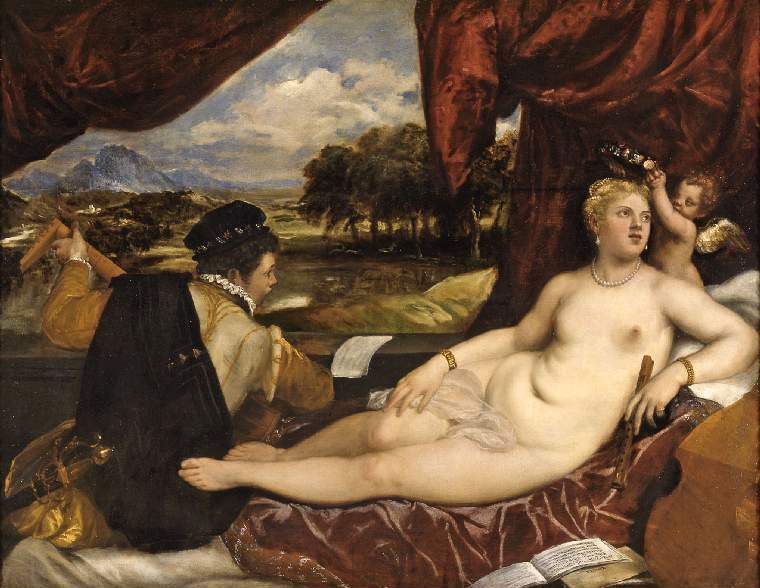
In 1550 he was in Augsburg to paint portraits of Emperor Charles V's son, who was to become Phillip II of Spain and later patron of Titian. After 1550, when Titian had returned to Venice, his style again changed. In a series of superb mythological paintings for Philip II of Spain, beginning with the Danae (1553) and including the Rape of Europa (1559-1562), forms gradually lose their solidity, partially dissolving into hazy paint textures and vibrant brush strokes.
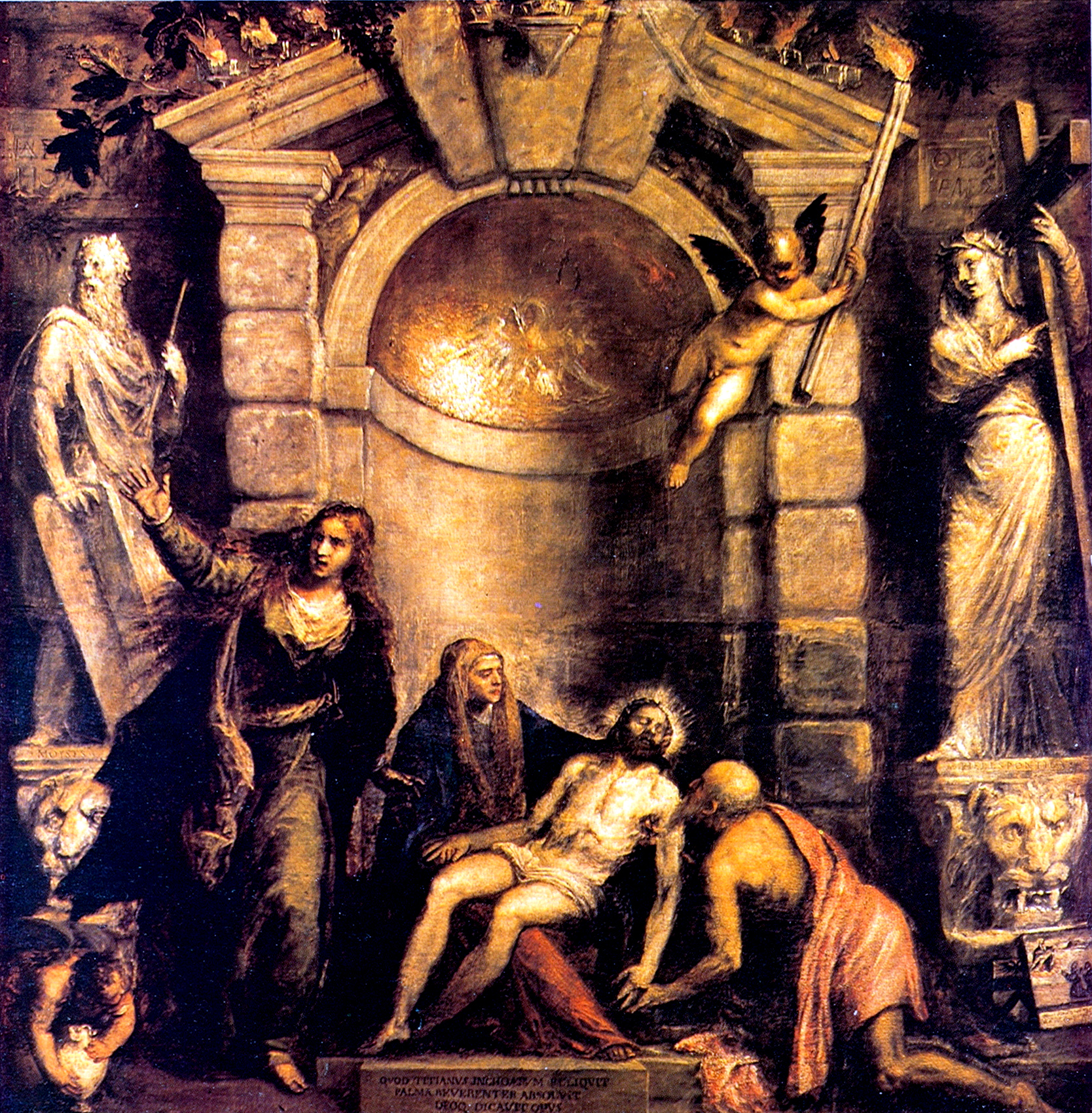
Titian died of the plague in Venice on August 27, 1576. His last work was a Pieta created for his own tomb and completed after his death by Palma il Giovane.