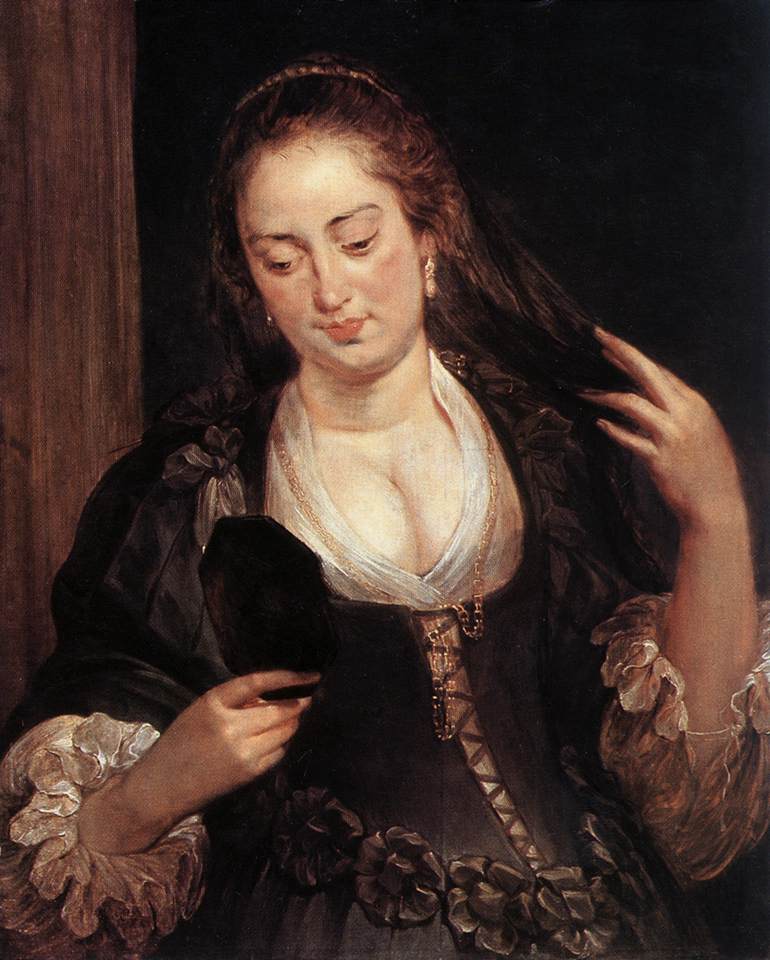
Peter Paul Rubens
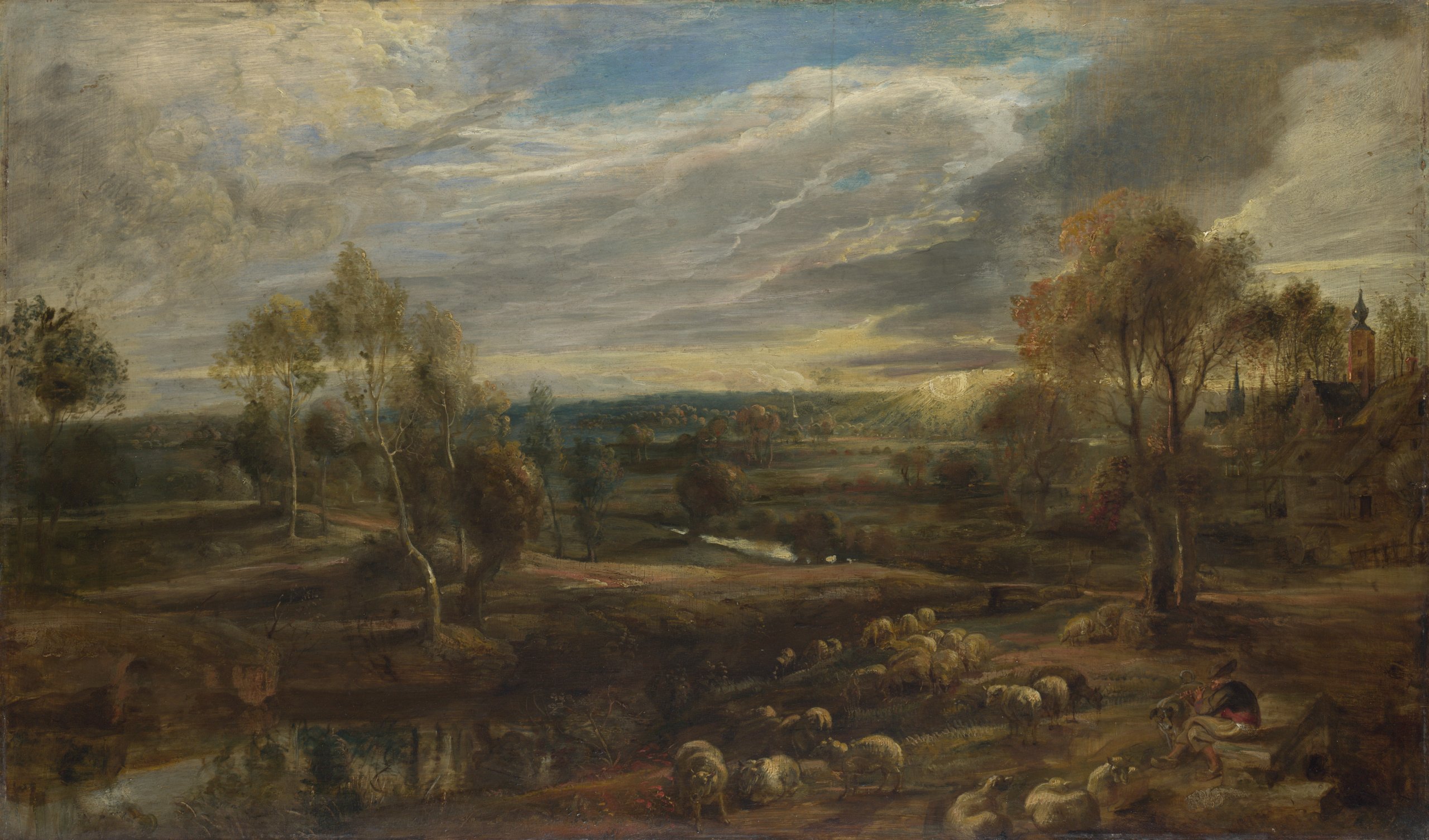
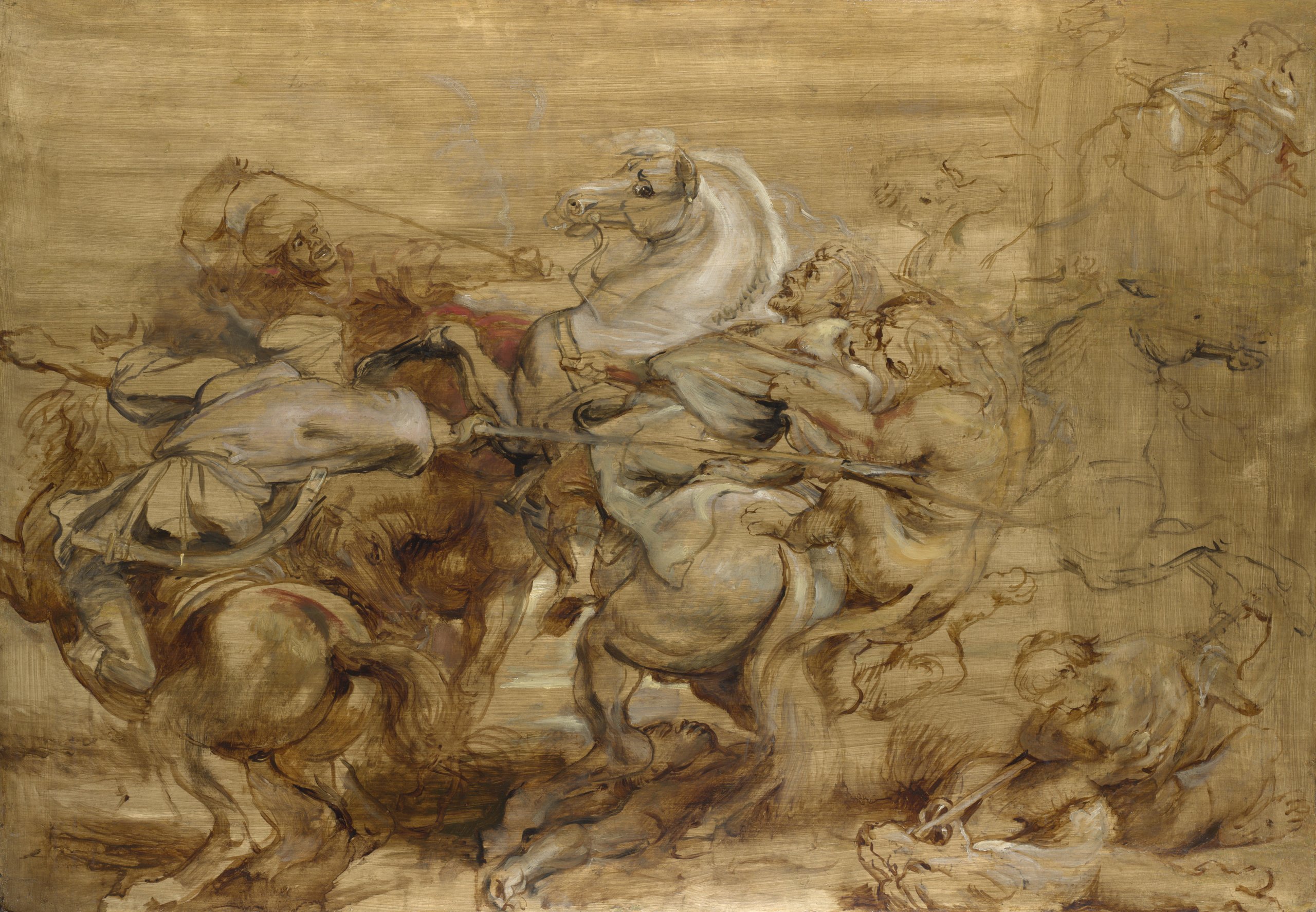
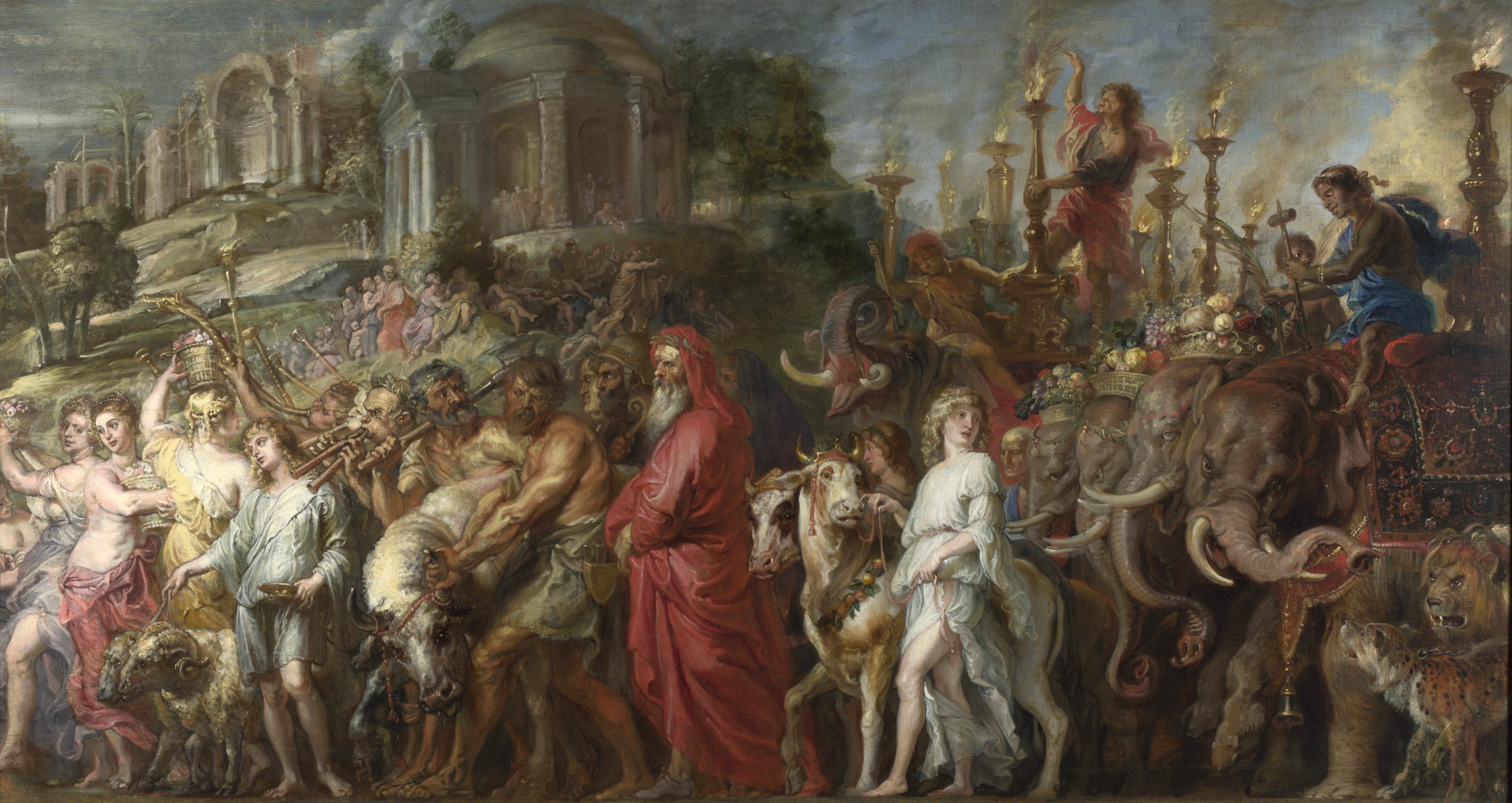
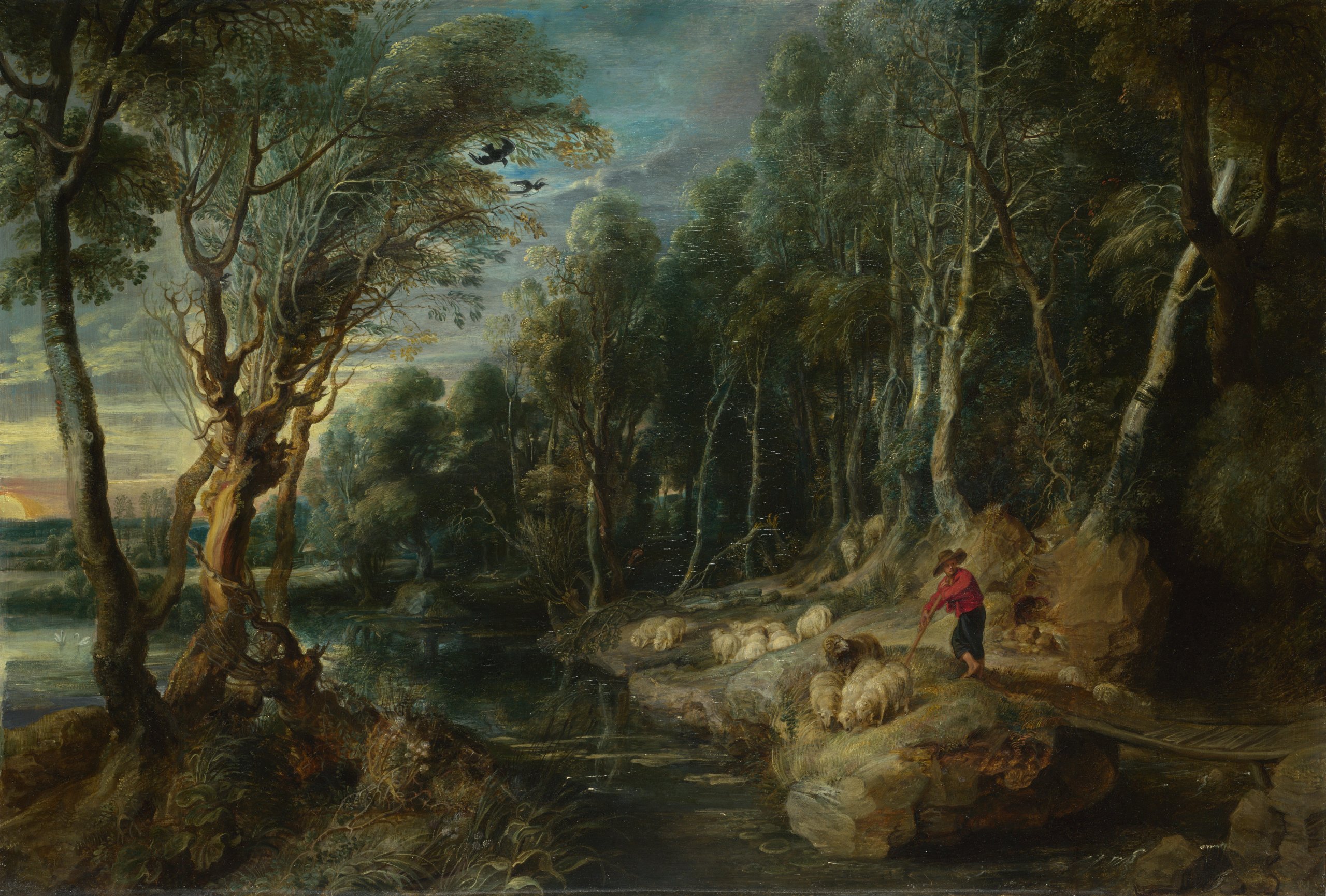
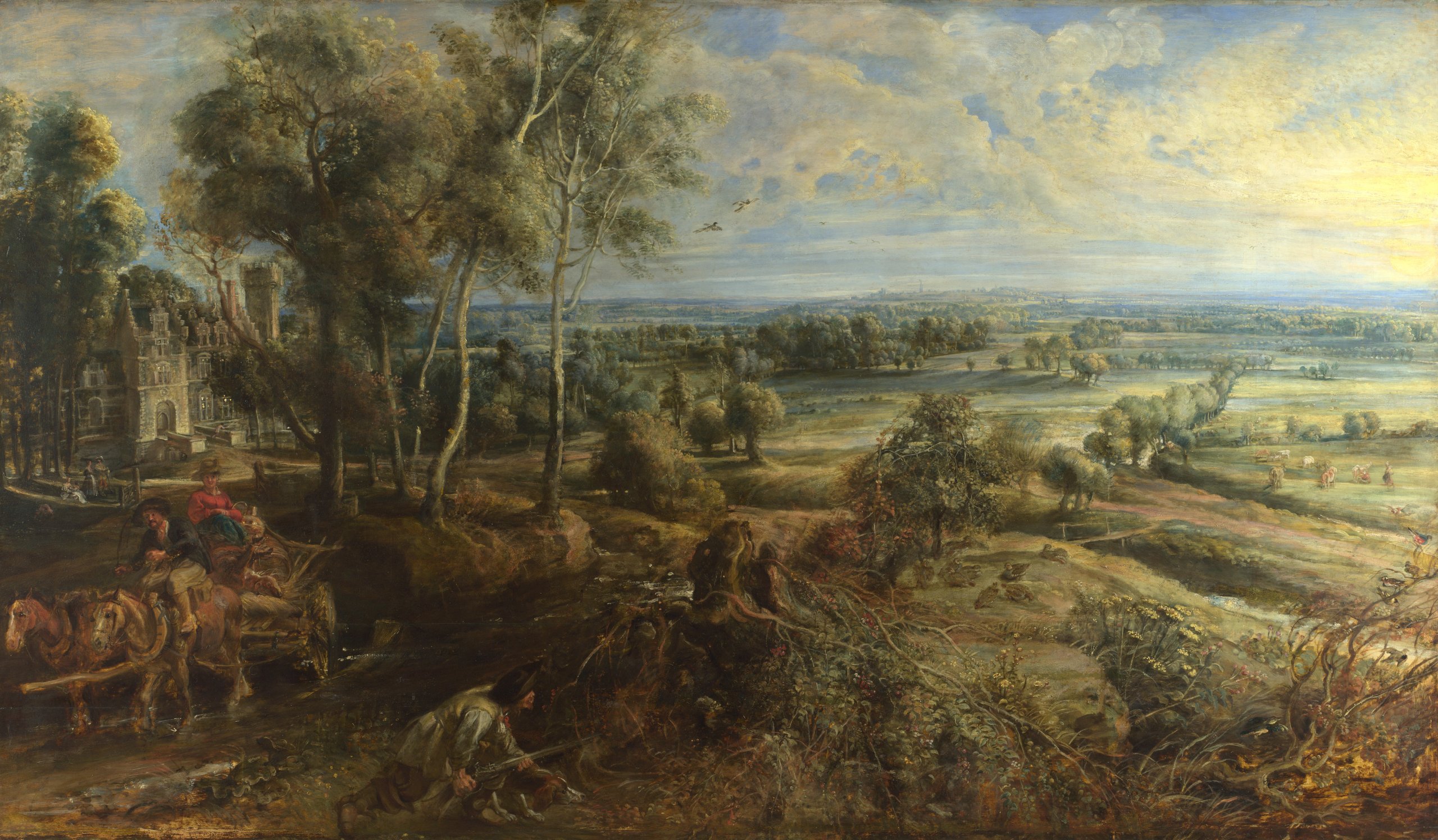
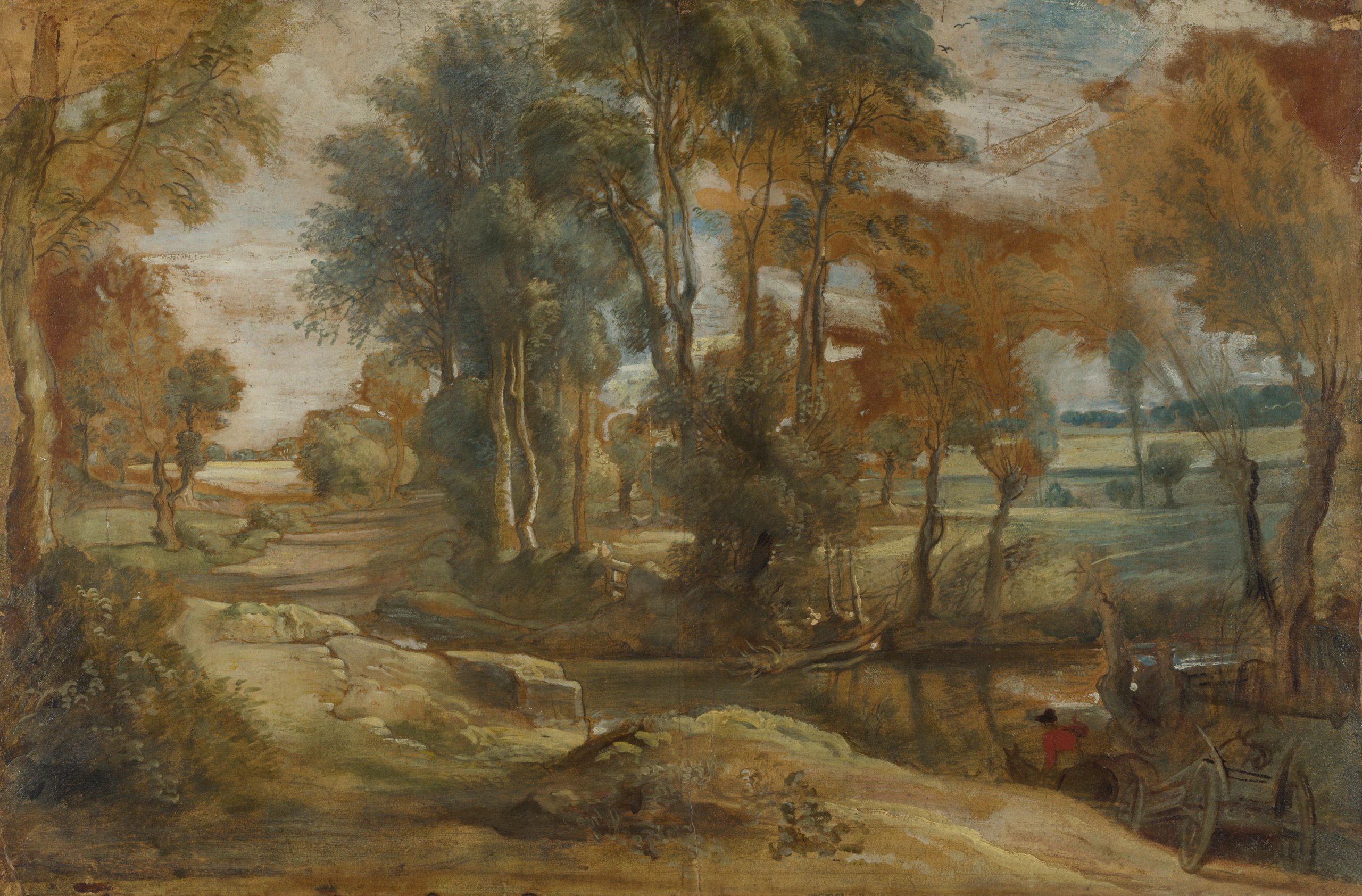
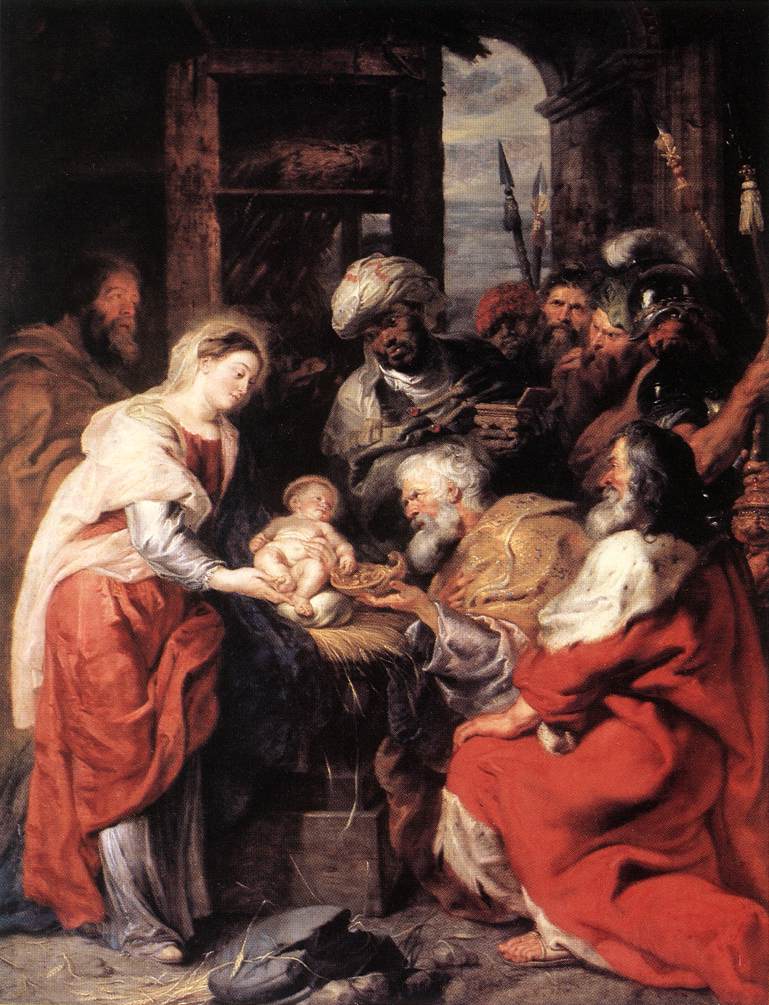
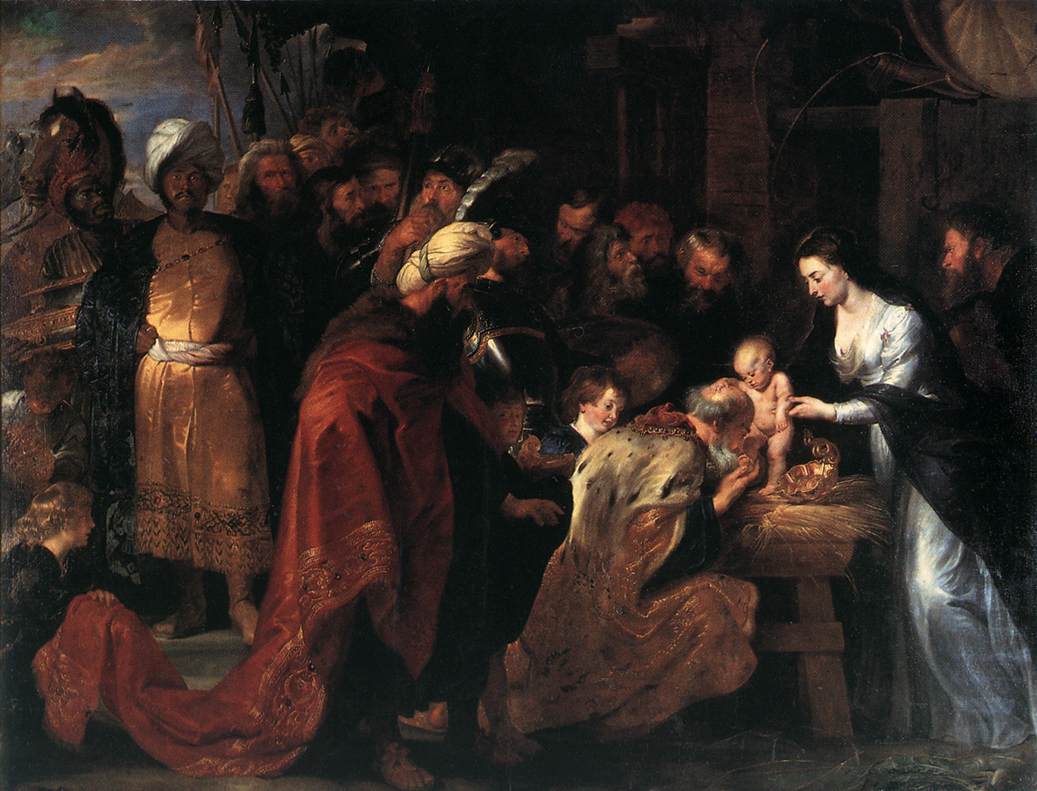
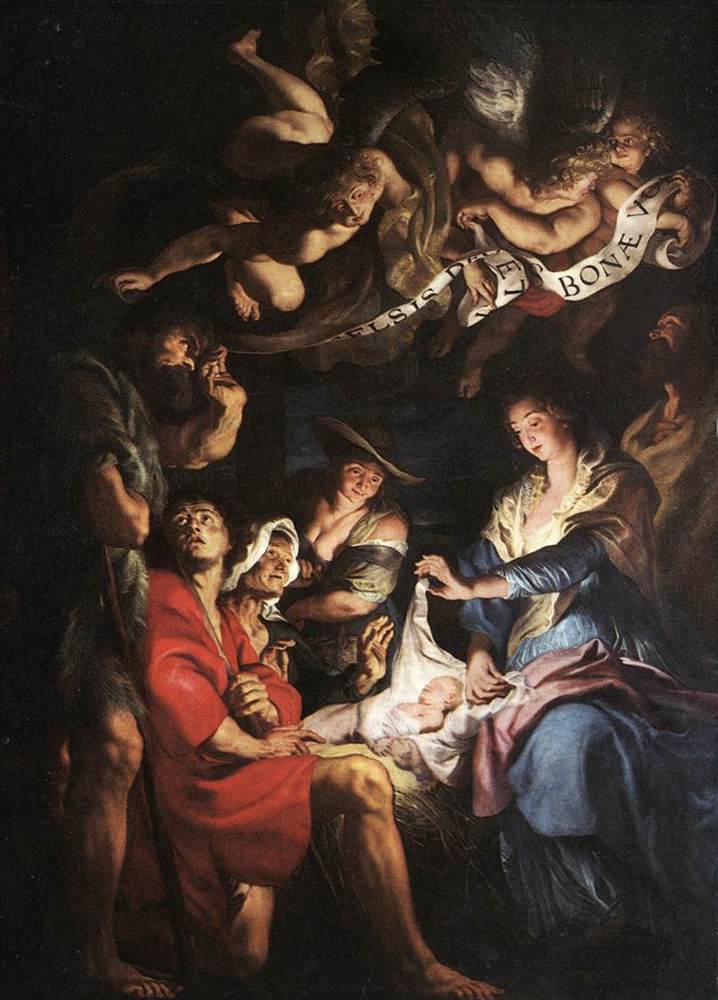
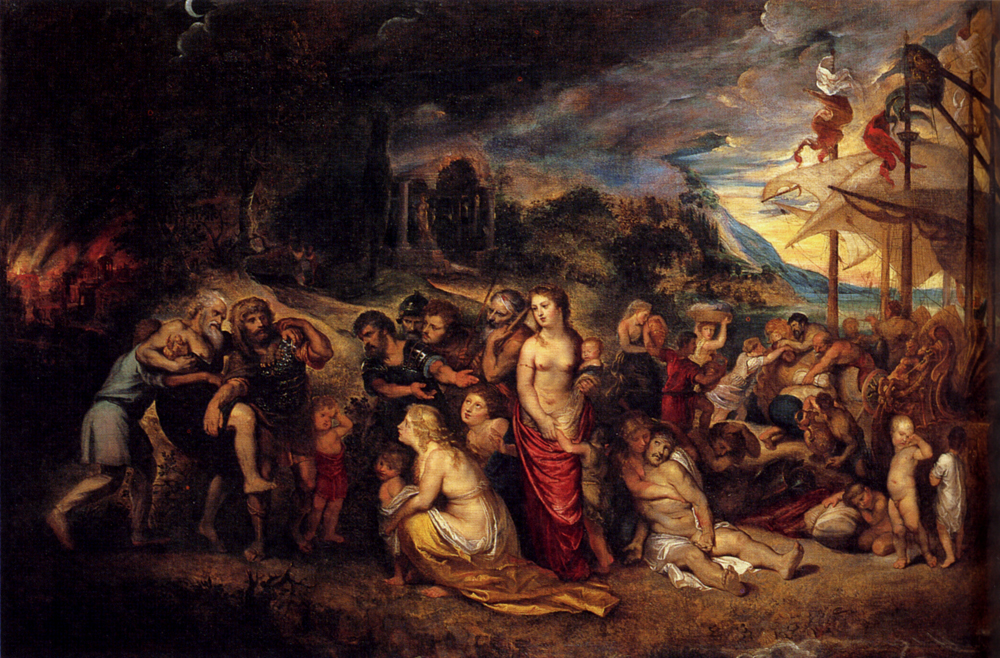
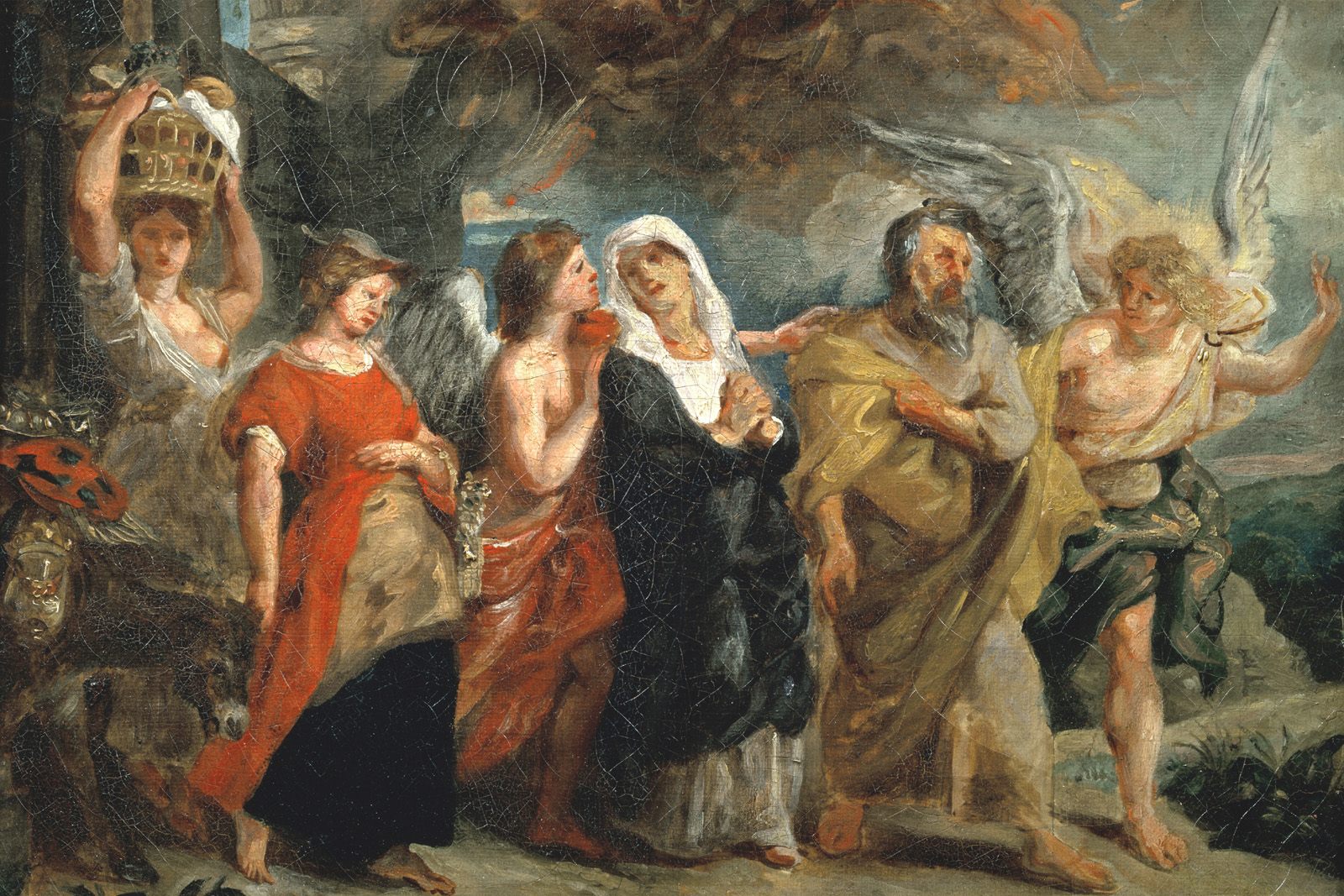
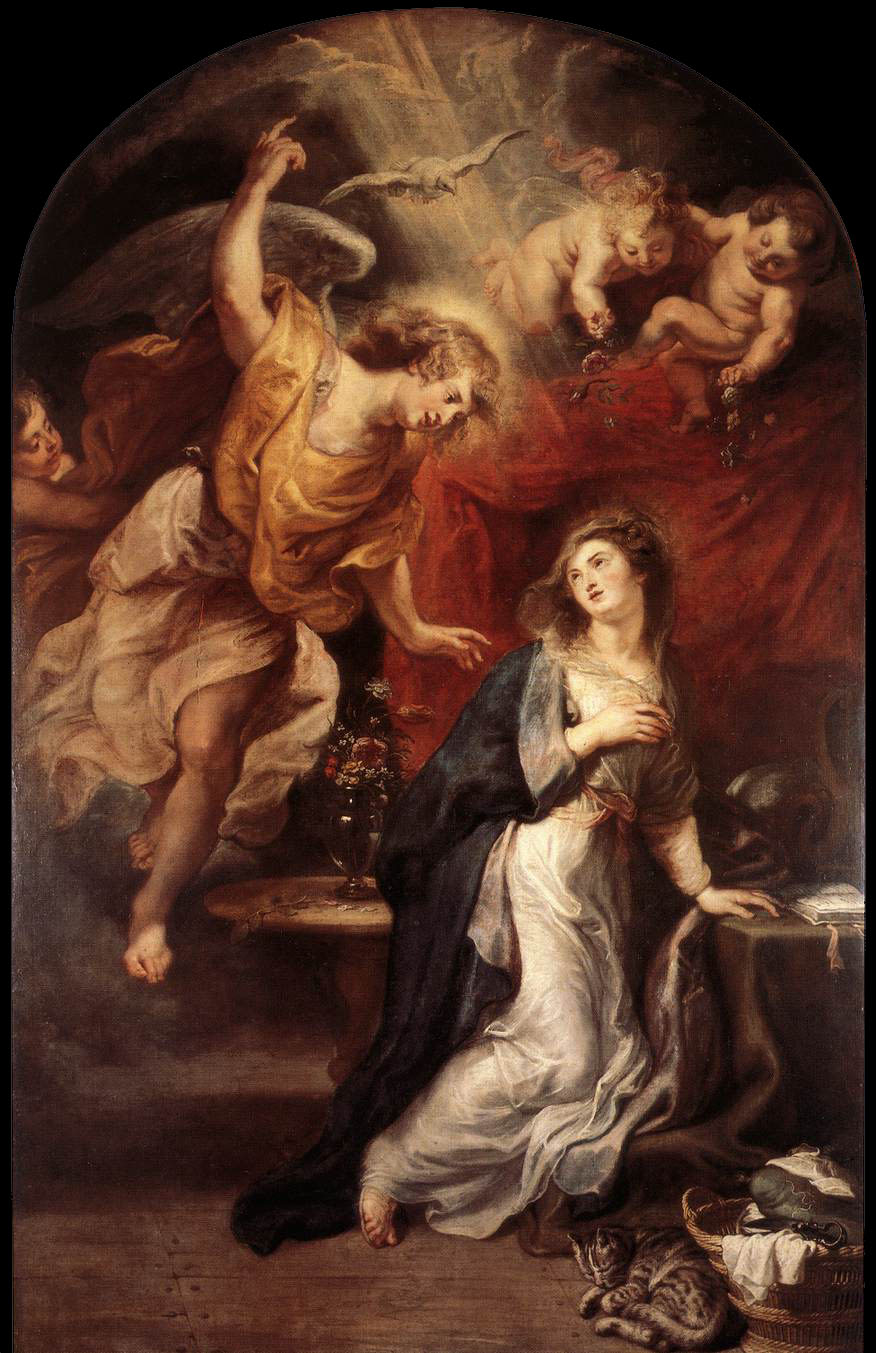
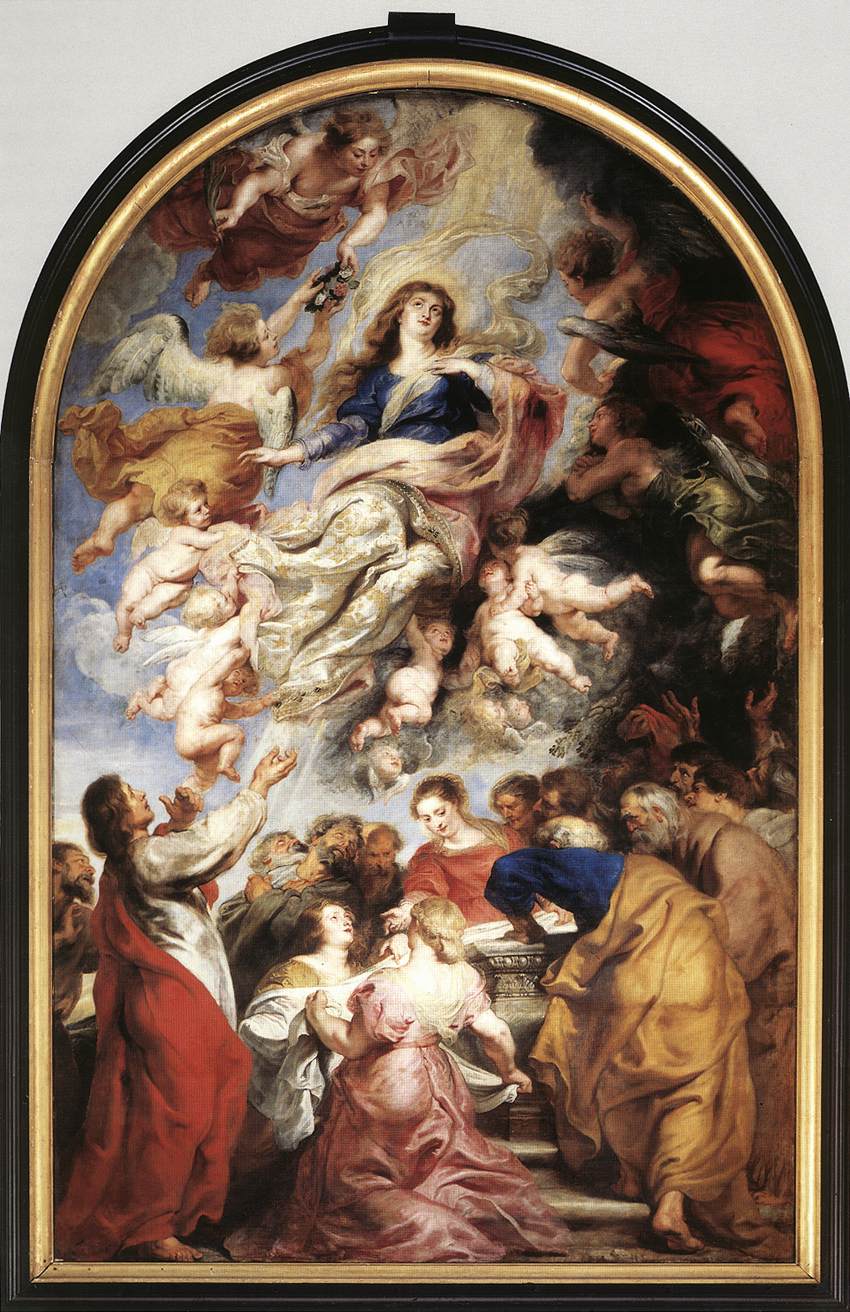
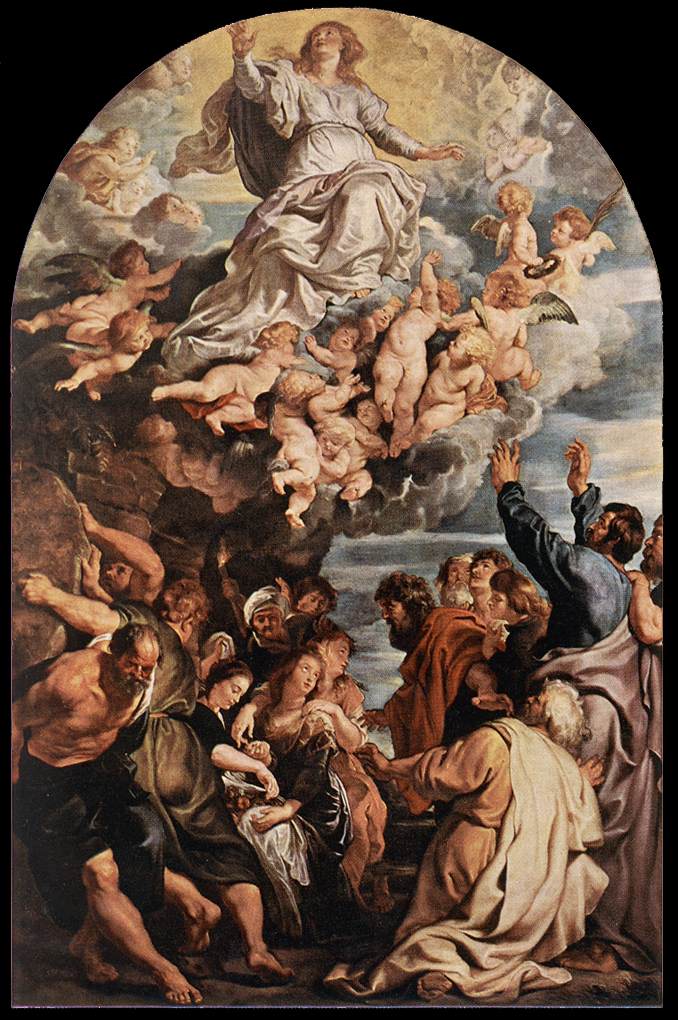
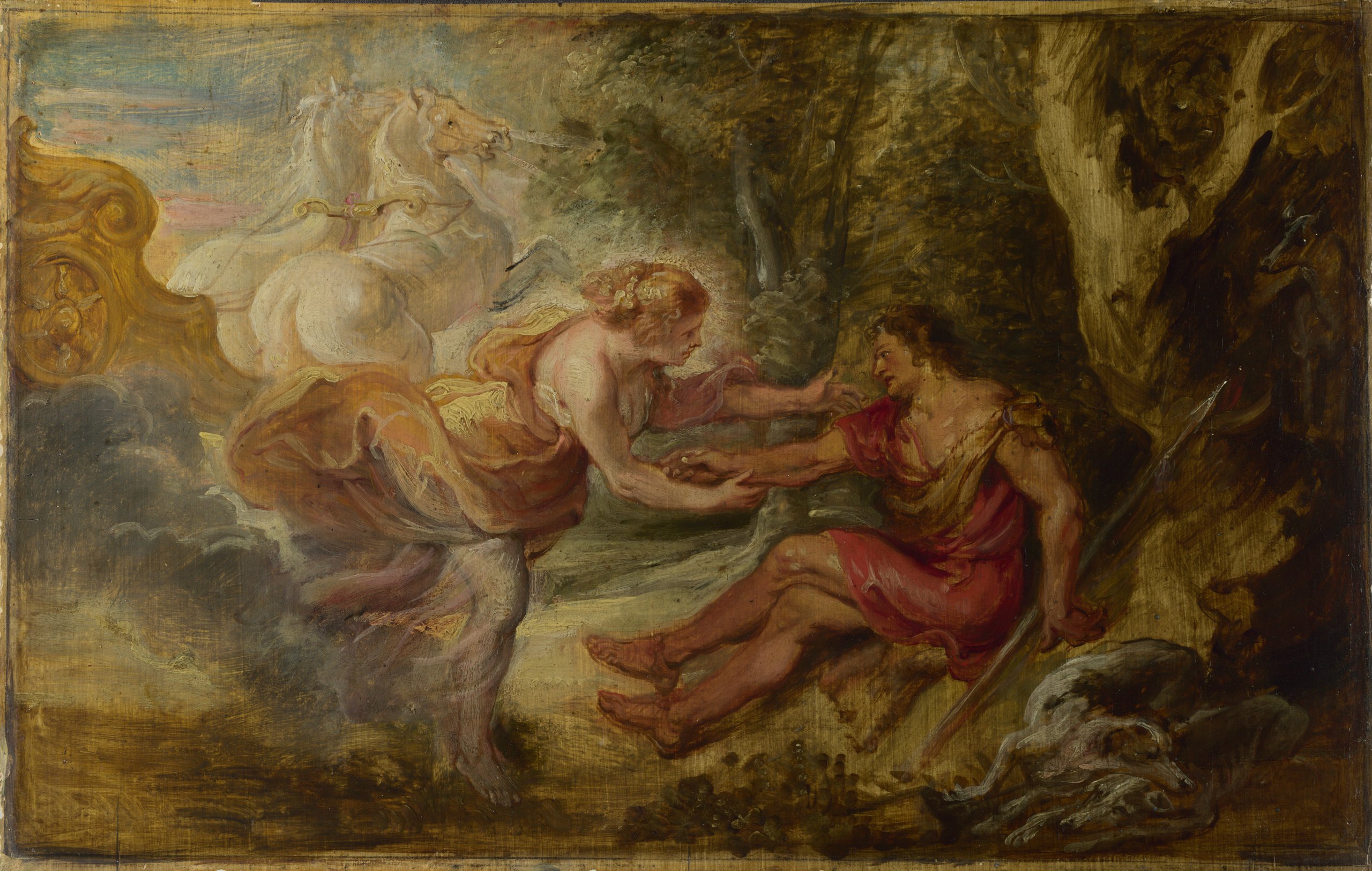
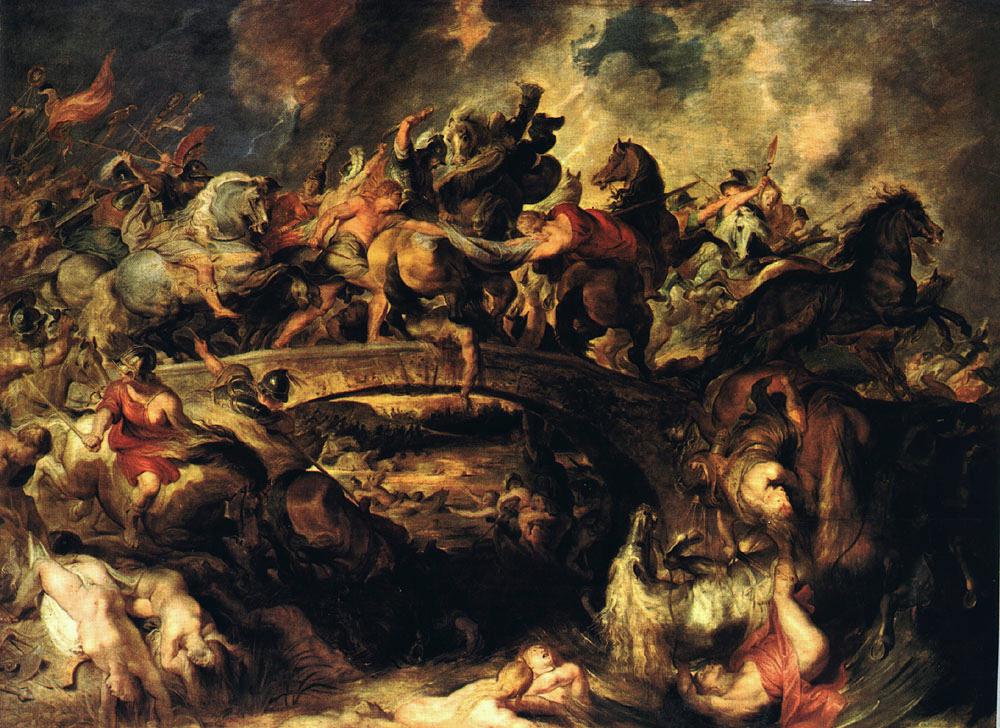
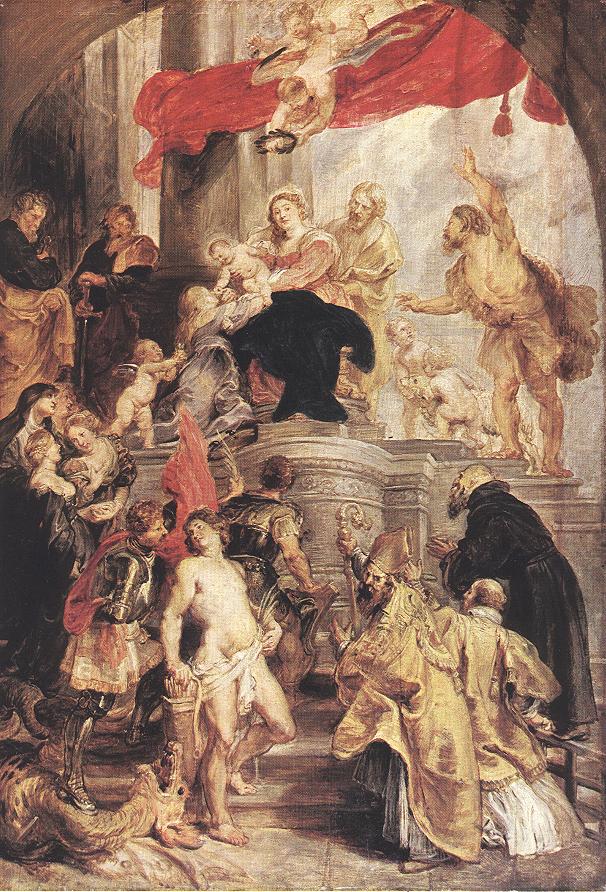
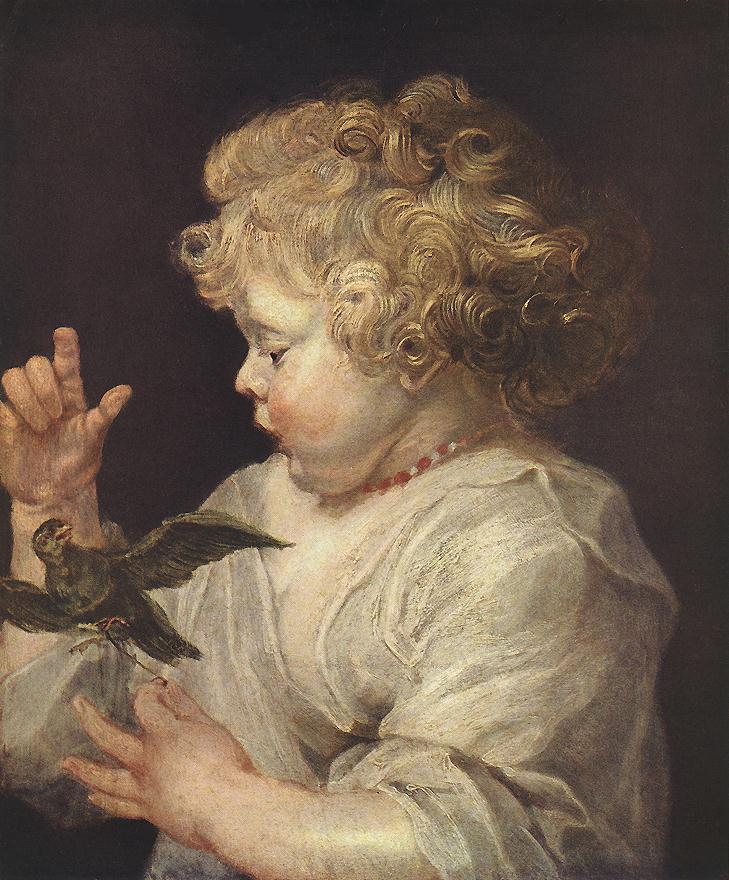
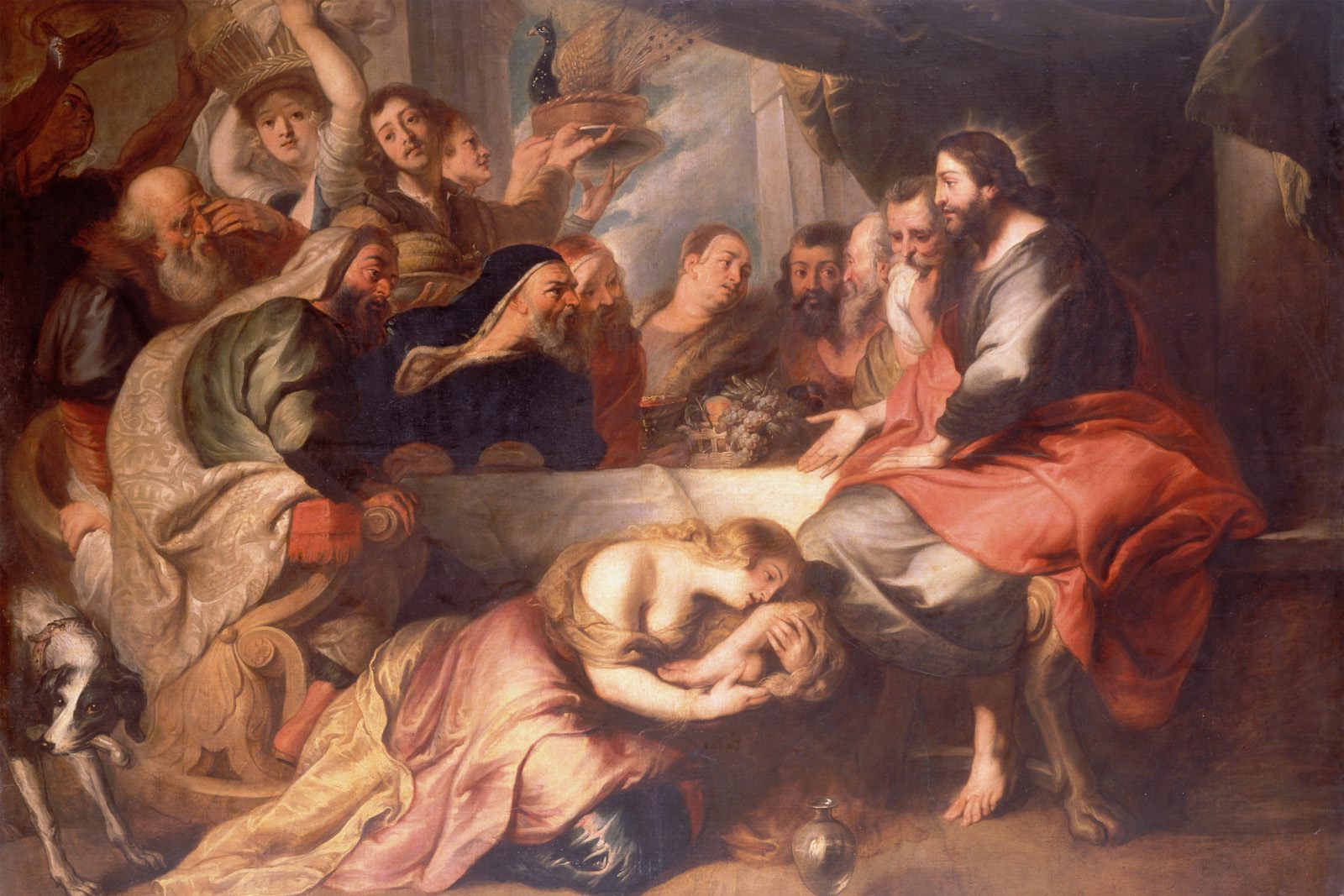
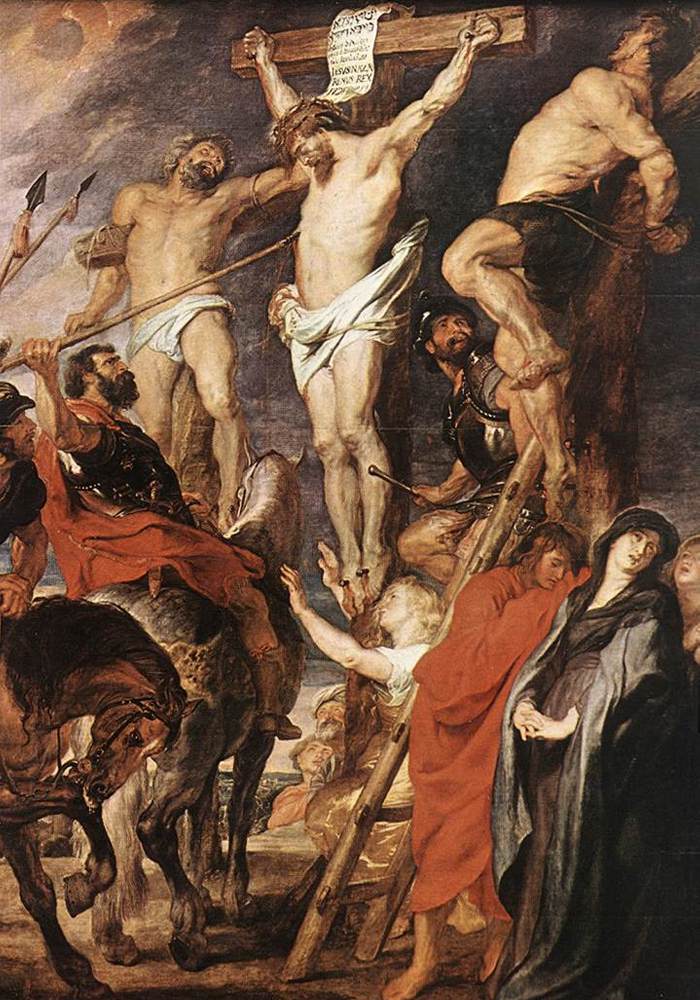
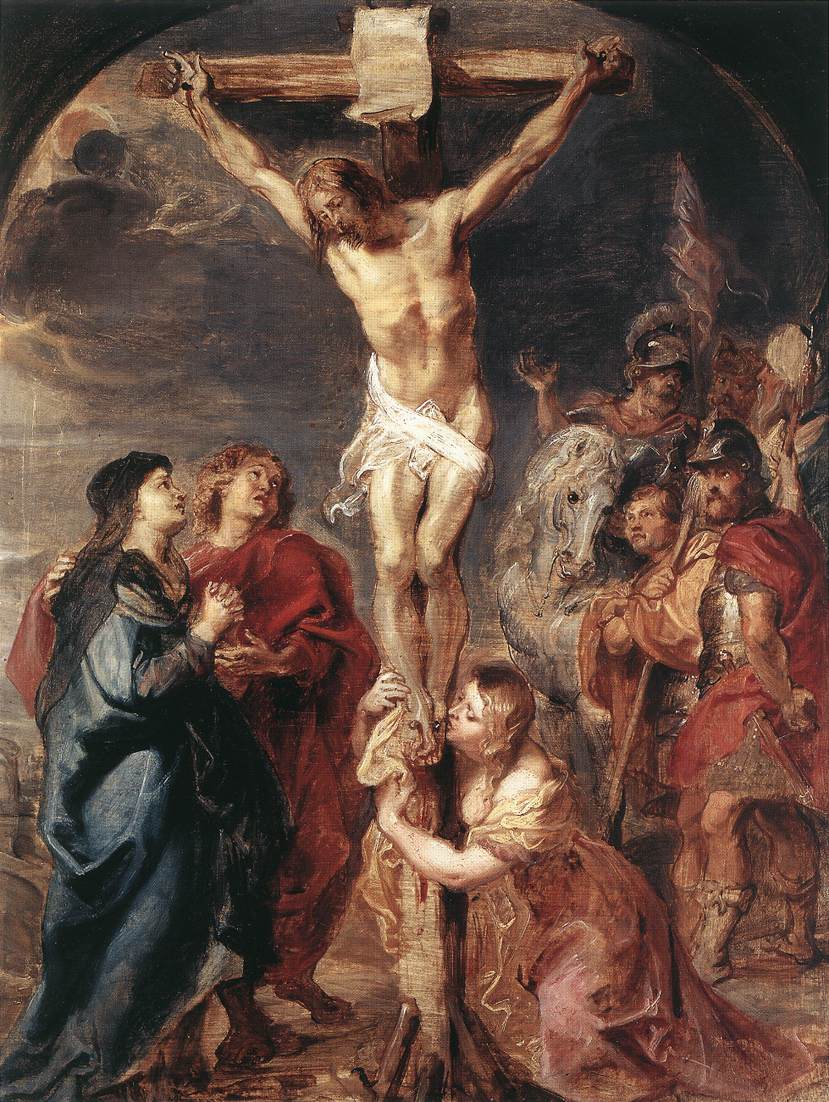
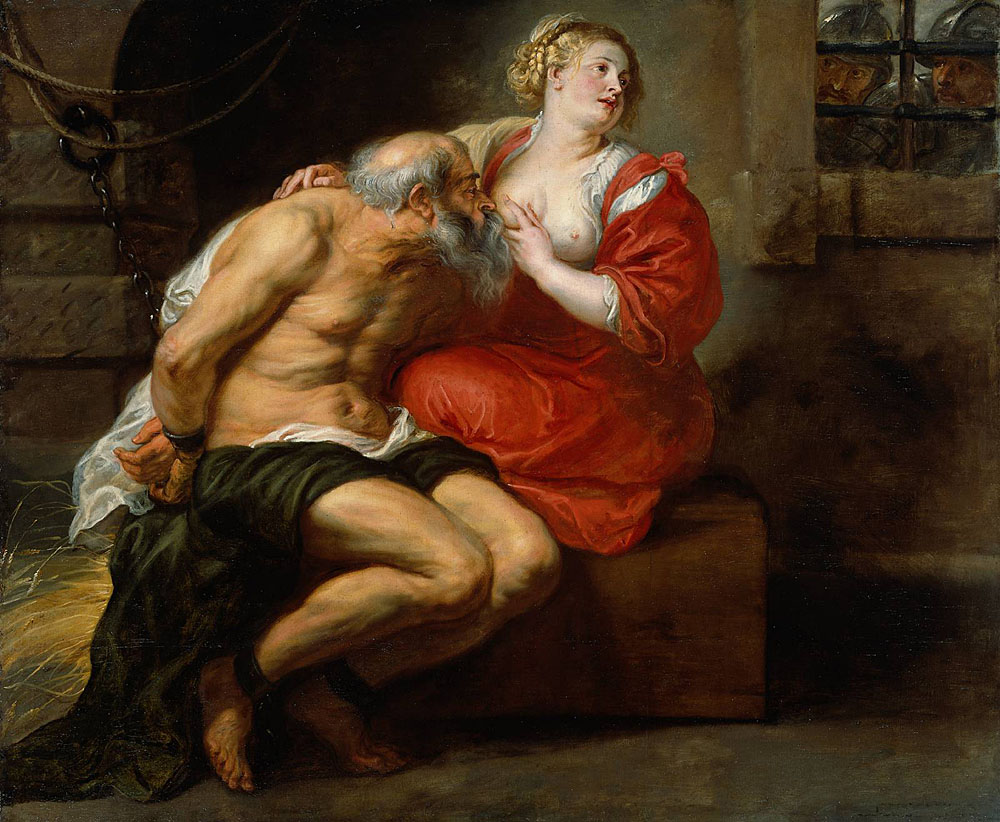
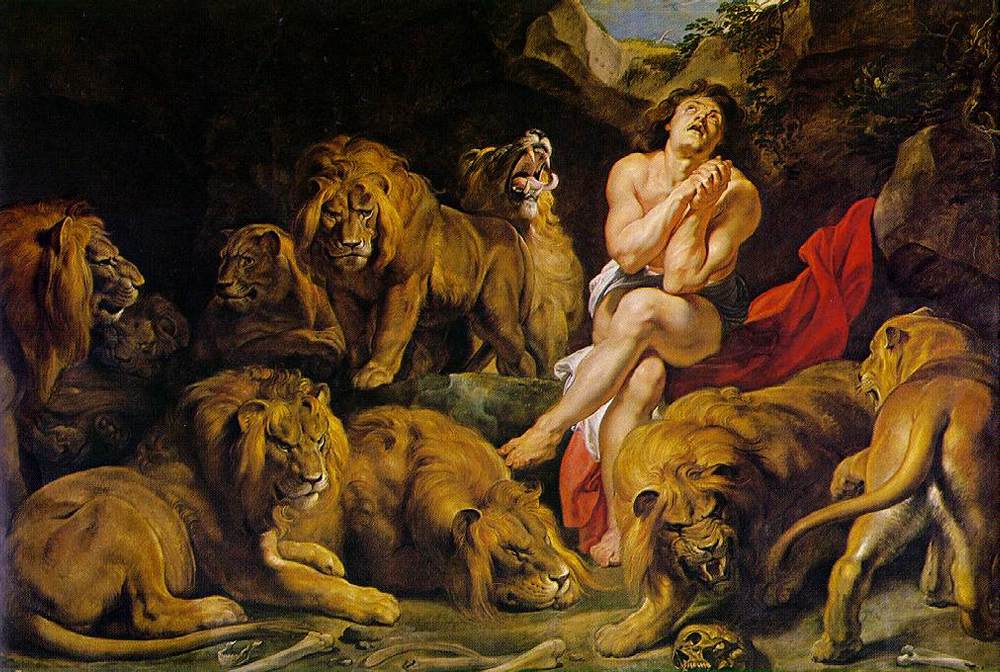
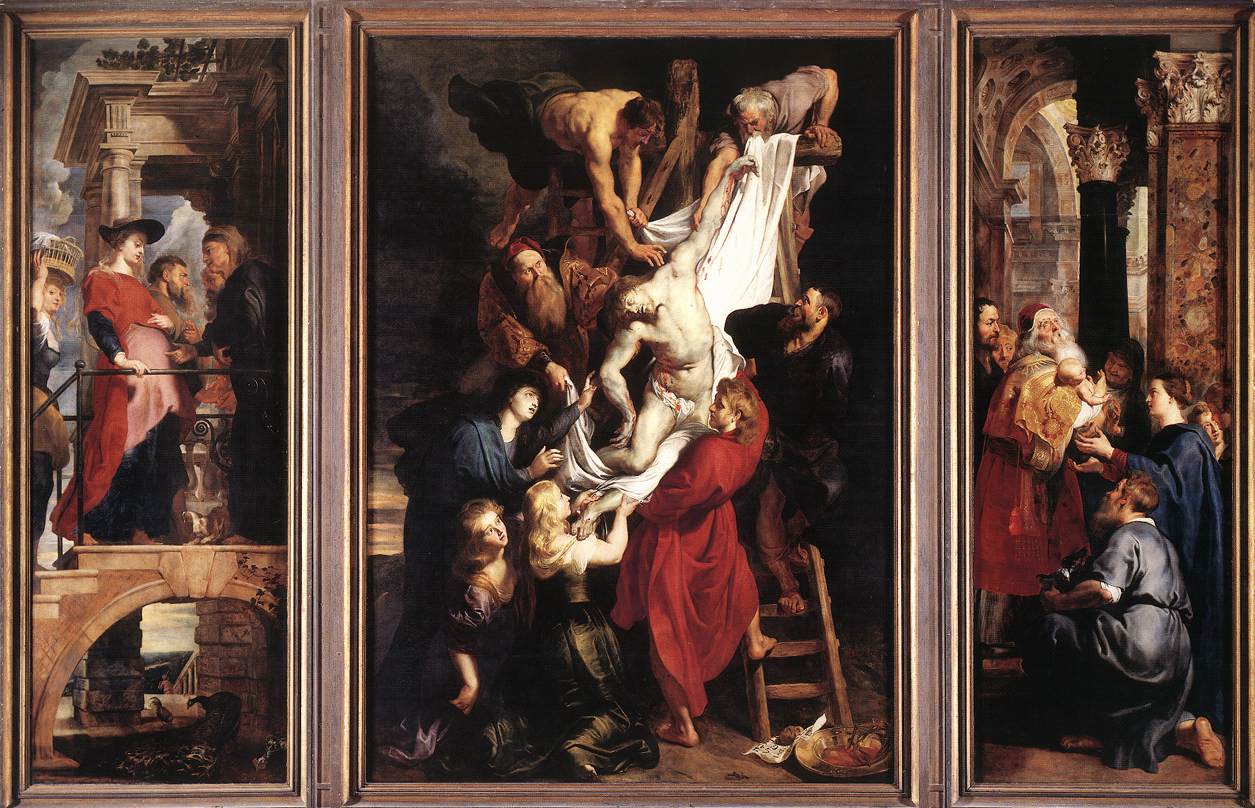
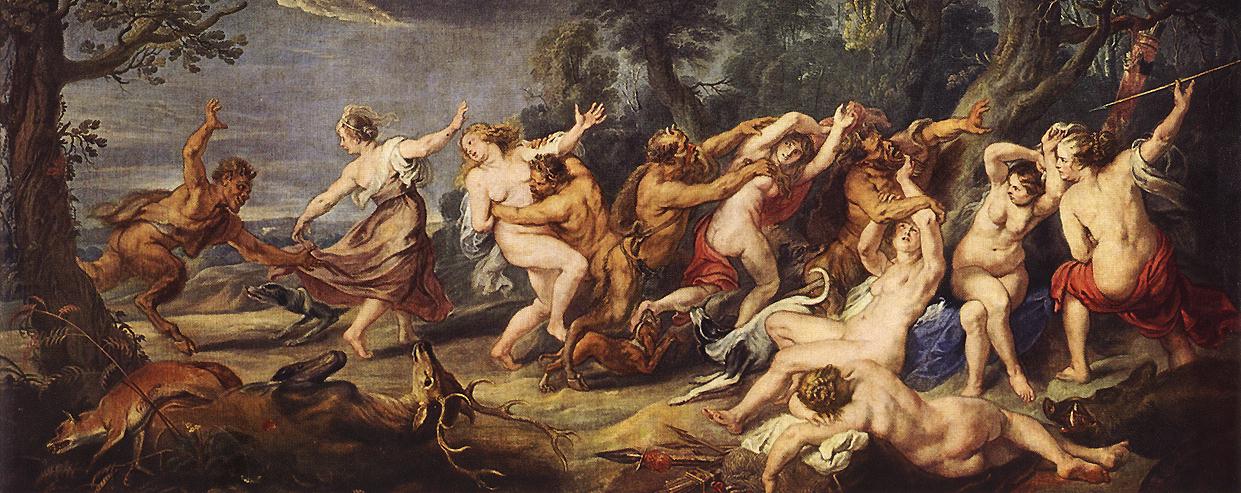
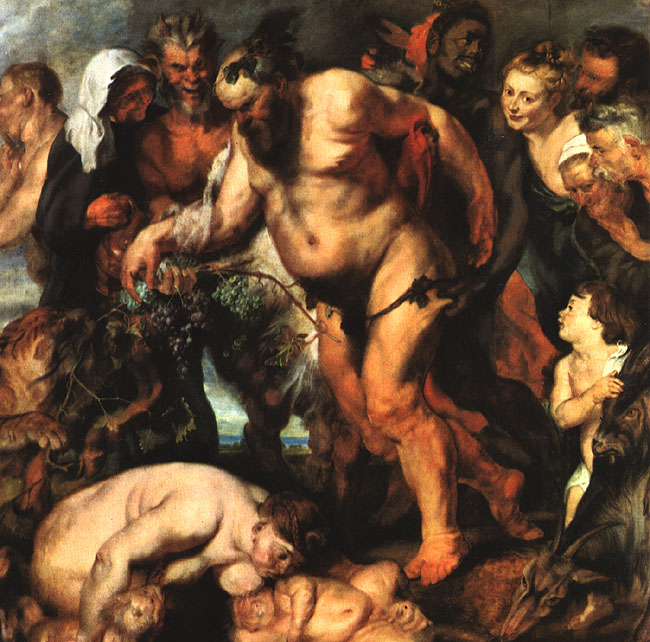
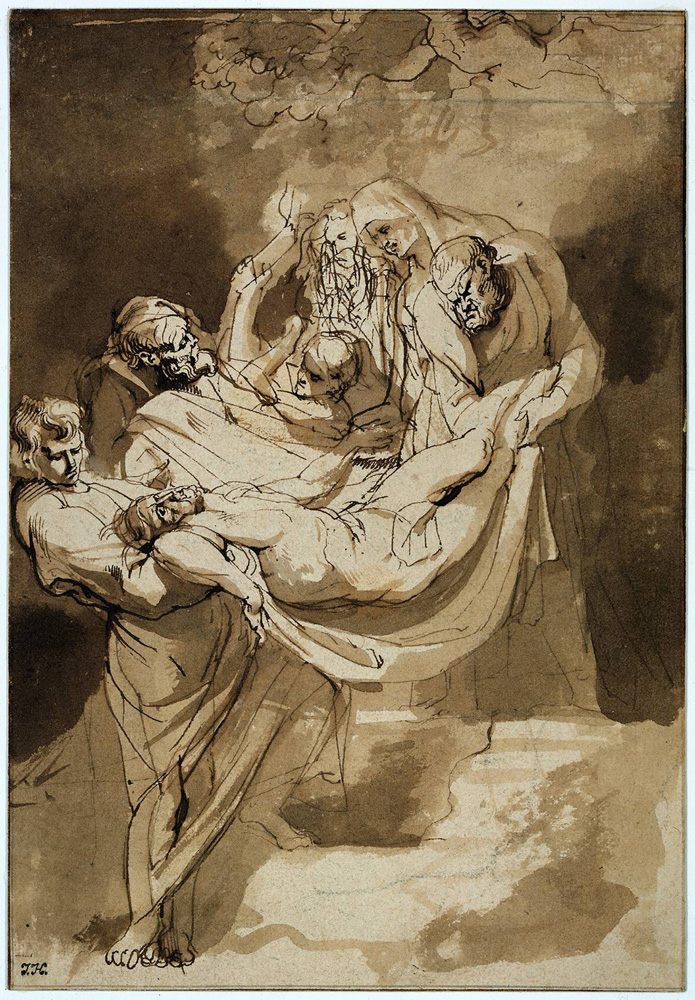
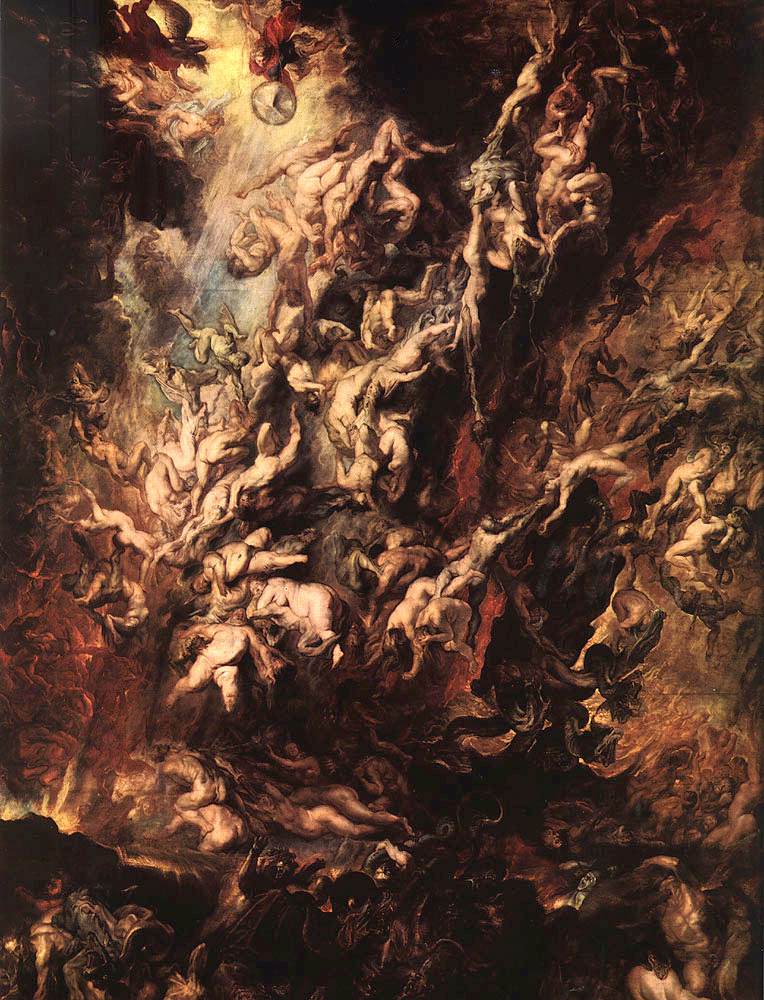
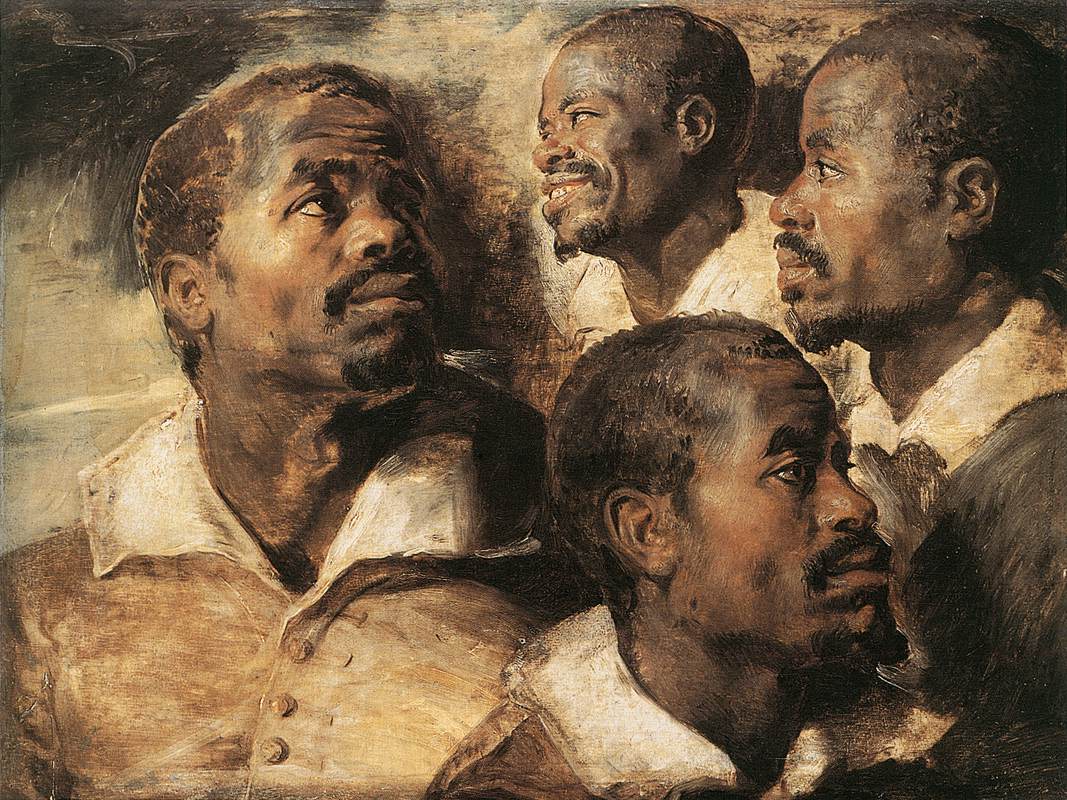
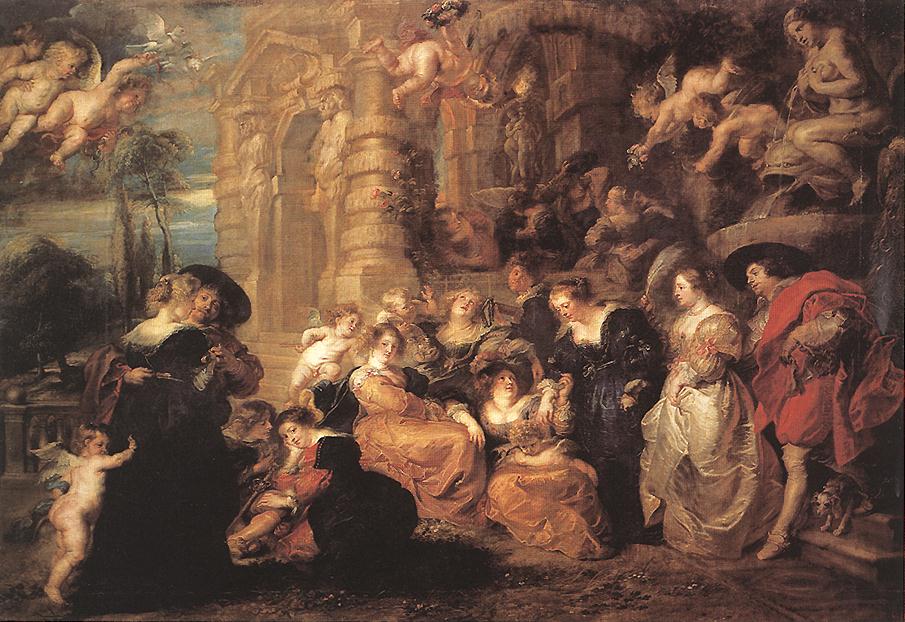
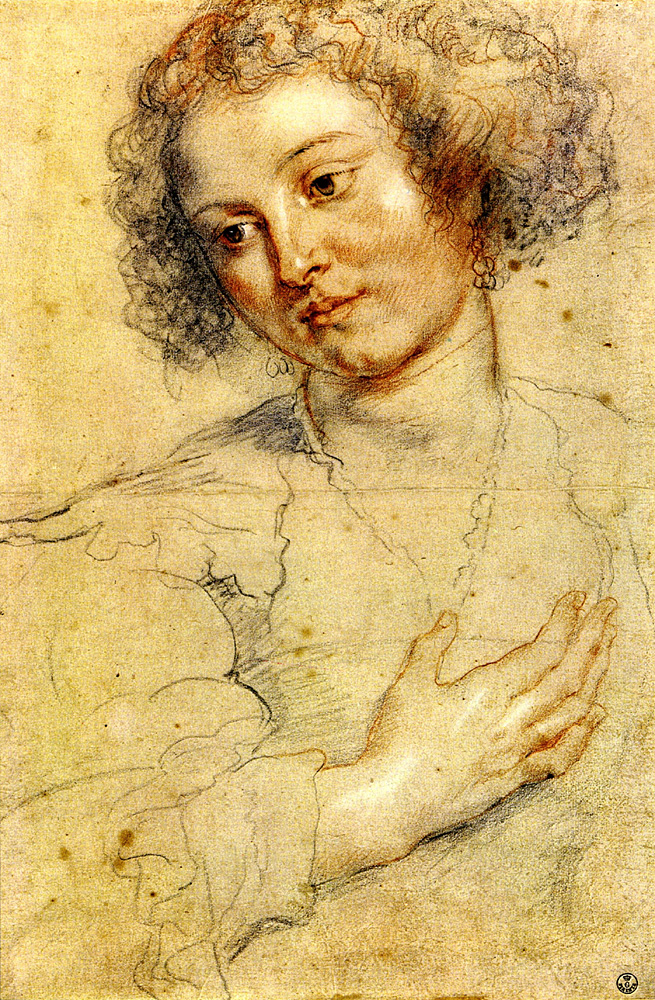
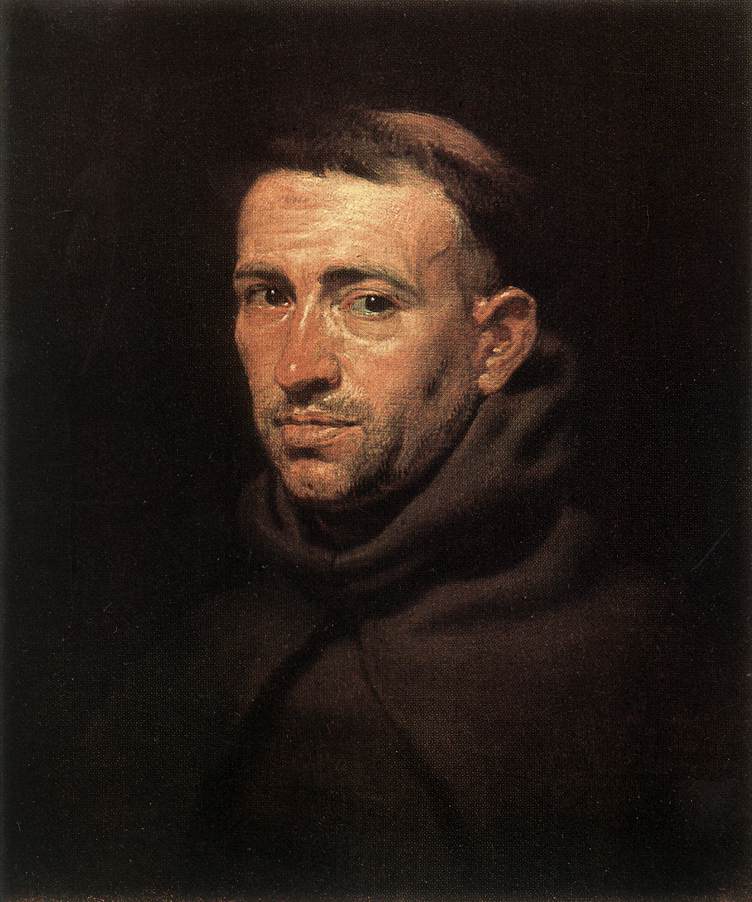
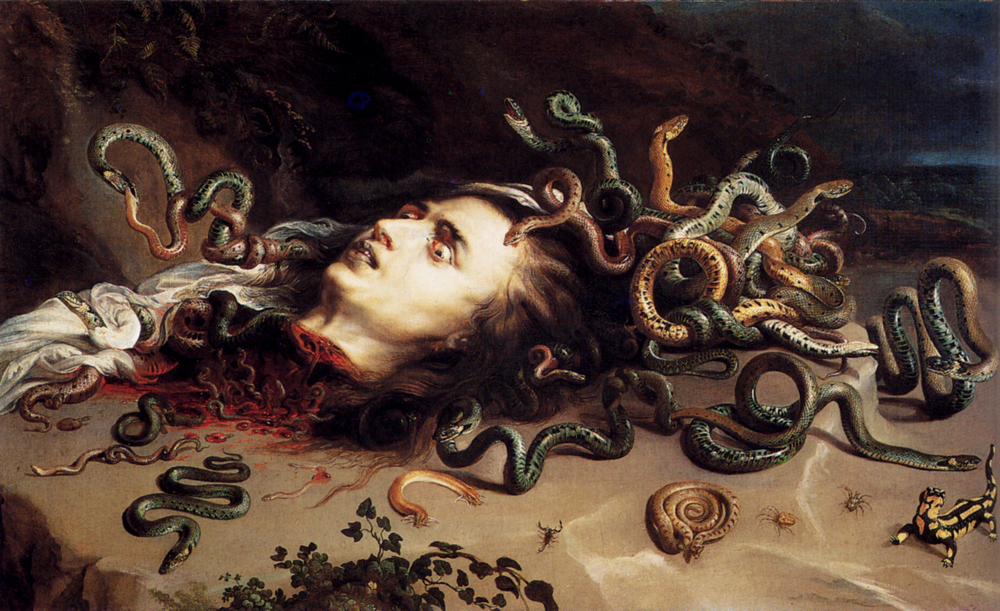
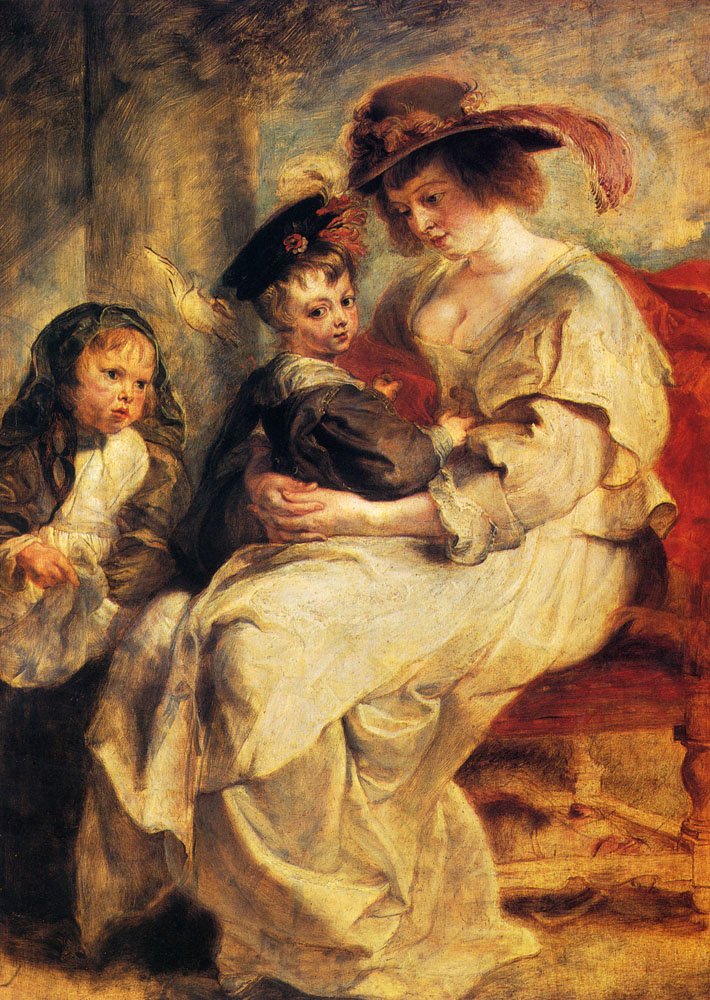
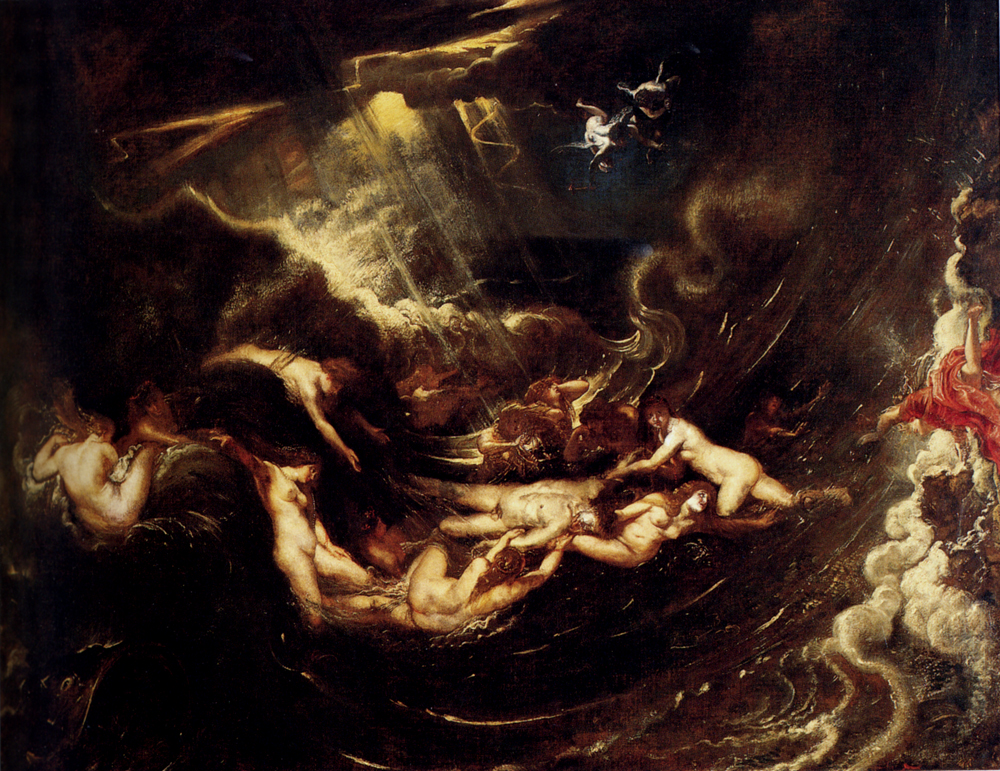
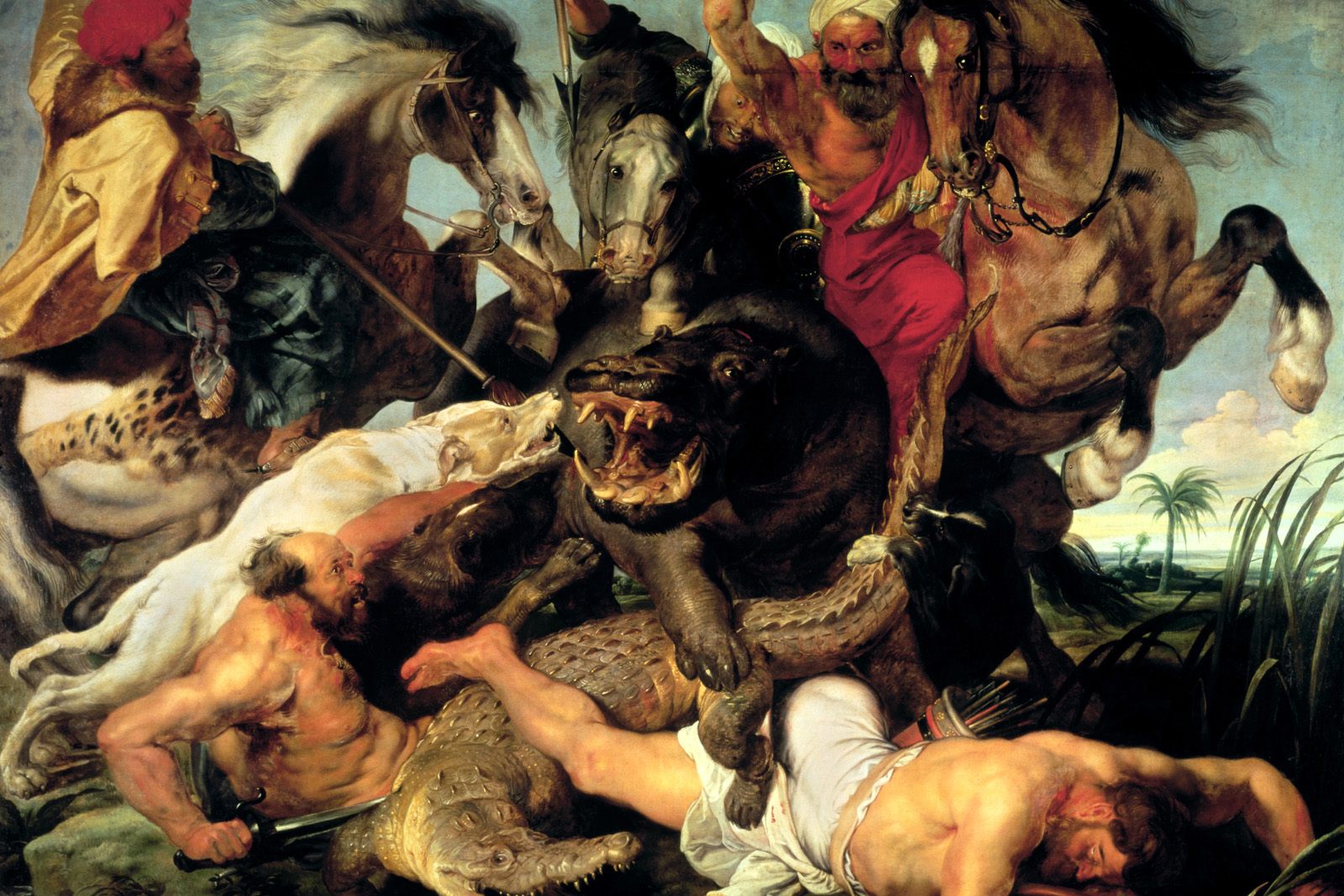
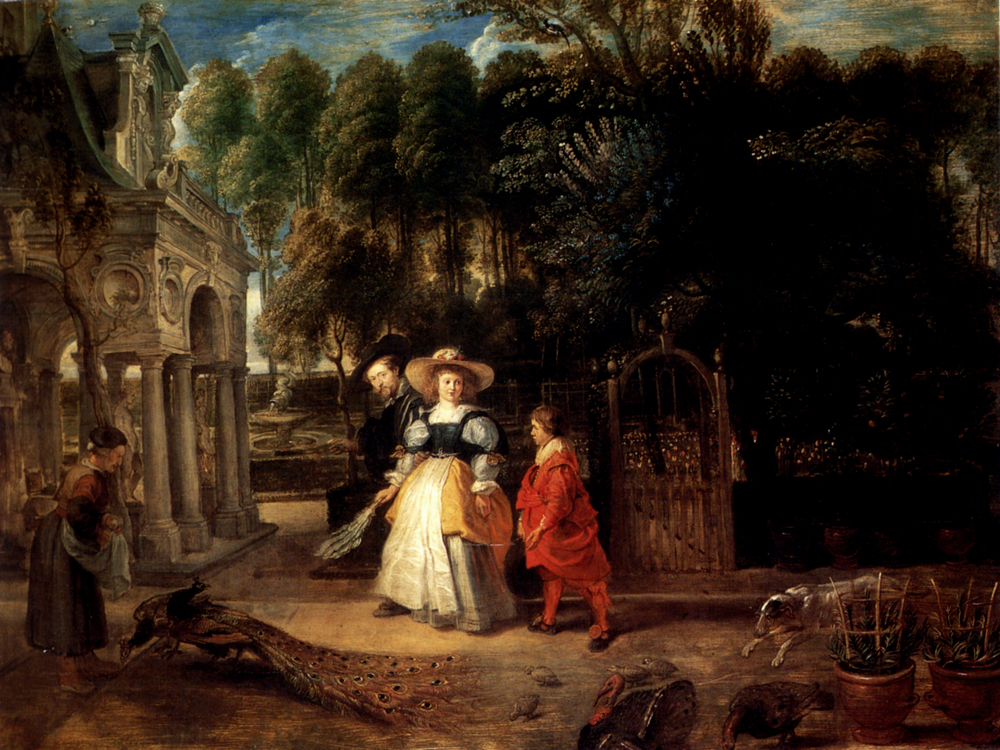
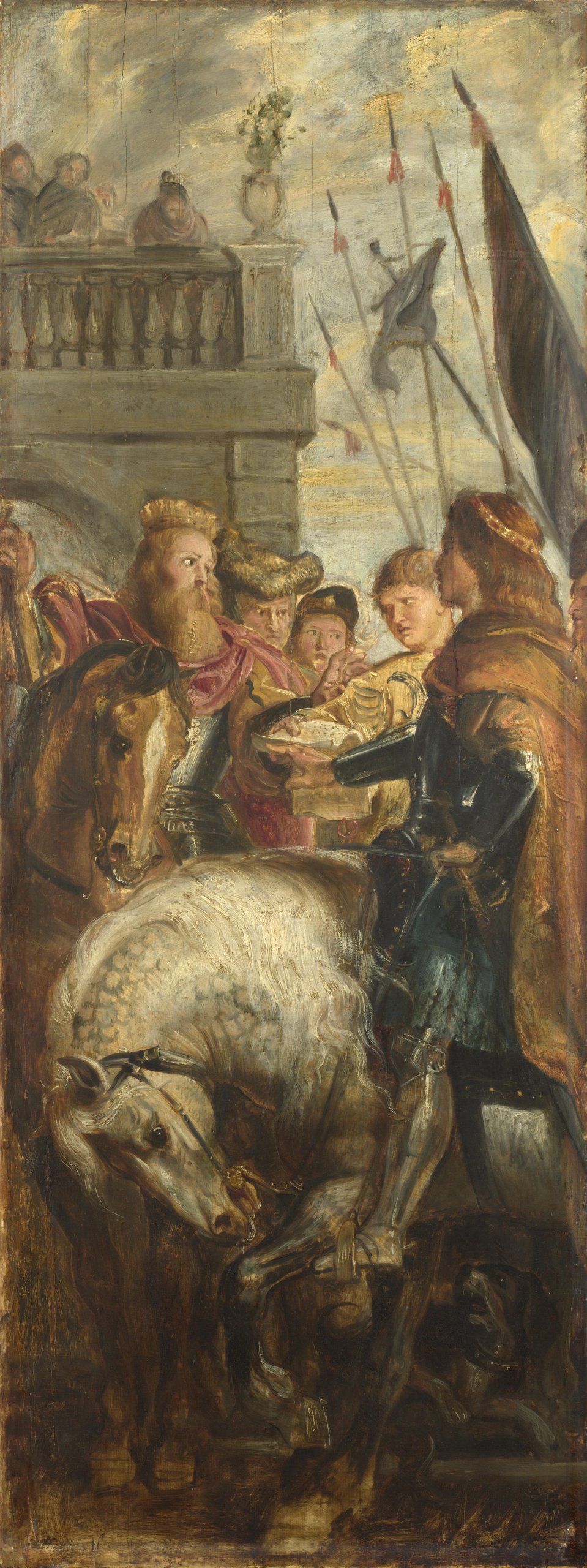
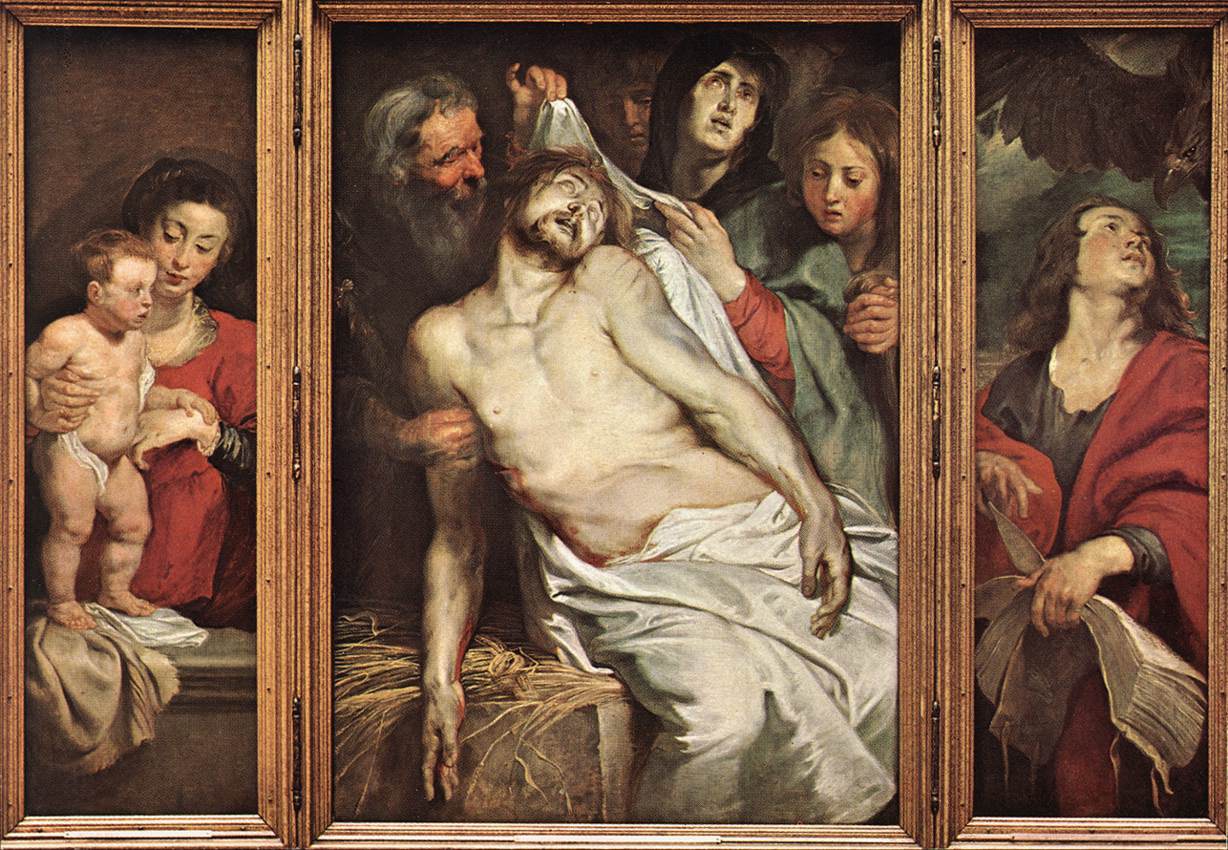
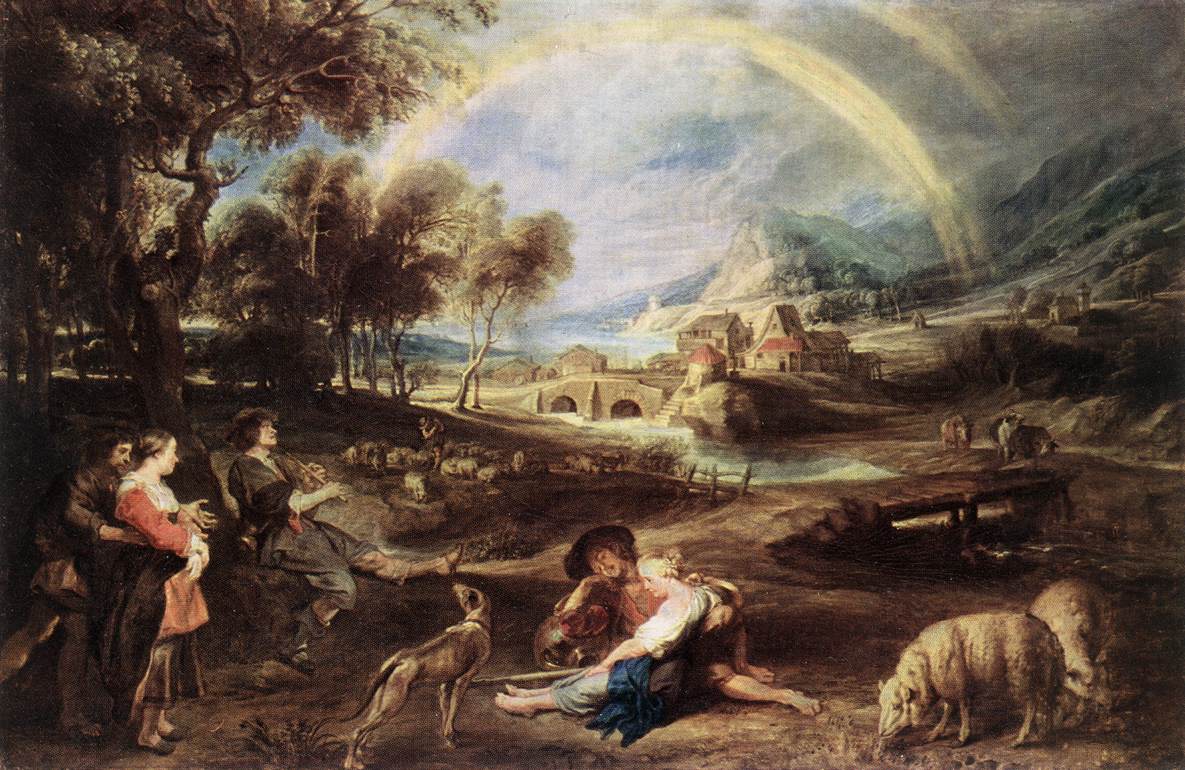
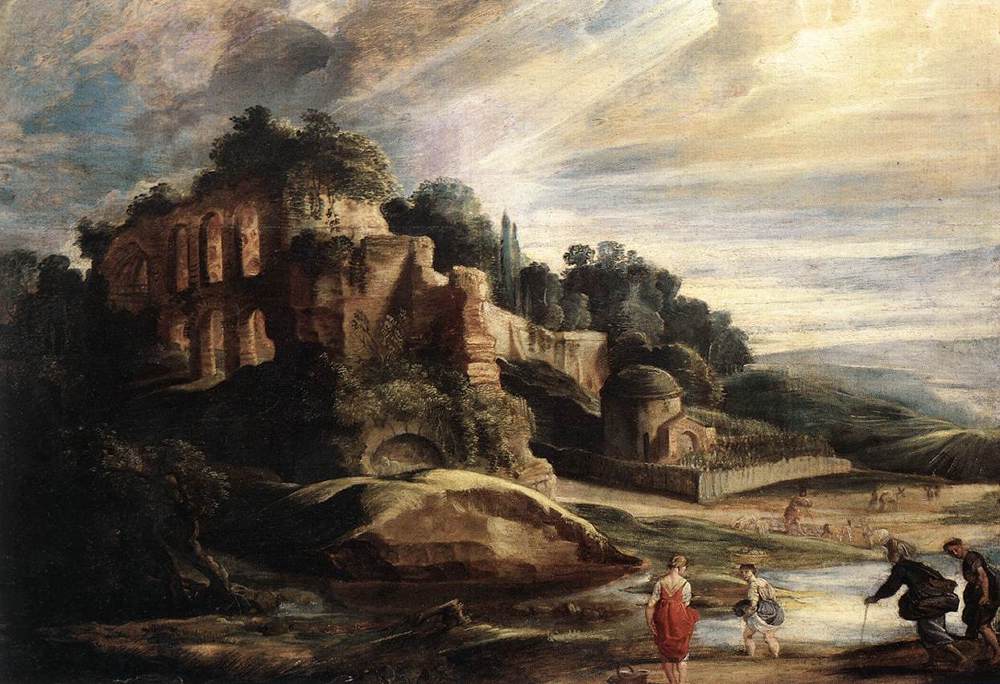
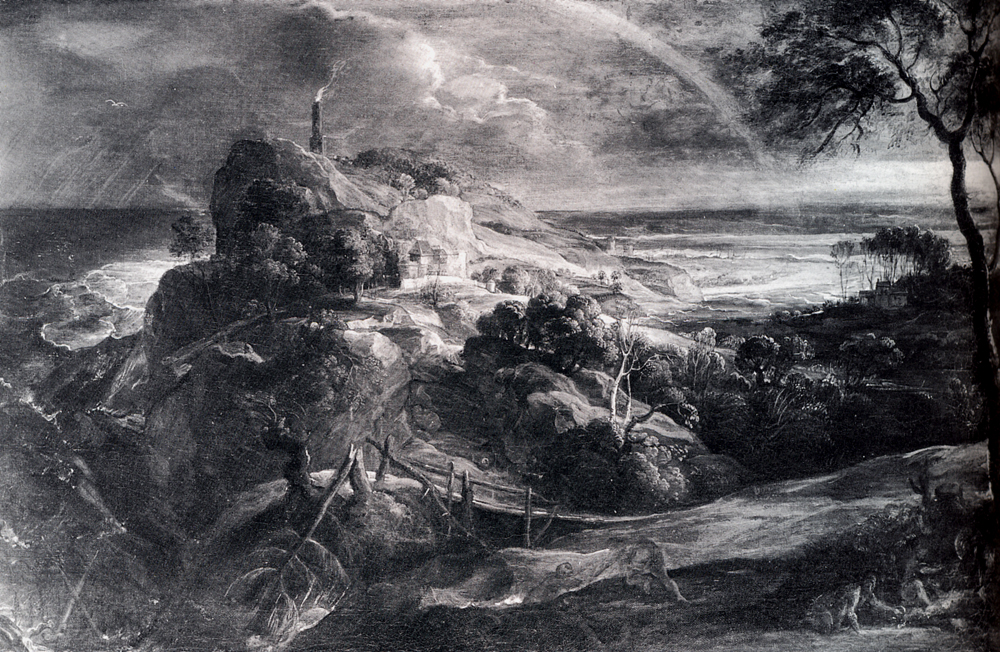
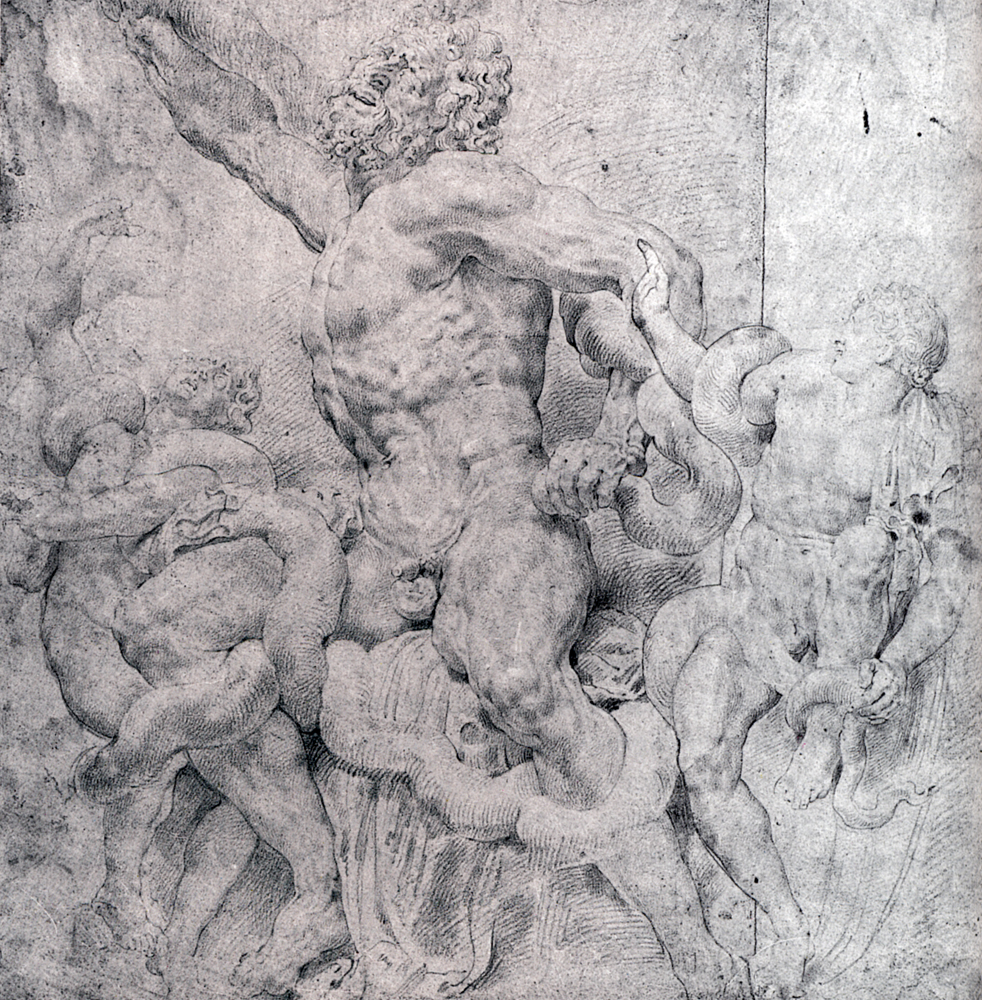
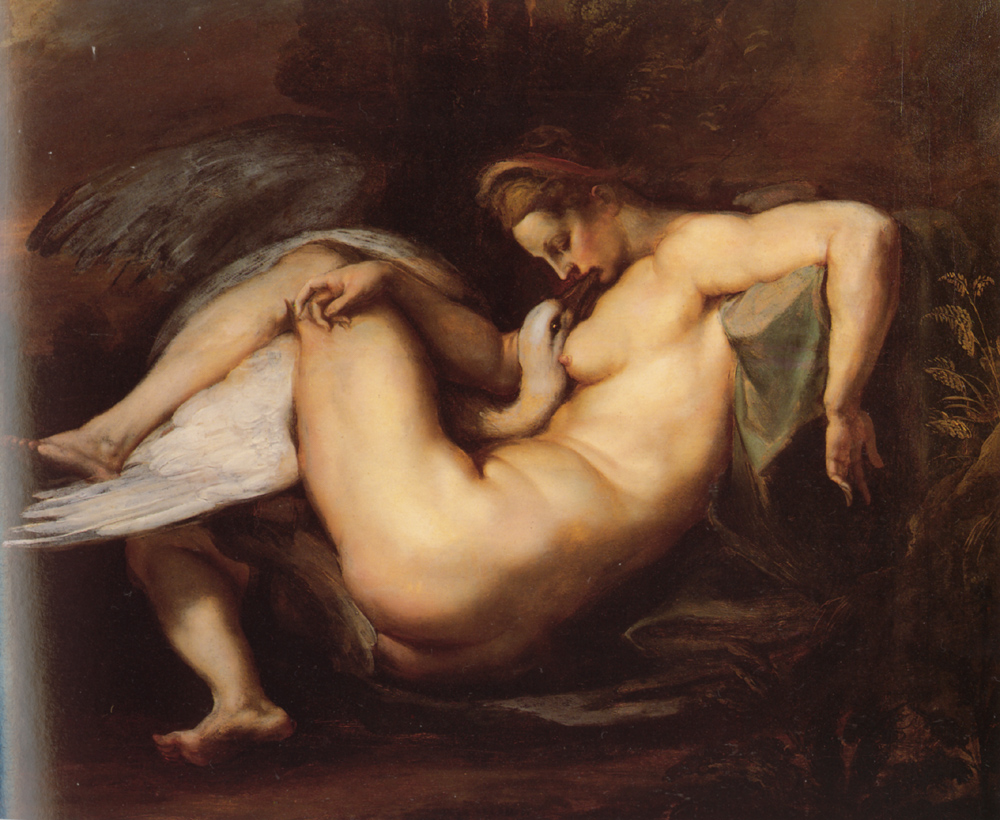
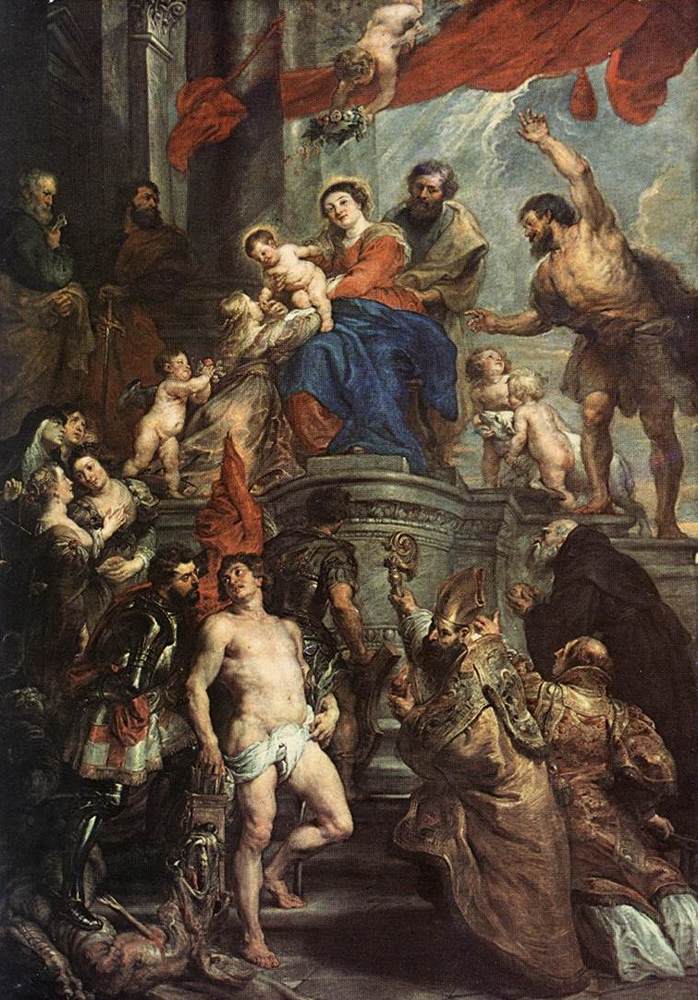
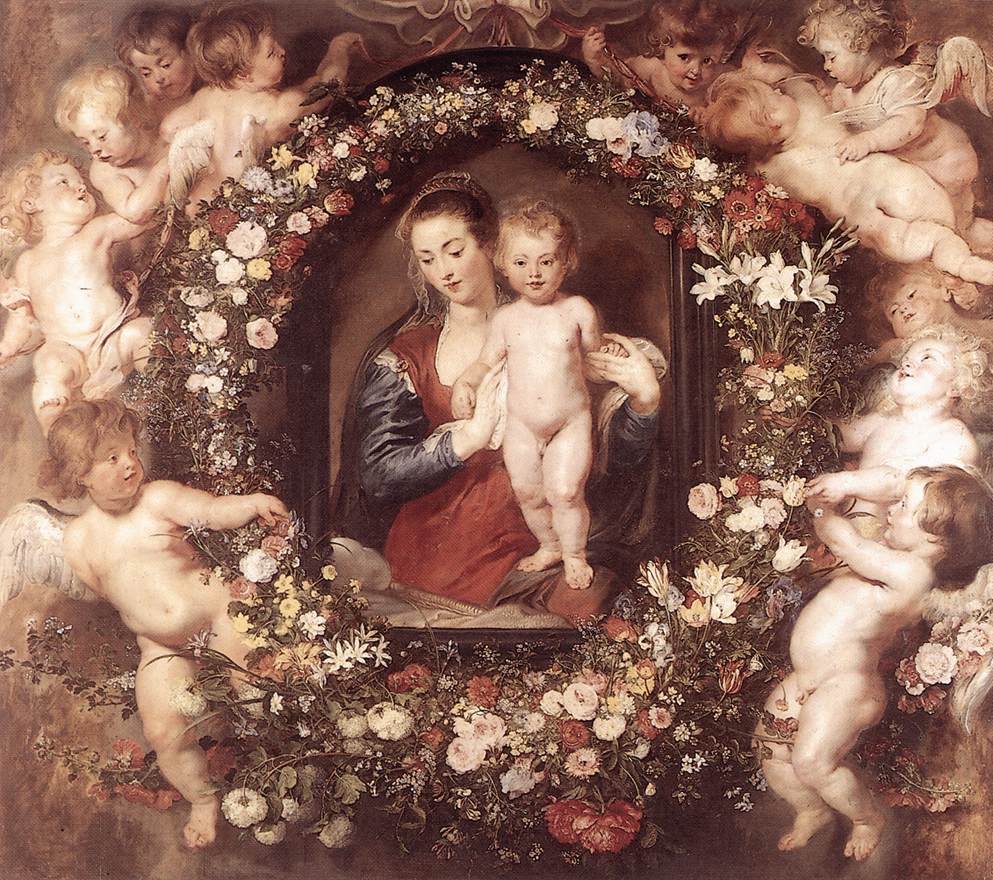
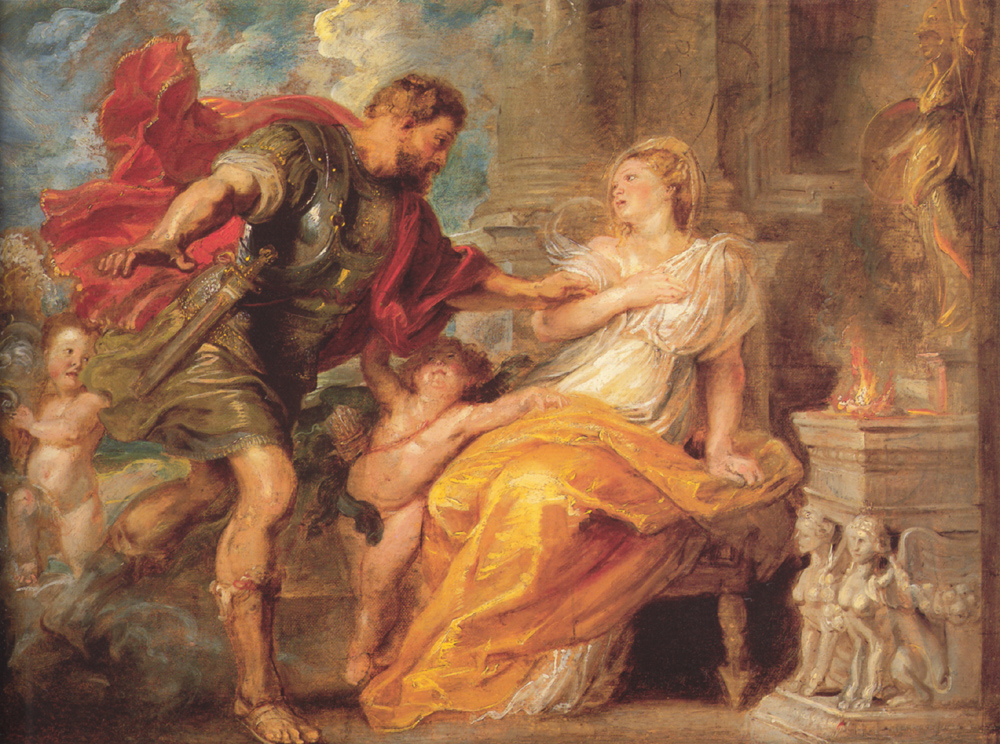
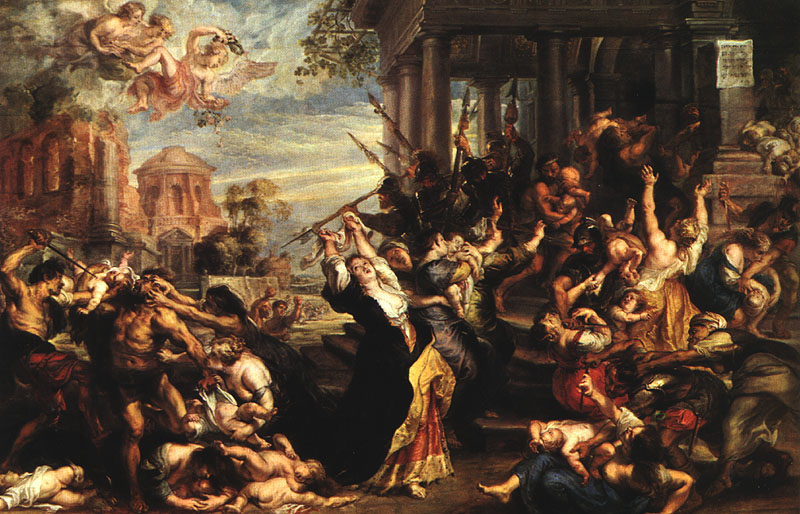
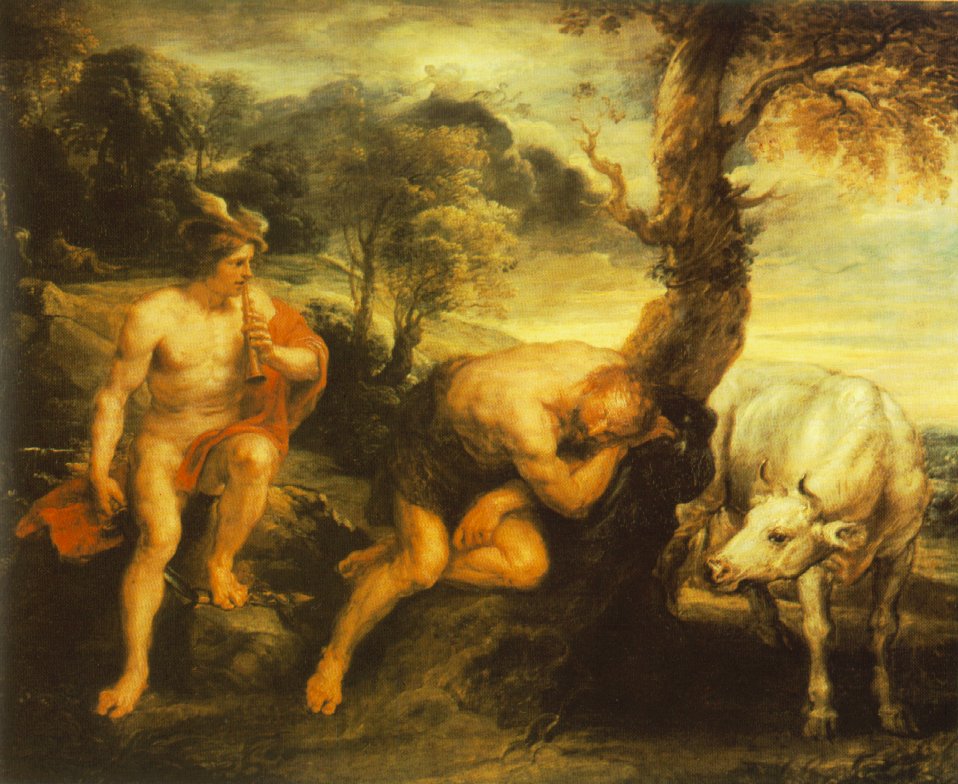
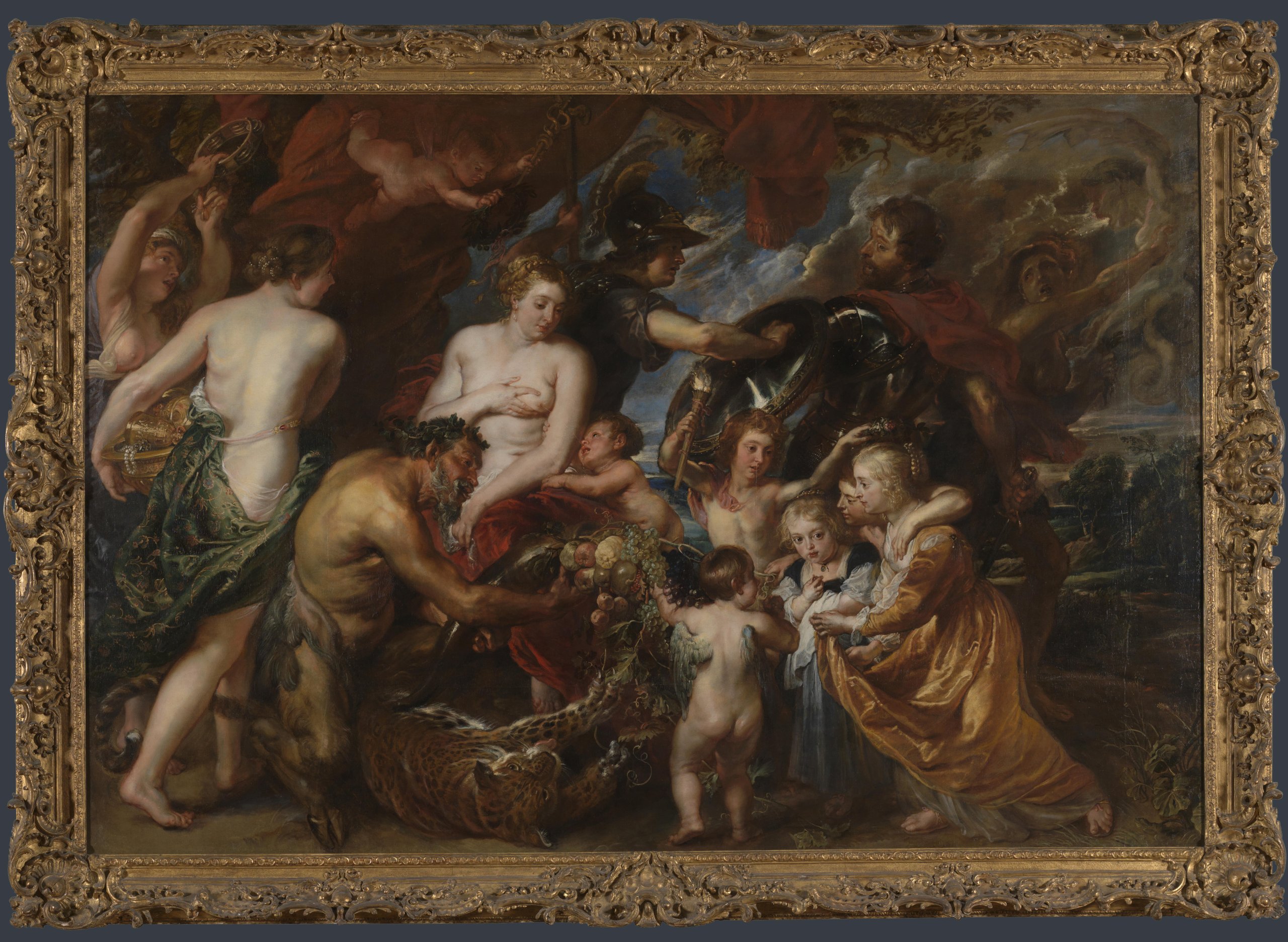
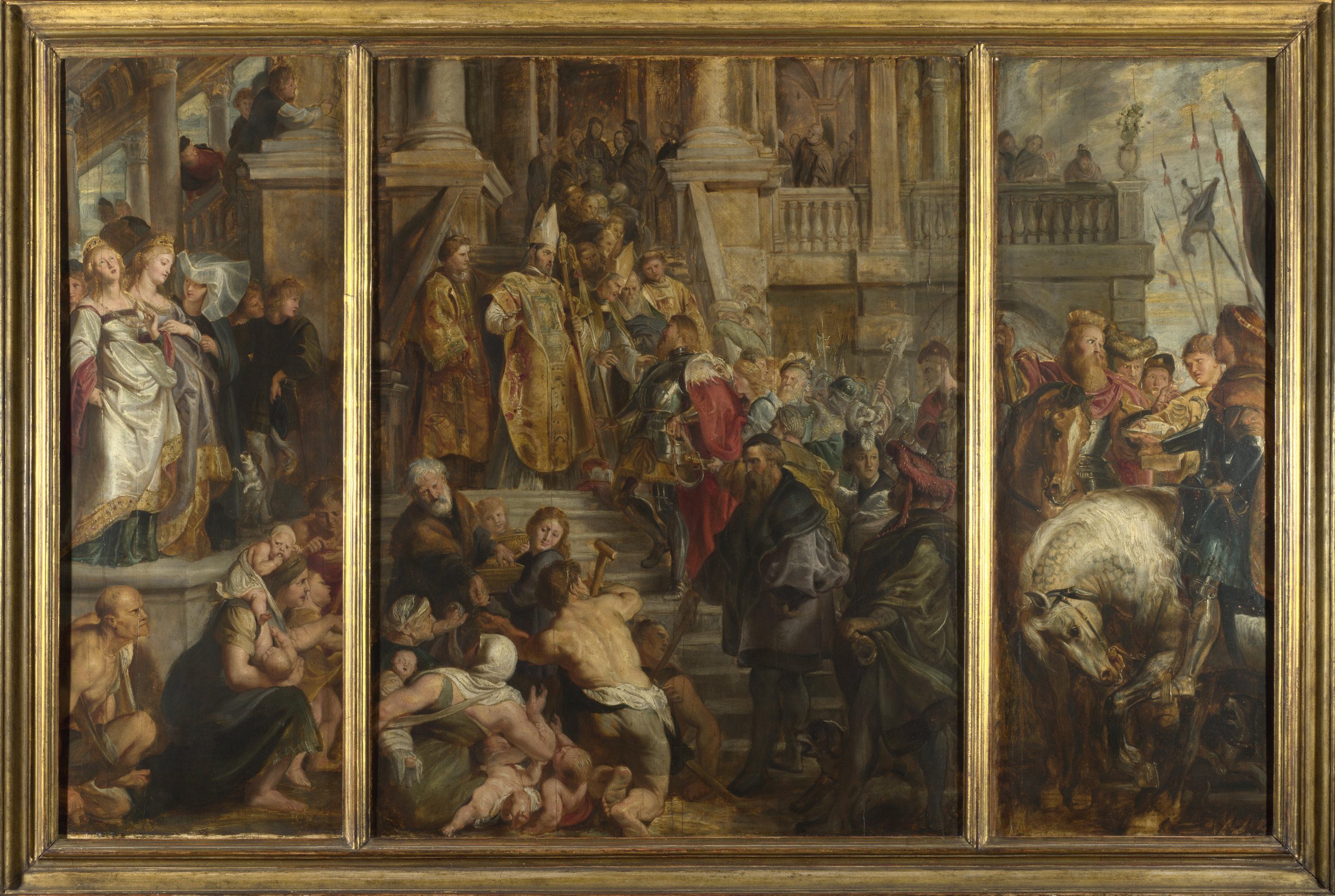
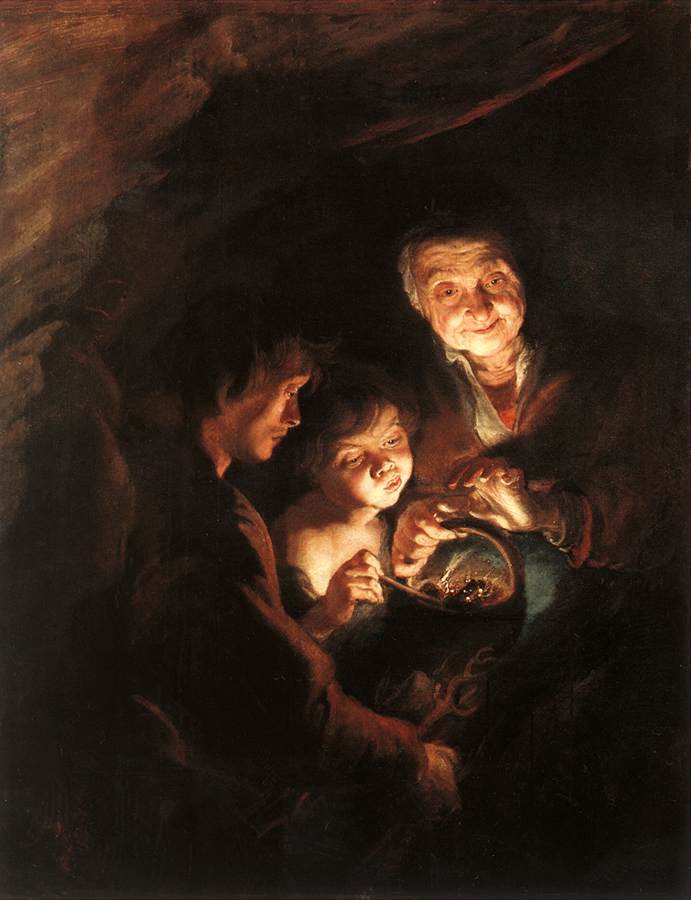
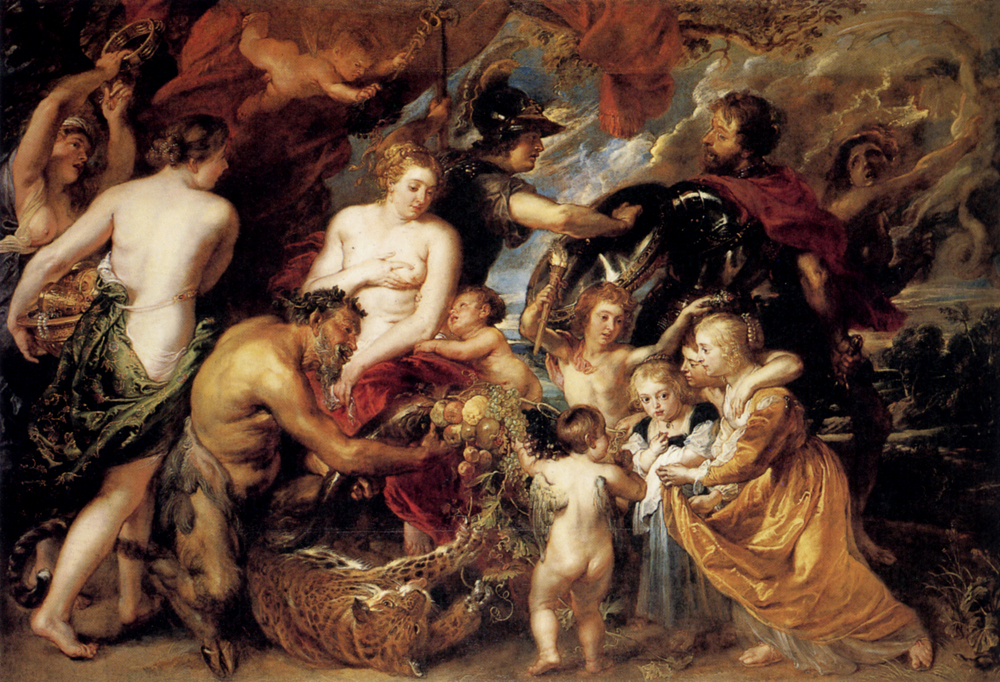
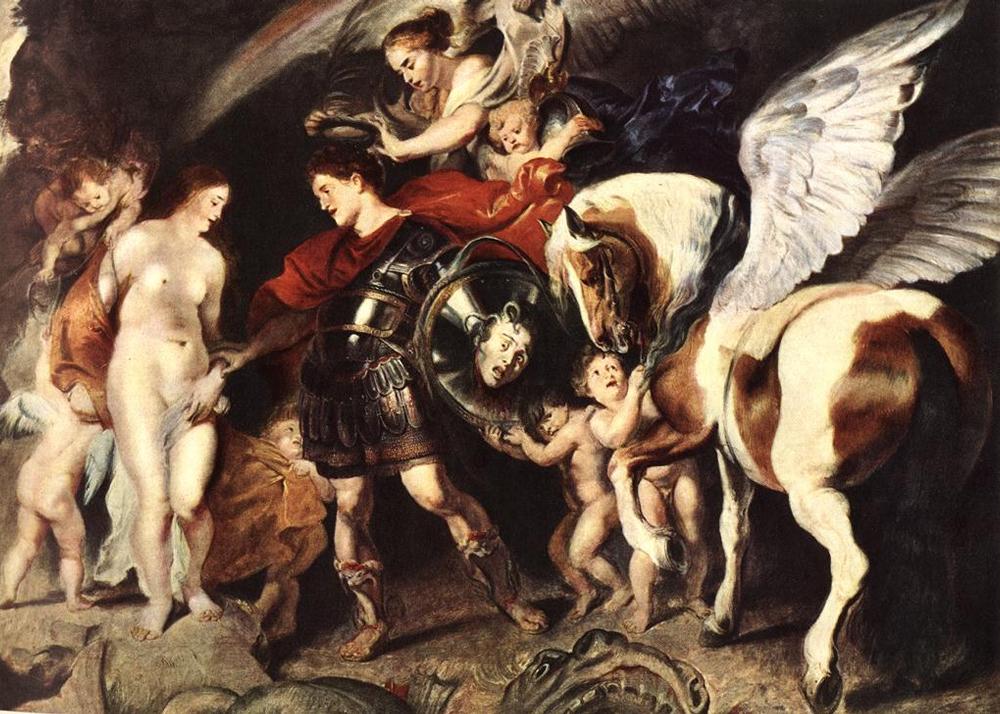
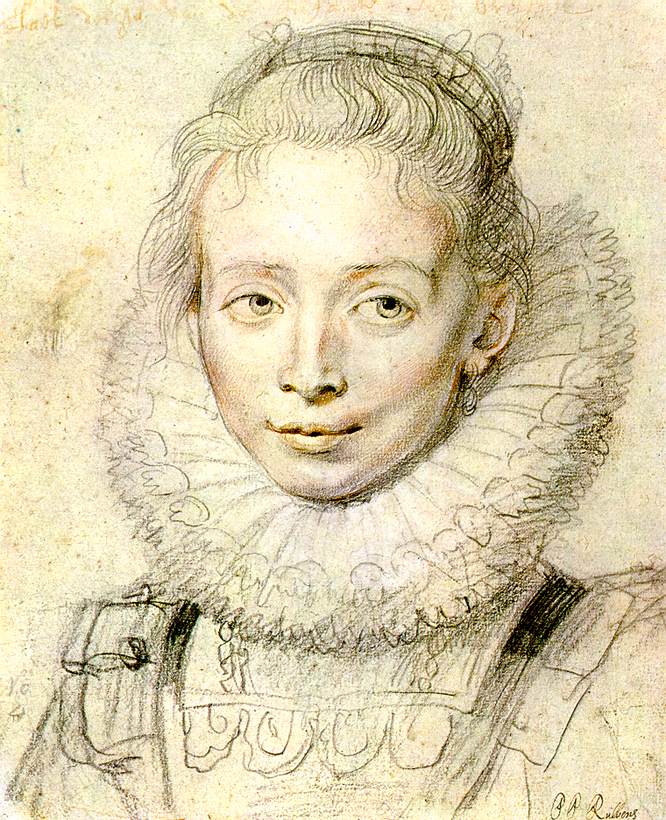
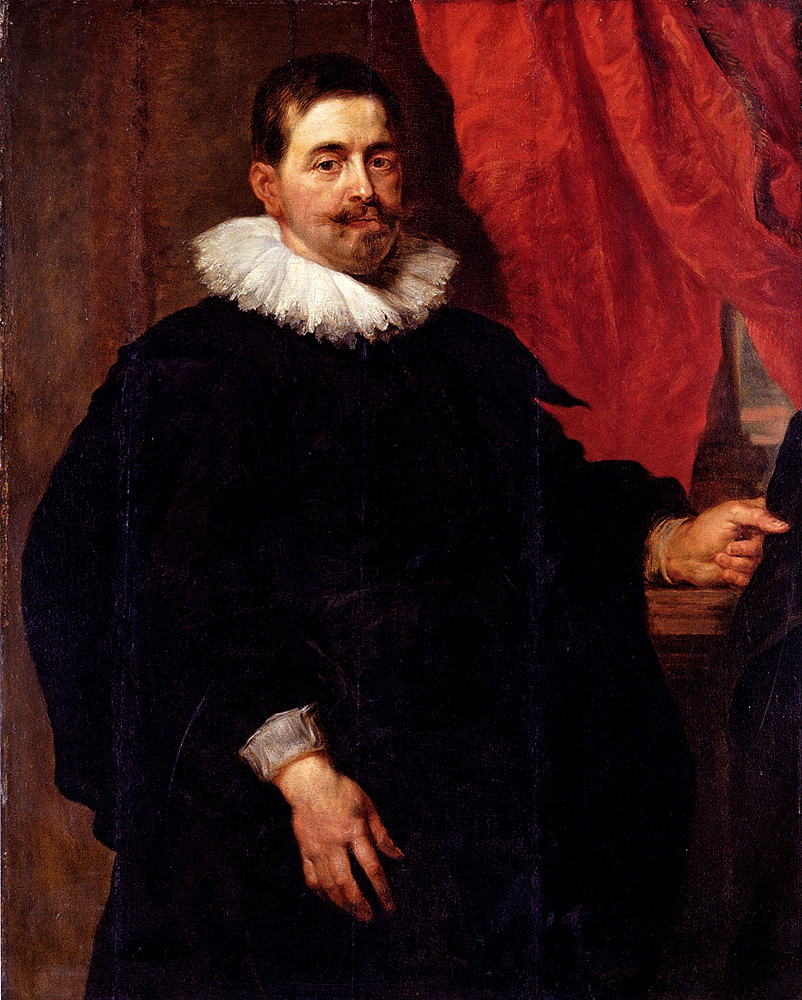
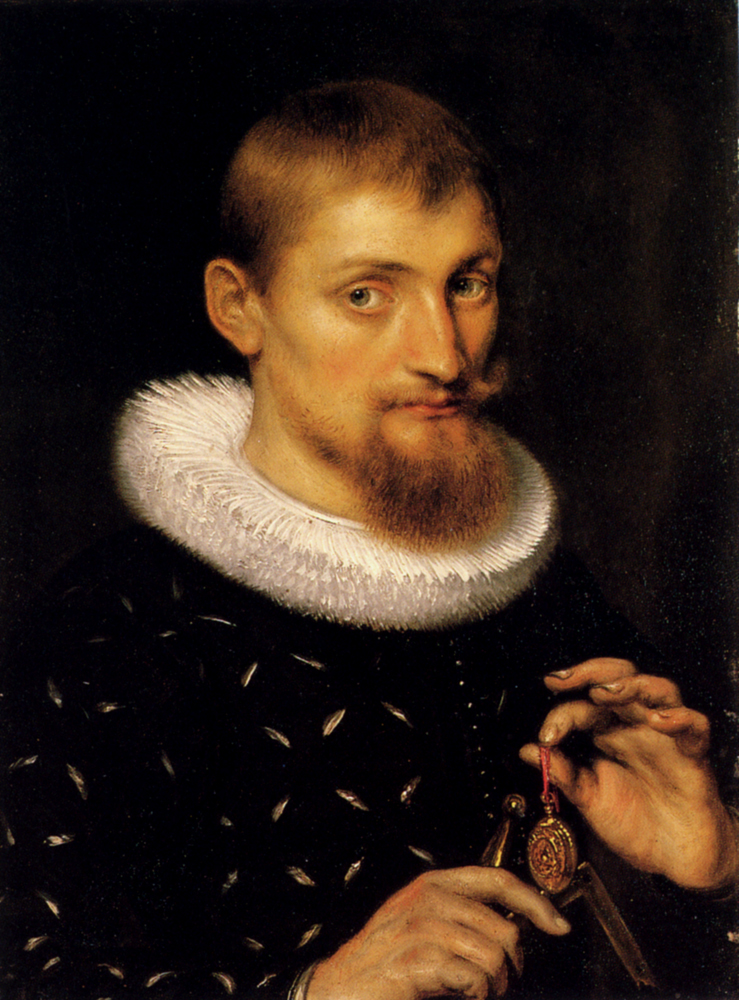
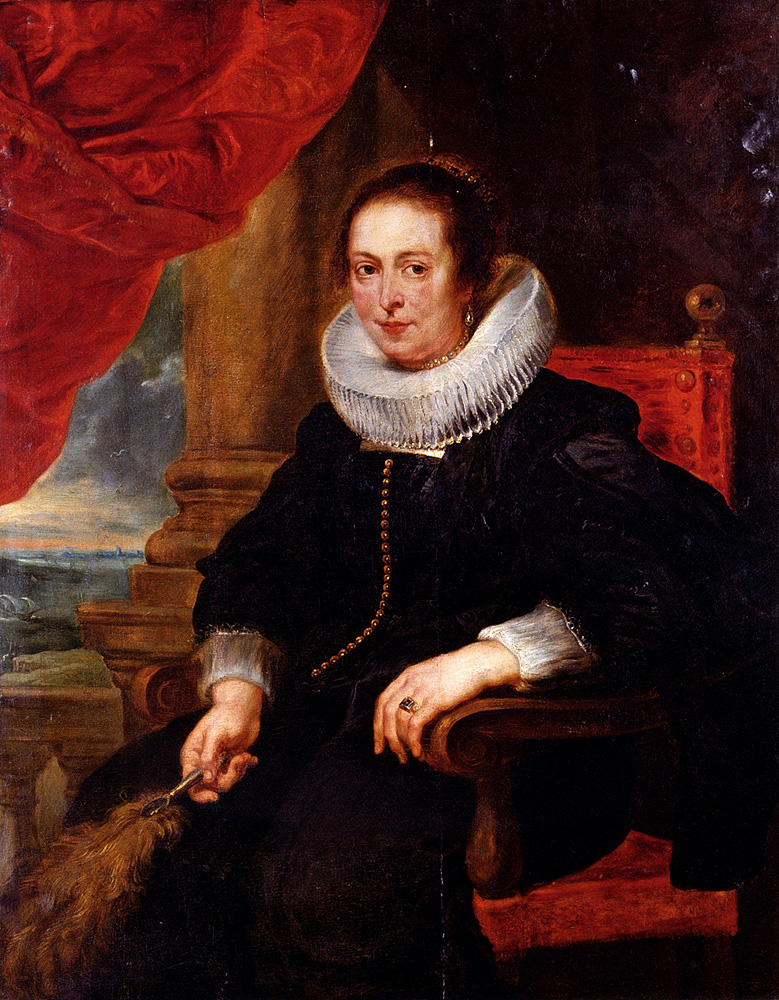
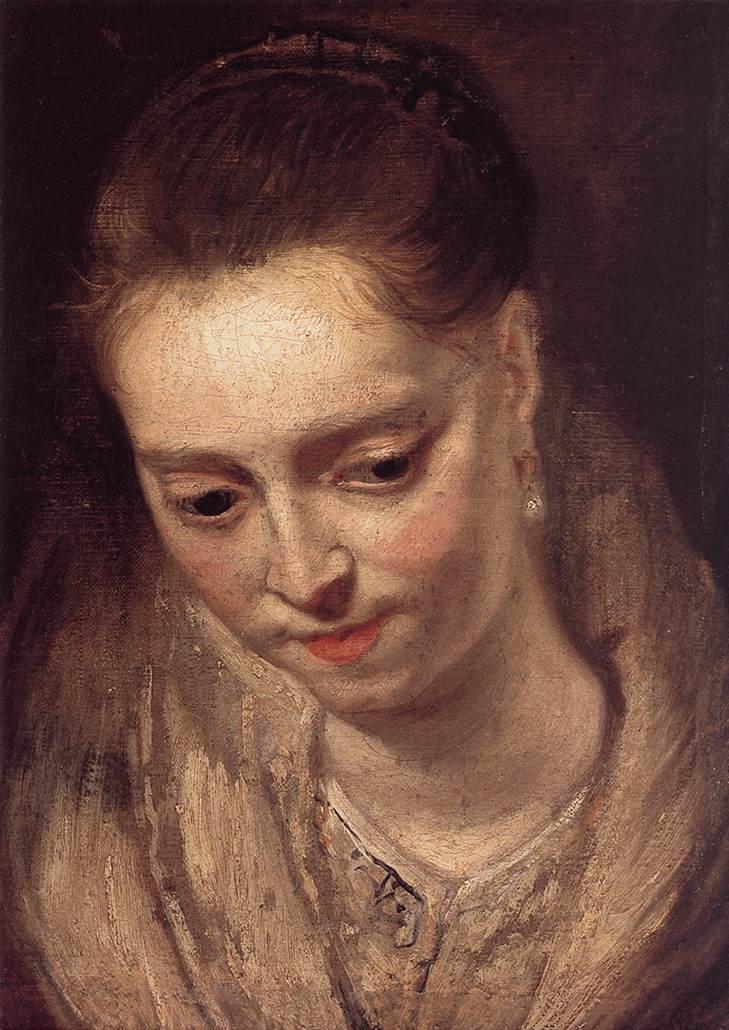
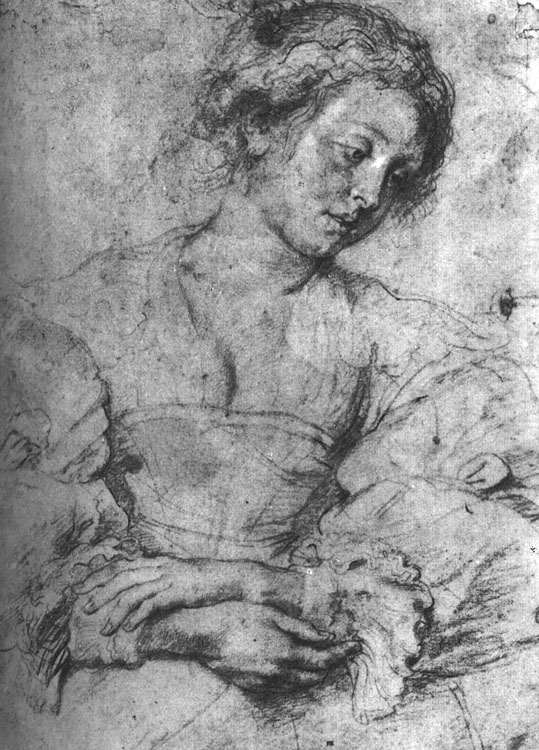
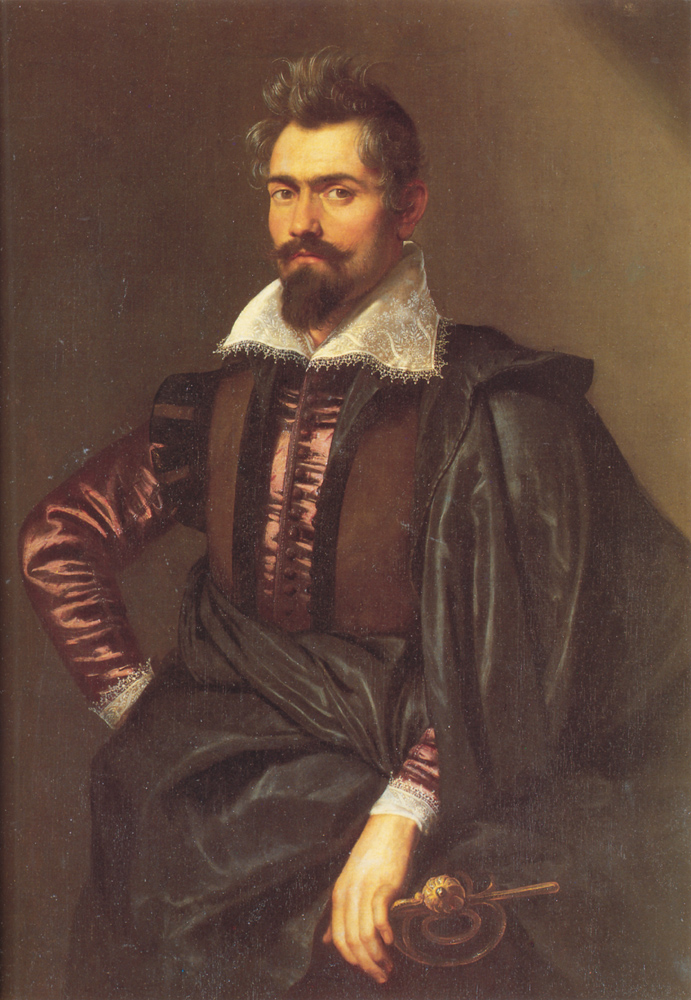
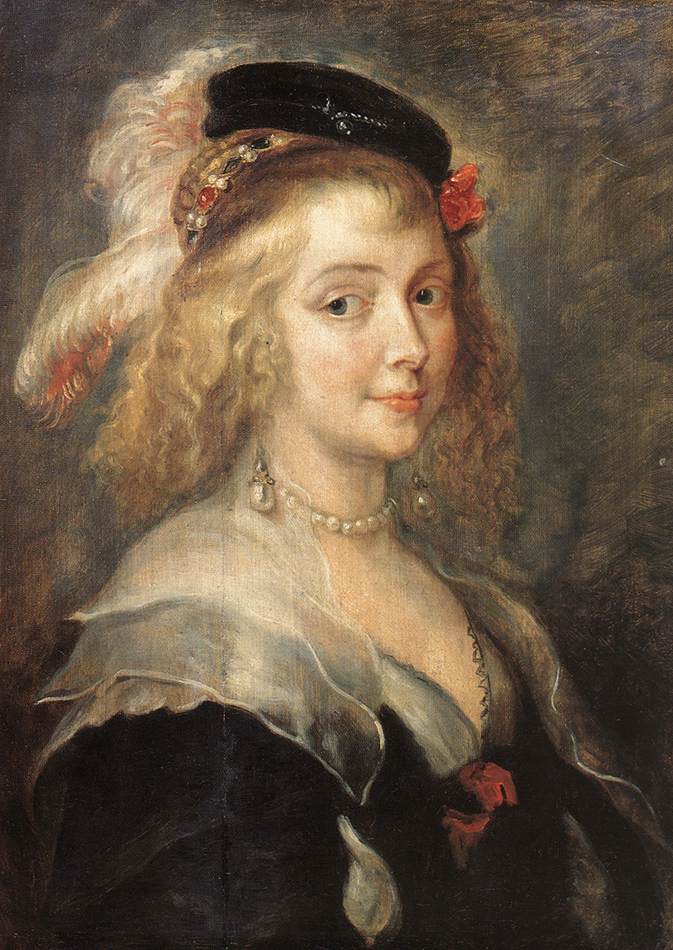
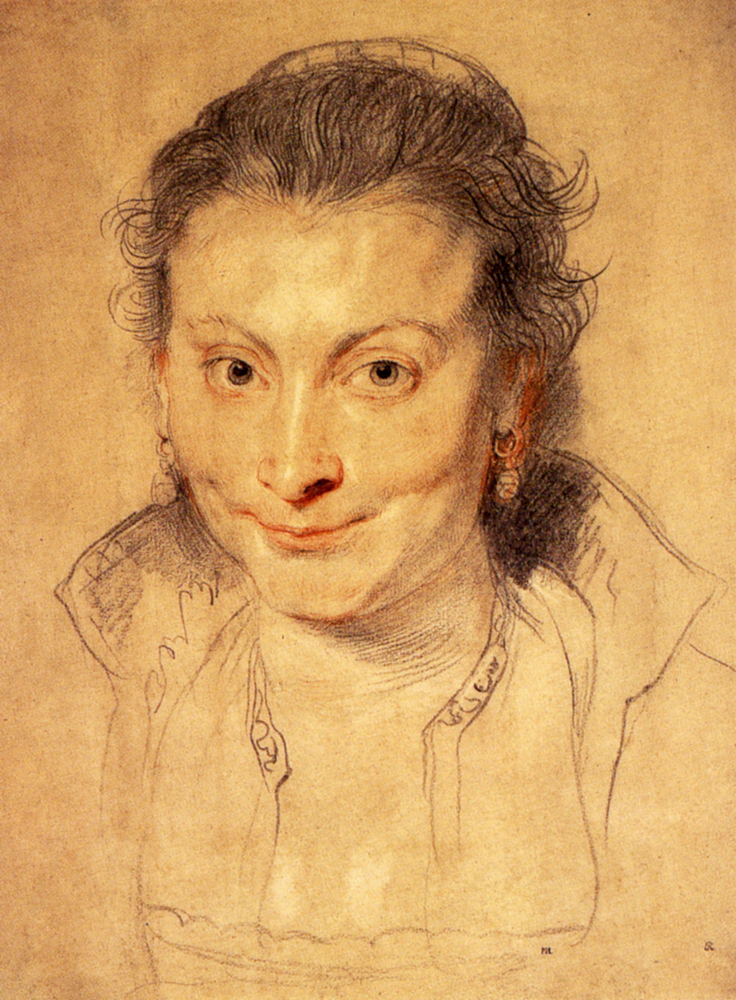
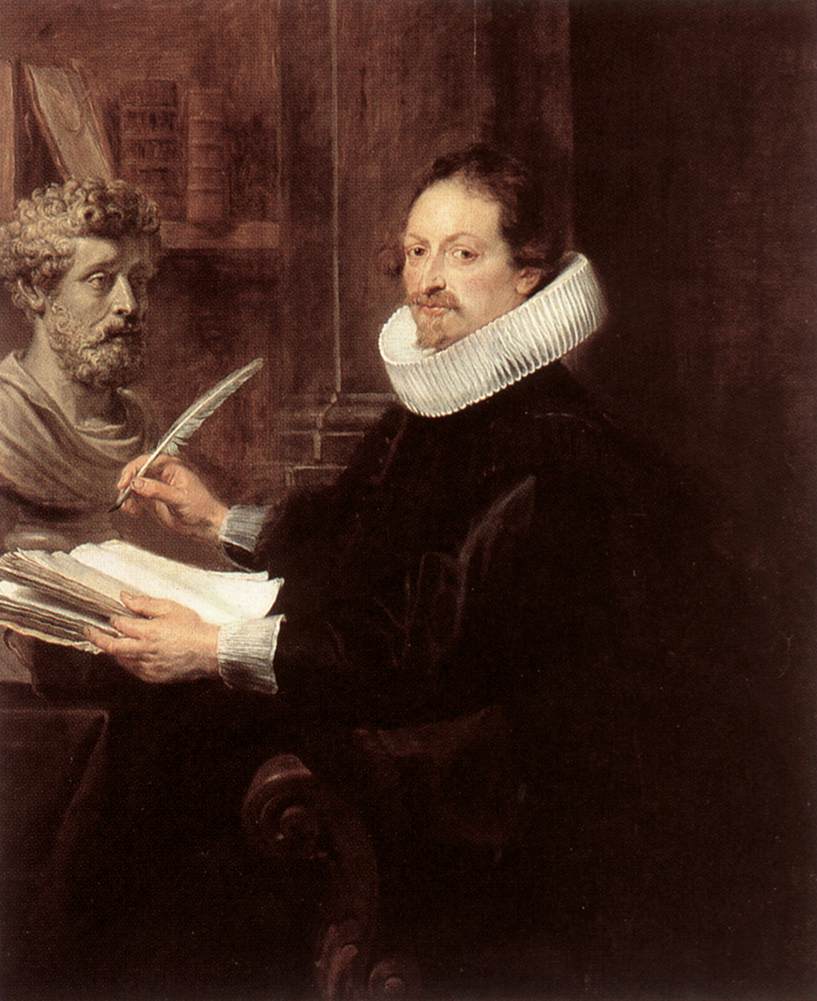
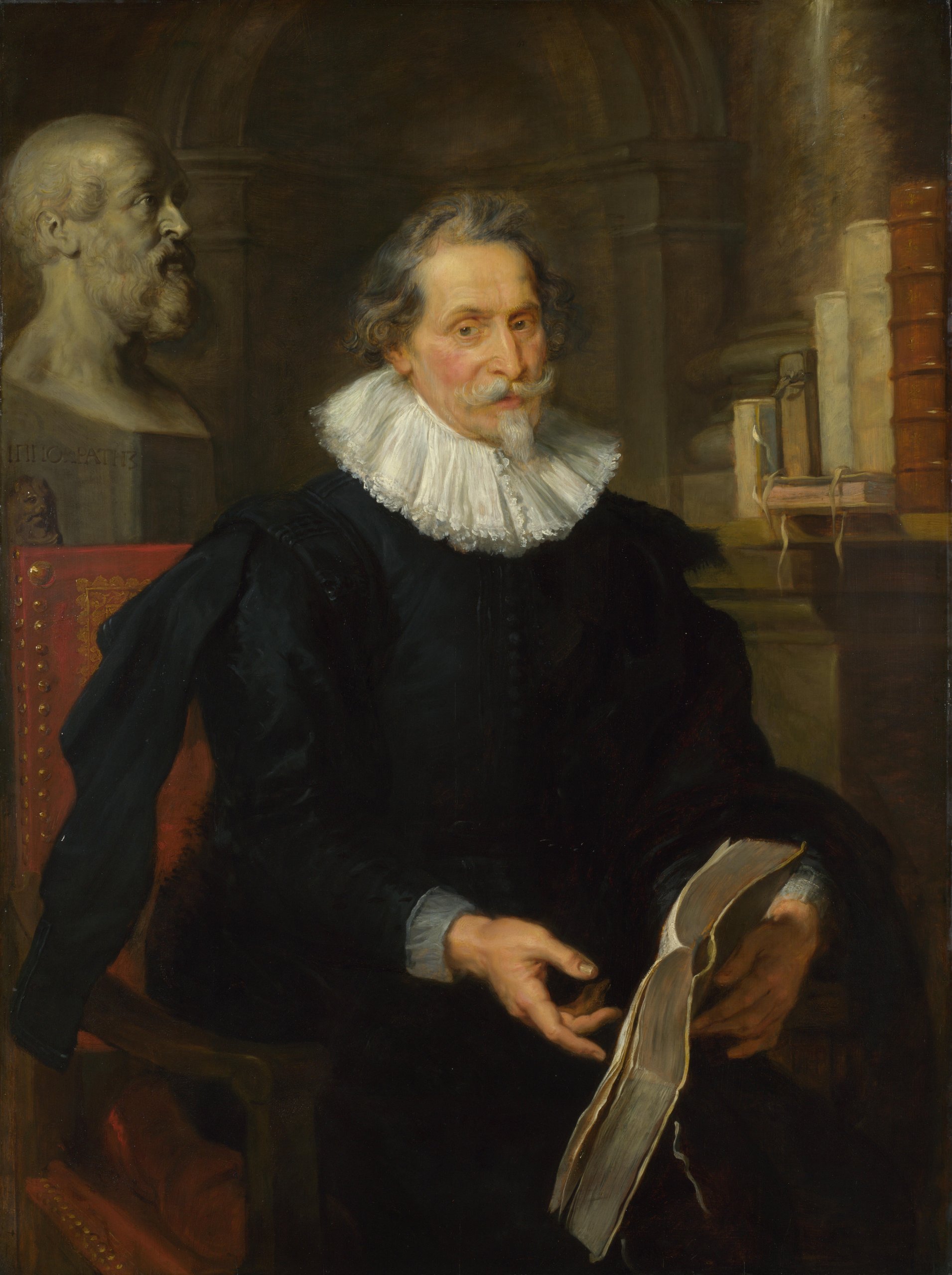
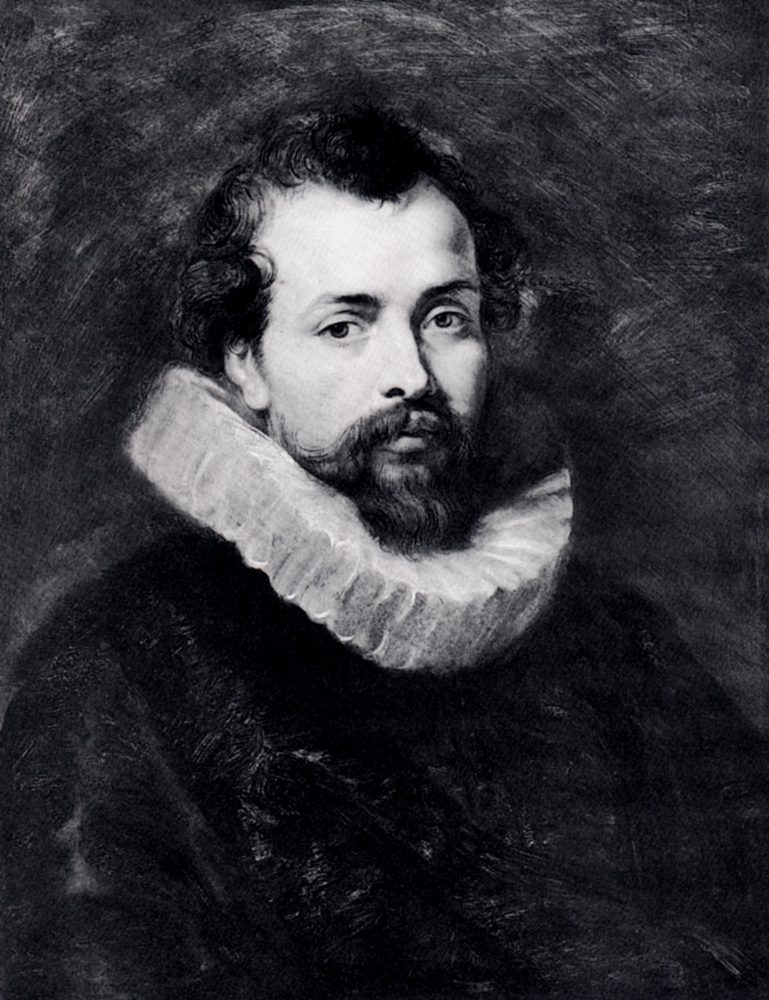
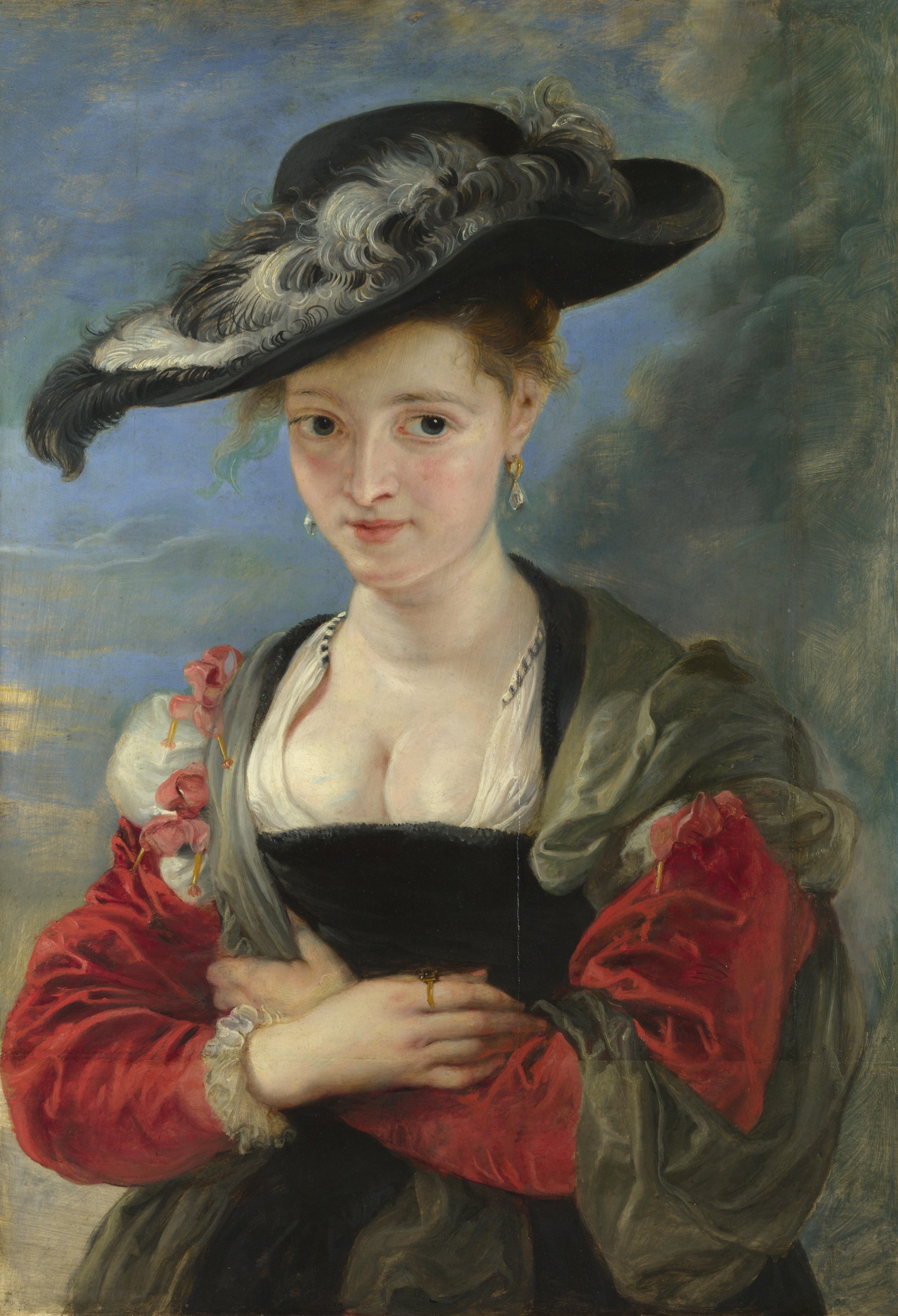
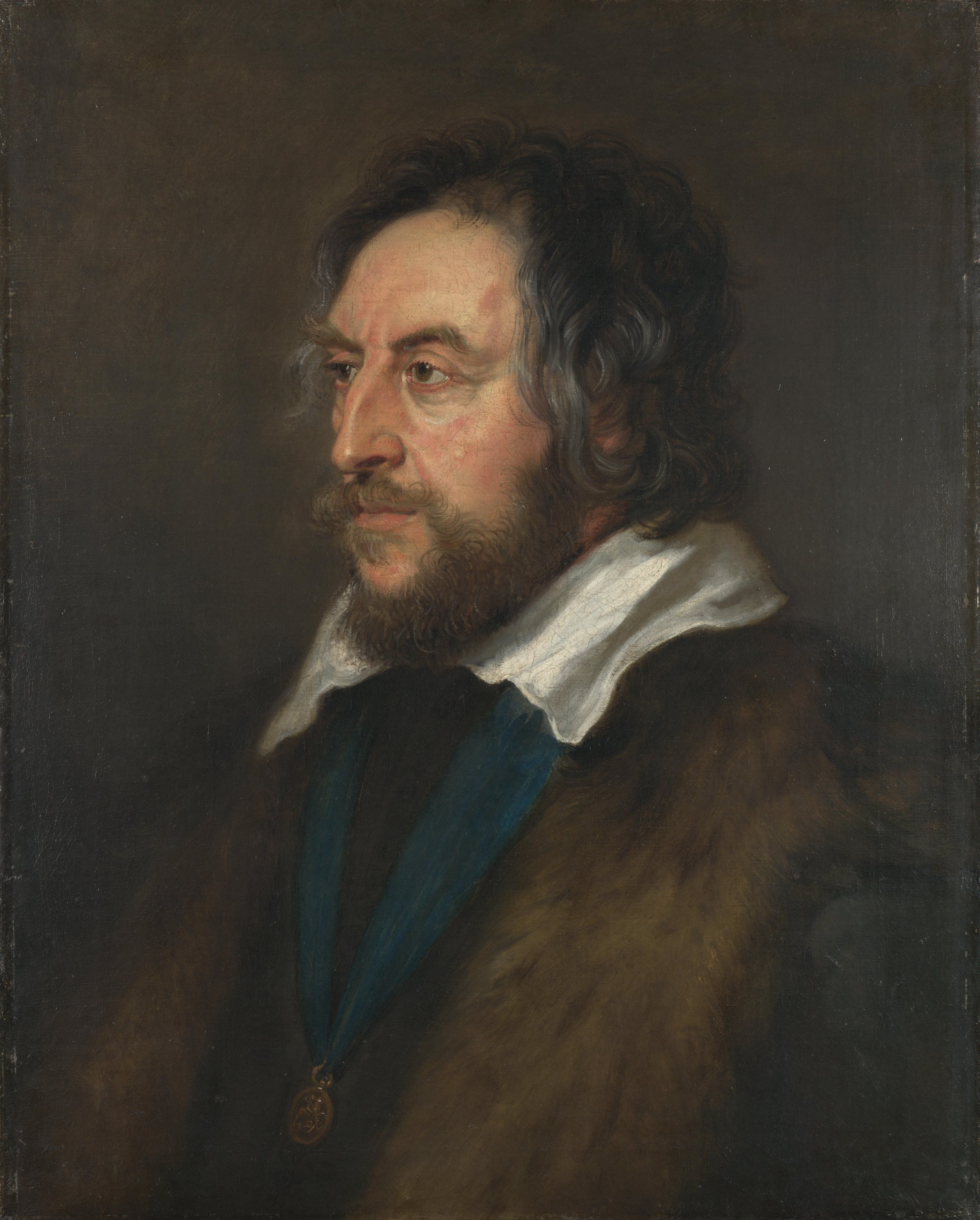
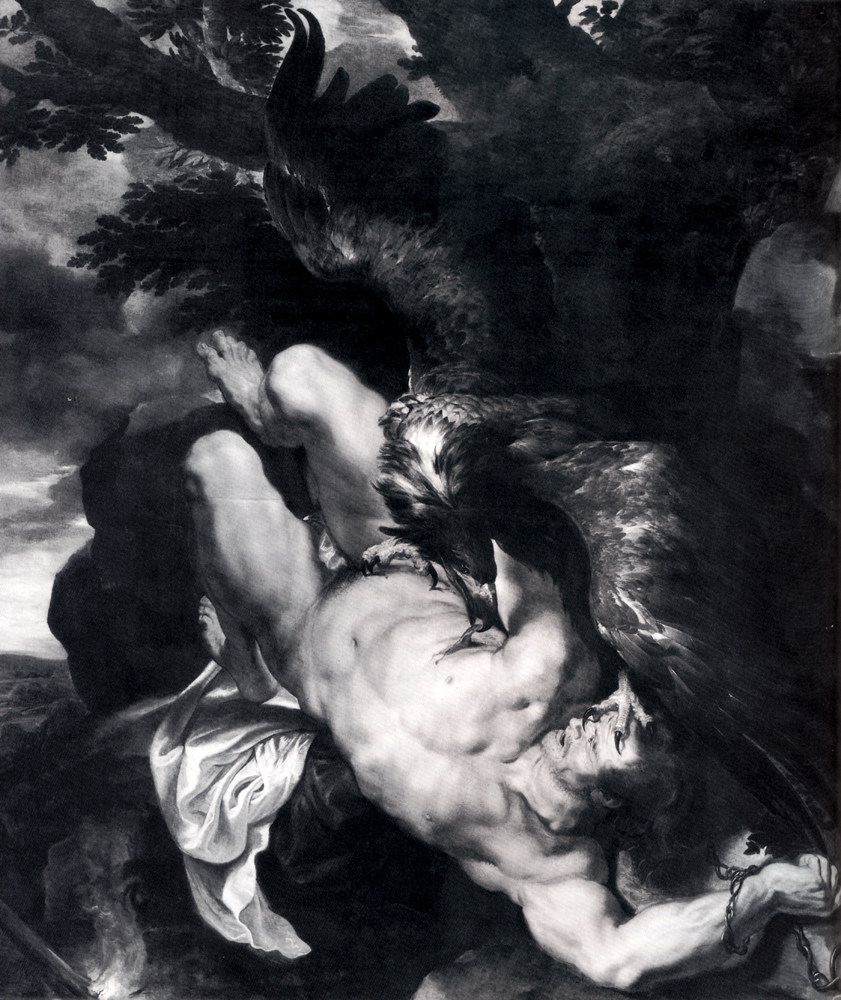
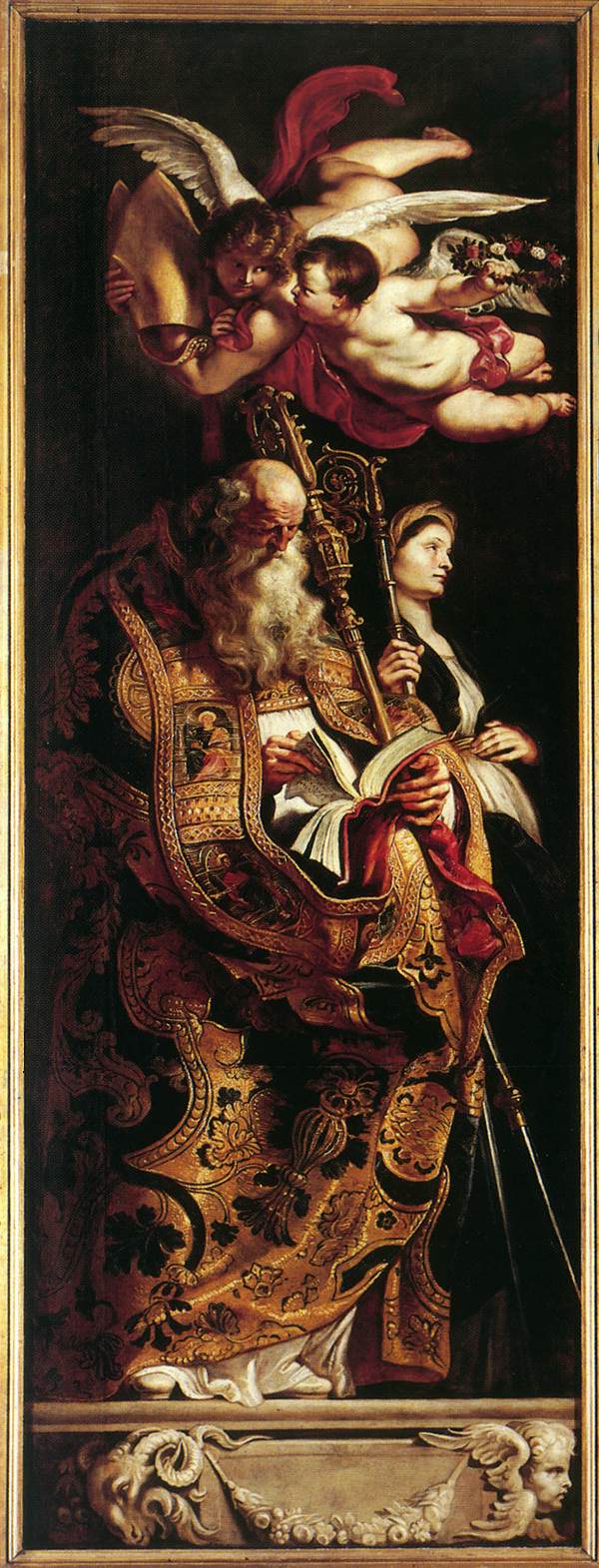
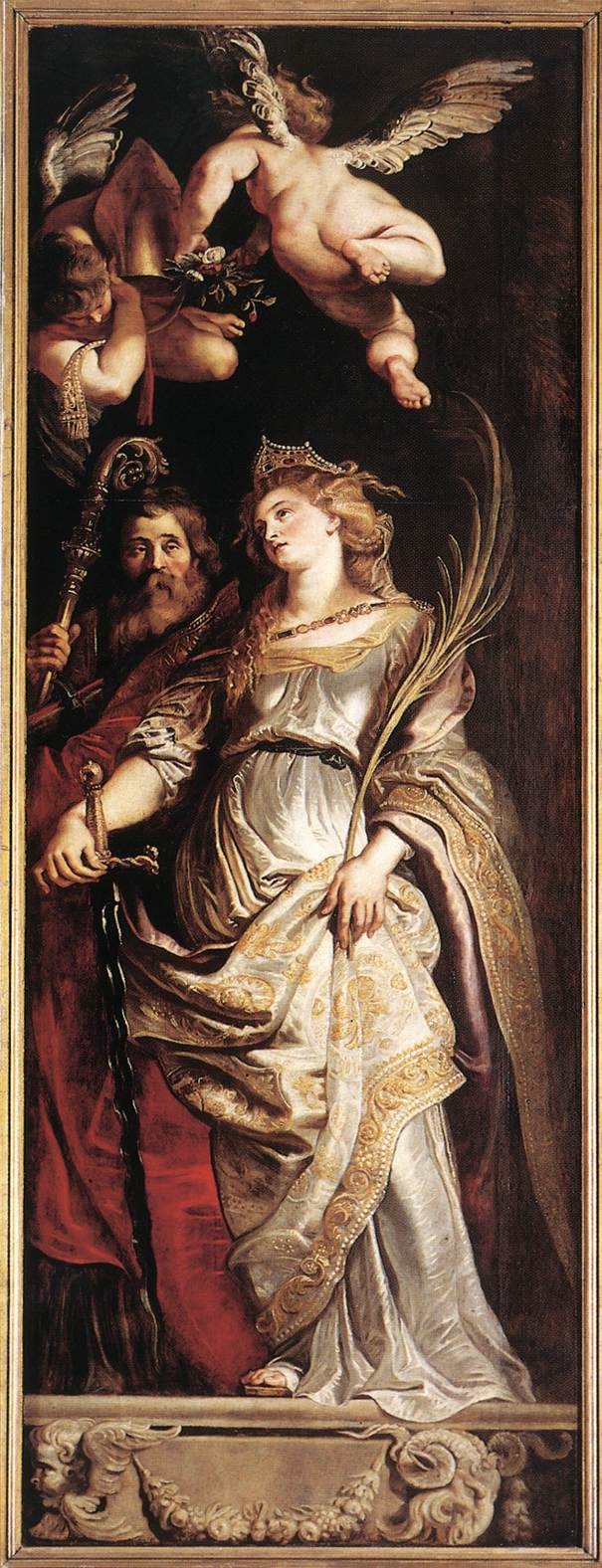
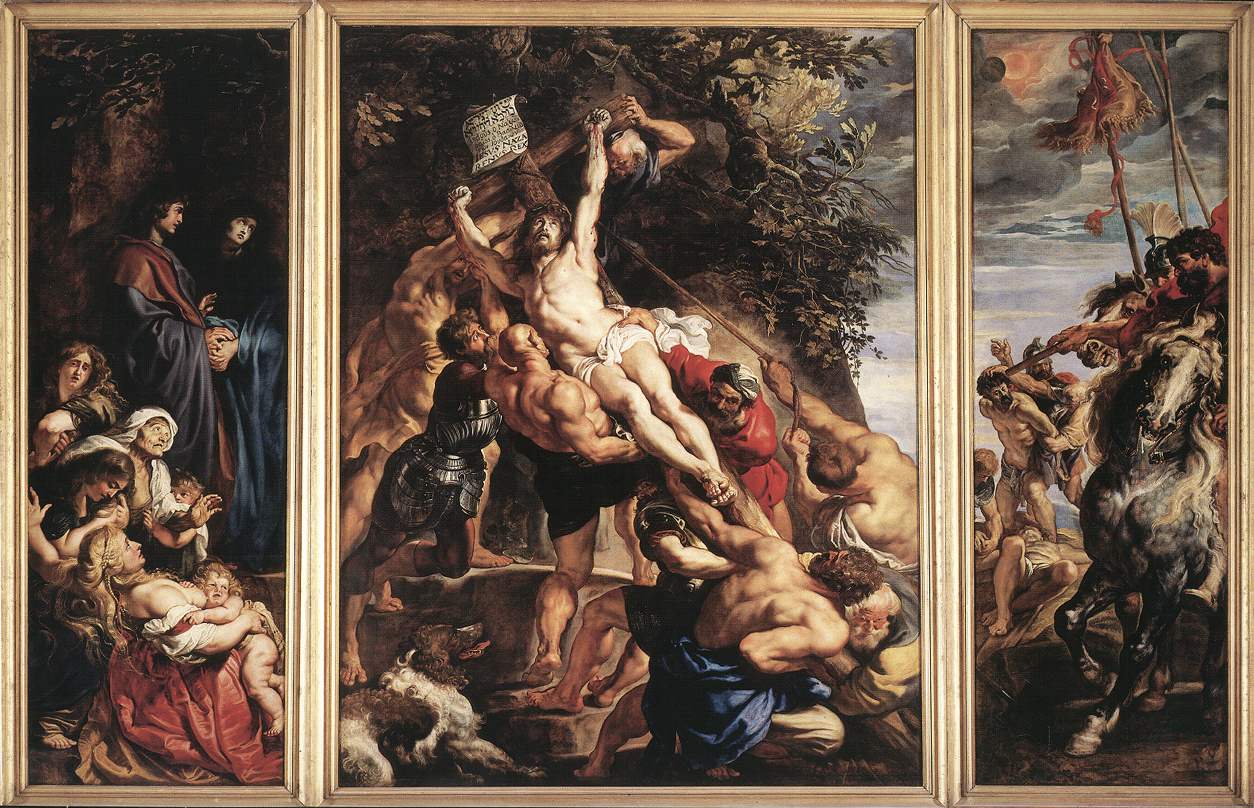
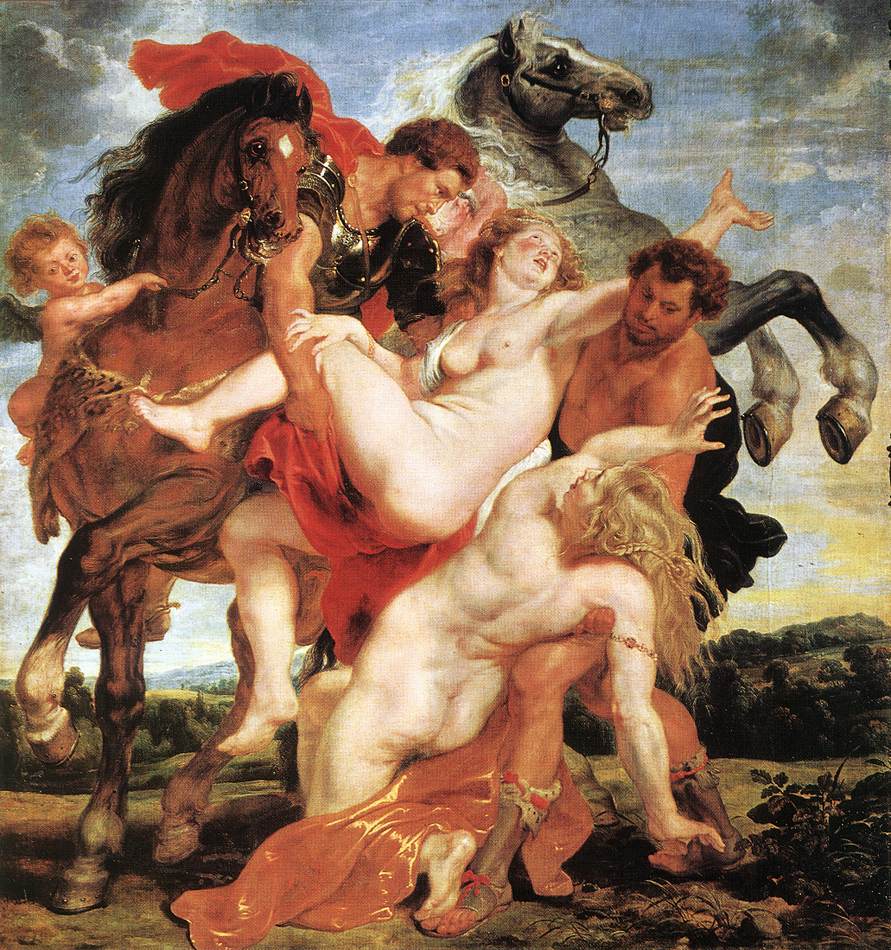
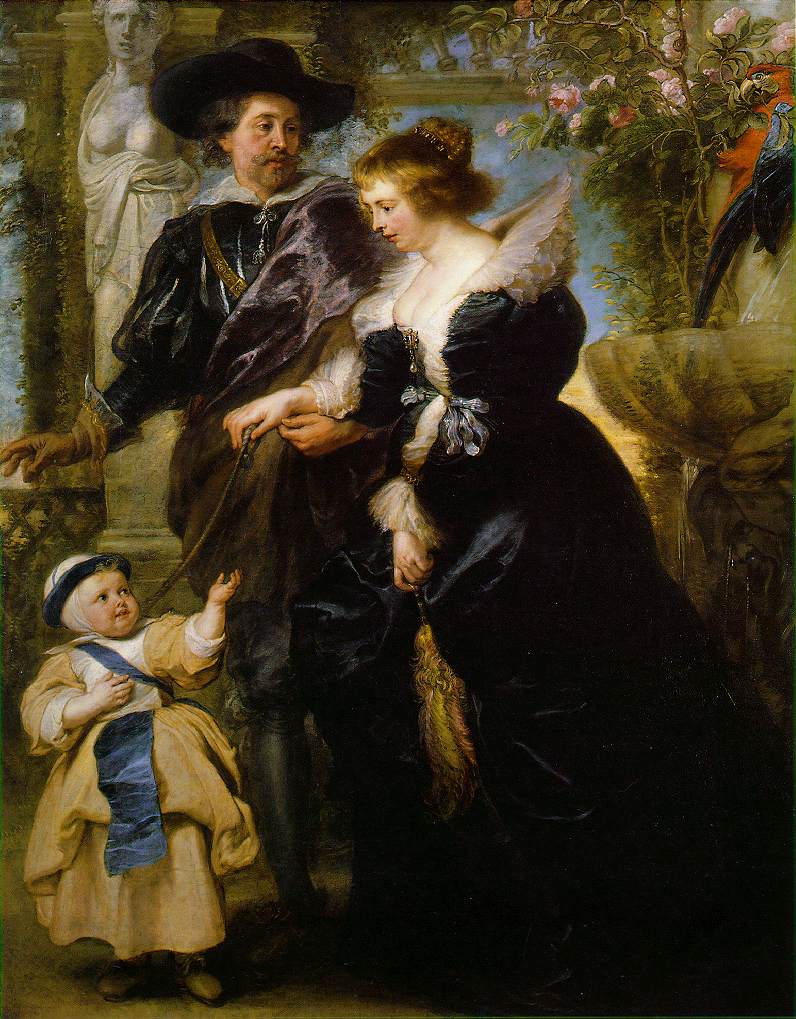
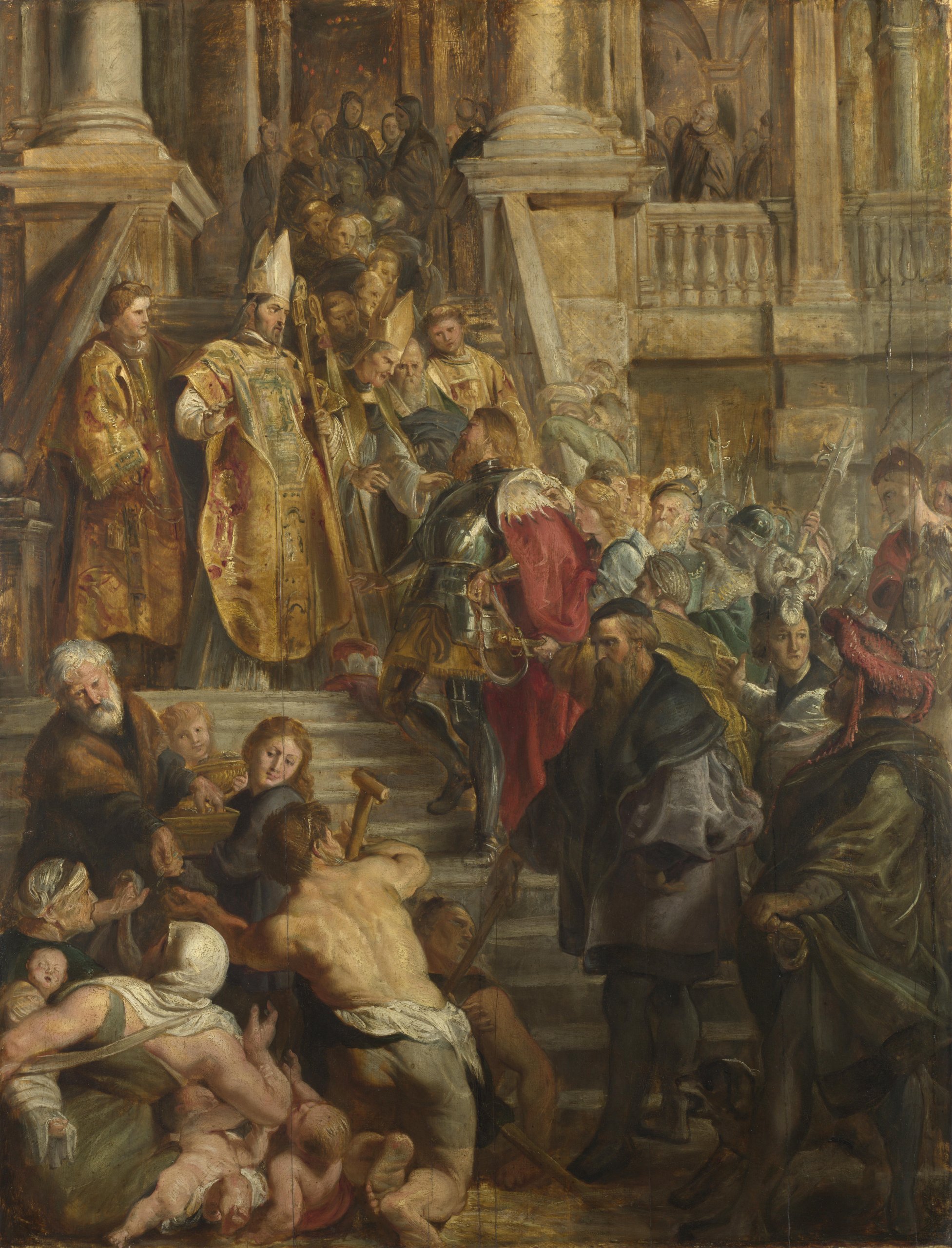
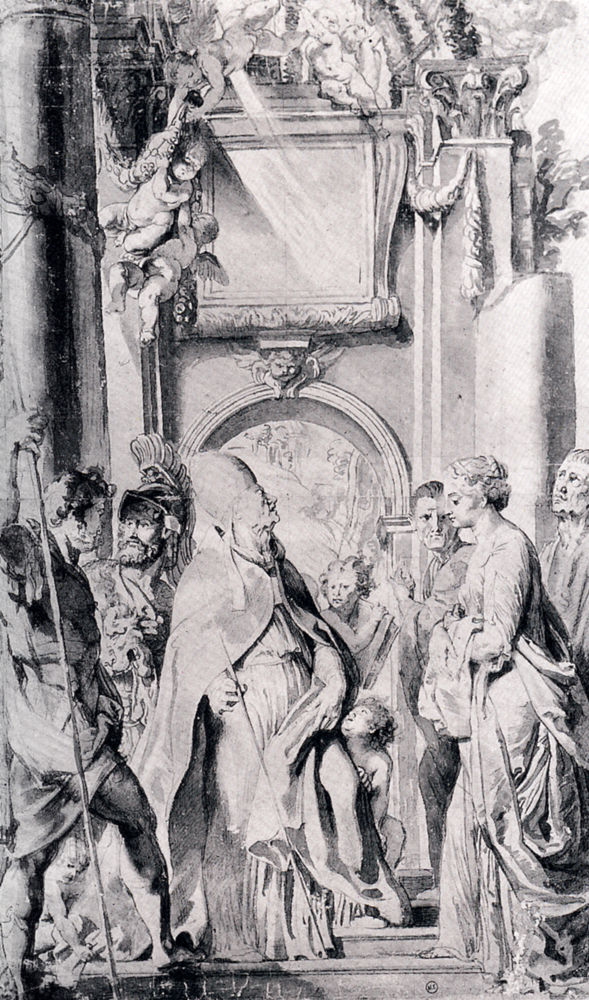
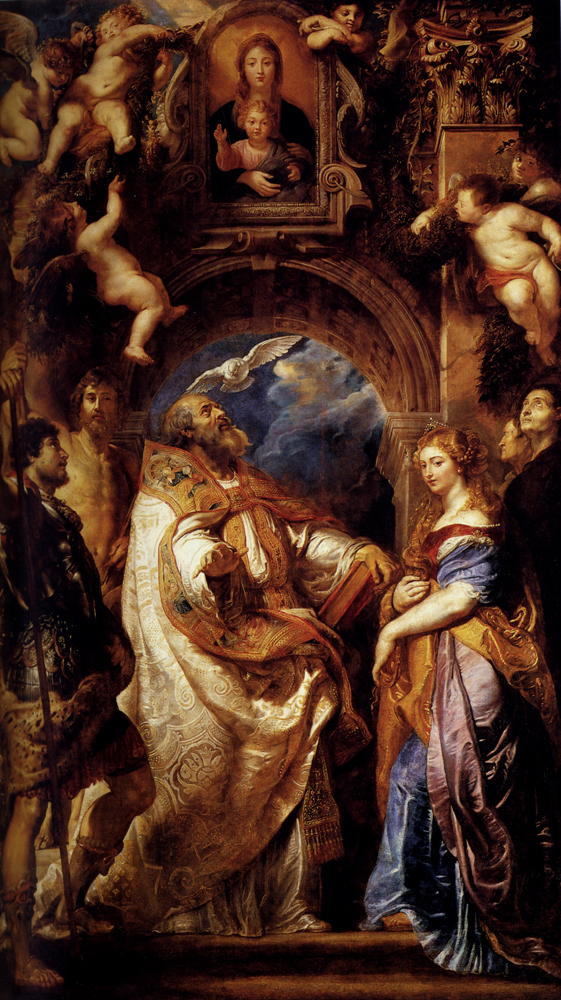
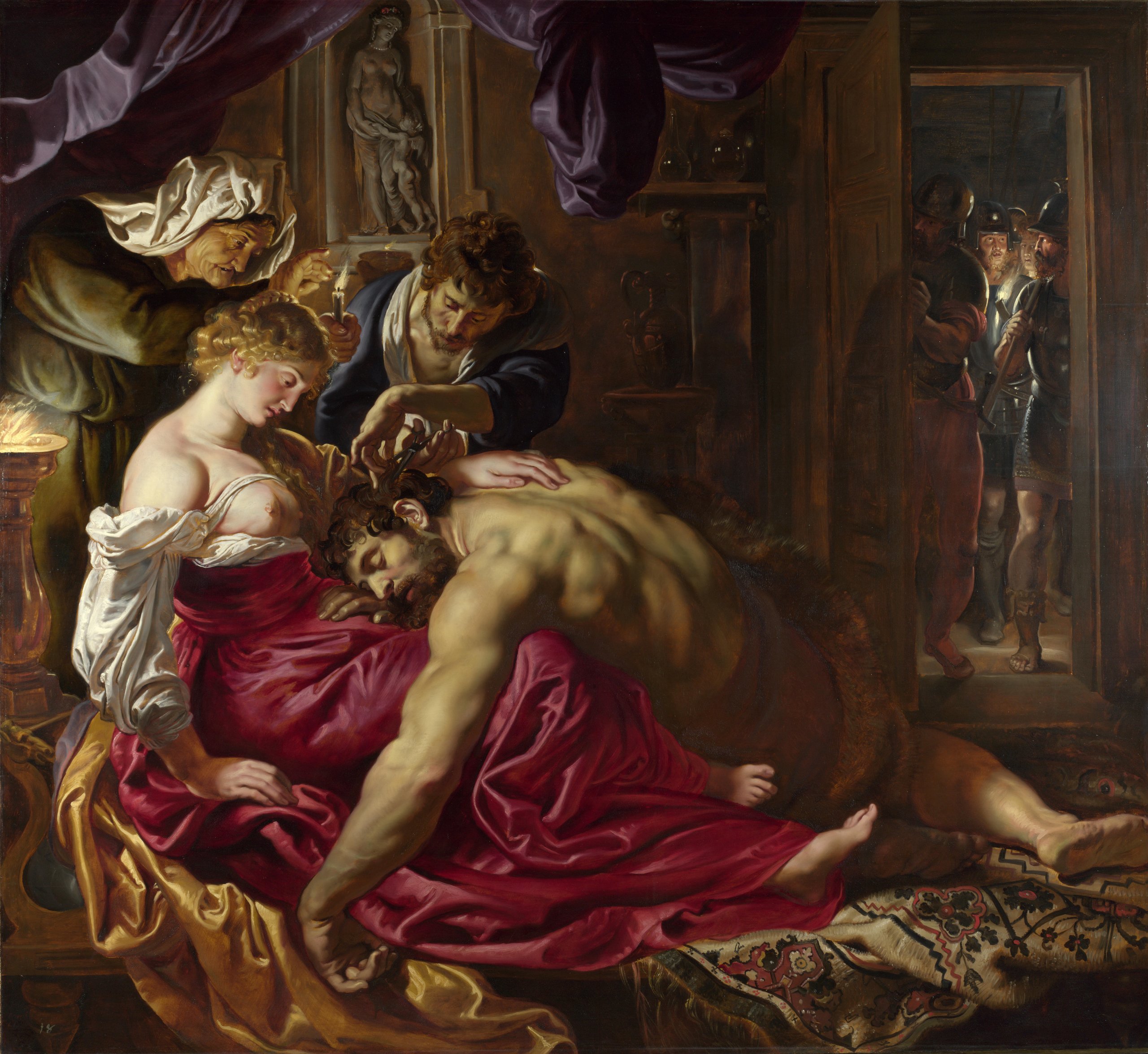
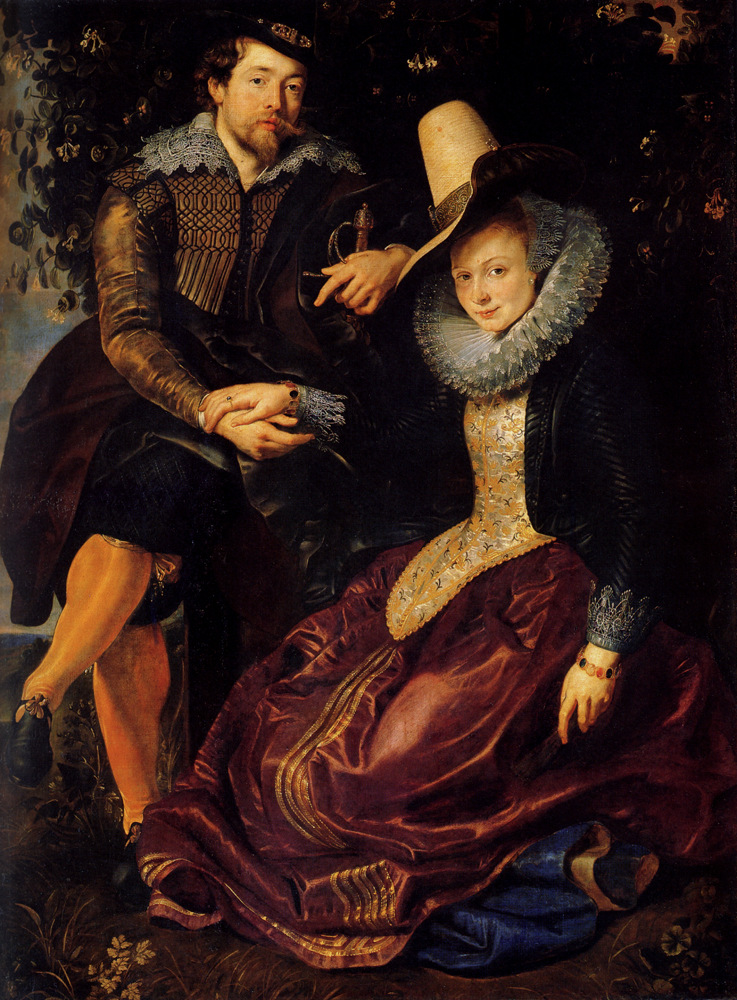
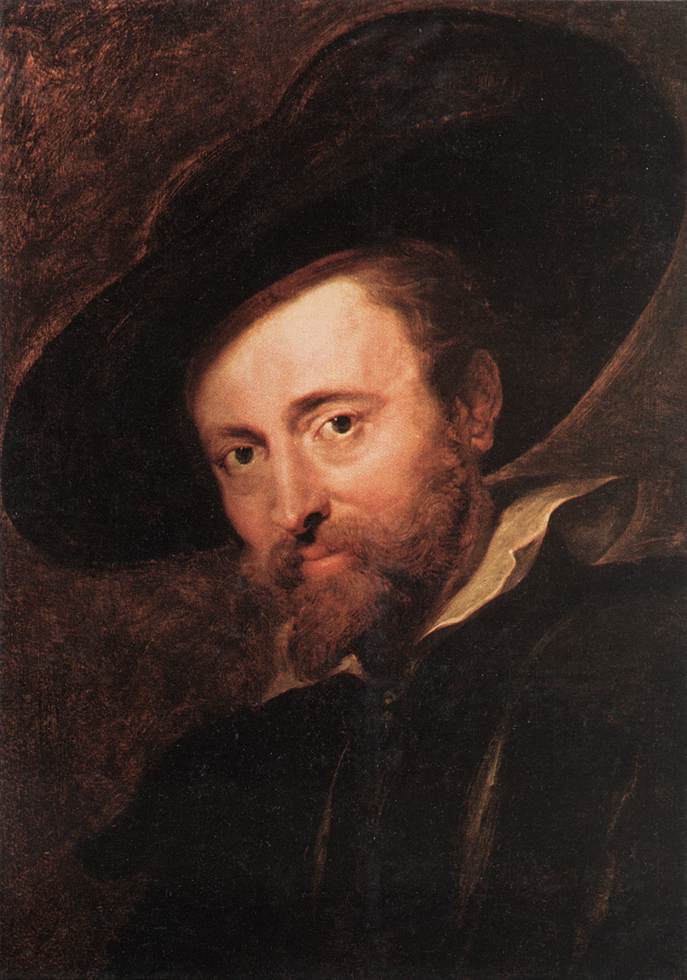
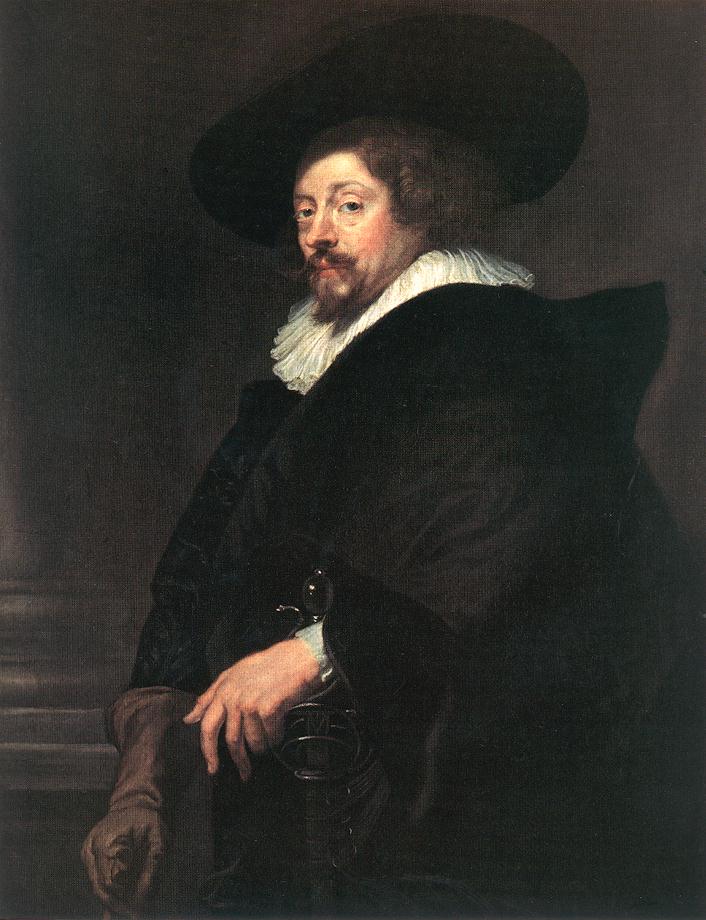
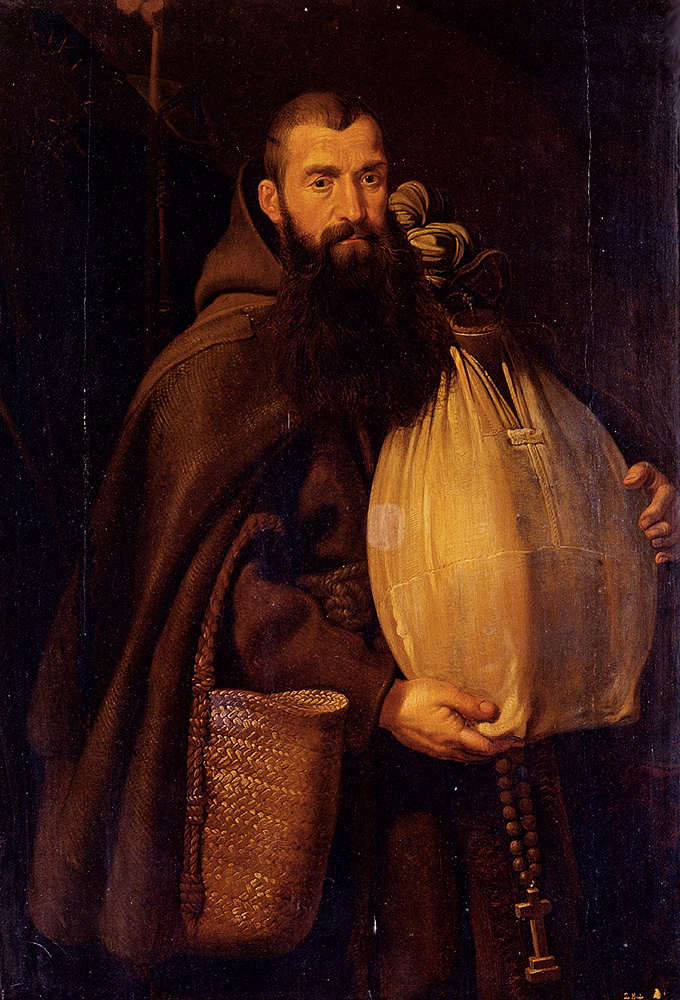
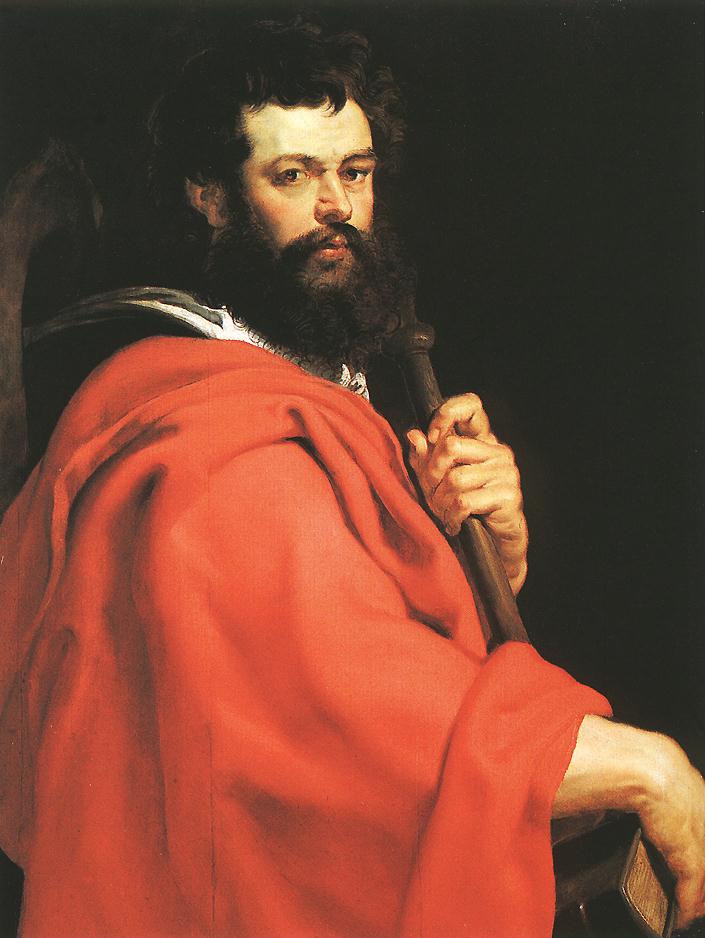
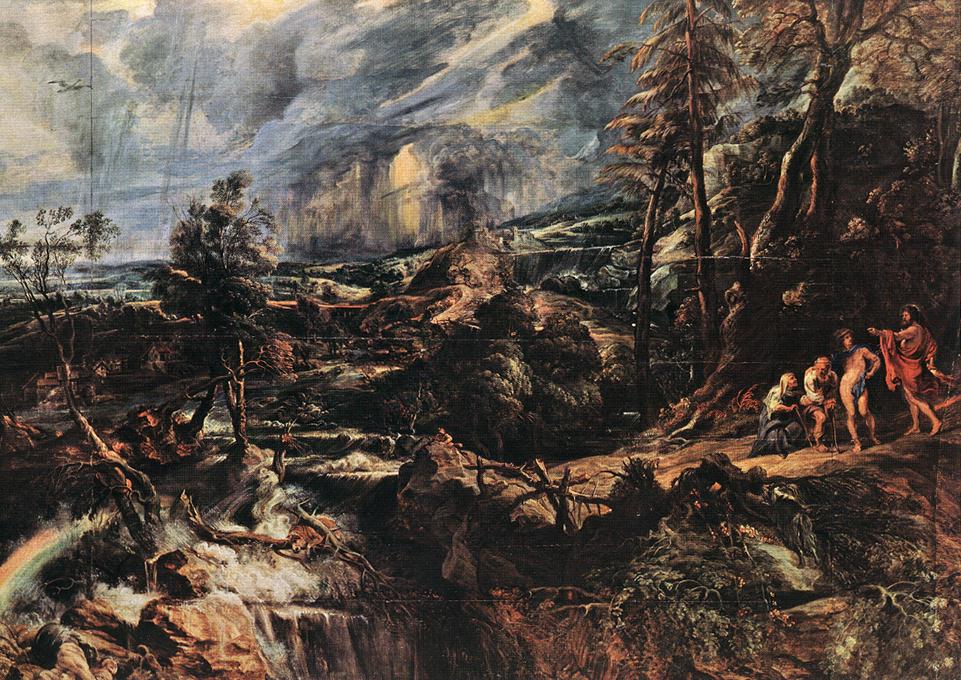
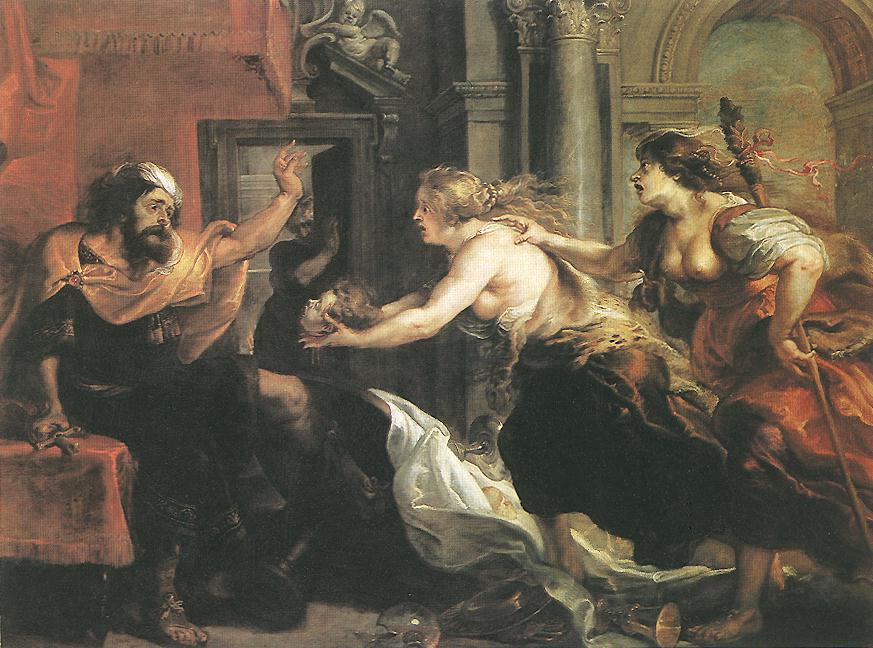
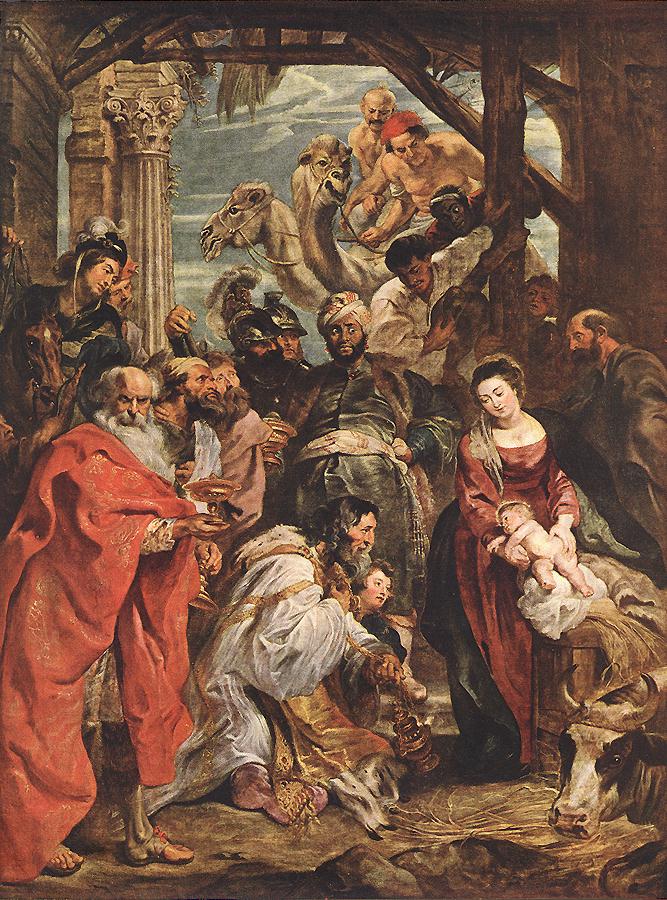
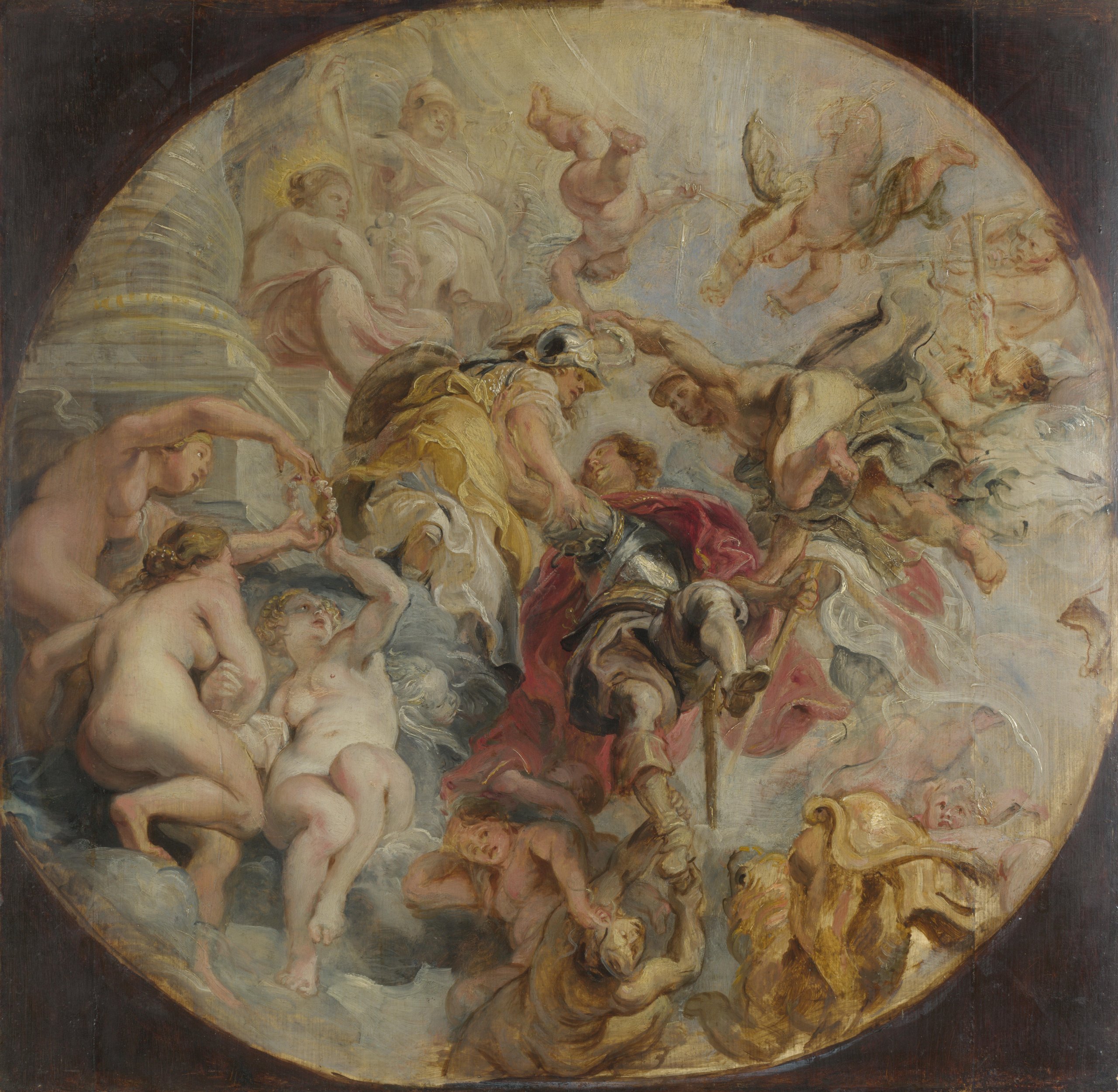
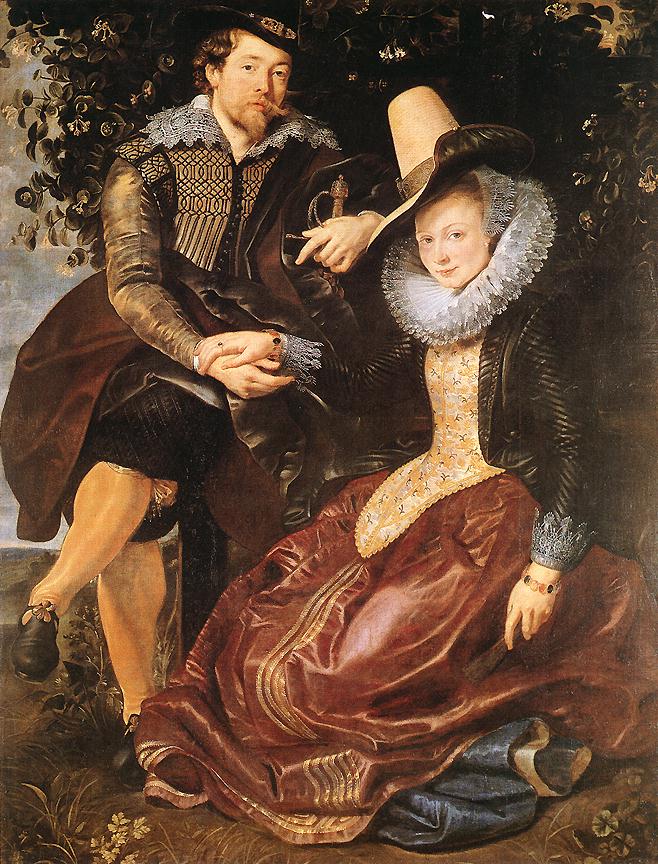
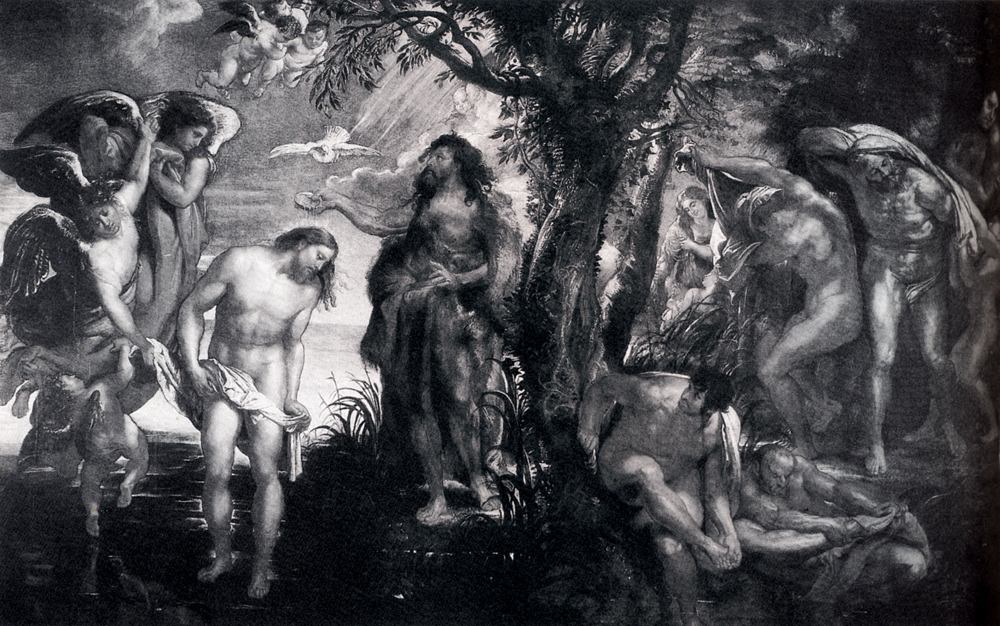
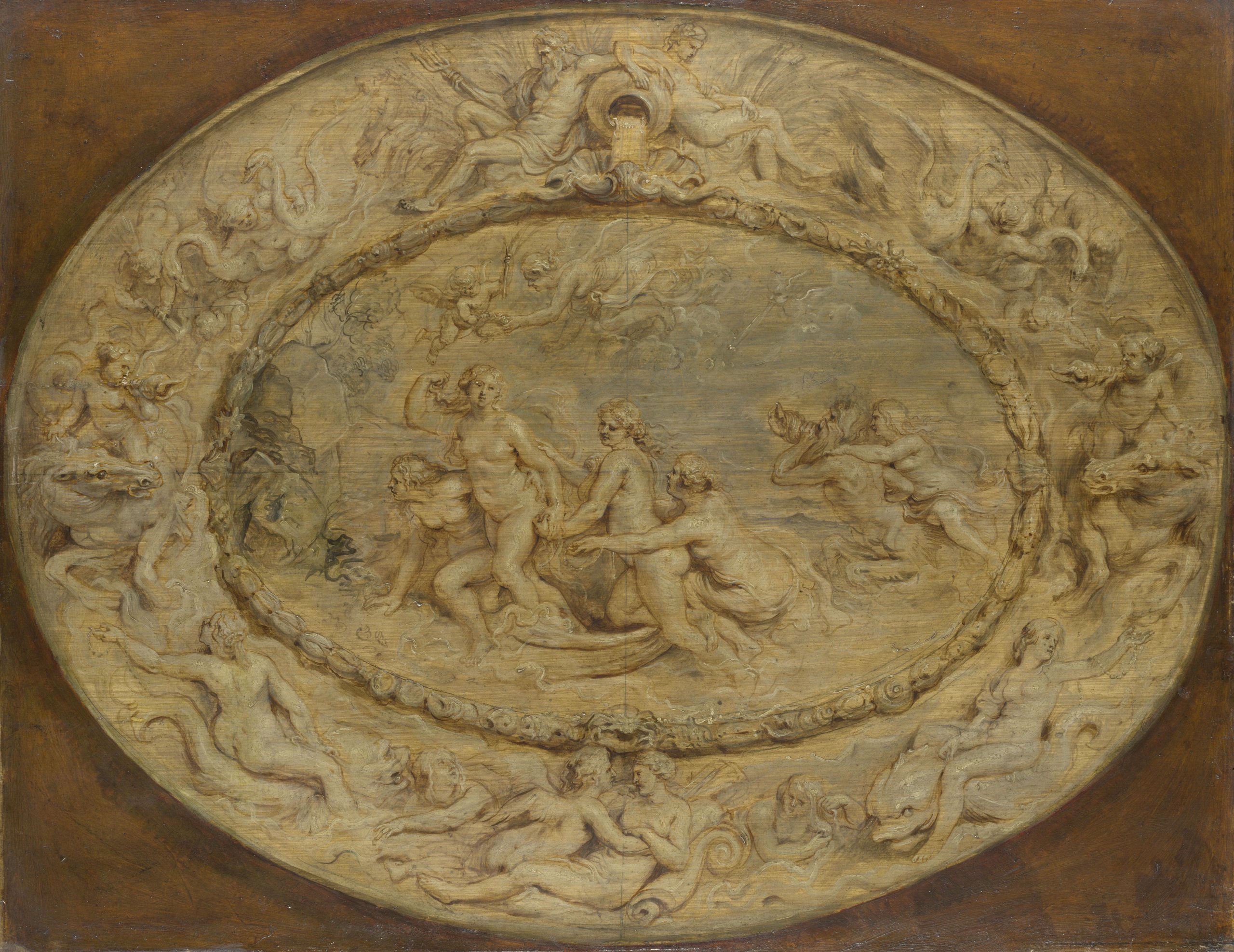
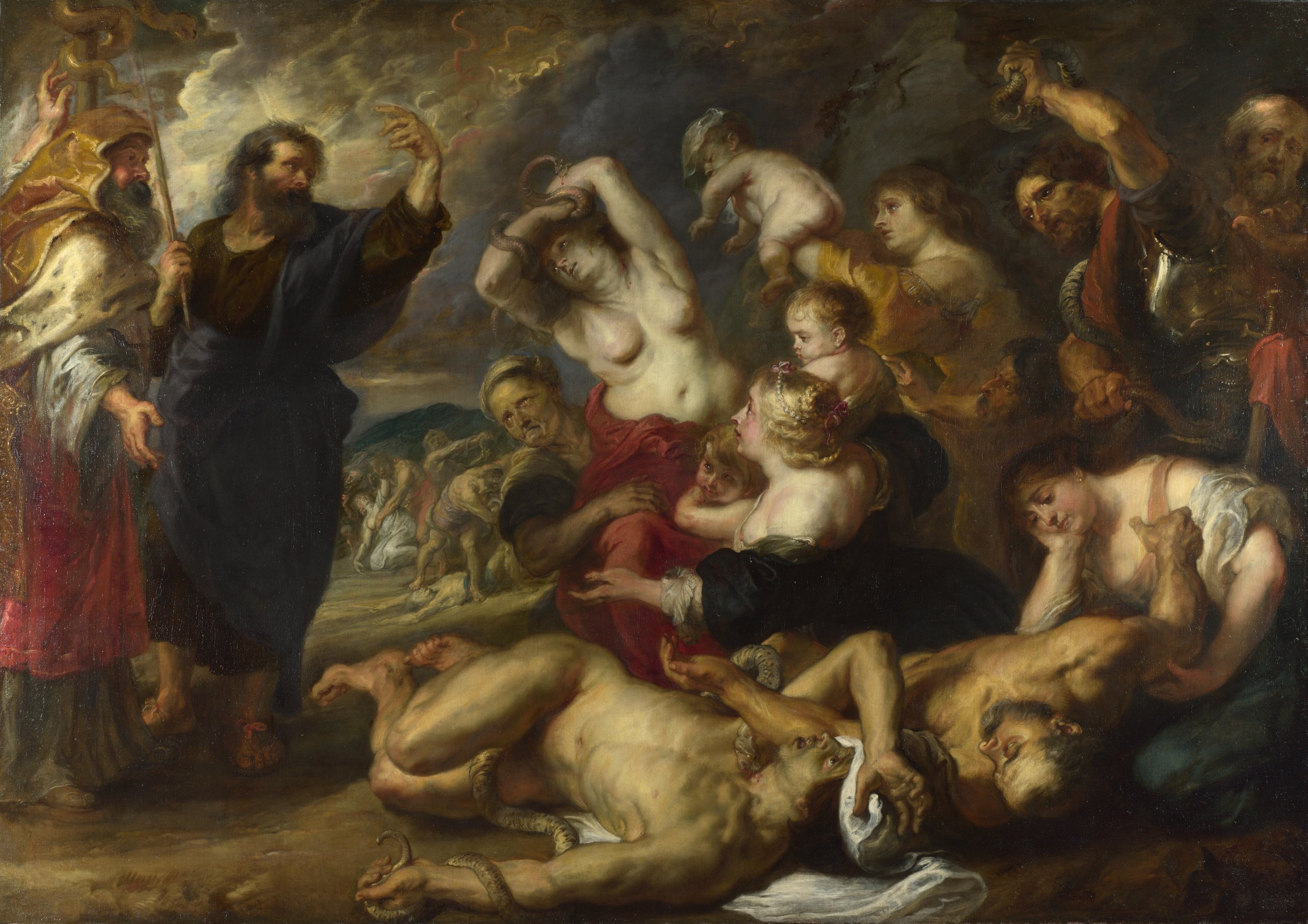
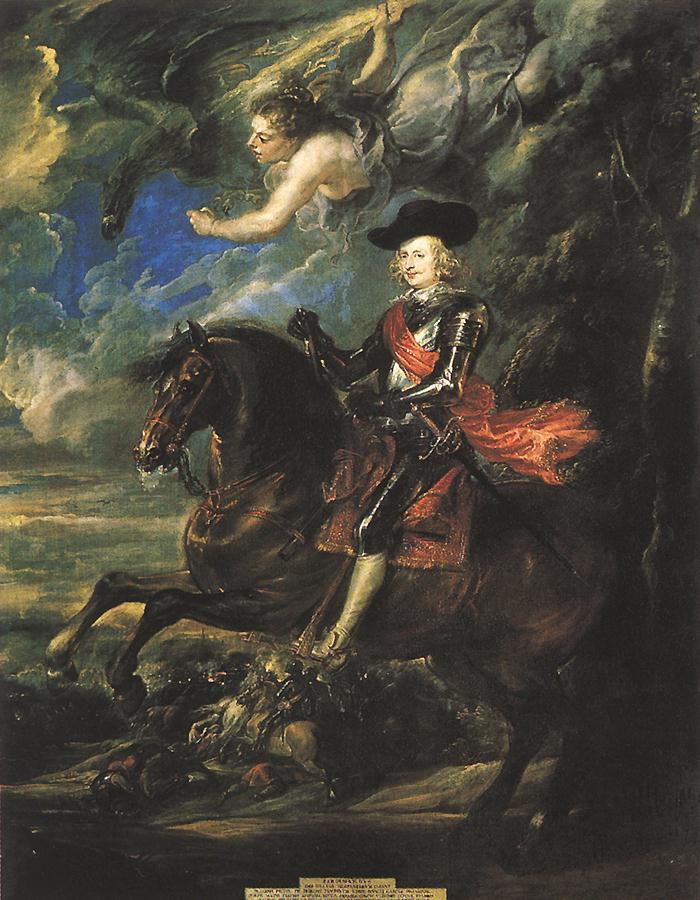
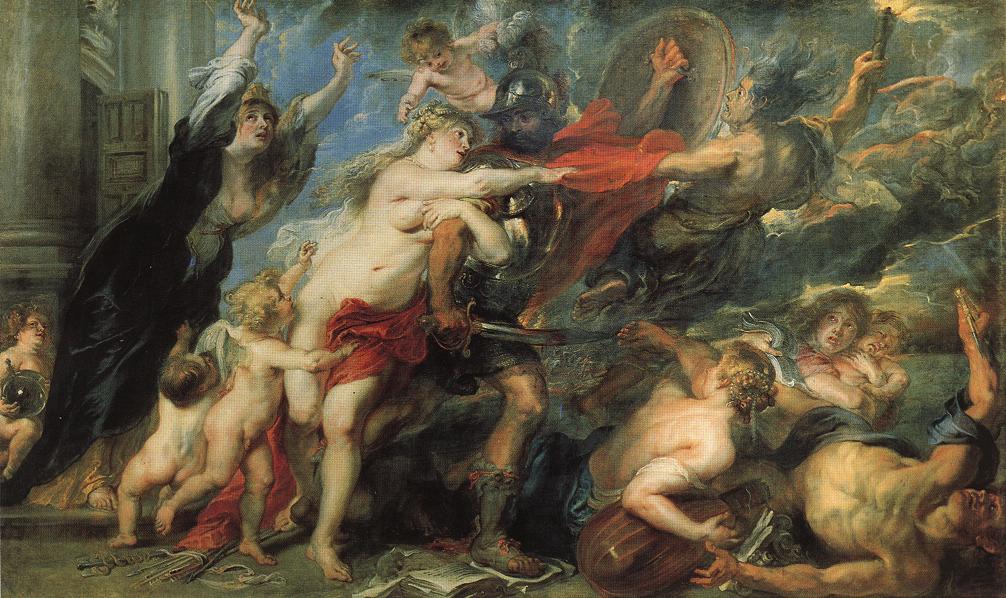
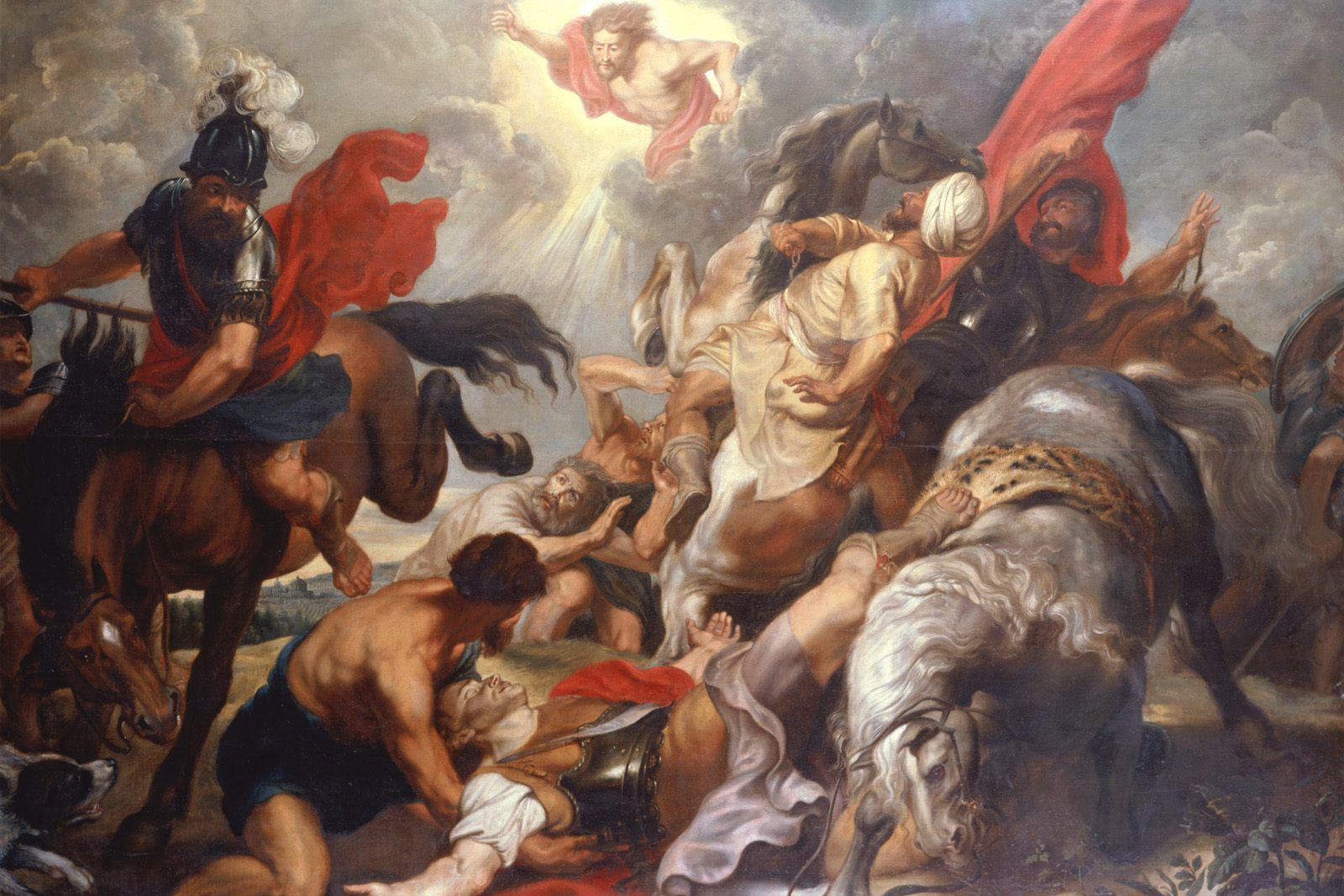
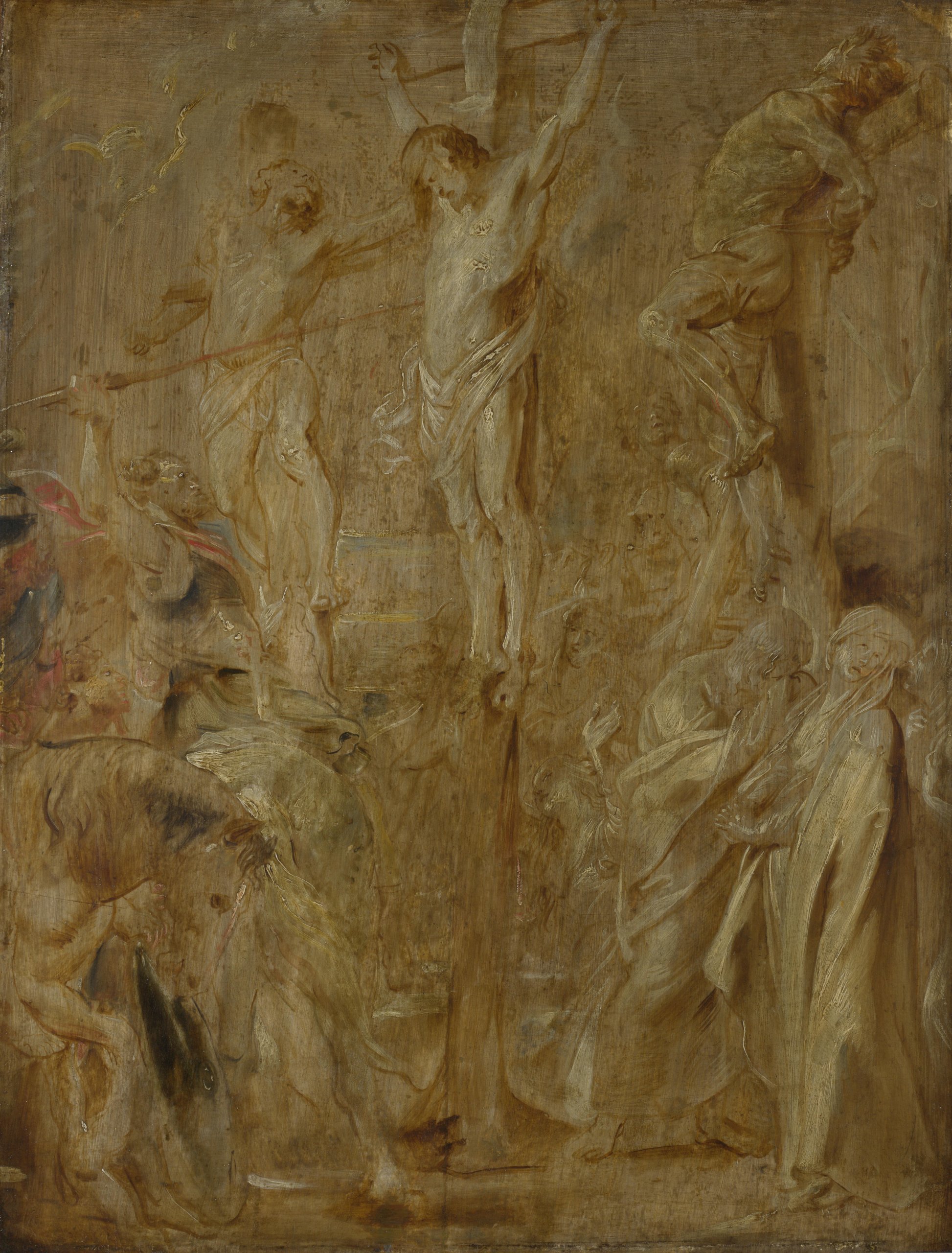
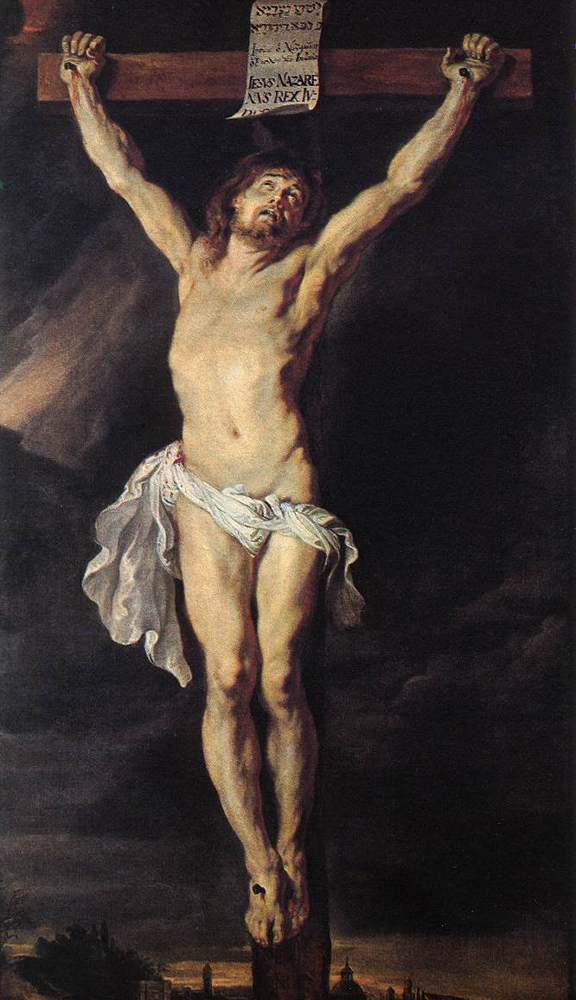
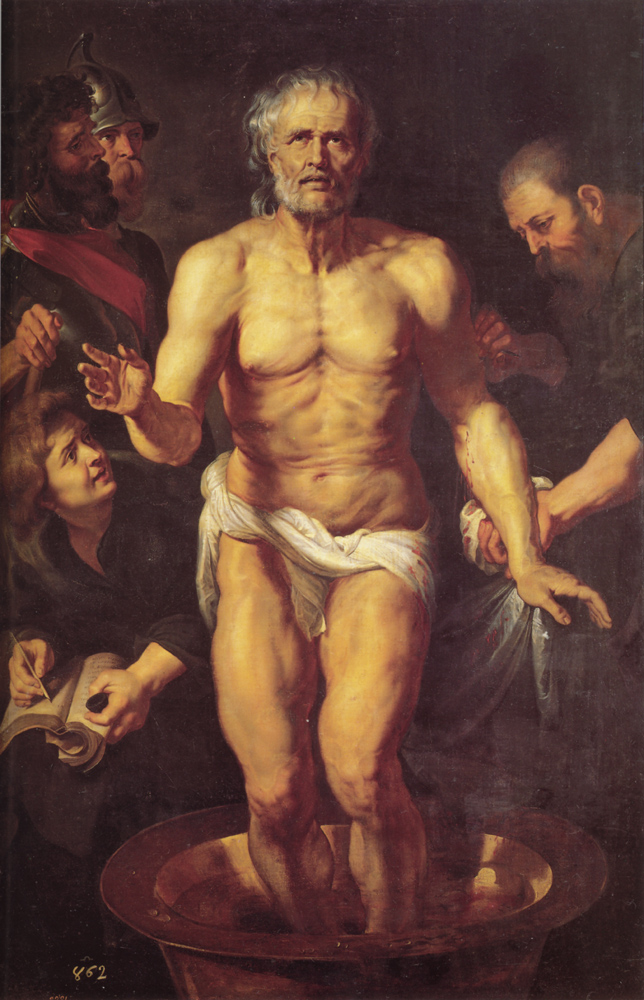
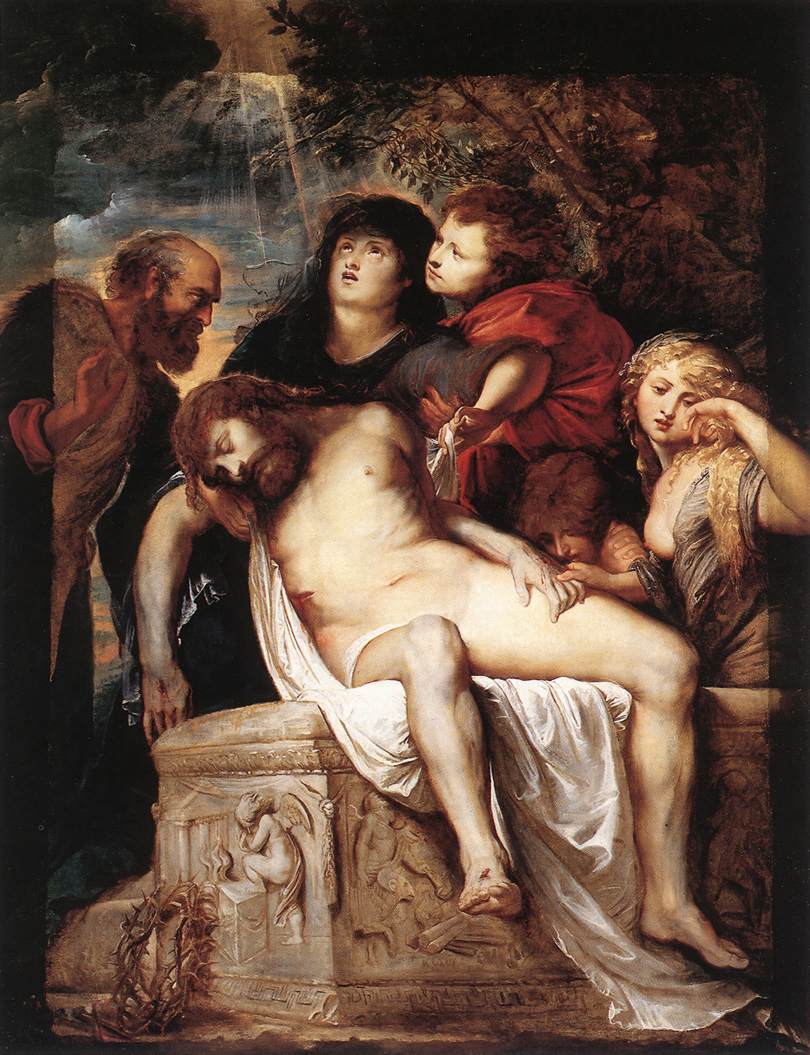
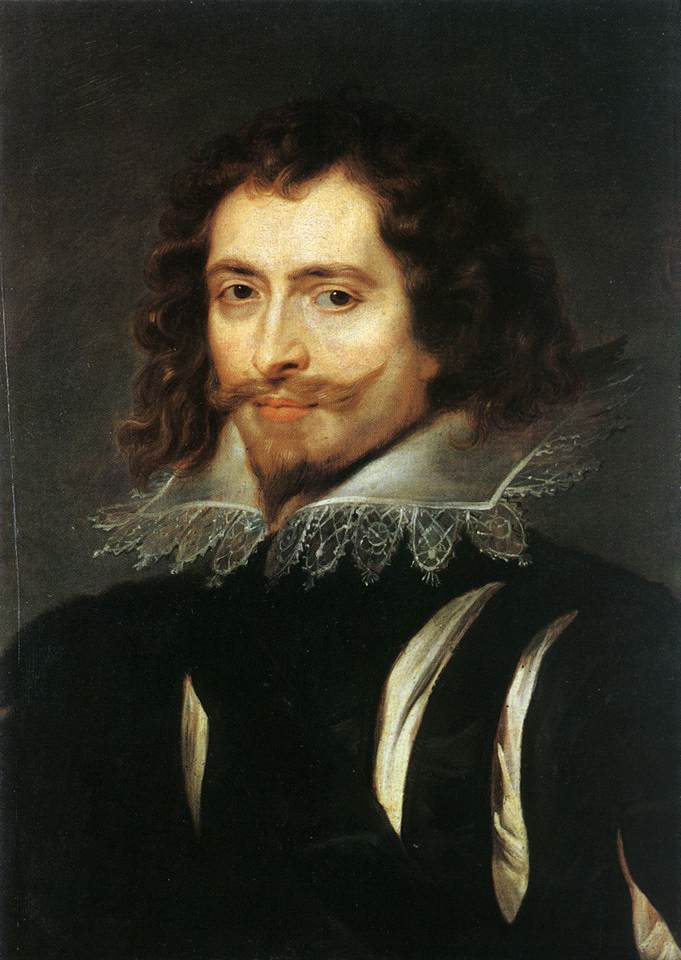
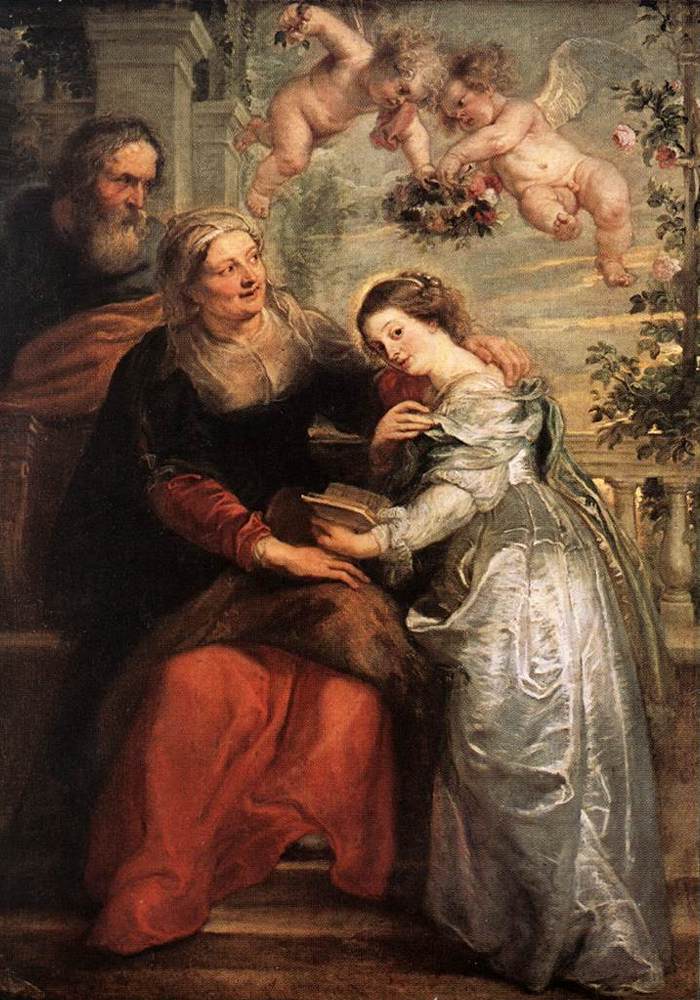
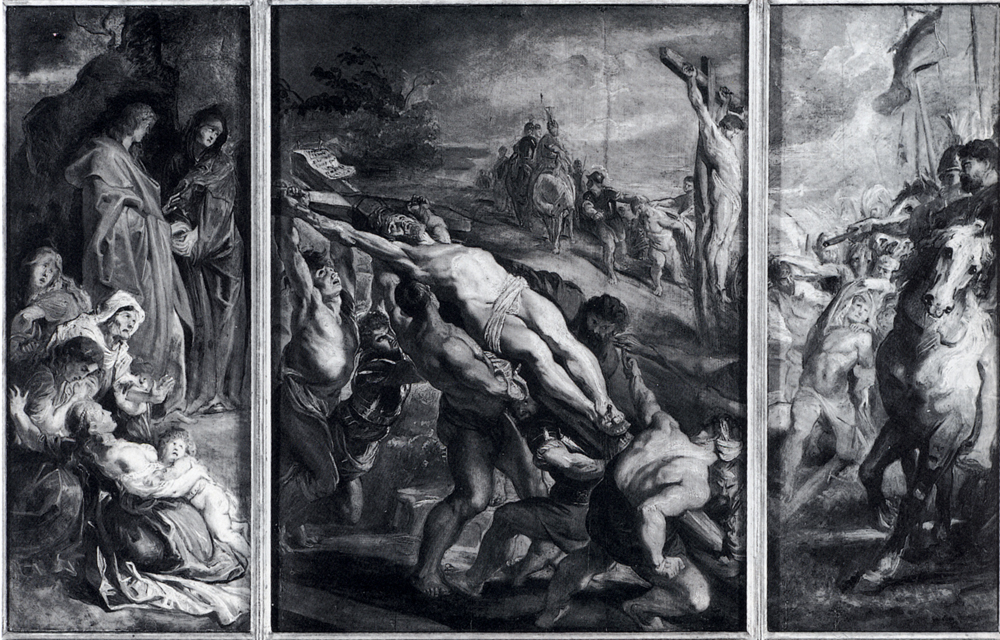
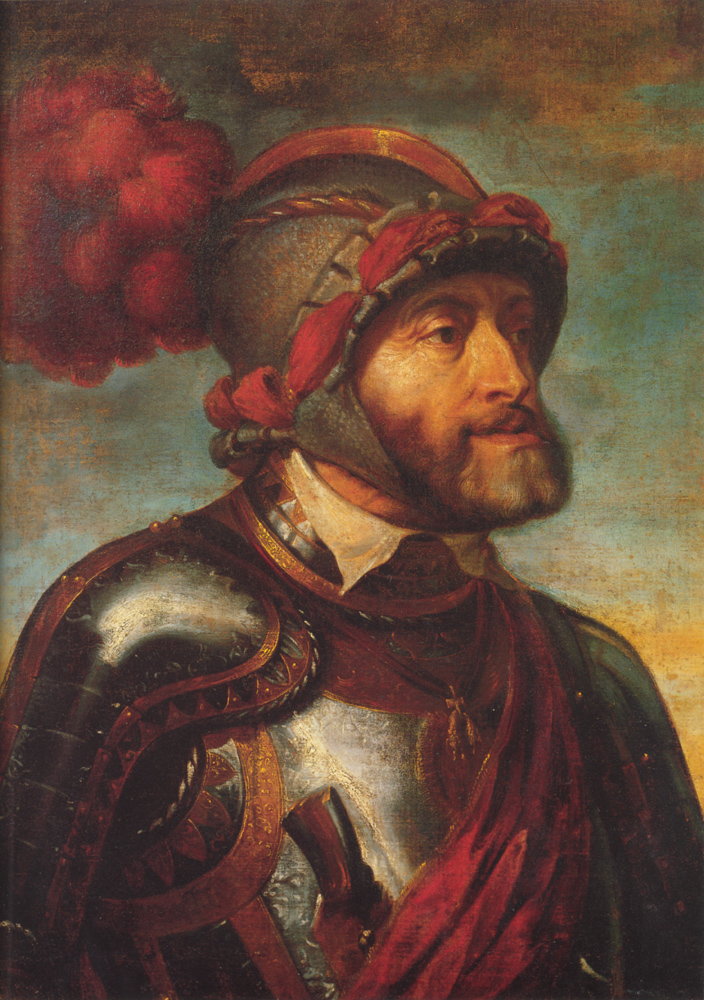
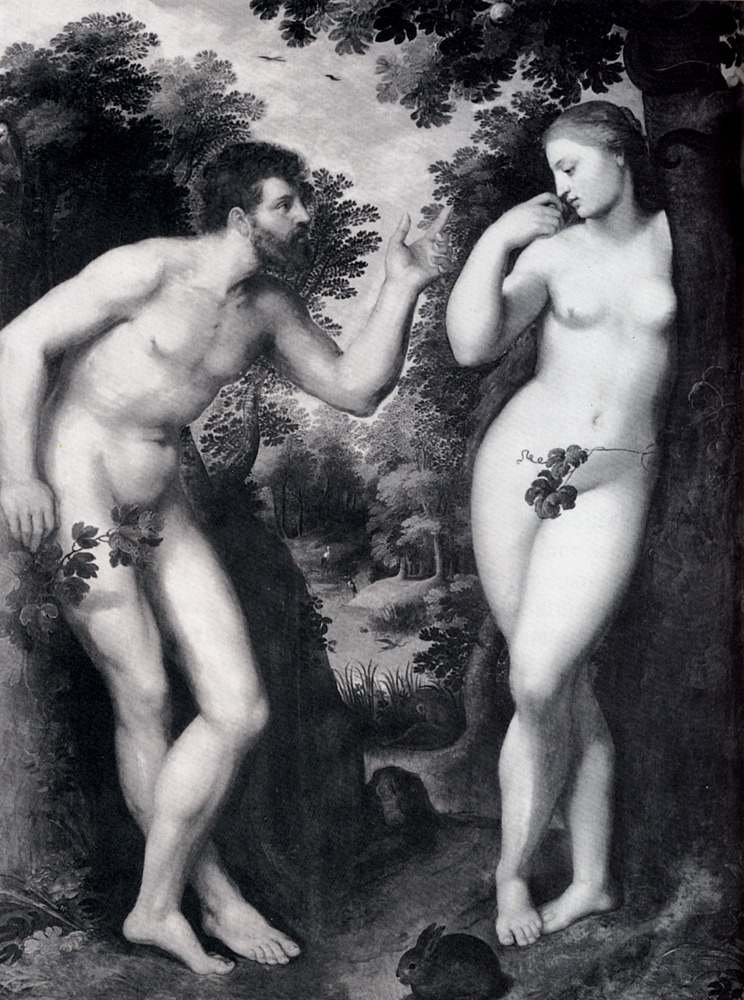
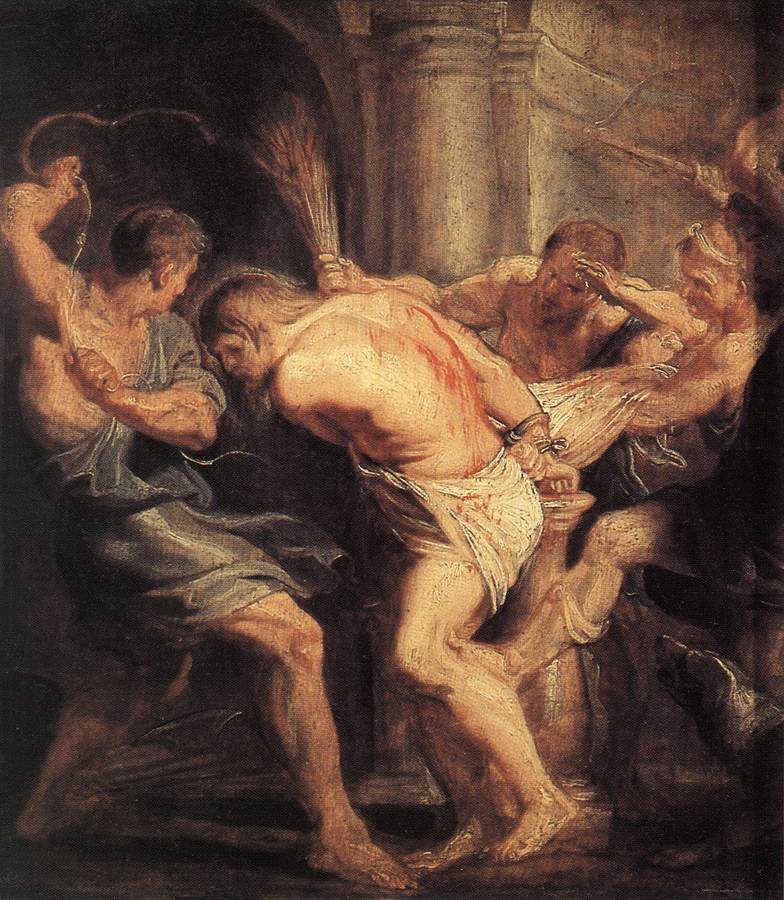
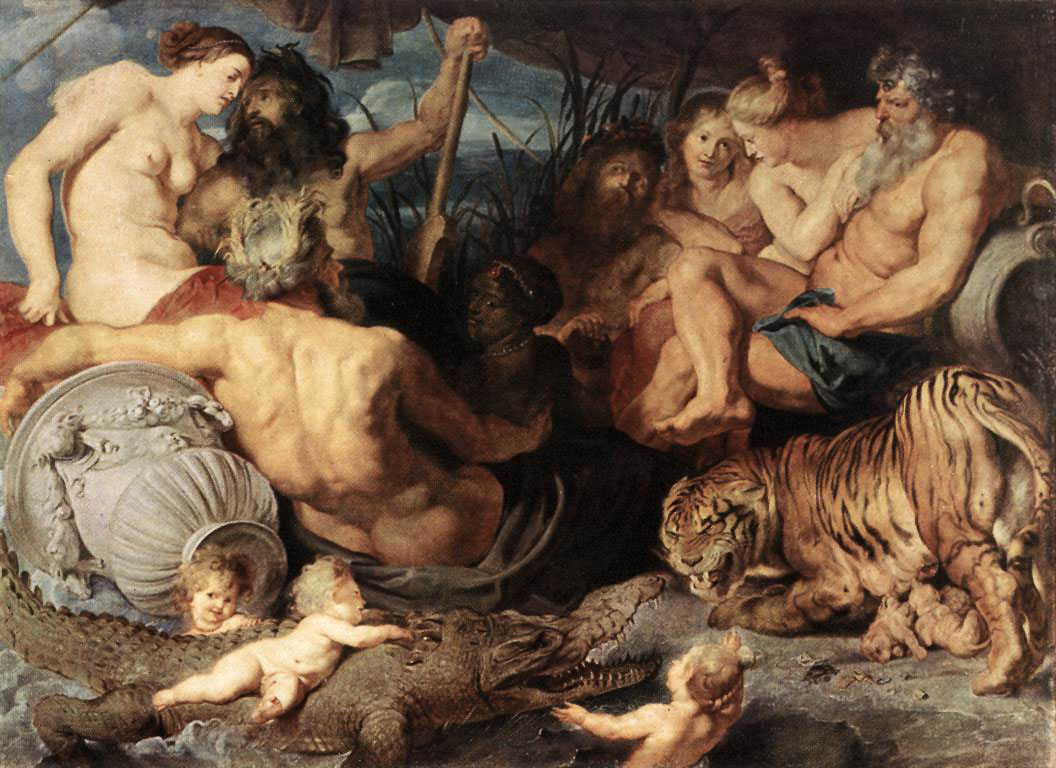
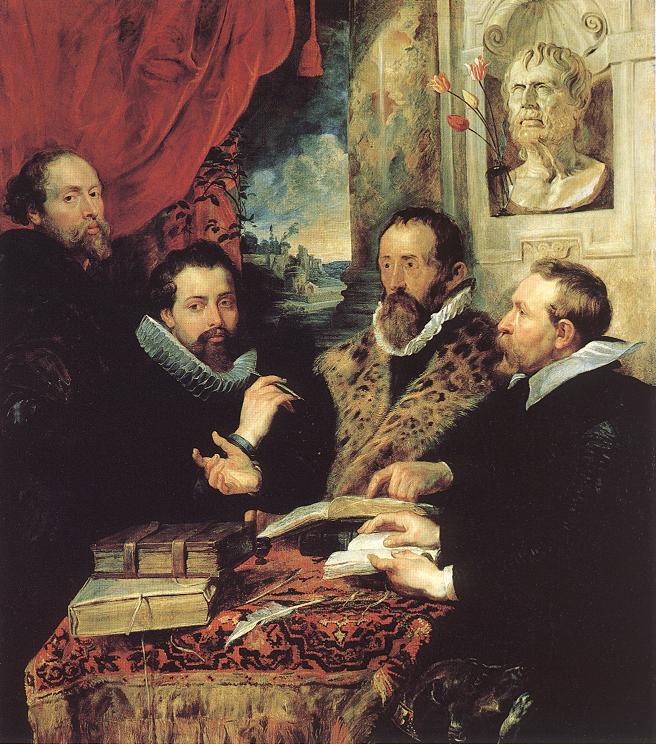
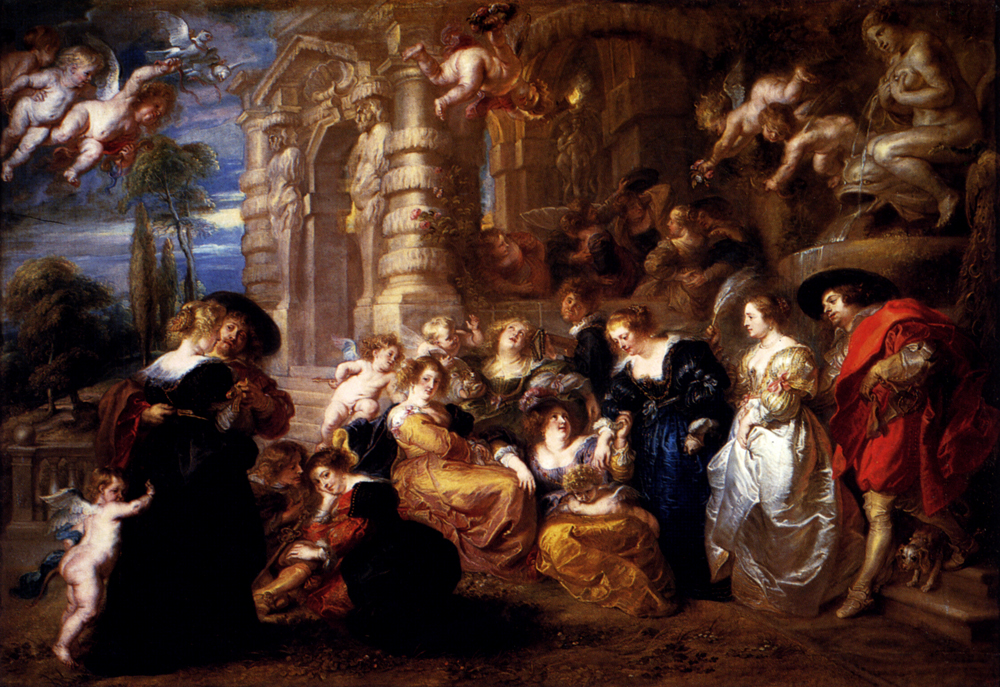
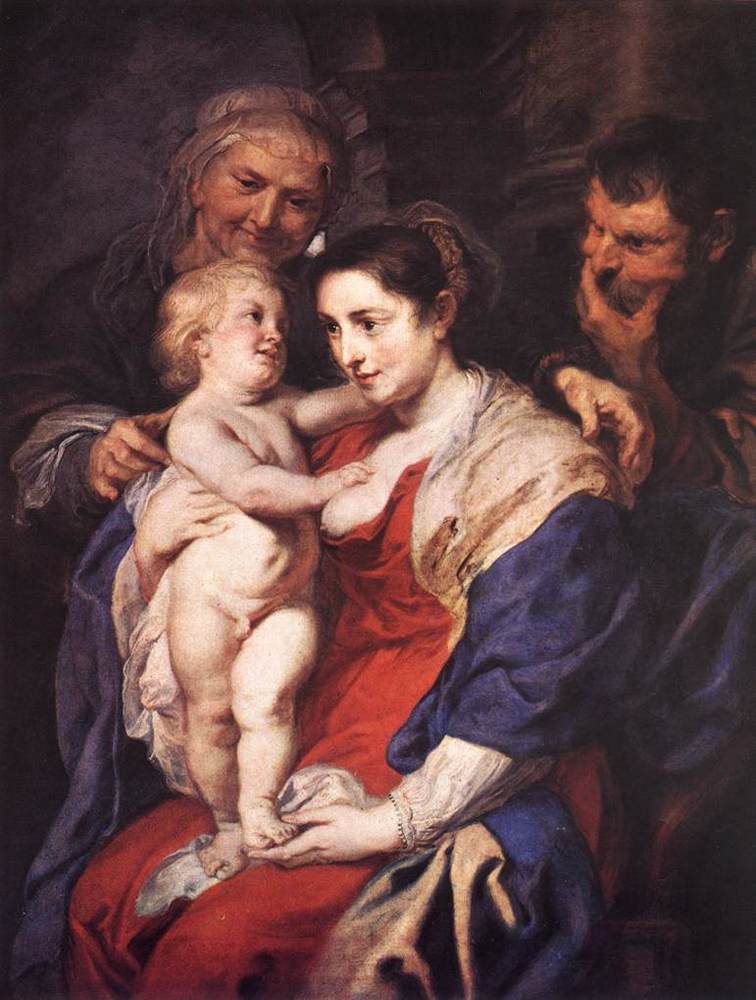
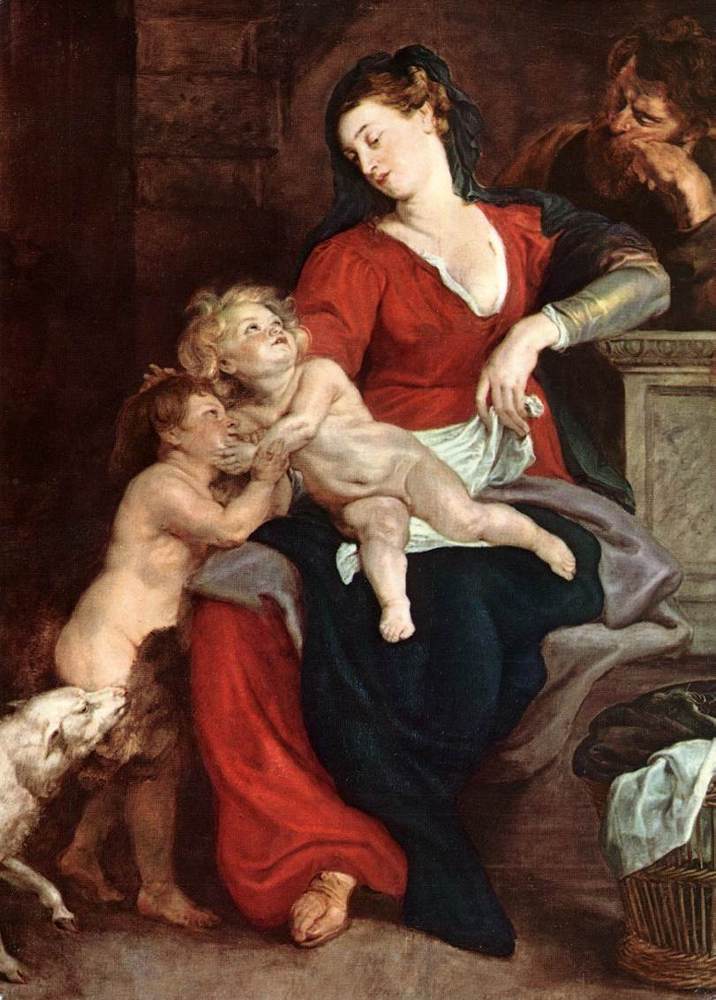
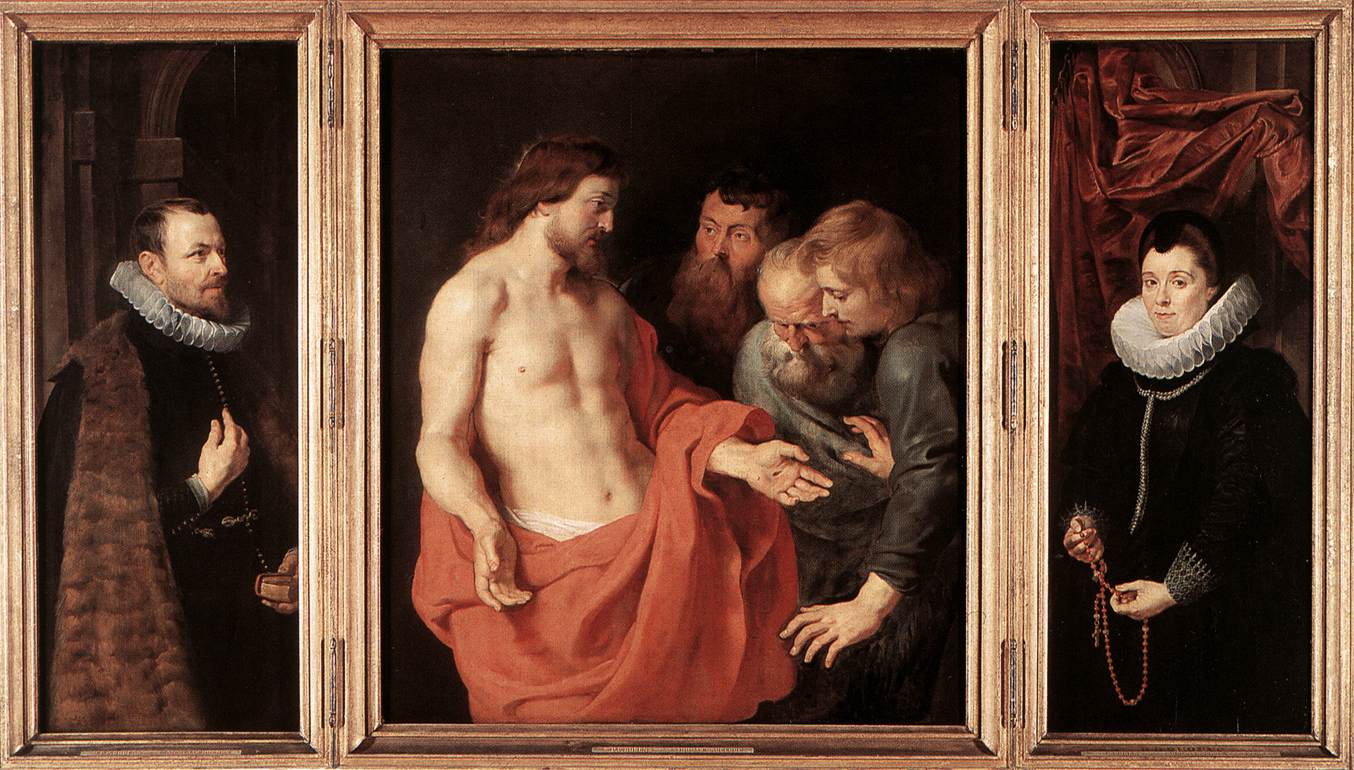
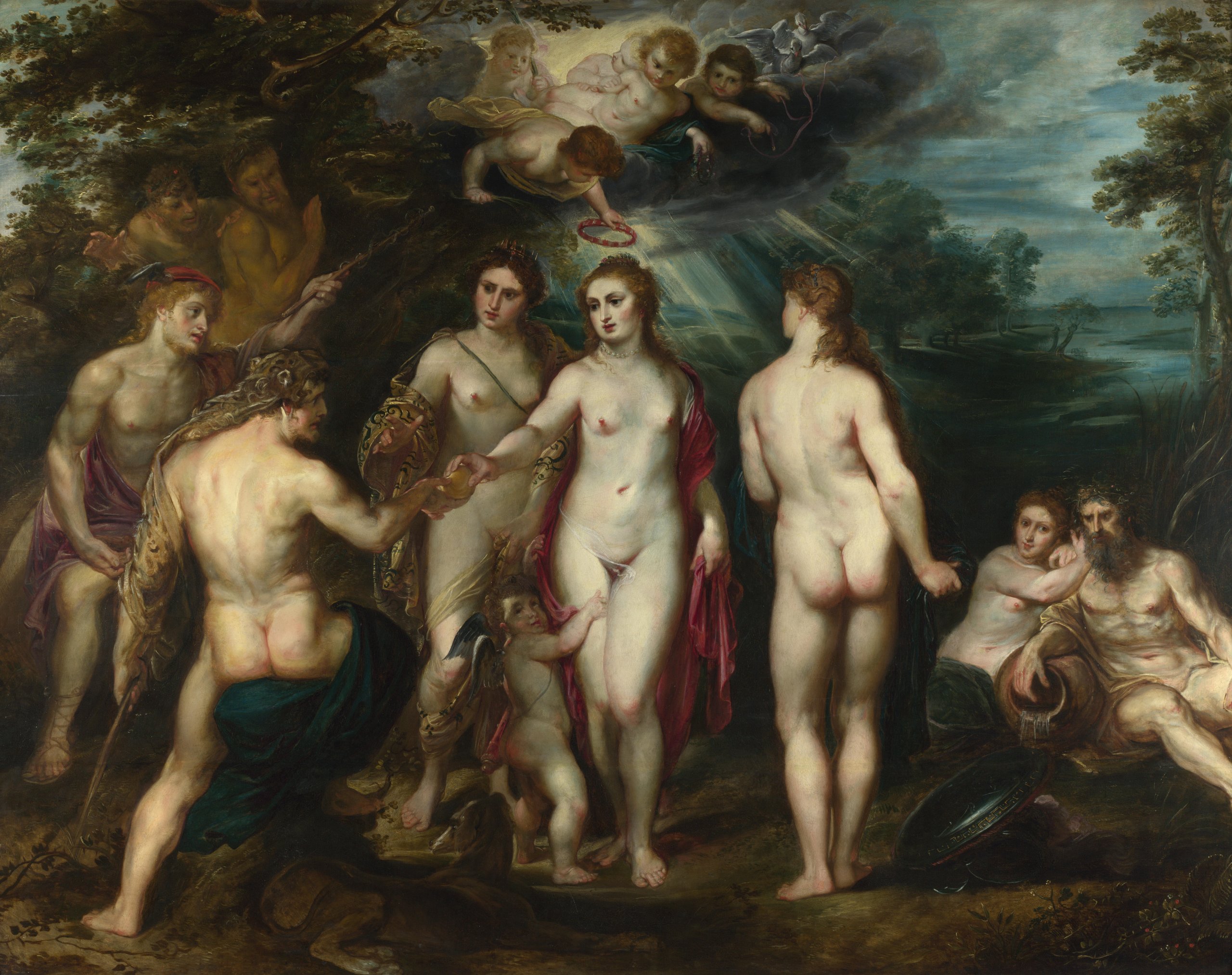
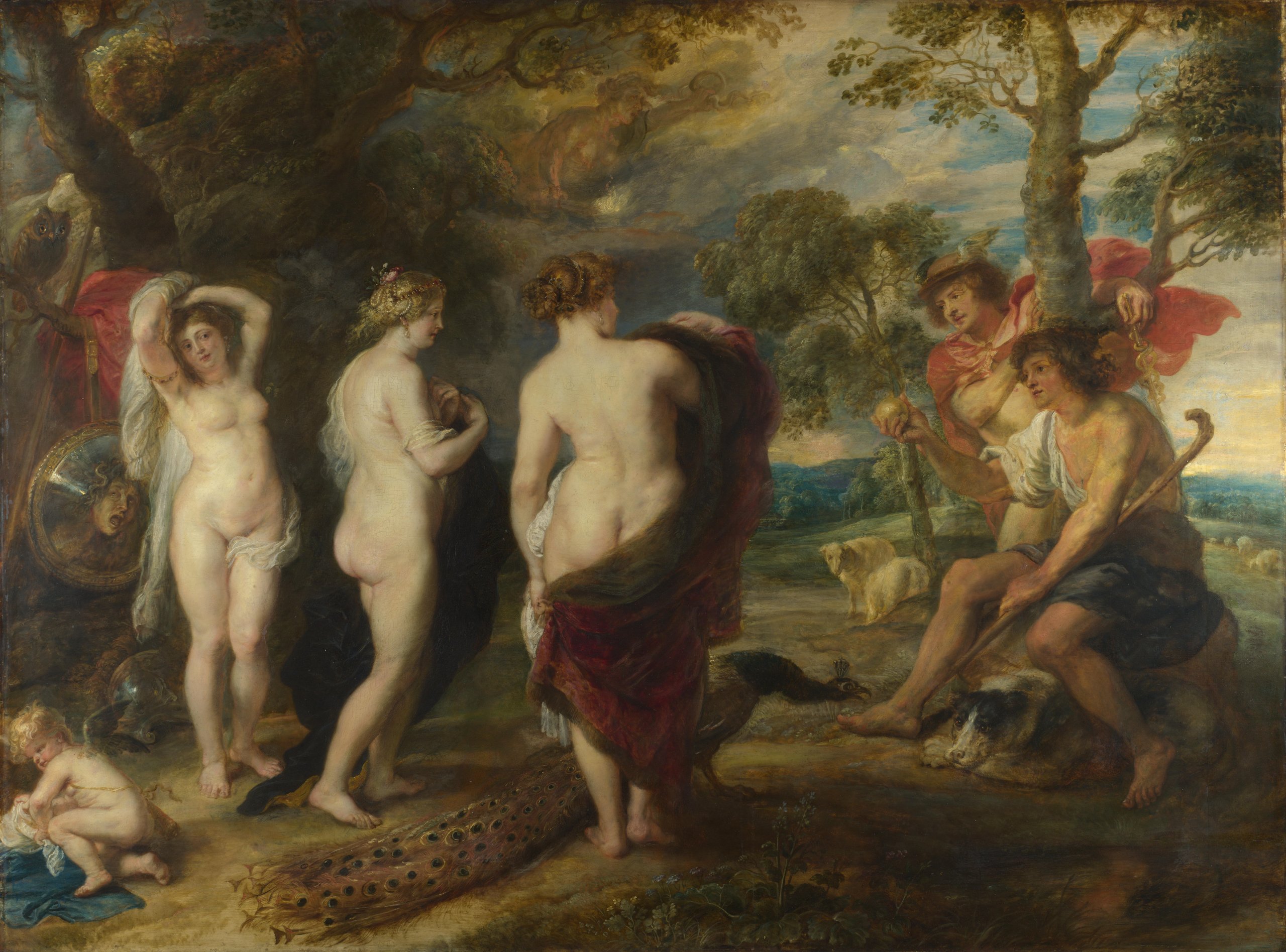
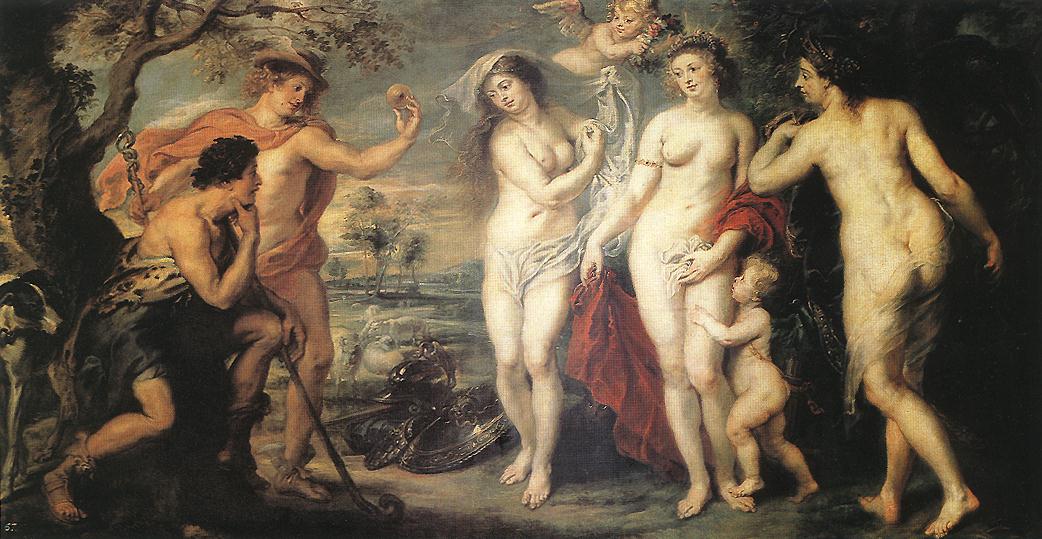
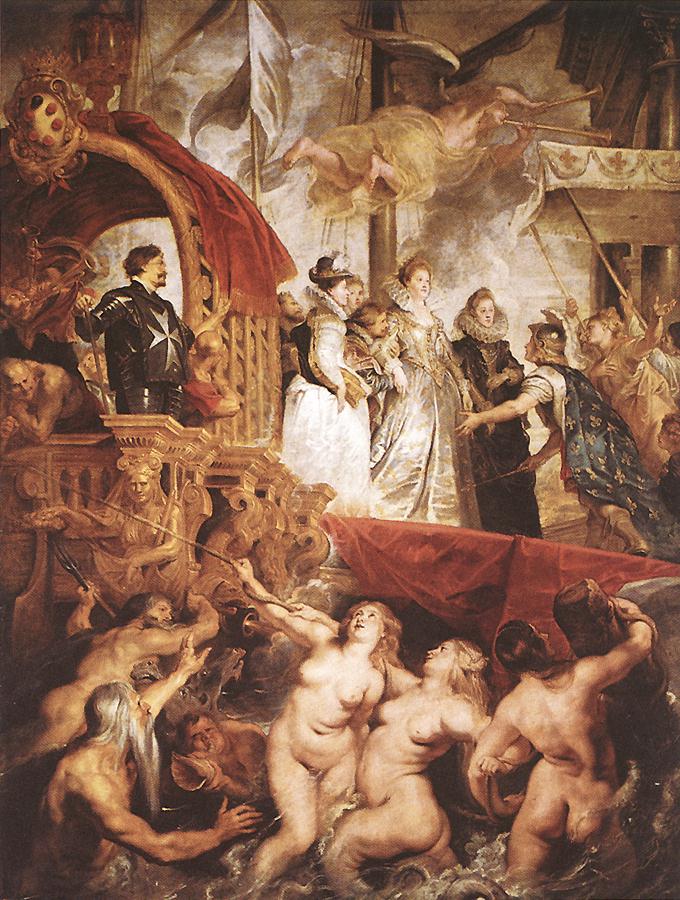
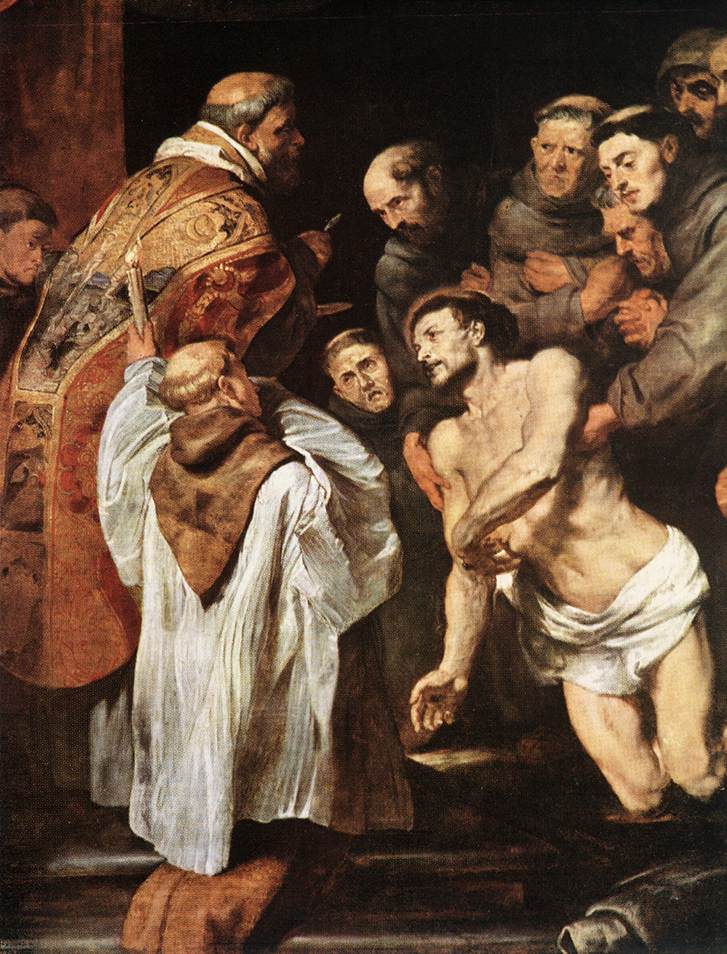
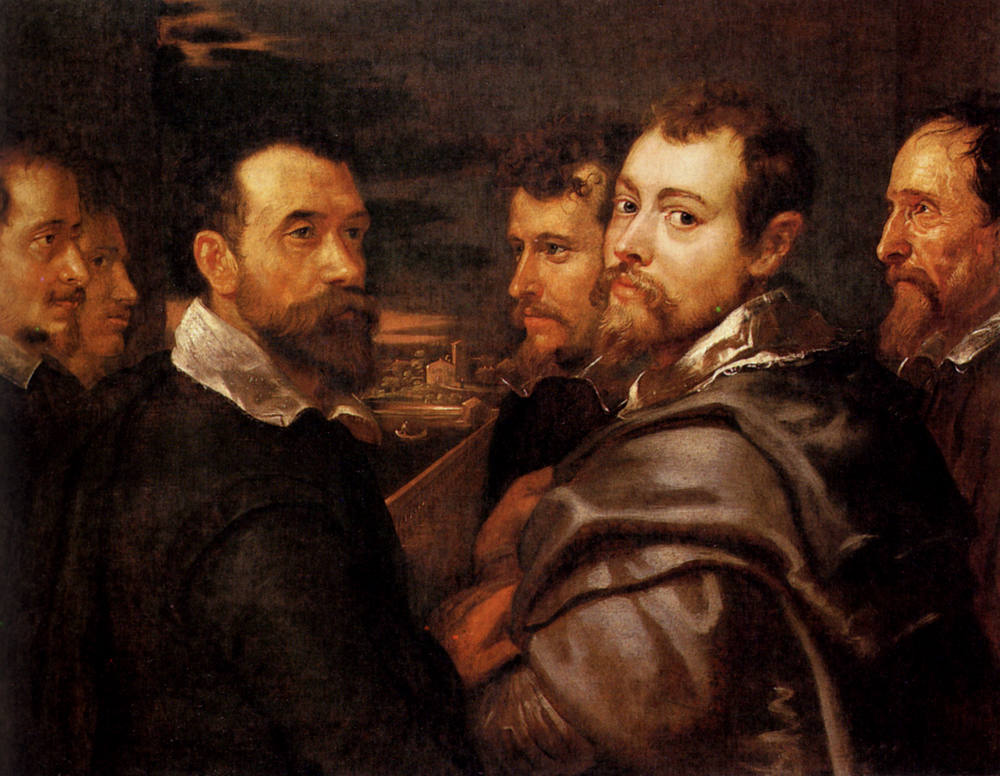
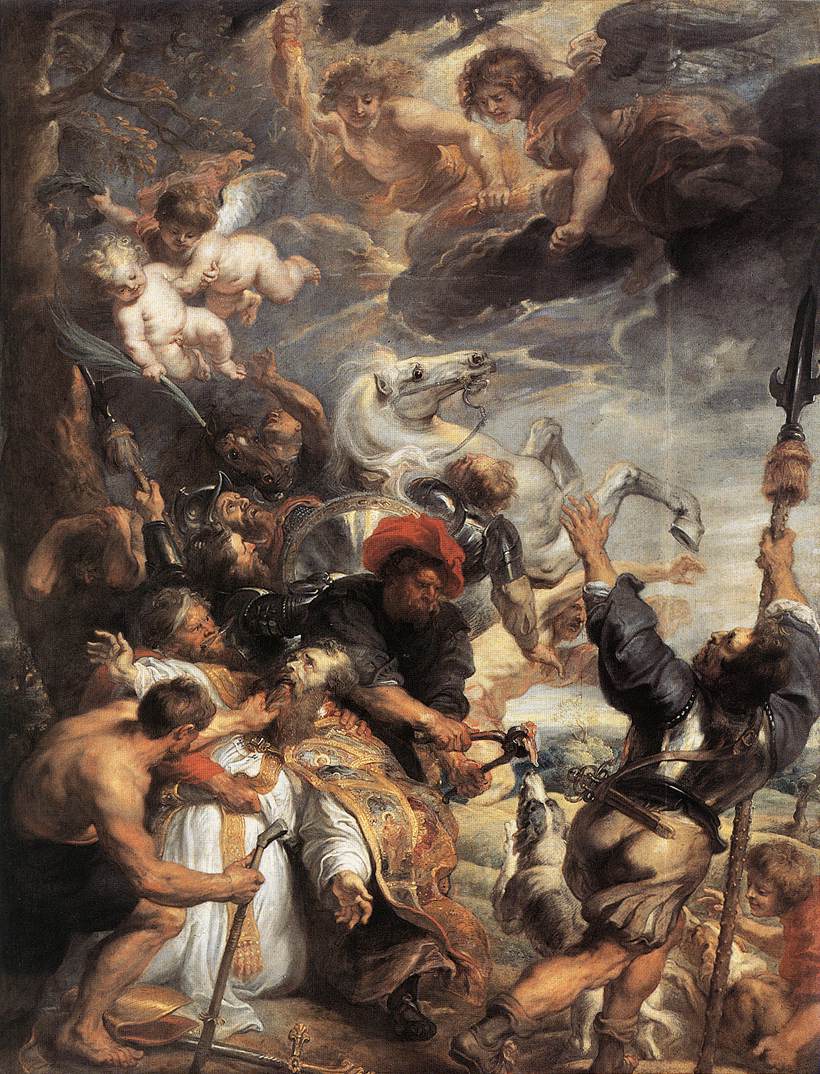
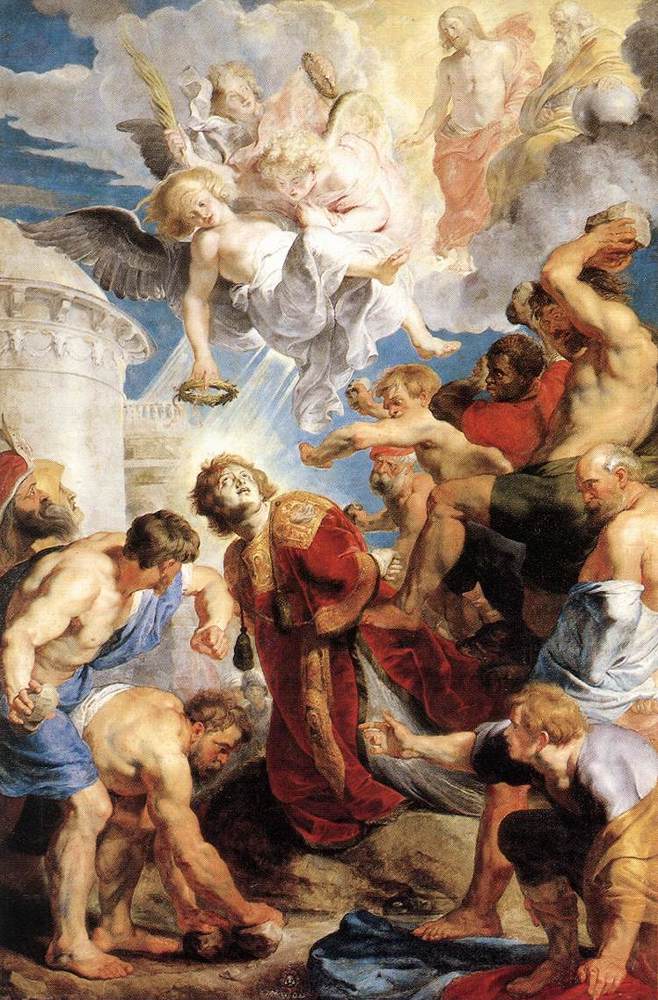
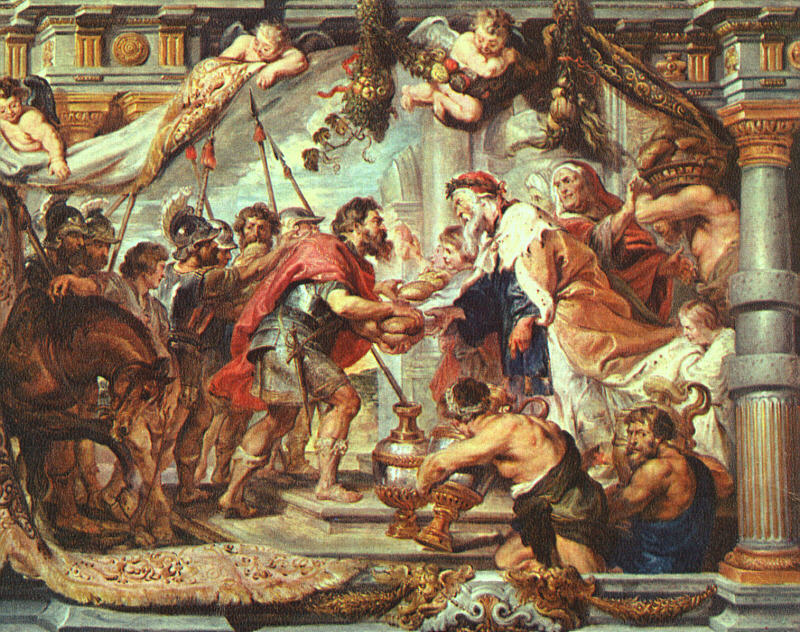
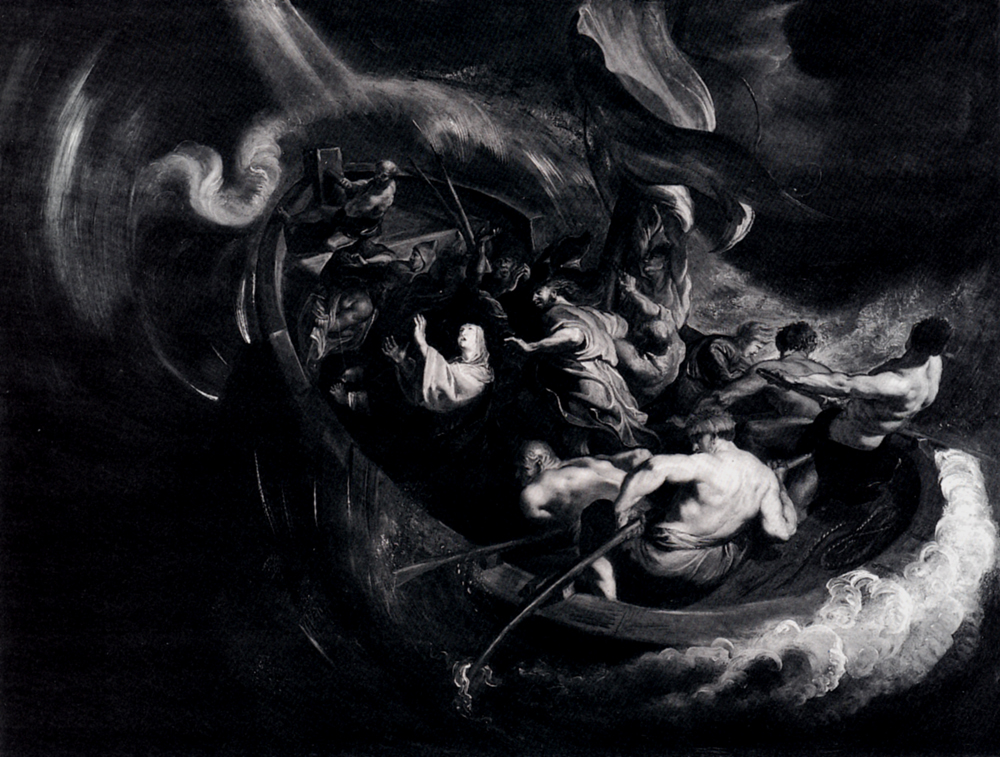
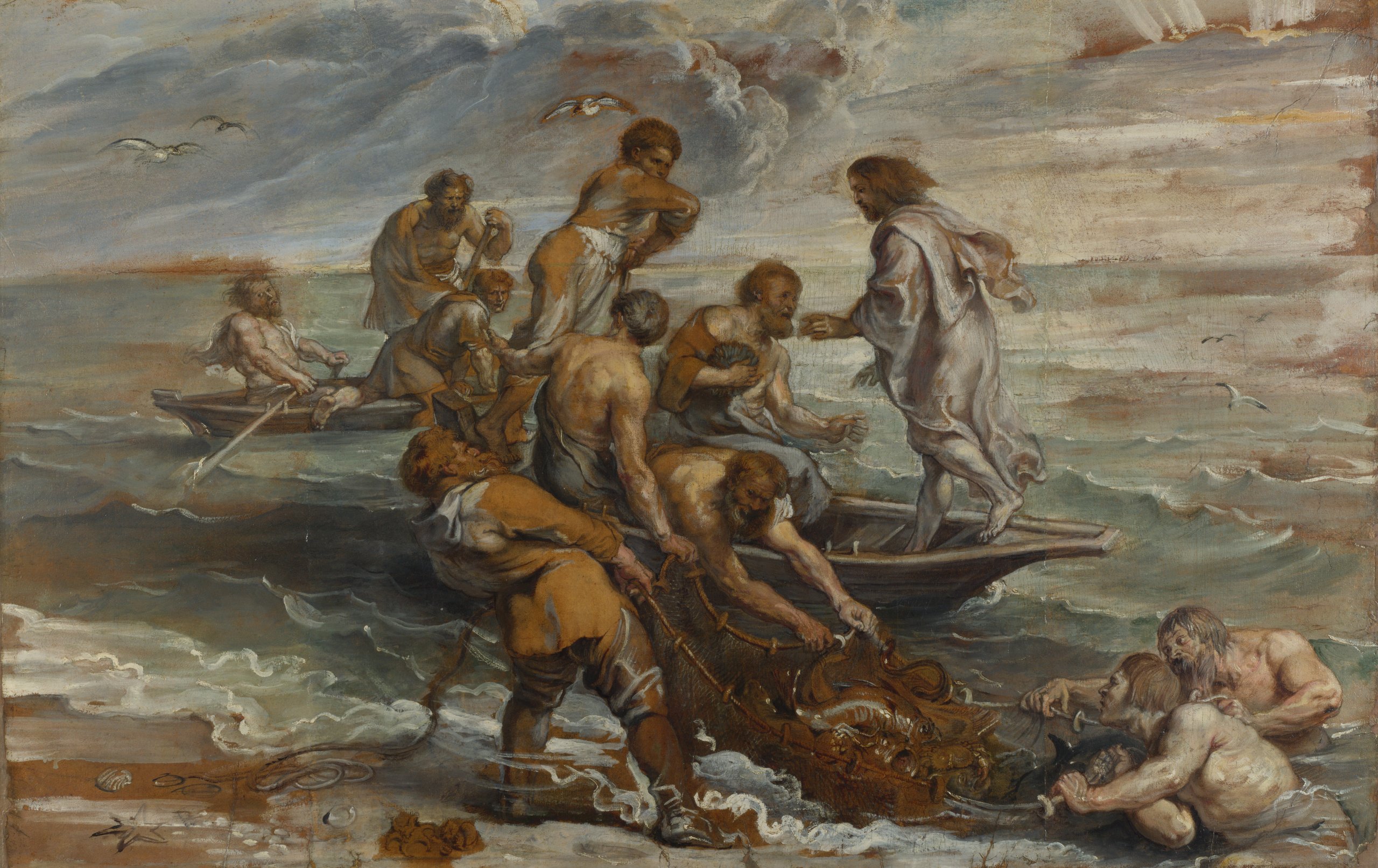
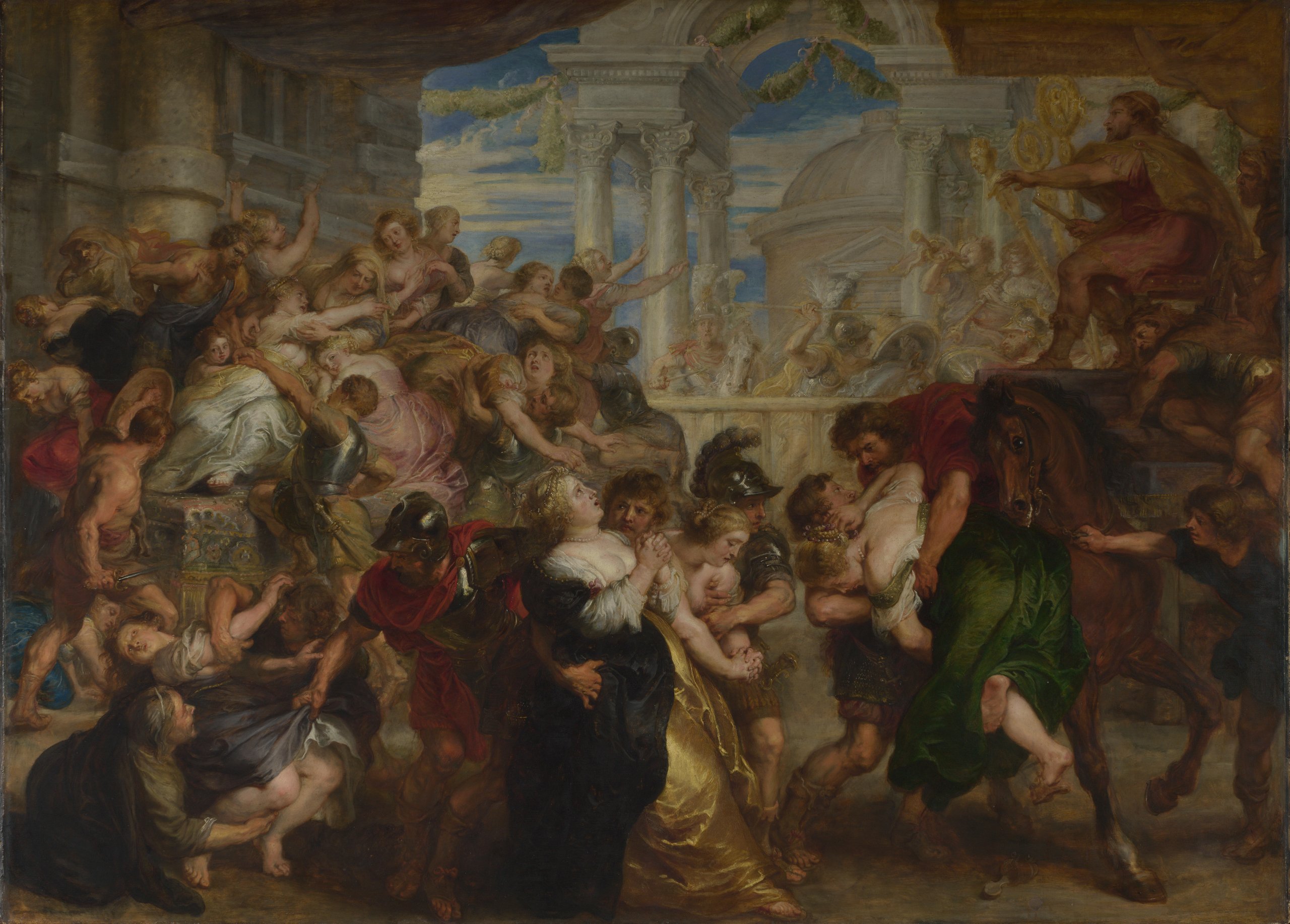
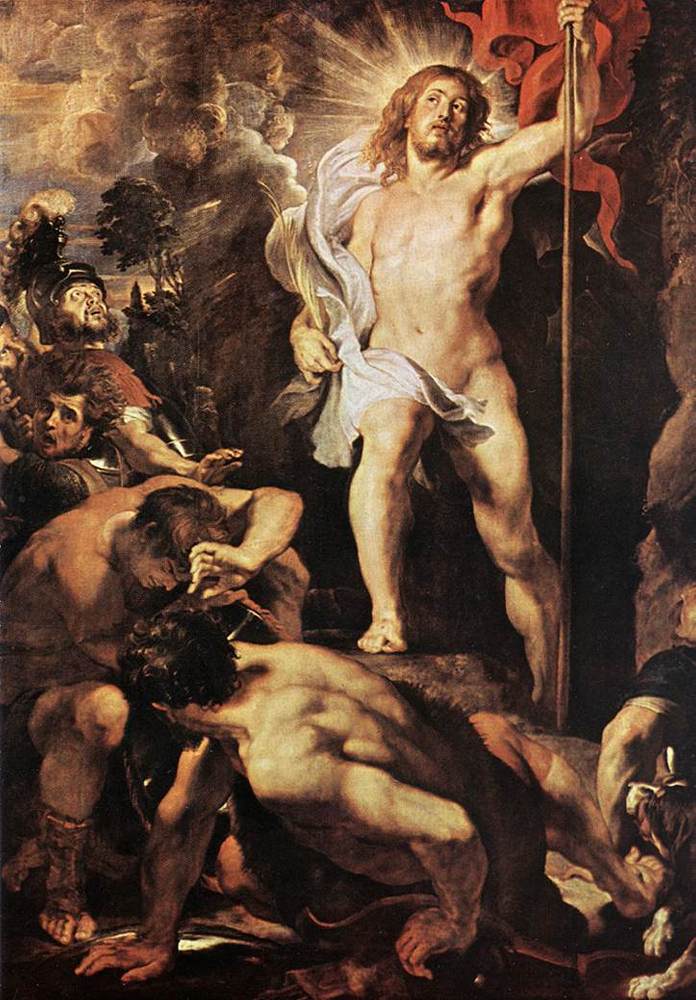
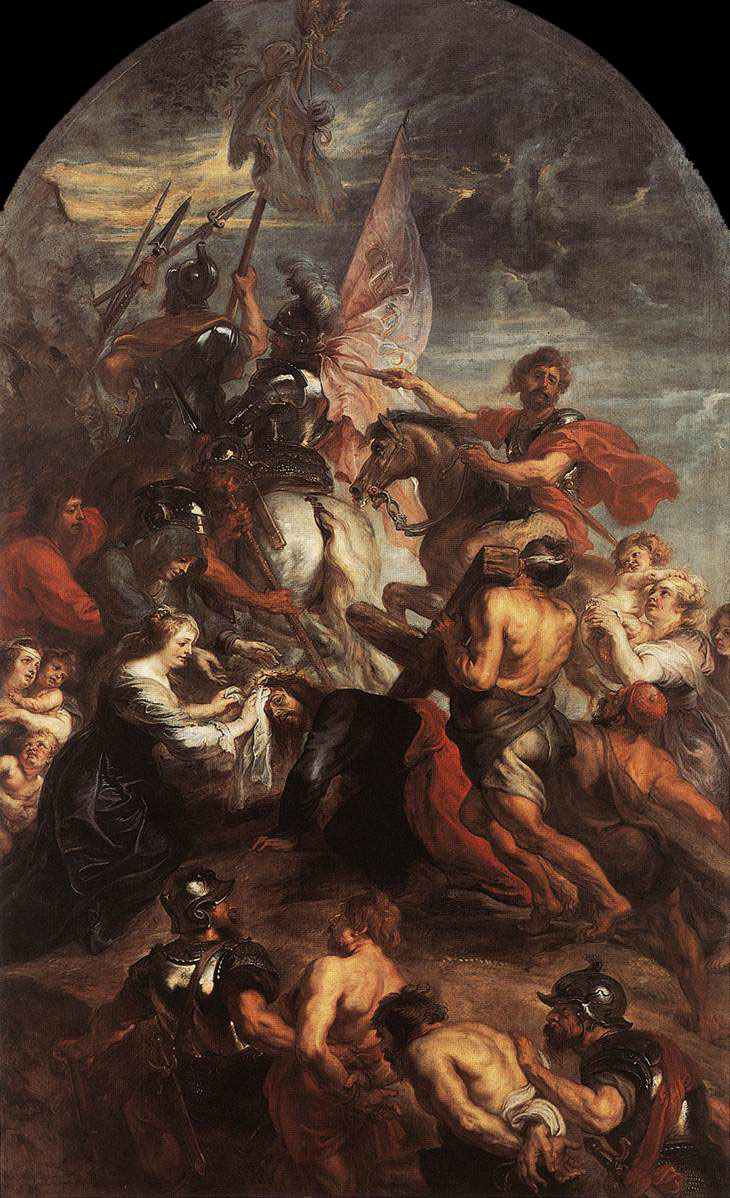
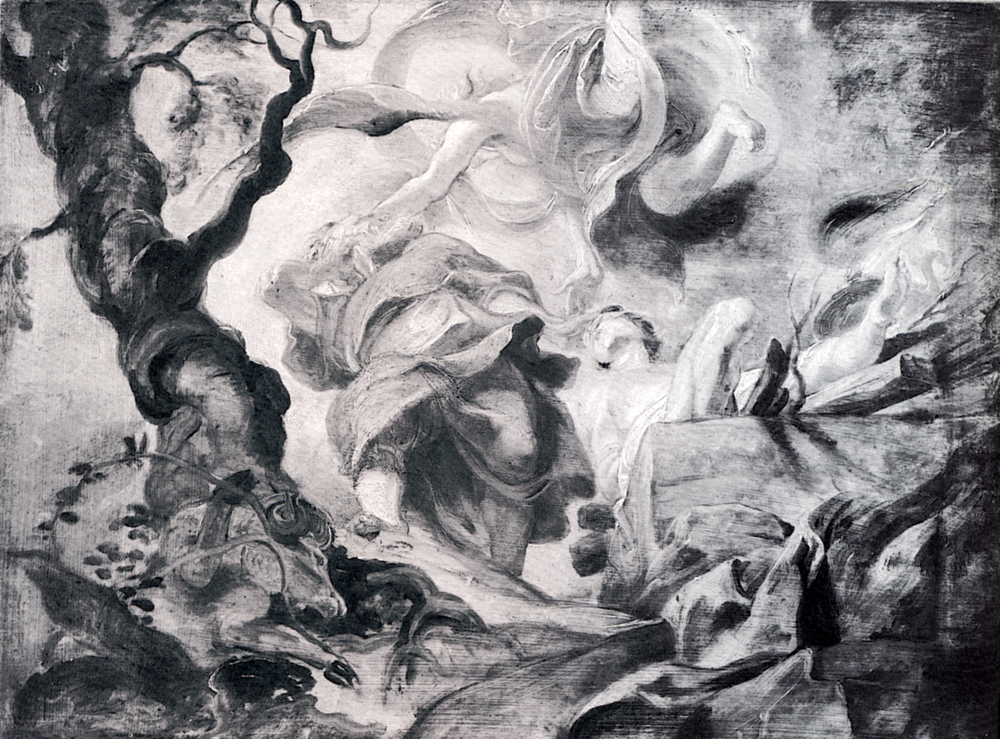
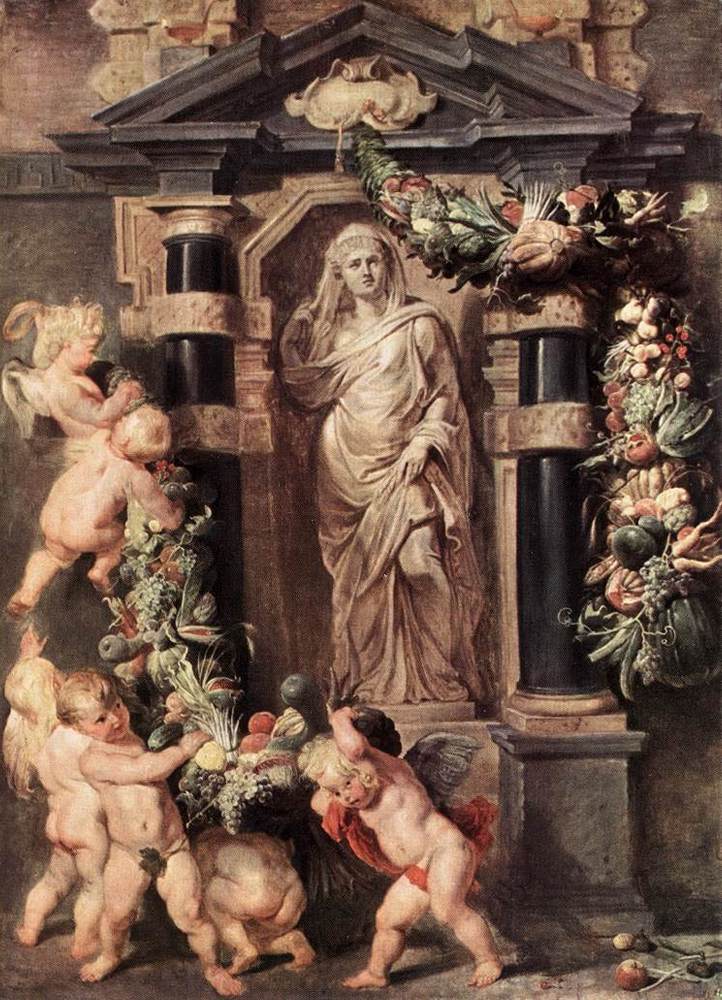
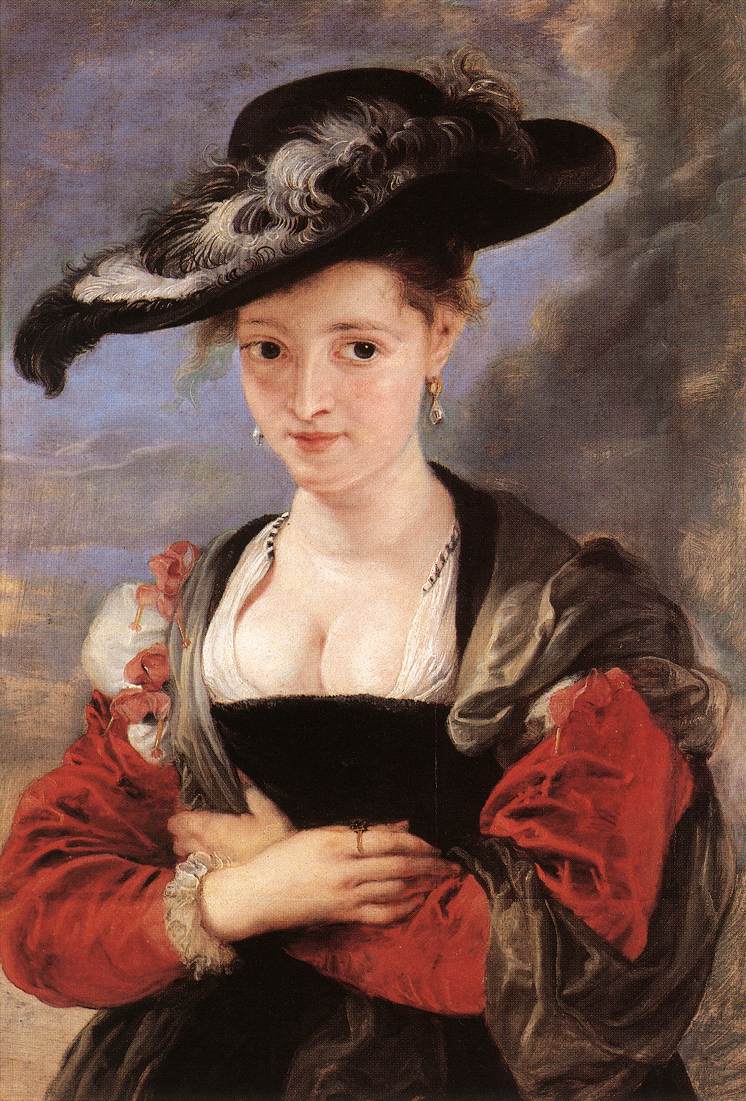
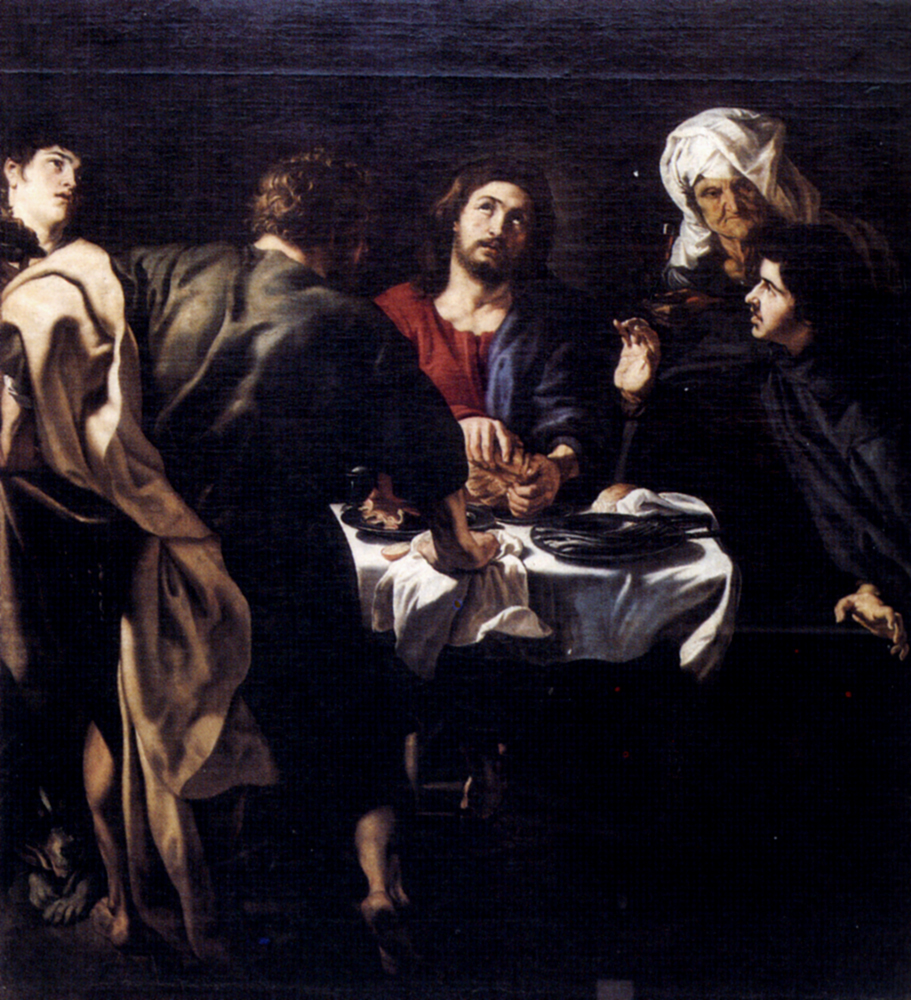
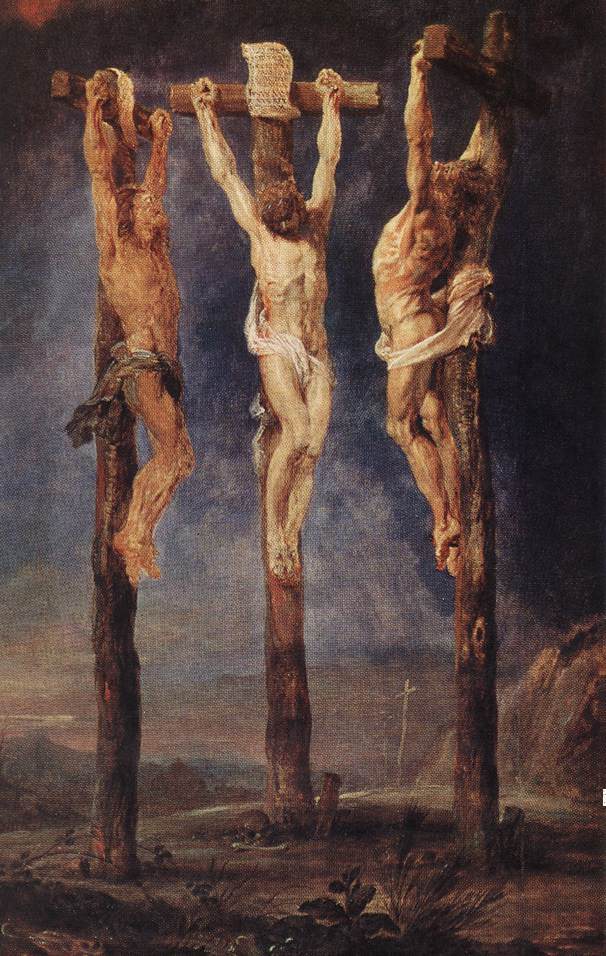
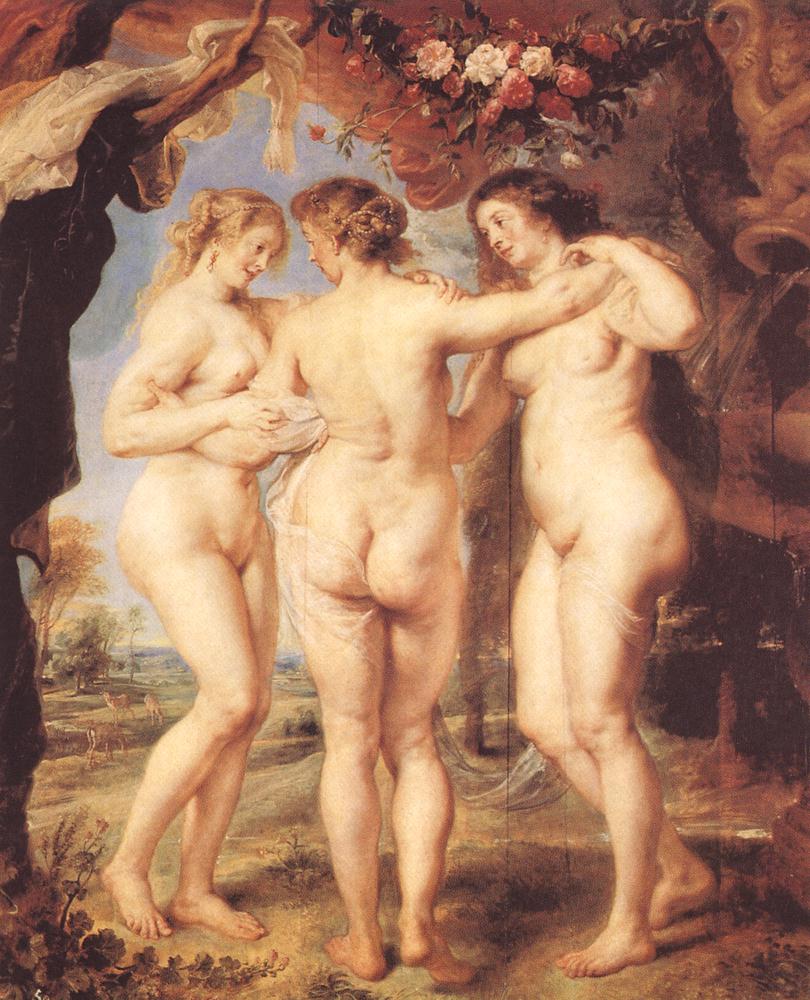
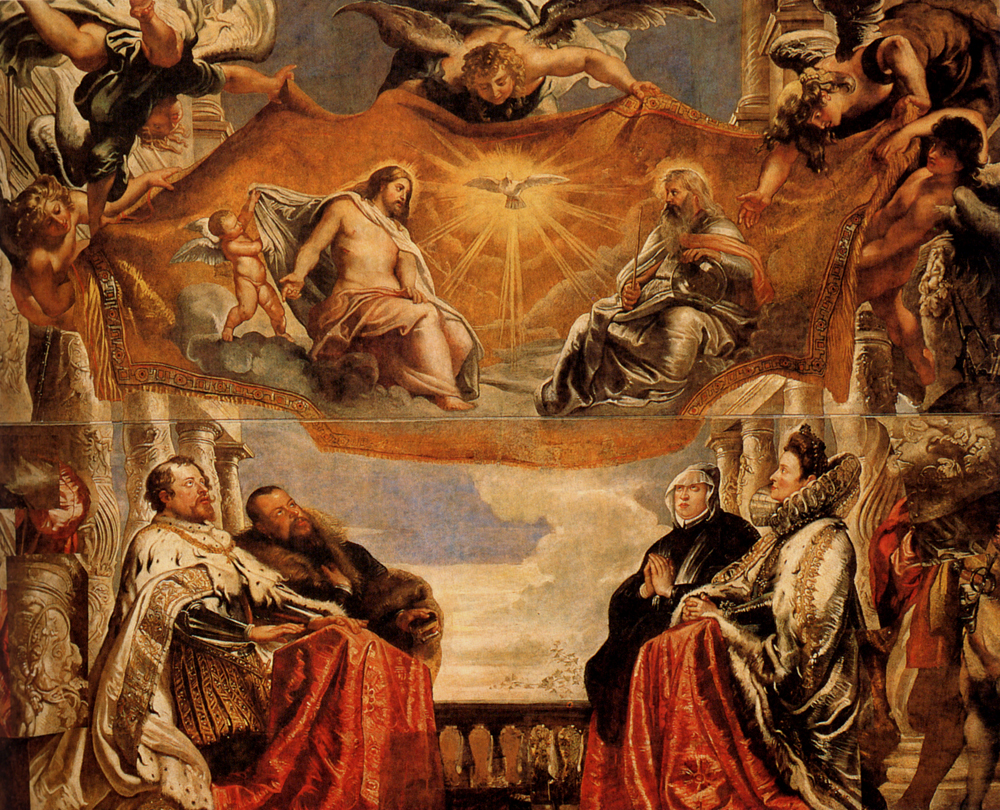
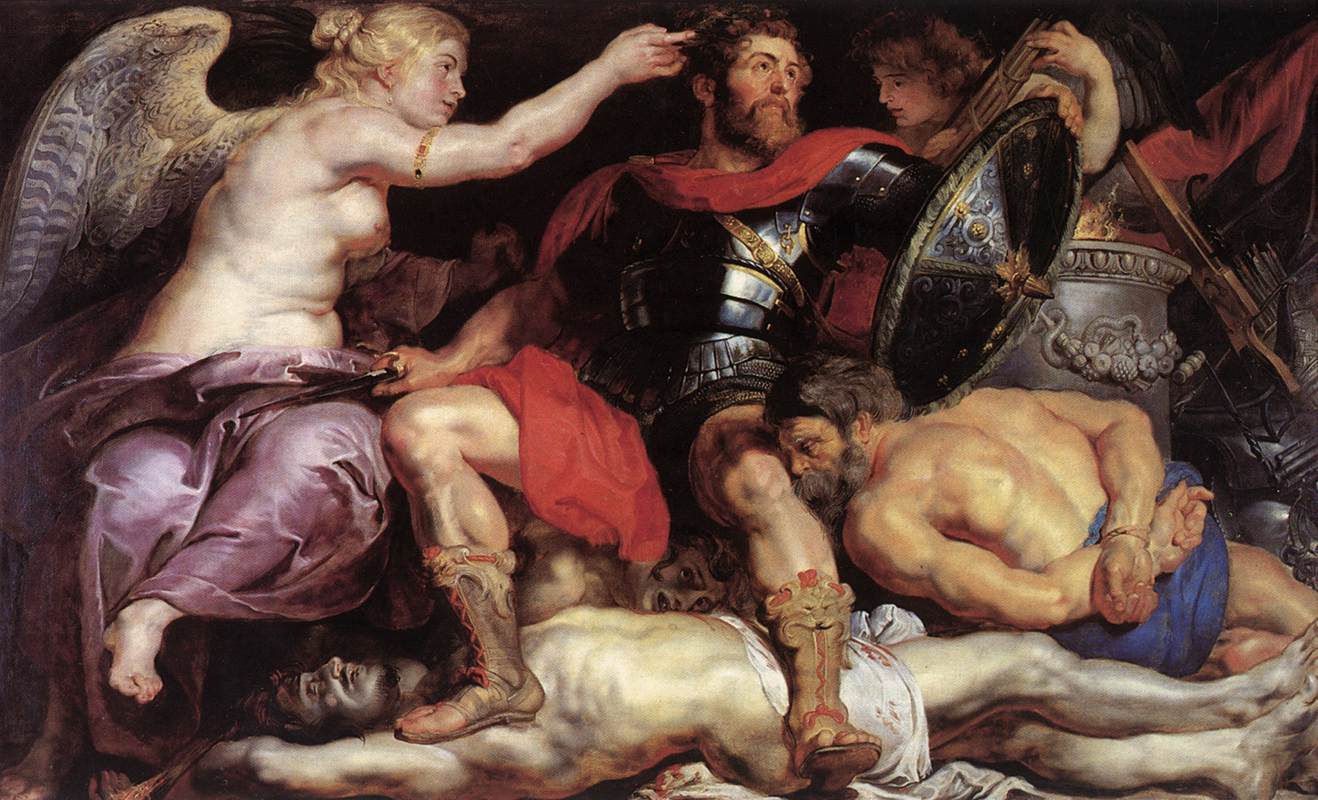
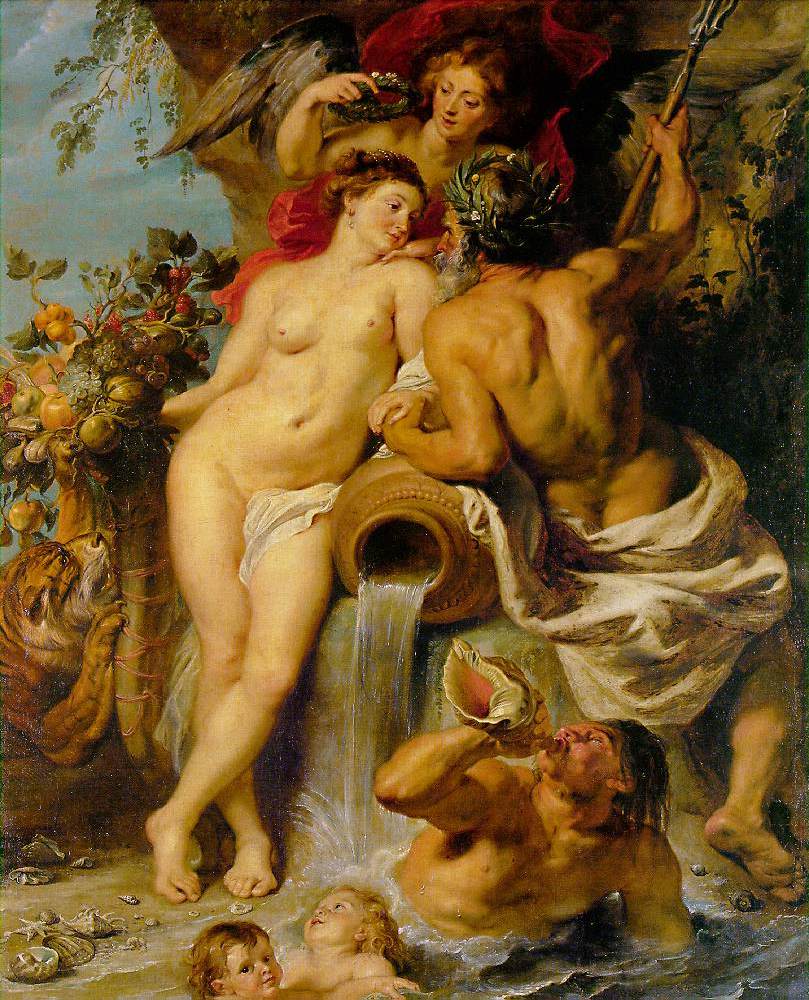
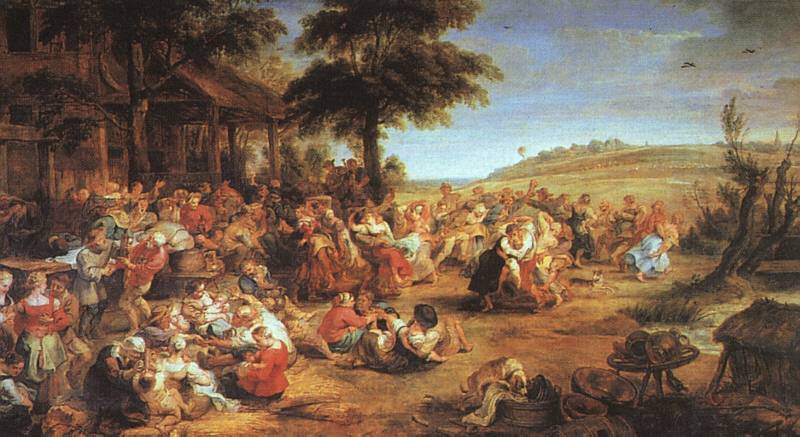
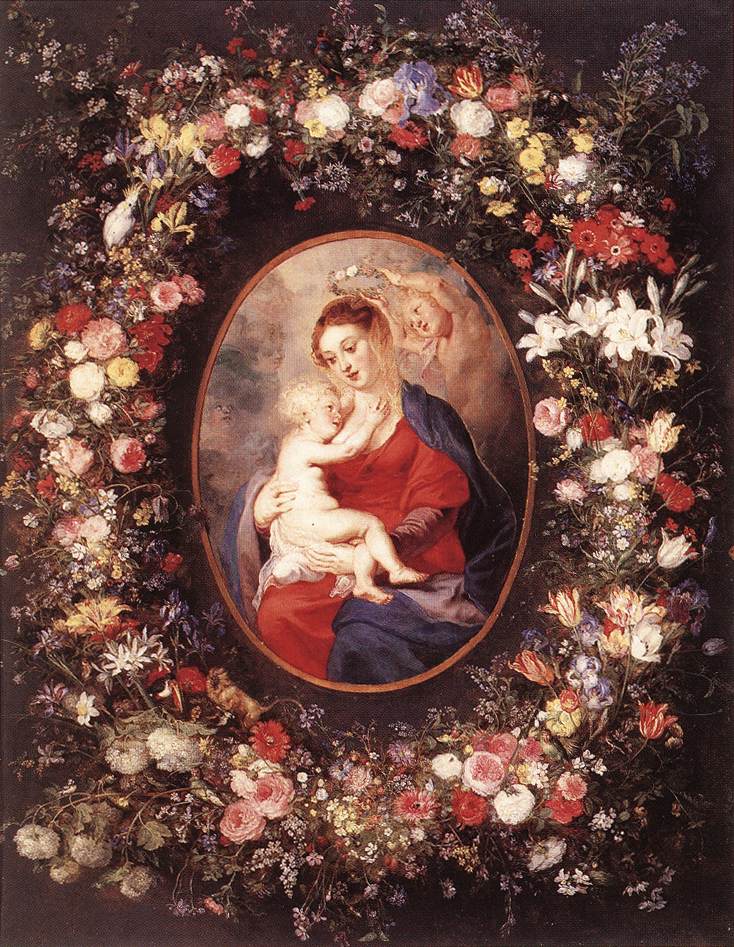
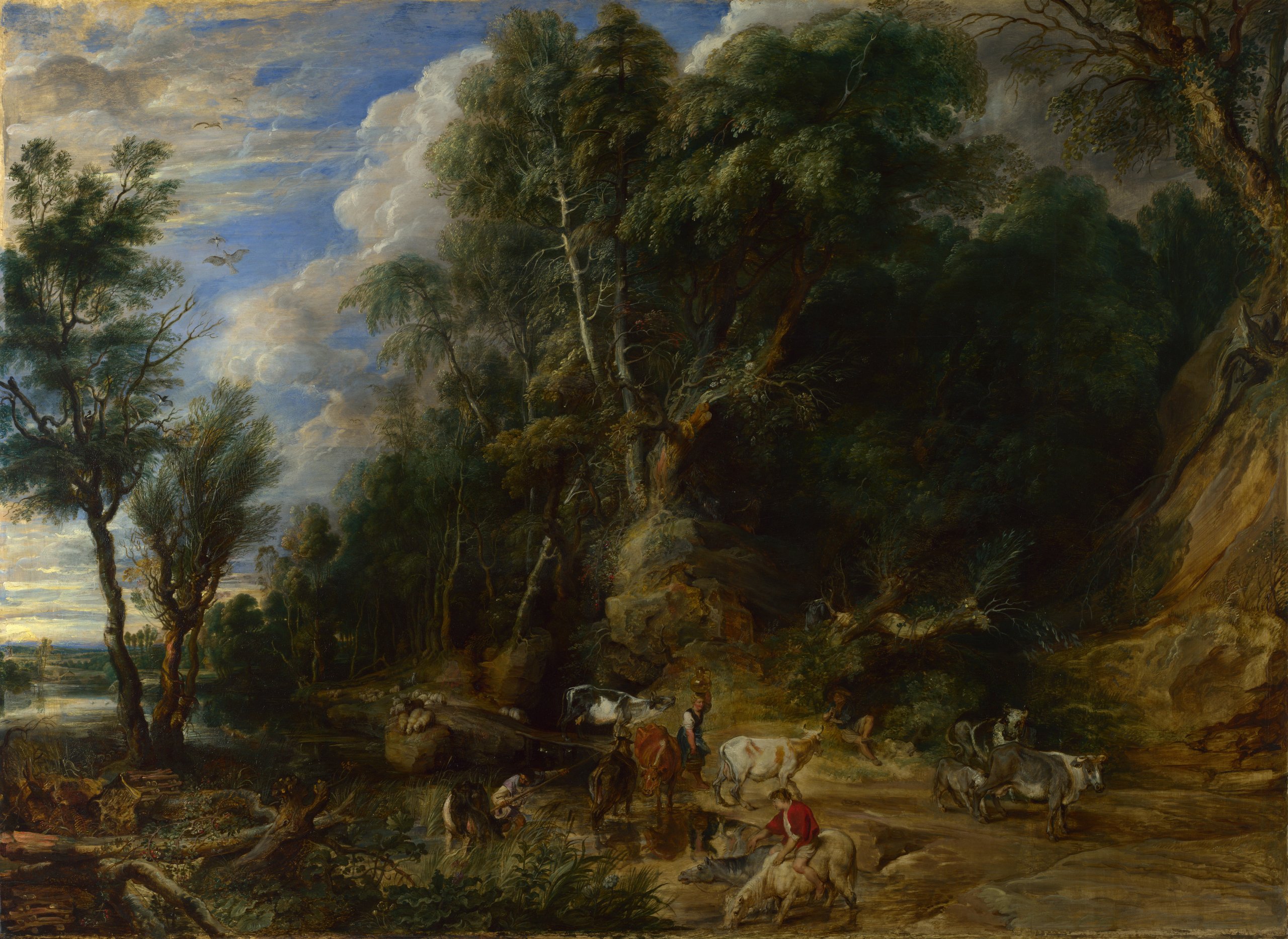
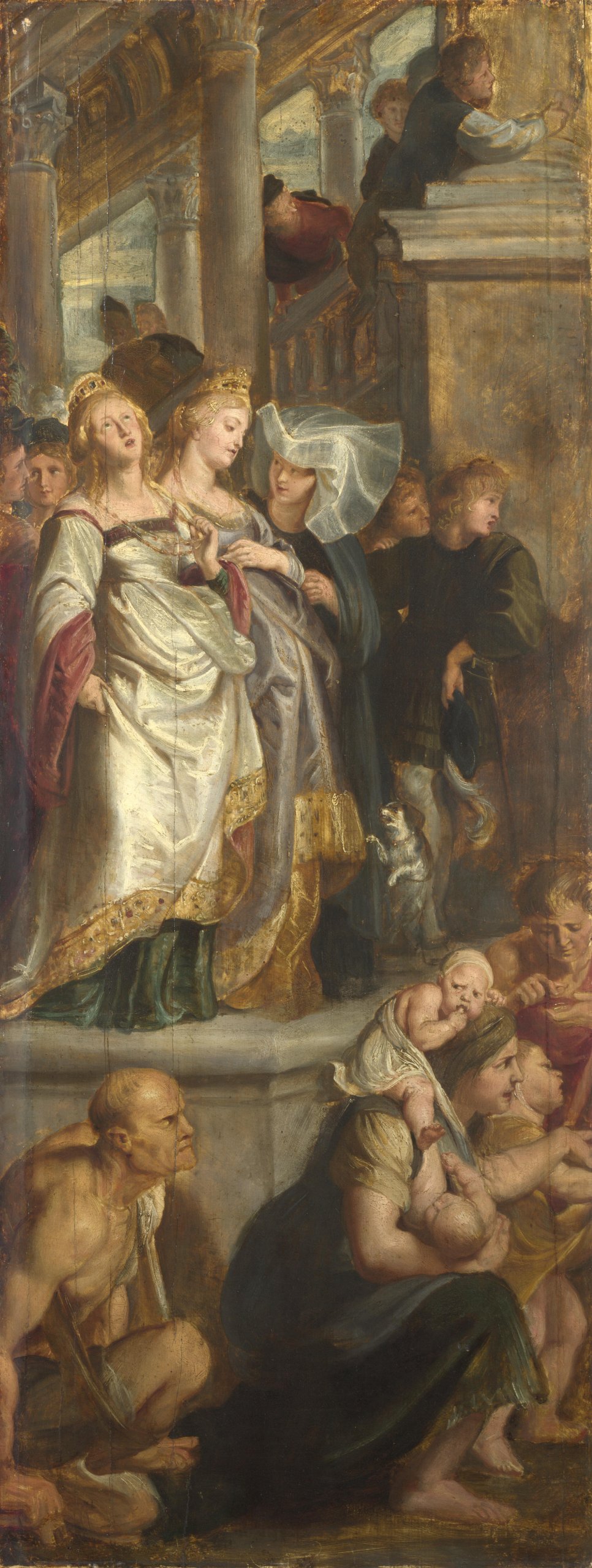
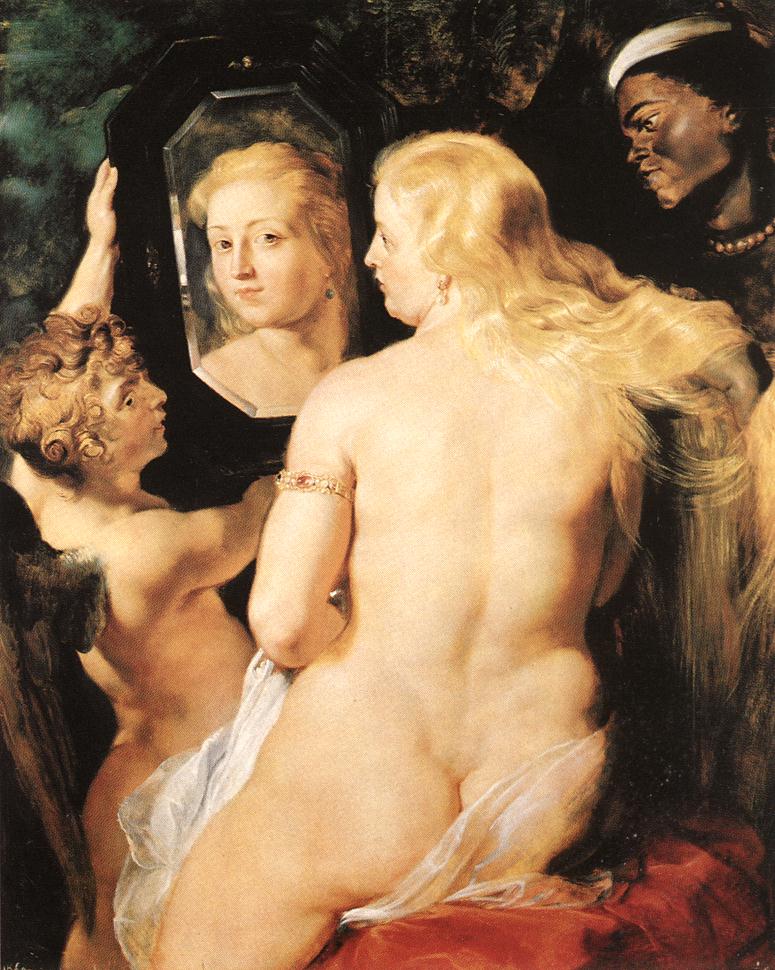
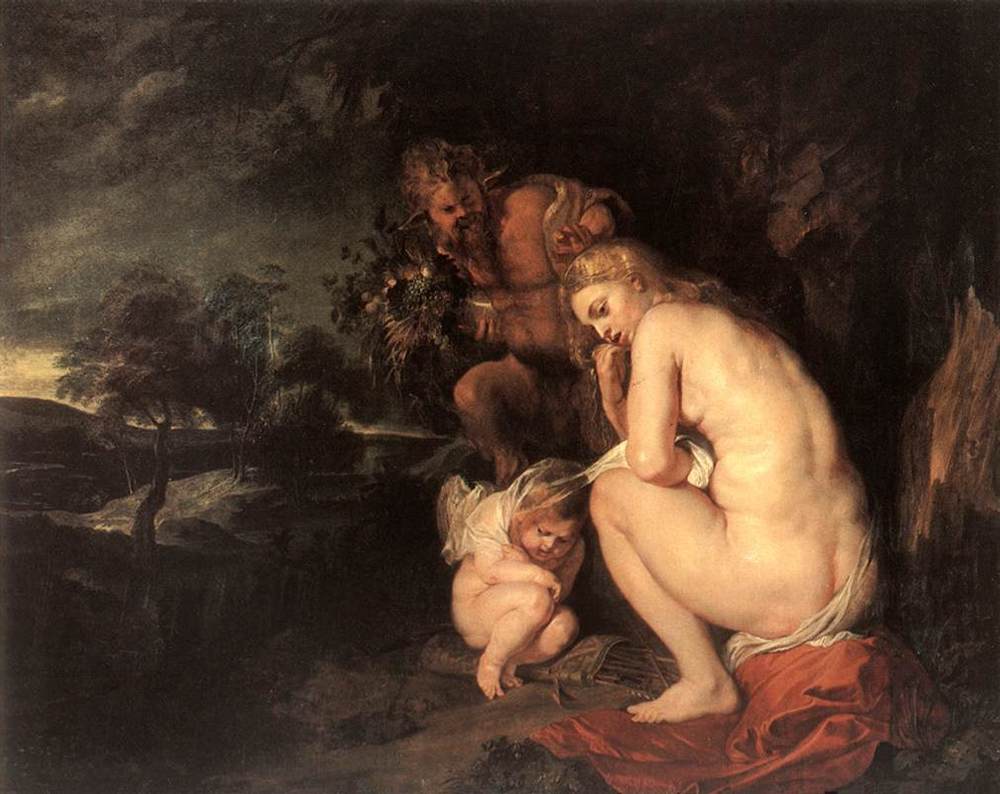
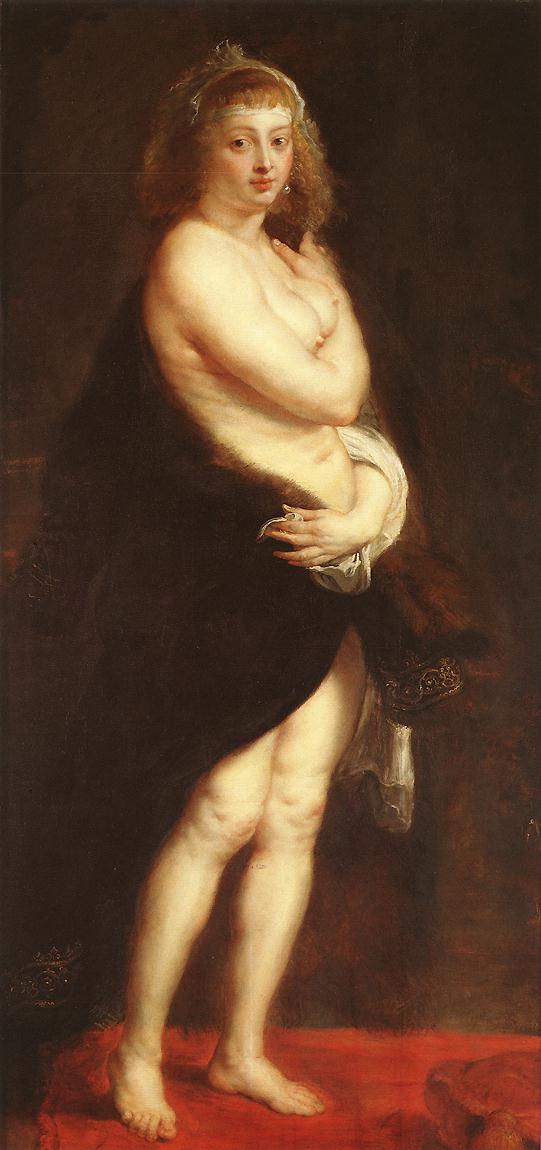
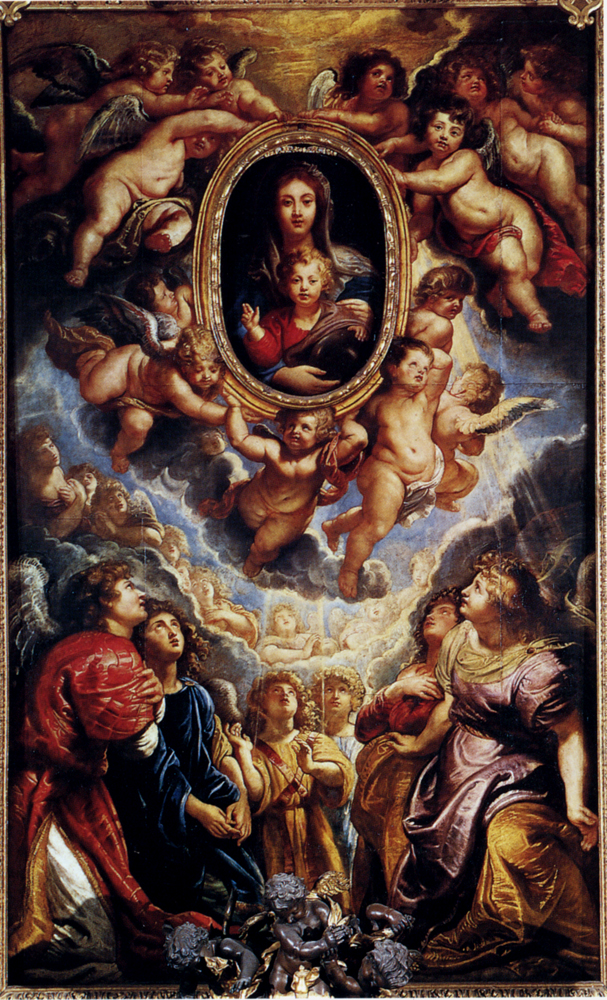
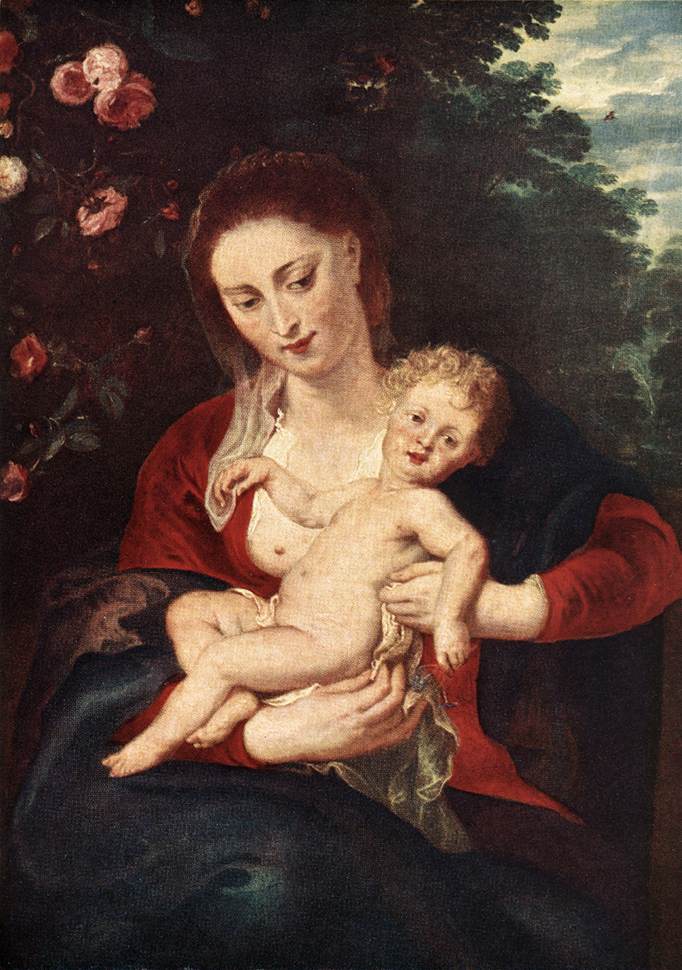
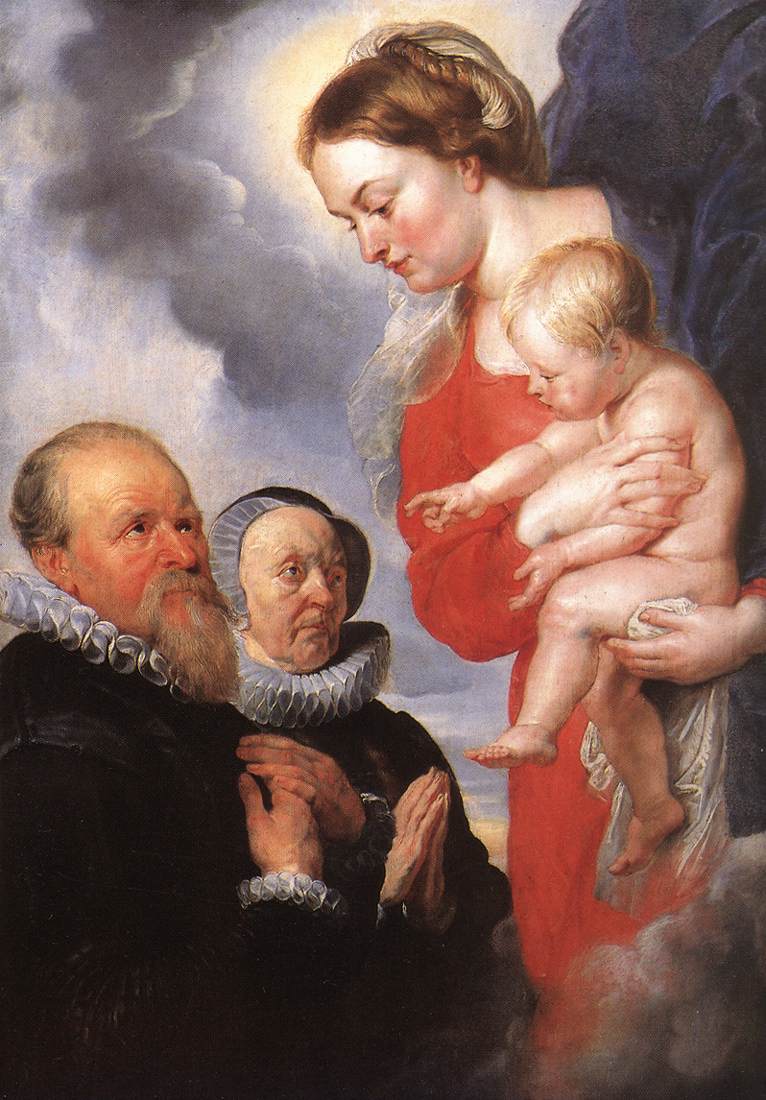
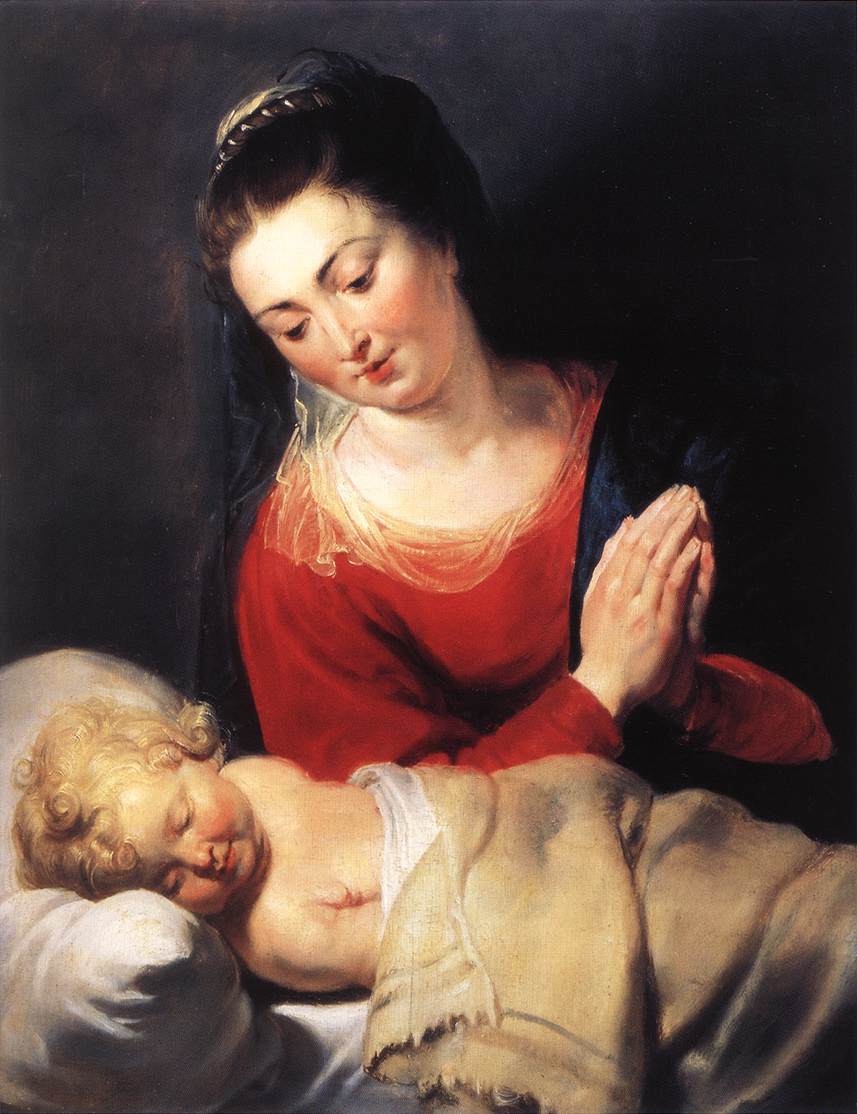
Peter Paul Rubens was born in 1577 in Siegen, in present-day Germany, and became one of the greatest painters of the Baroque period. Raised in Antwerp, he received extensive artistic training and quickly gained recognition for his dynamic style. Rubens is known for his dramatic compositions, vibrant color, and energetic movement. His paintings often depict mythological, religious, and historical subjects with powerful emotional intensity.
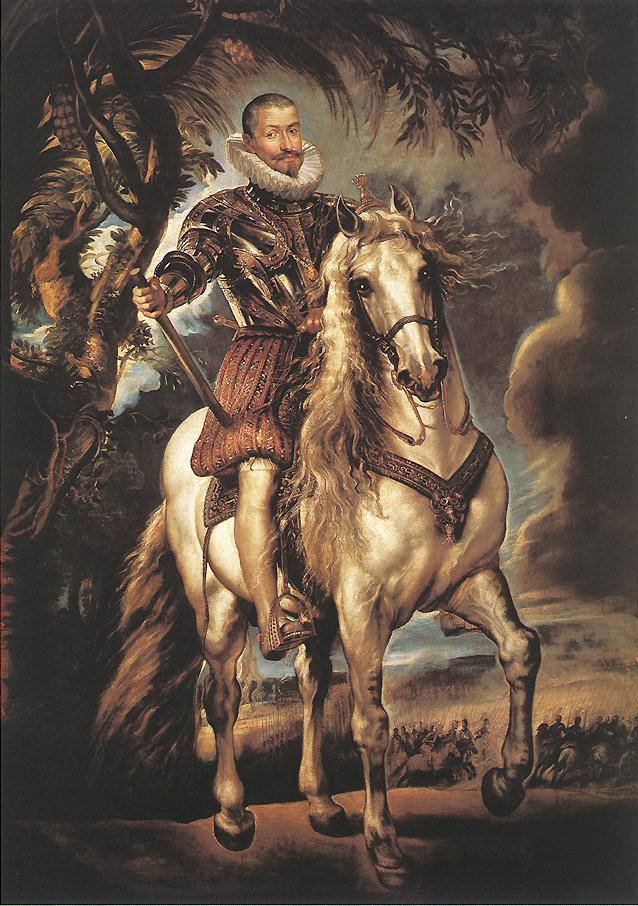
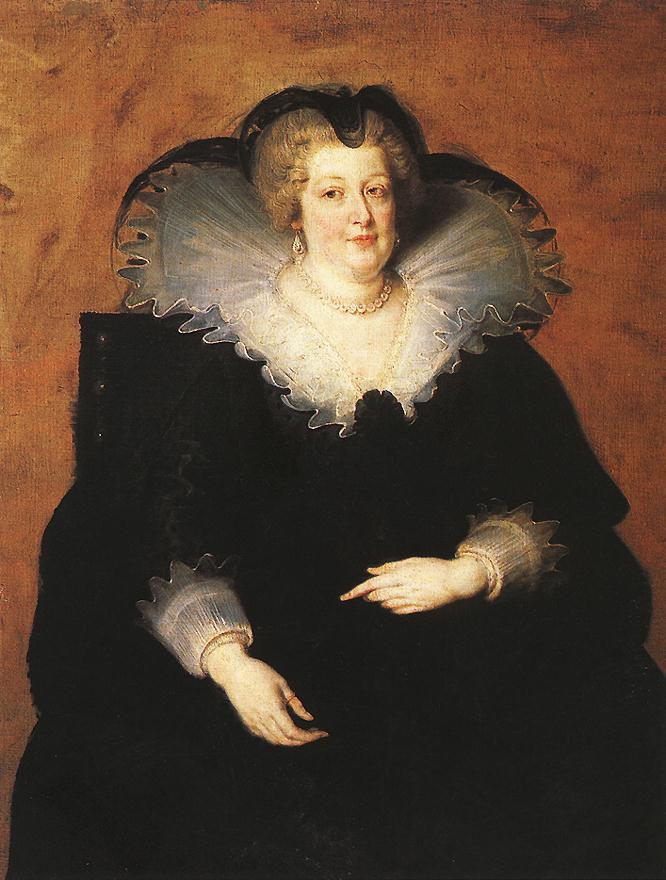
Rubens traveled widely across Europe, working for kings, diplomats, and religious patrons. He also served as a diplomat, balancing political duties with an exceptionally productive artistic career. His large workshop in Antwerp helped produce numerous commissions while spreading his influence across the continent. Rubens’ style celebrated vitality, grandeur, and the expressive possibilities of paint. He died in 1640. Today, he is regarded as one of the defining masters of Baroque art and a central figure in European painting.