Edouard Manet
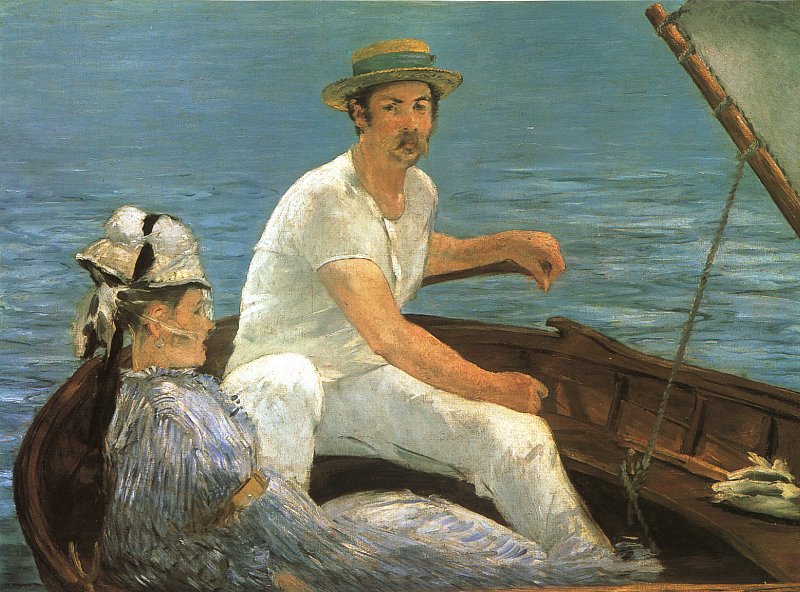
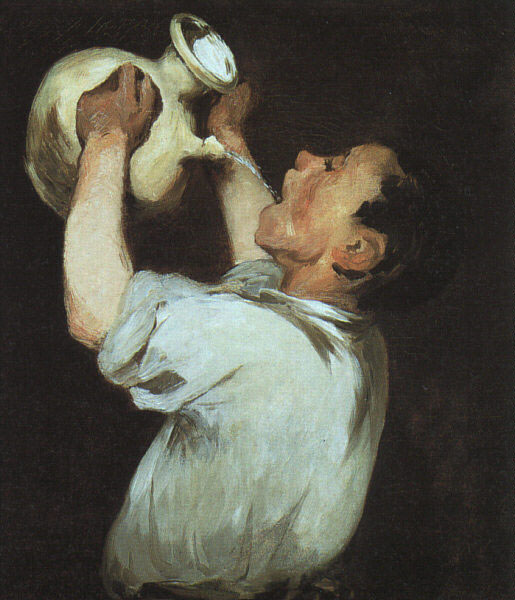
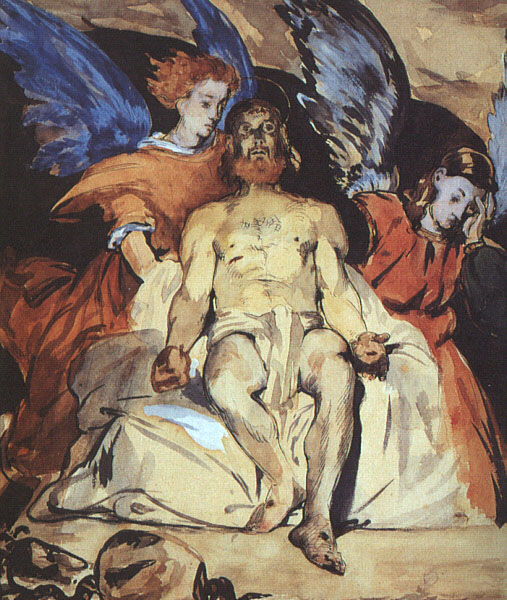
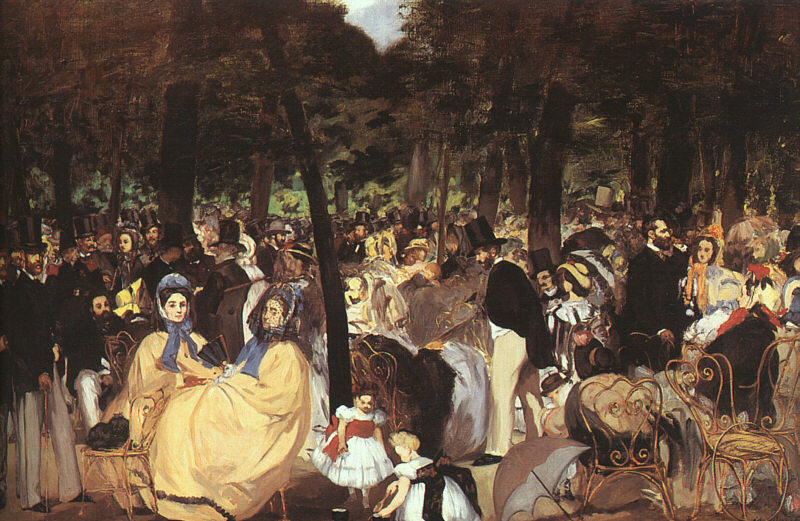
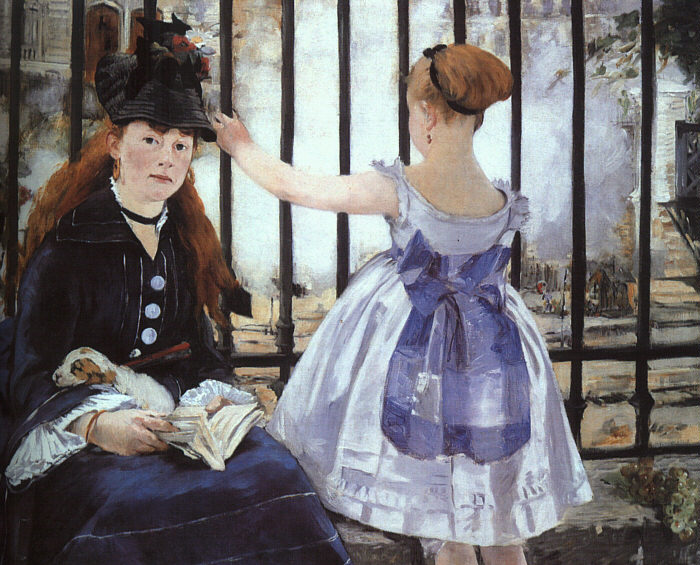
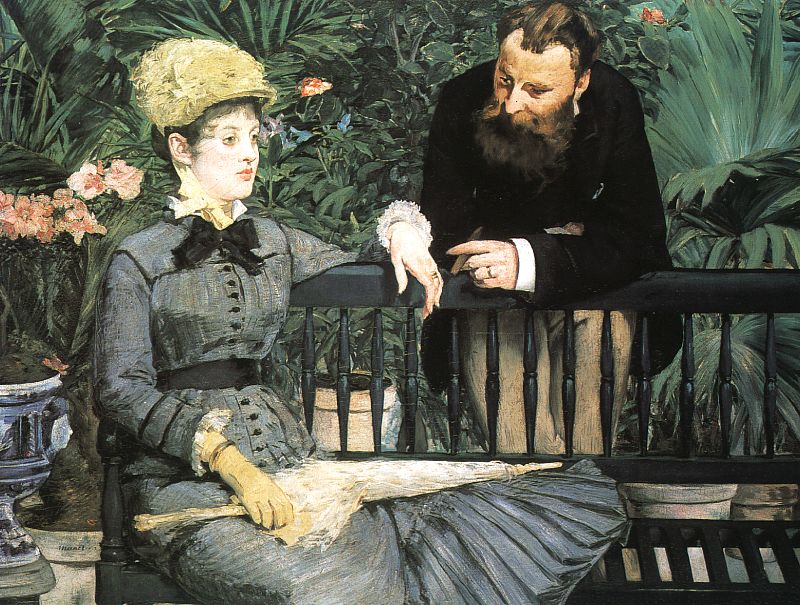
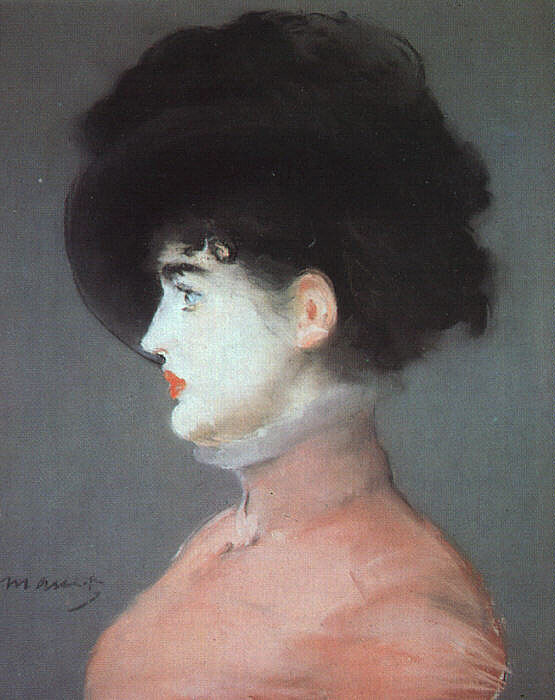
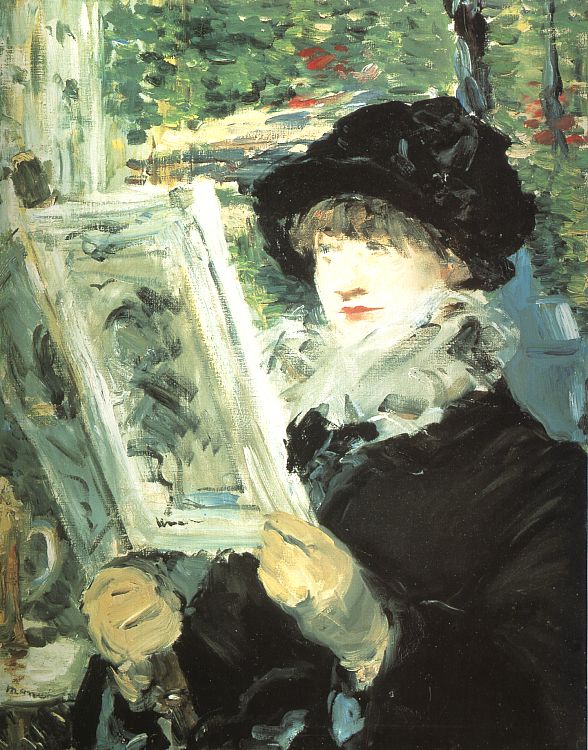
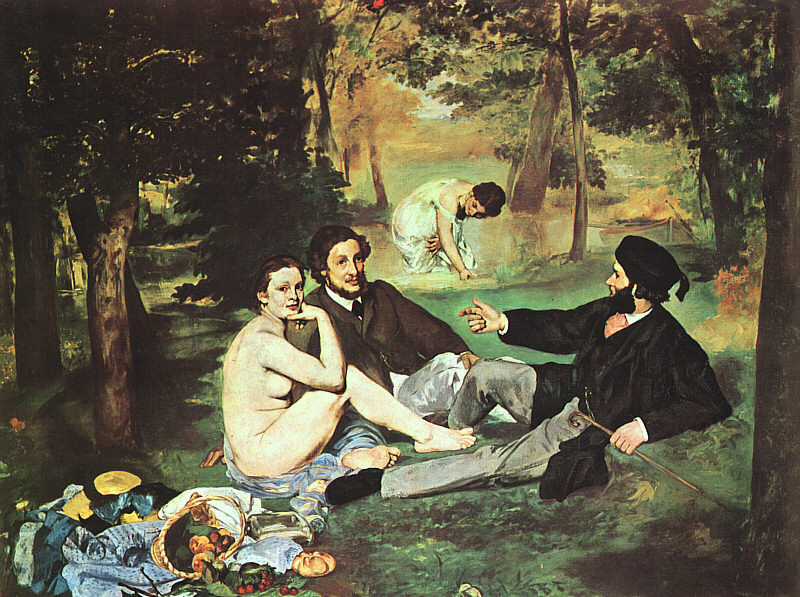
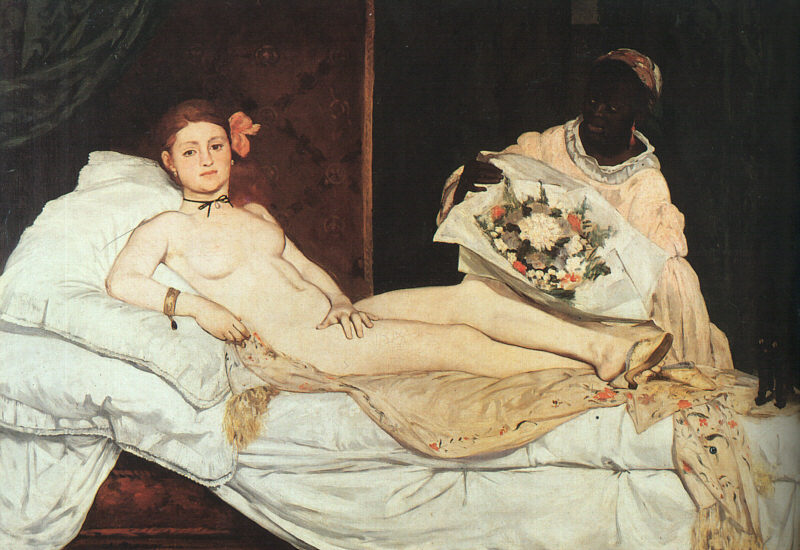
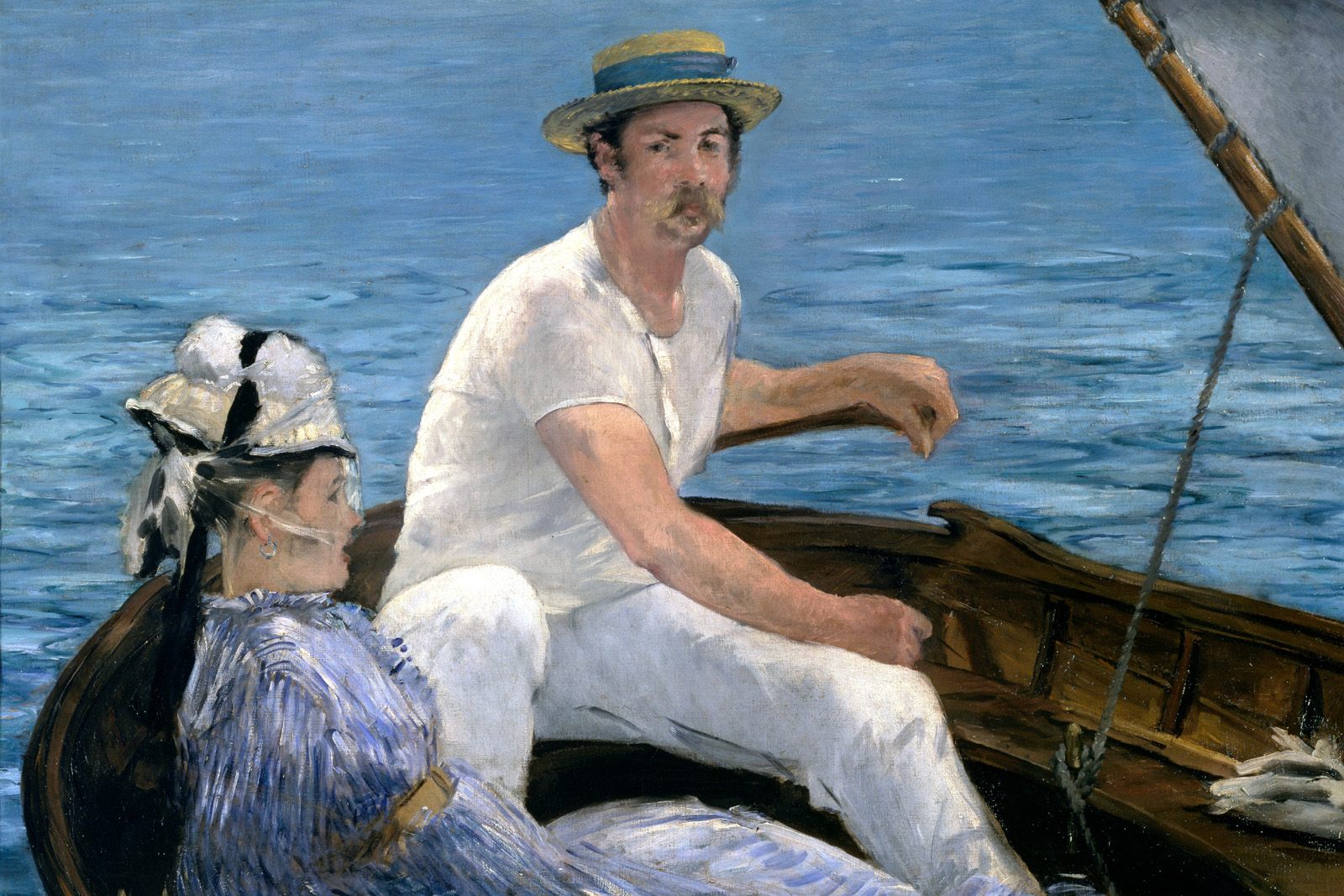
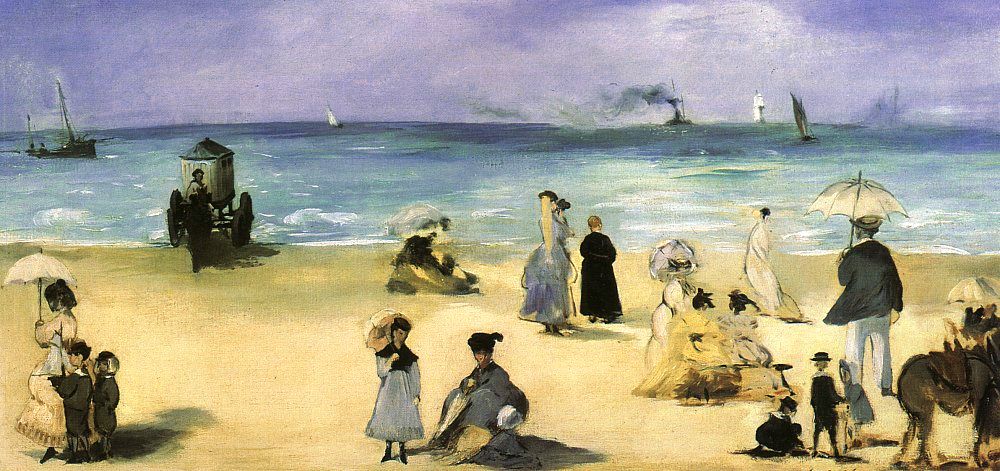
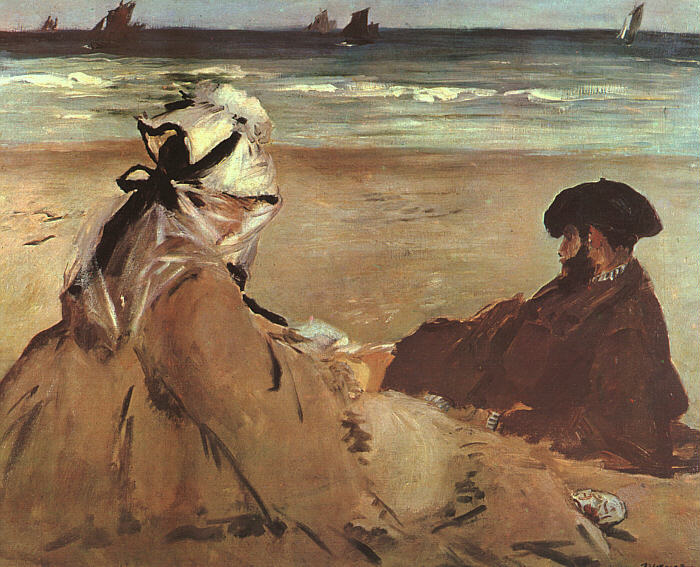
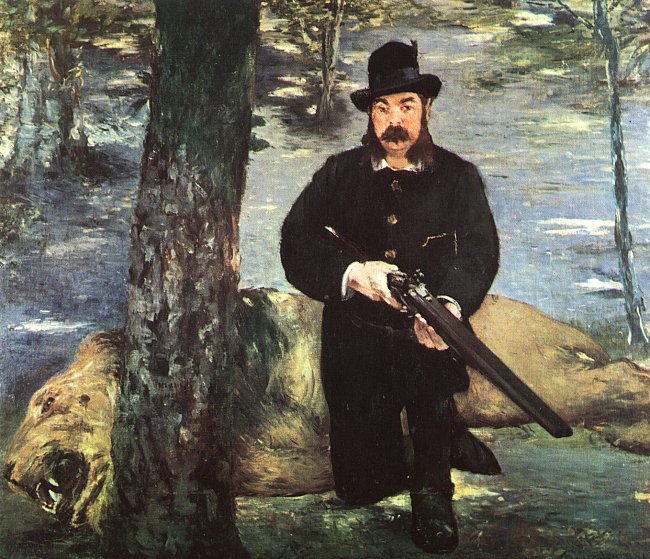
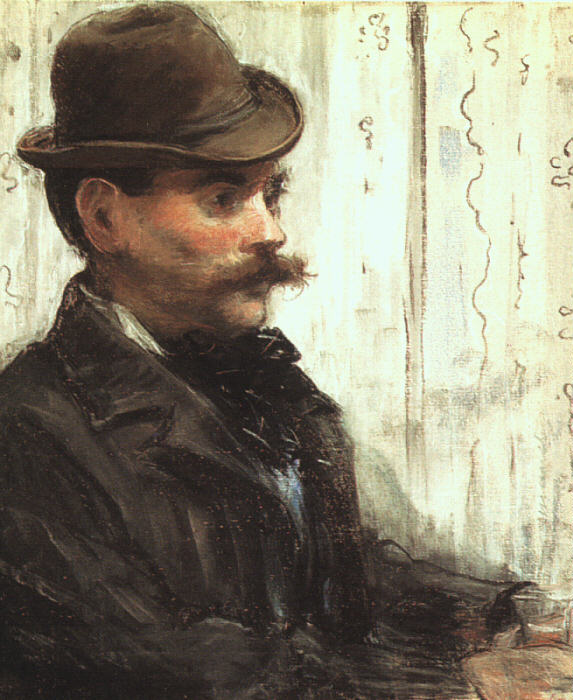
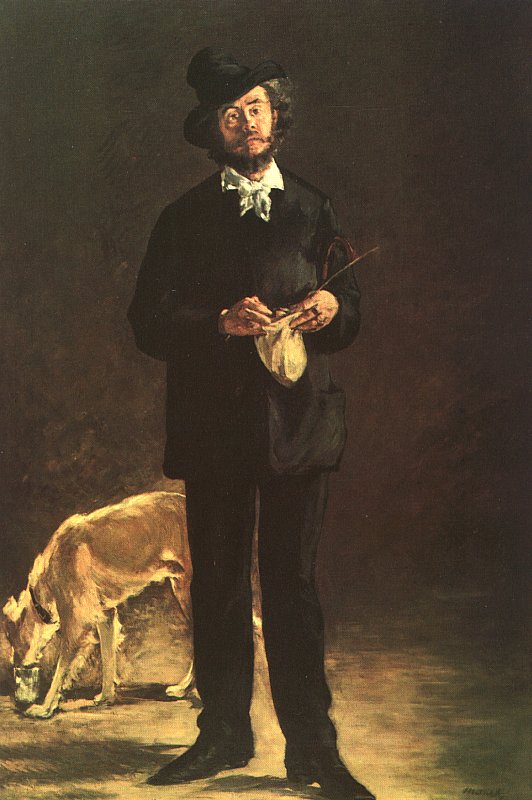
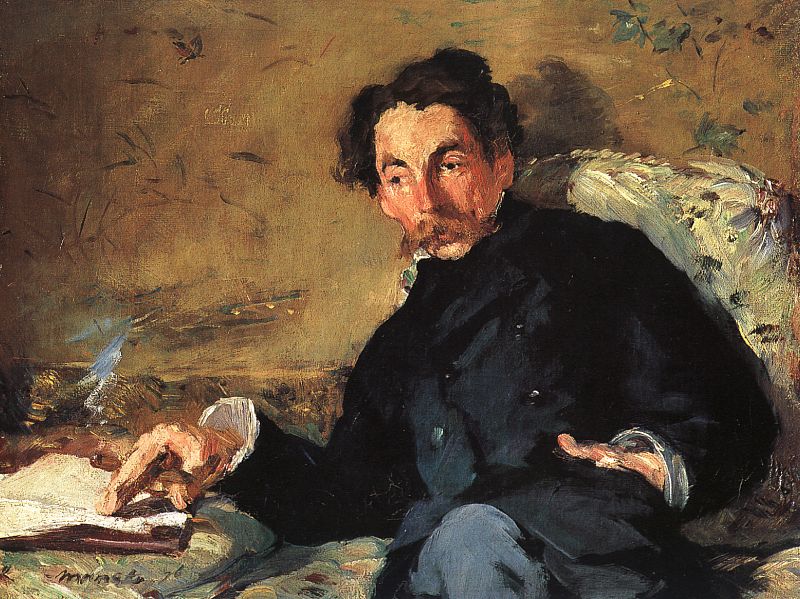
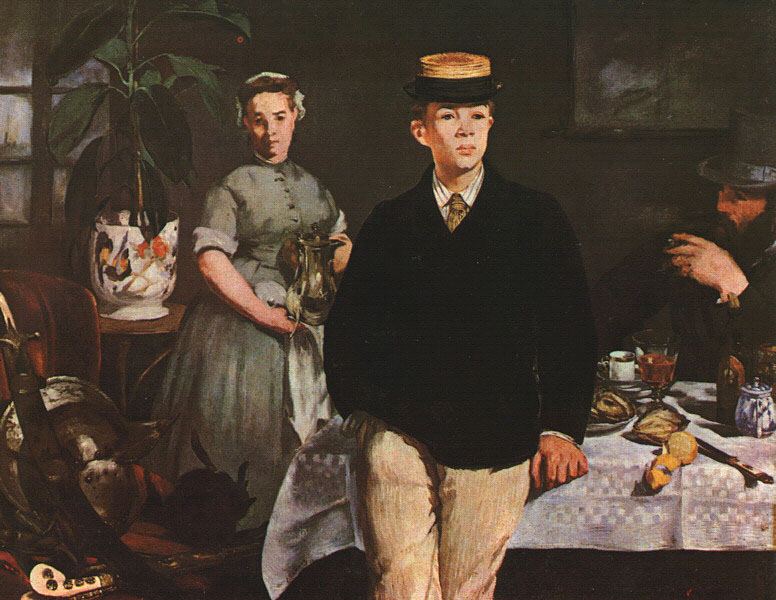
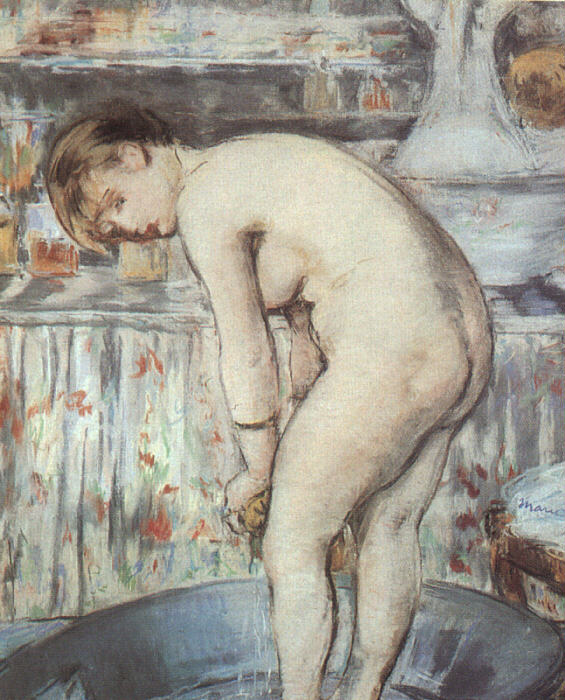
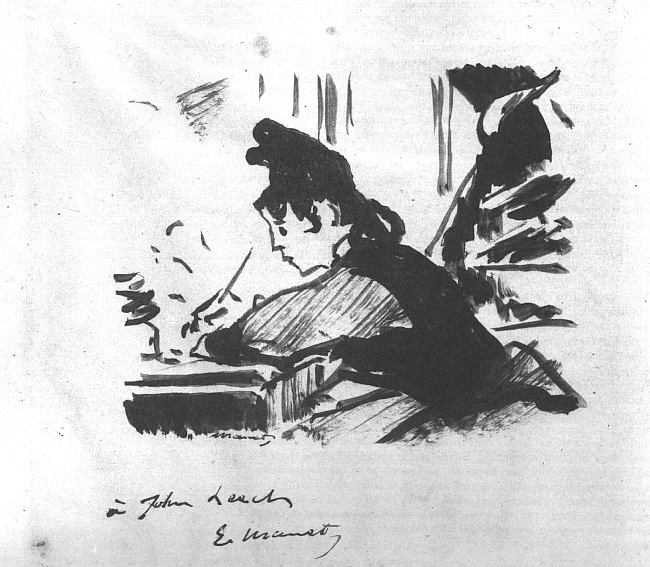
Edouard Manet (b.1832-d.1883) was a noted French painter whose work inspired the impressionist style He was a pivotal figure in the transition from Realism to Impressionism. His early masterworks "The Luncheon on the Grass" and "Olympia" engendered great controversy, and served as rallying points for the young painters who would create Impressionism.
Edouard Manet was born in Paris to an affluent and well connected family. His mother, Eugenie-Desiree Fournier, was the goddaughter of a Swedish prince, and his father, Auguste Manet, was a French judge. To avoid studying law, as his father wished, Manet went to sea. After failing his naval examinations, Manet studied under the academic painter Thomas Couture from 1850 to 1856. He visited Germany, Italy, and the Netherlands to study the paintings of the old masters. During the visits he absorbed the influences of the Dutch painter Frans Hals and the Spanish artists Velasquez and De Goya.
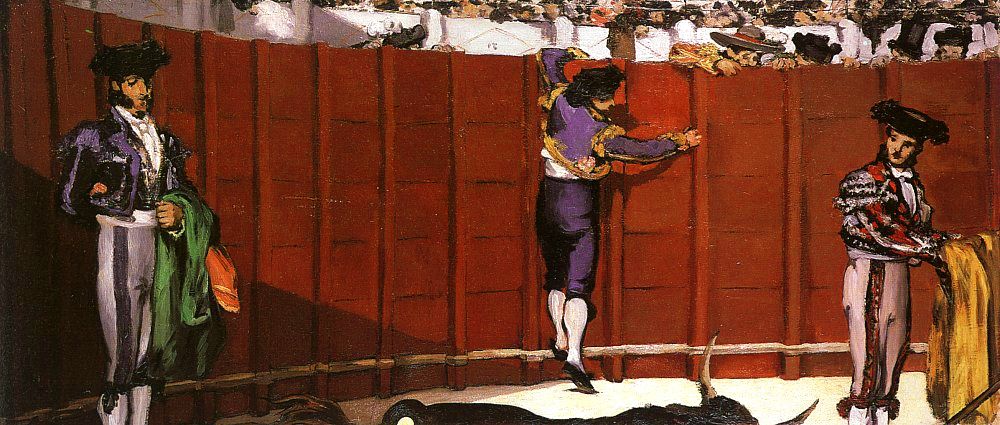
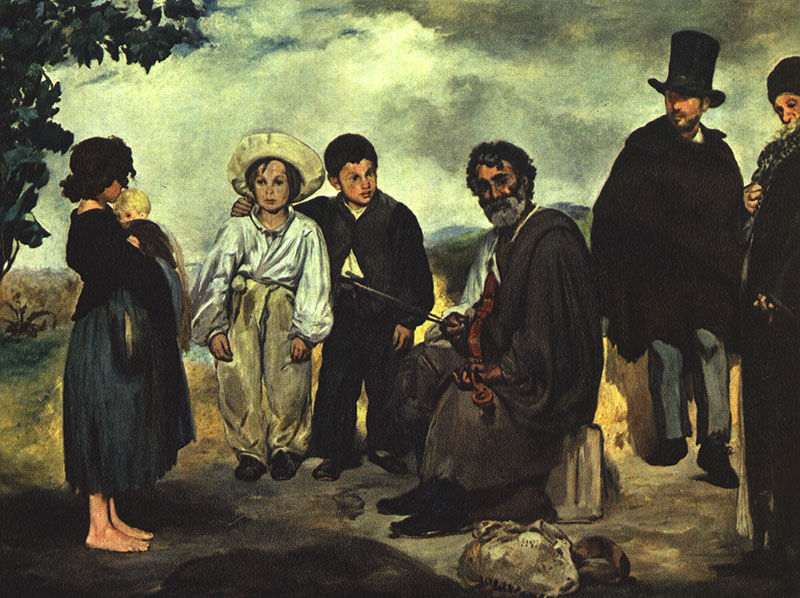
Soon after, he opened his own studio. Manet painted many everyday subjects like beggars, cafes, bullfights, and other events and scenery. He produced very few religious, mythological, or historical paintings. Adopting the current style of realism initiated by Gustave Courbet, he painted "The Absinthe Drinker".
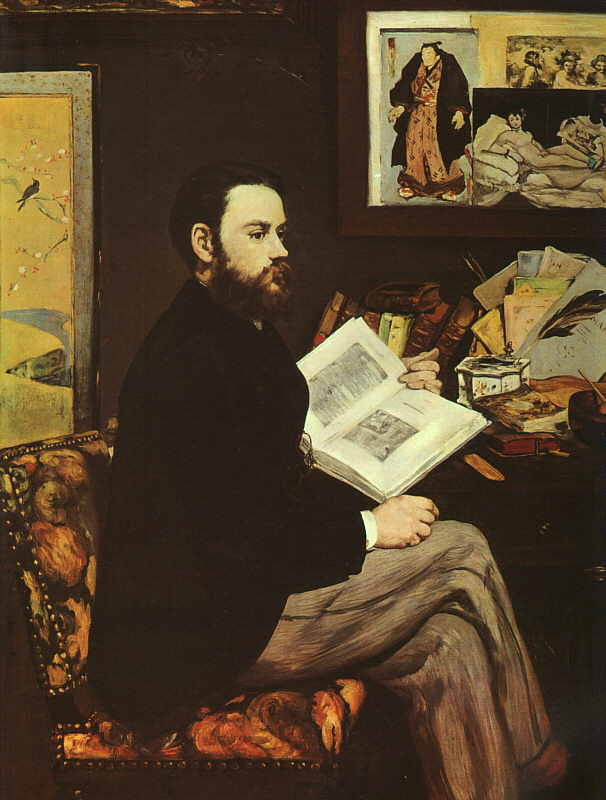
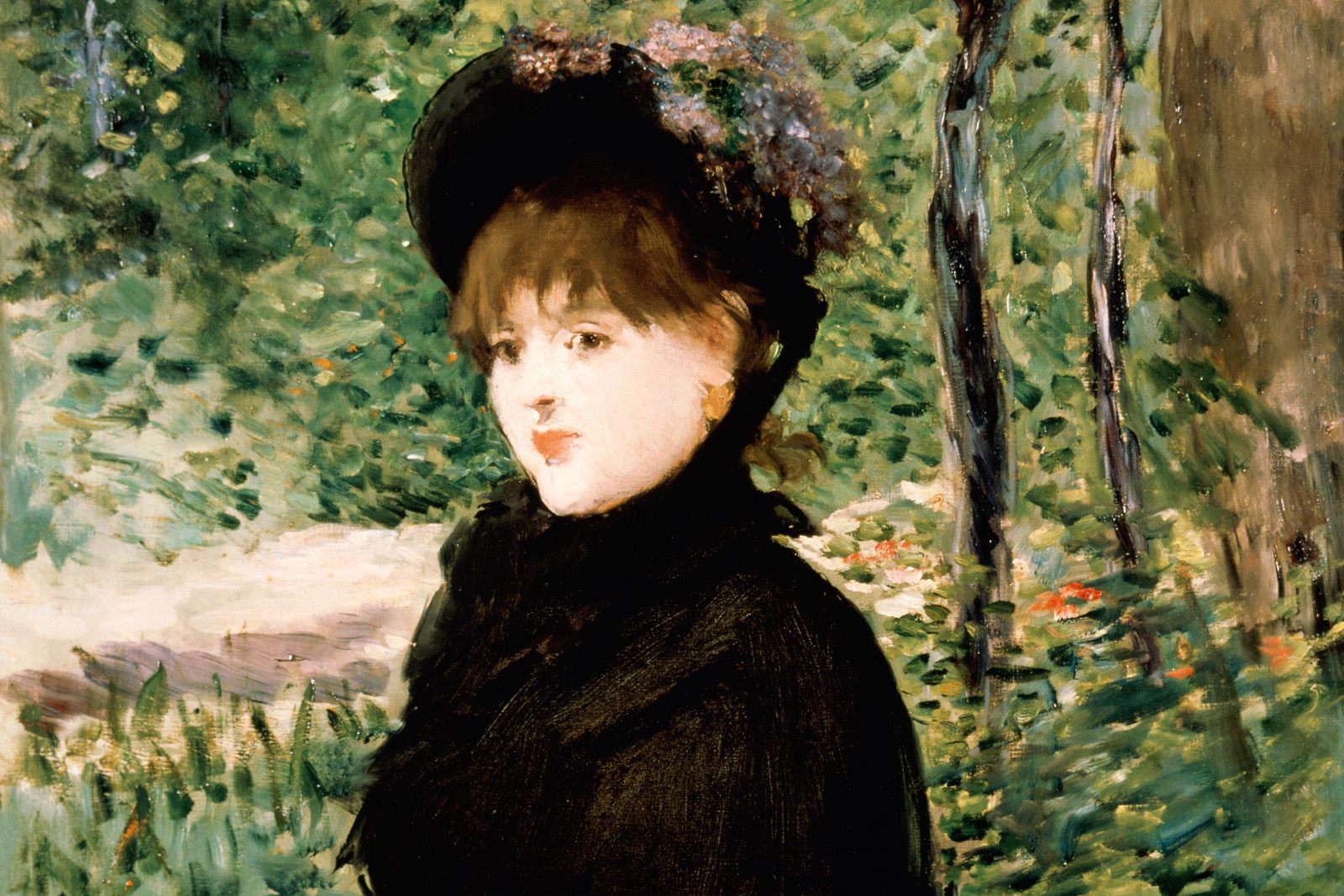
In 1863 his famous Le dejeuner sur l'herbe (The Lunch on the Grass) was shown at the Salon des Refuses (Exhibition of Refused Works), a new exhibition place opened by Napoleon III following the protests of artists rejected at the official Salon. In 1864 the official Salon accepted two of his paintings, and in 1865 he exhibited his Olympia, a nude based on a Venus by Titian, which aroused storms of protest in academic circles. In 1866 the French novelist Emile Zola became a close friend of the painter. He was soon joined by the young group of French impressionist painters, Degas, Monet, Renoir, Sisley, Pissarro, and Cezanne, who were influenced by Manet's art and who, in turn, influenced him. Their influence is seen in Manet's use of lighter colors, but he retained his distinctive use of black, uncharacteristic of Impressionist painting.
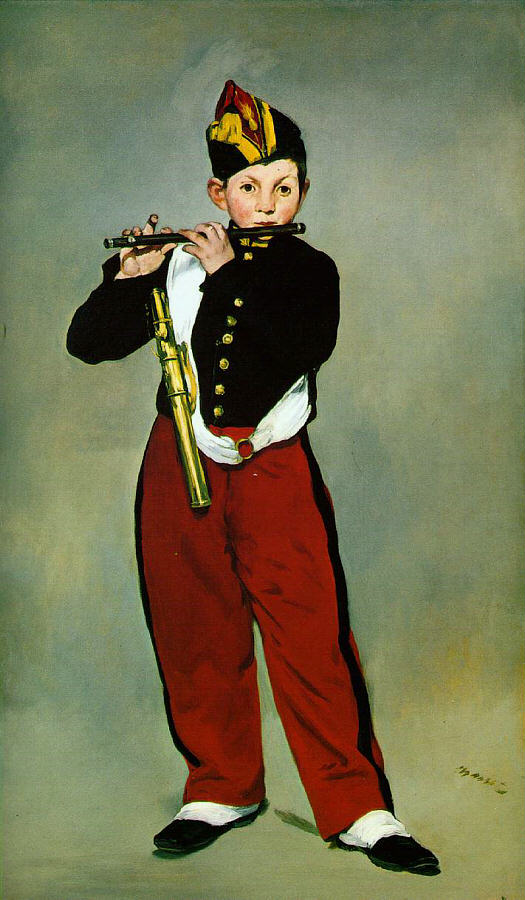
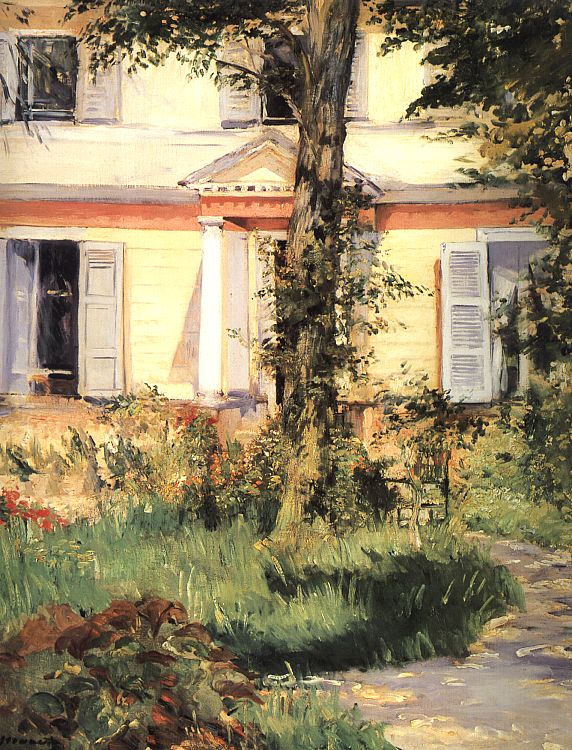
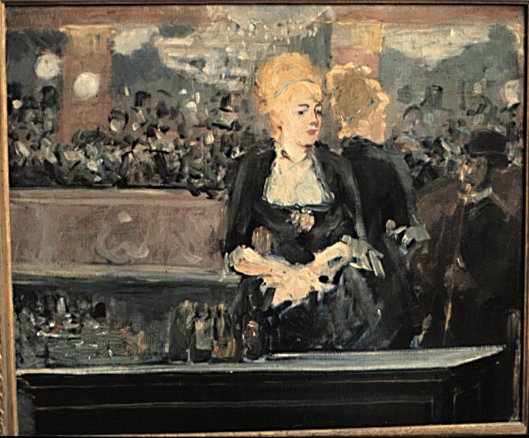
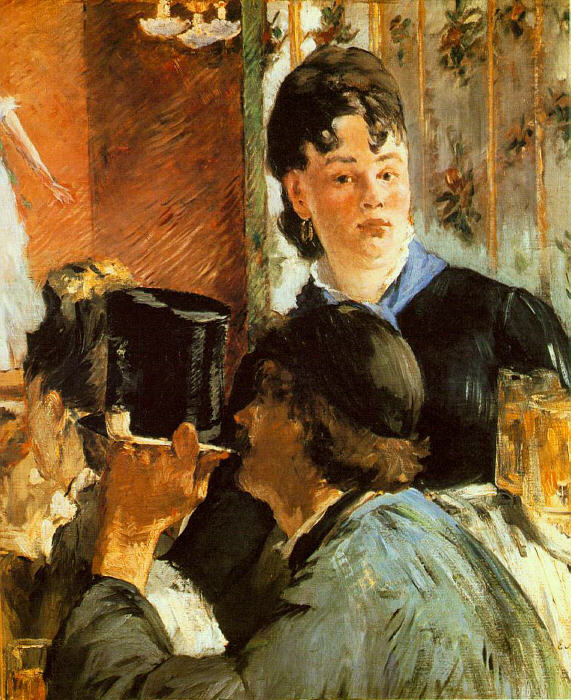
Manet served as an officer in the French army from 1870 to 1871, during the Franco-Prussian War. In 1882 one of his finest pictures, The Bar at the Folies-Bergere, was exhibited at the Salon, and an old friend, who was then minister of fine arts, obtained the Legion of Honor for the artist.
Manet died of untreated syphilis and rheumatism in Paris in 1883 and he was buried in the Cimetiere de Passy, Paris. He left, besides many watercolors, pastels and 420 oil paintings.