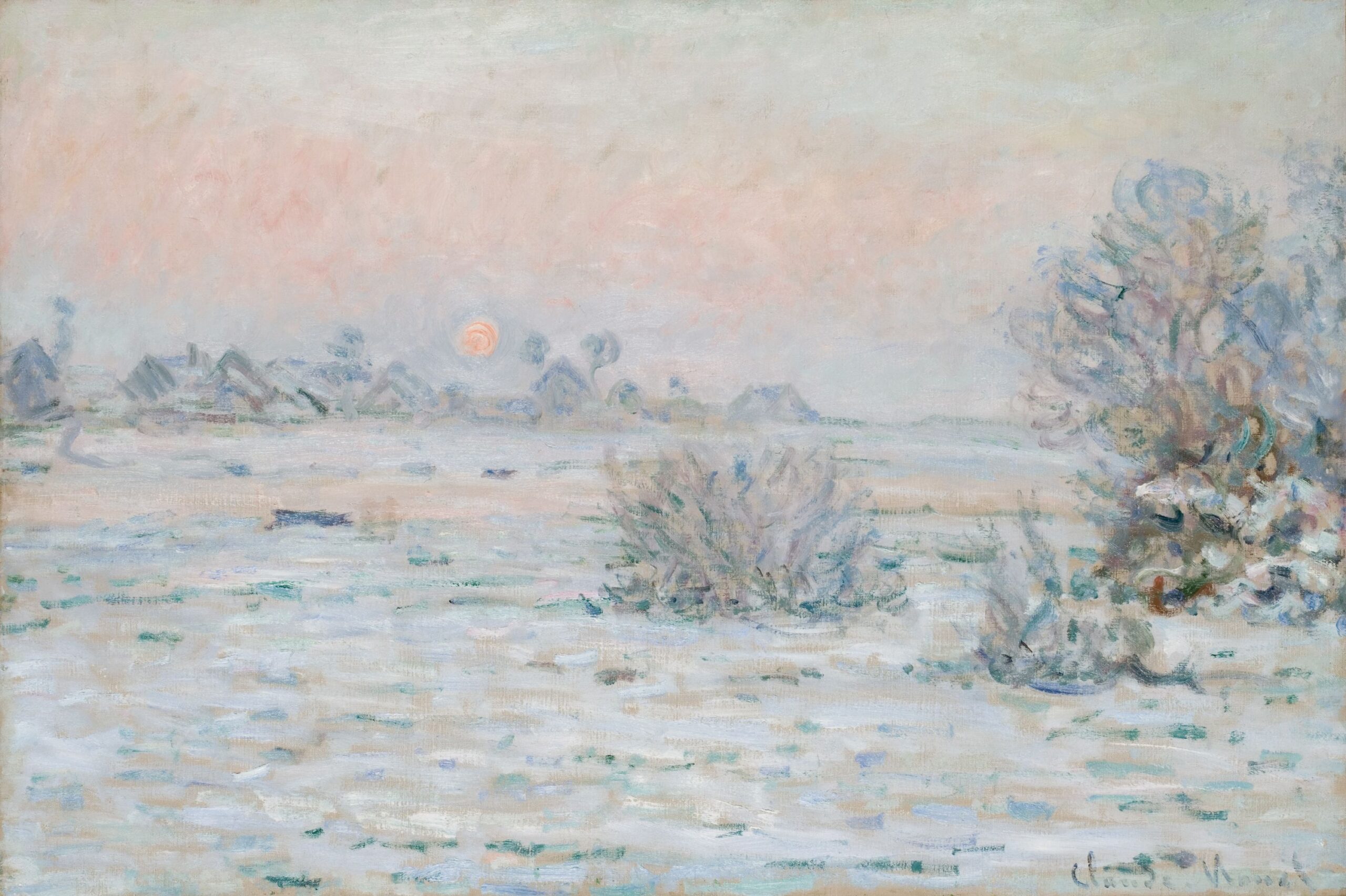
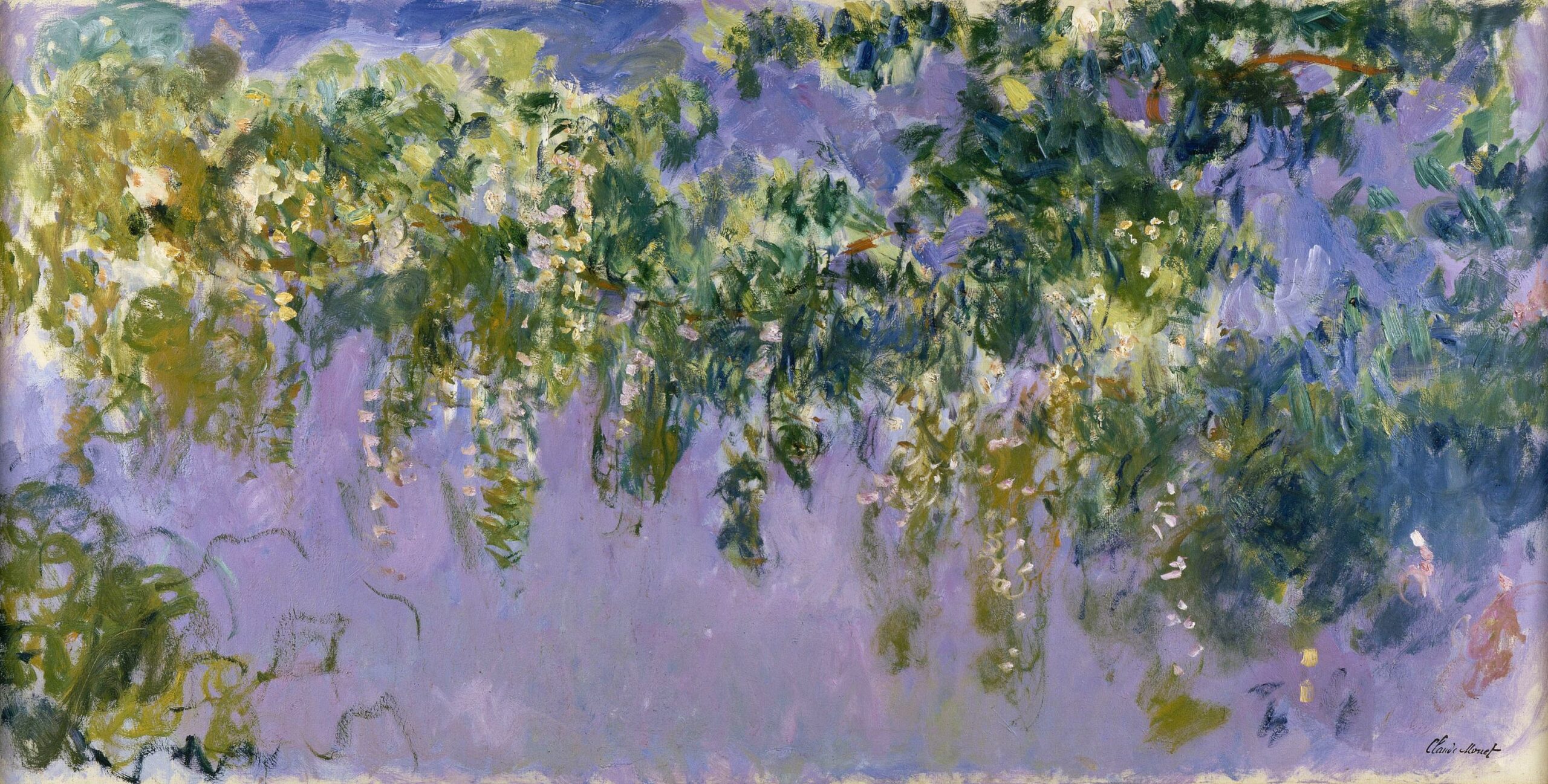
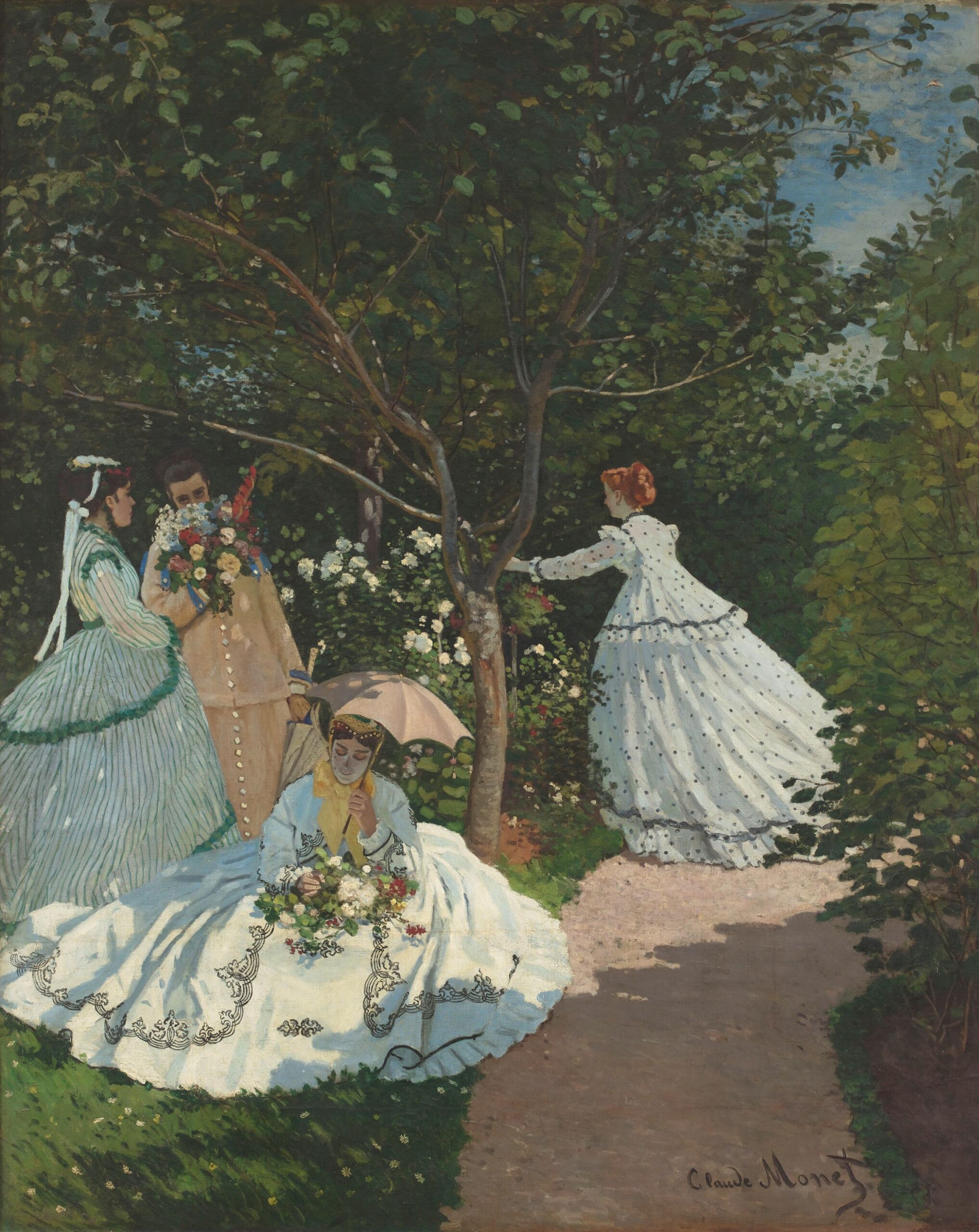
Claude Monet
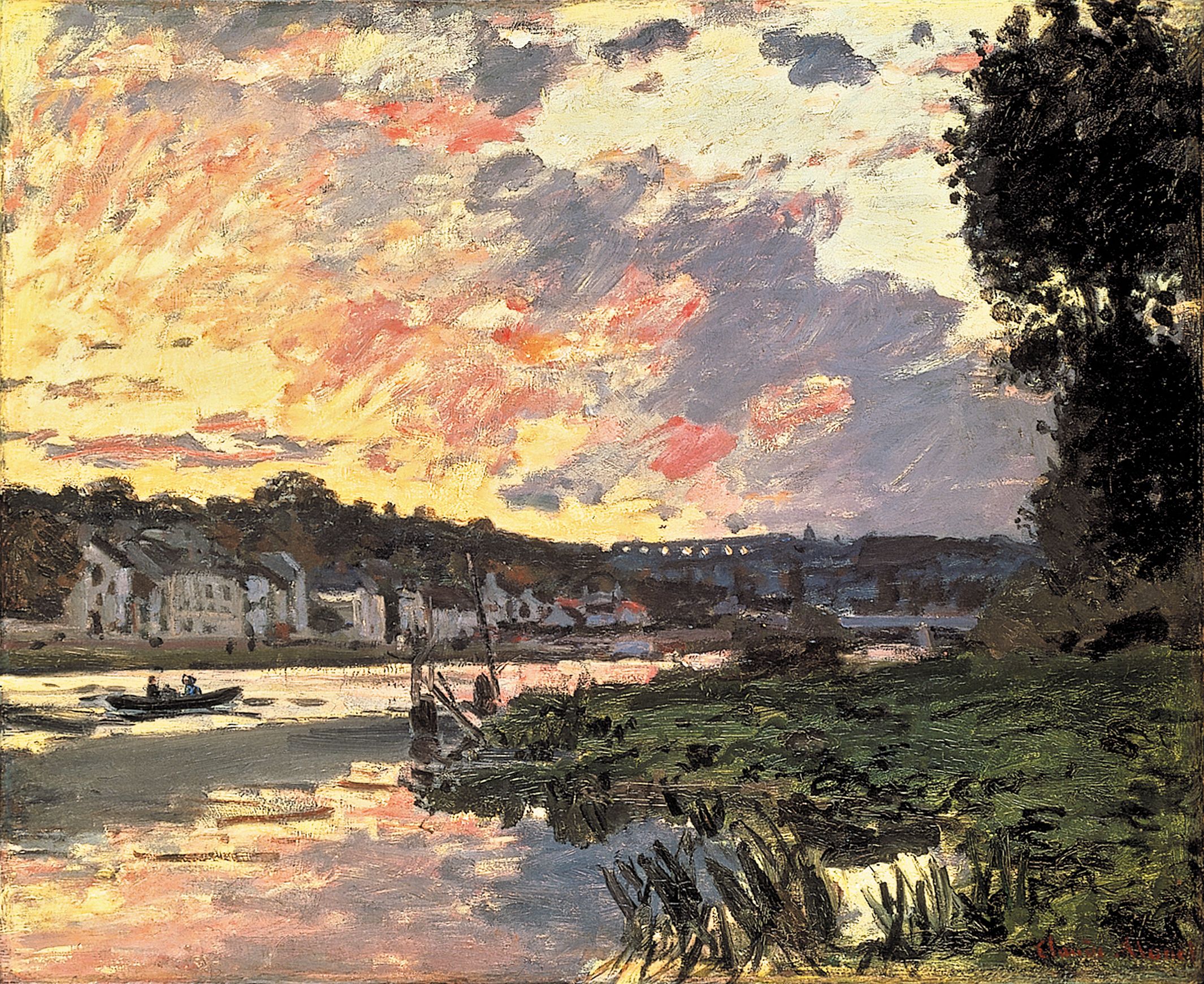
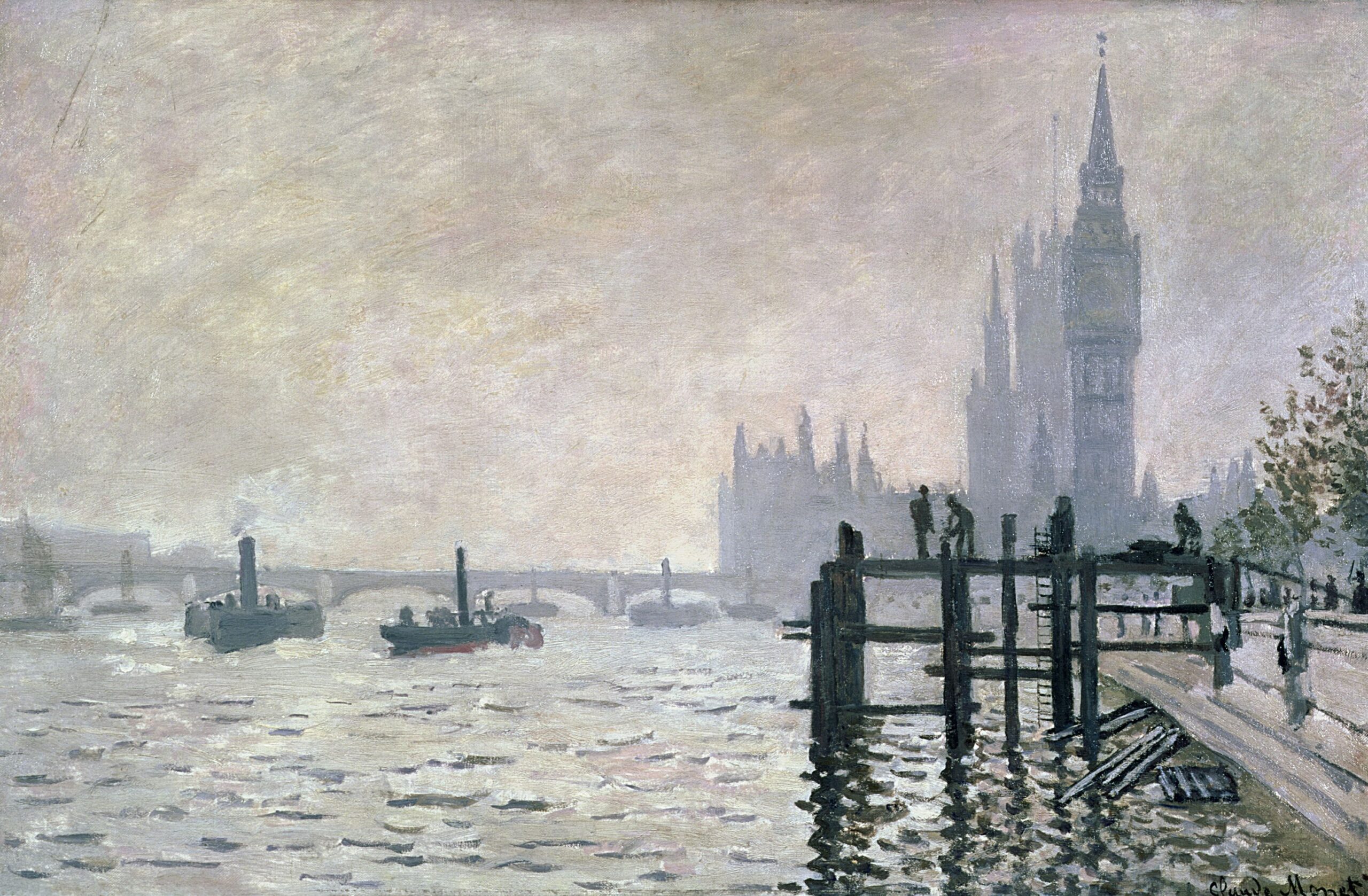
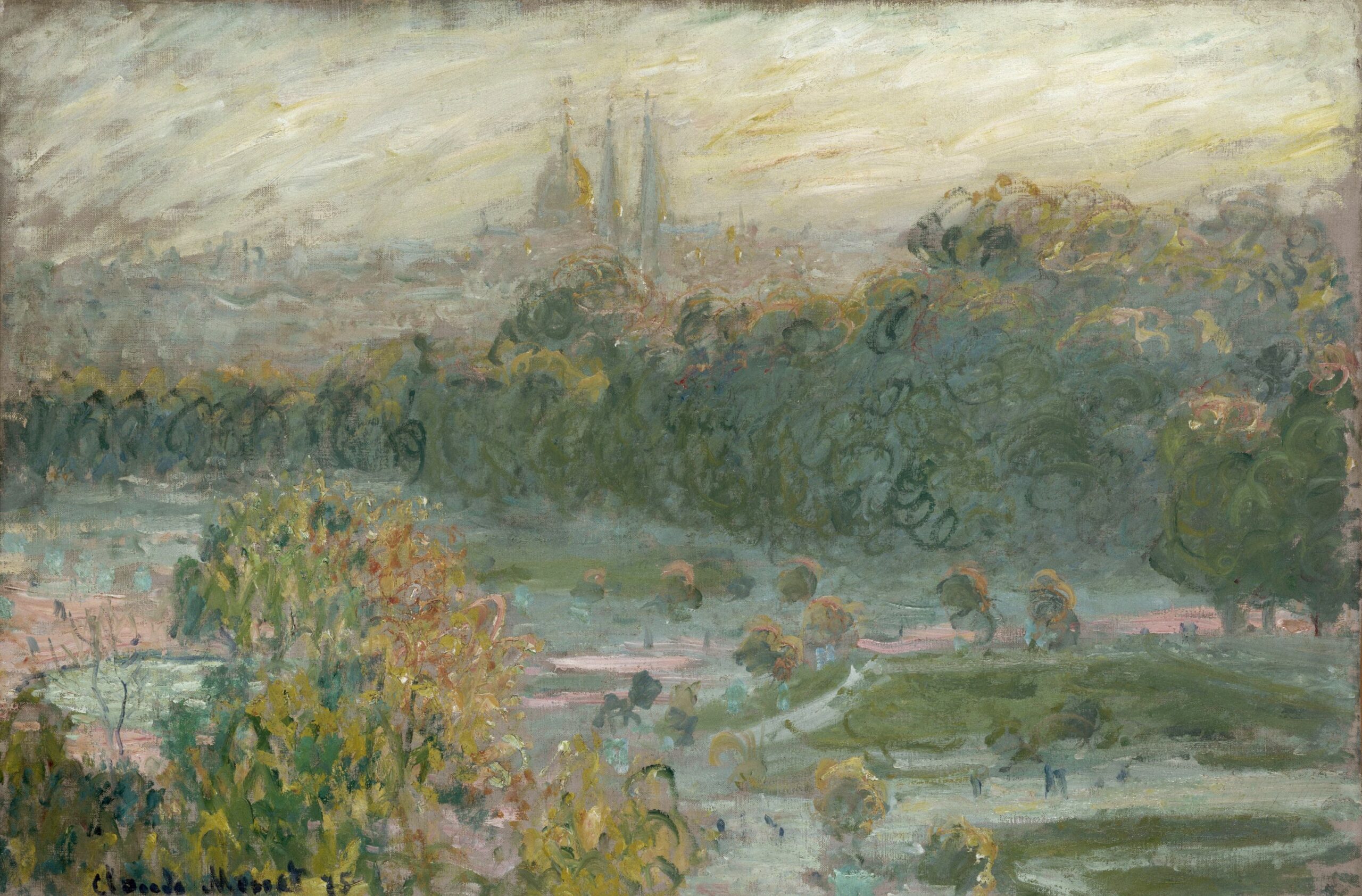
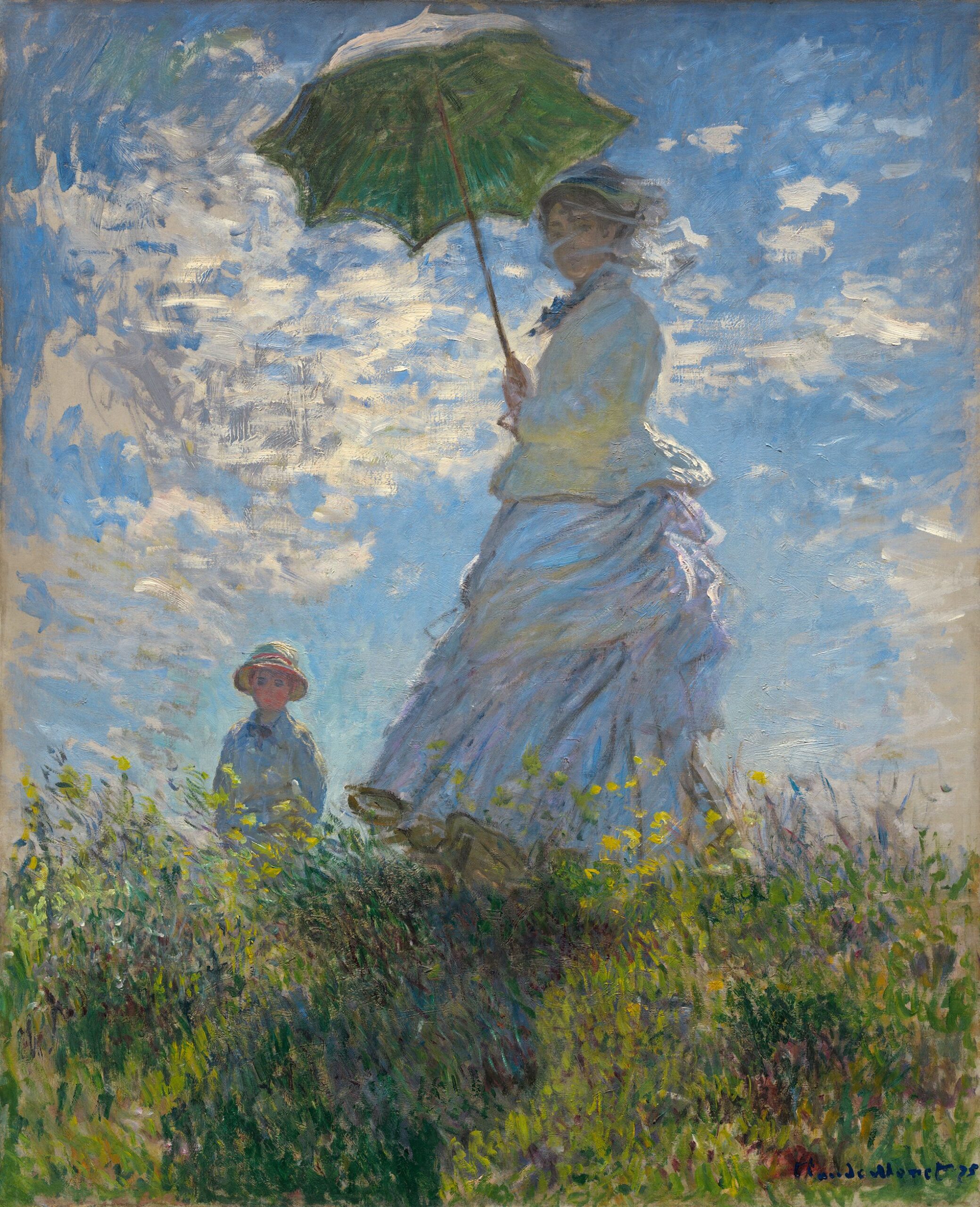
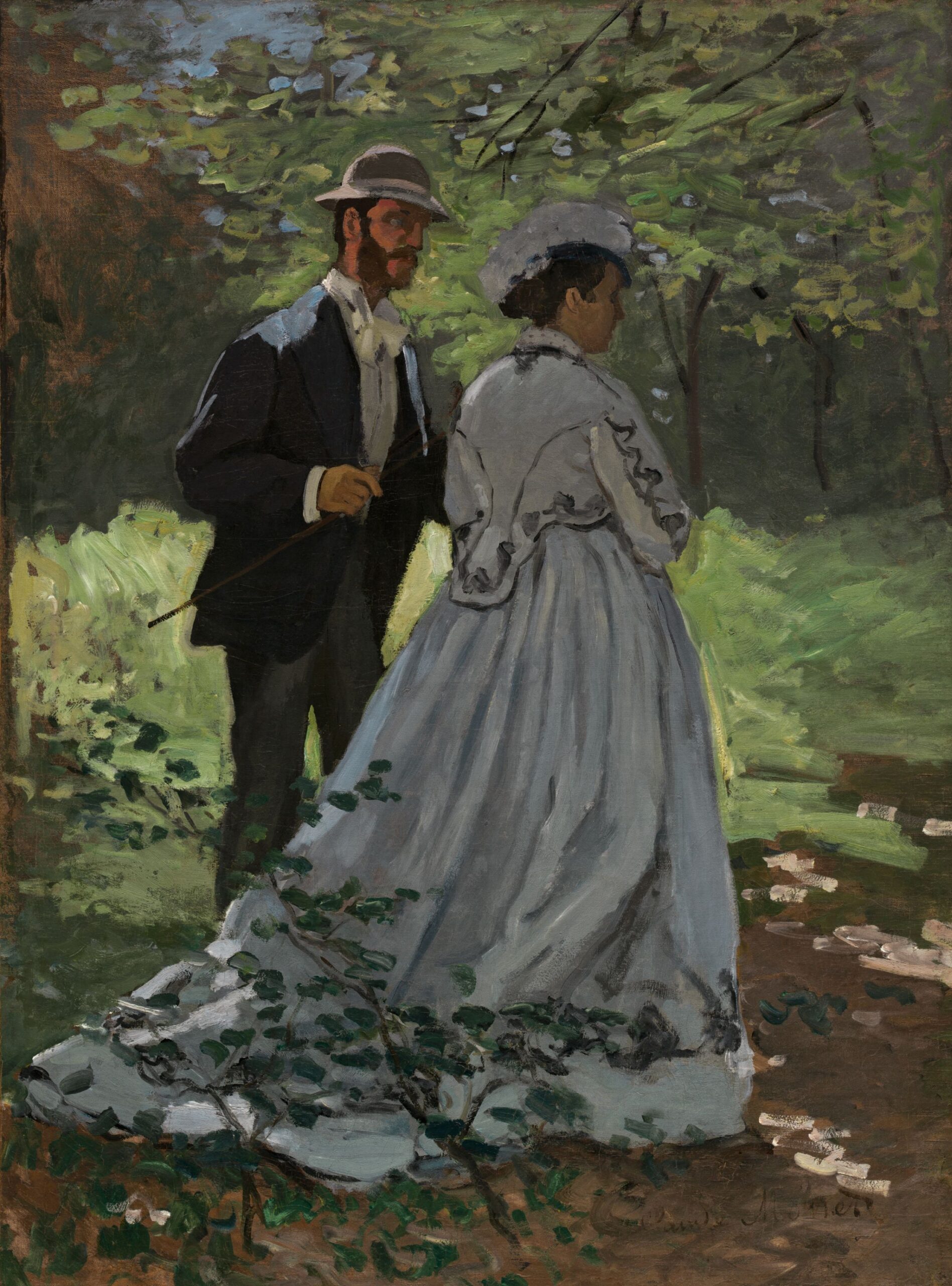
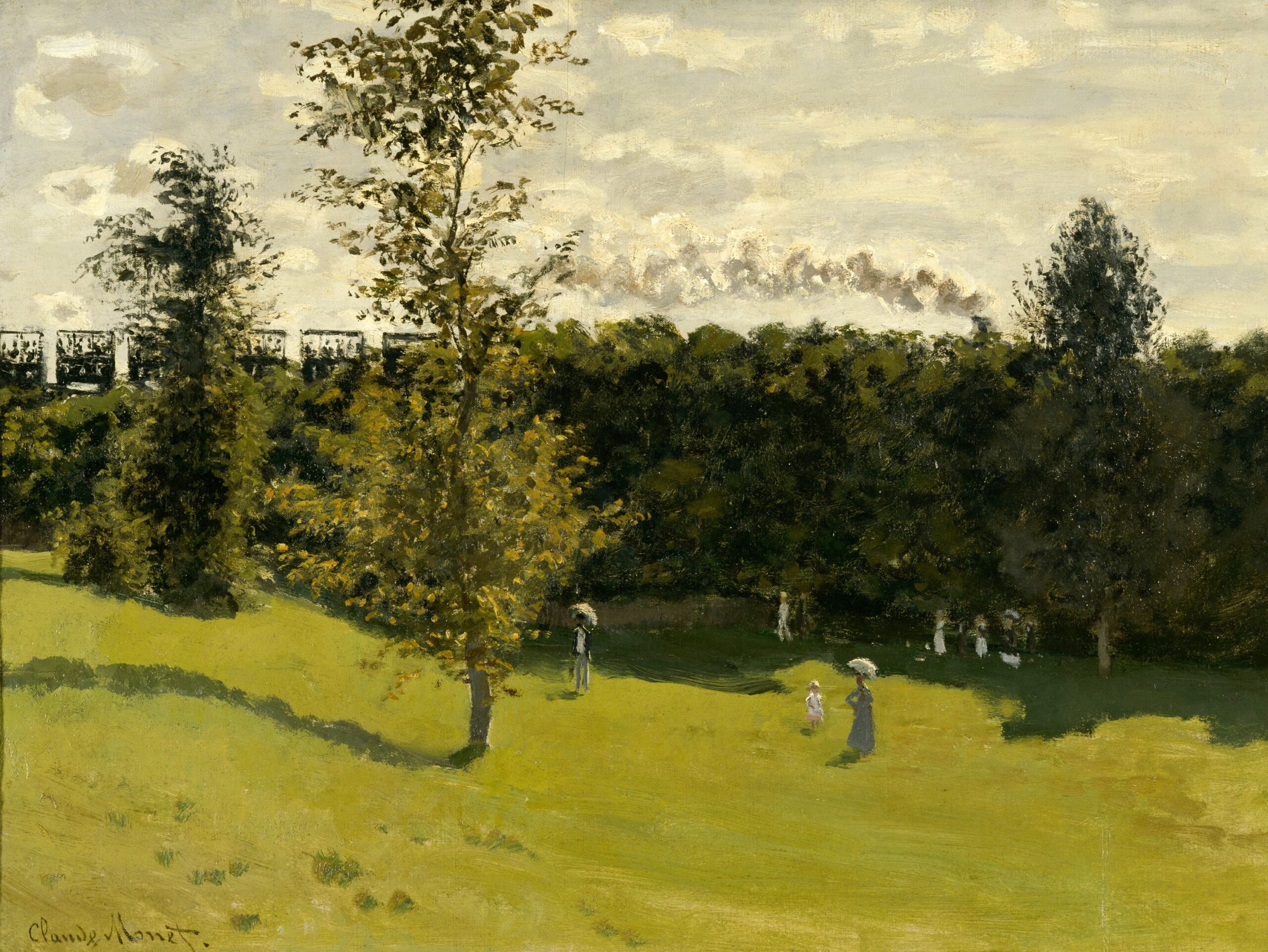
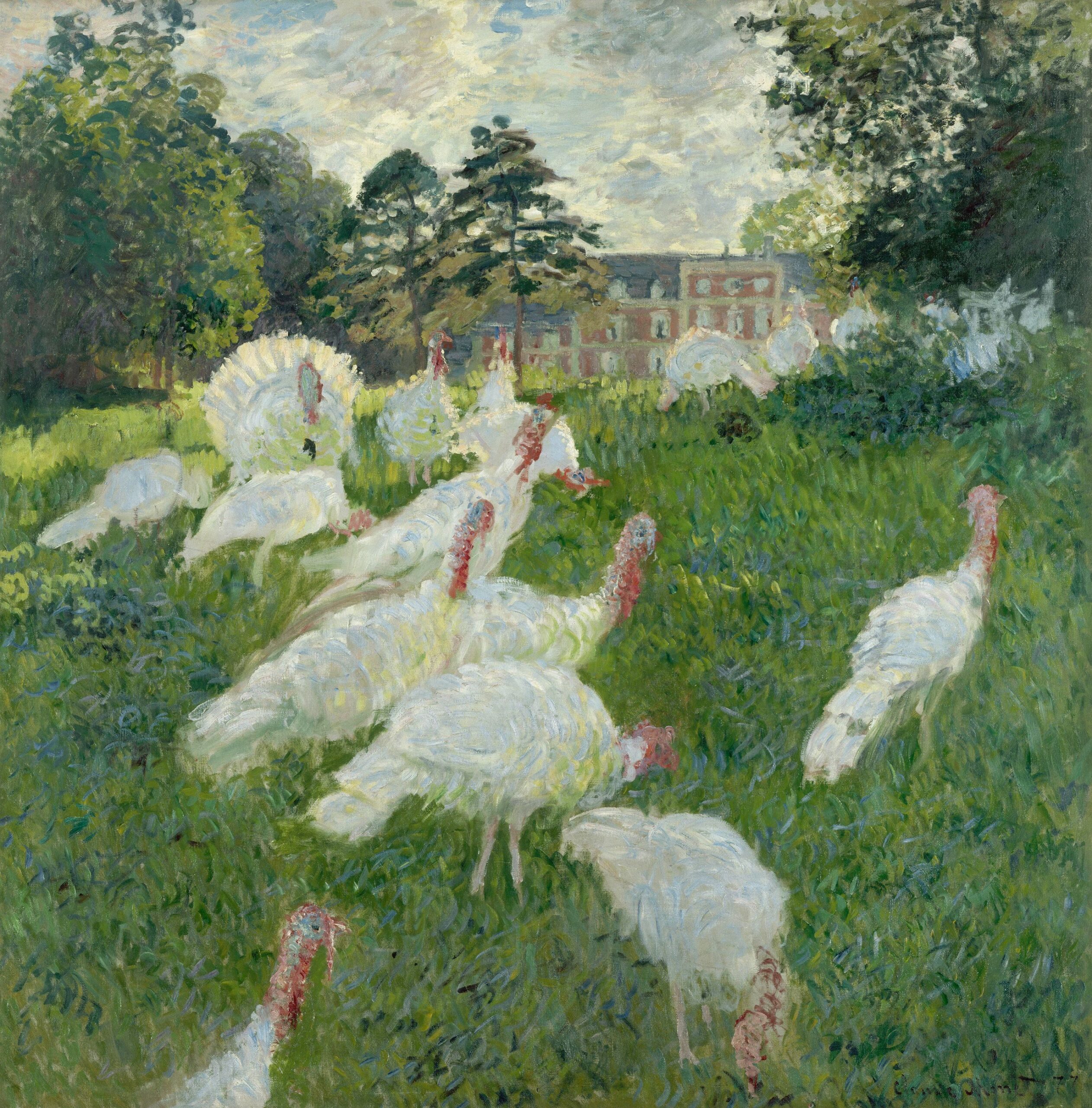
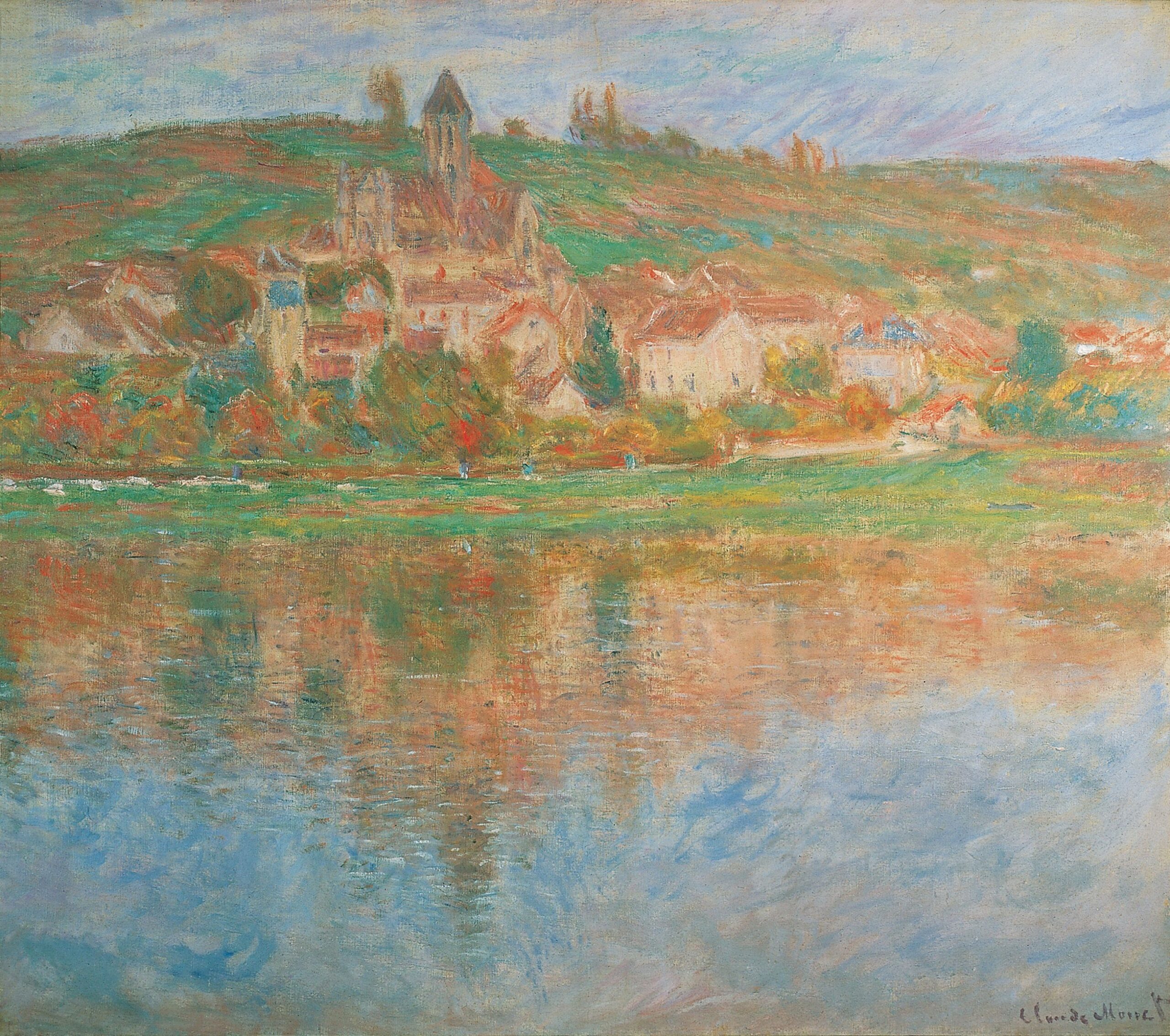
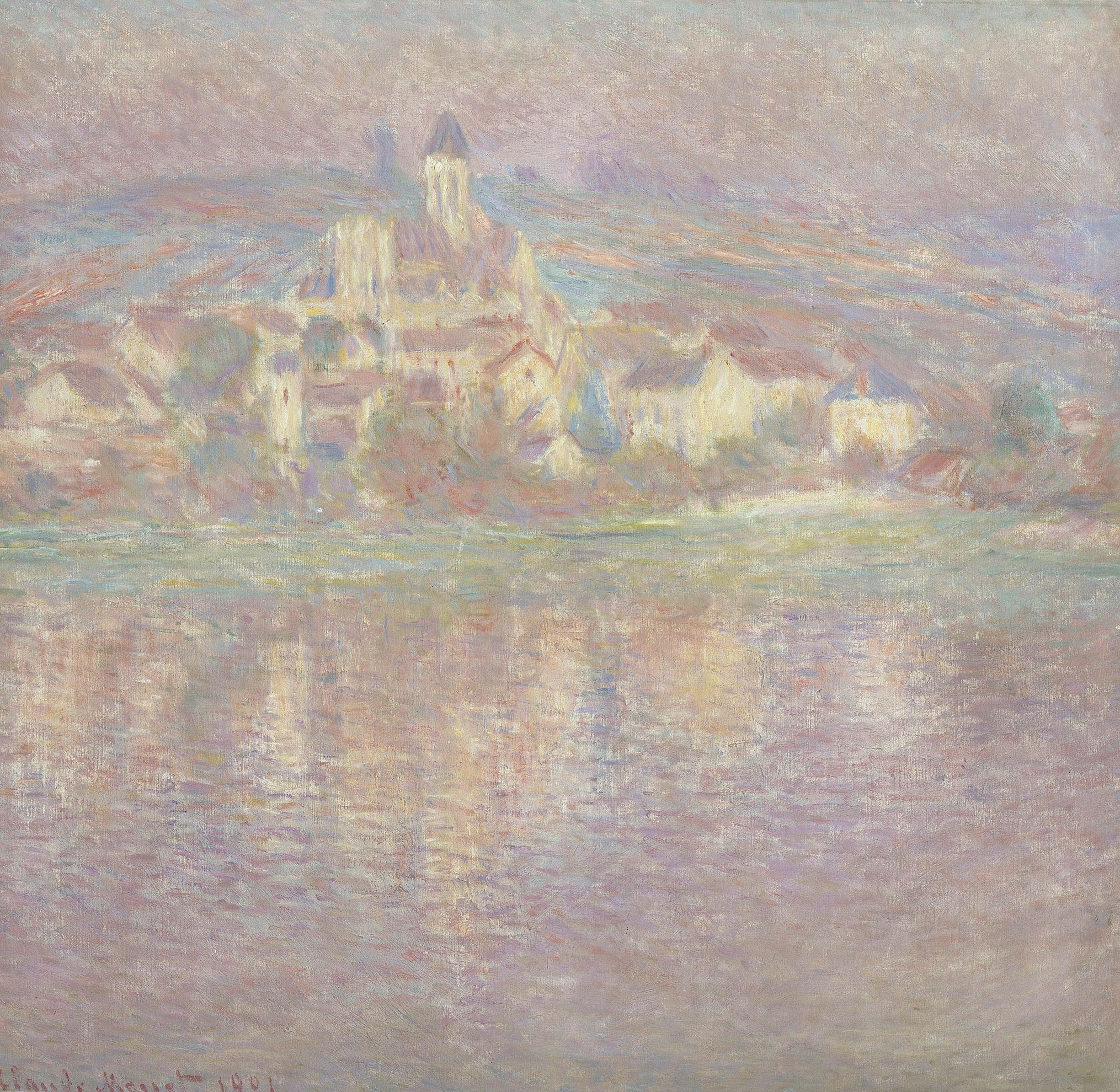
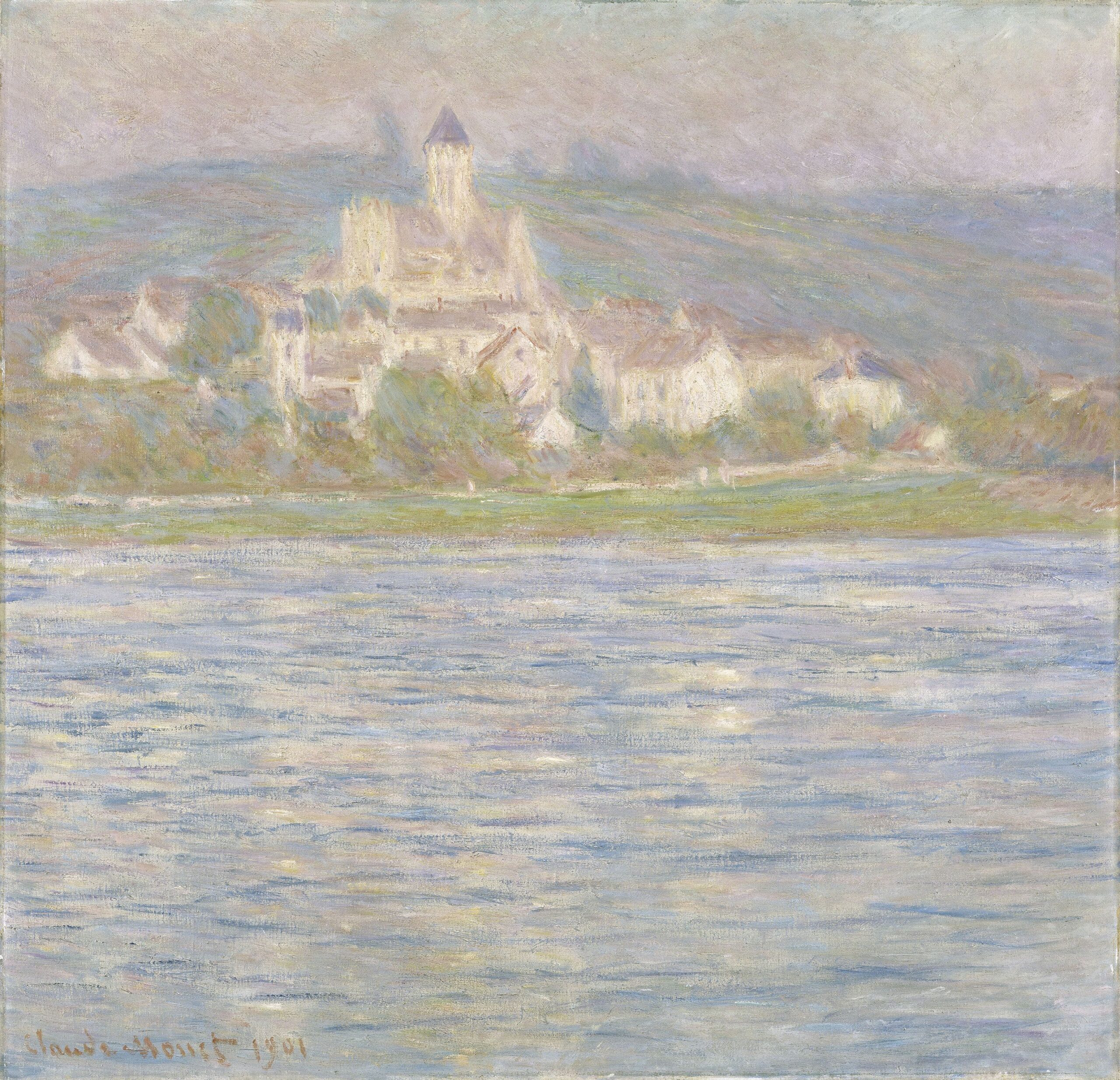
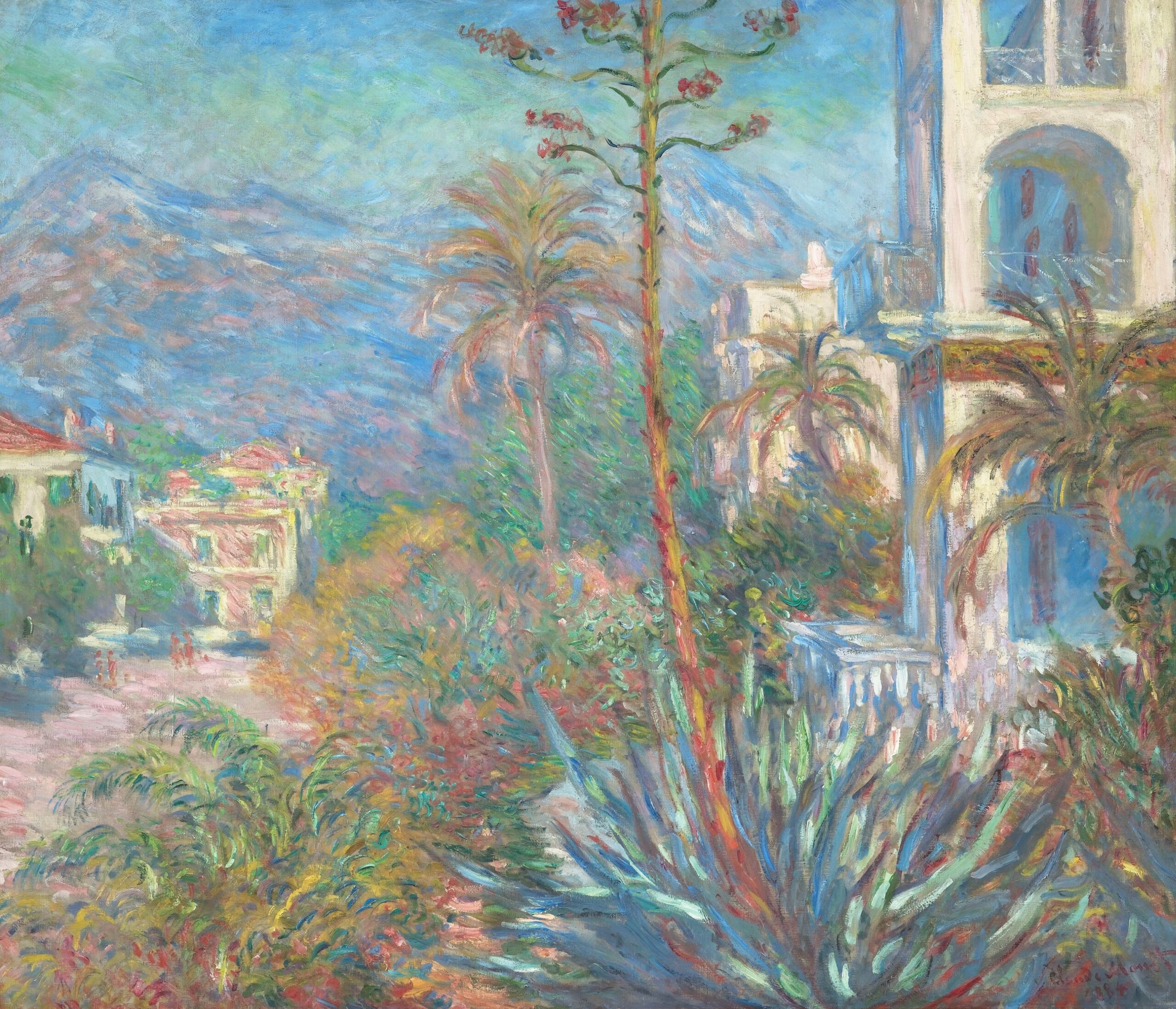
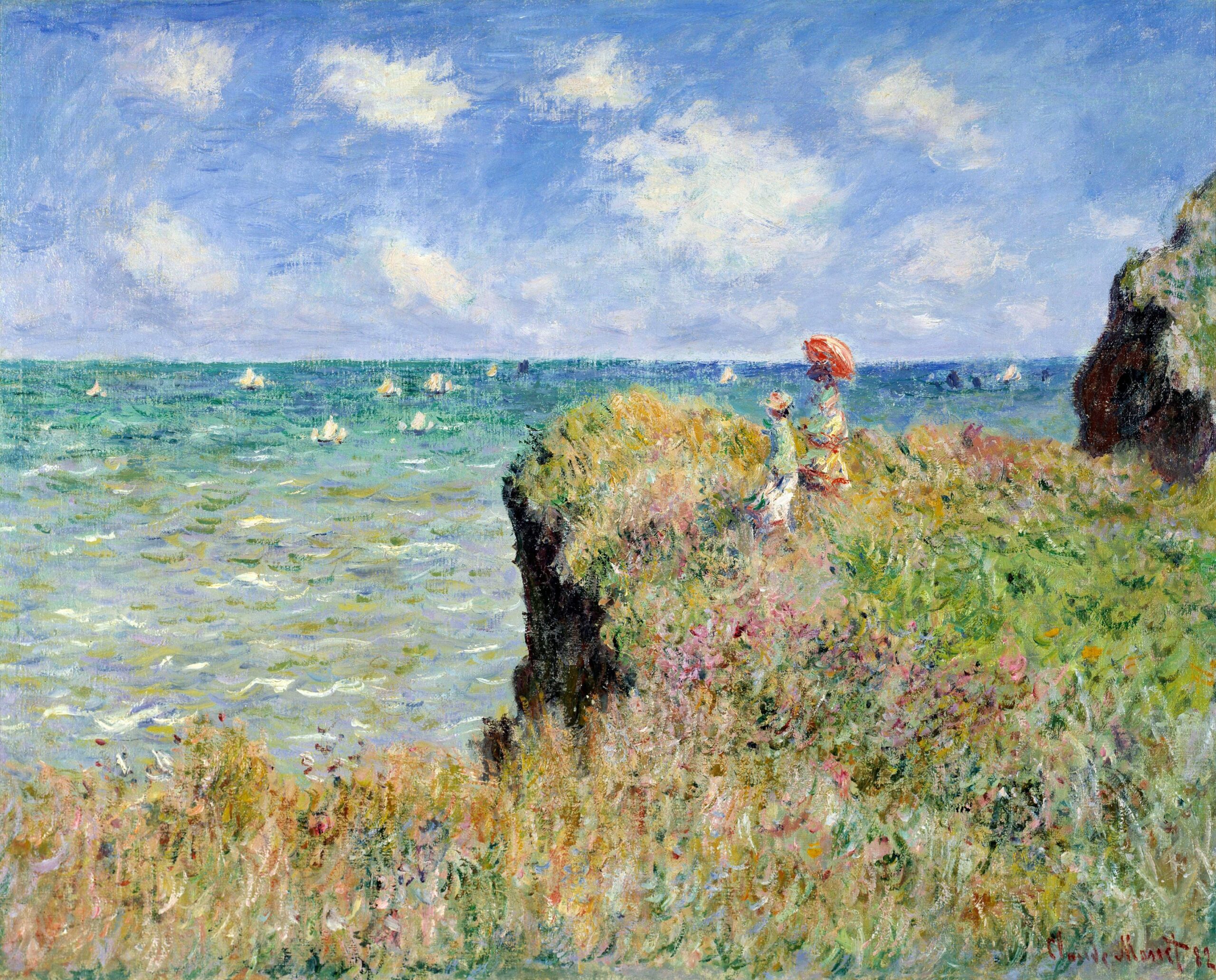
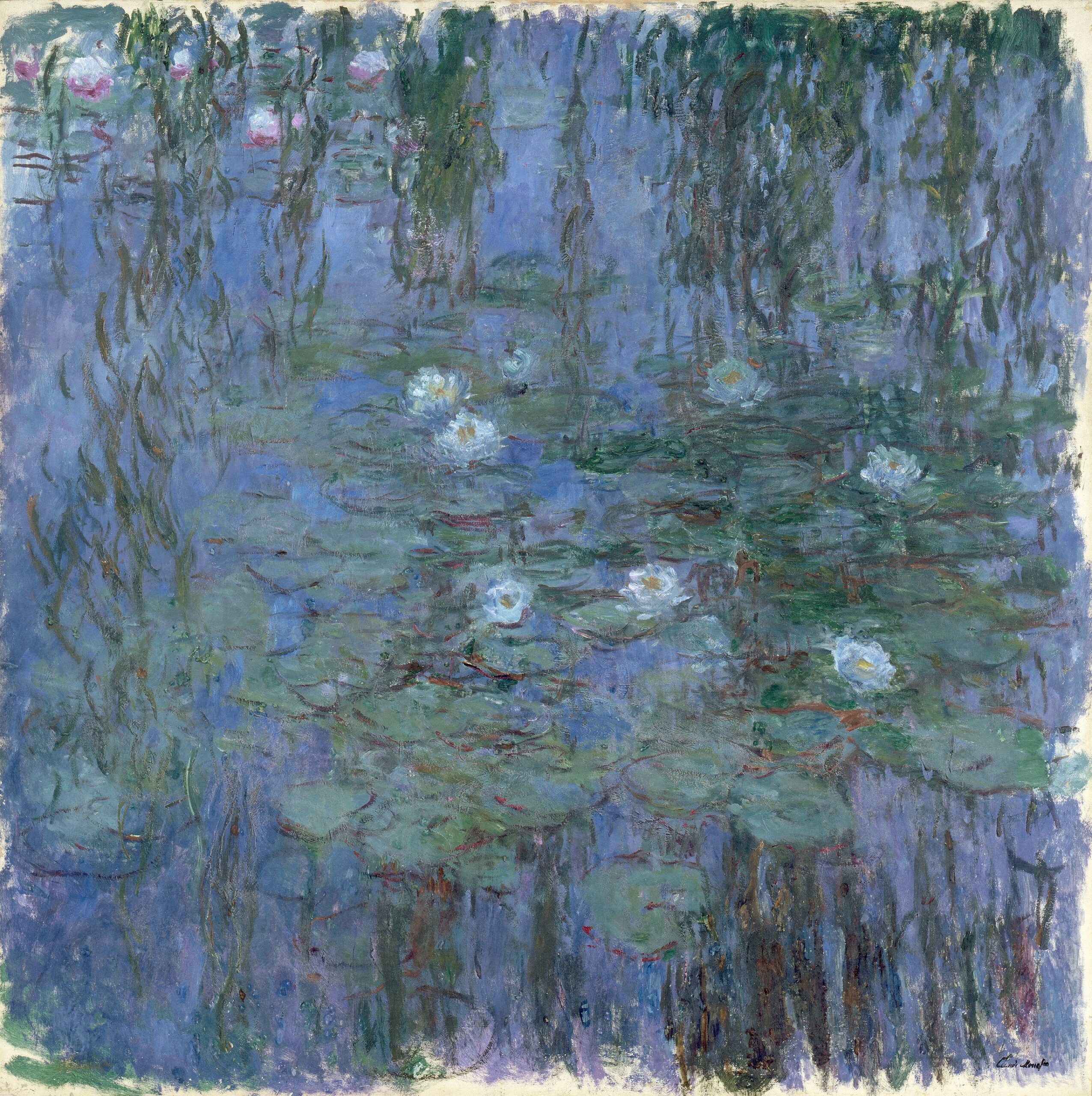
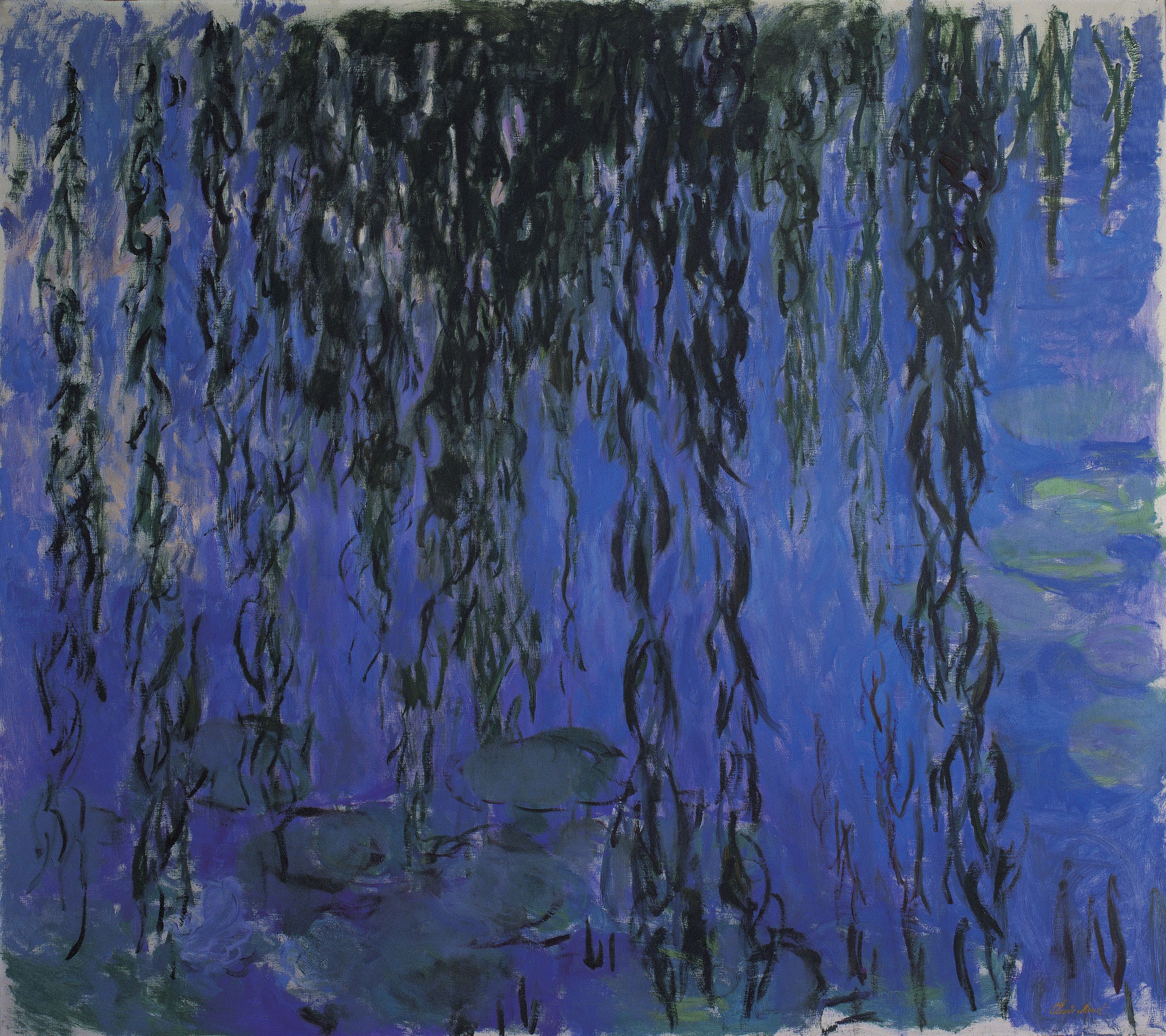
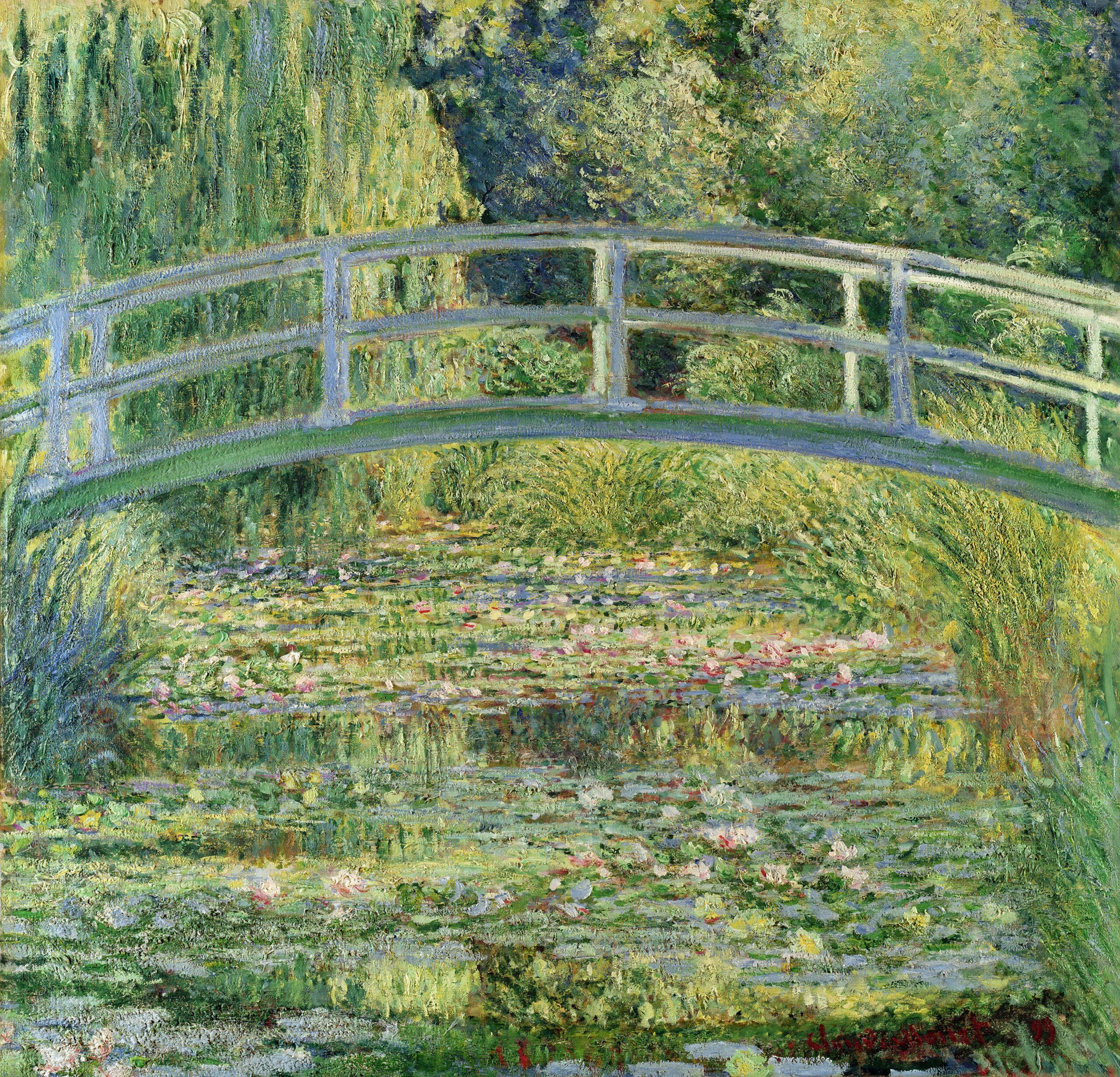
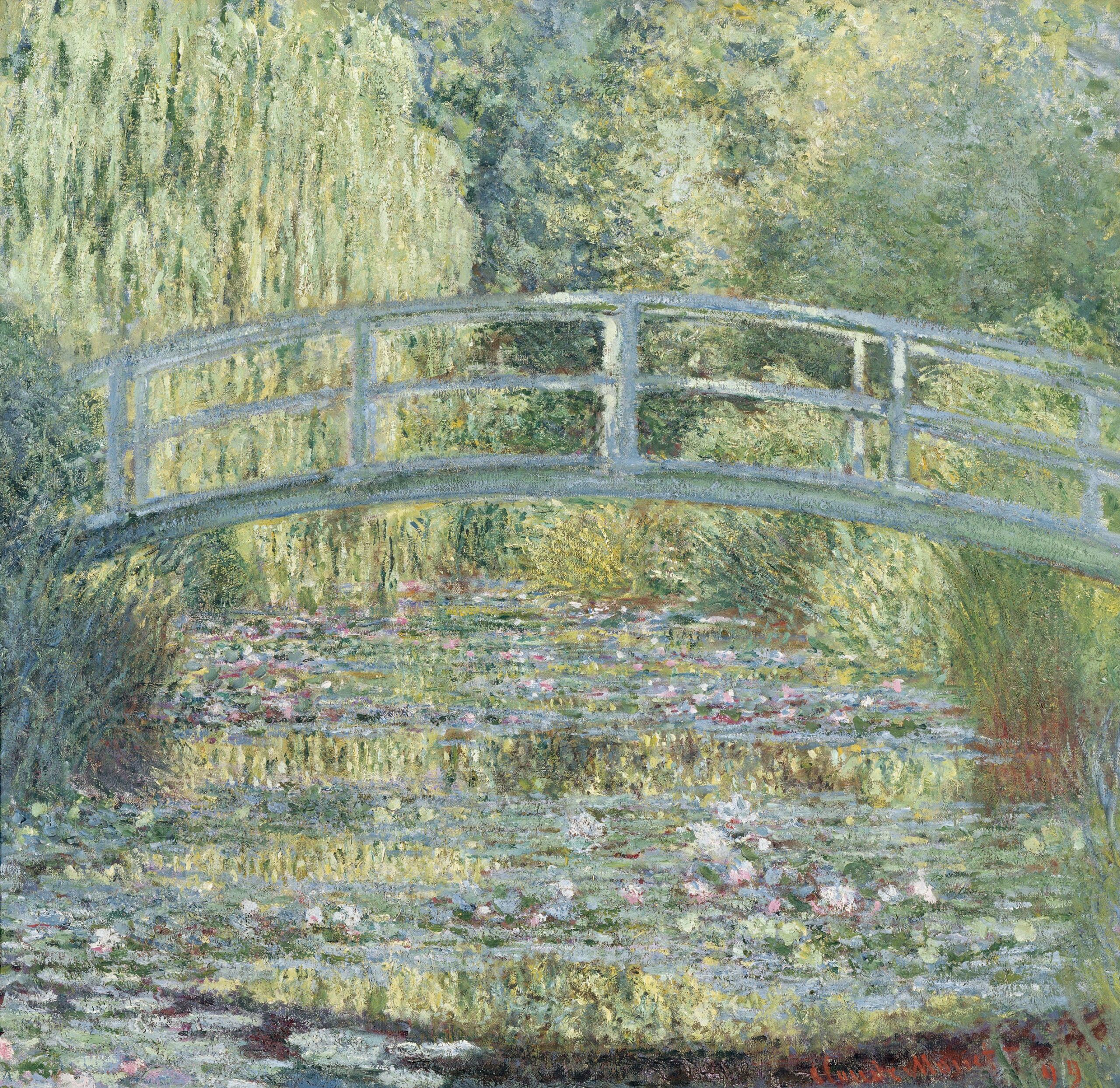
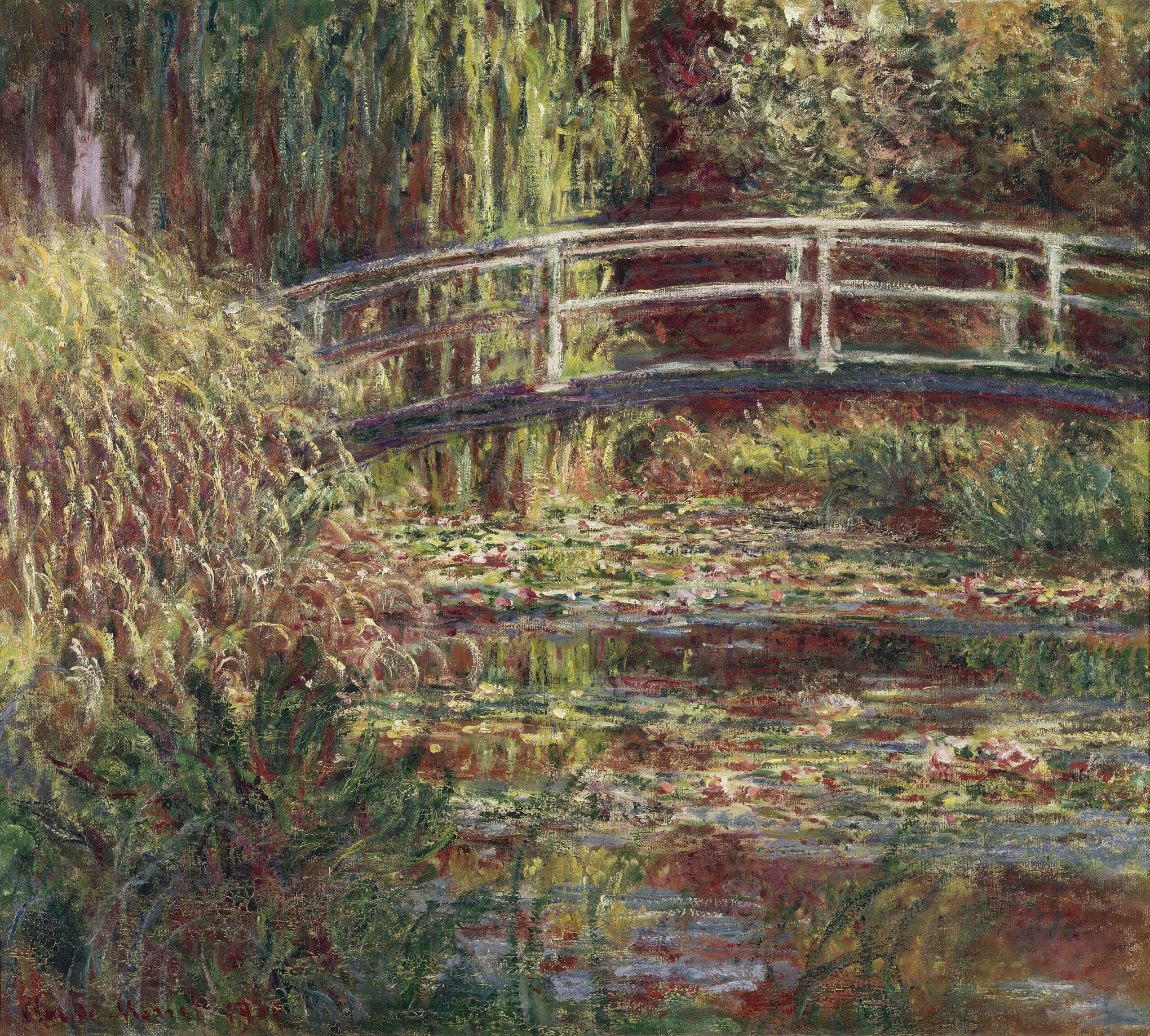
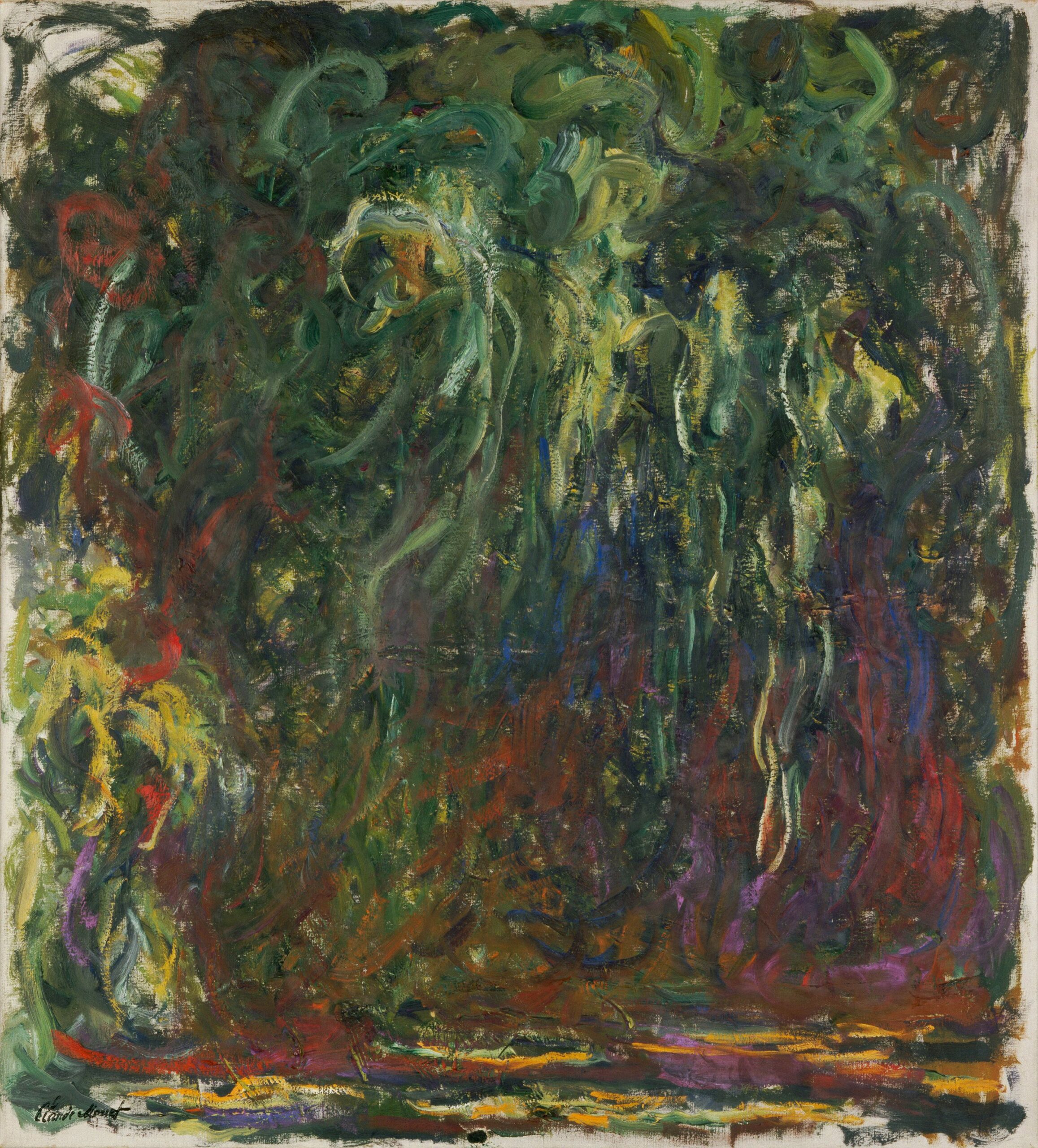
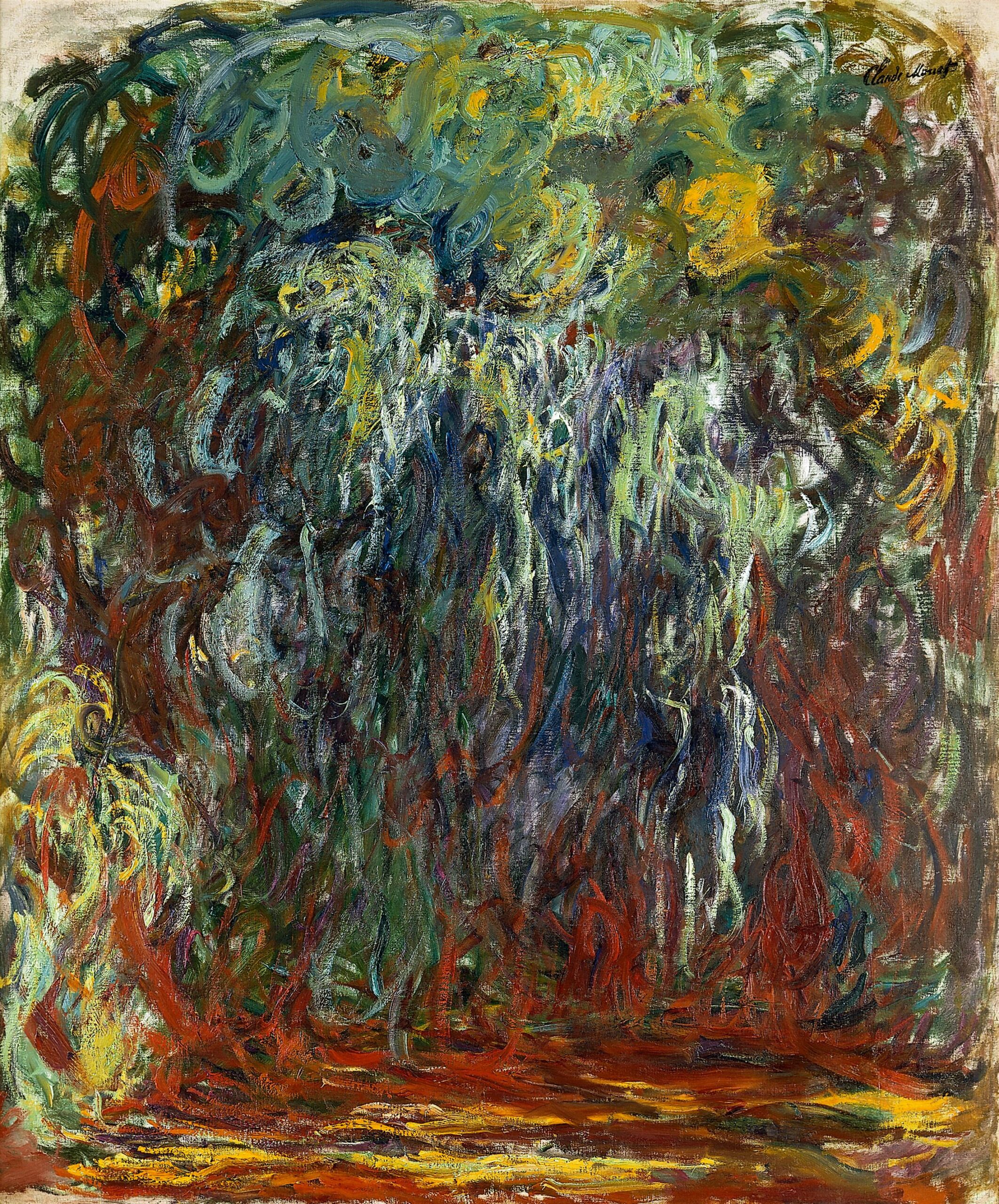
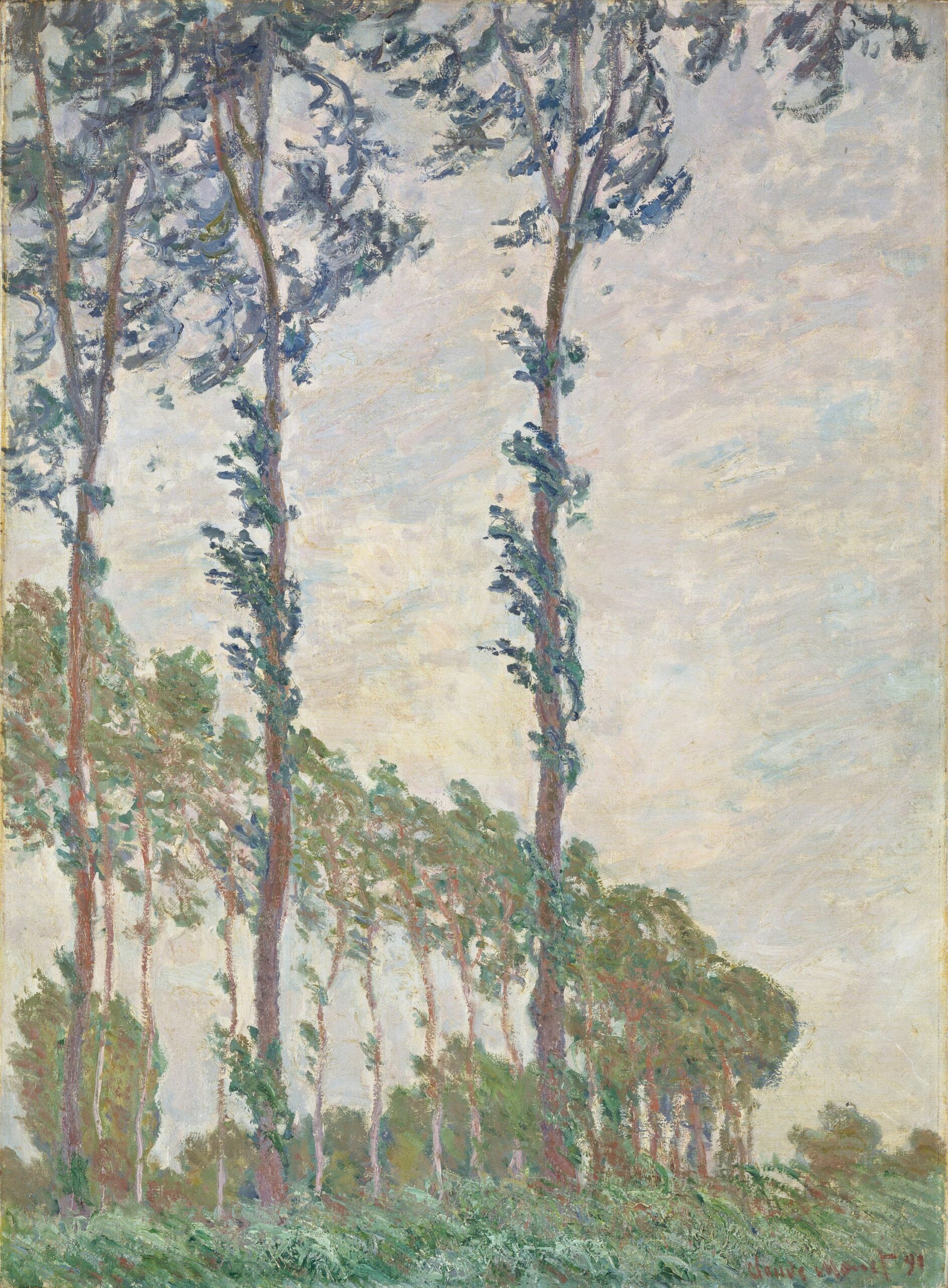
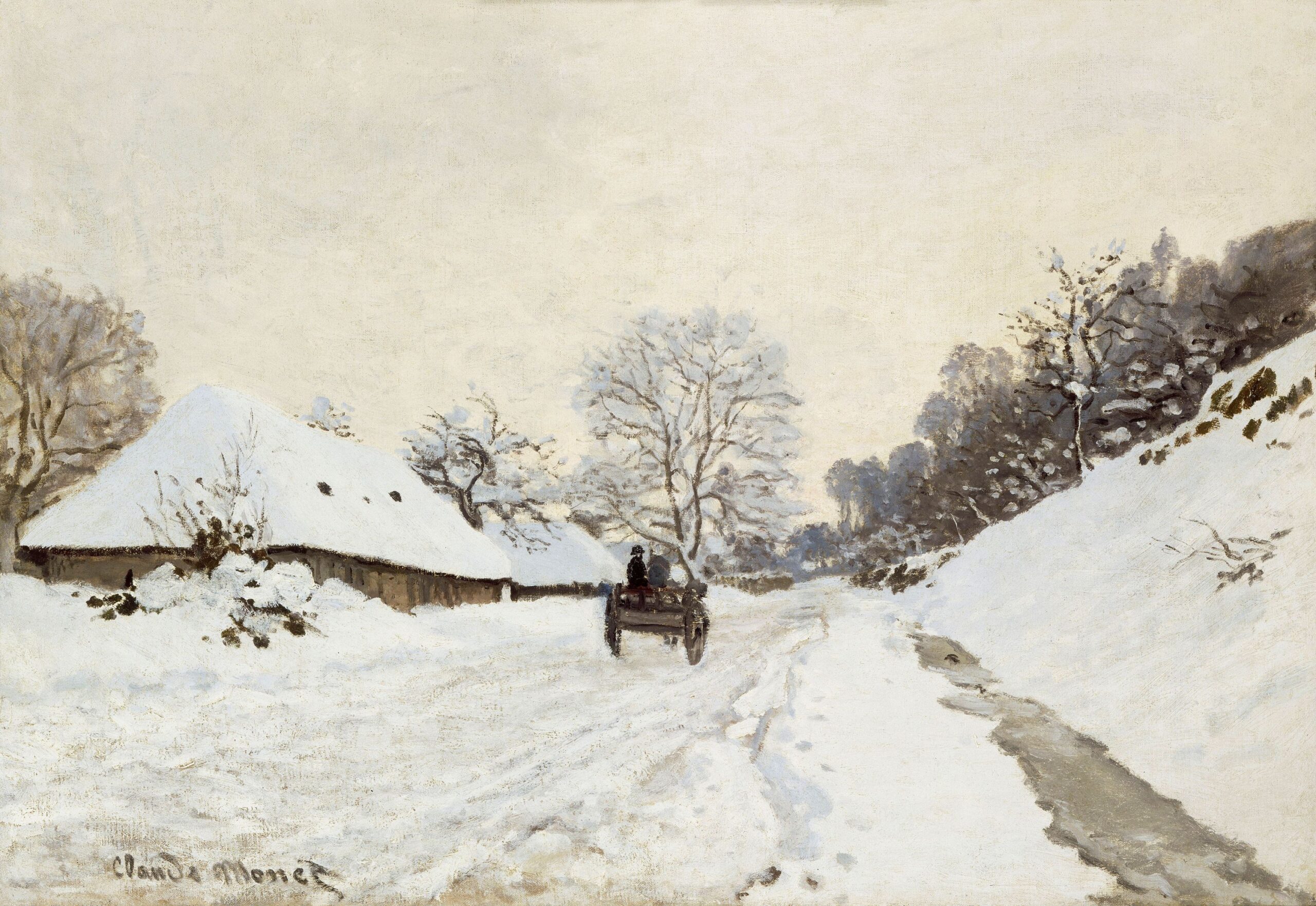
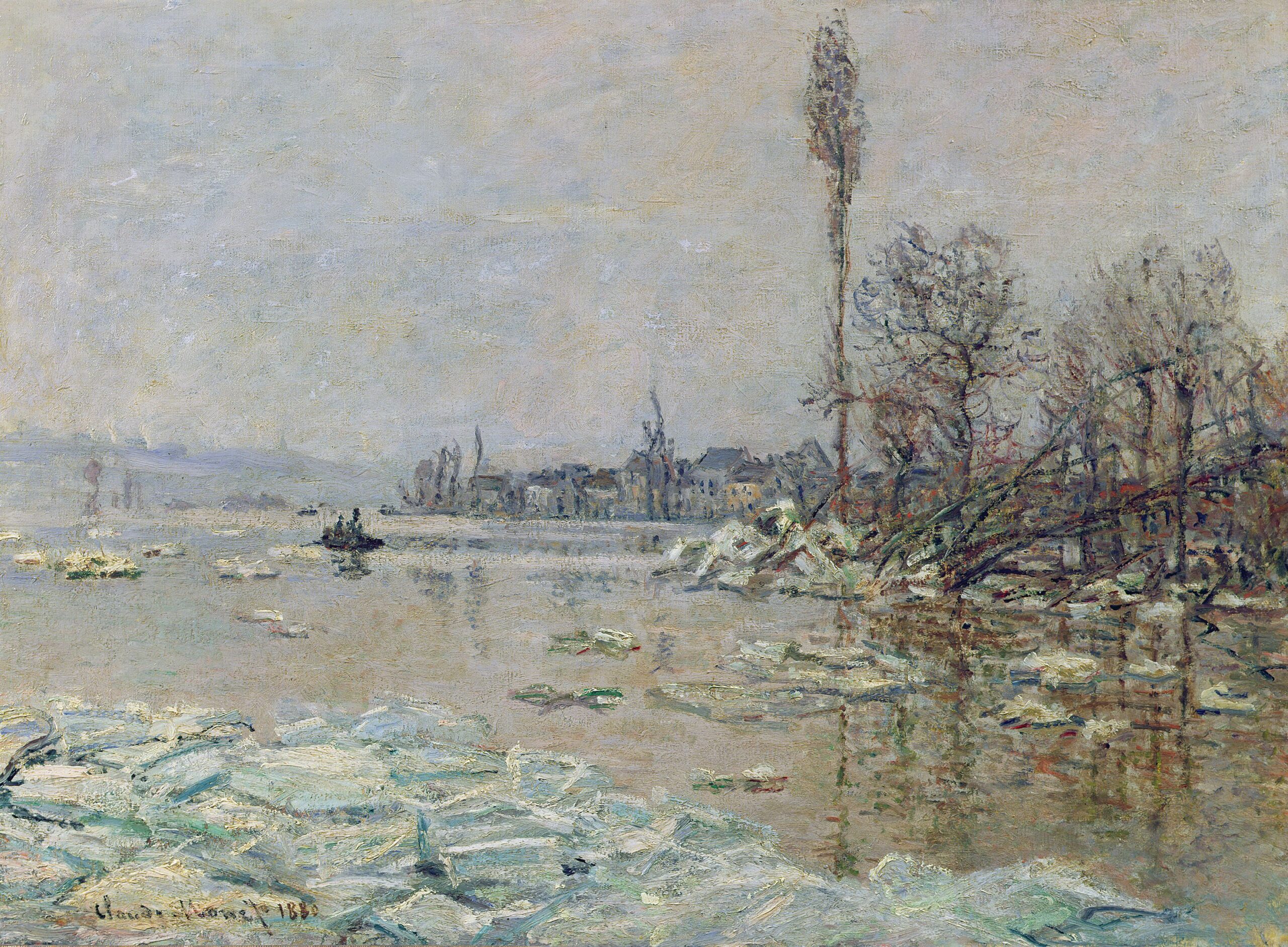
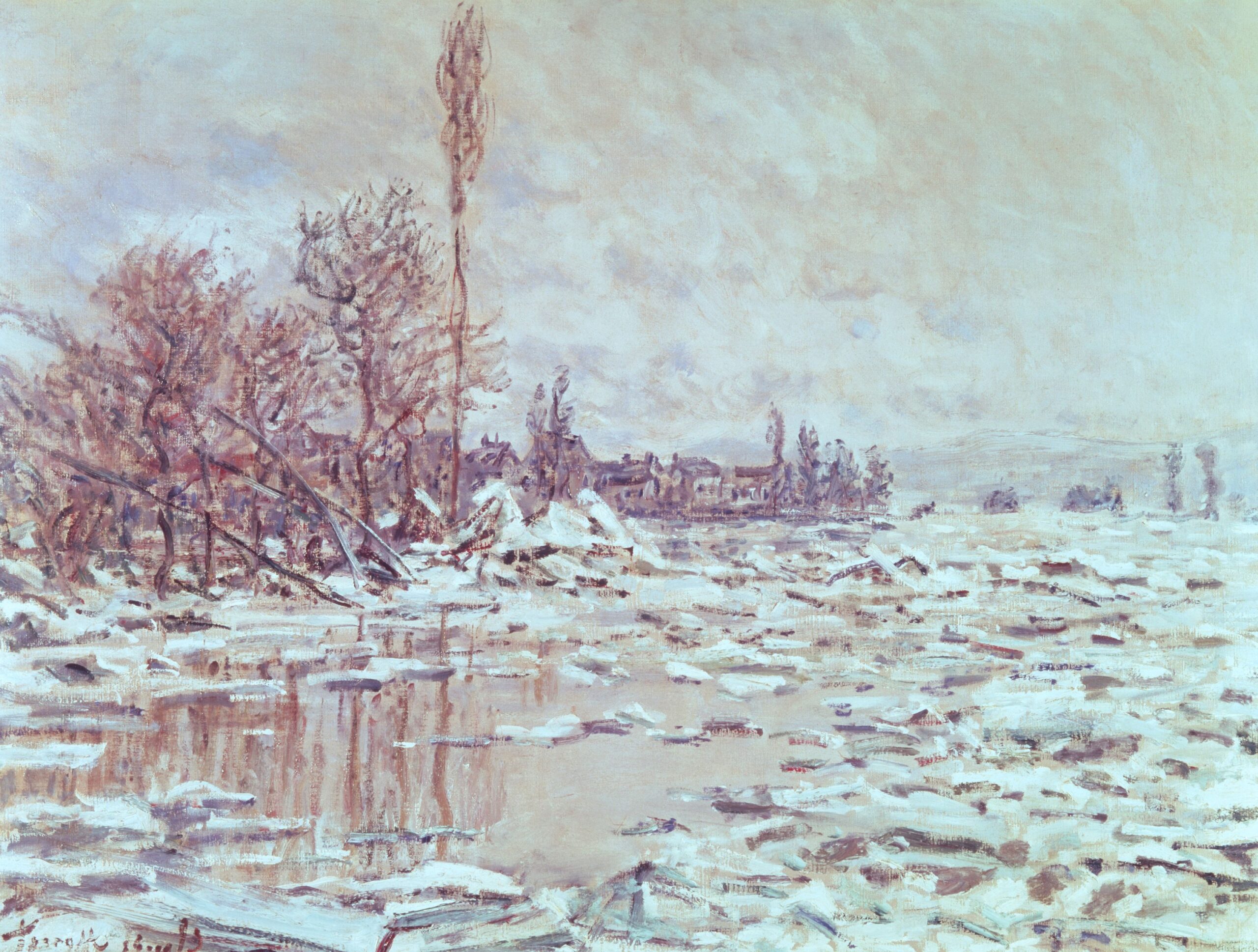
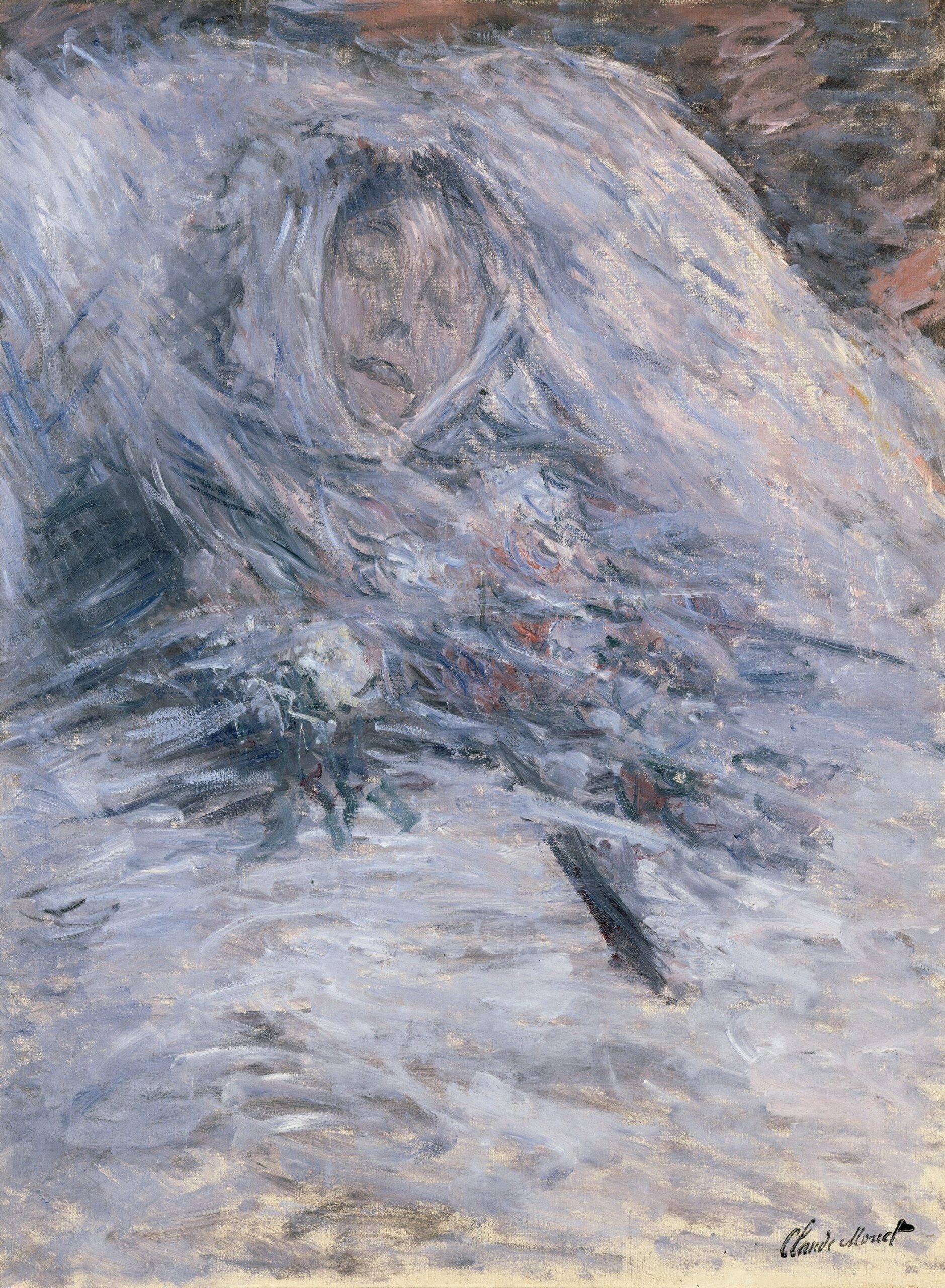
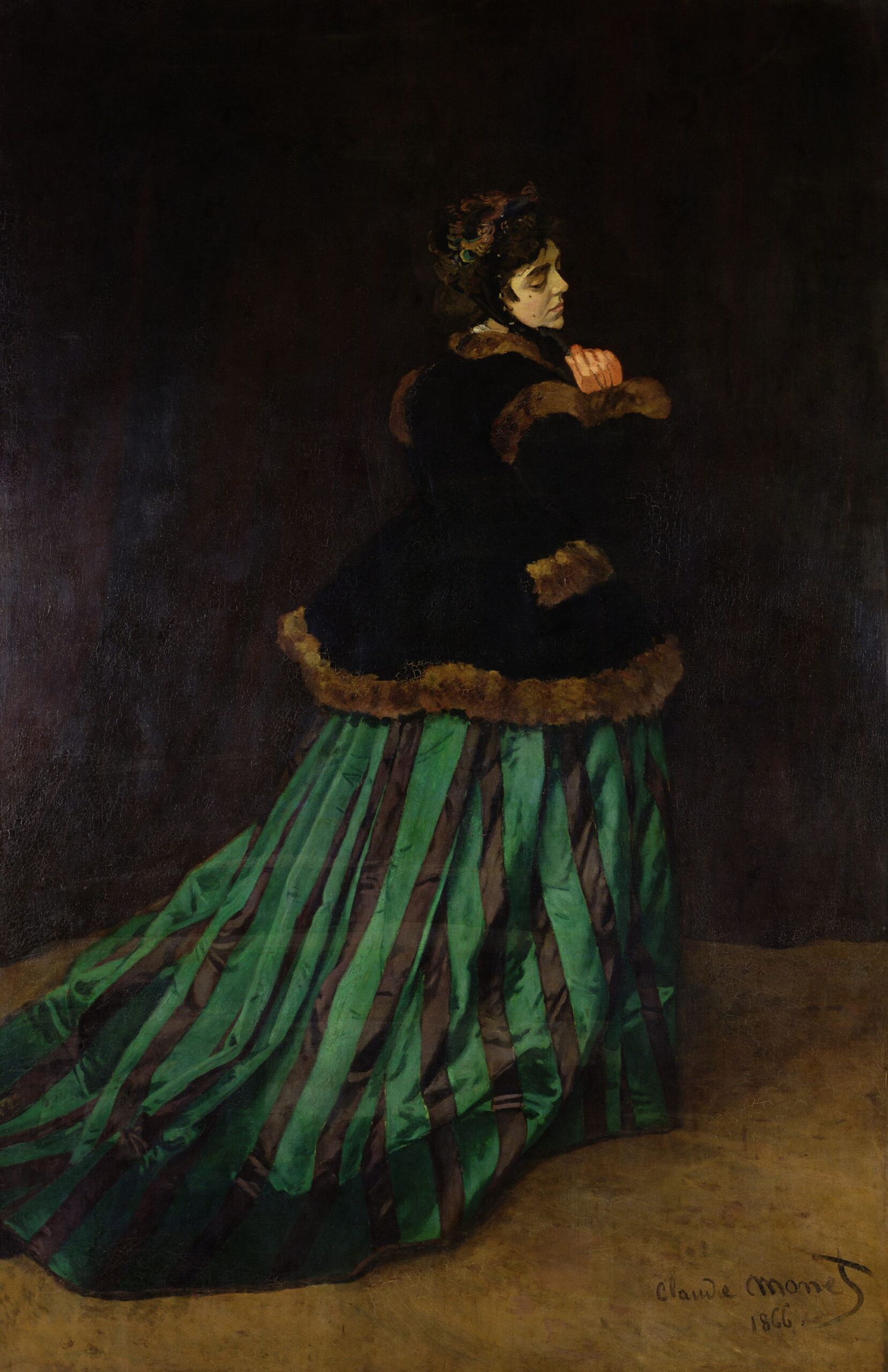
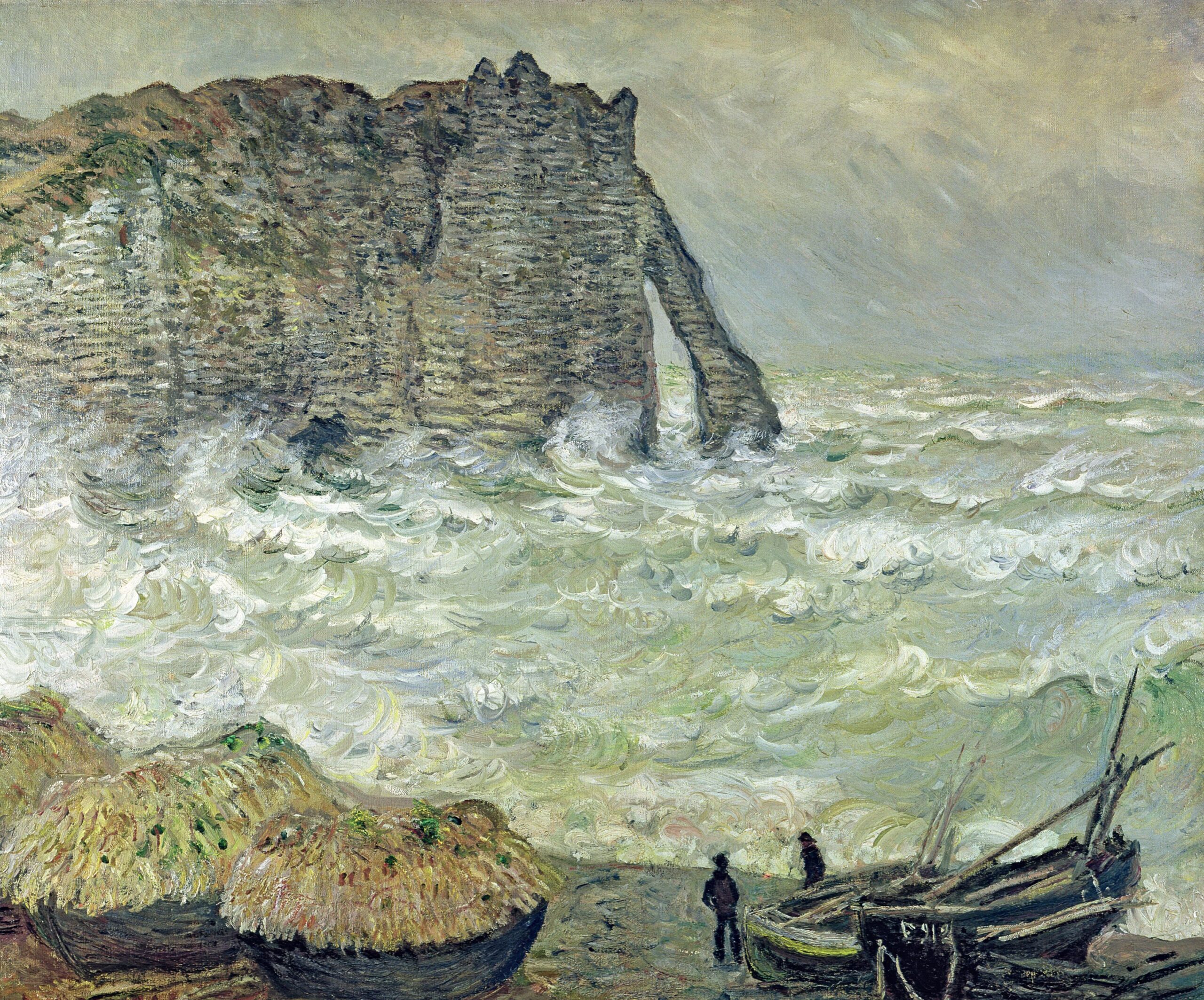
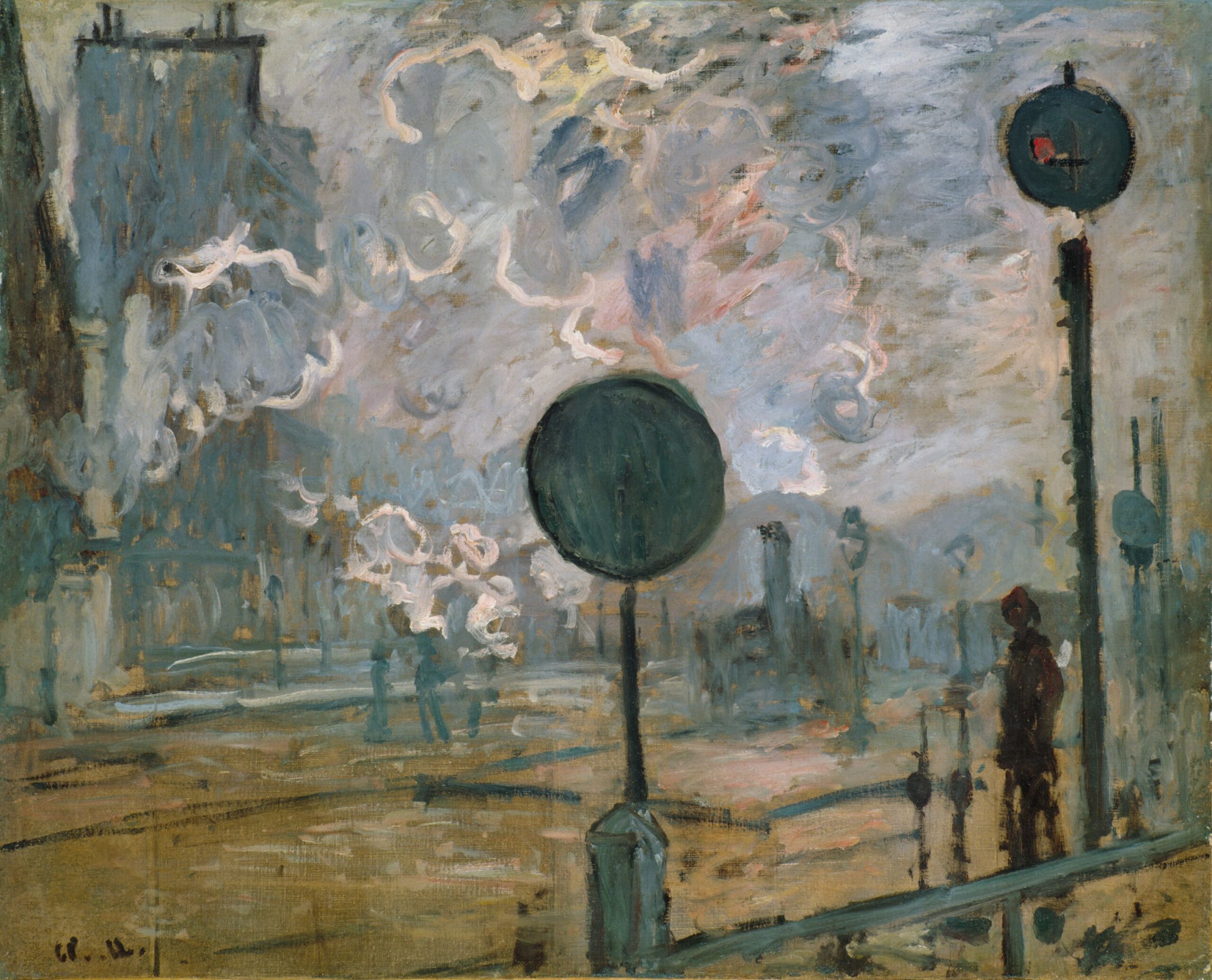
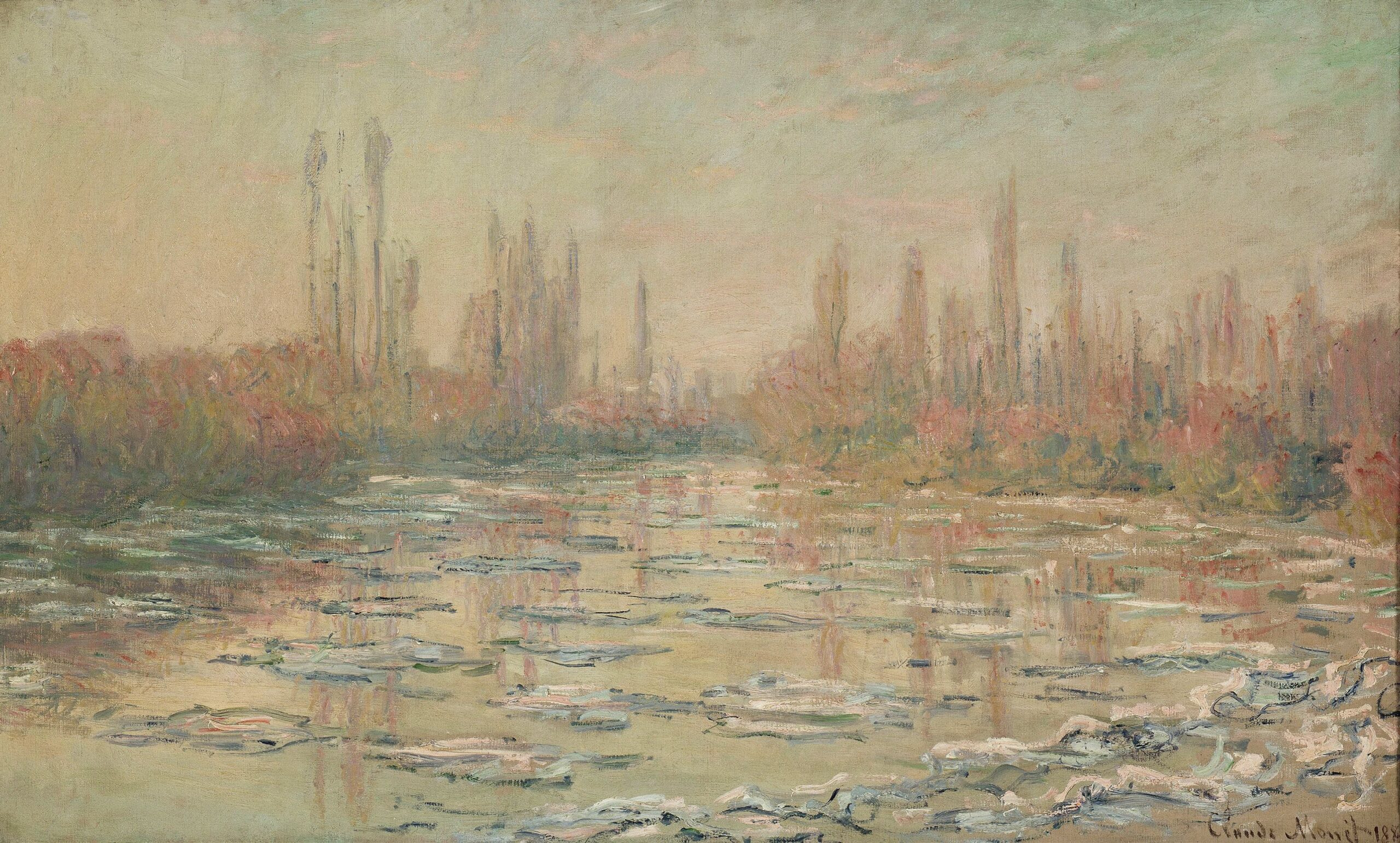
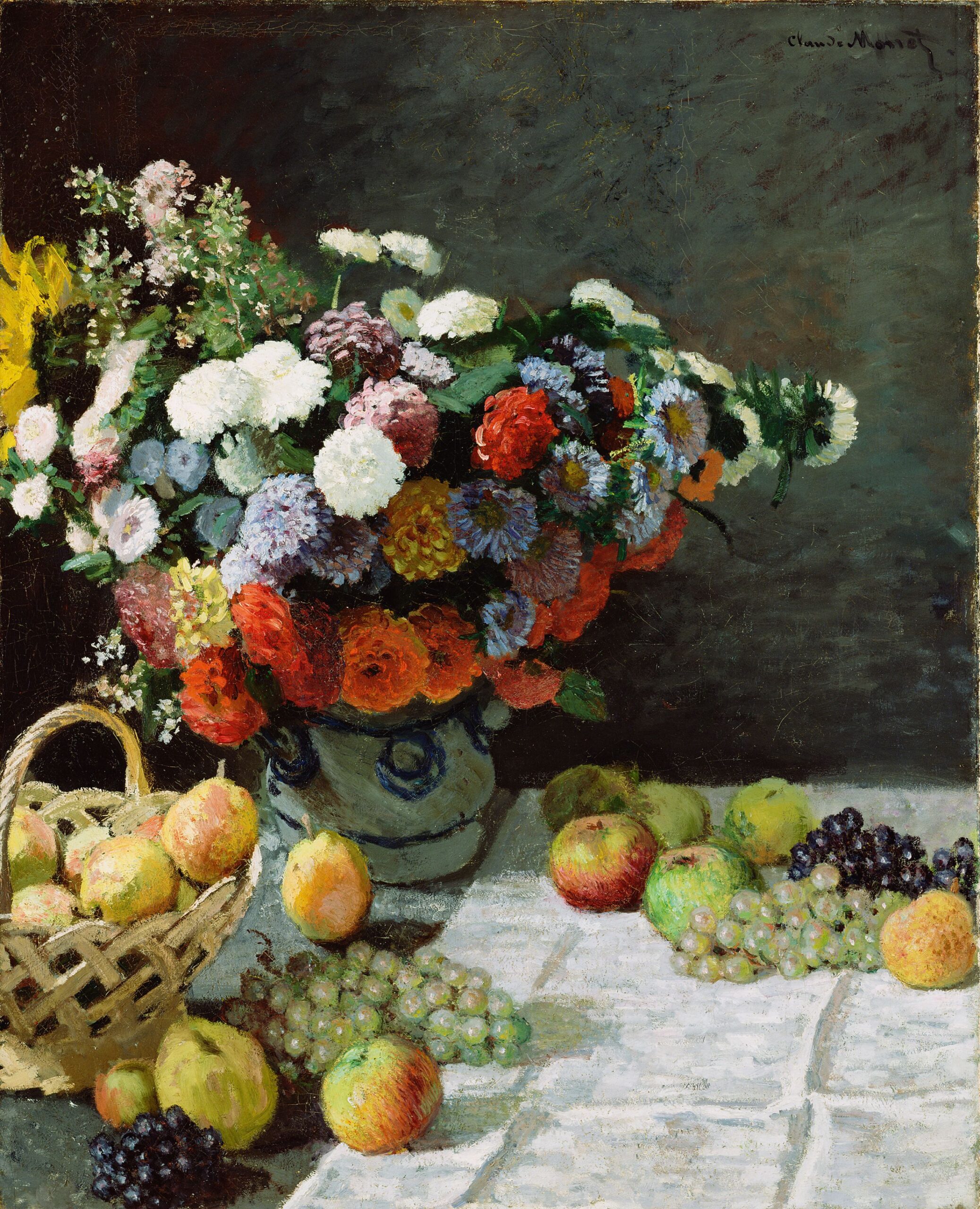
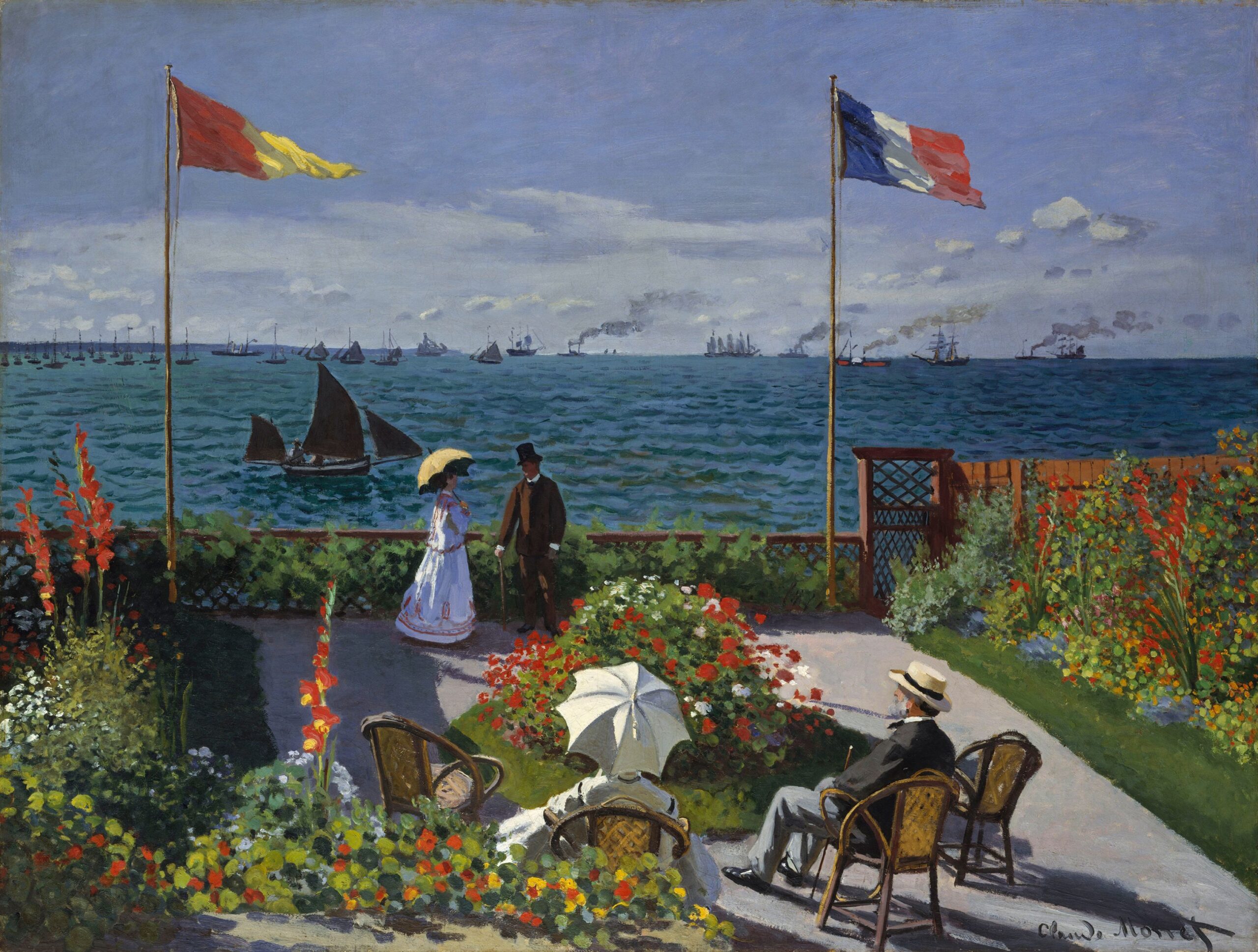
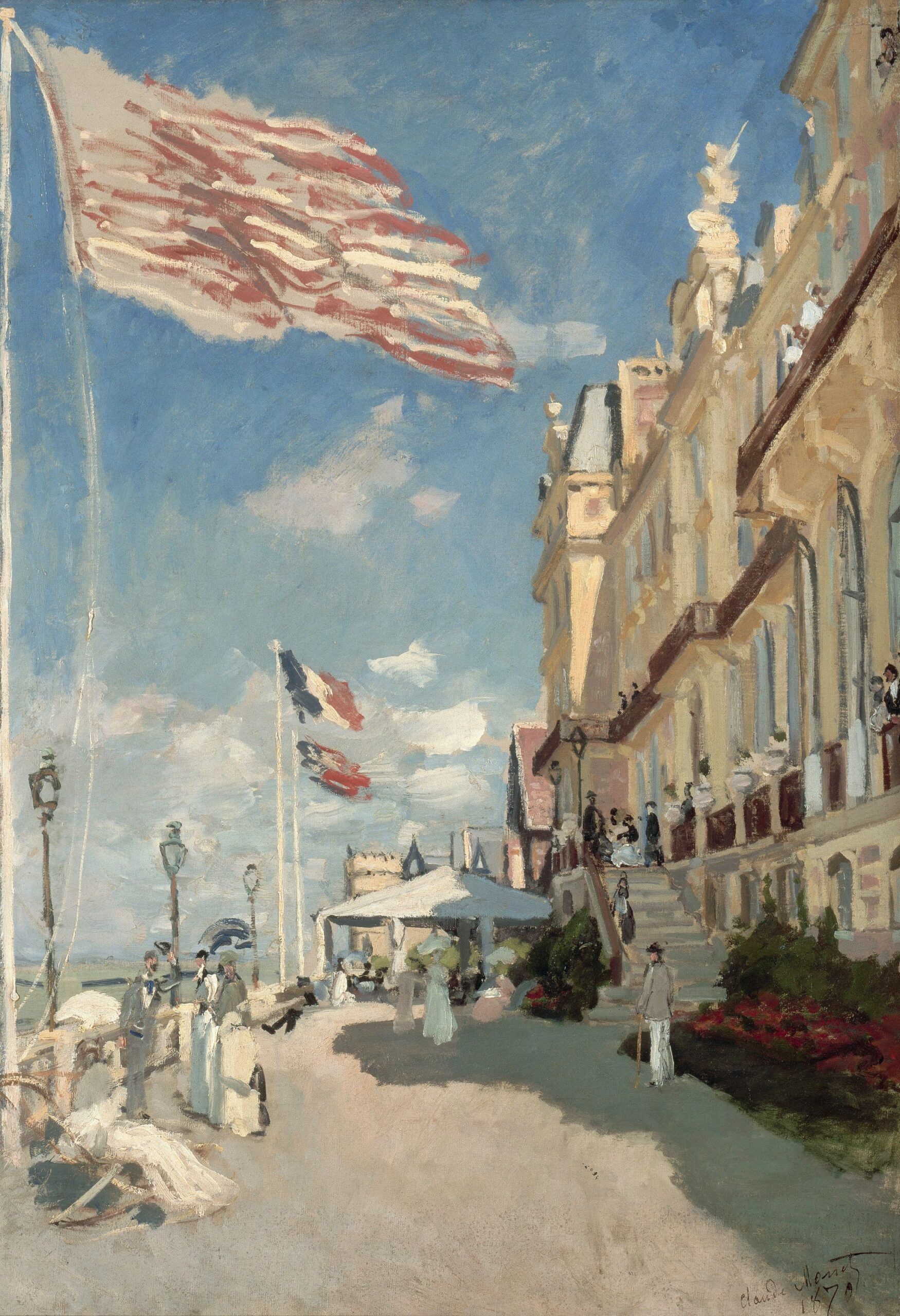
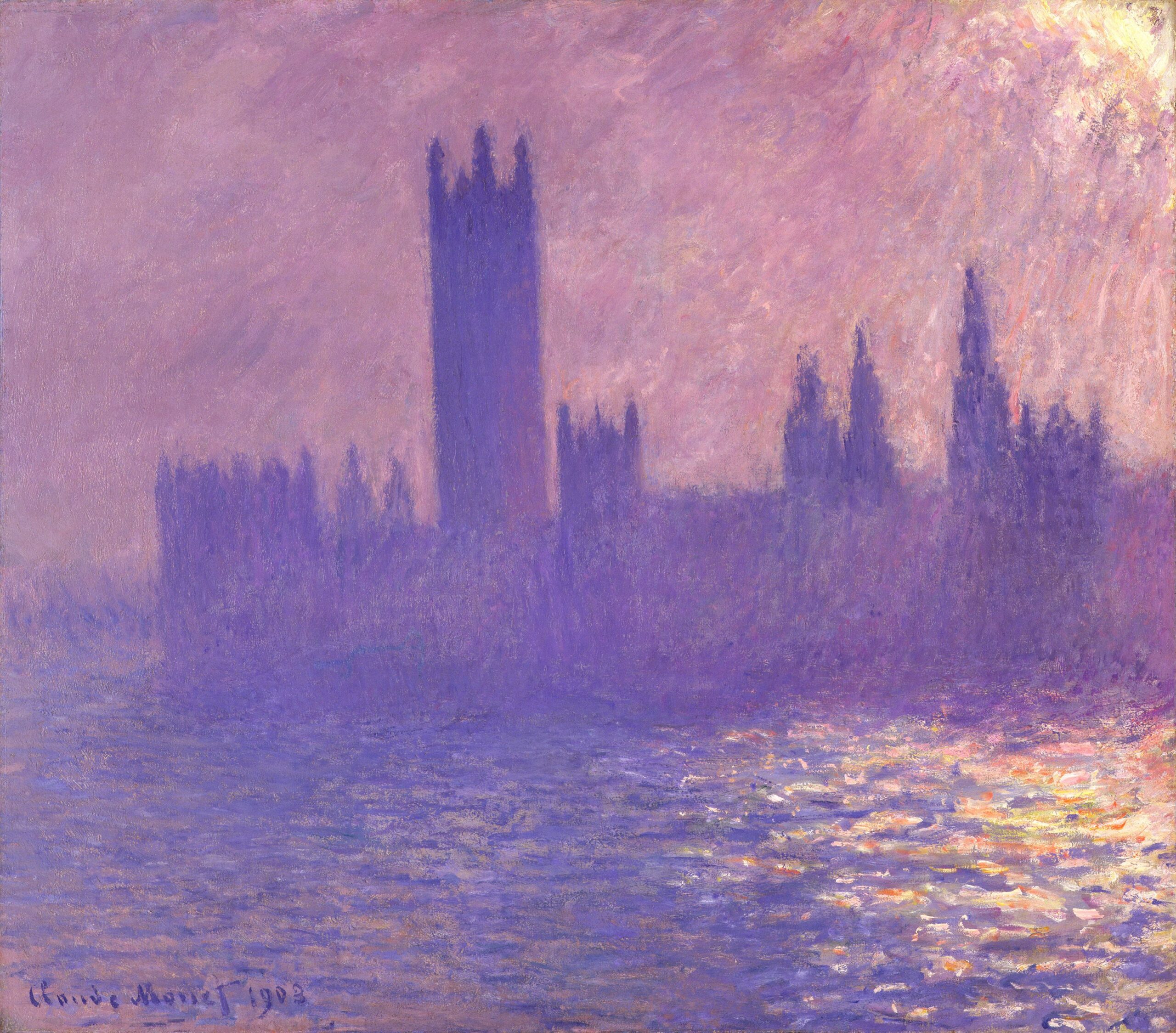
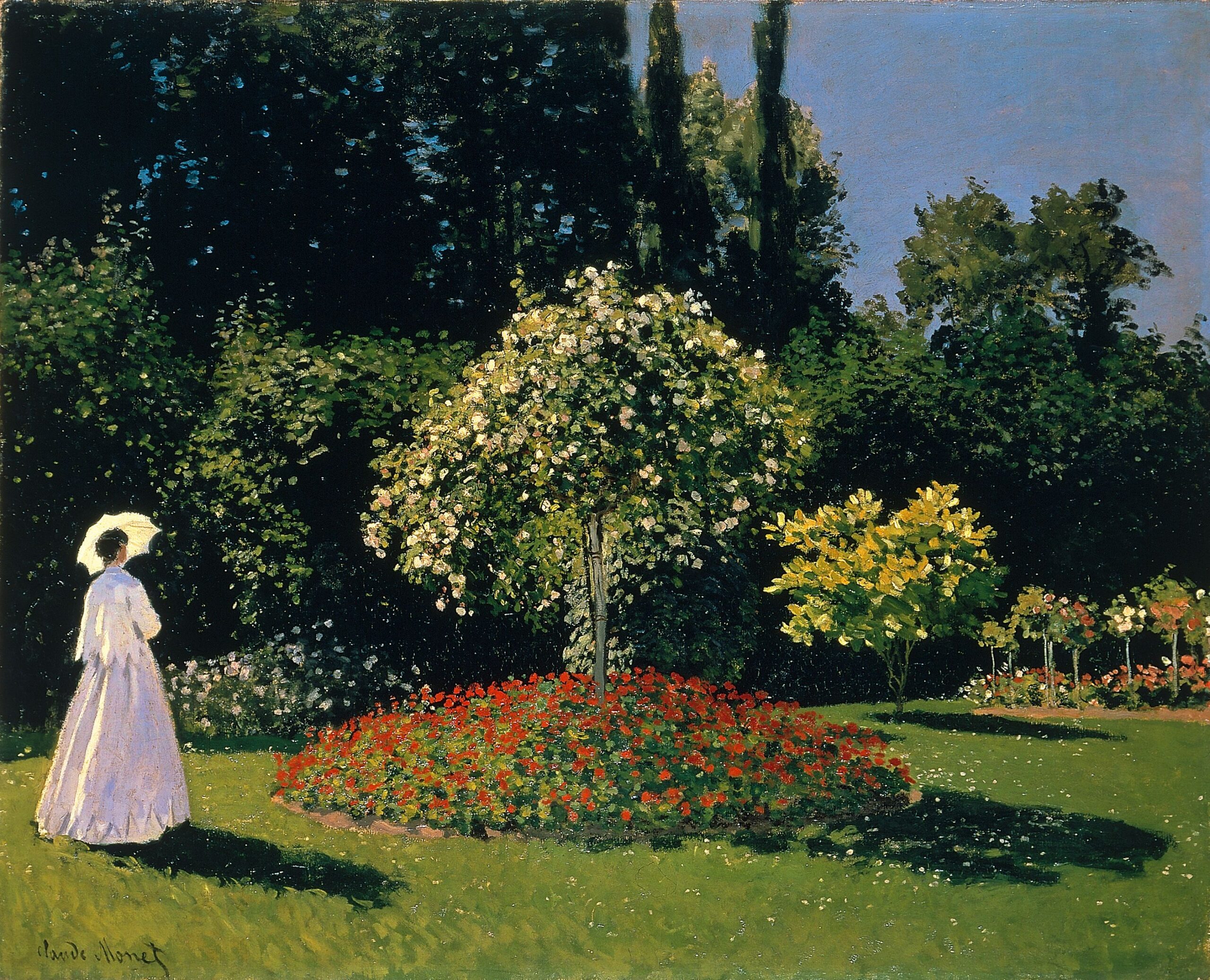
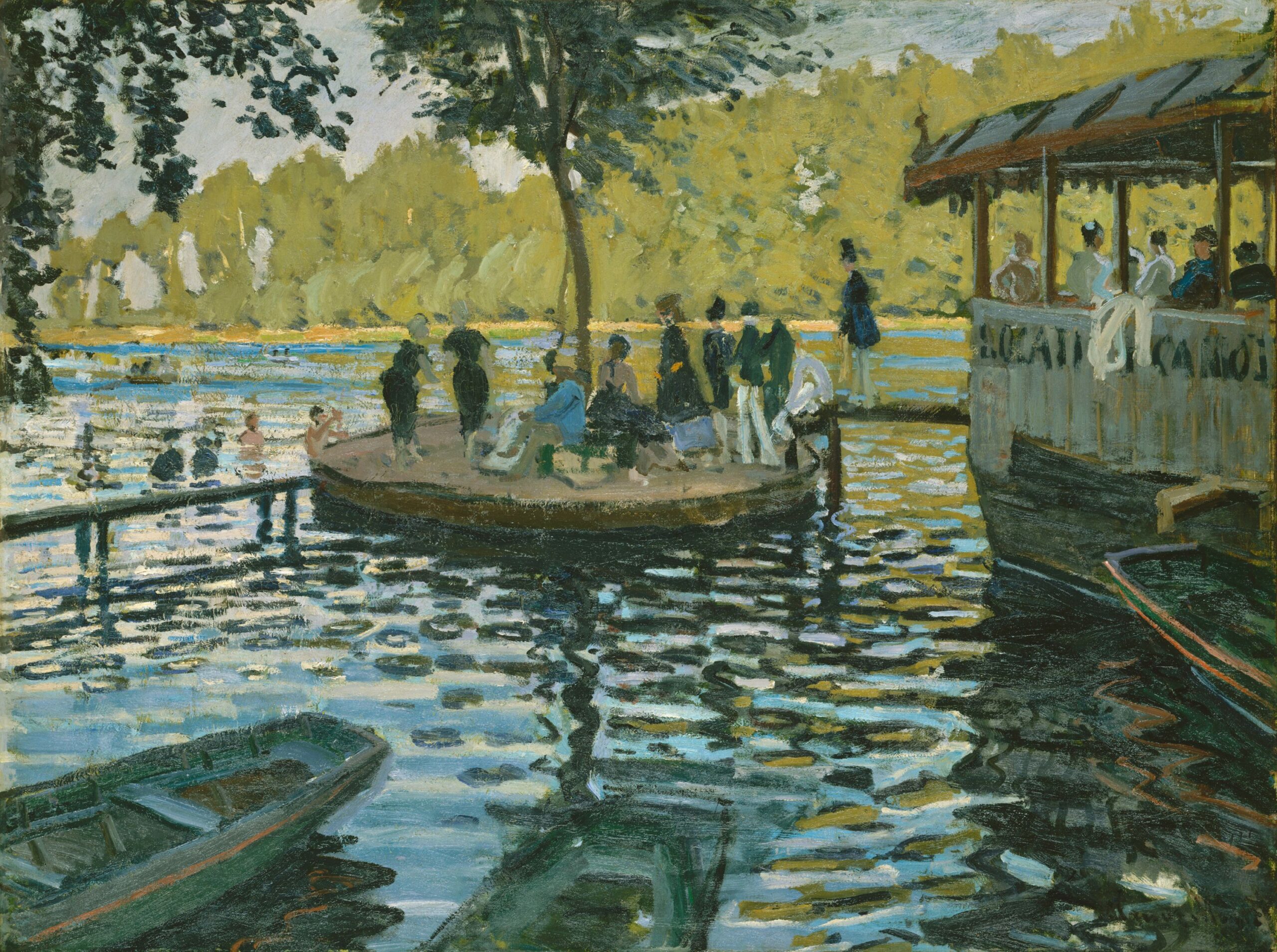
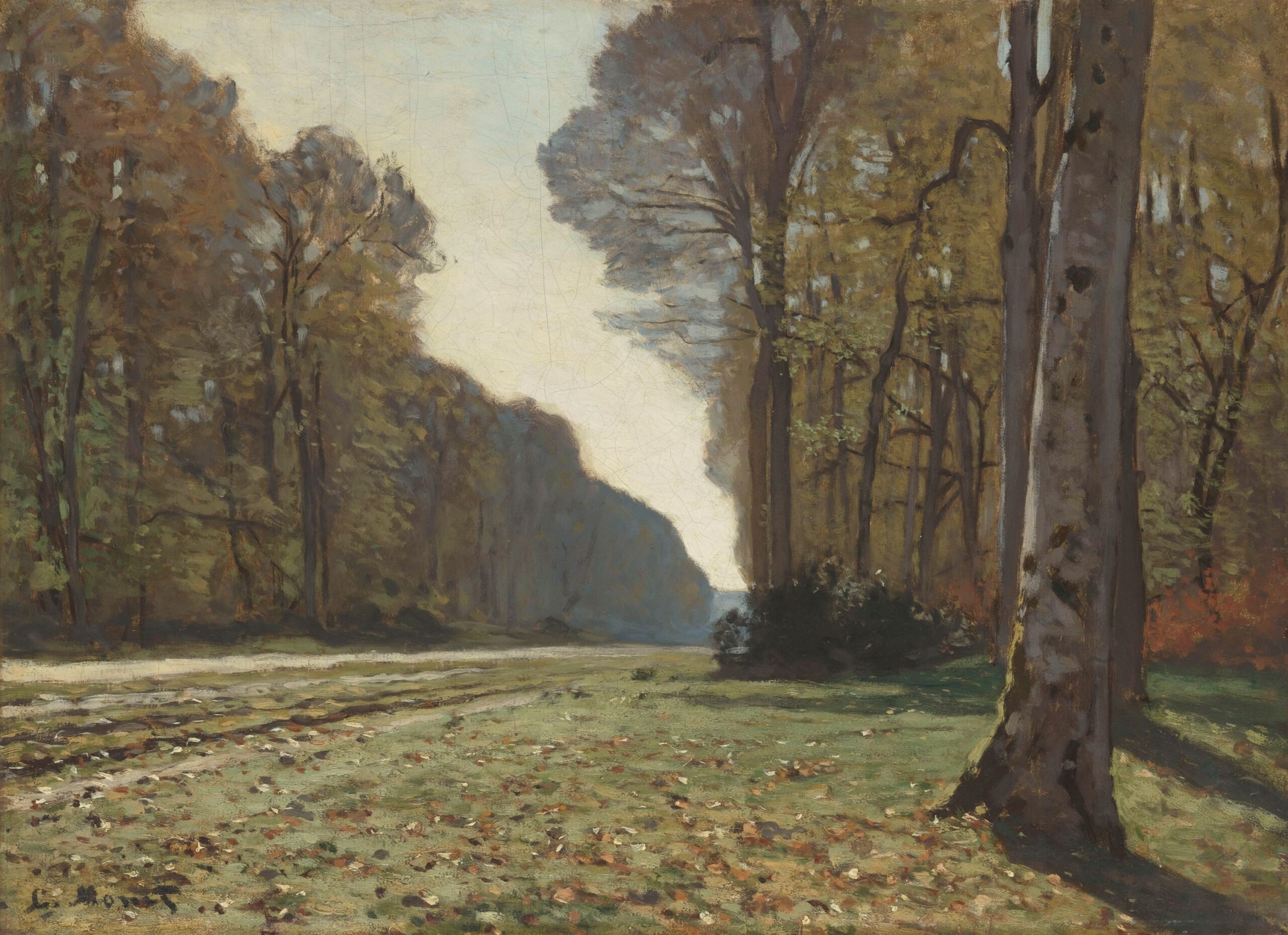
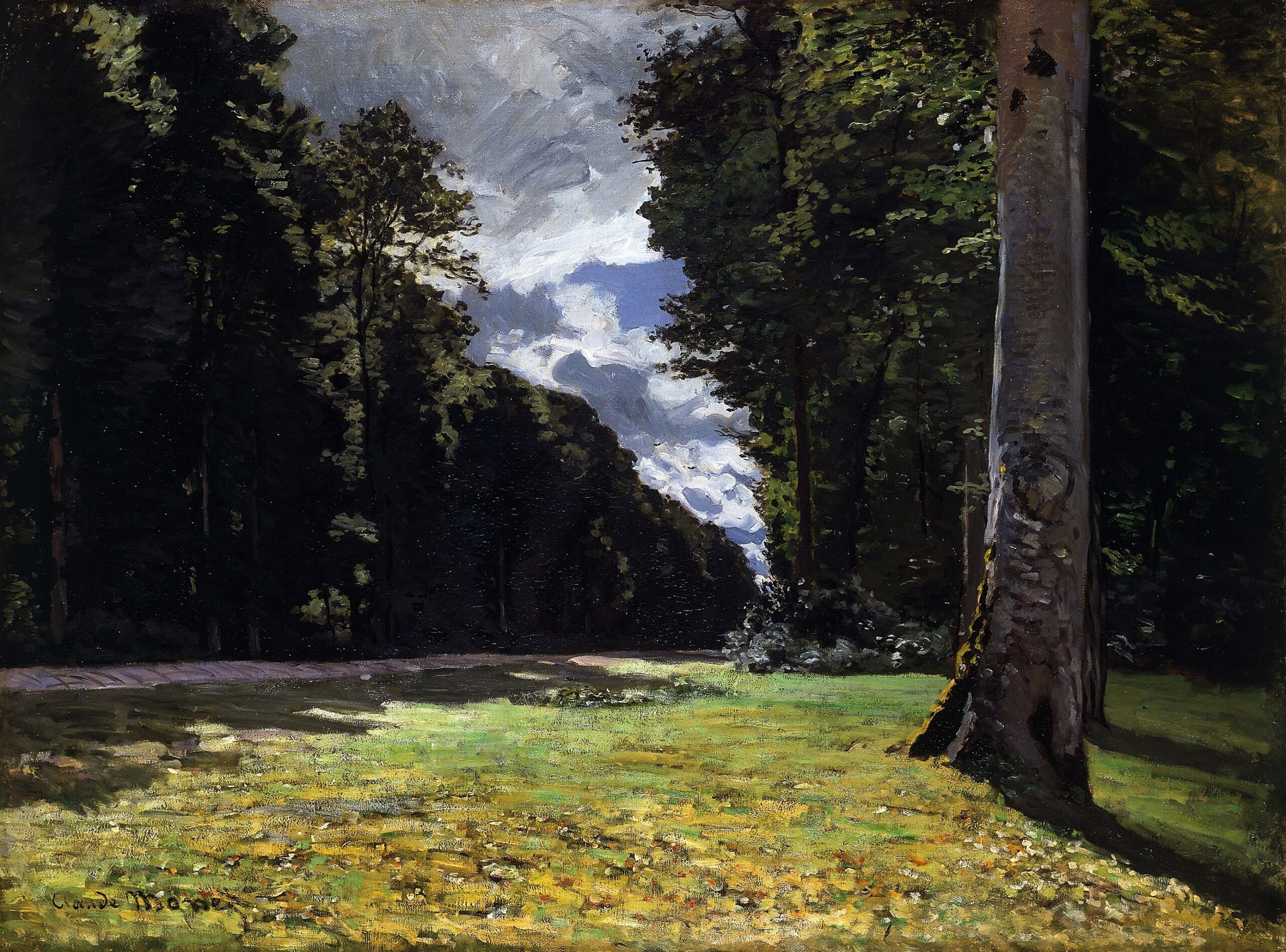
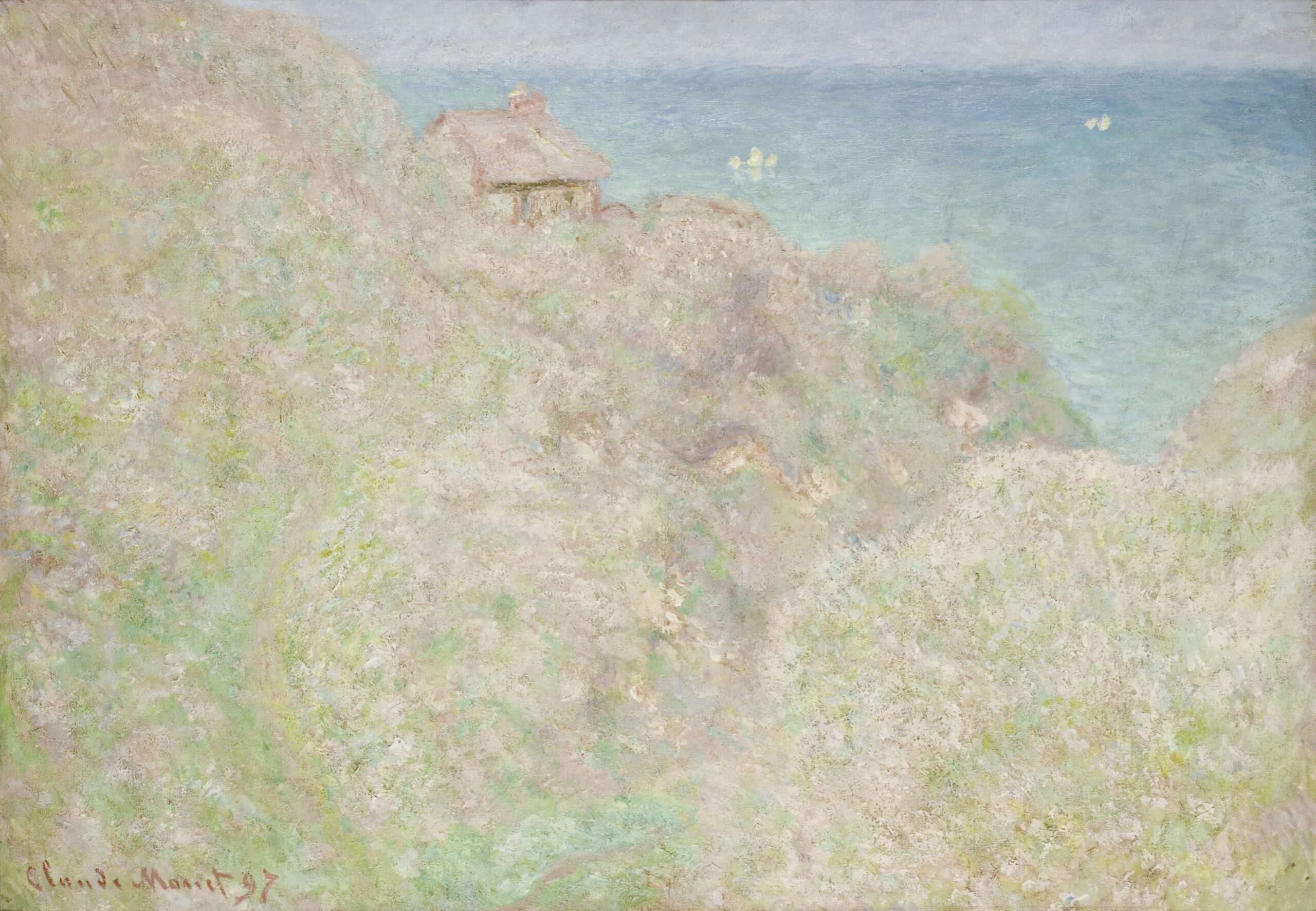
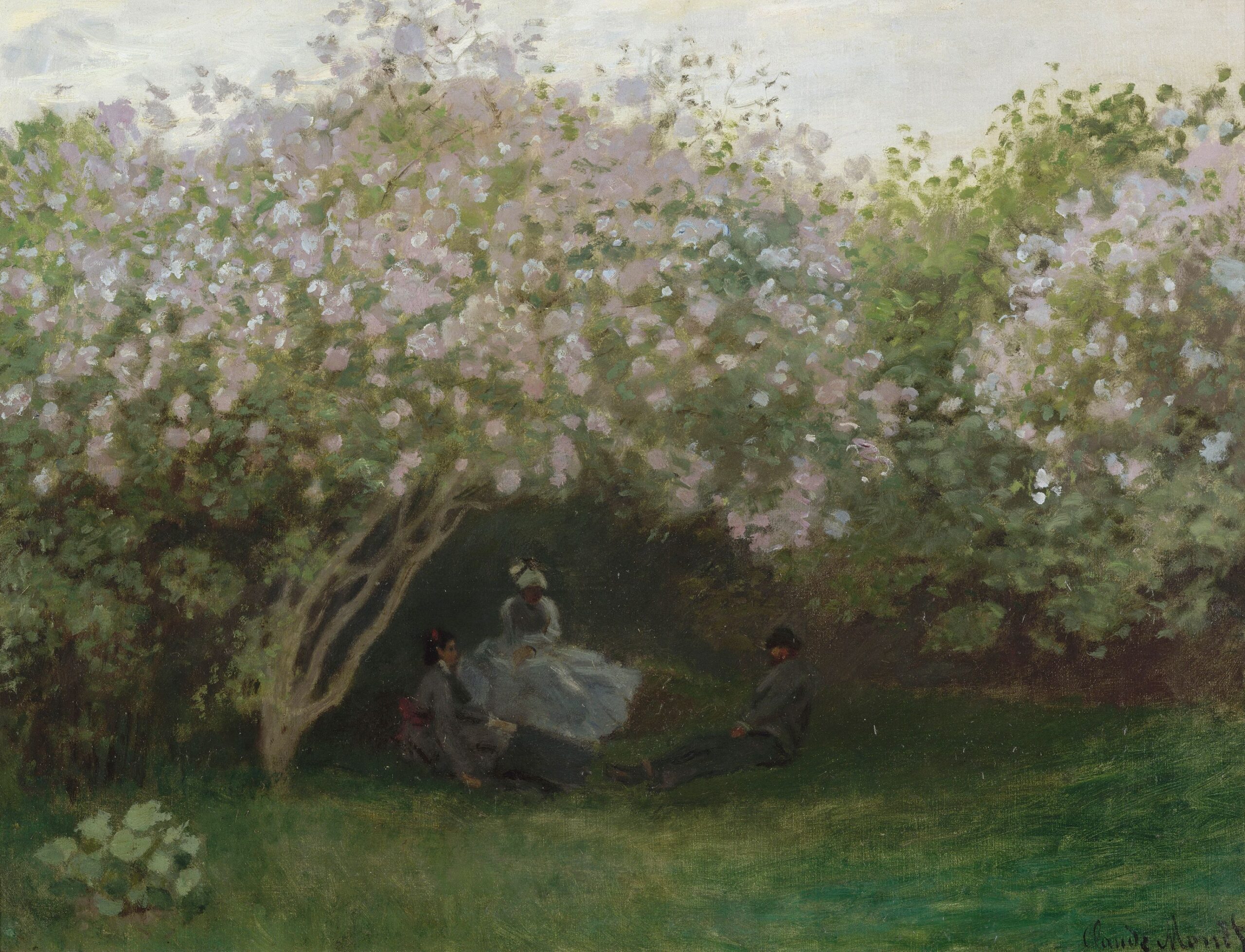
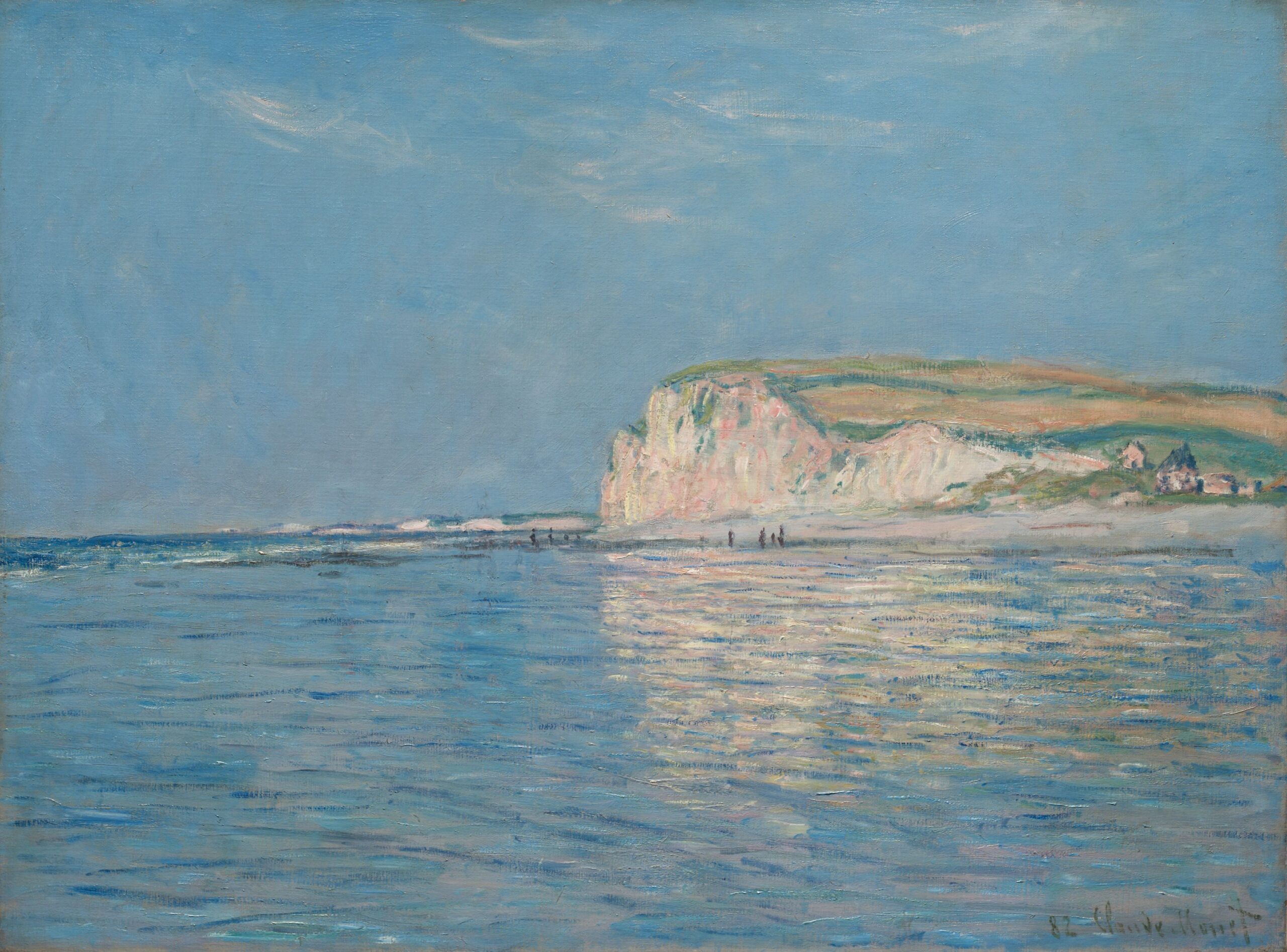
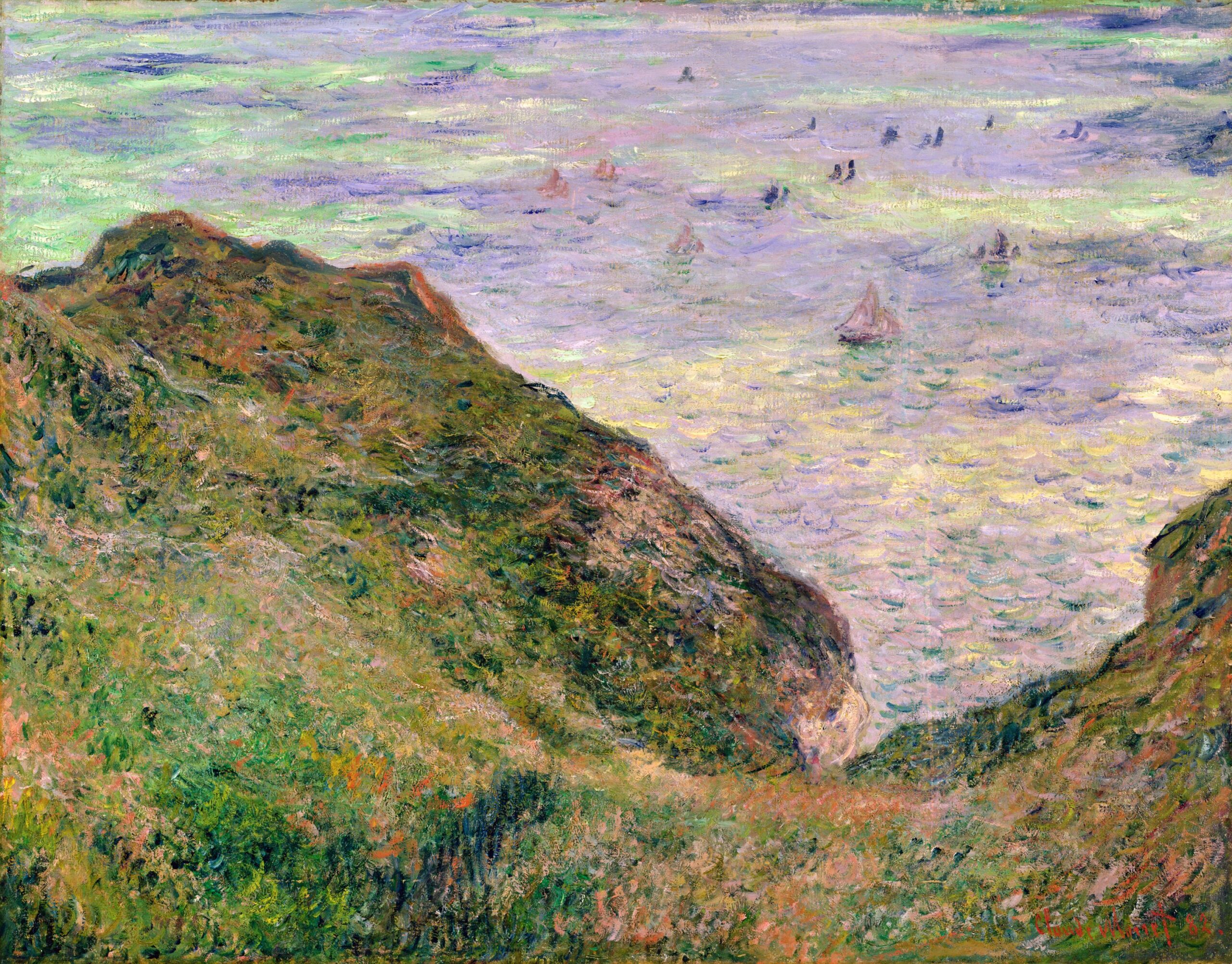
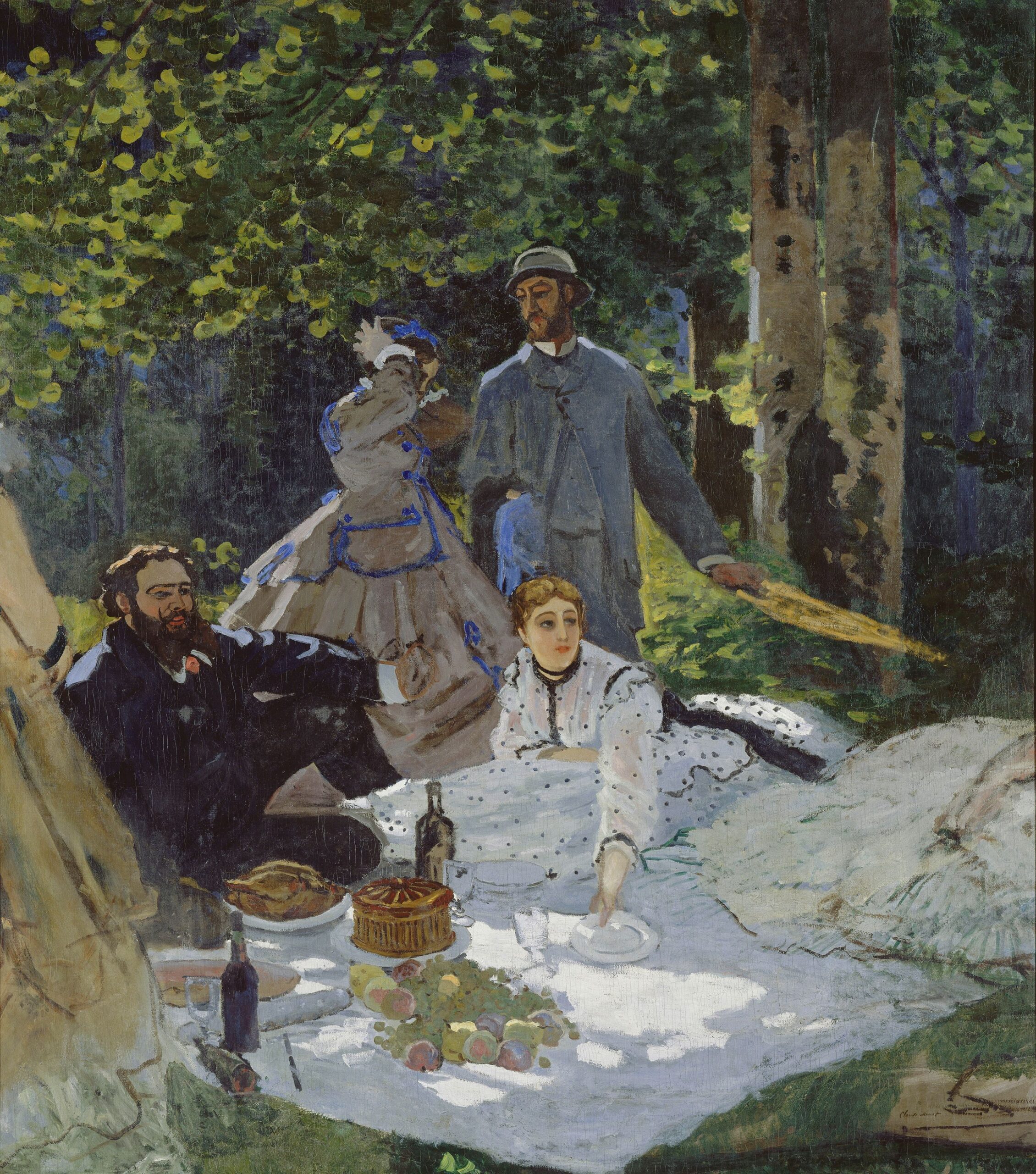
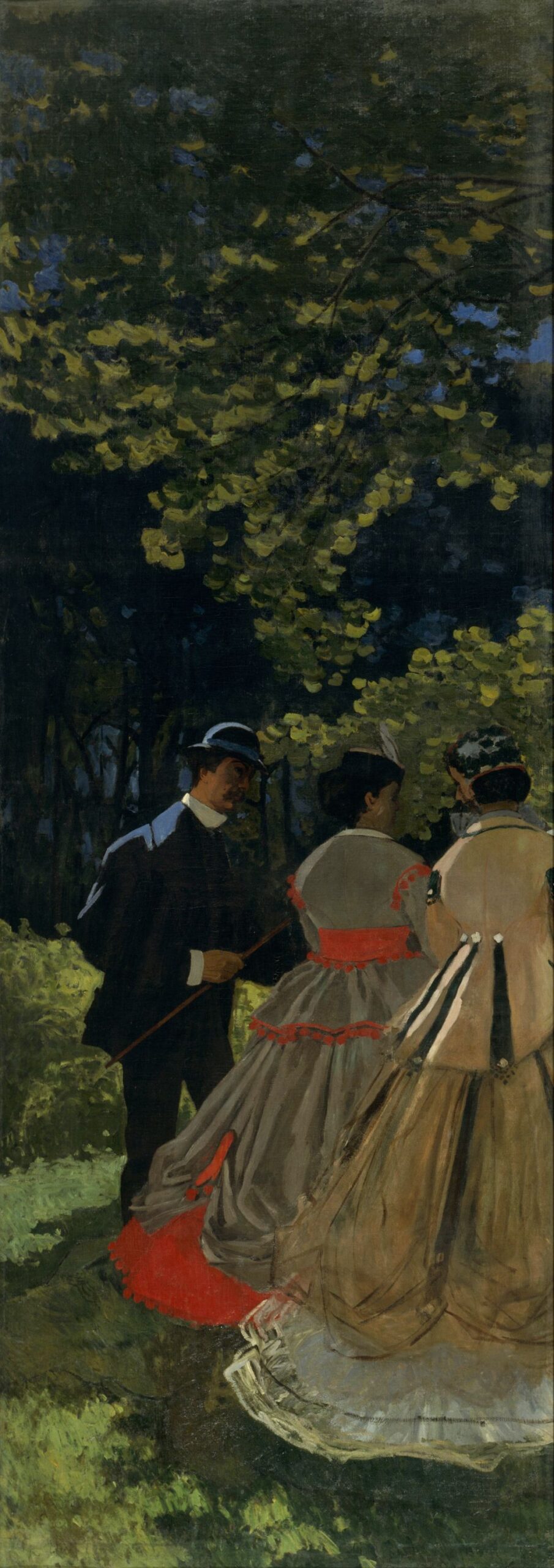
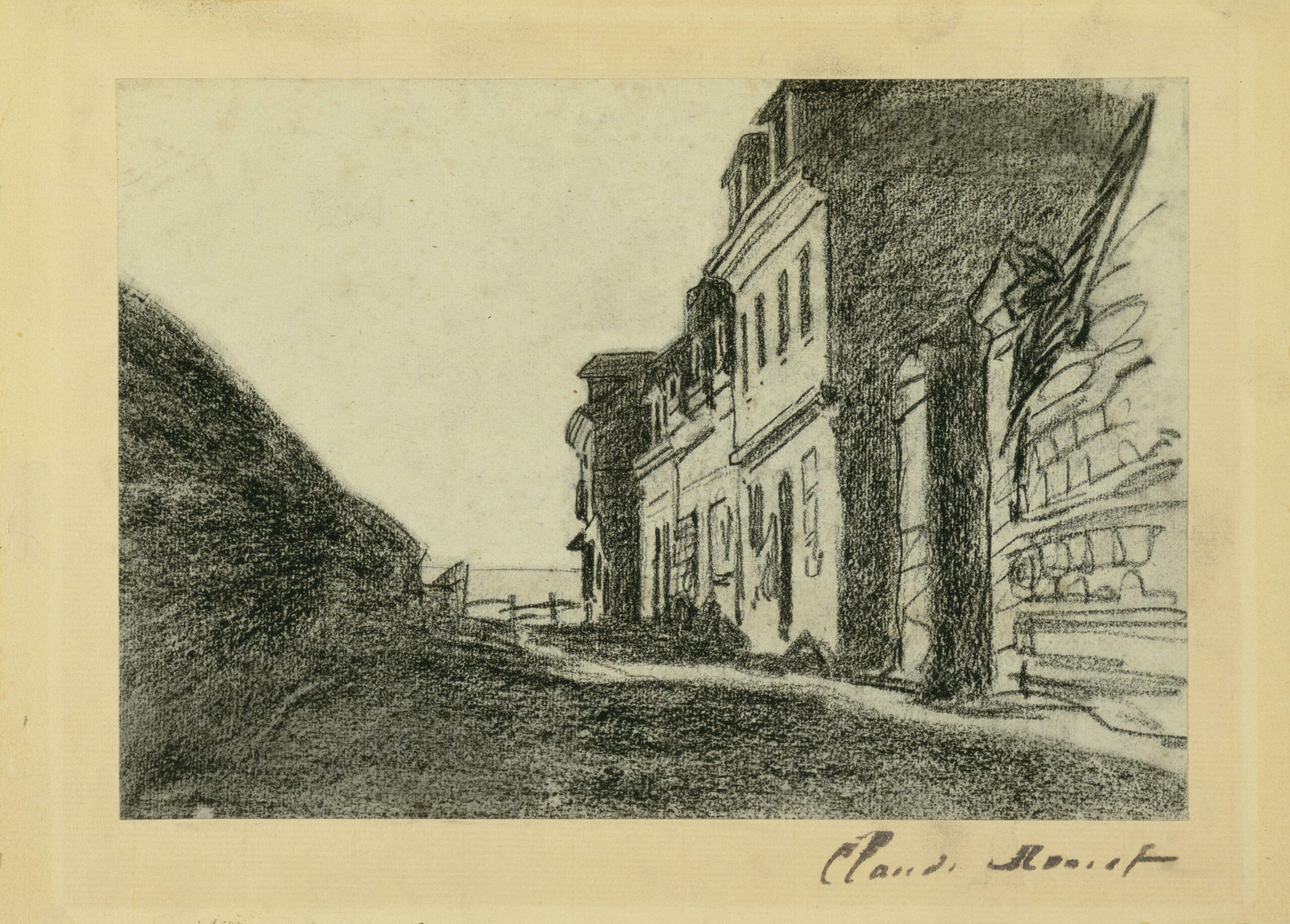
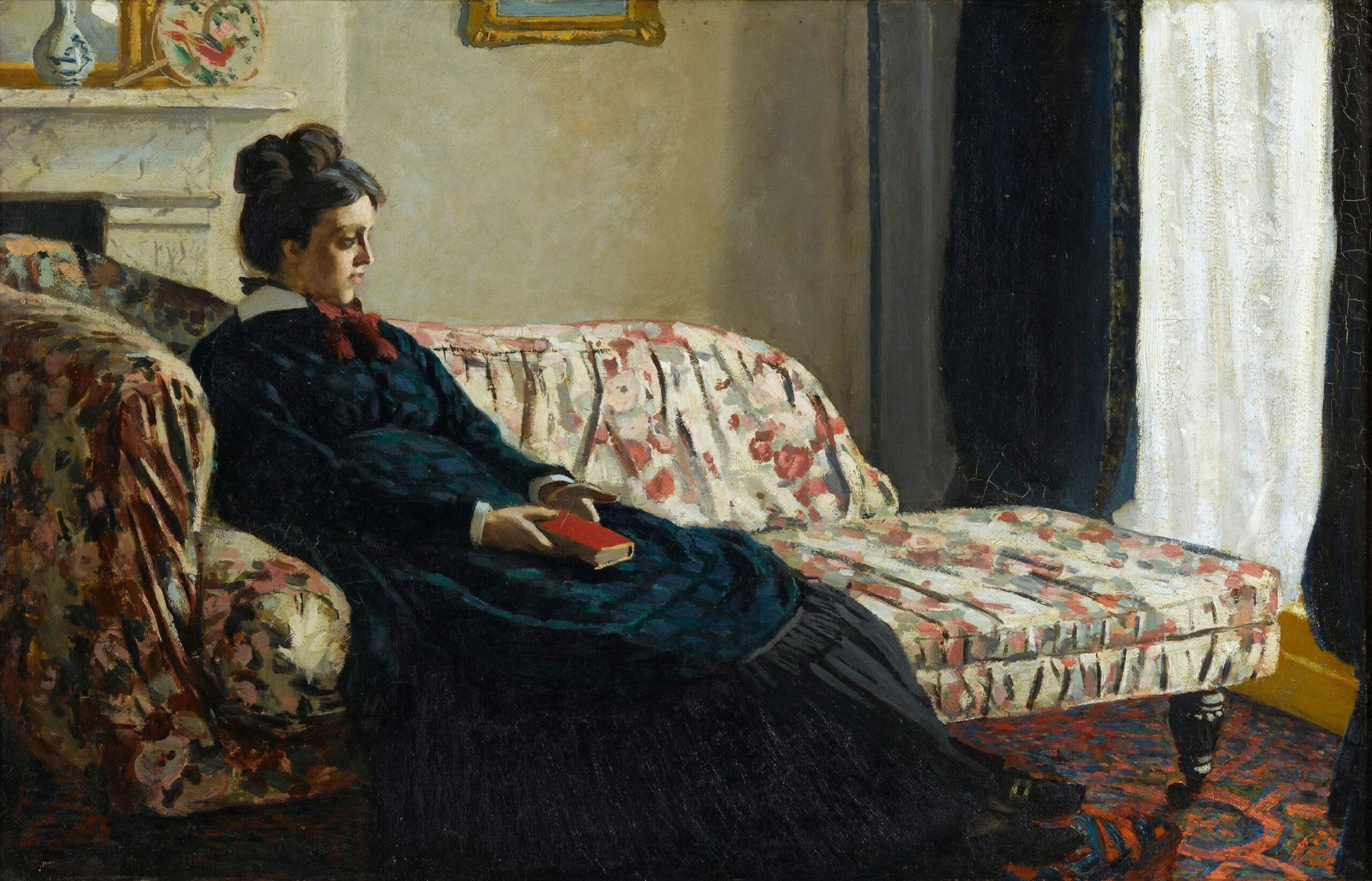
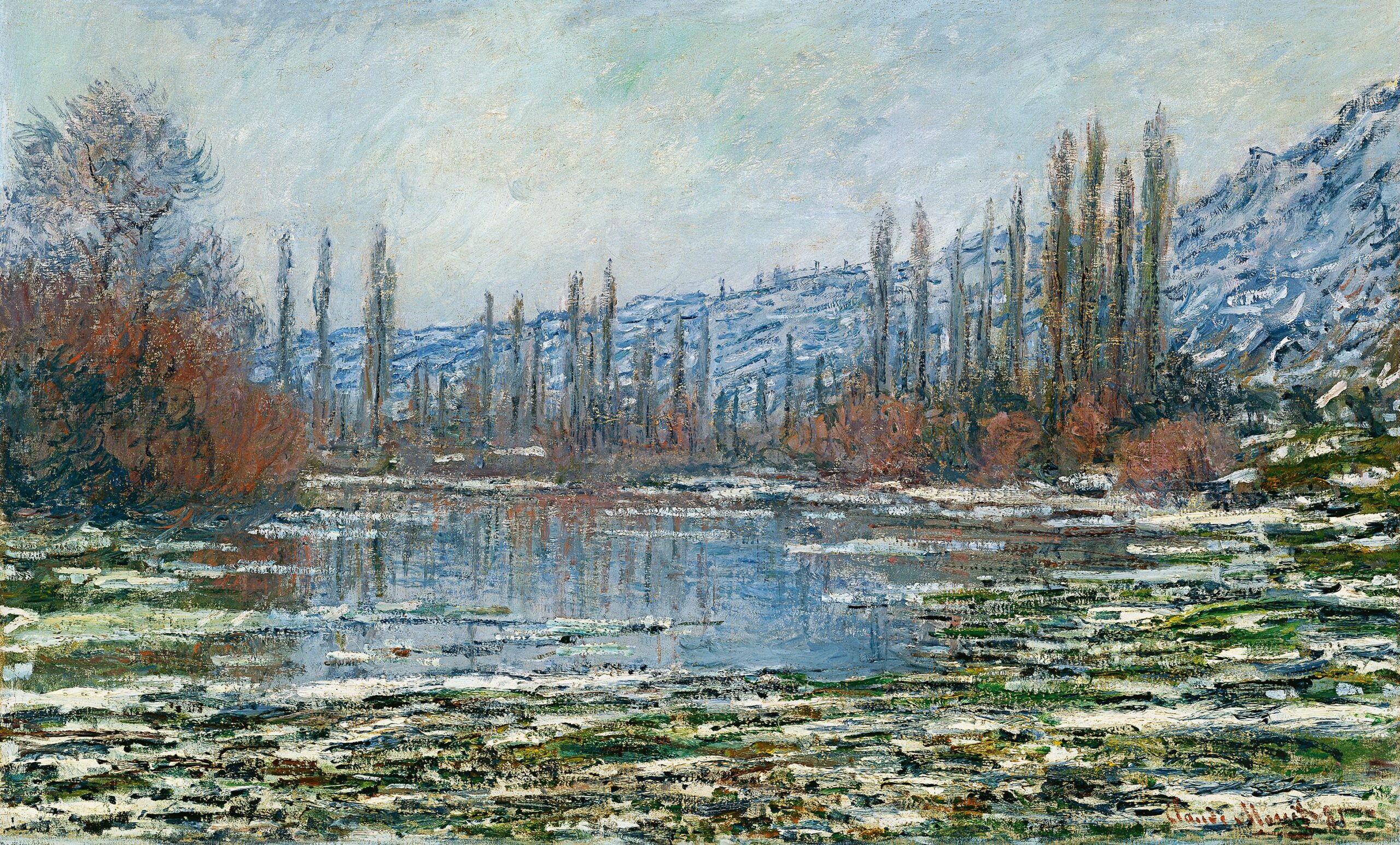
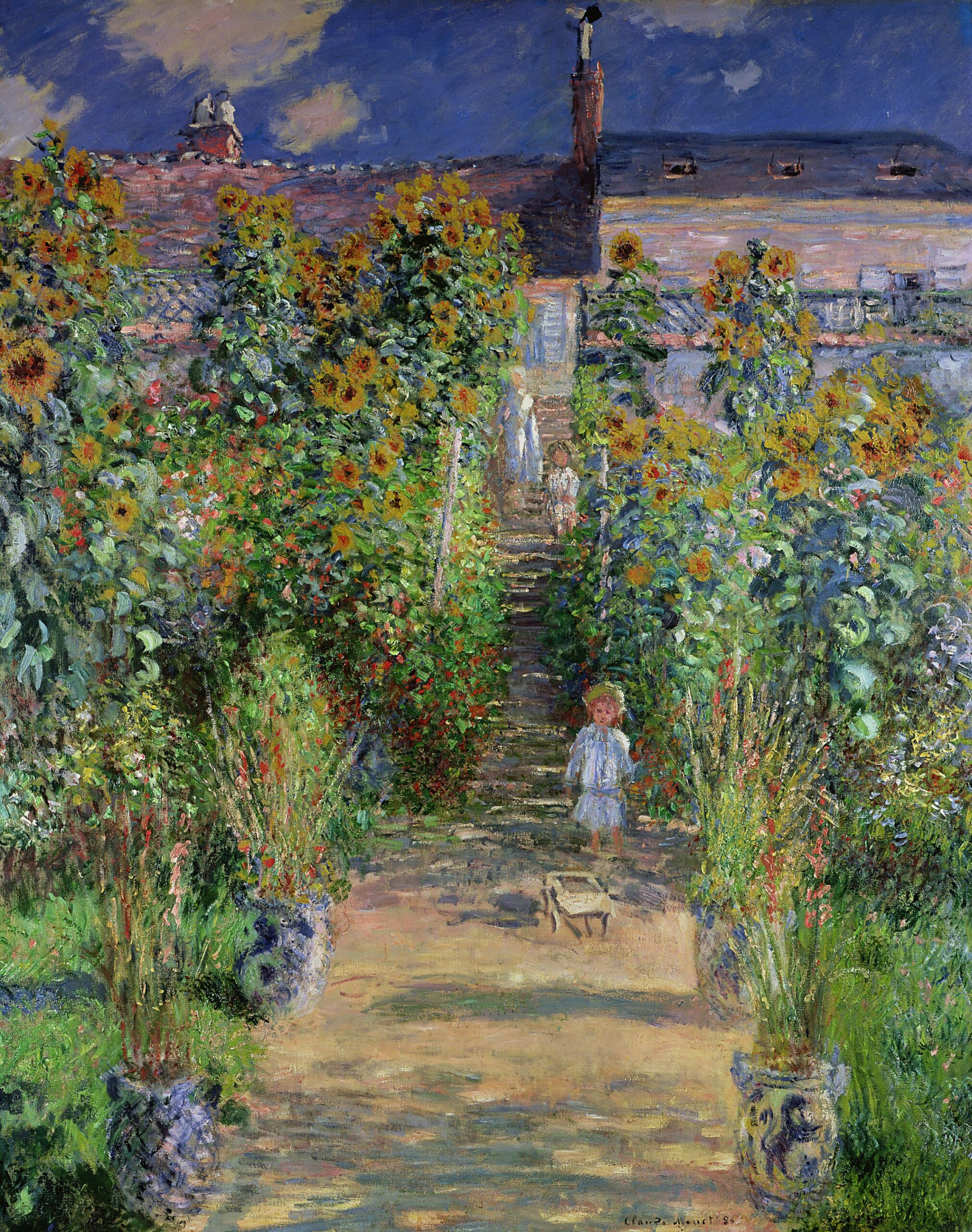
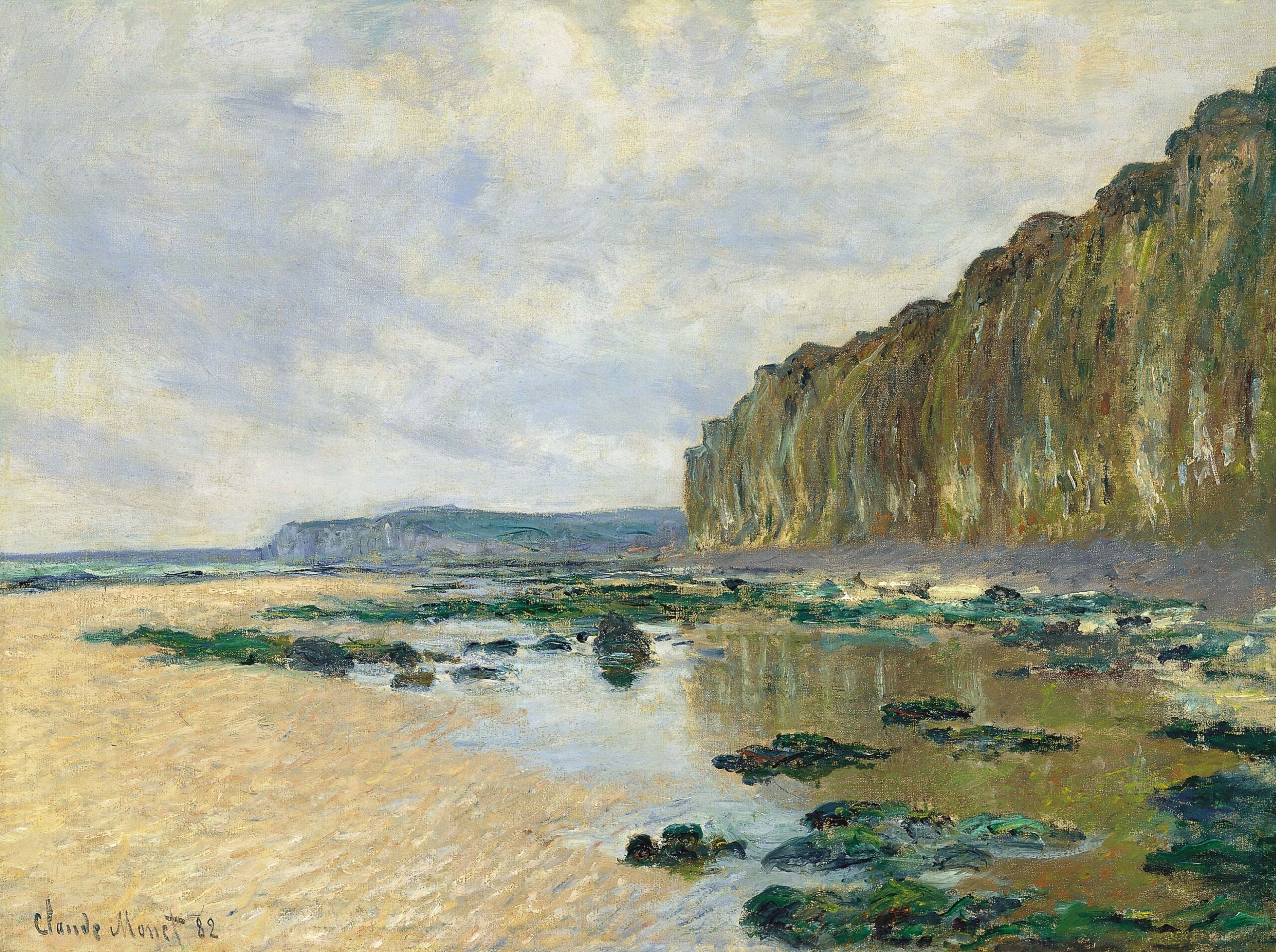
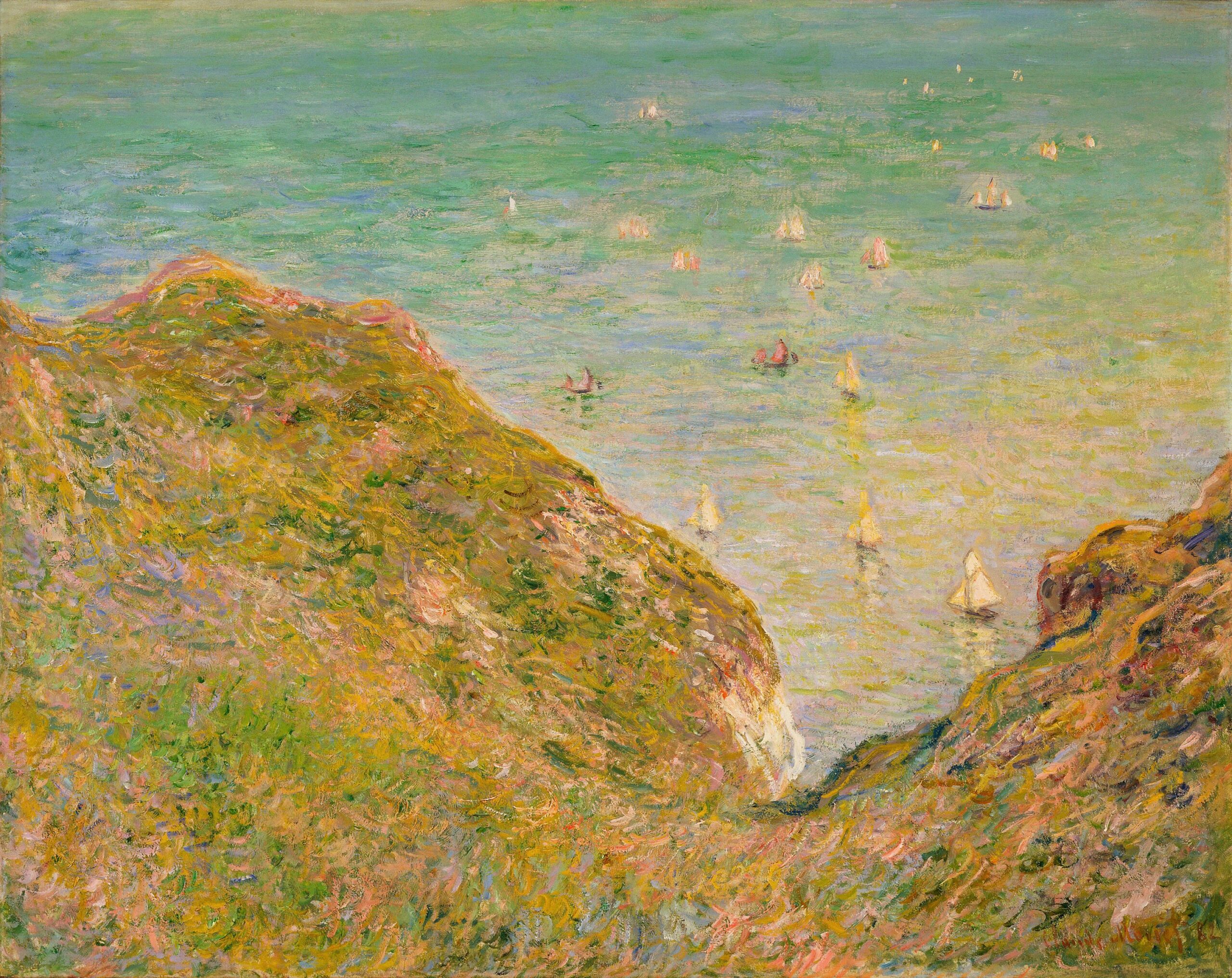
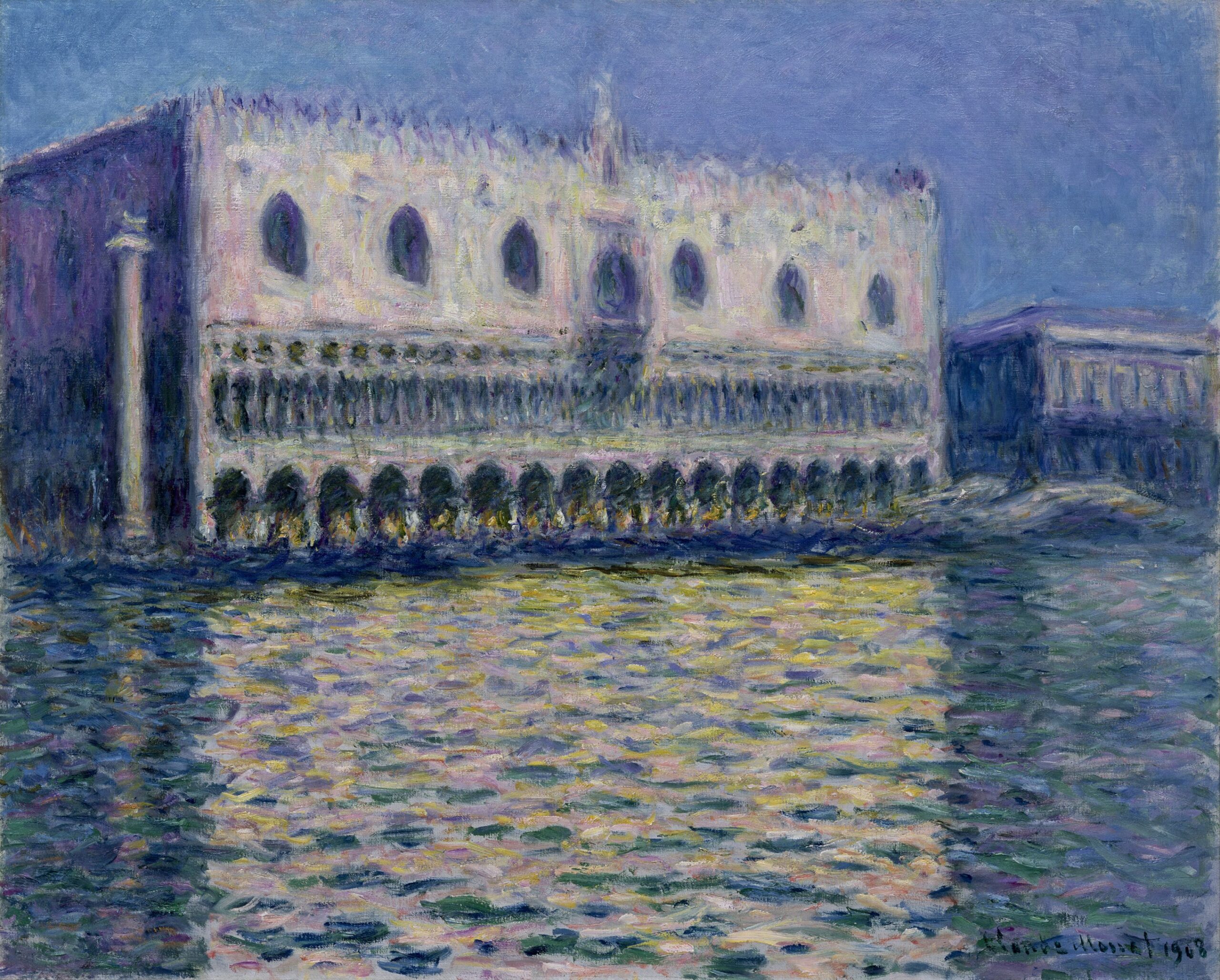
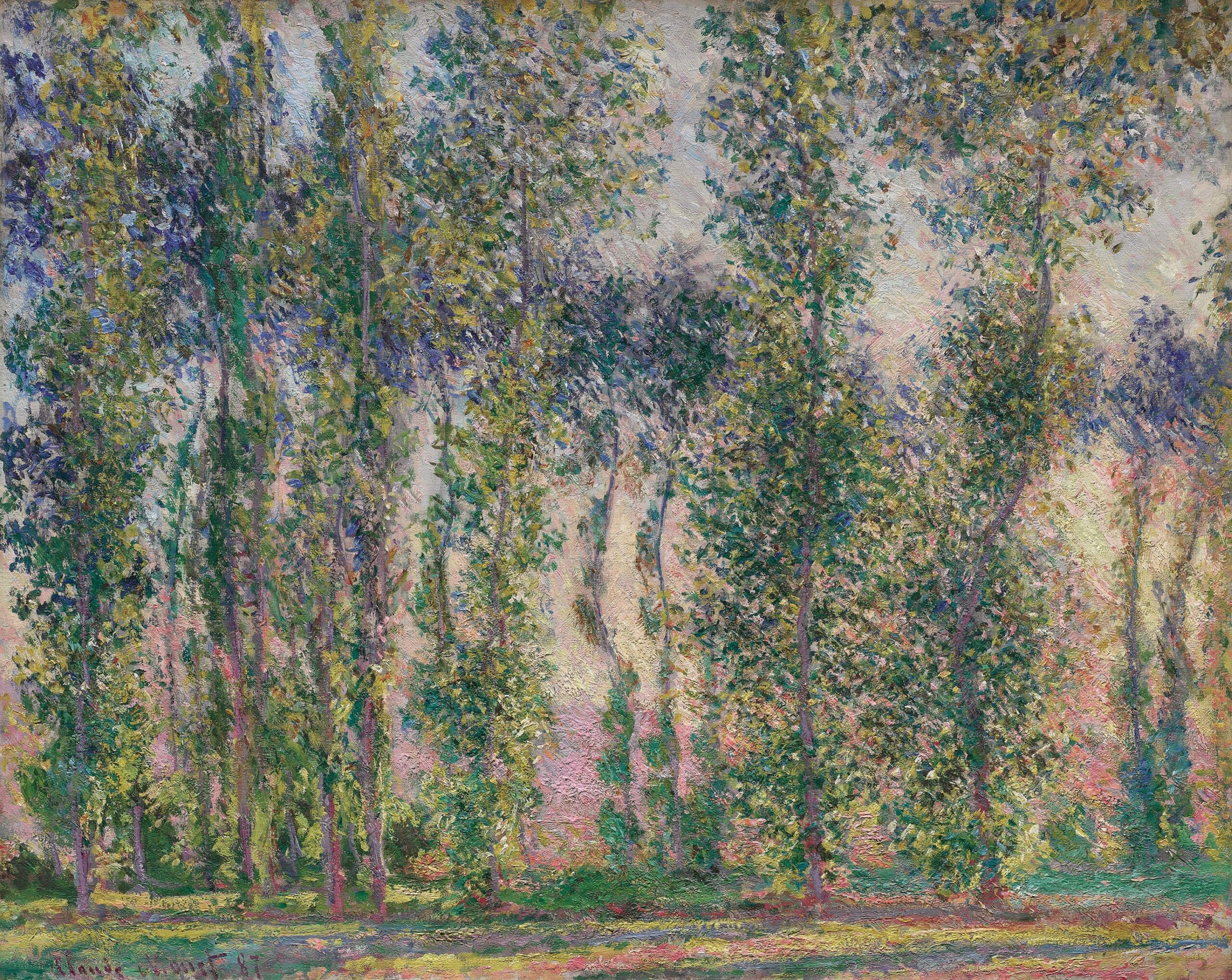
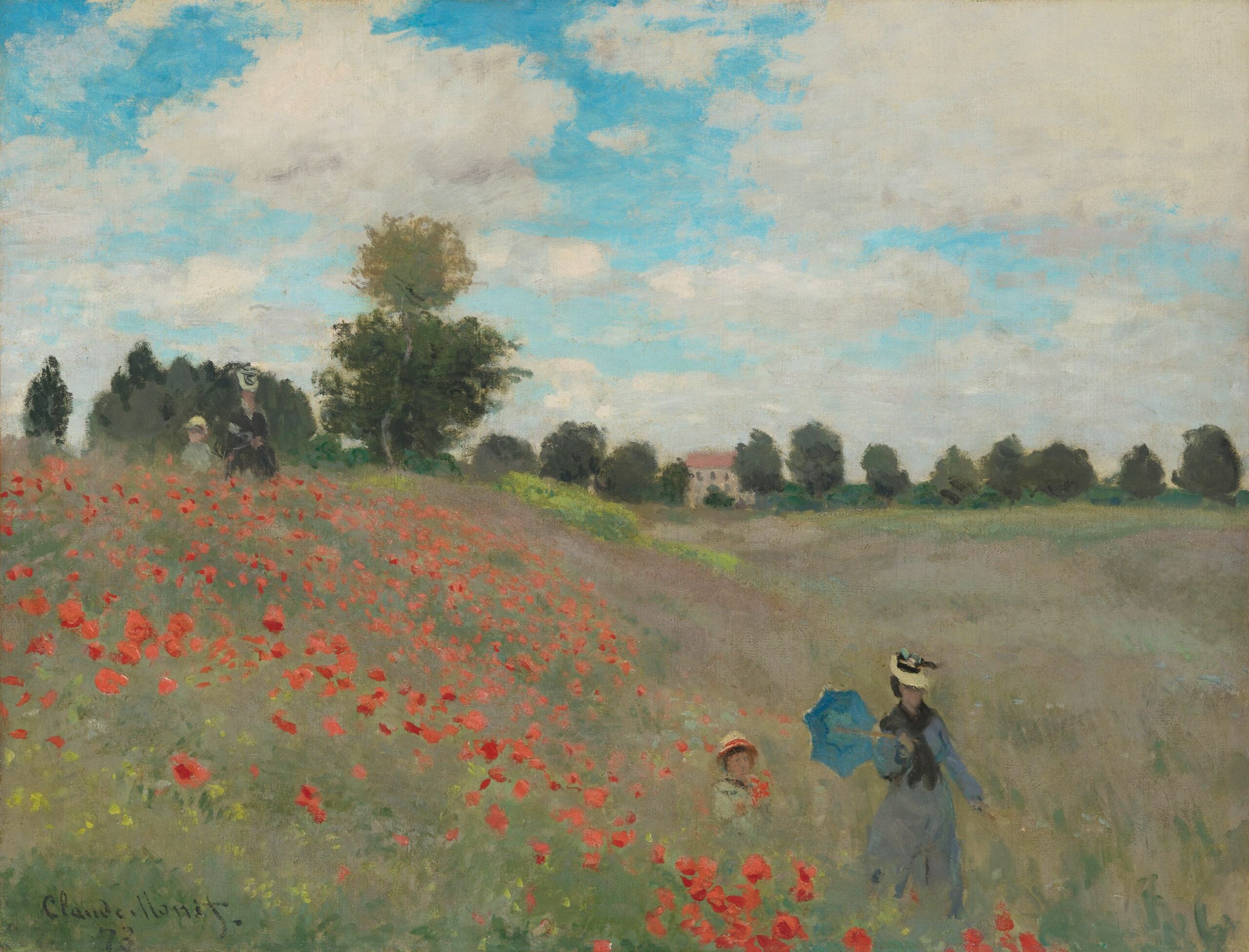
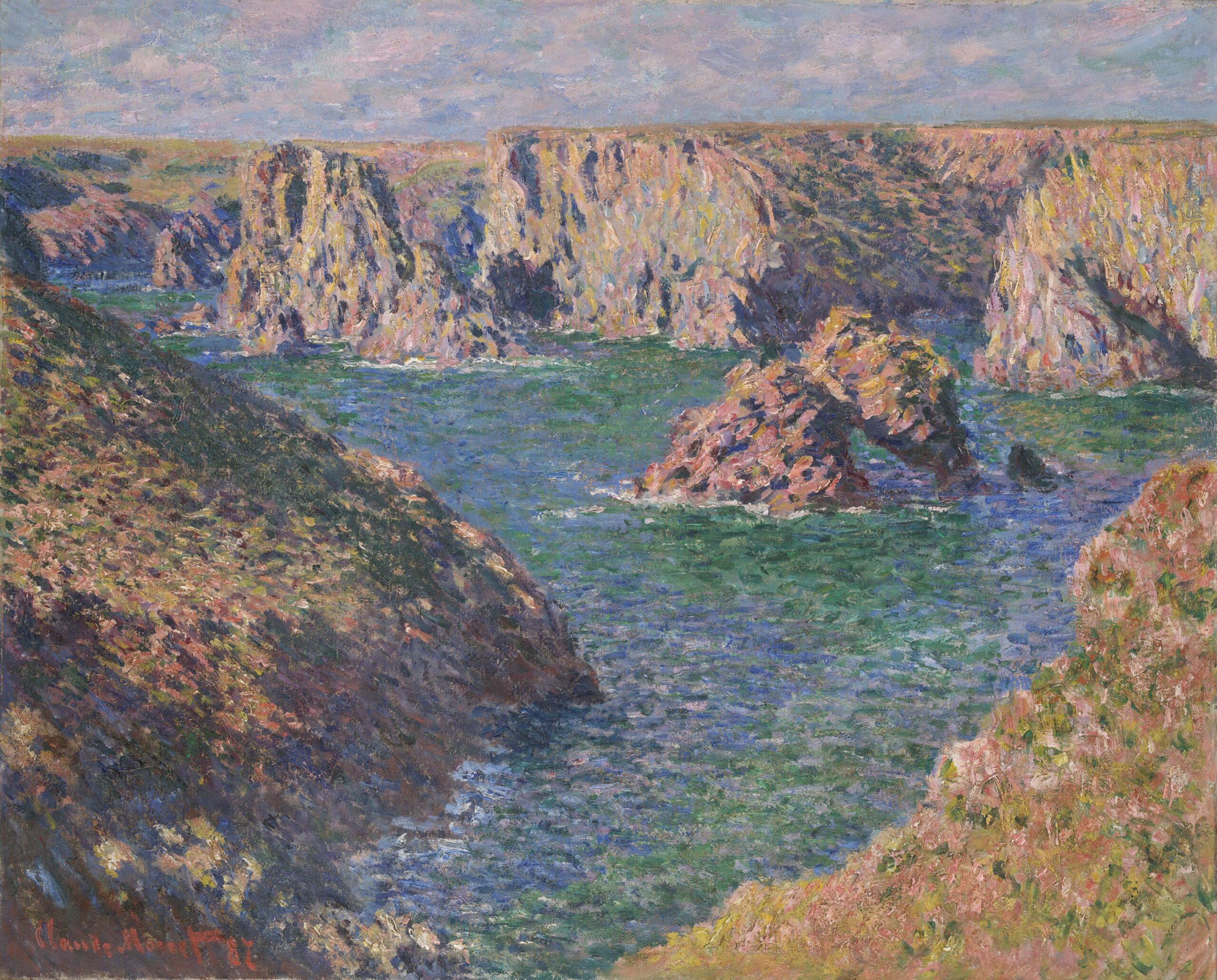
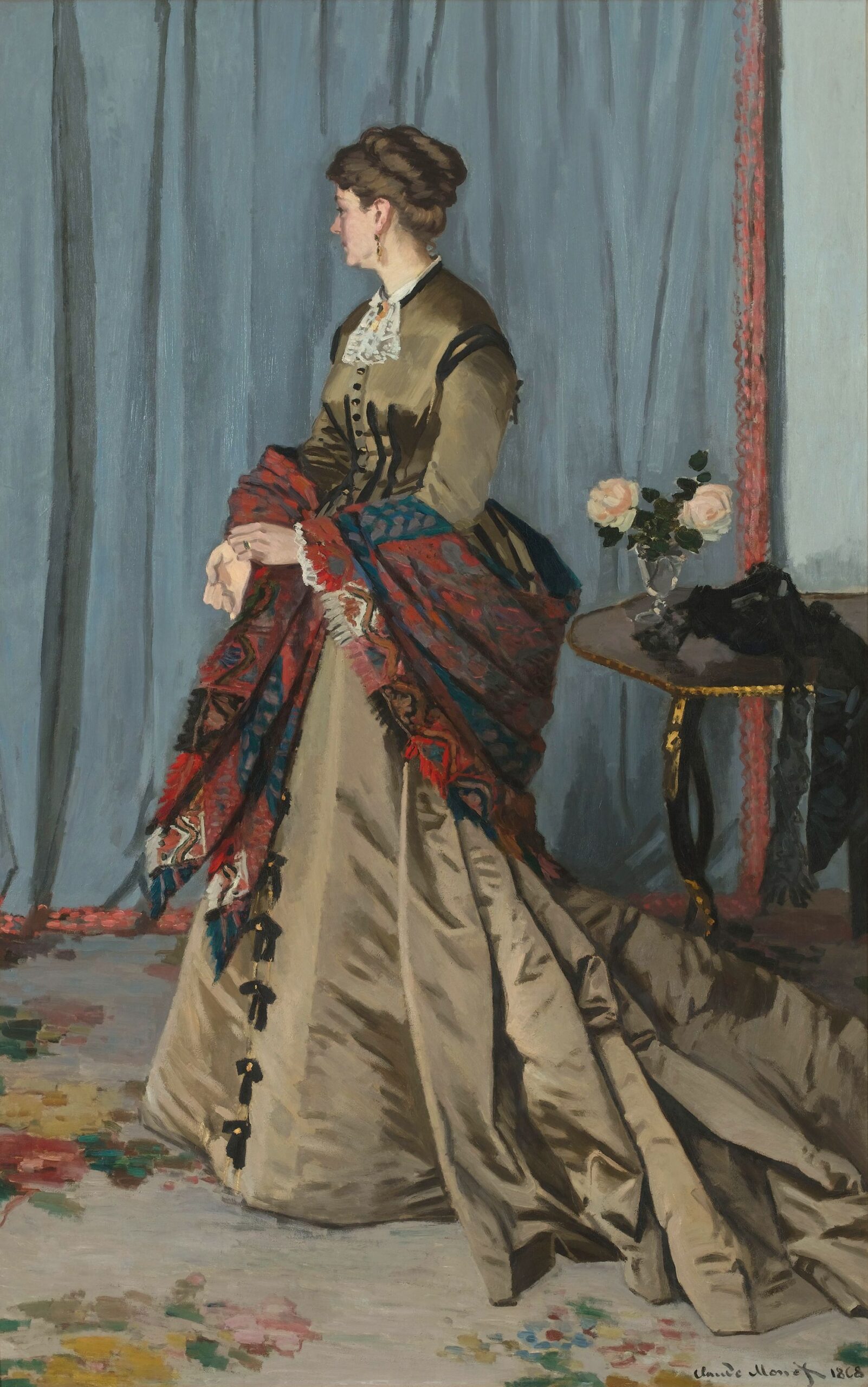
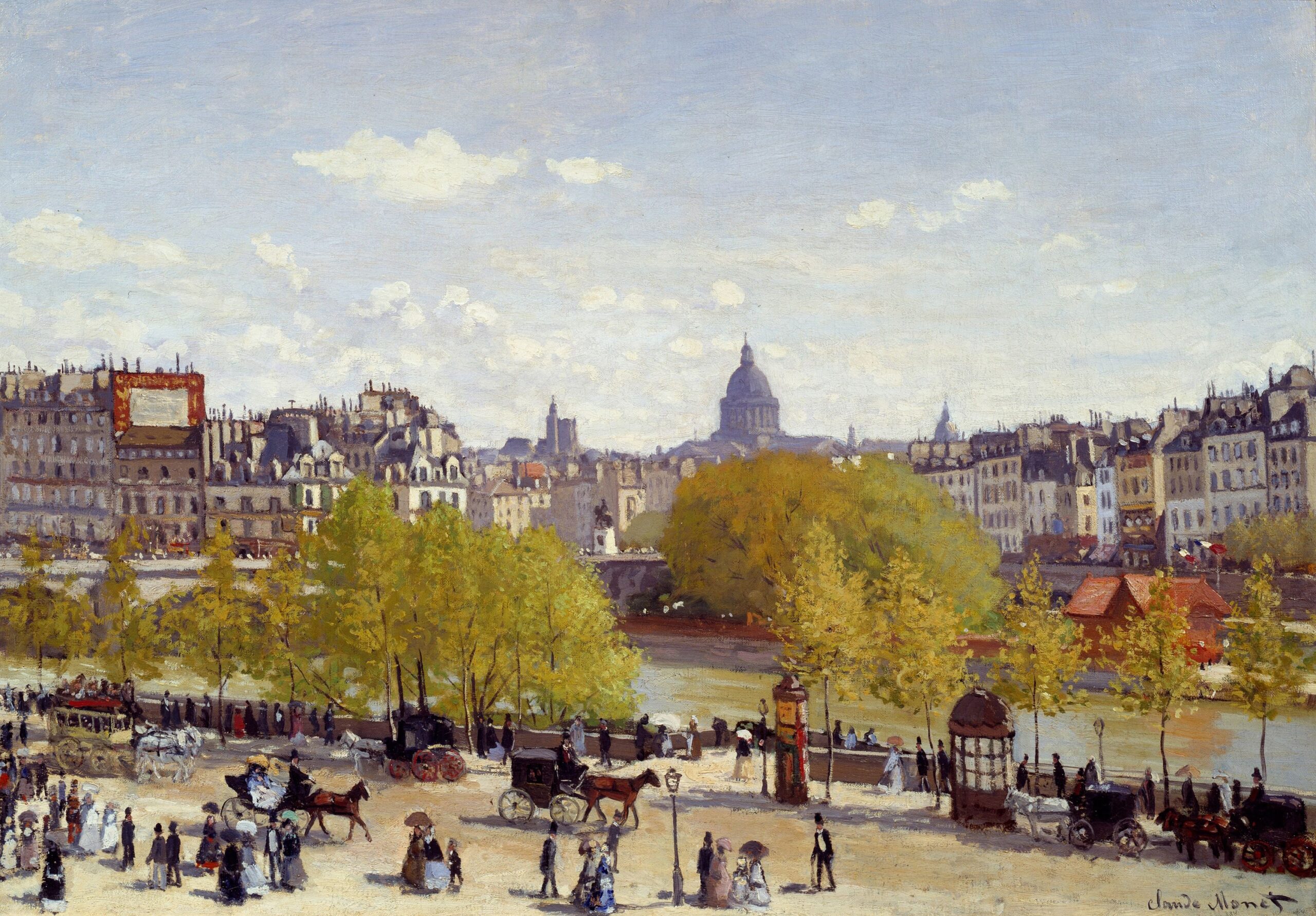
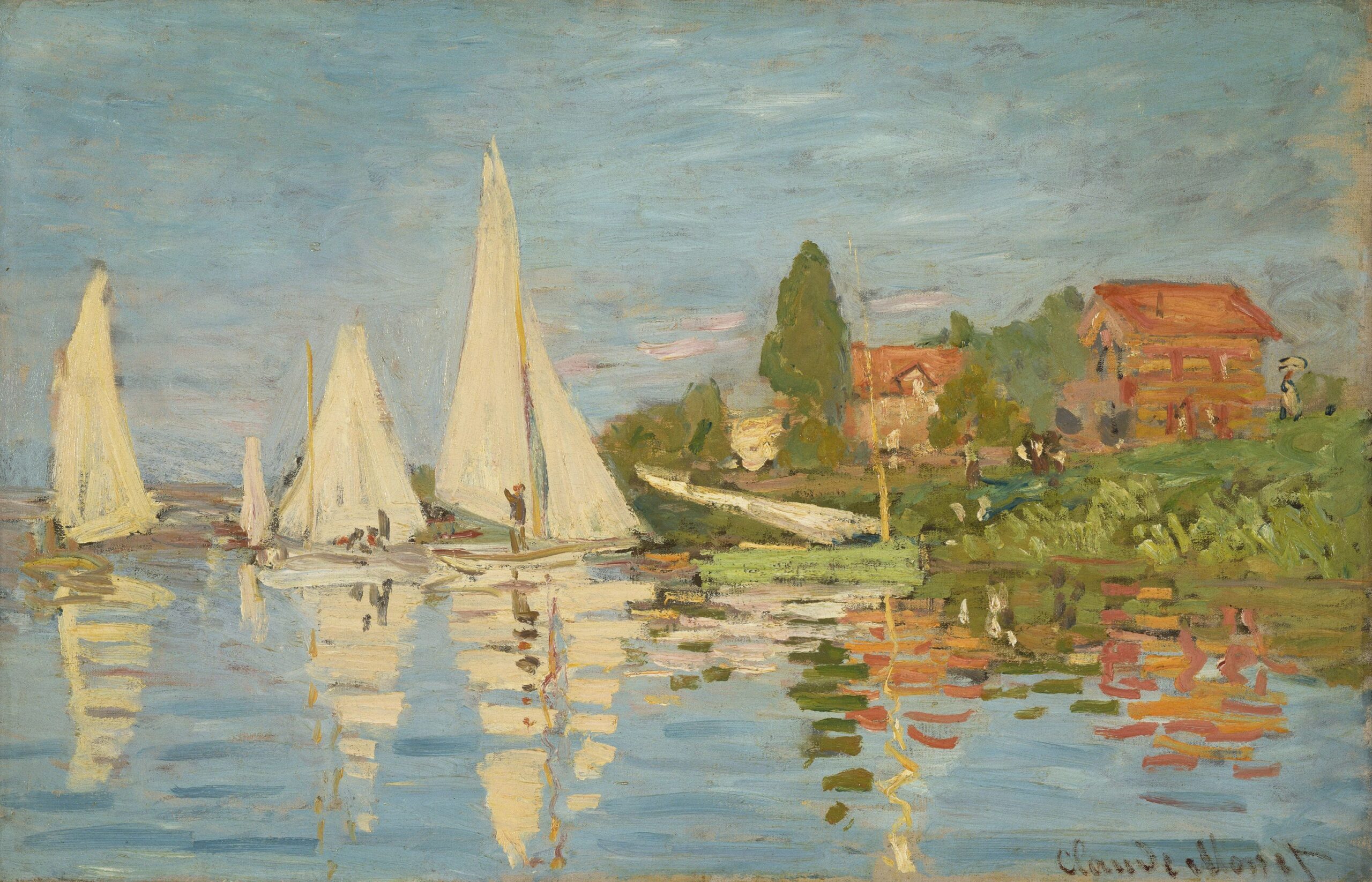
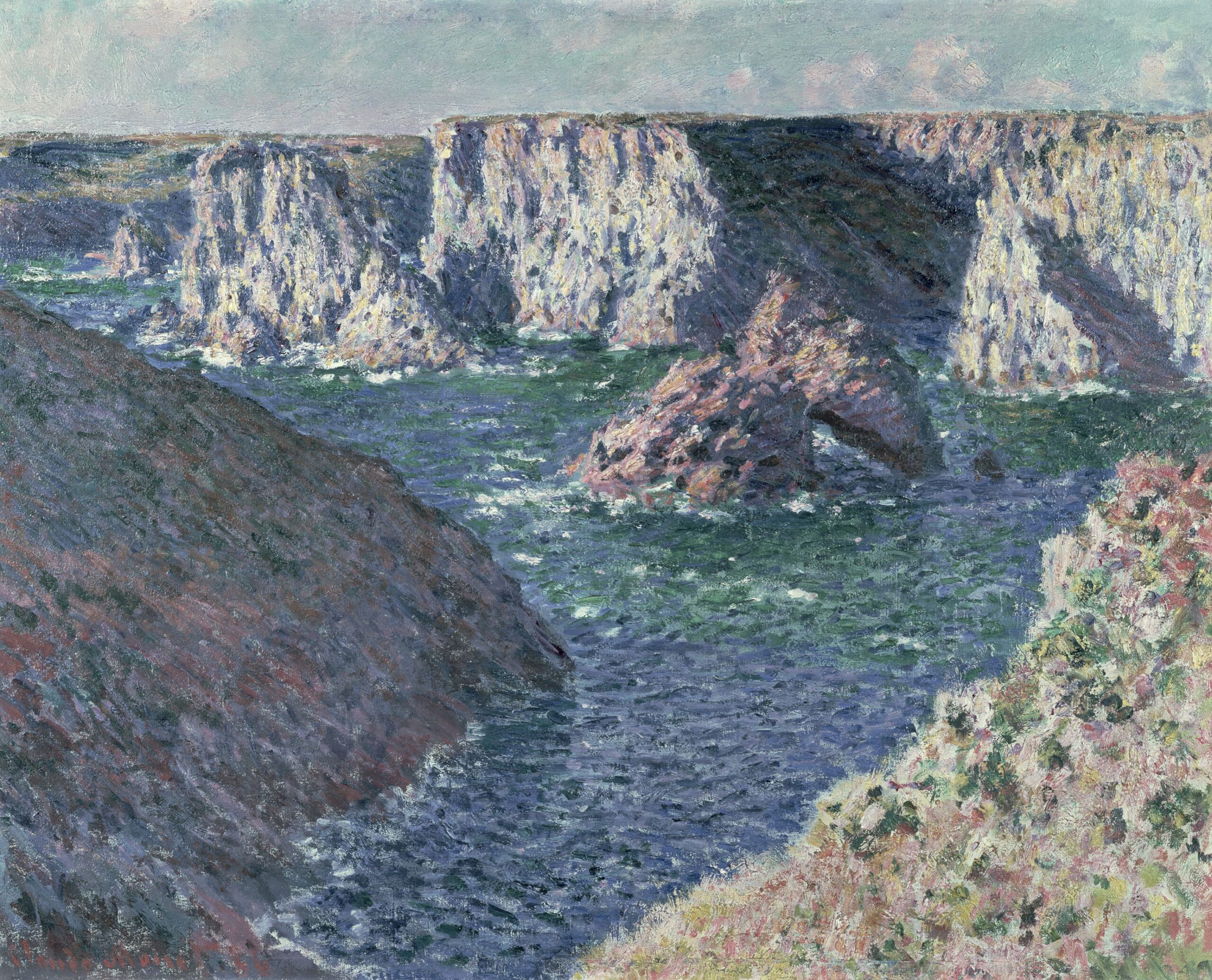
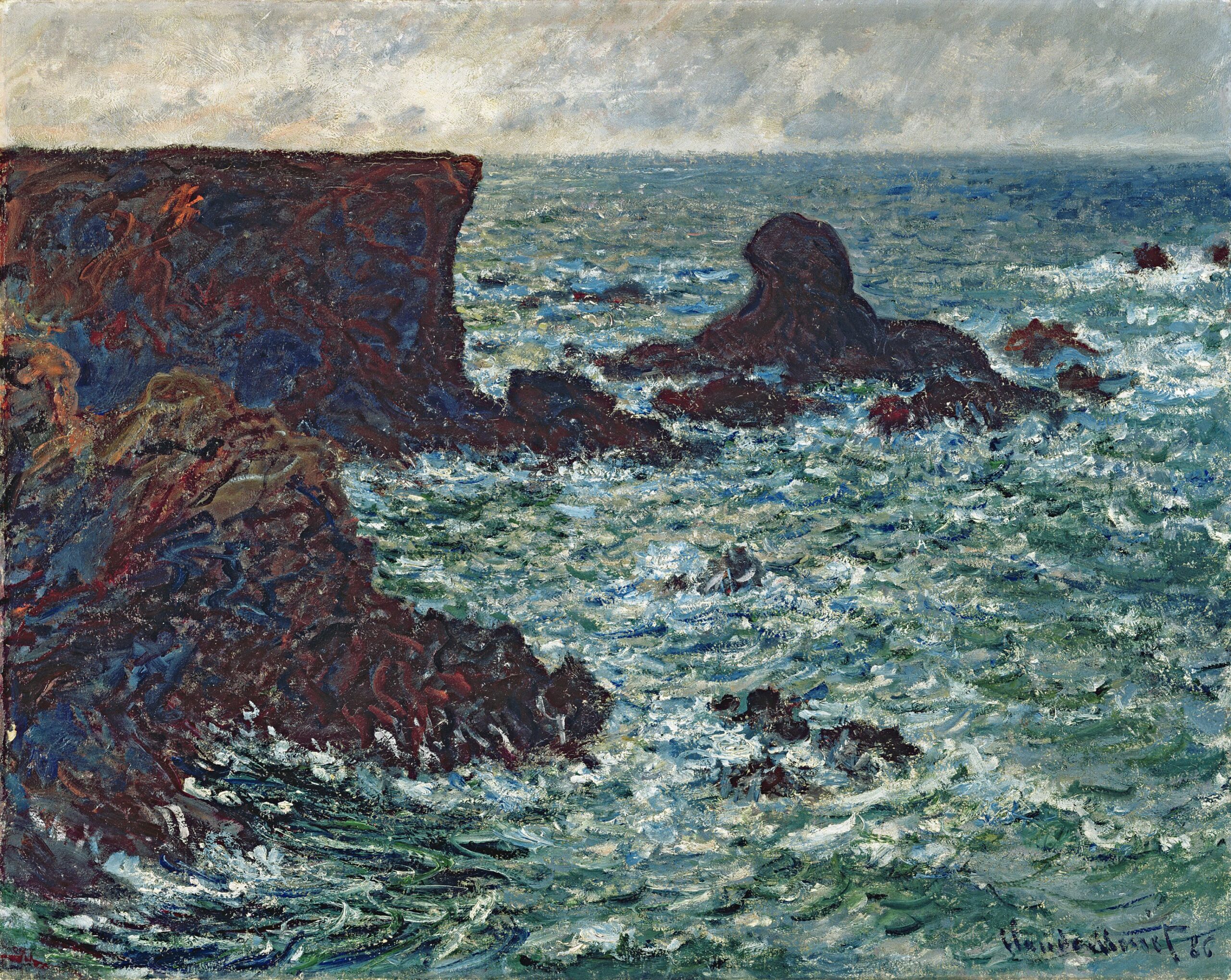
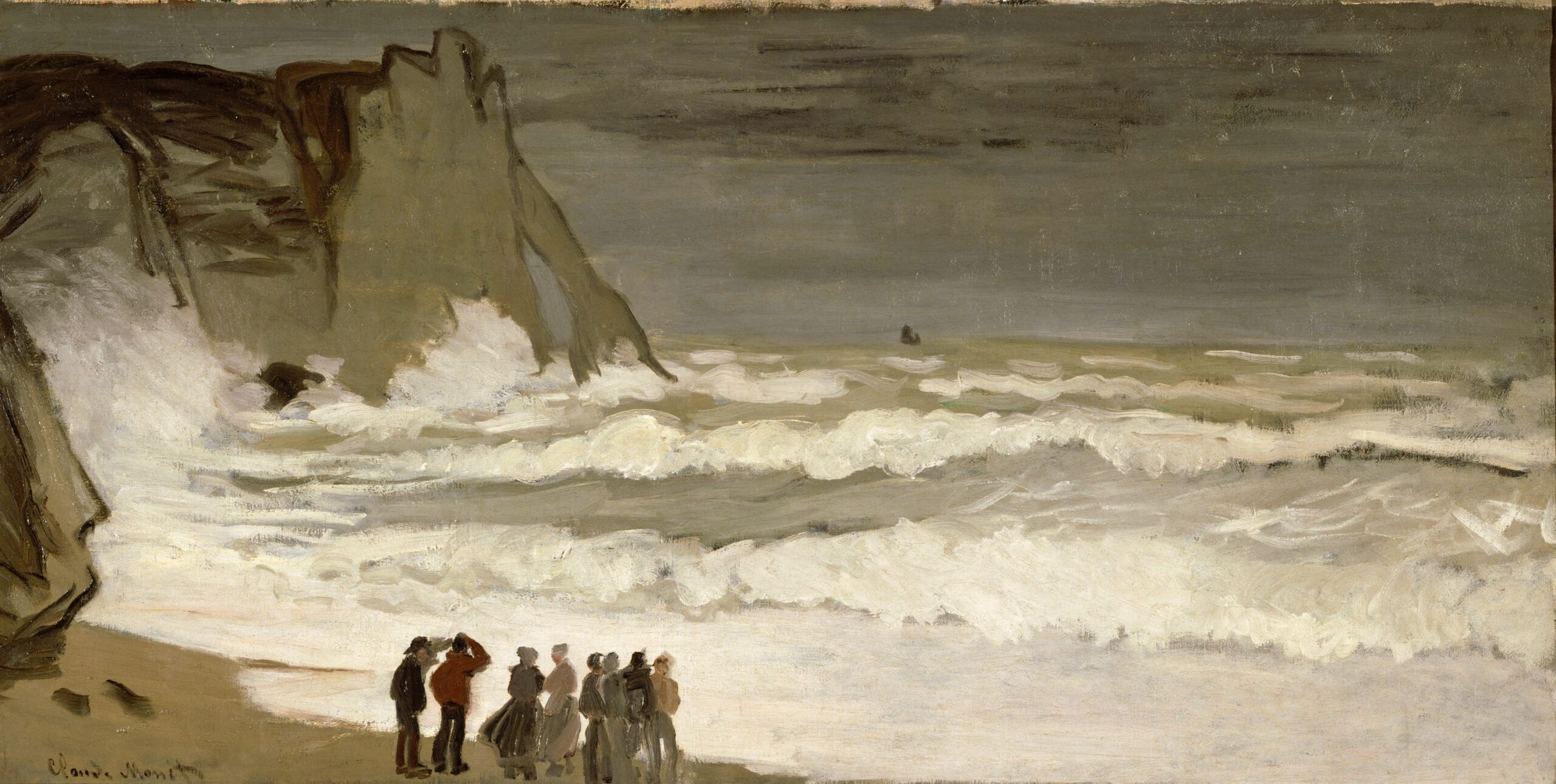
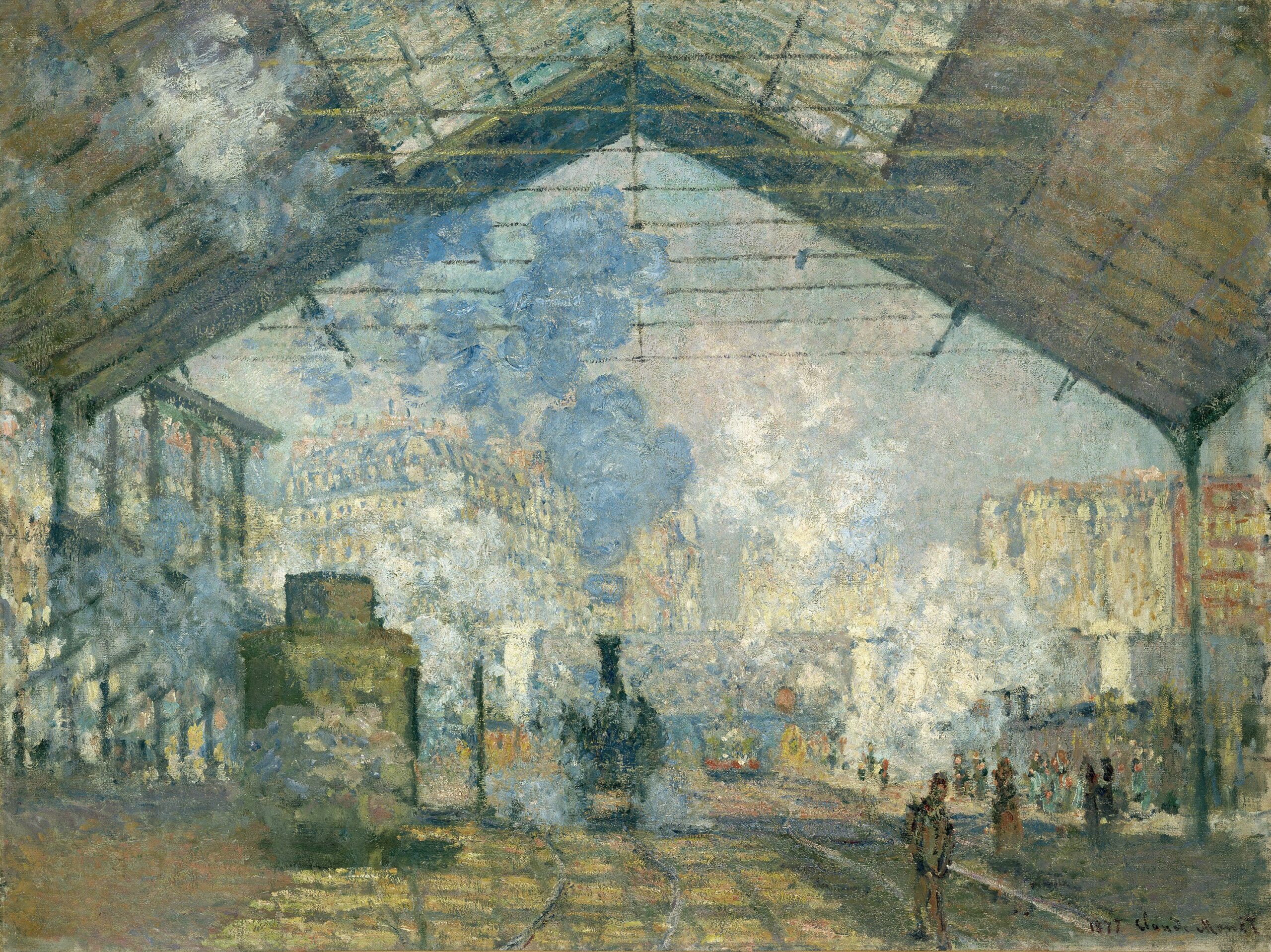
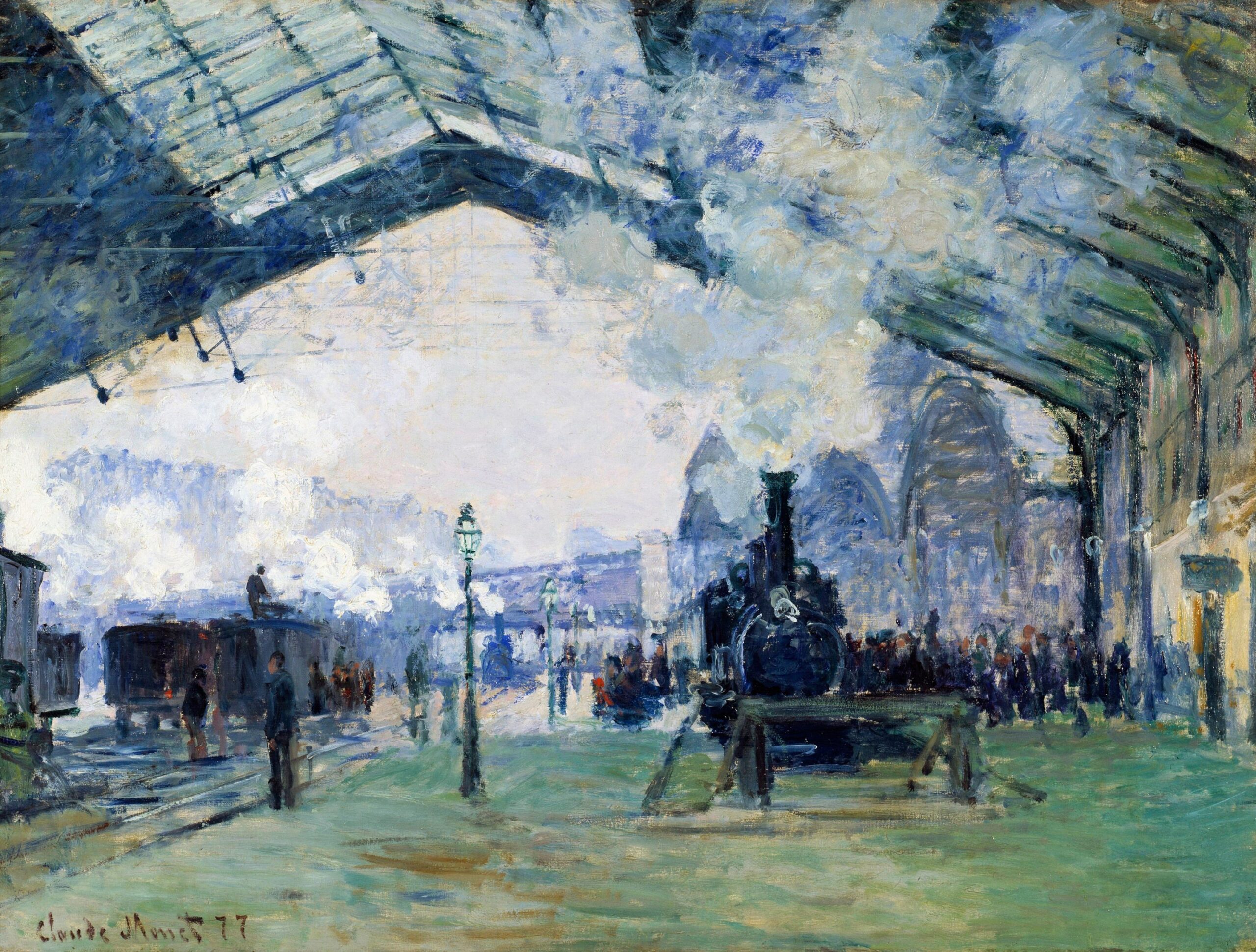
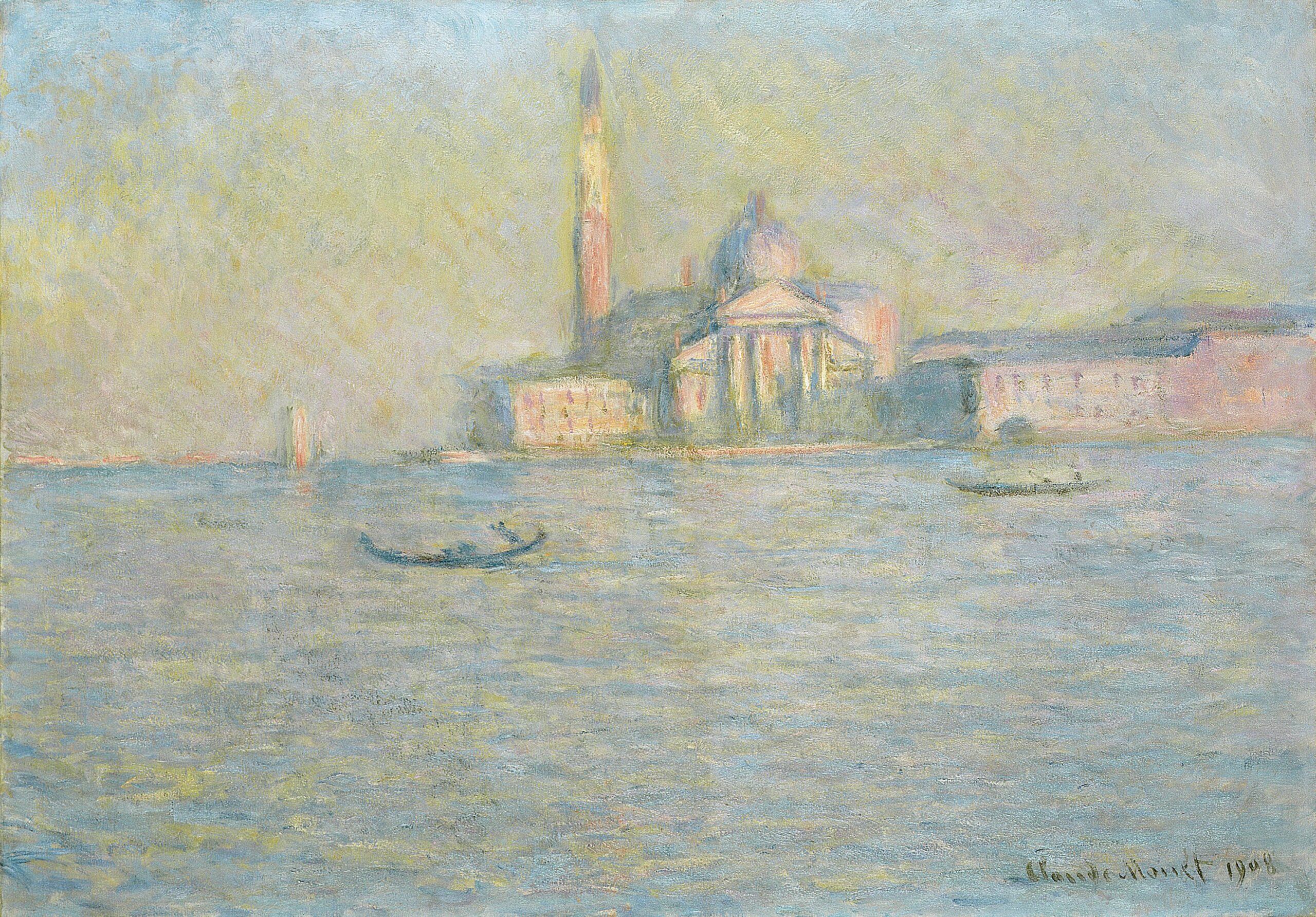
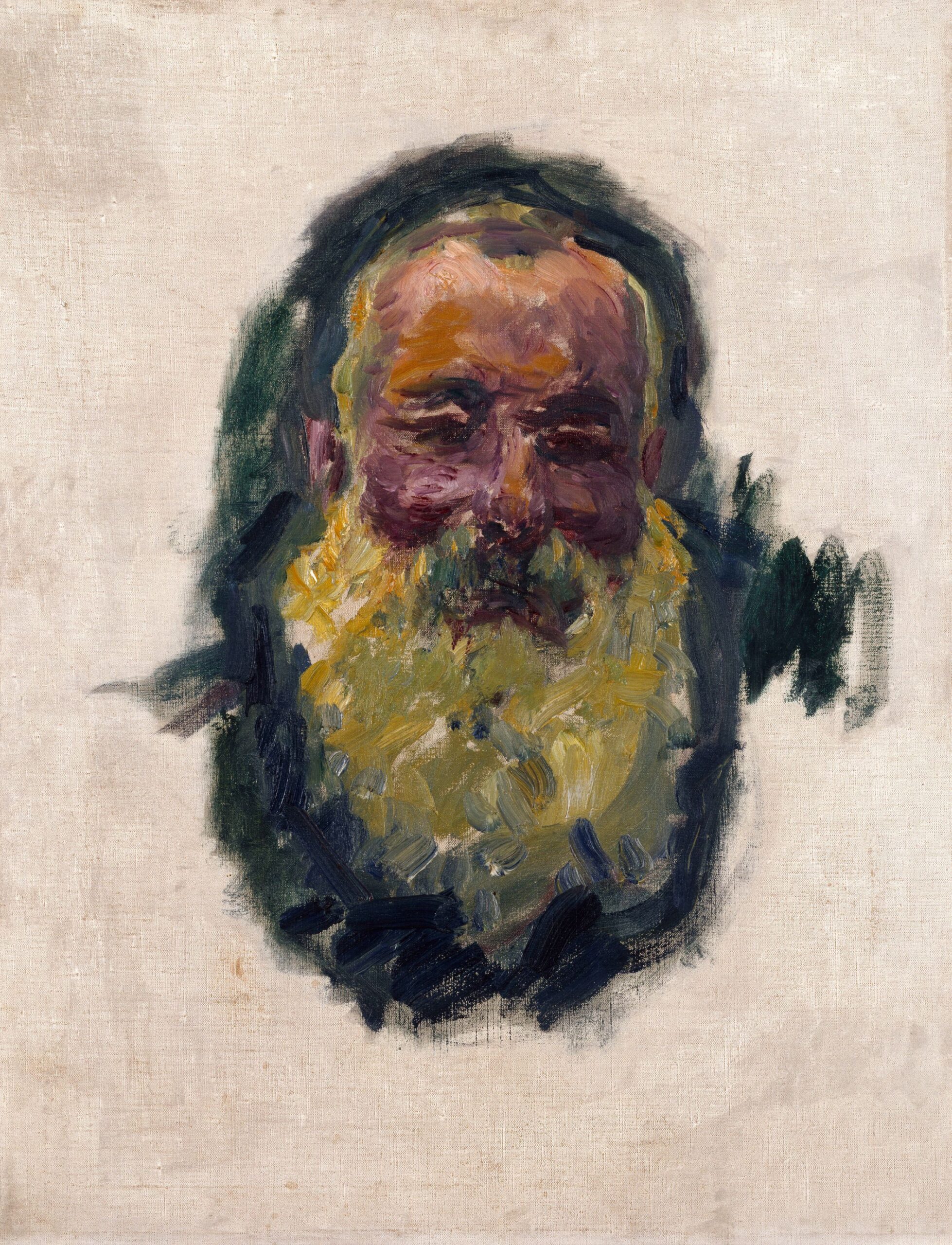
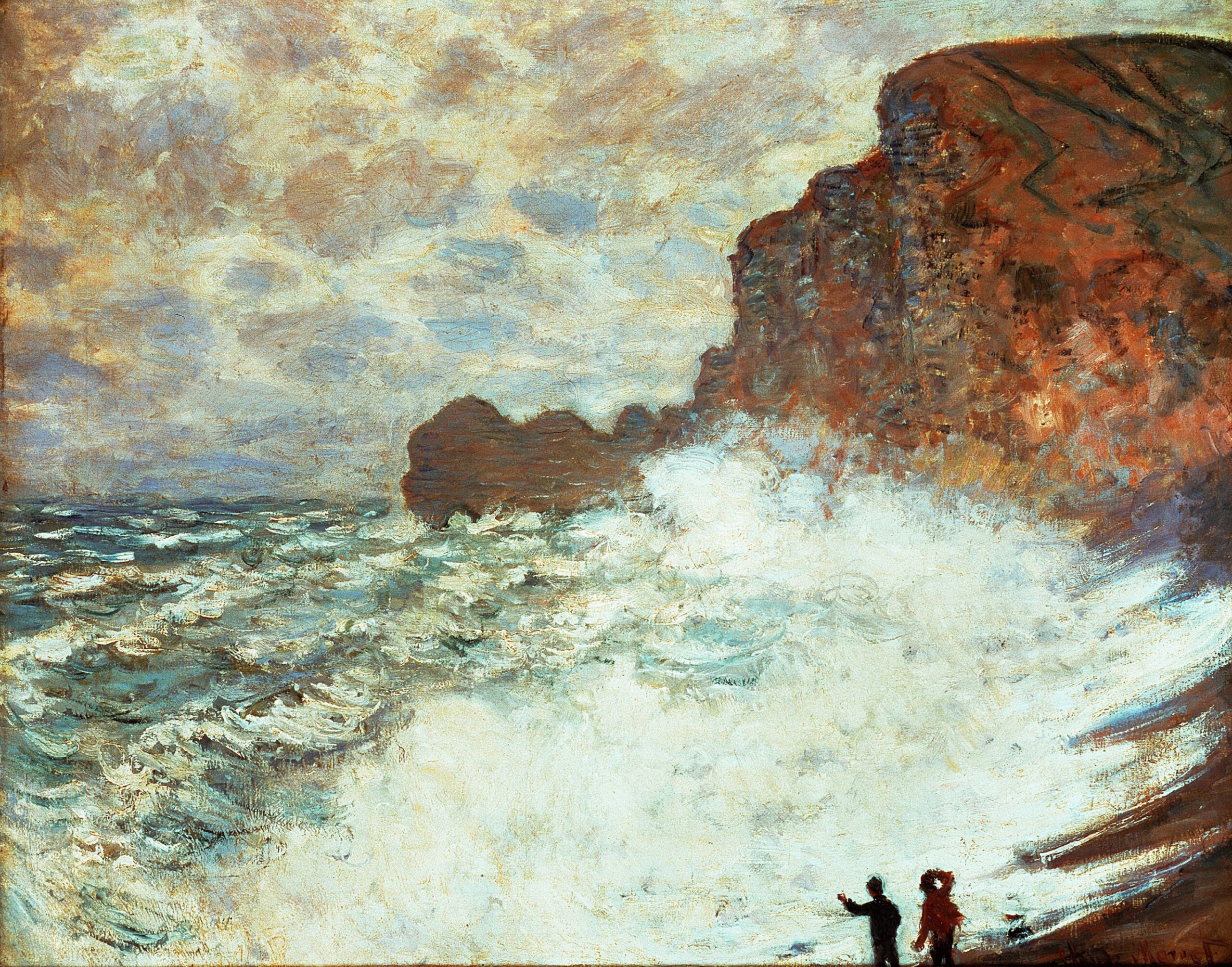
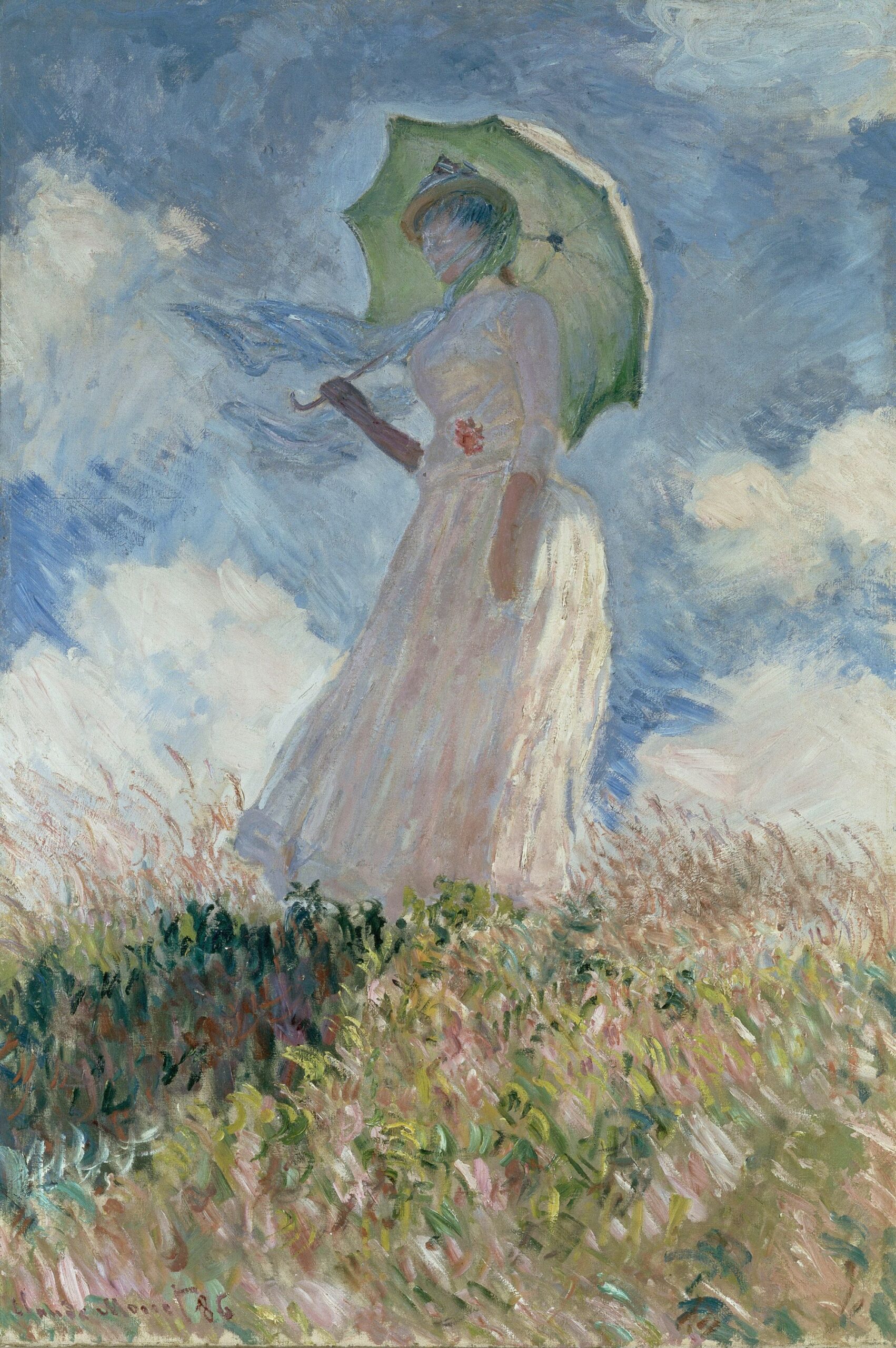
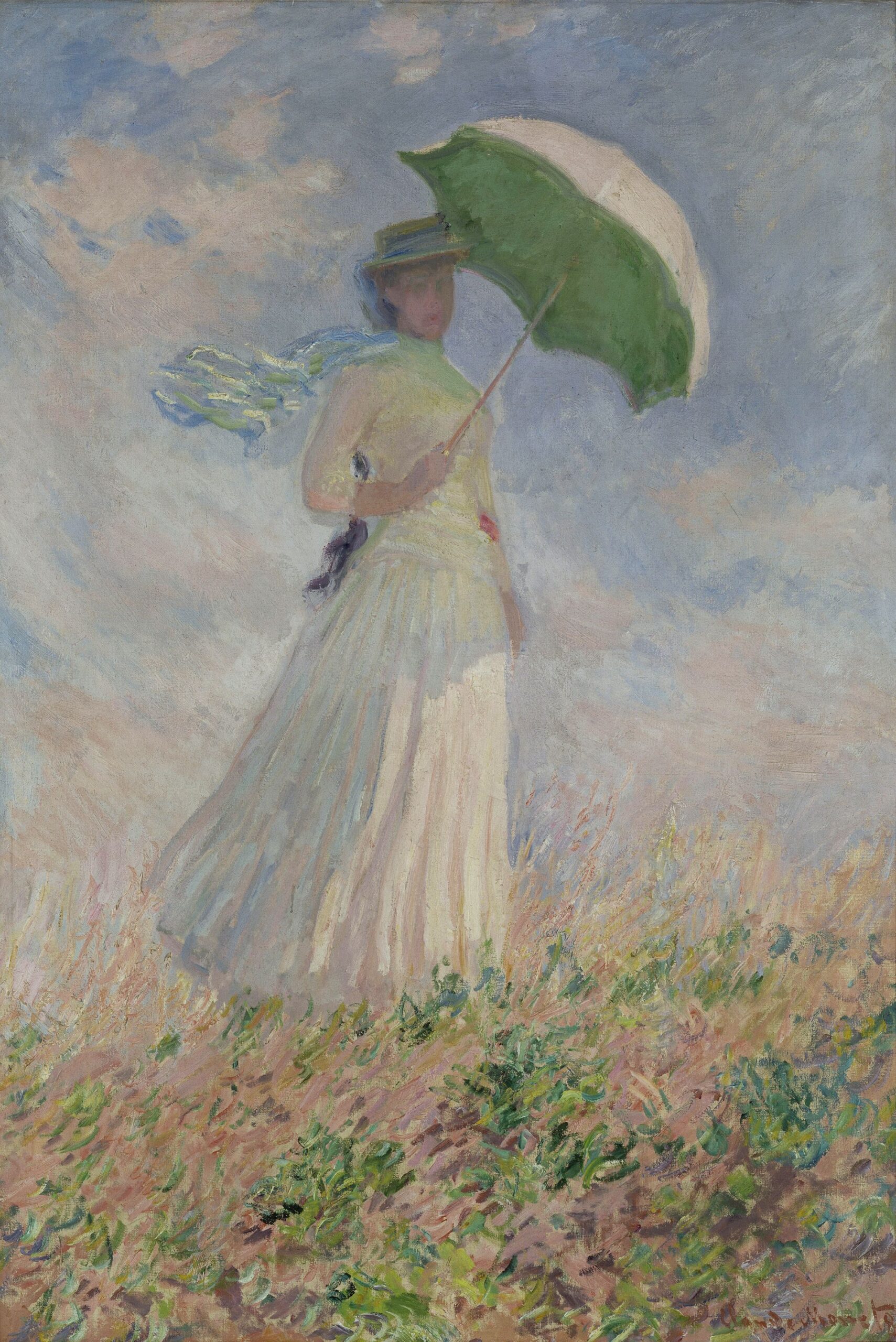
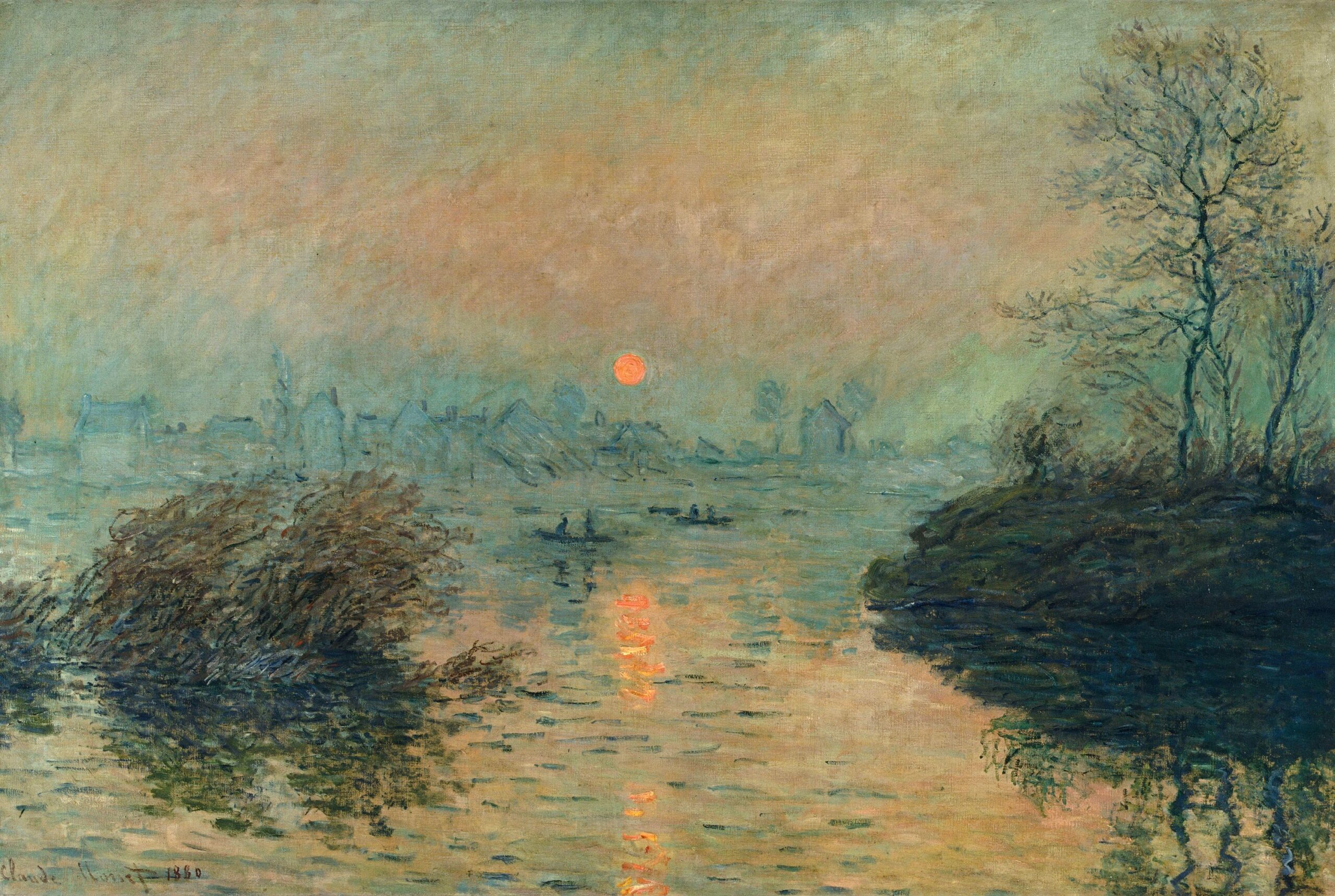
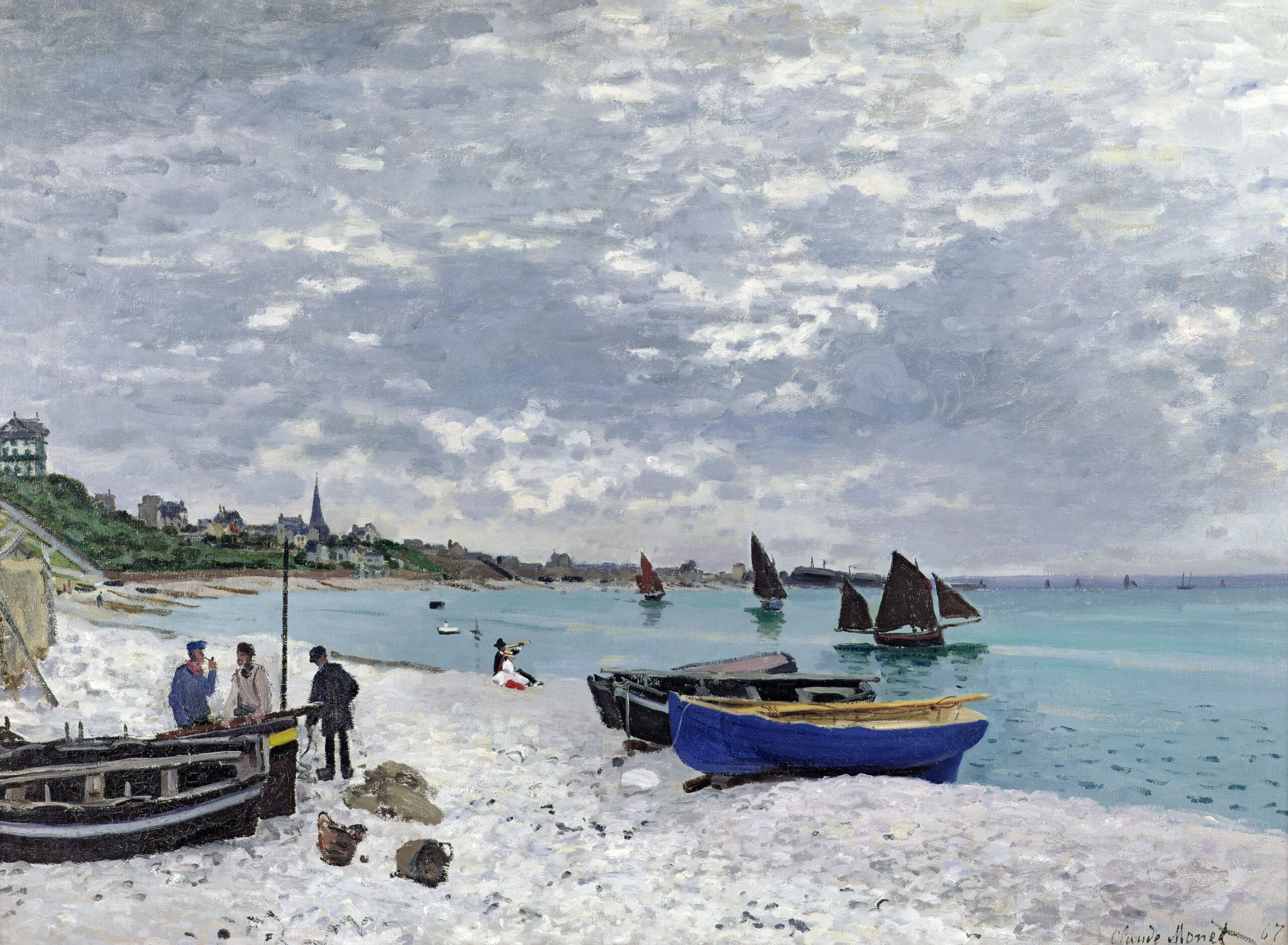
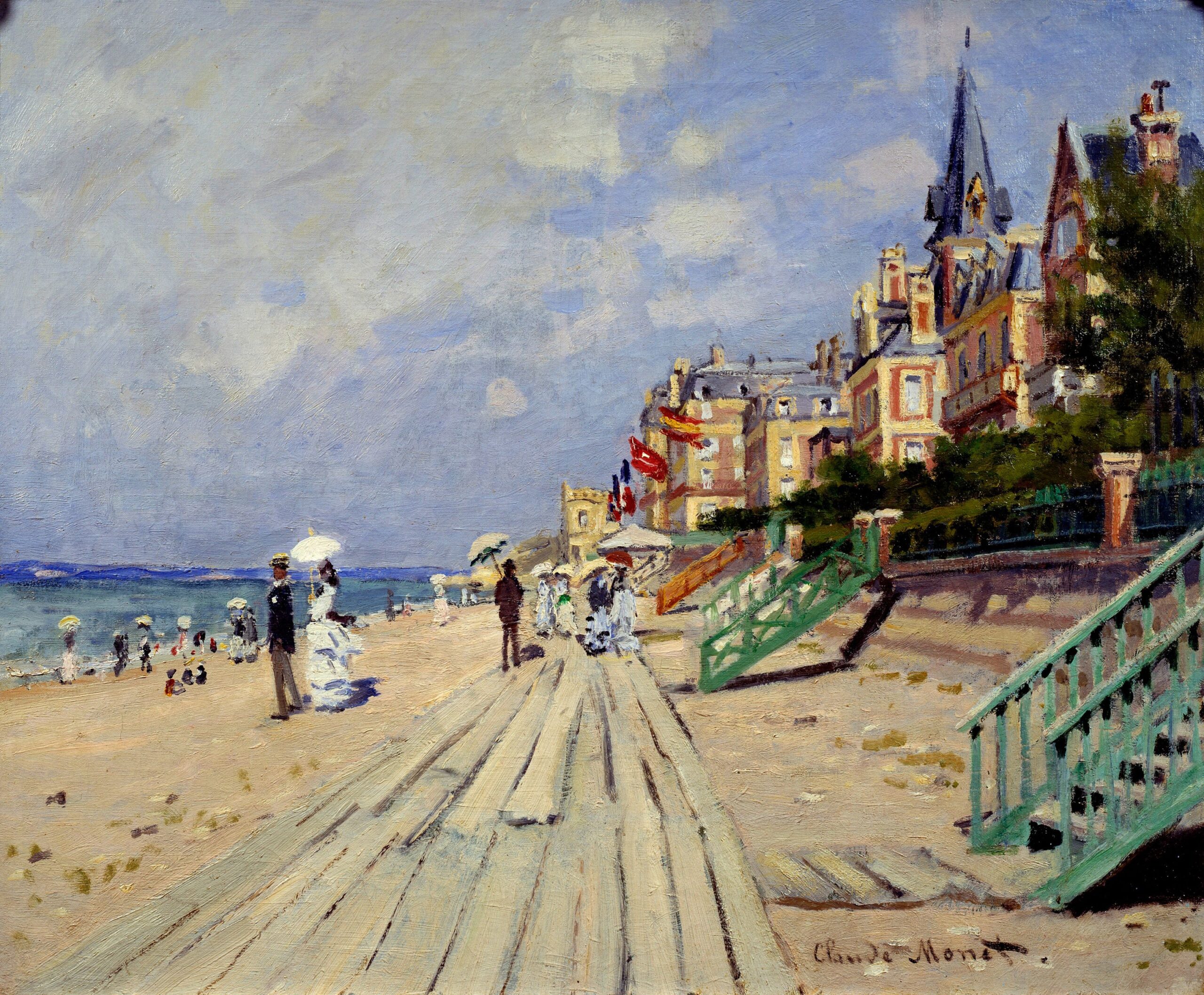
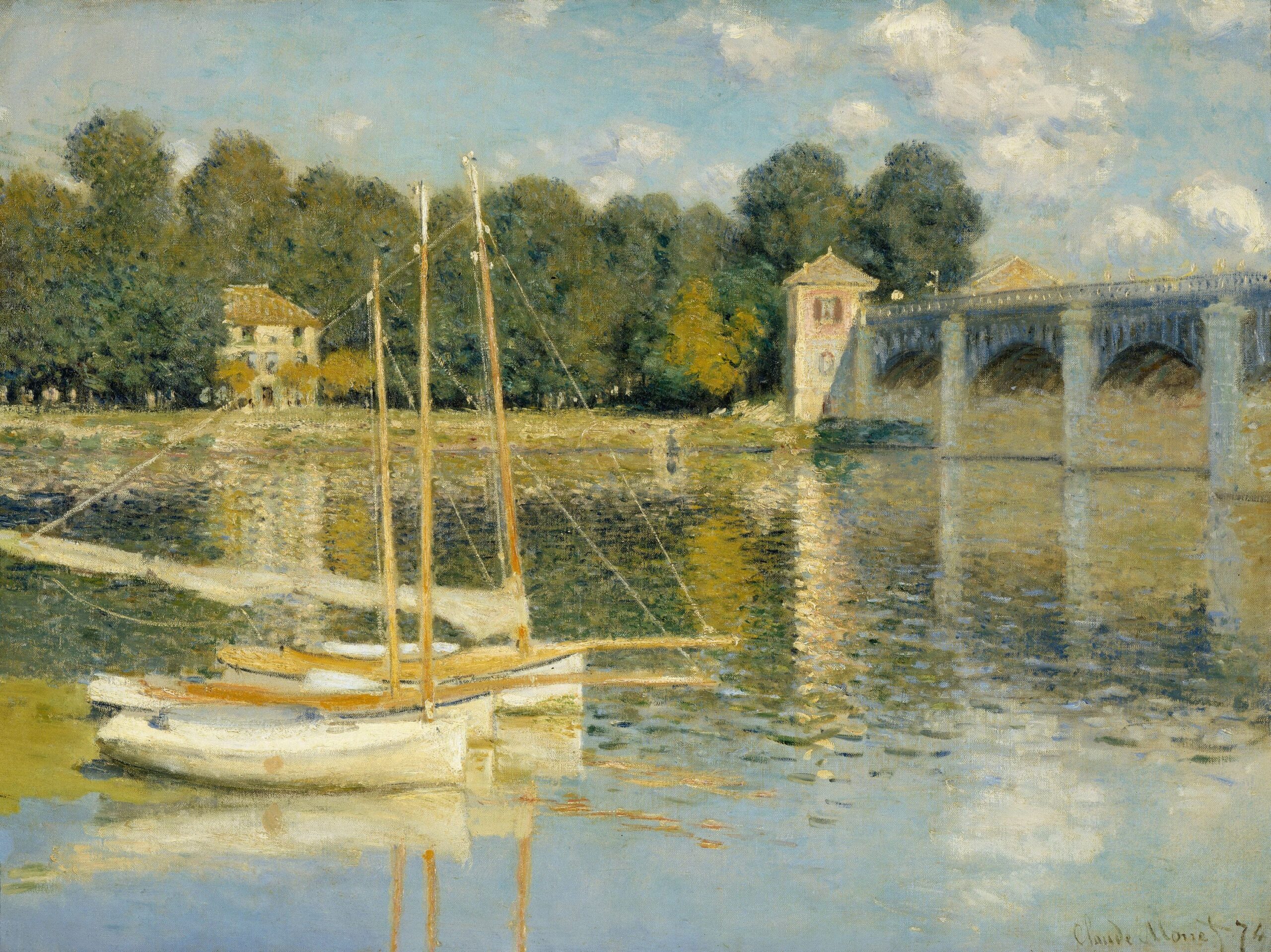
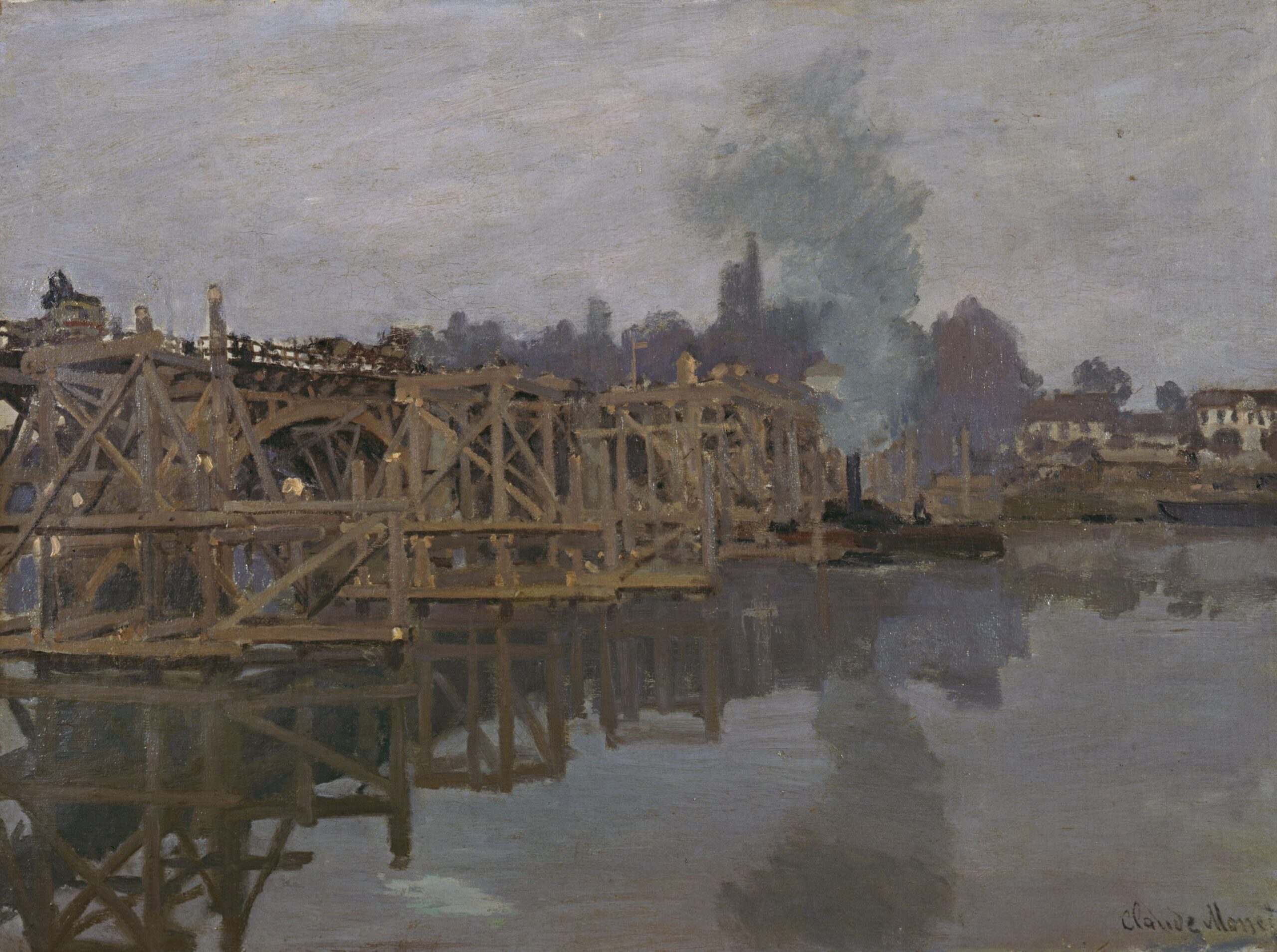
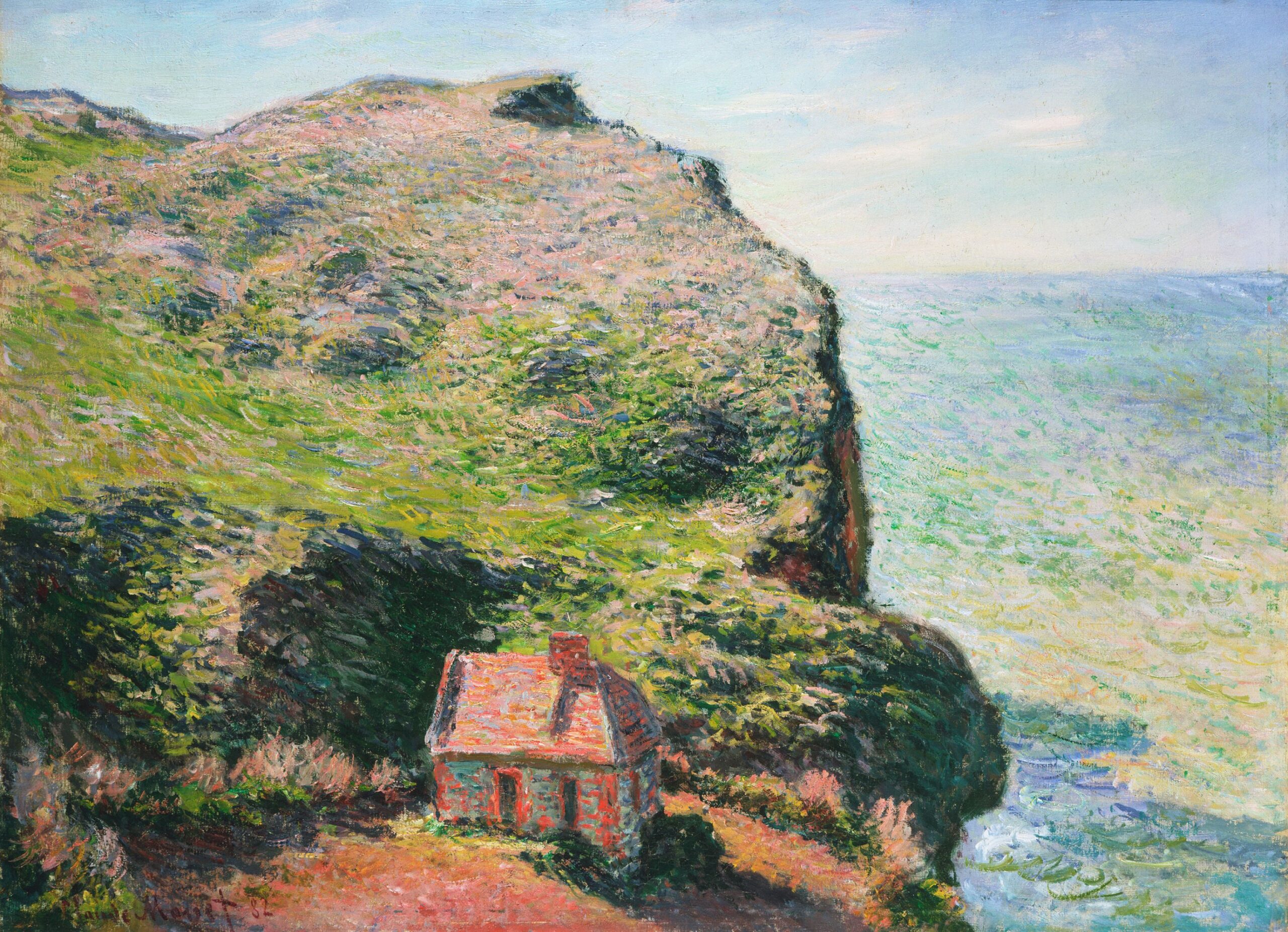
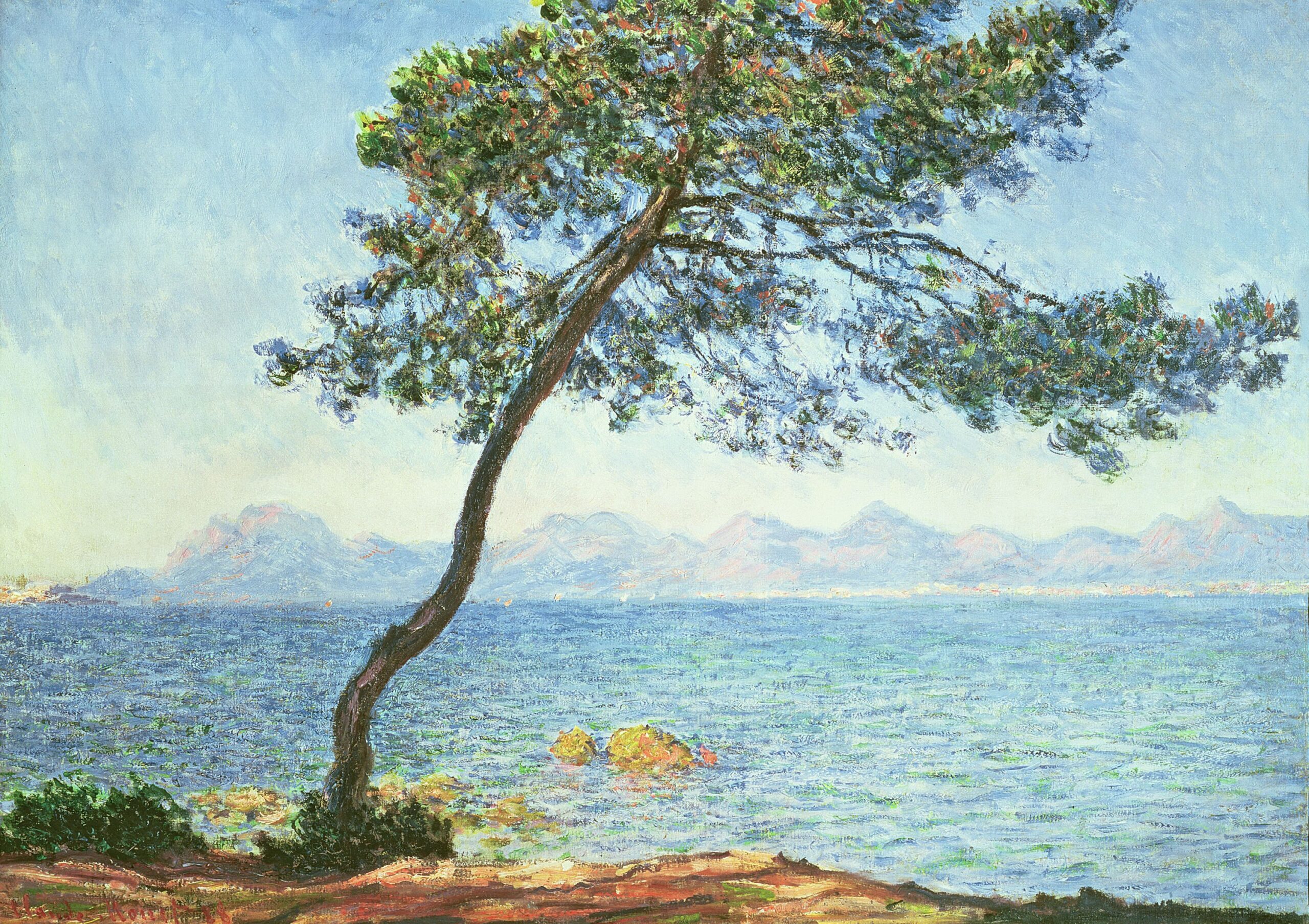
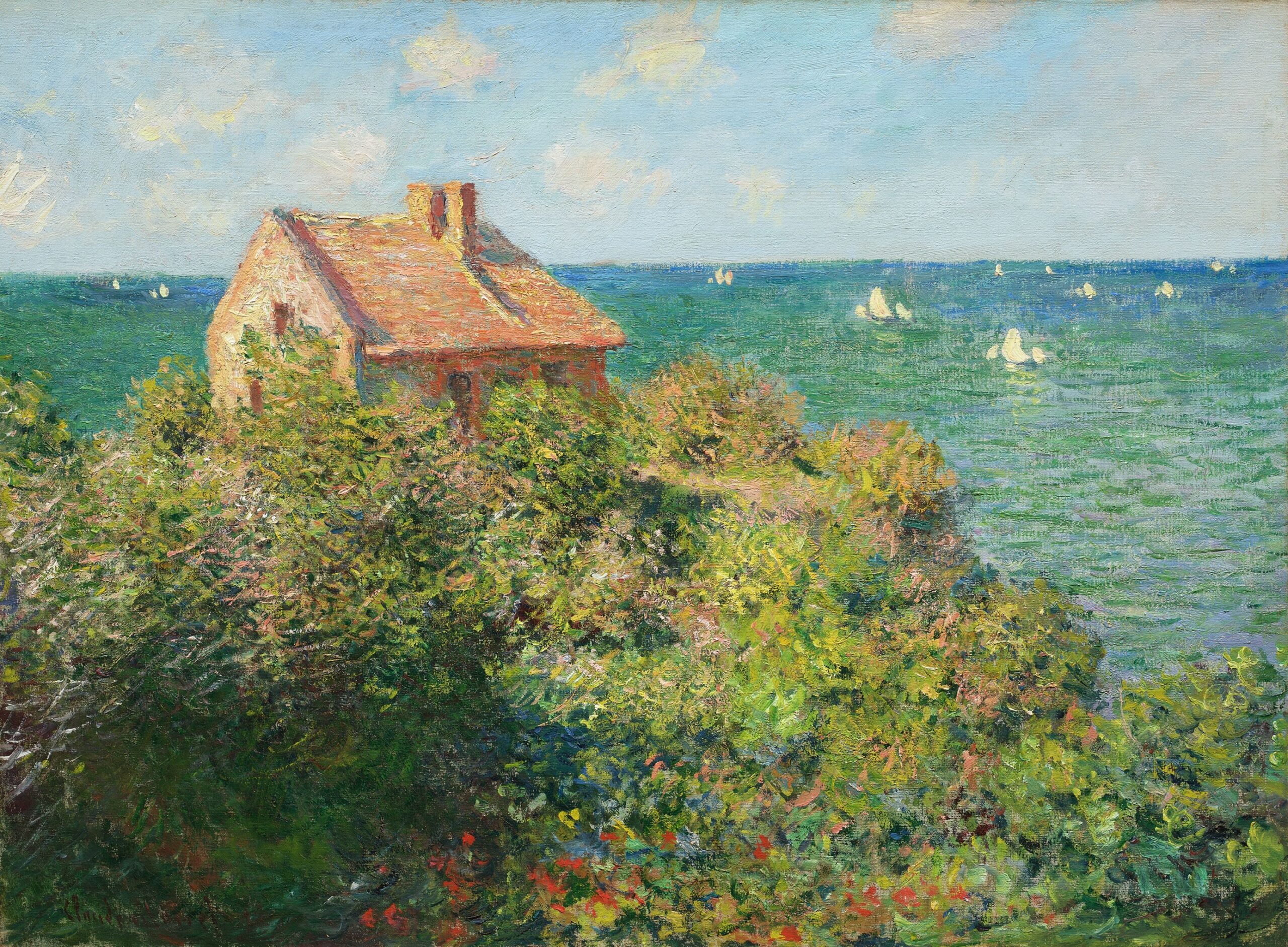
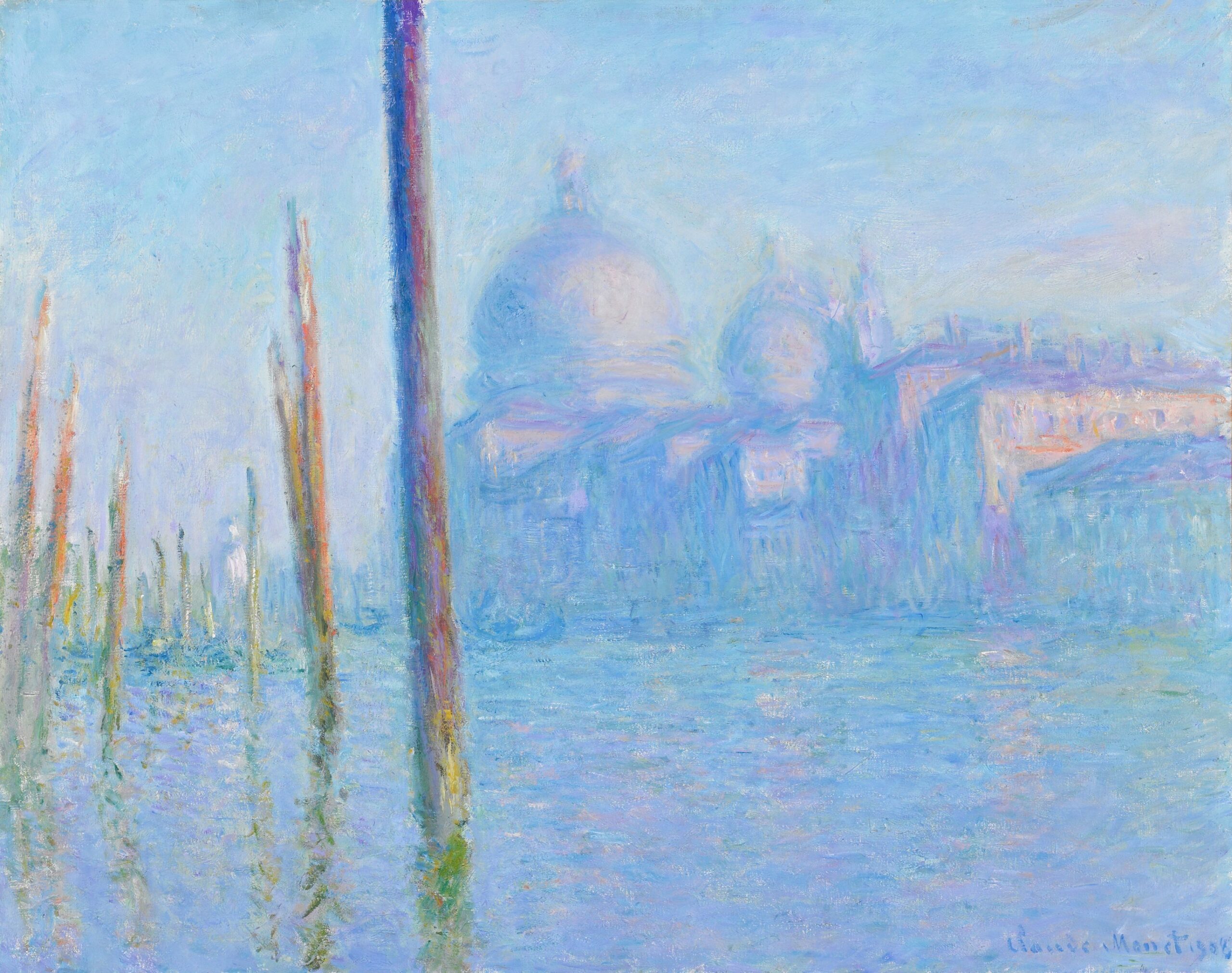
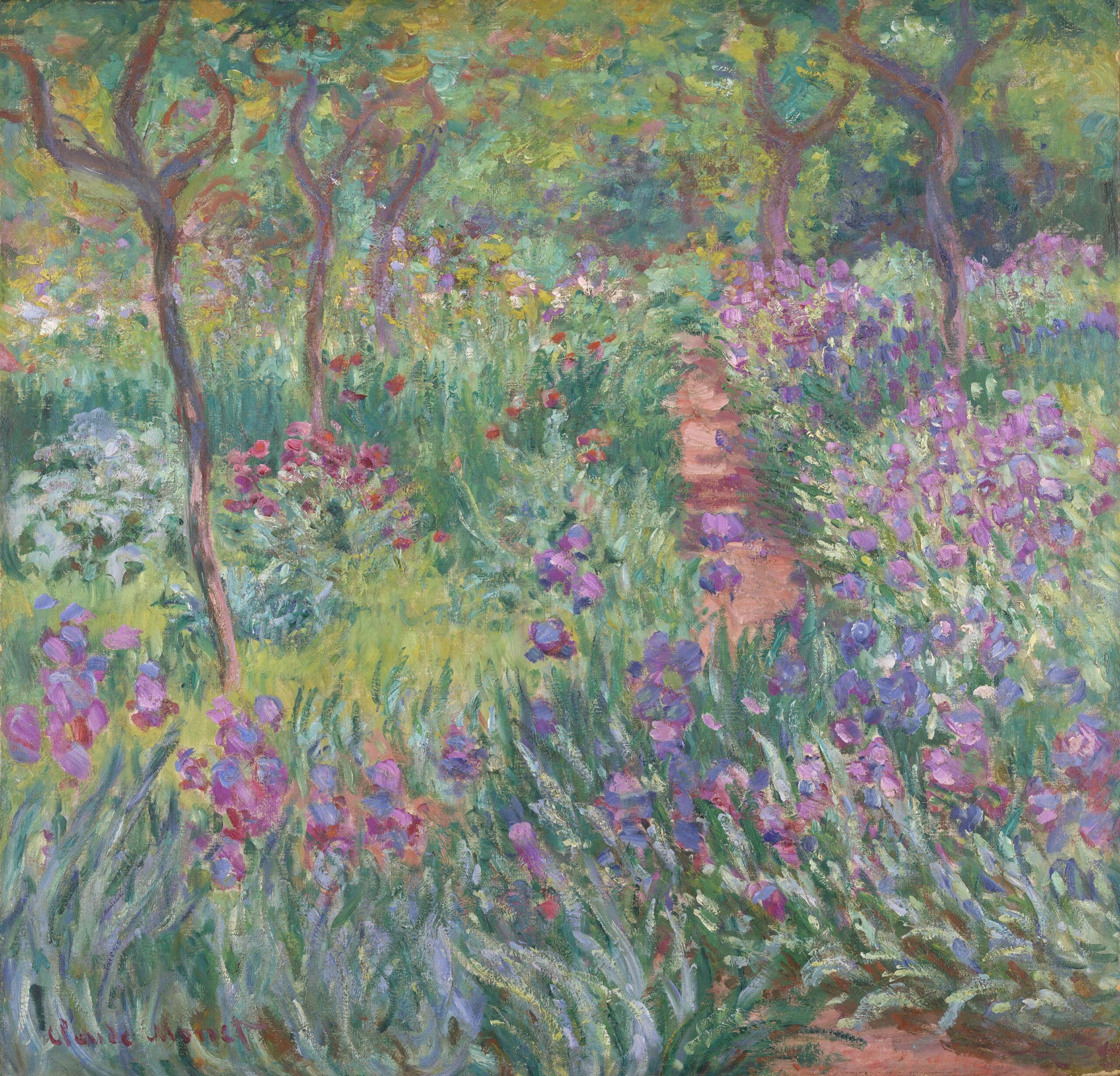
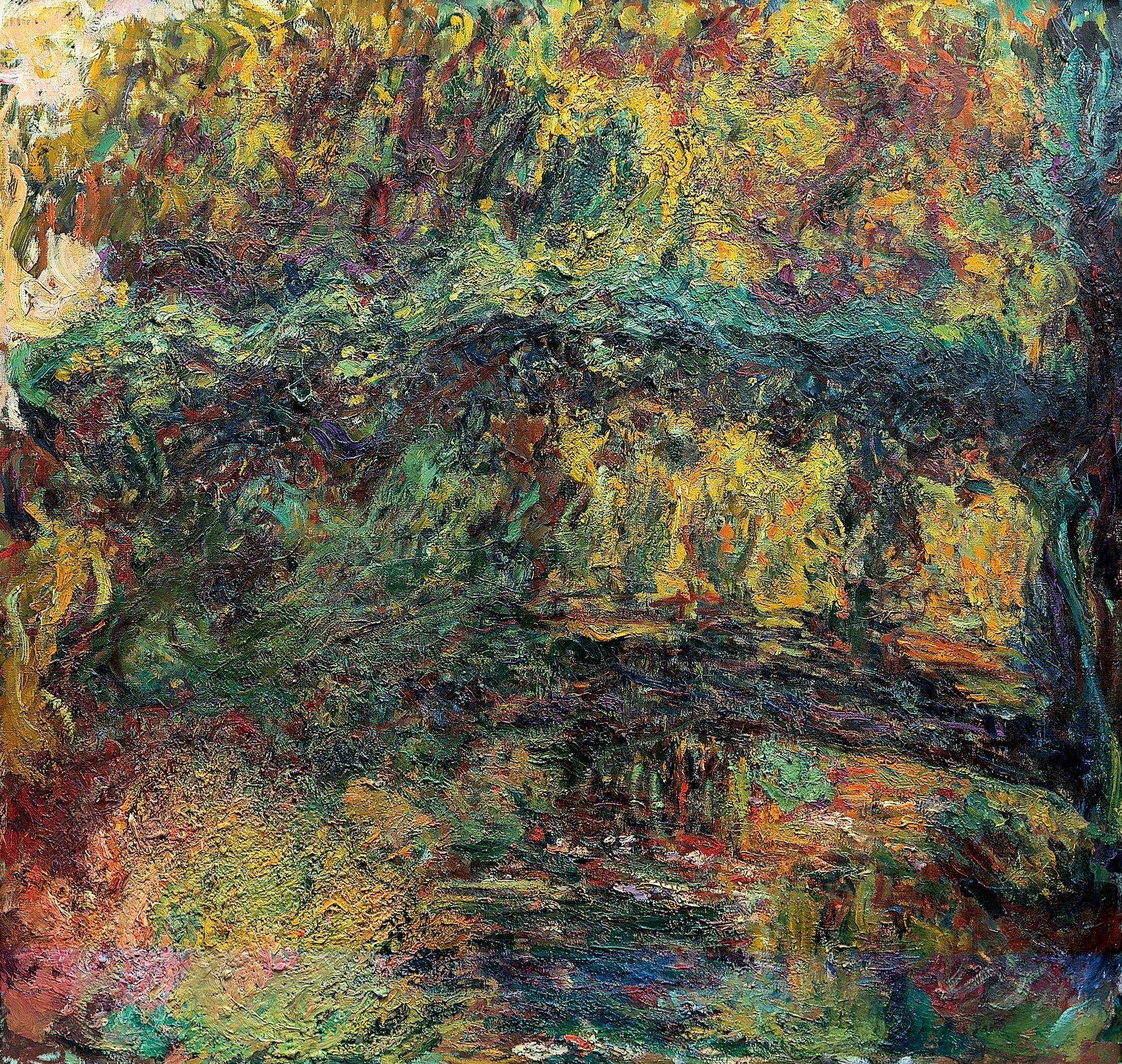
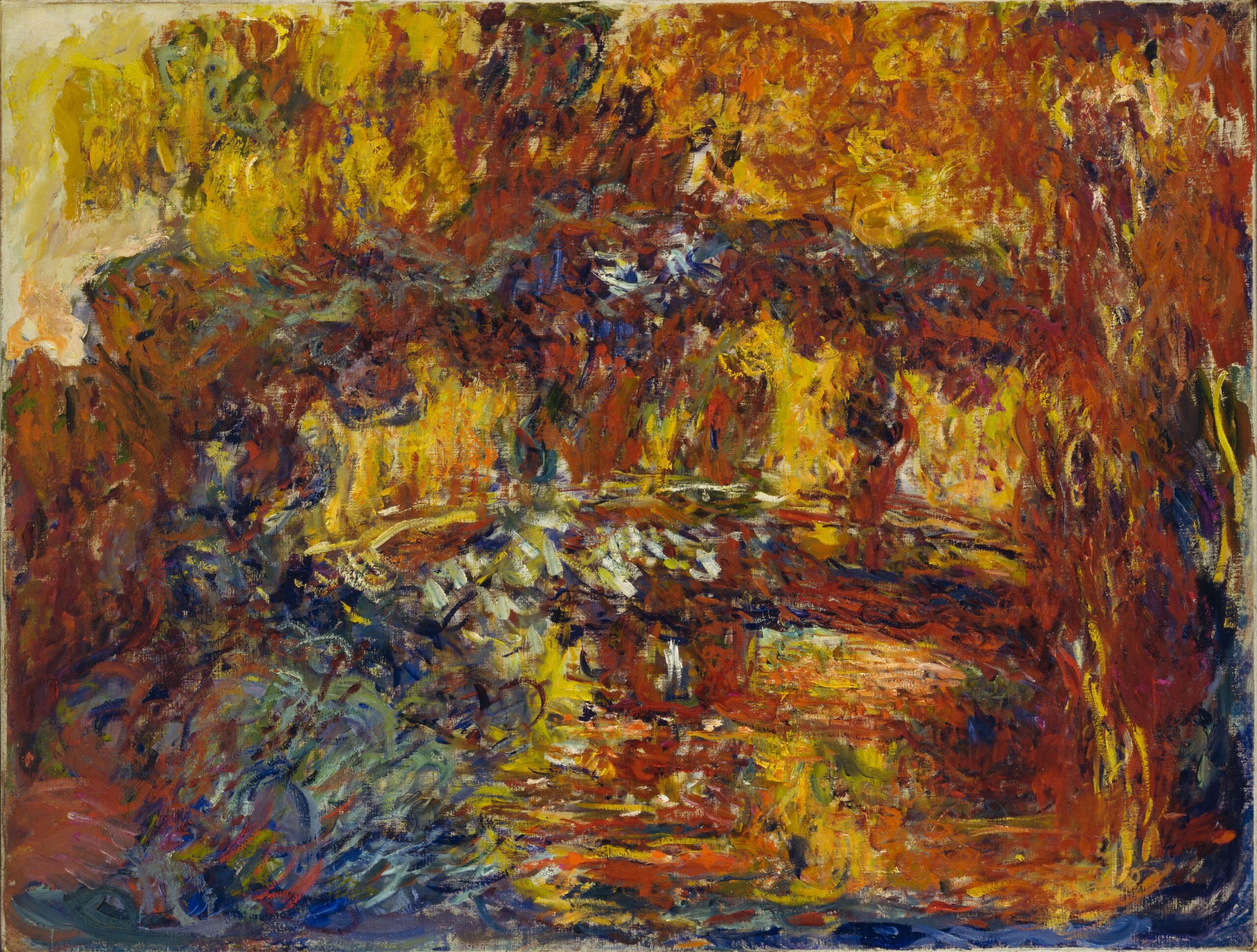
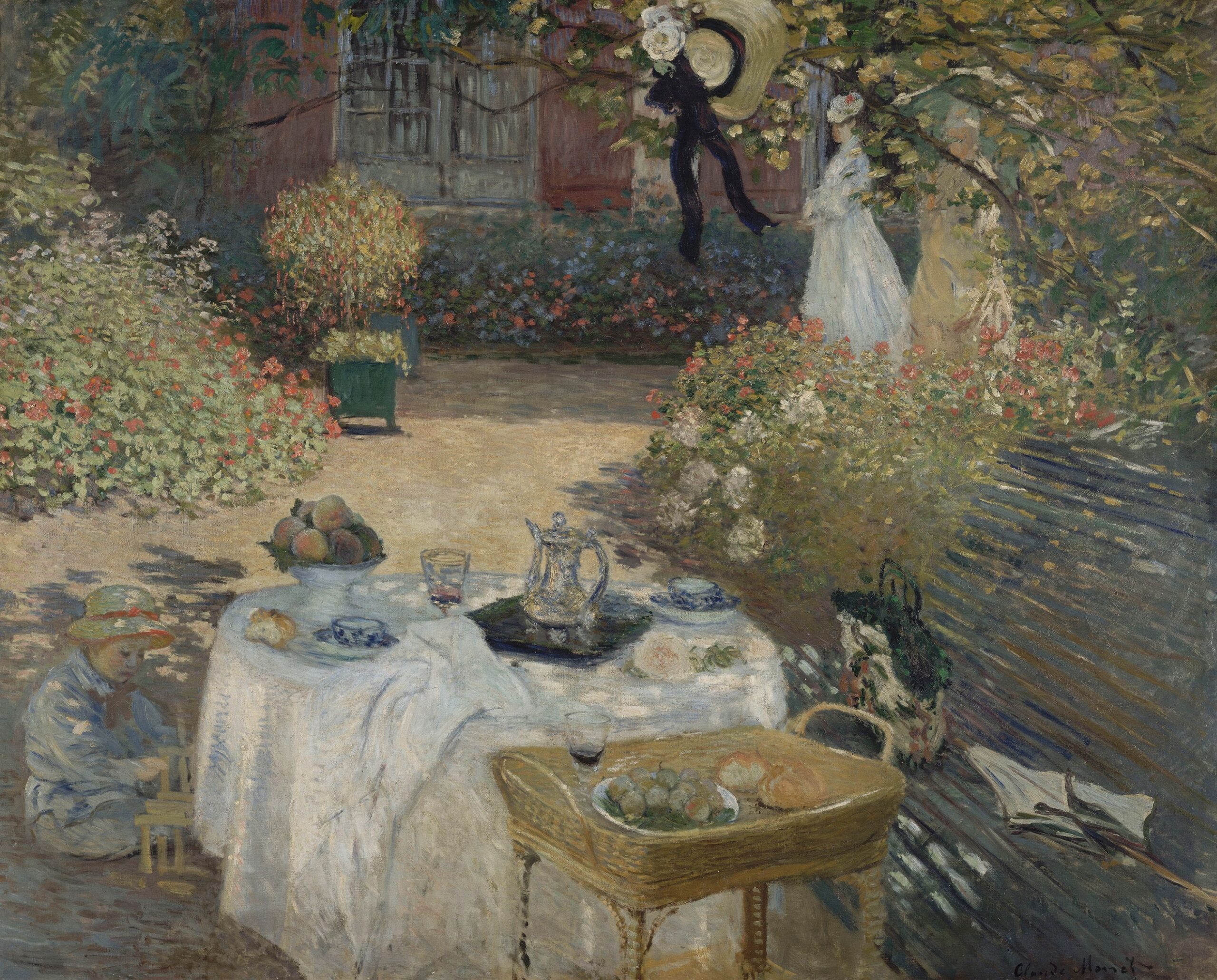
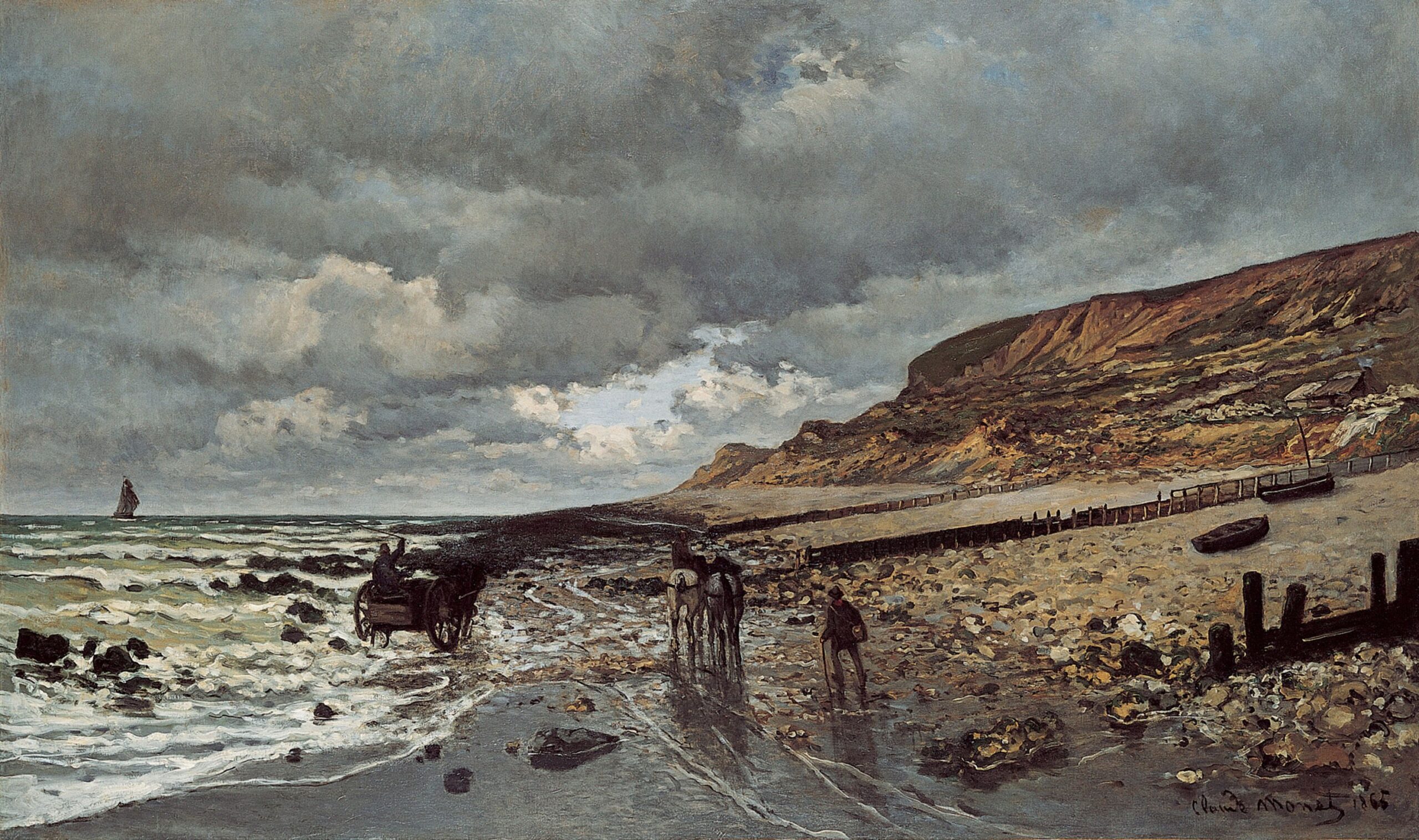
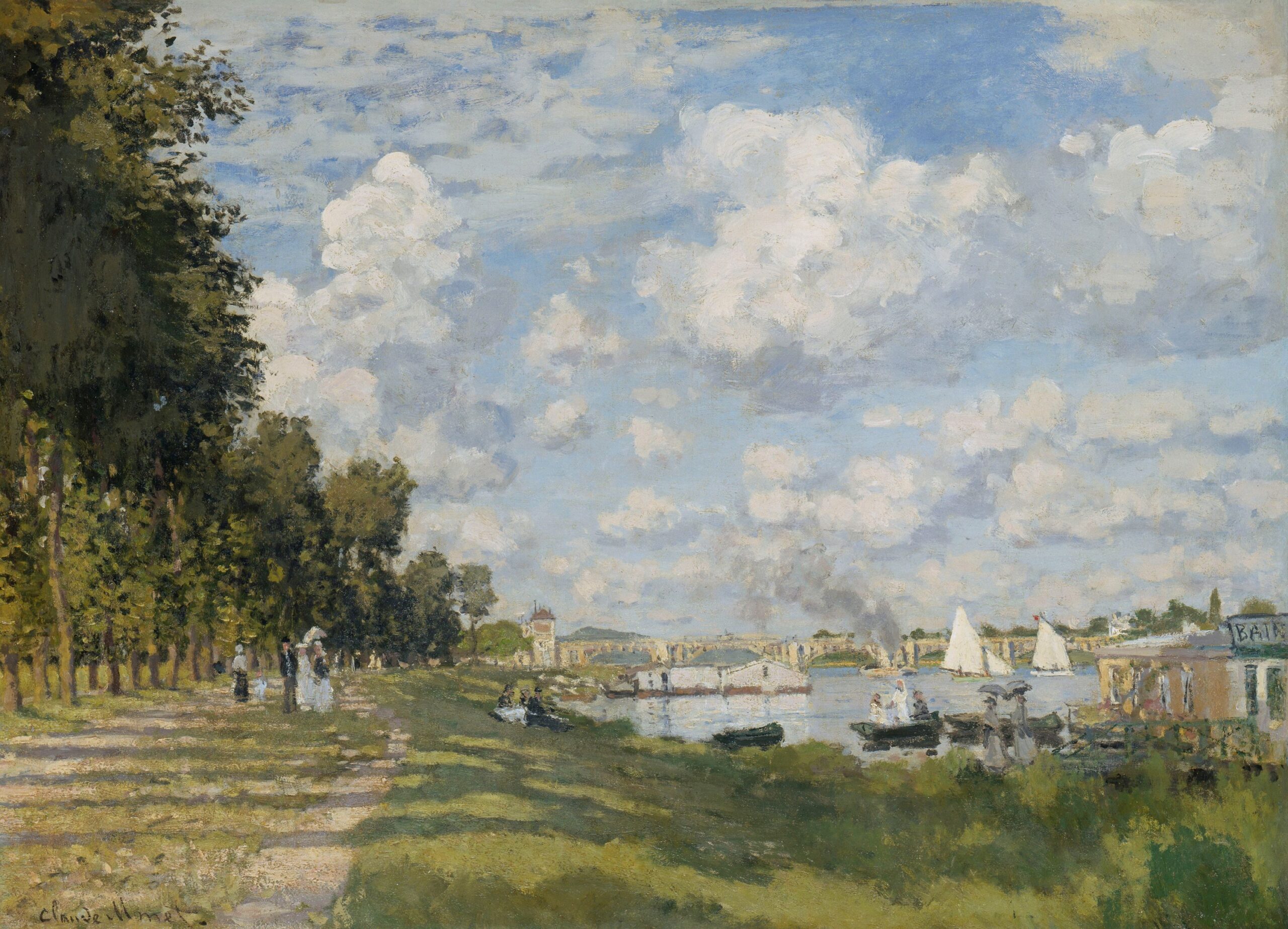
Claude Monet was born in 1840 in Paris, France, and became the leading figure of Impressionism. From an early age, he showed a strong interest in capturing light and atmosphere. Monet painted outdoors whenever possible, seeking to record the changing effects of weather and time of day. His commitment to direct observation shaped the core principles of the Impressionist movement.
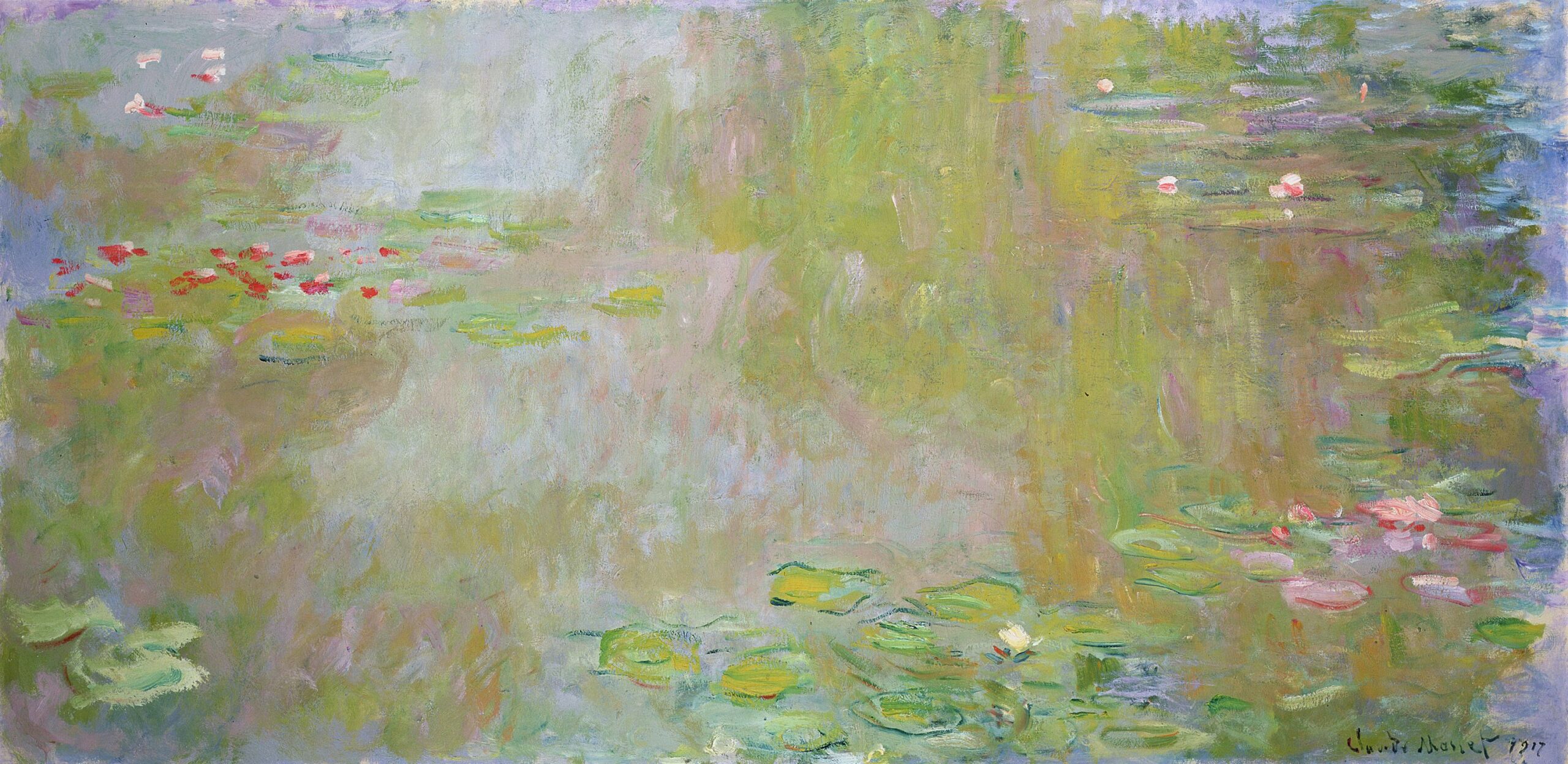
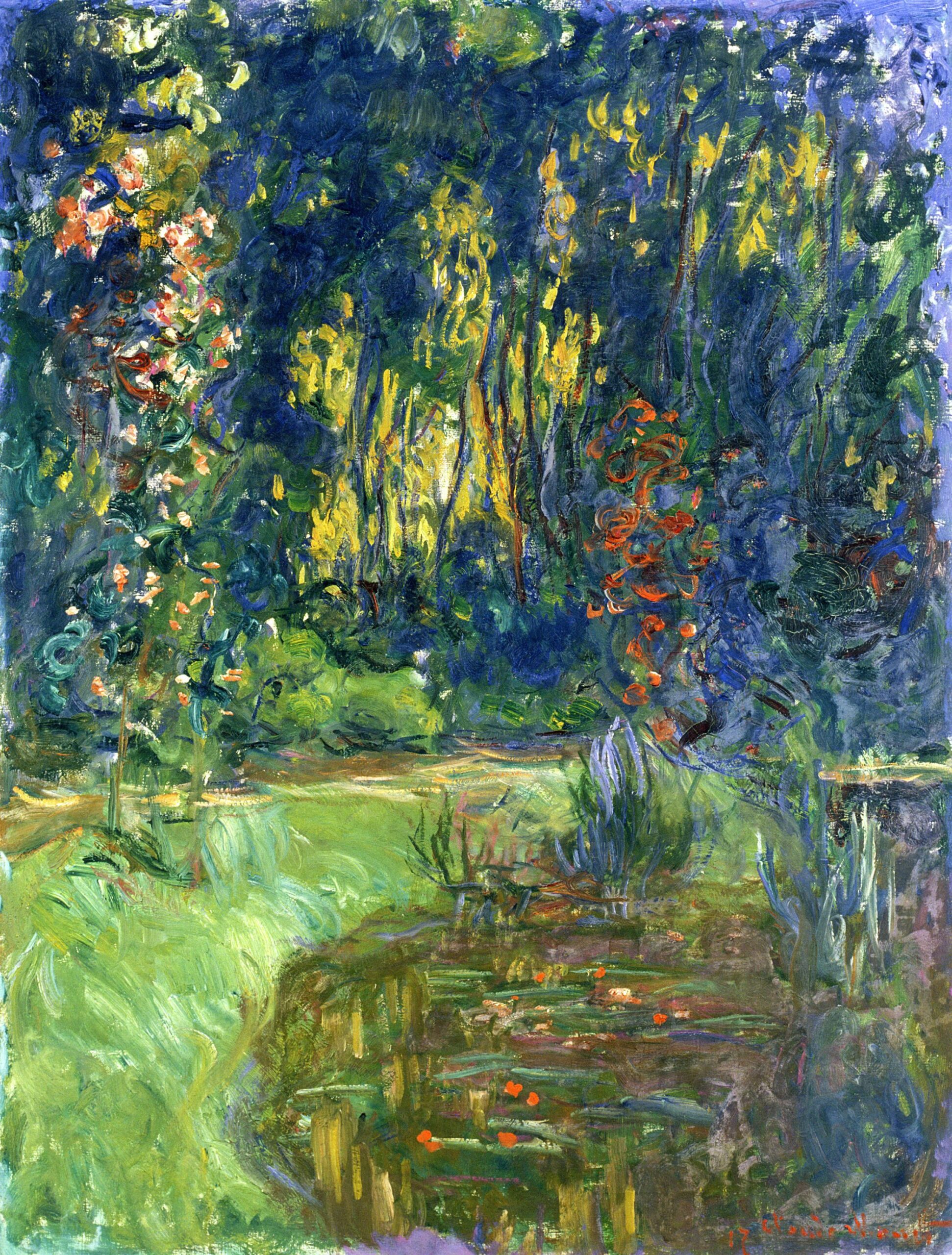
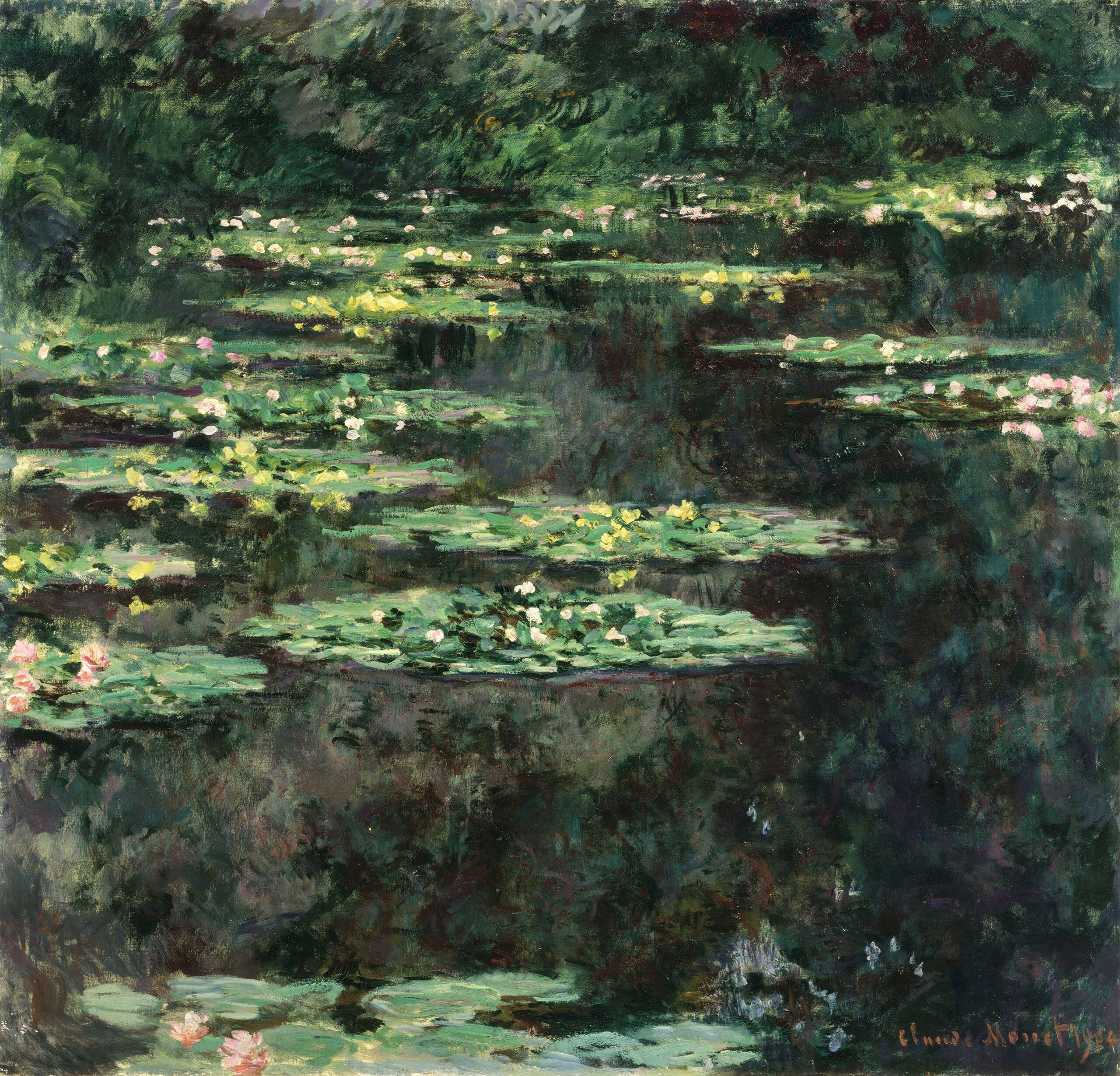
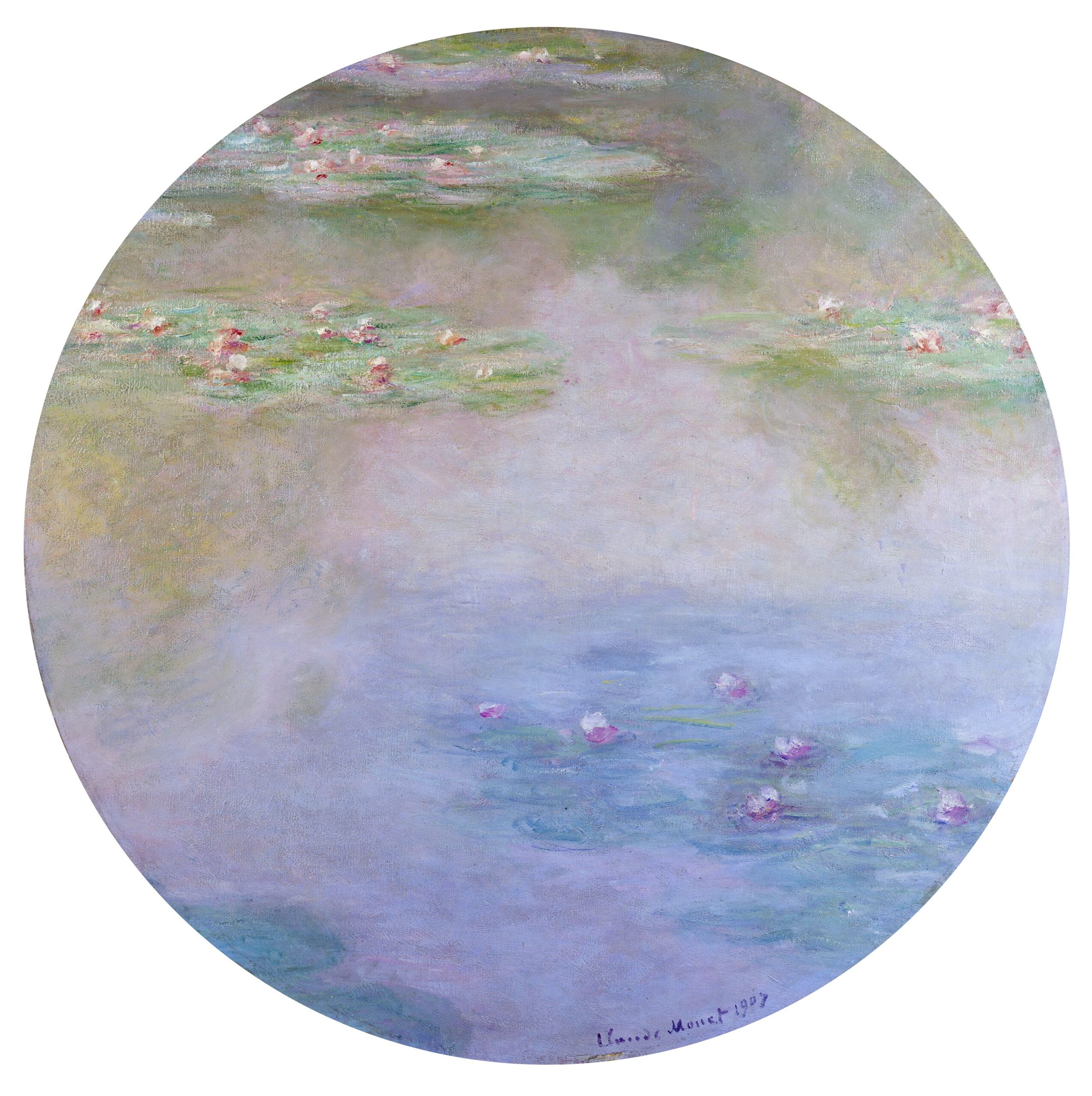
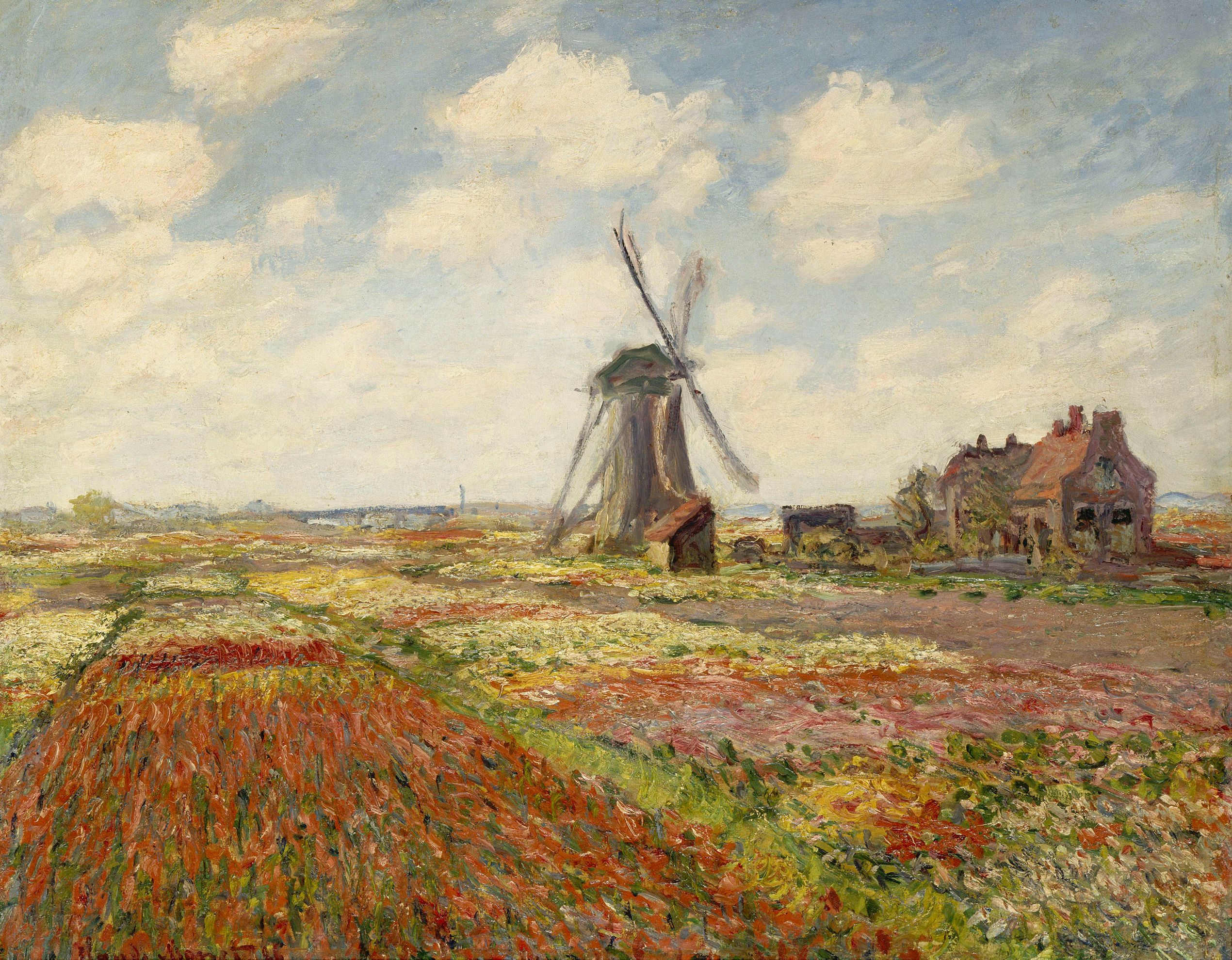
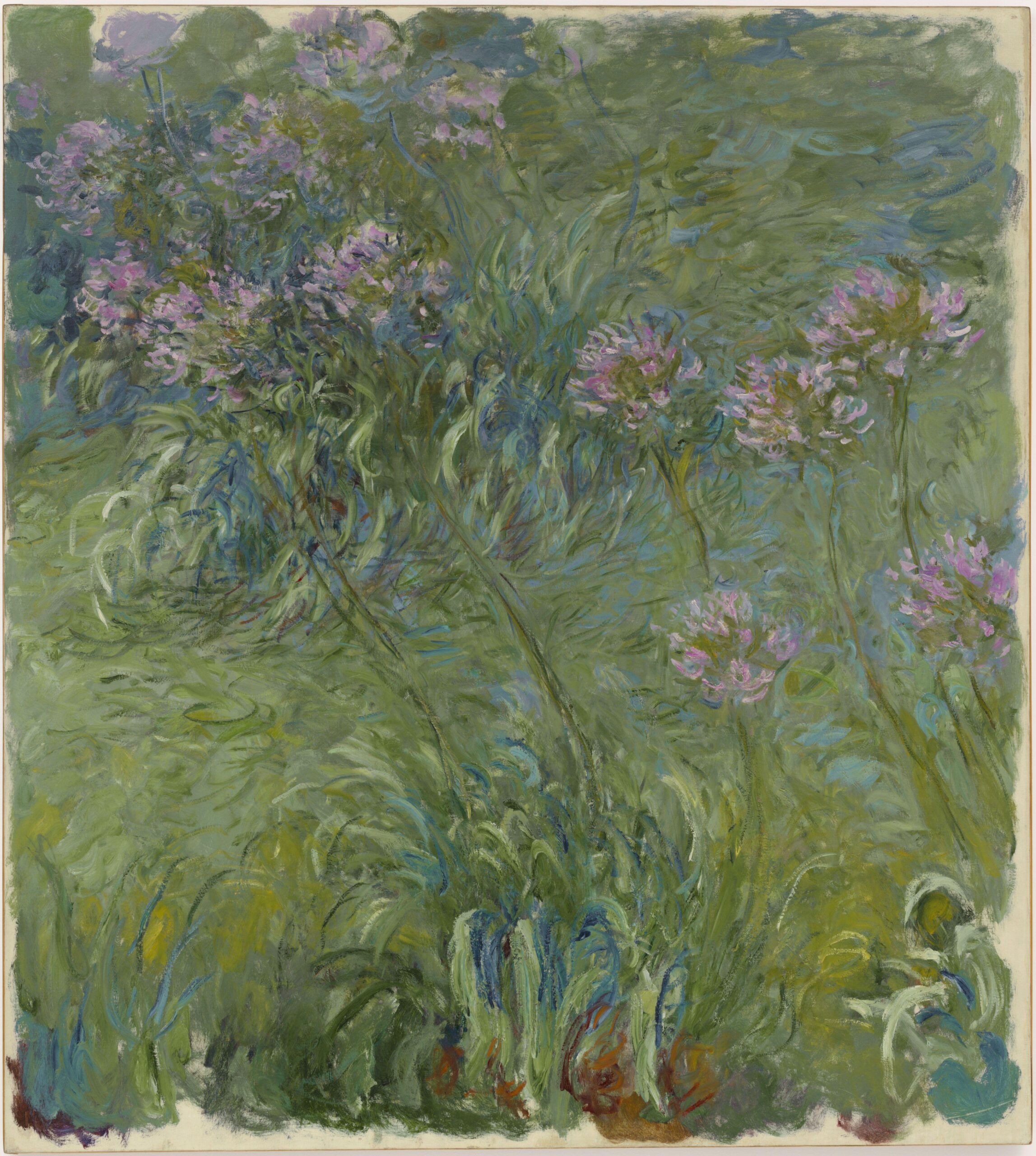
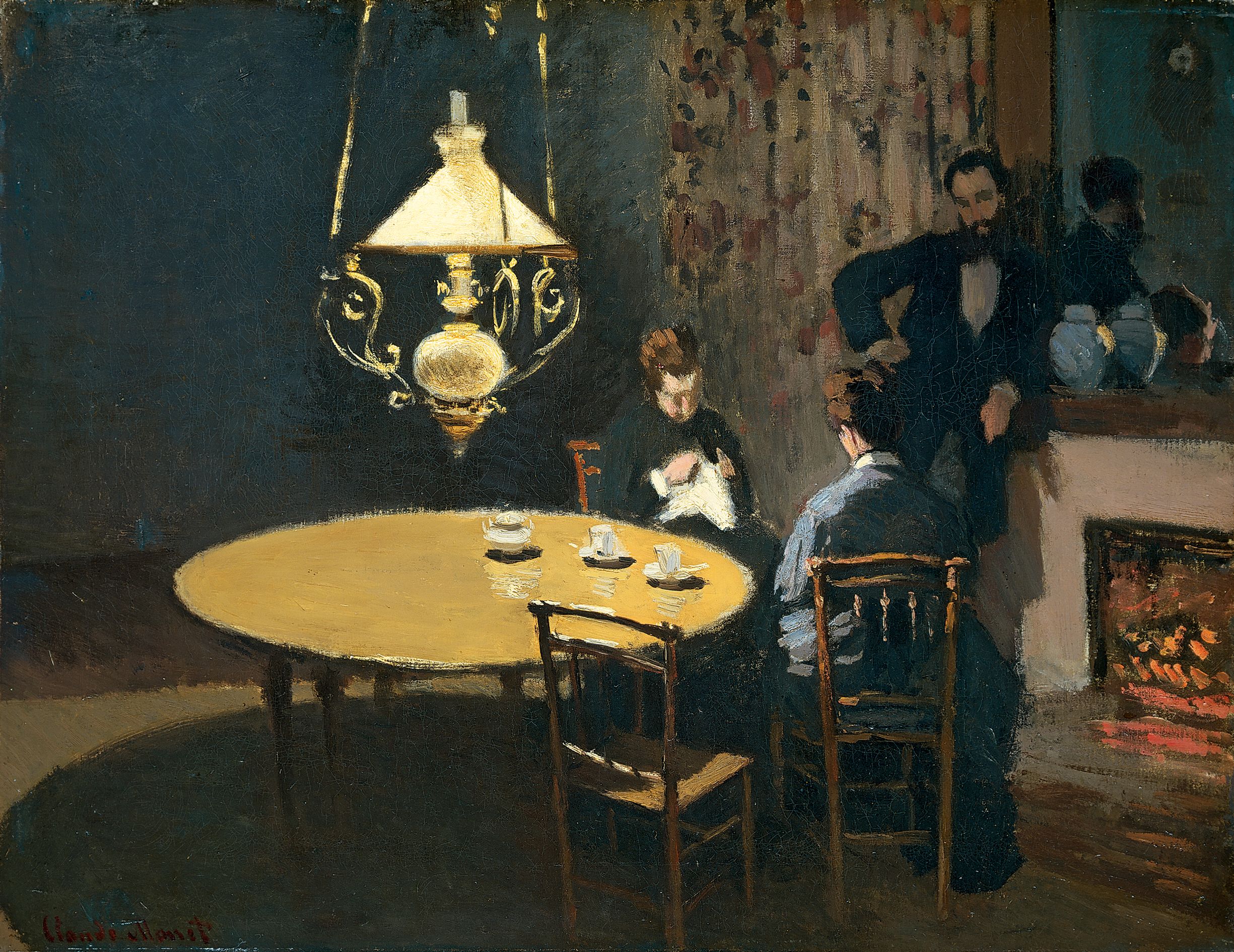
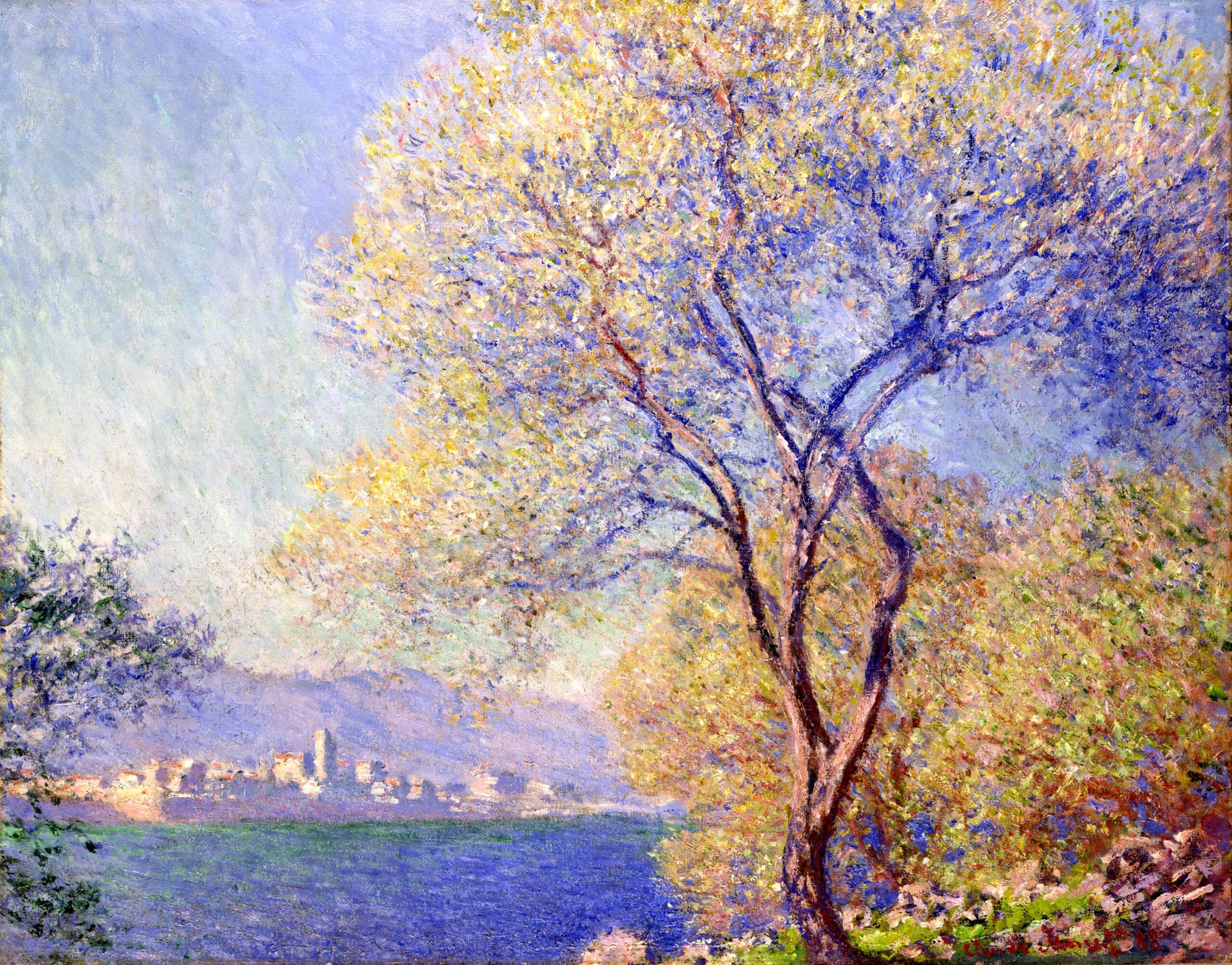
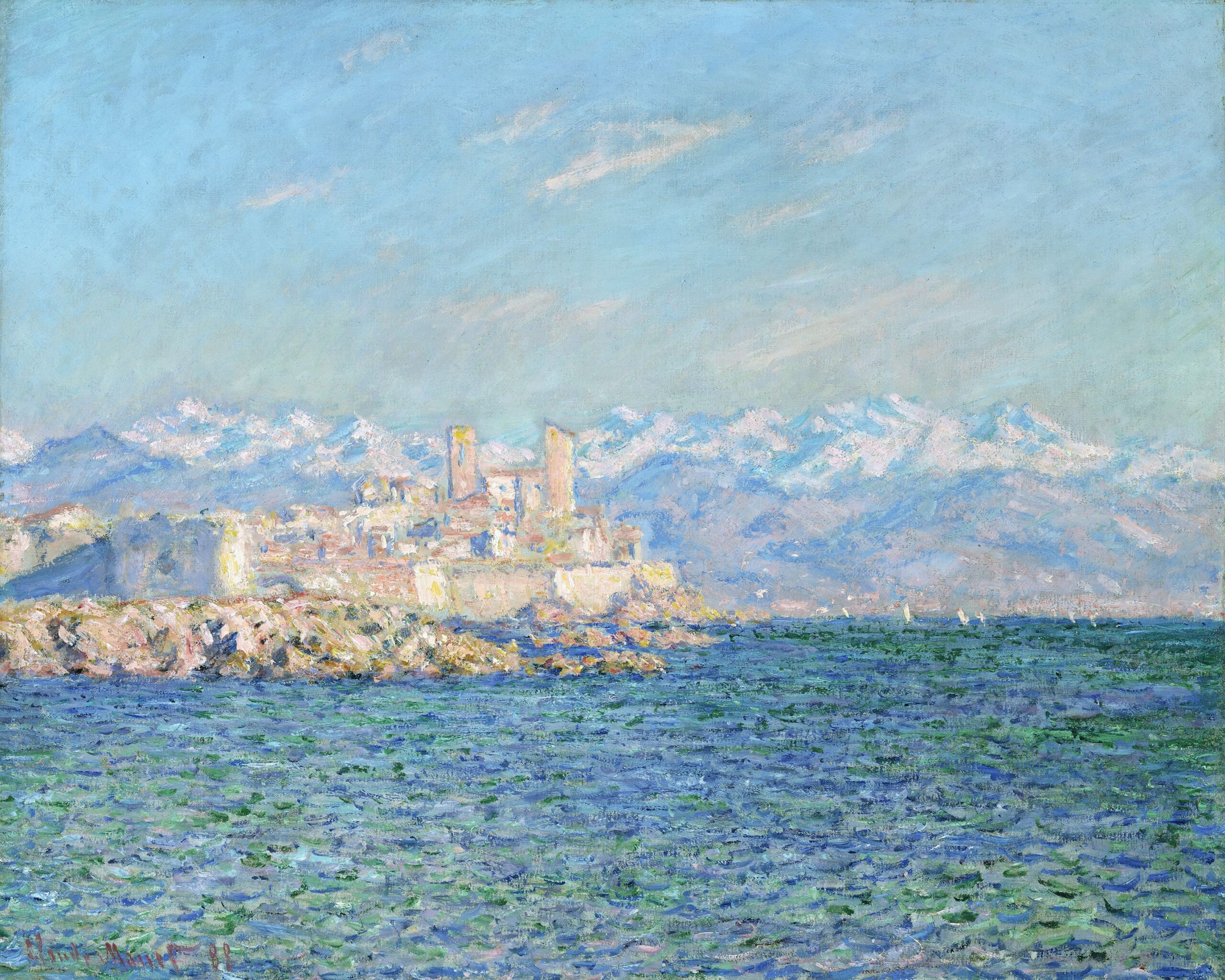
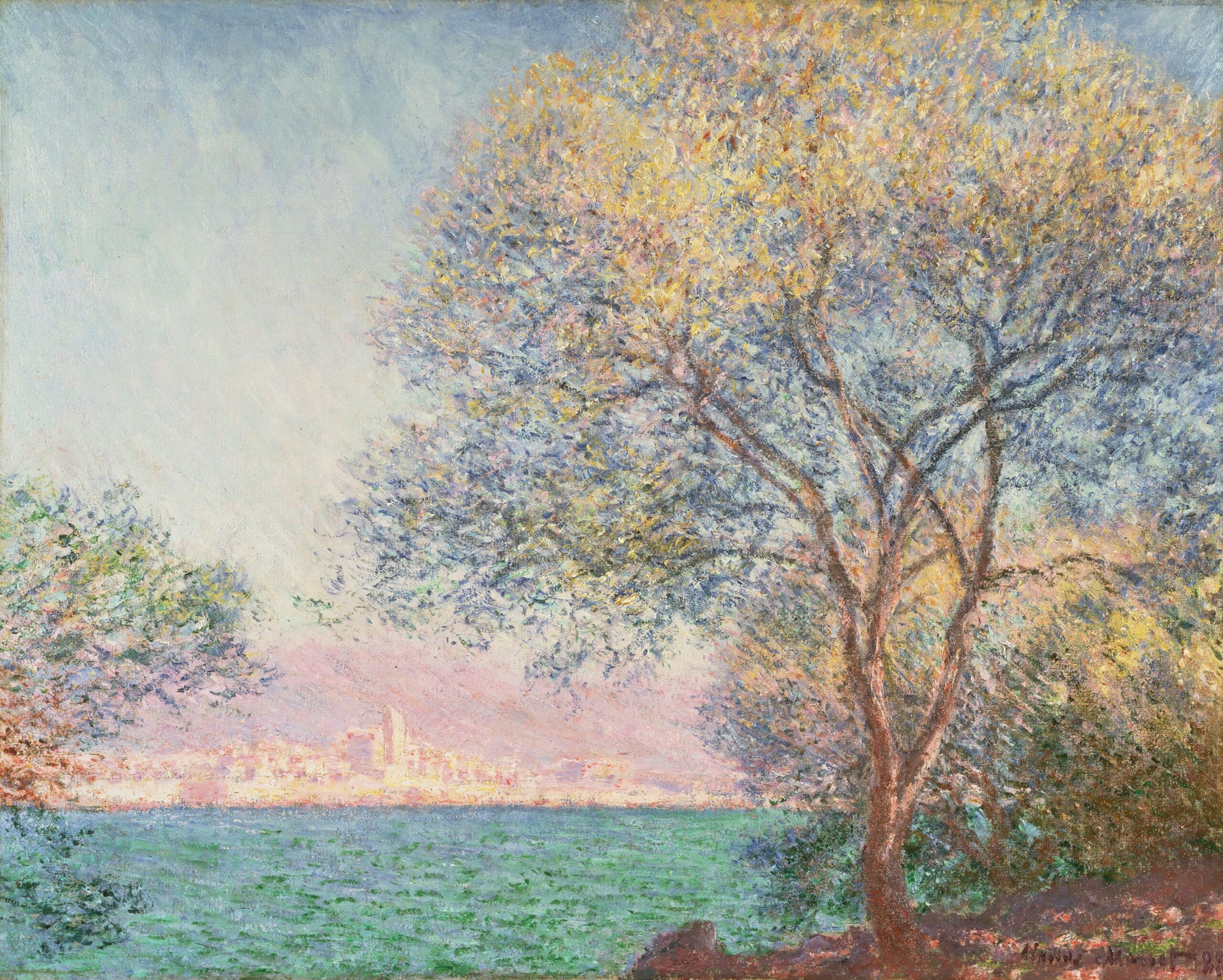
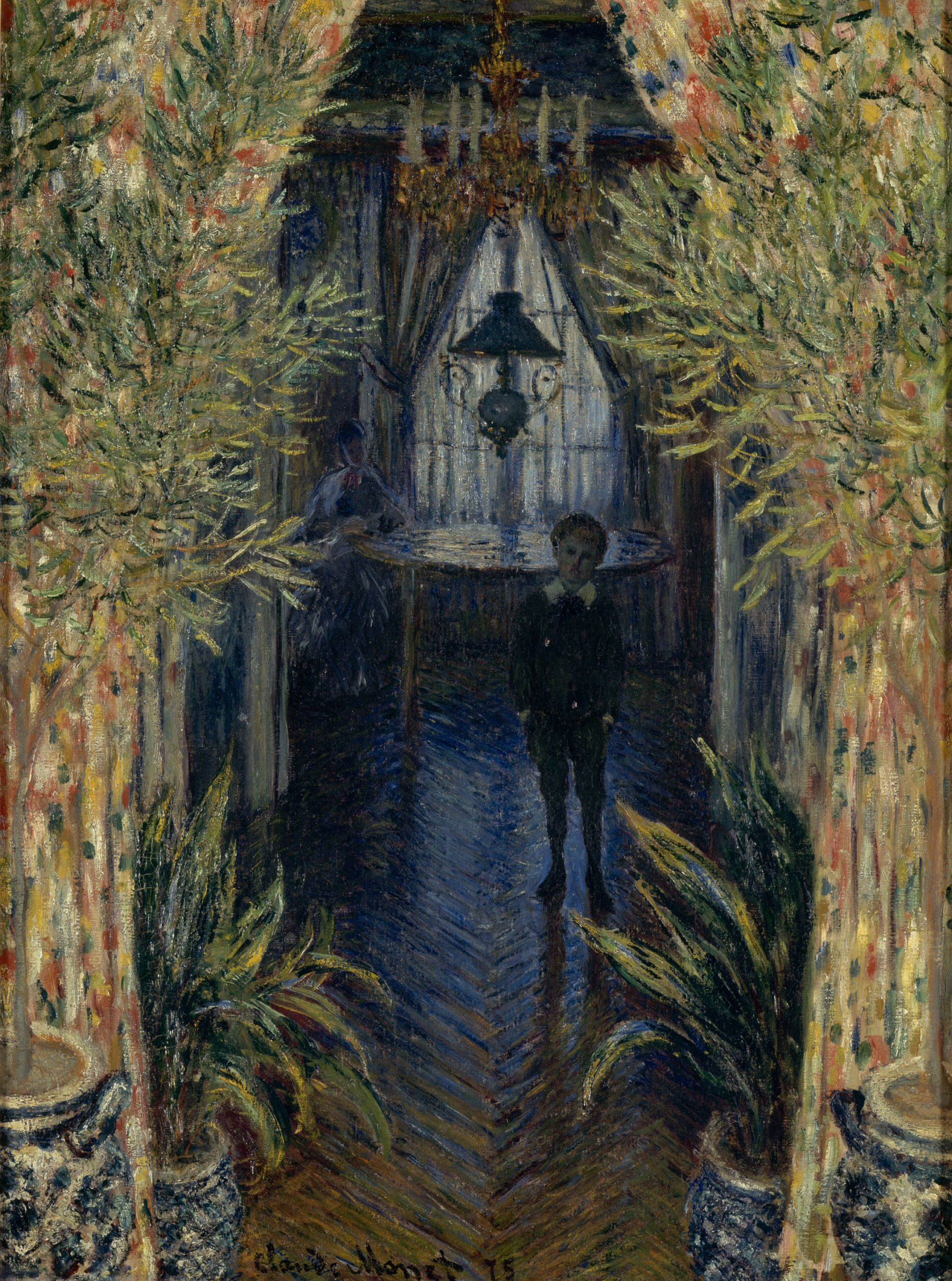
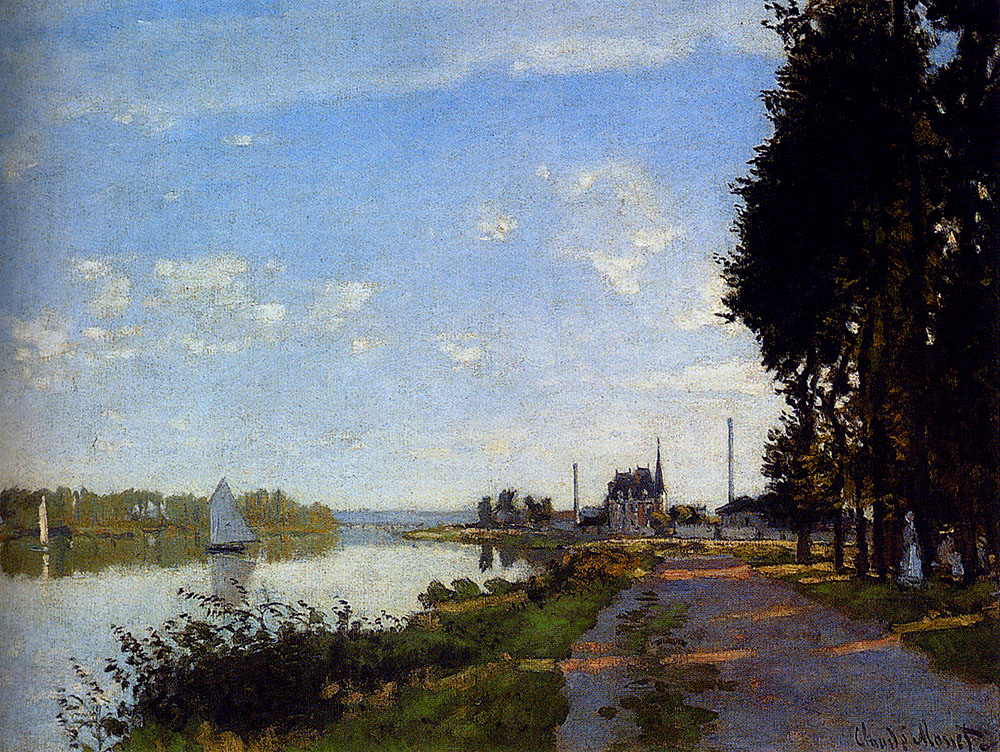
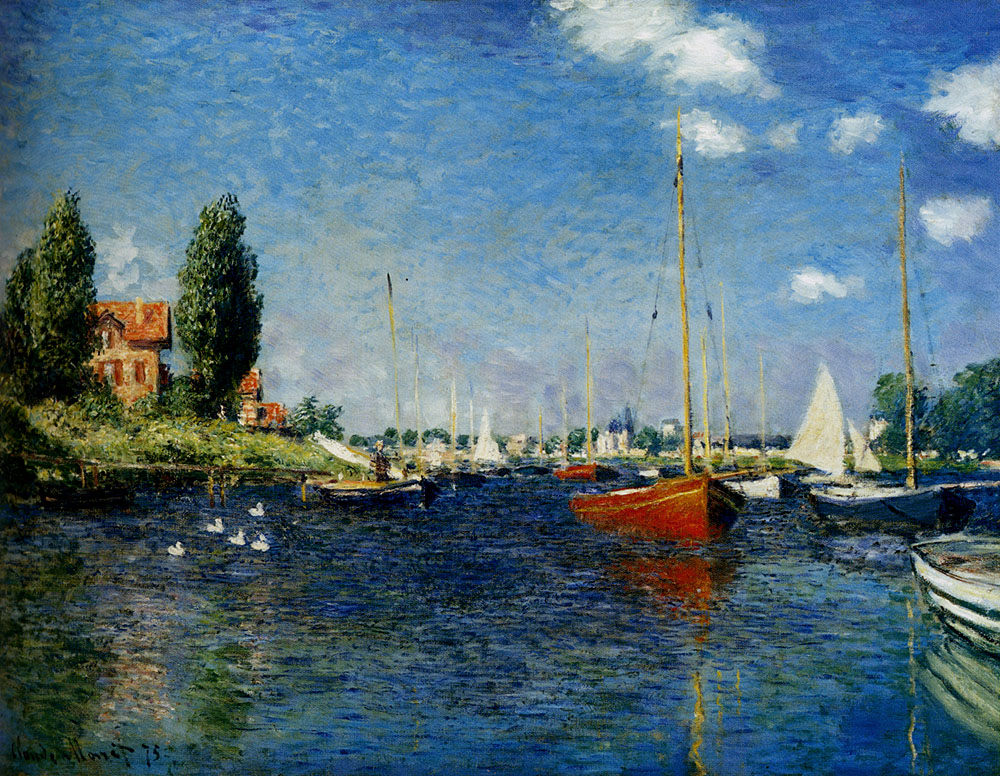
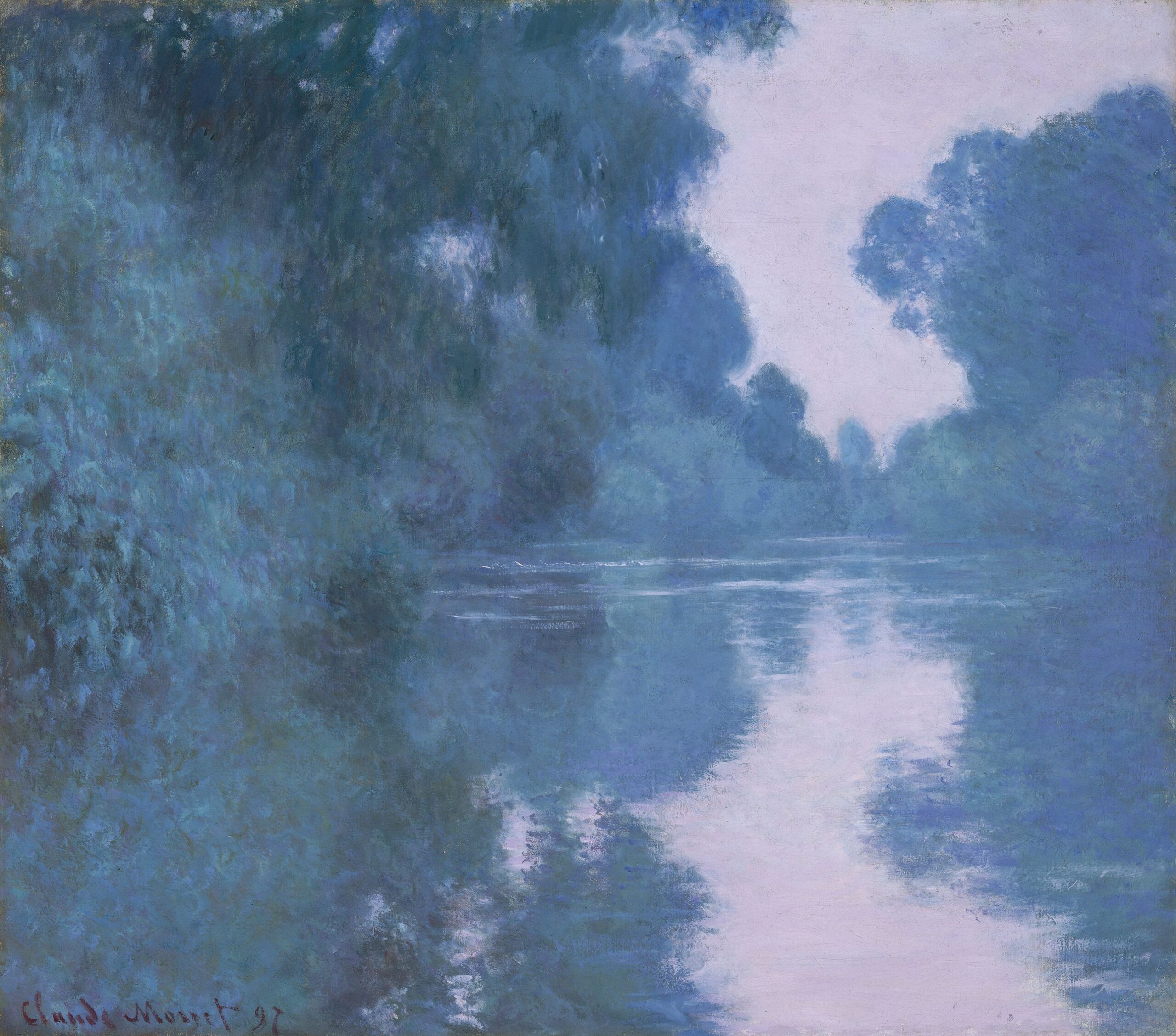
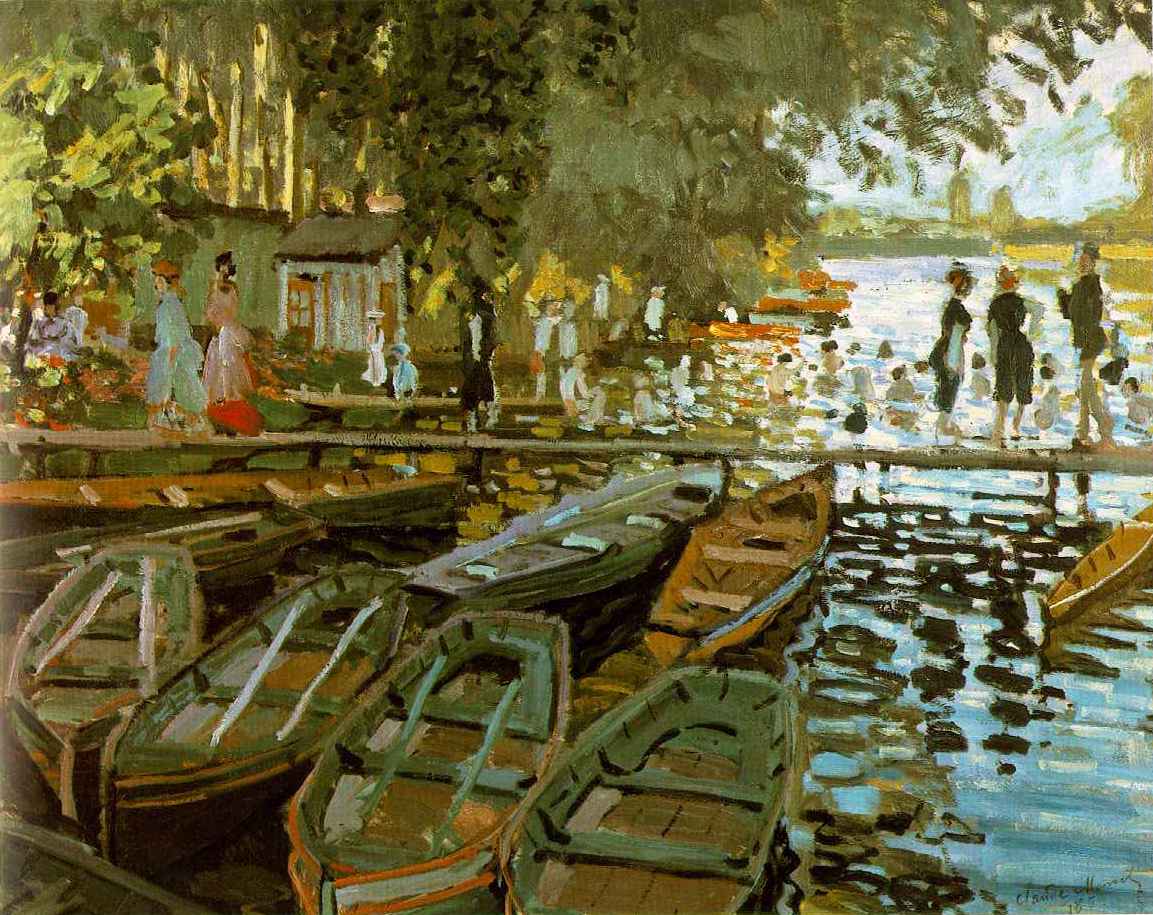
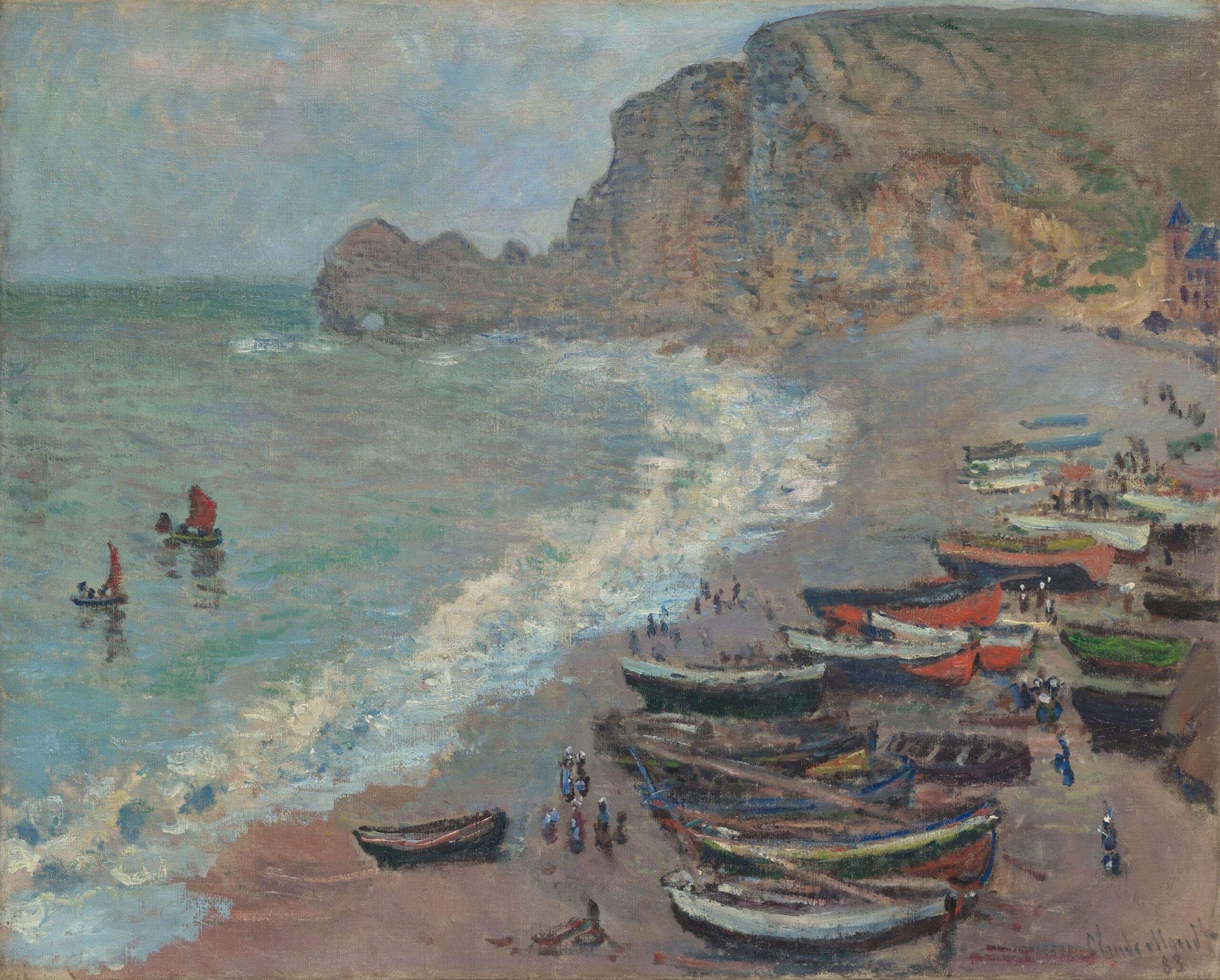
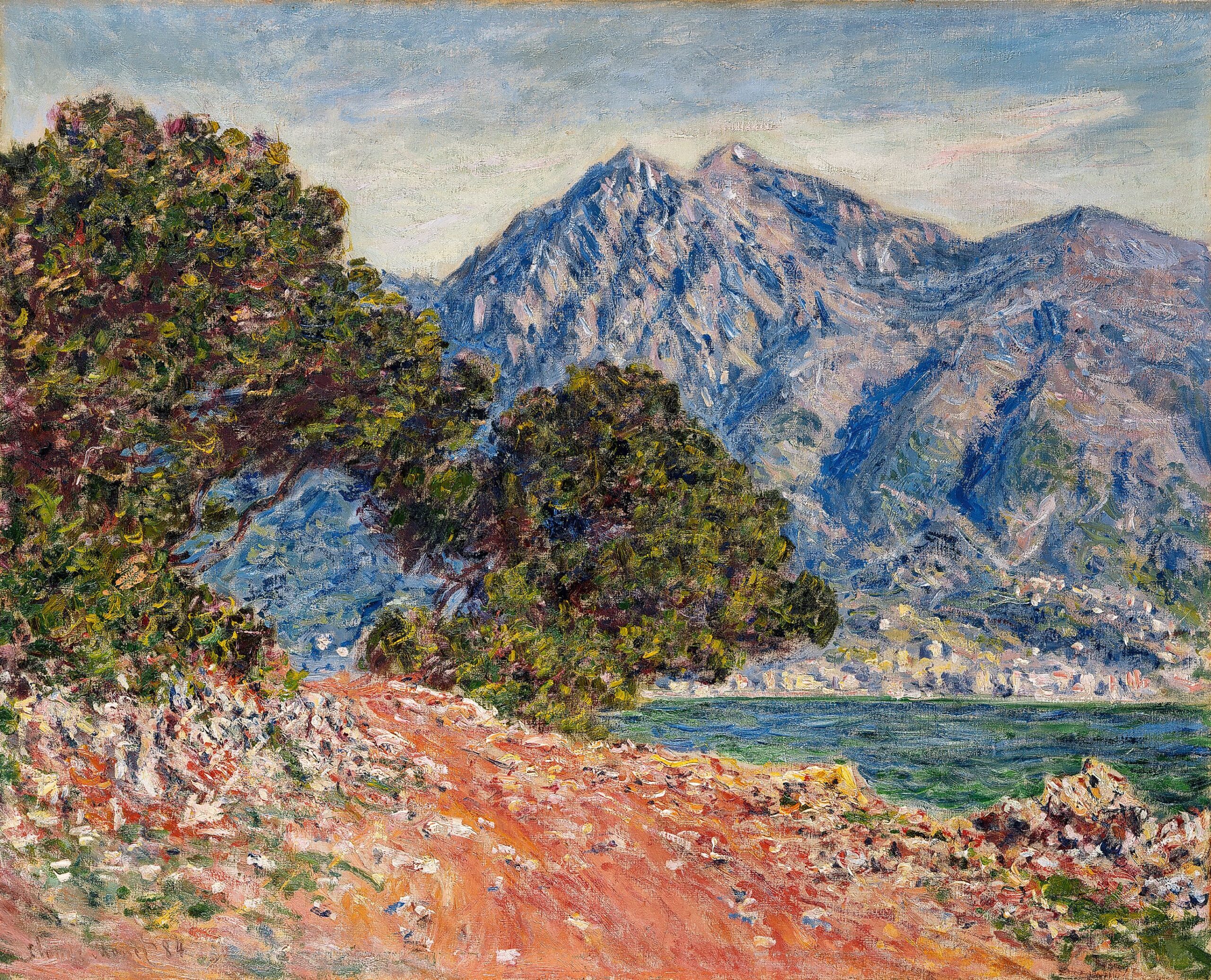
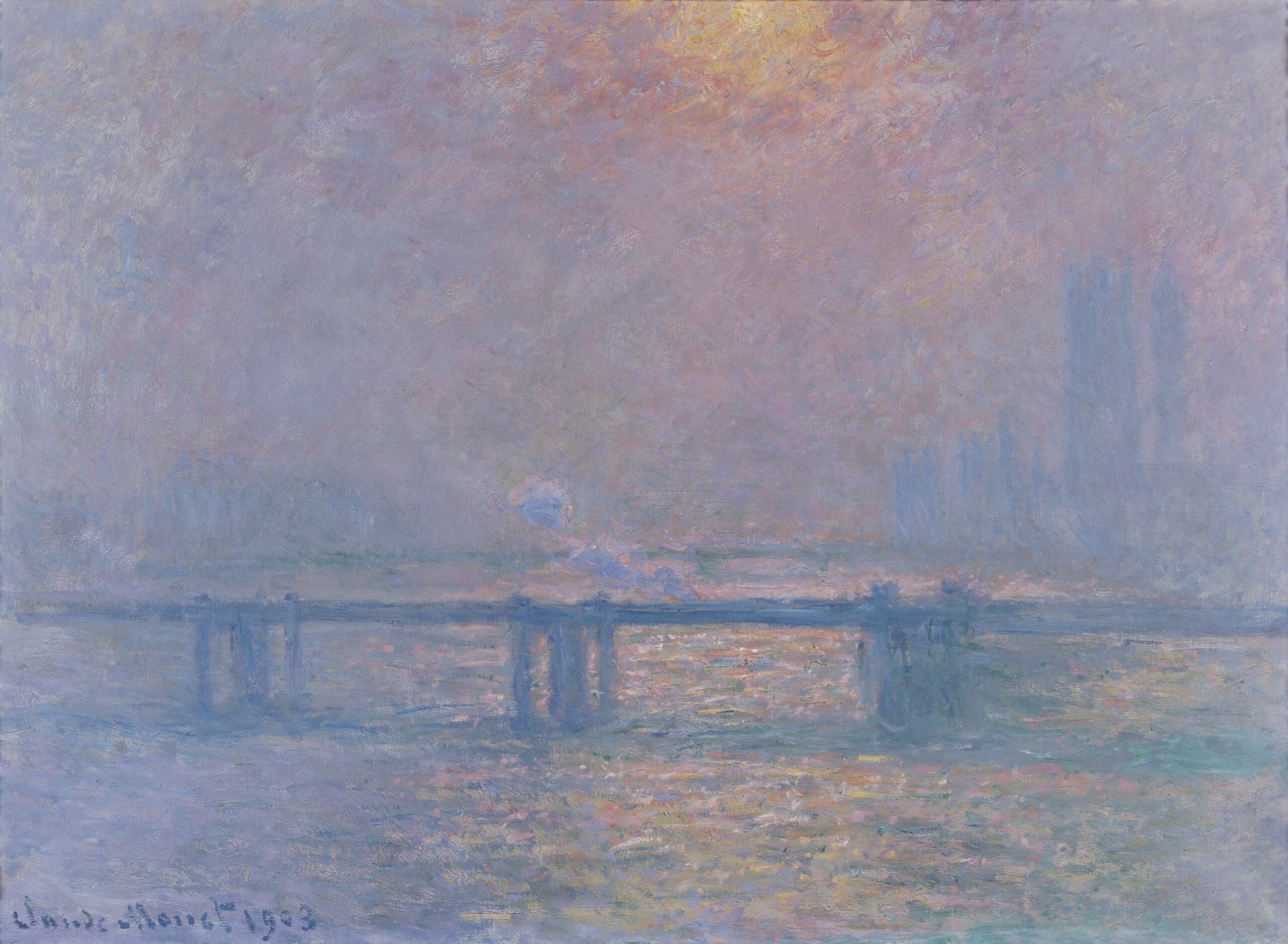
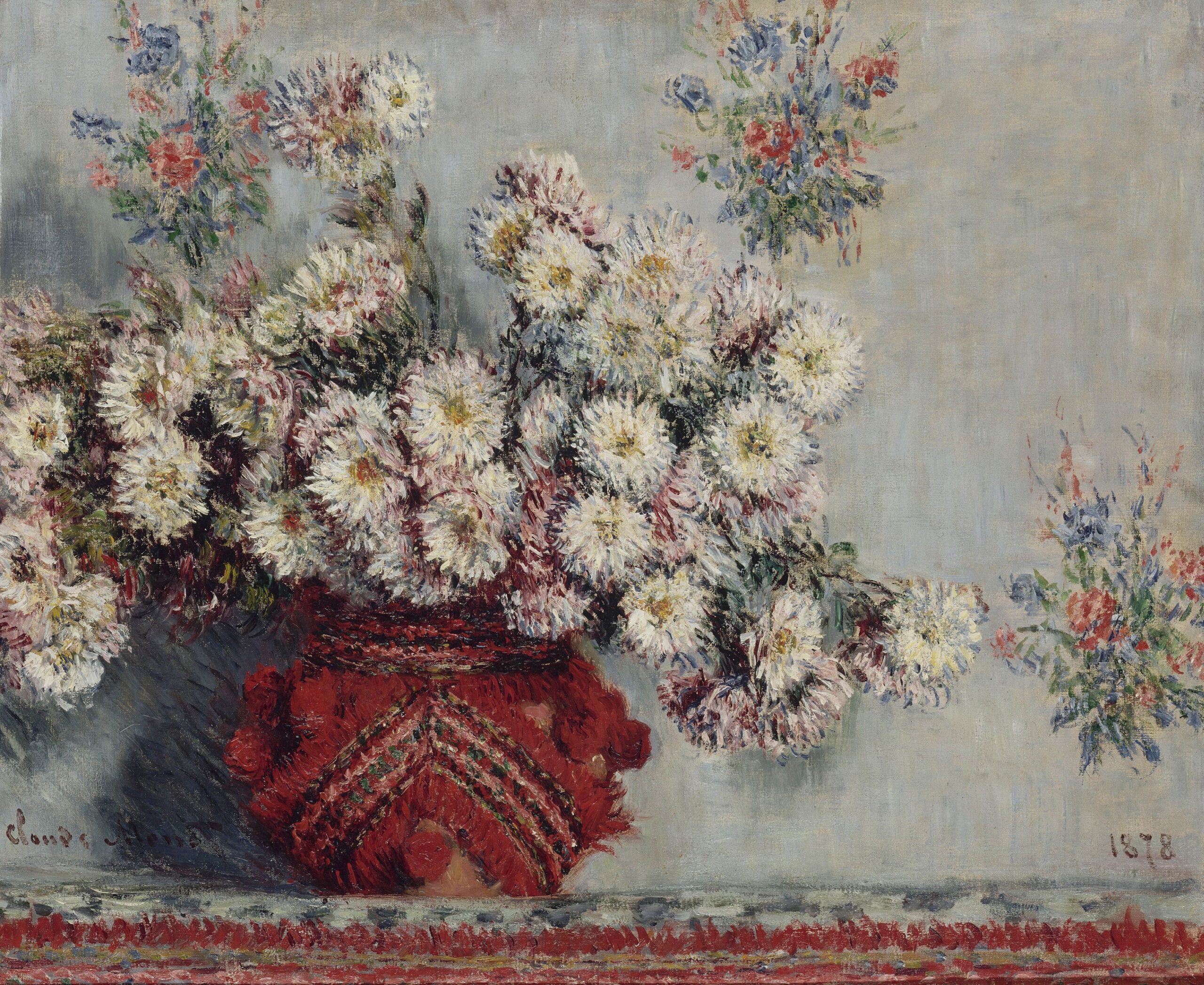
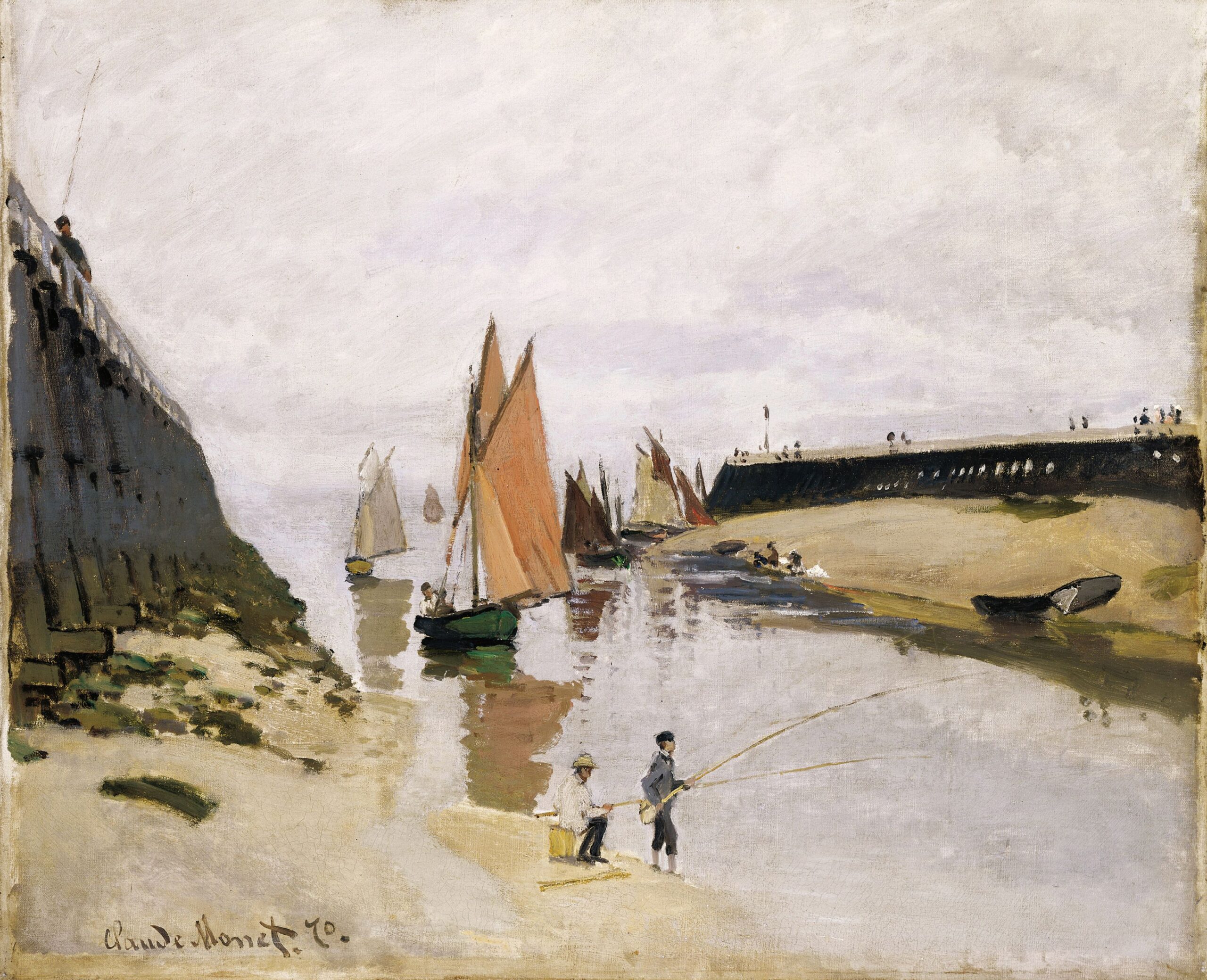
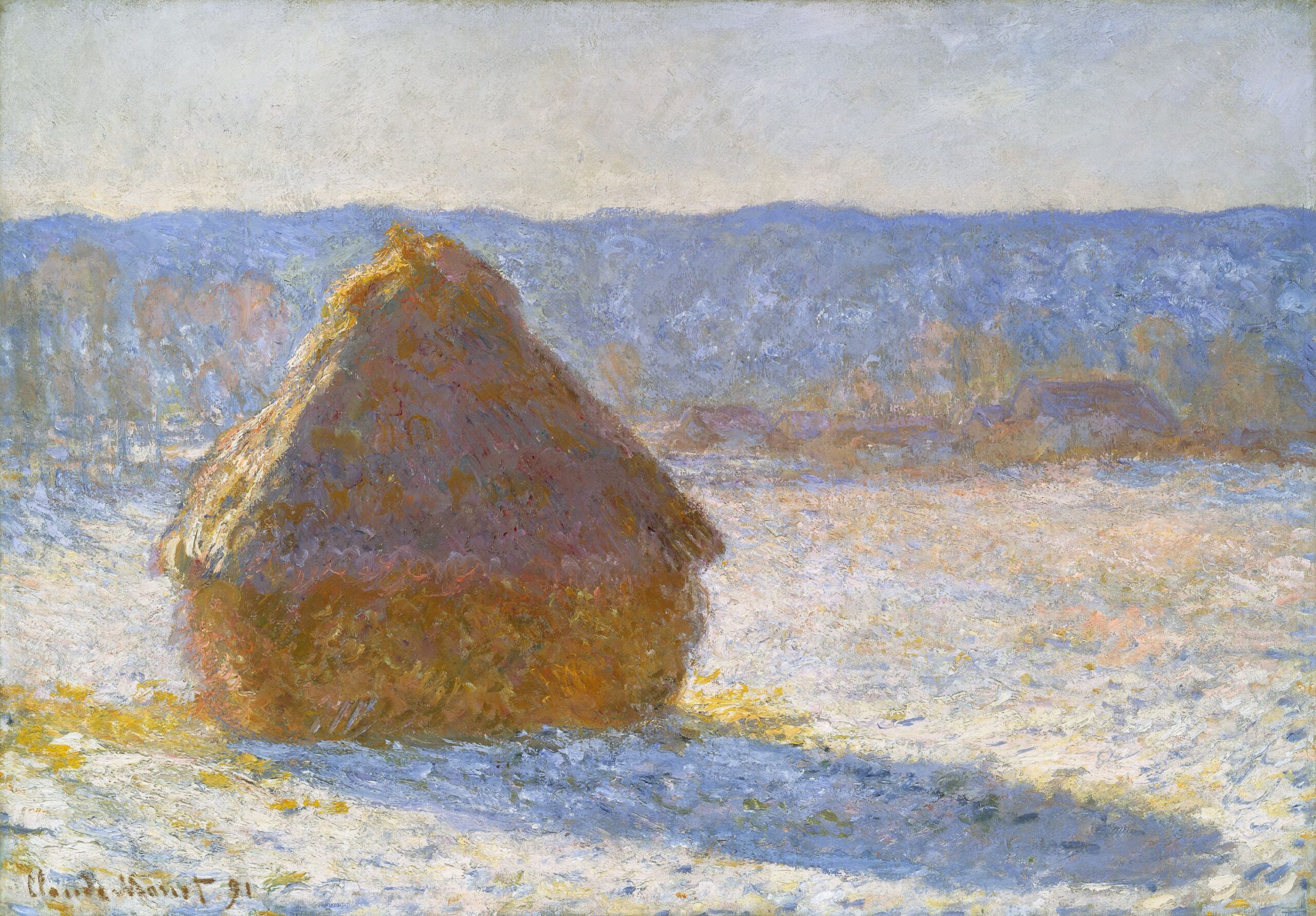
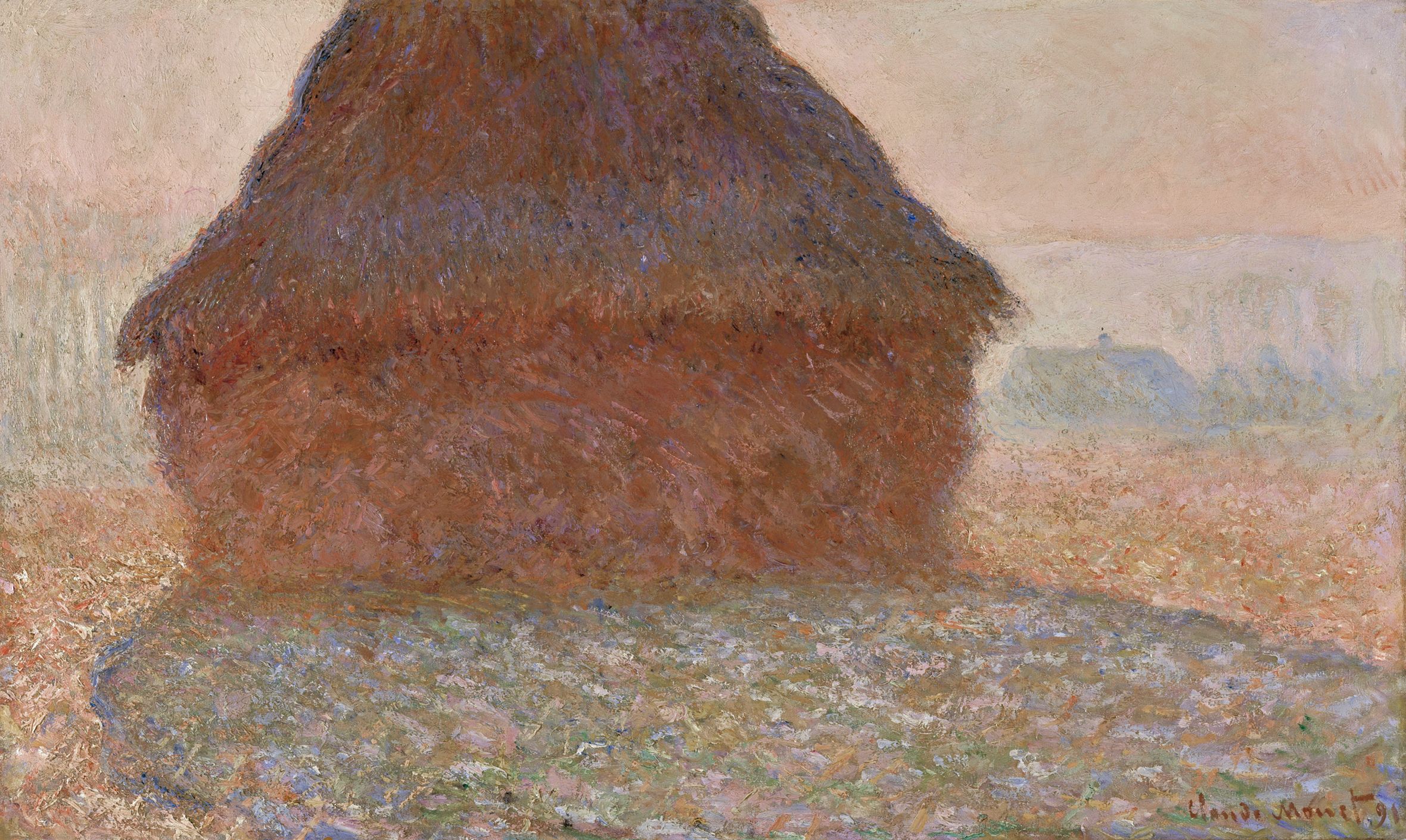
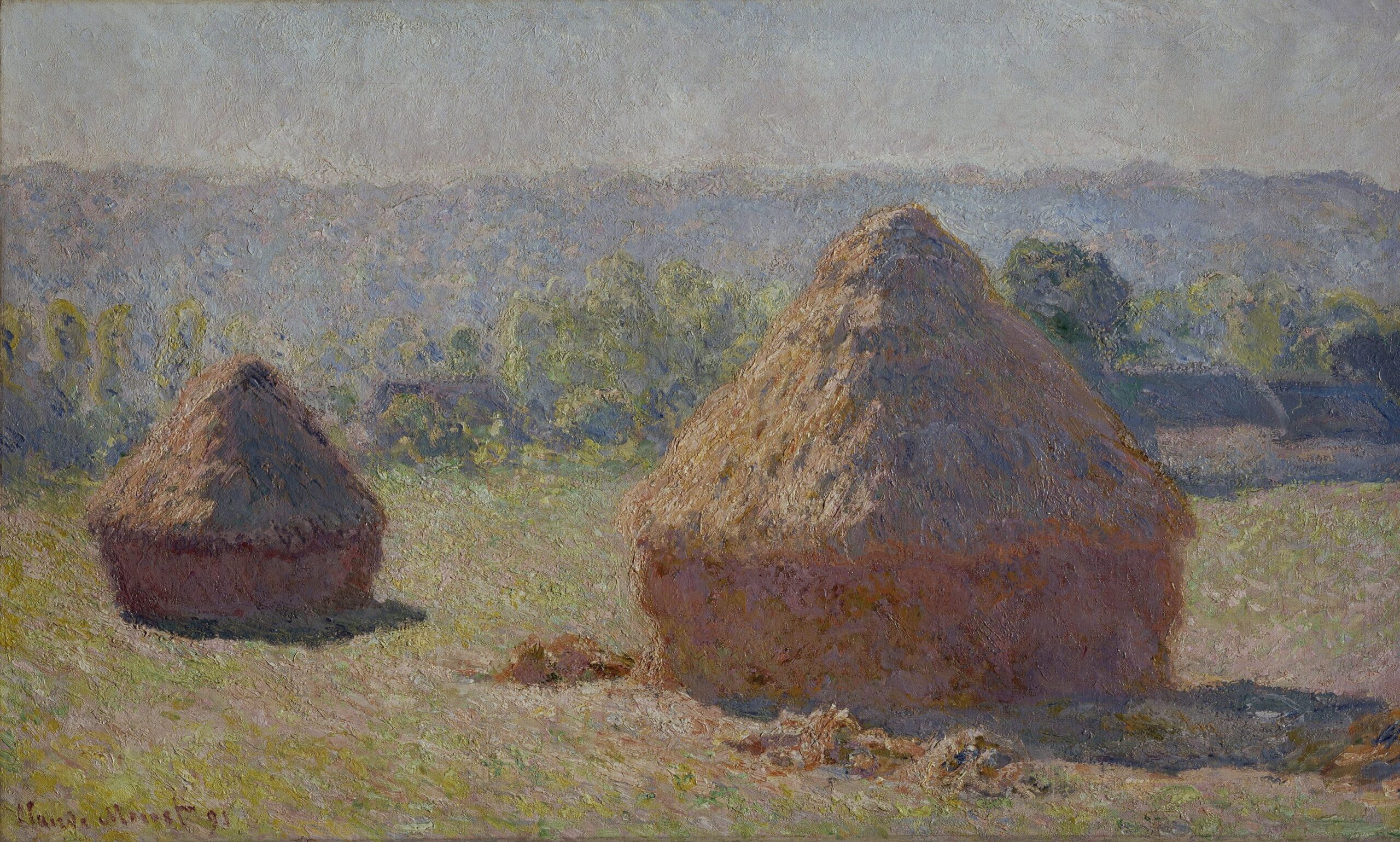
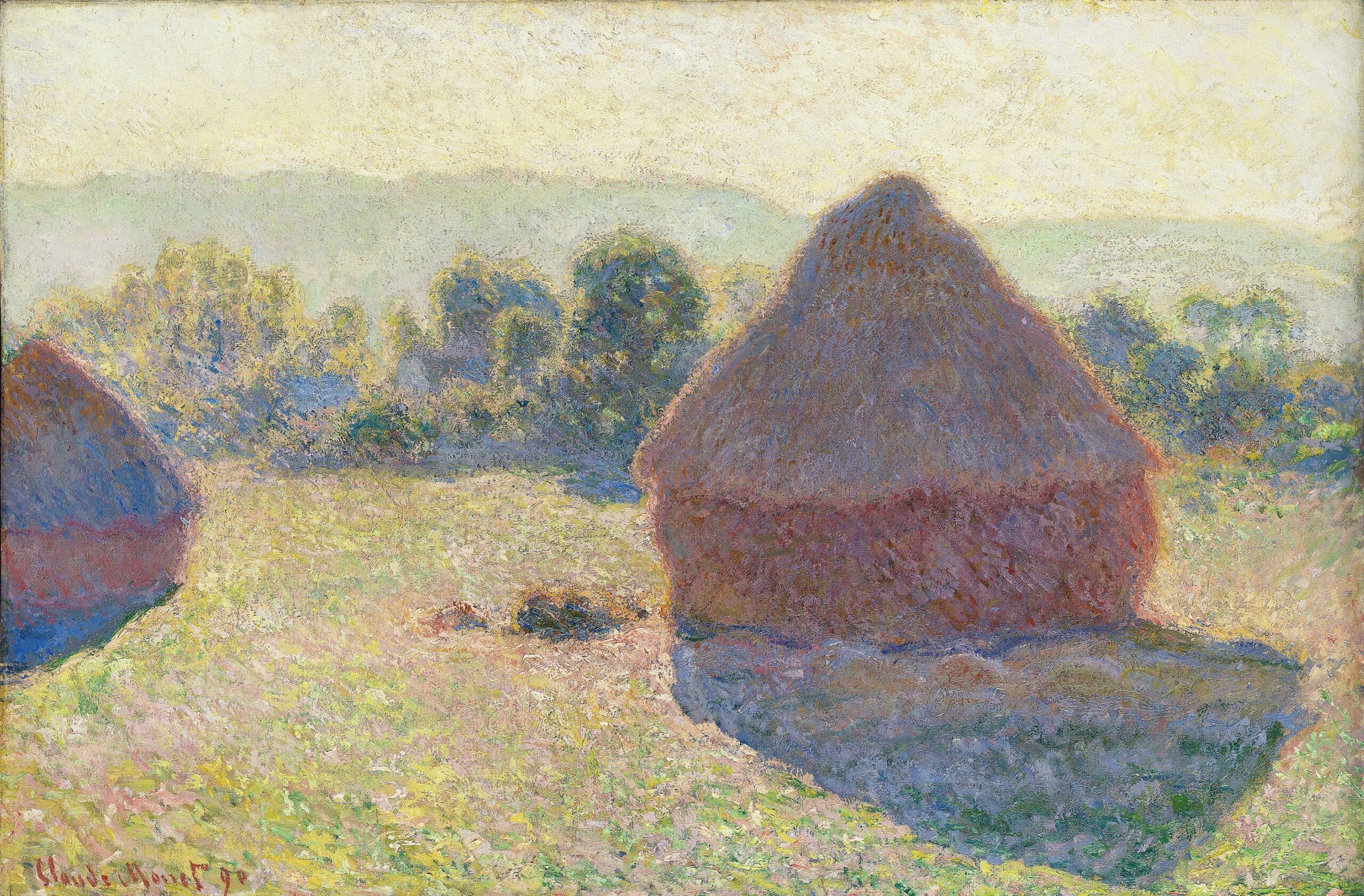
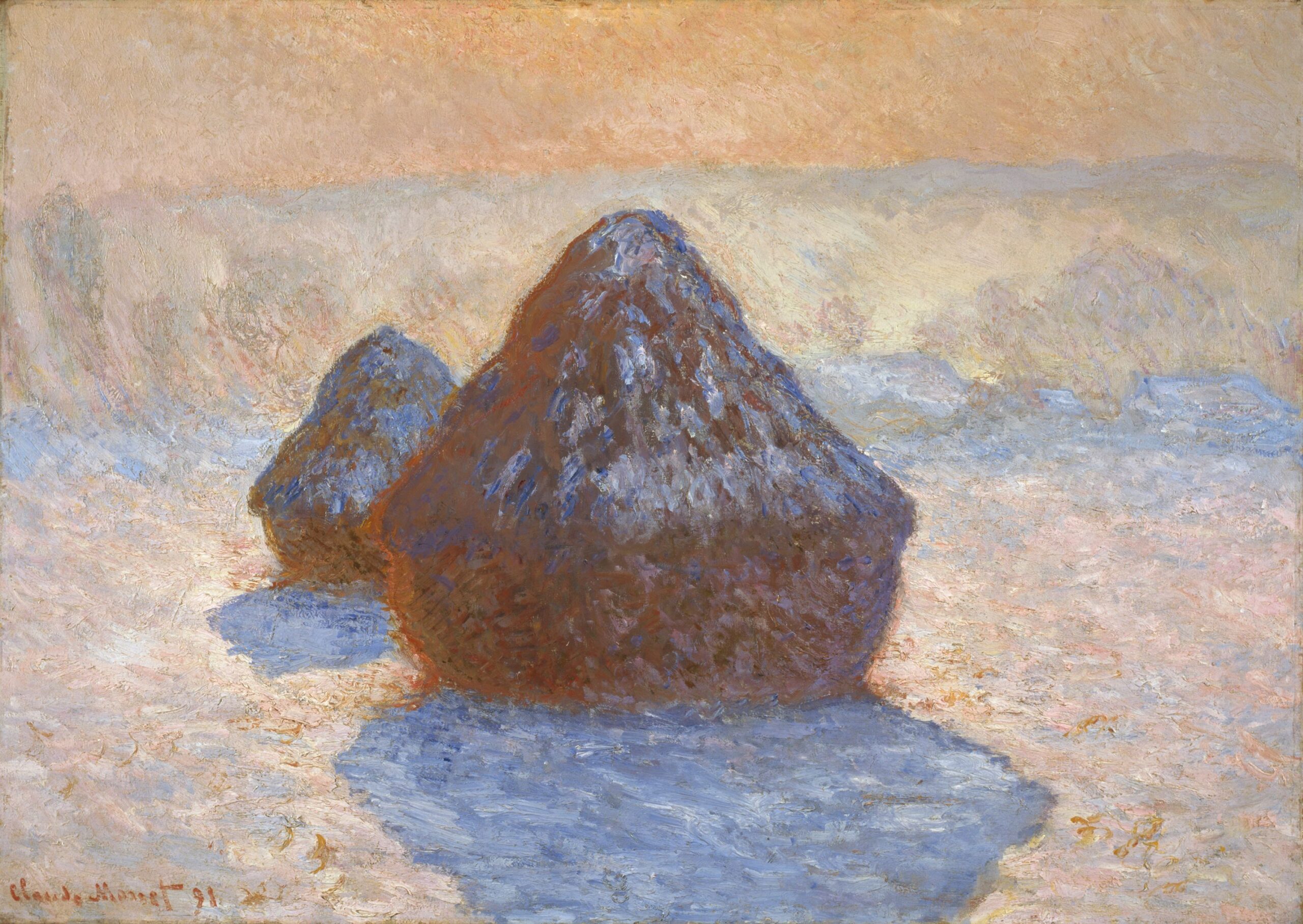
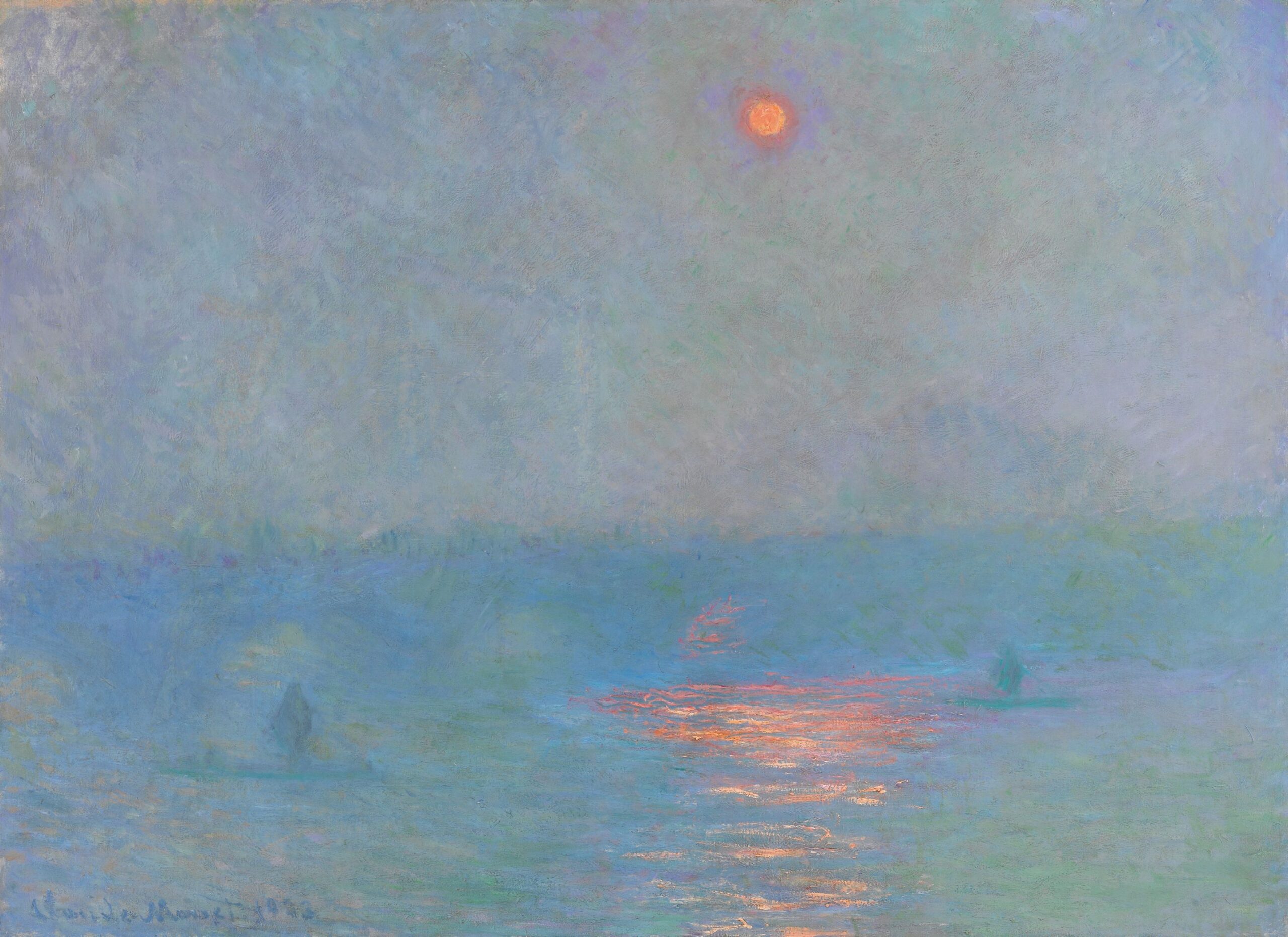
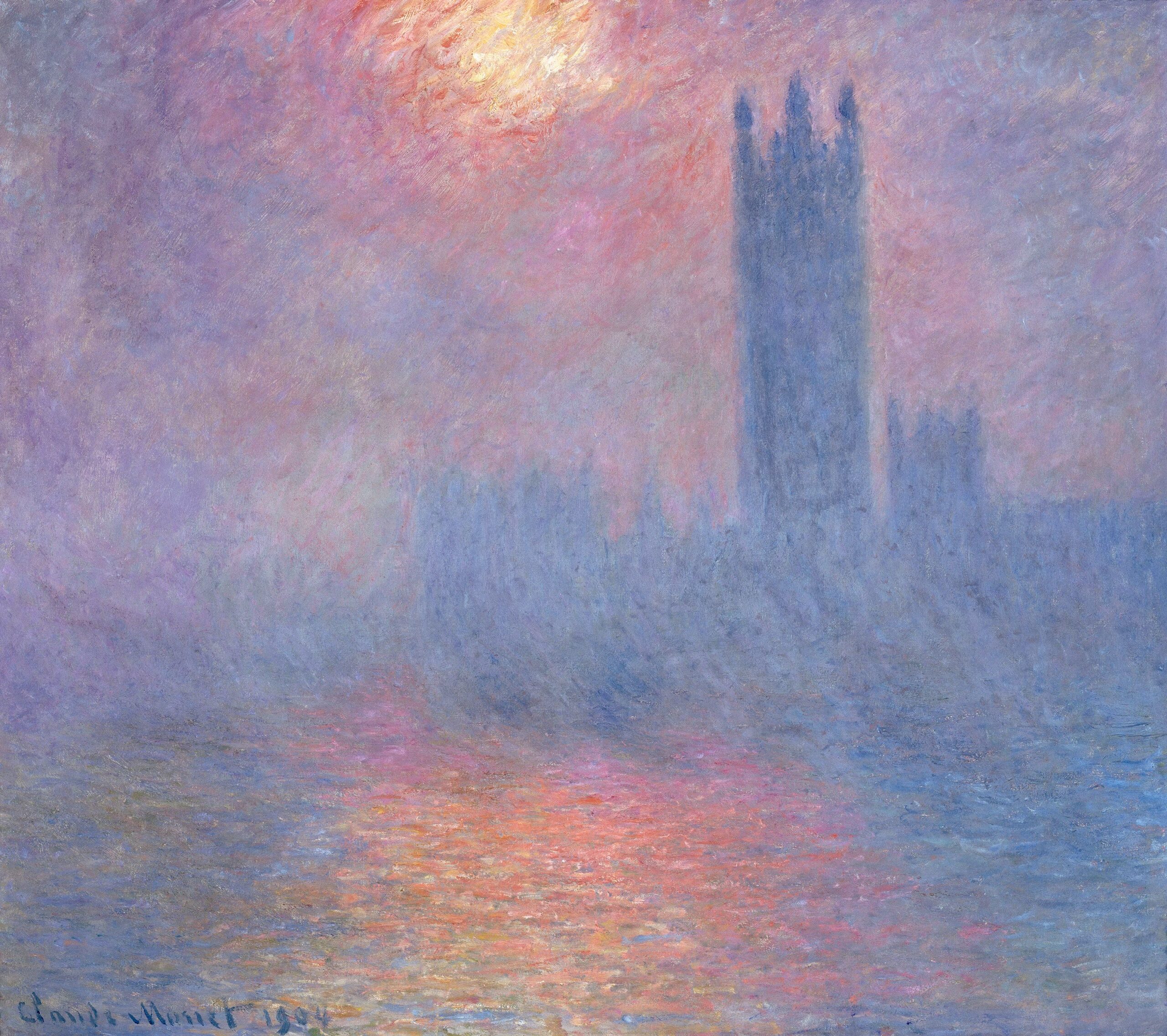
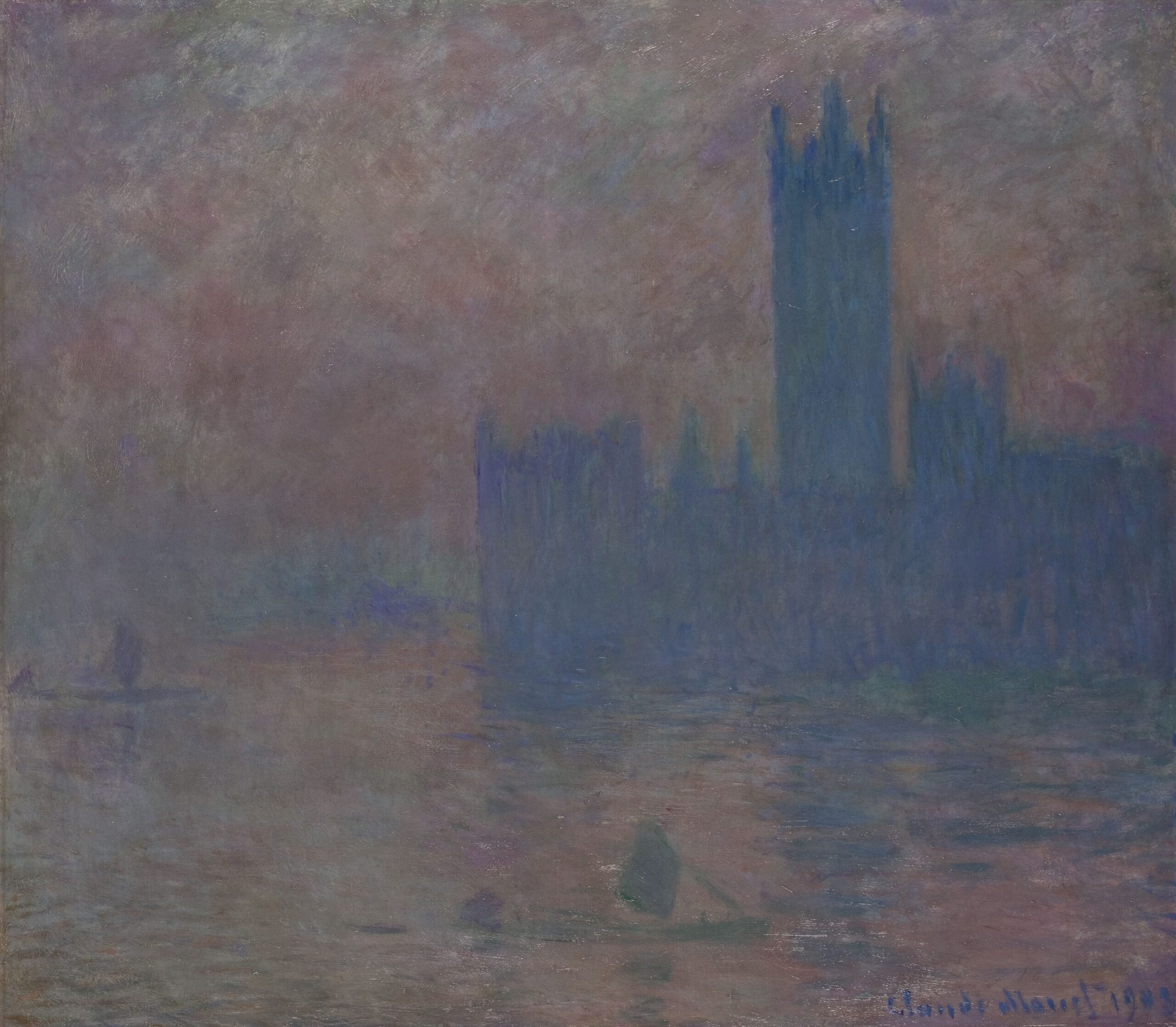
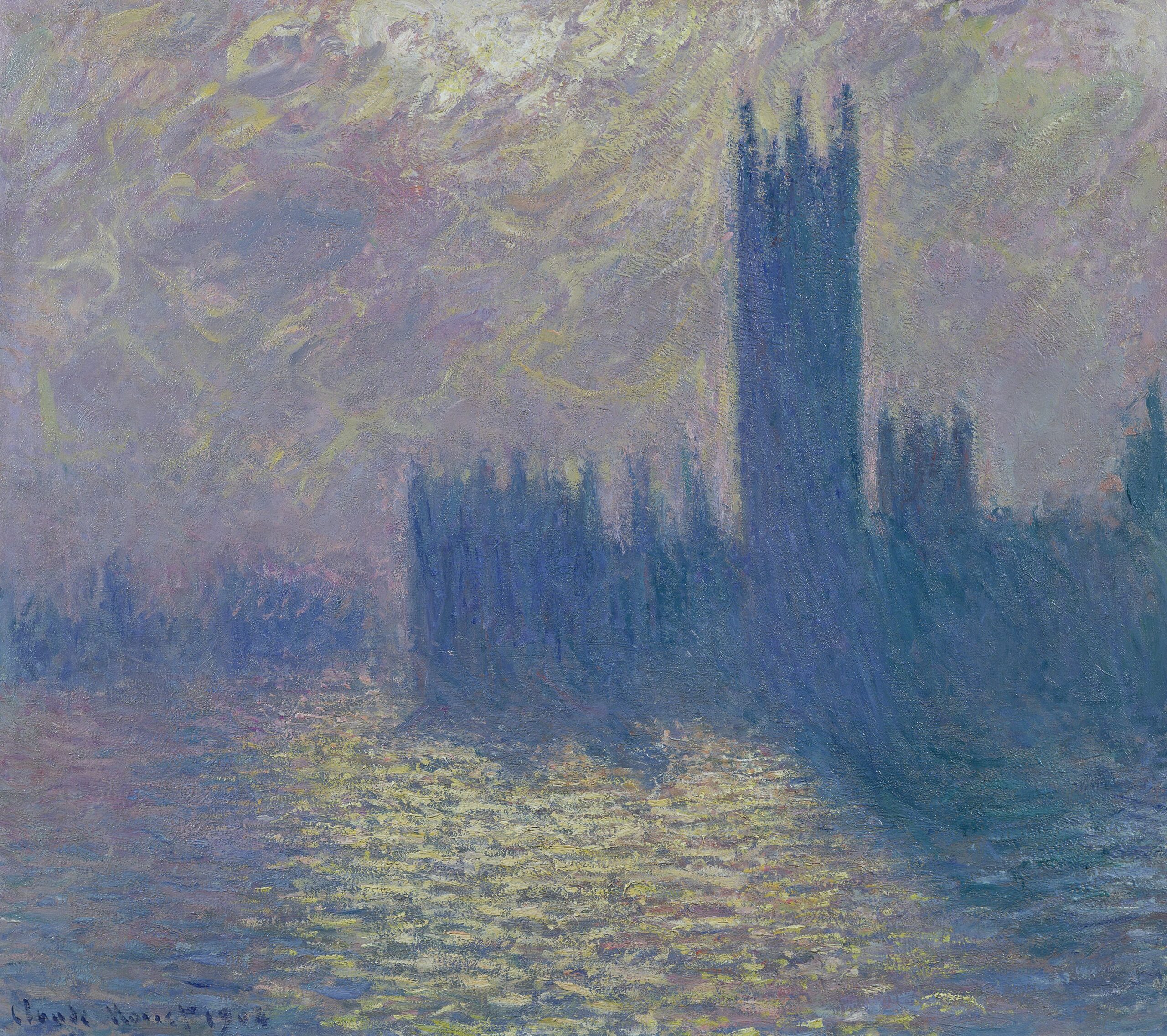
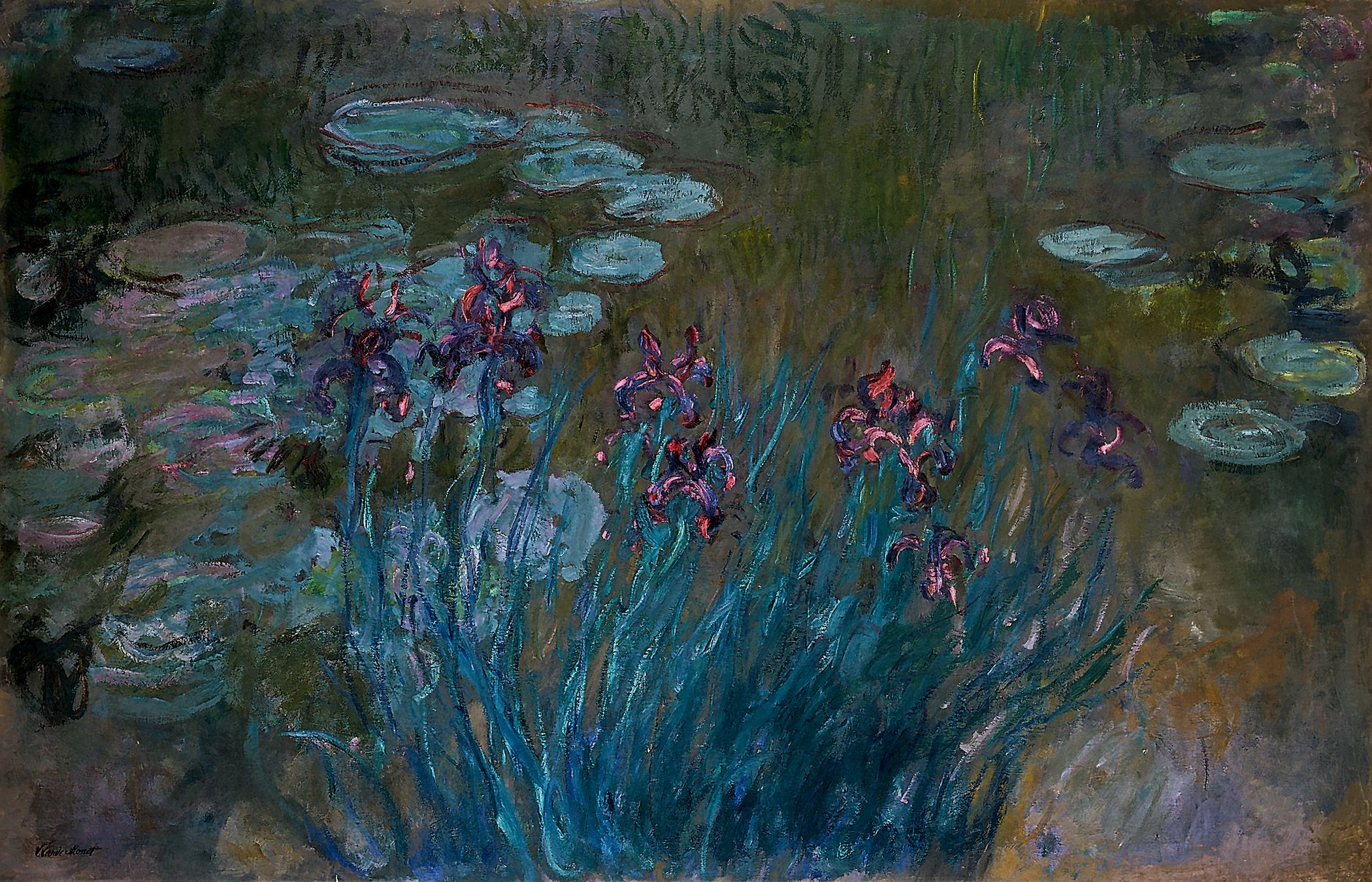
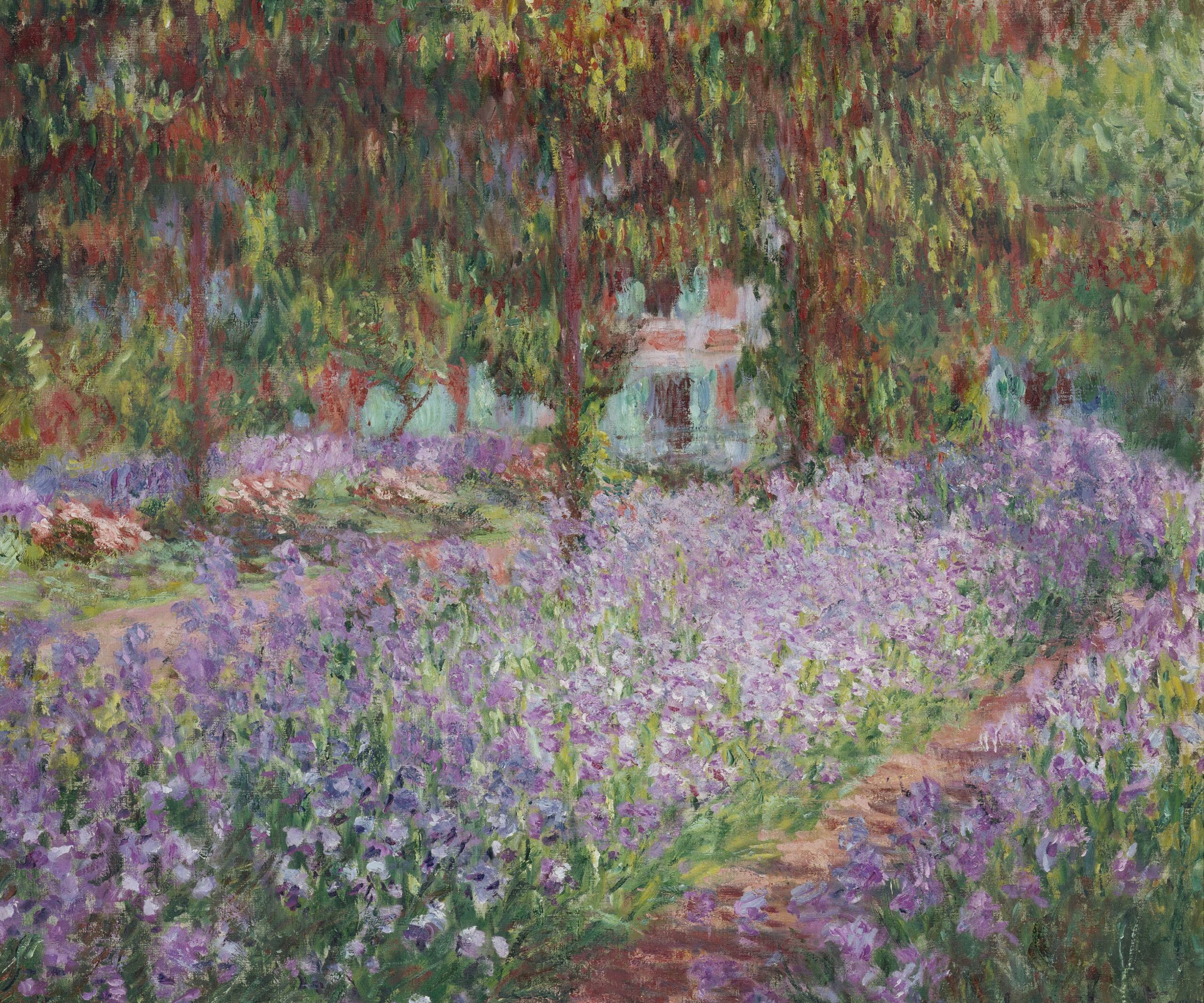
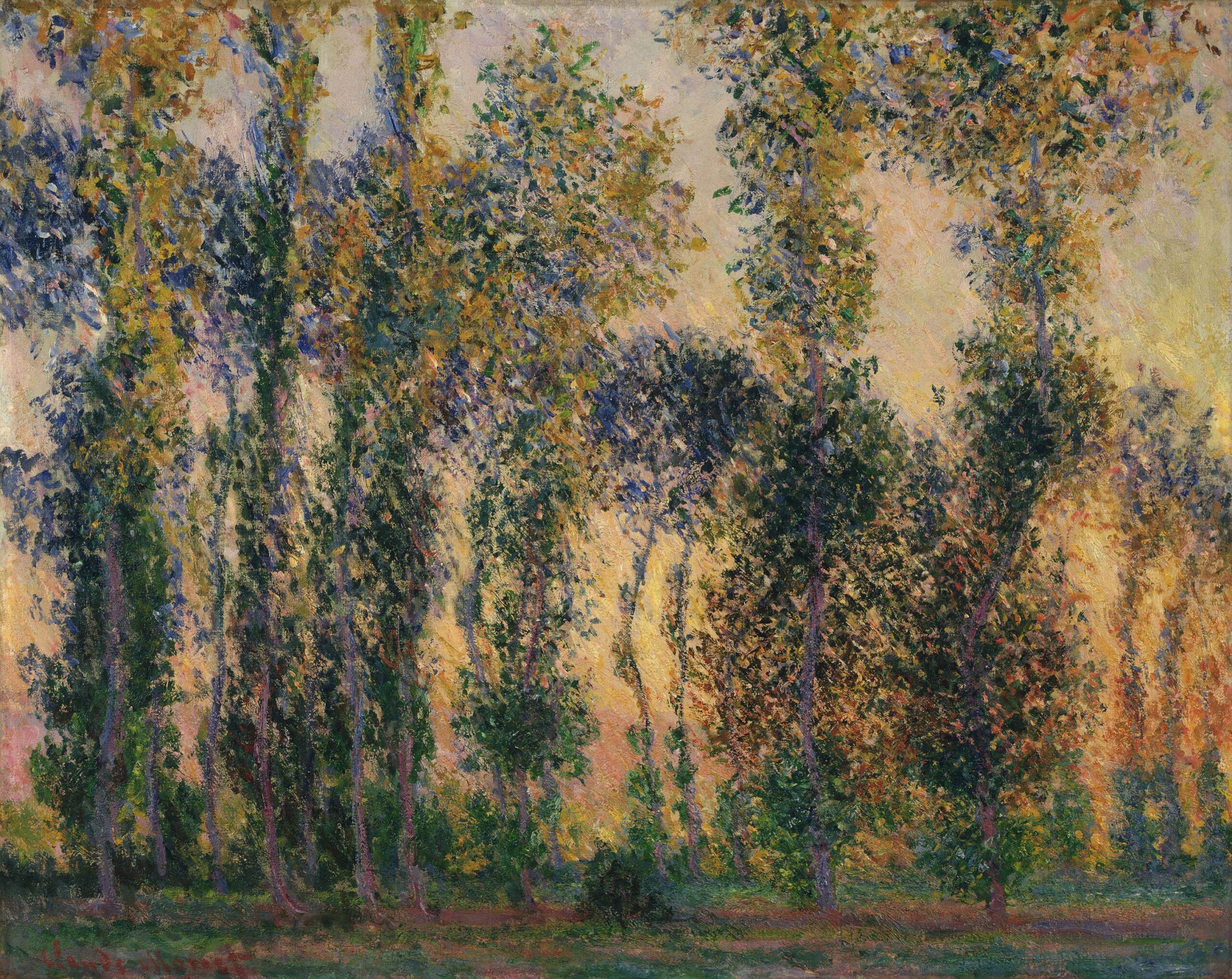
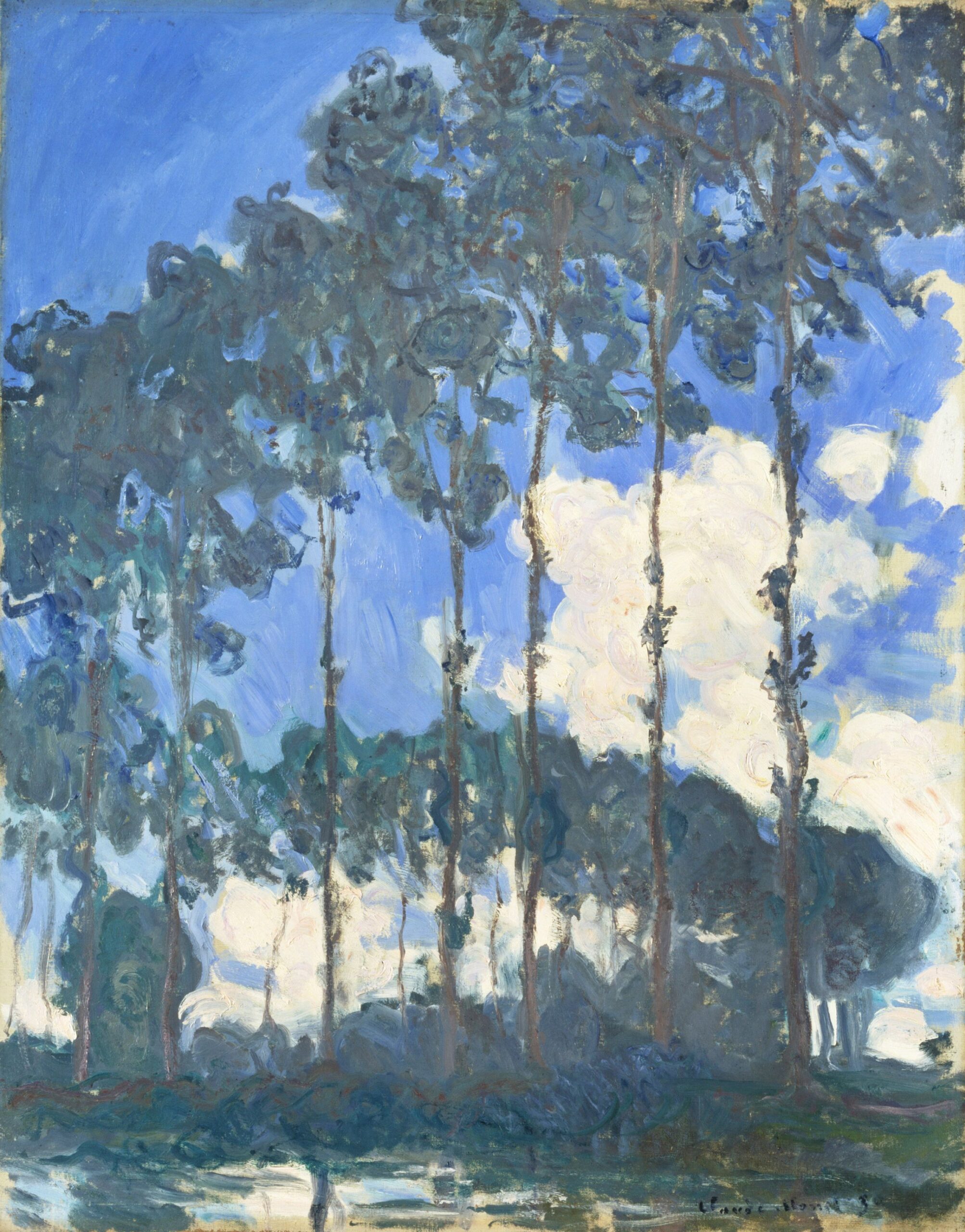
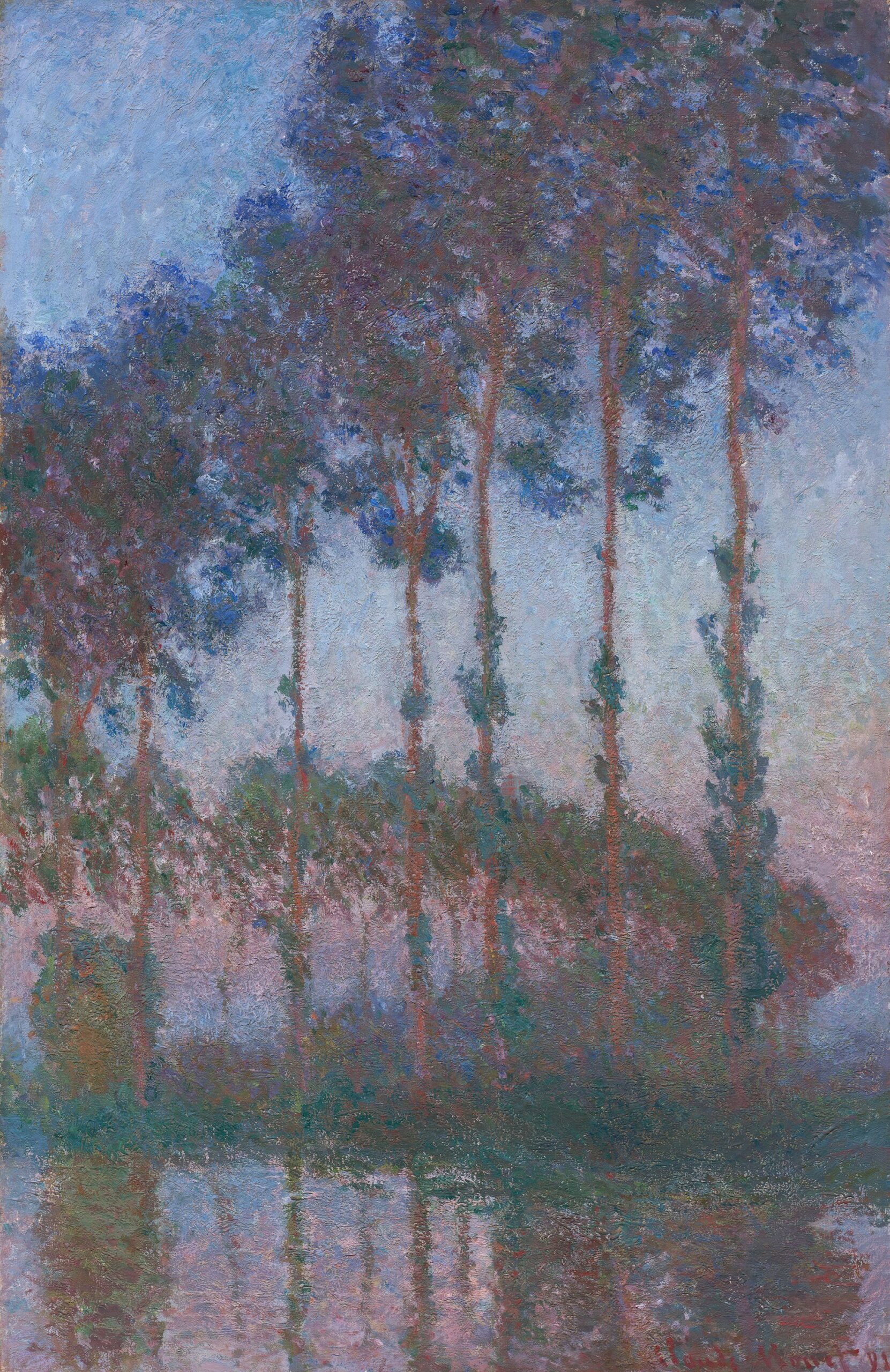
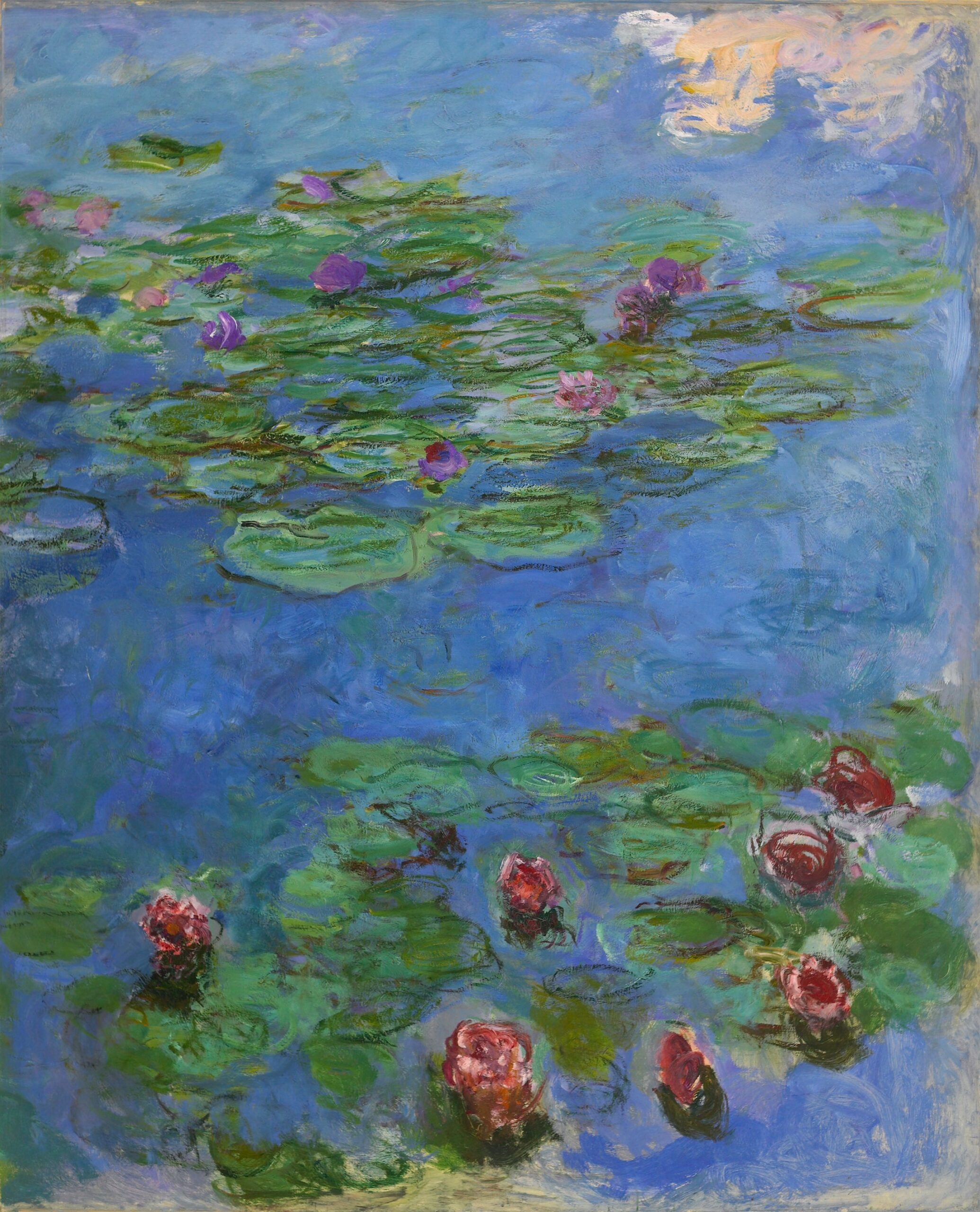
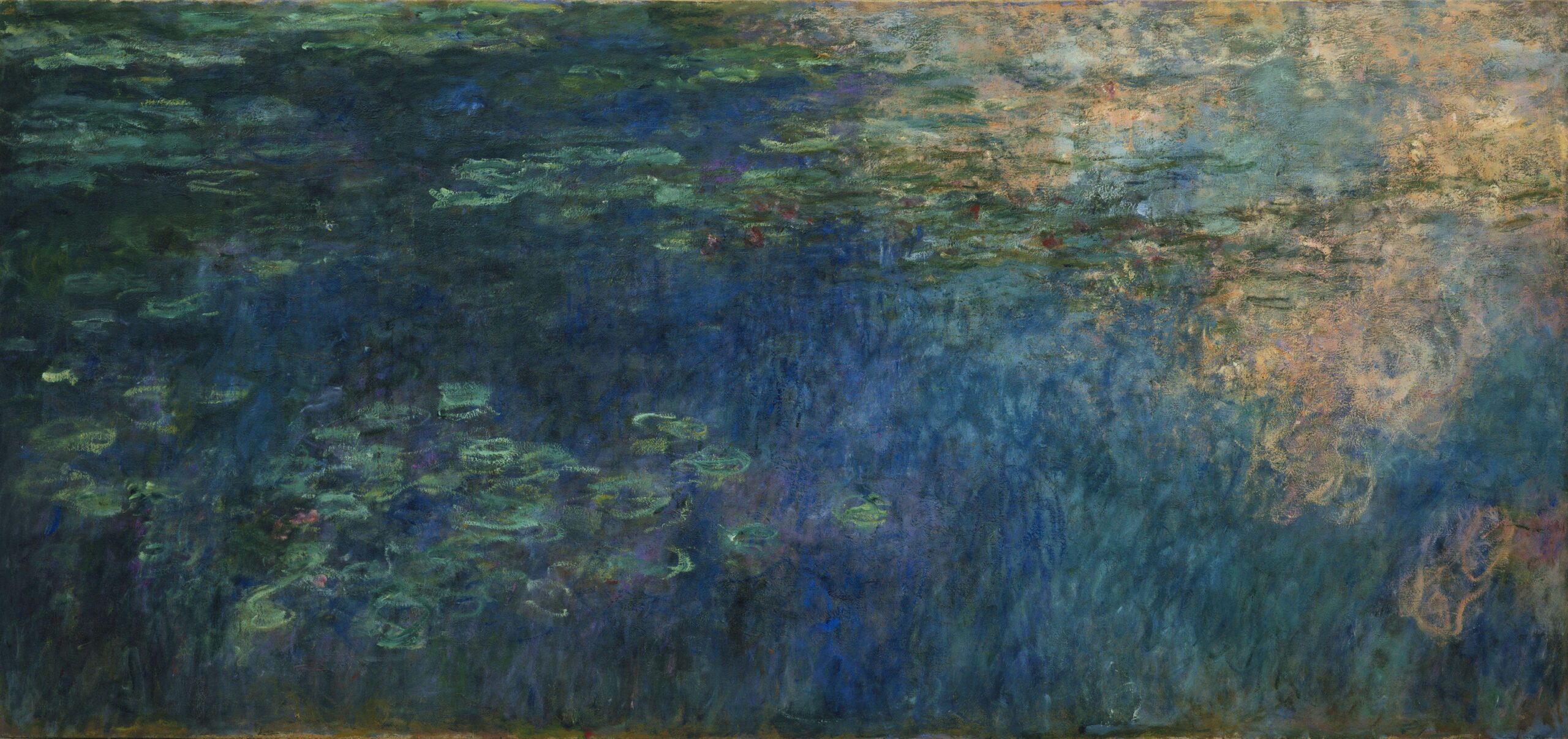
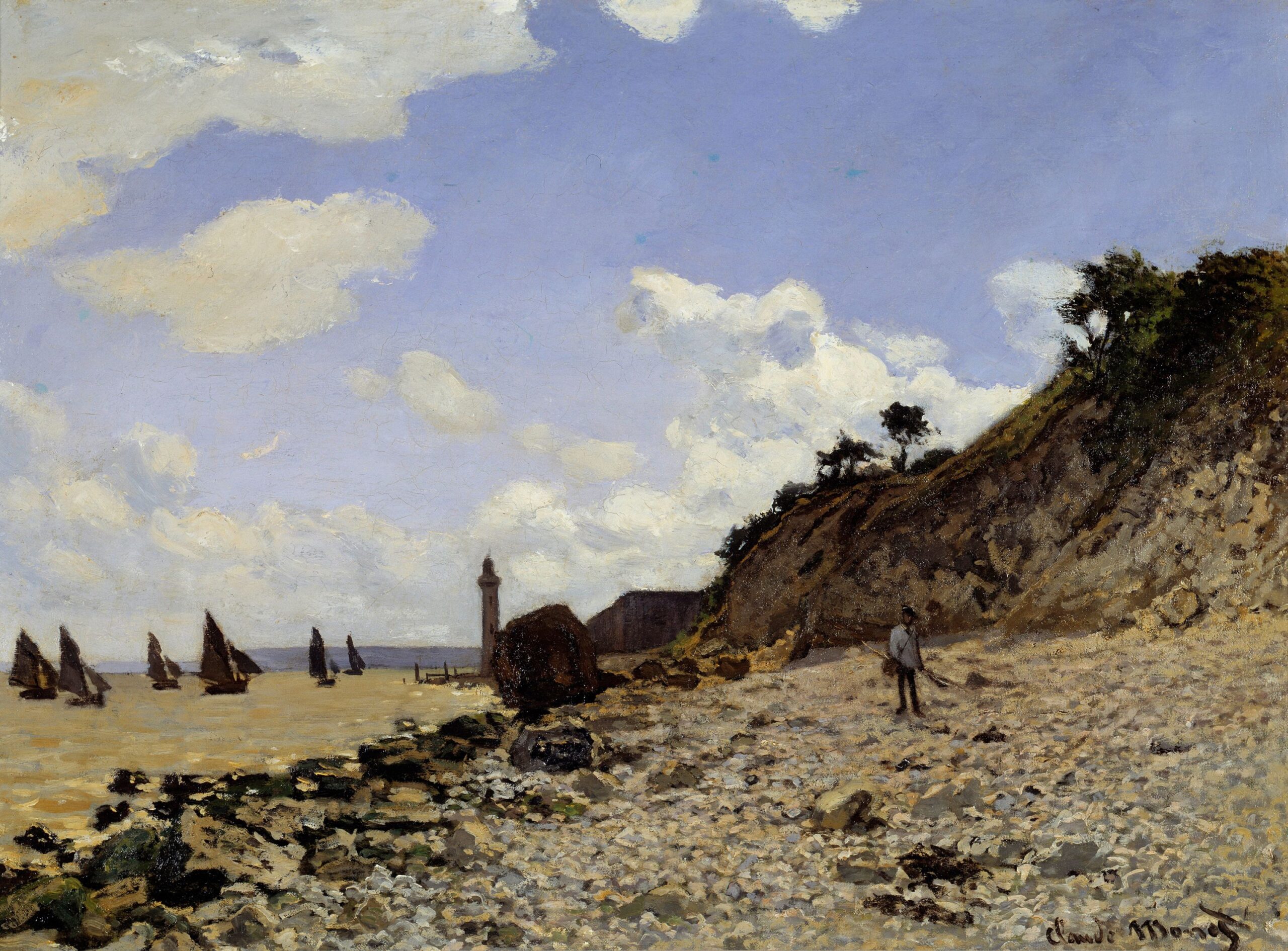
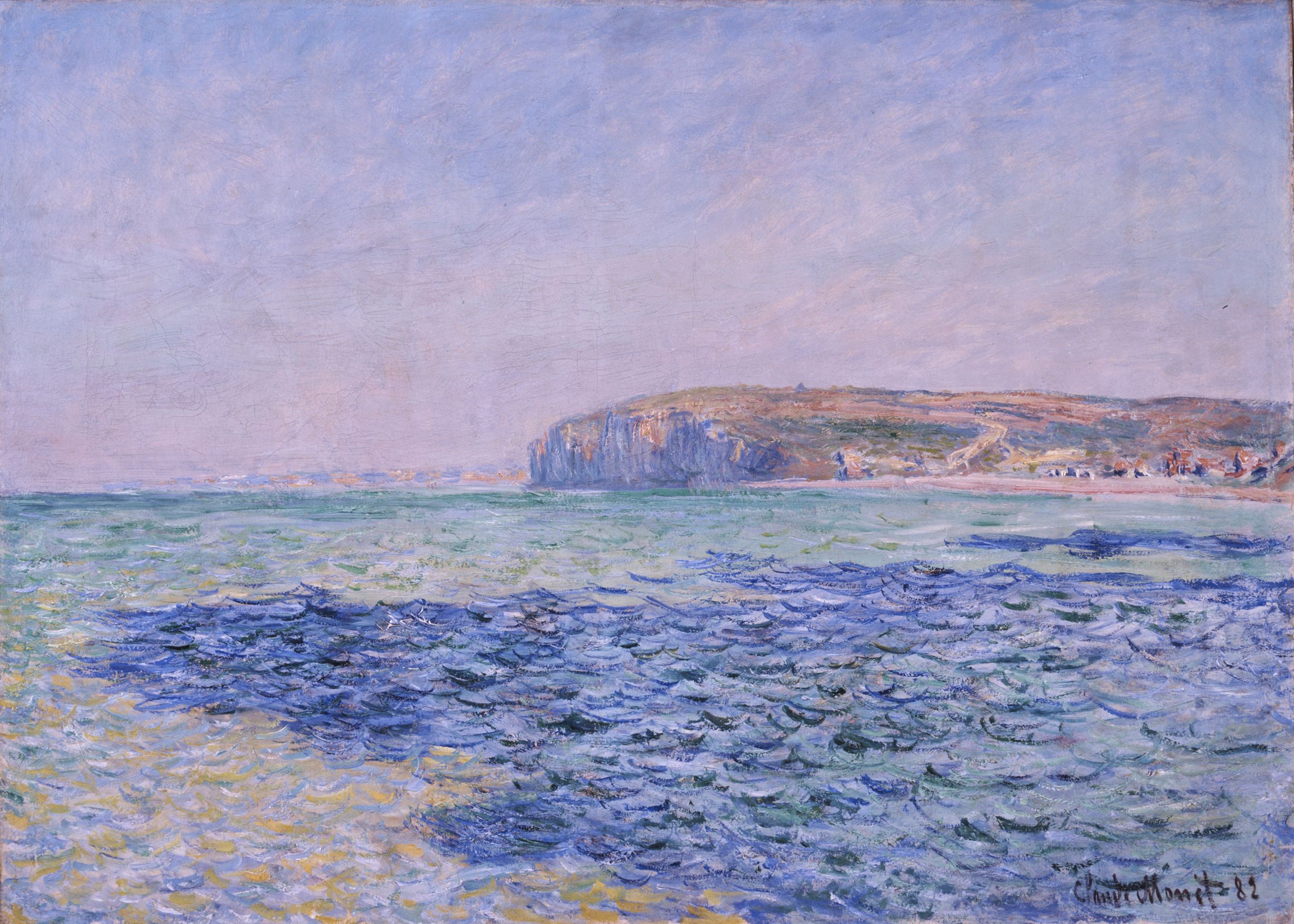
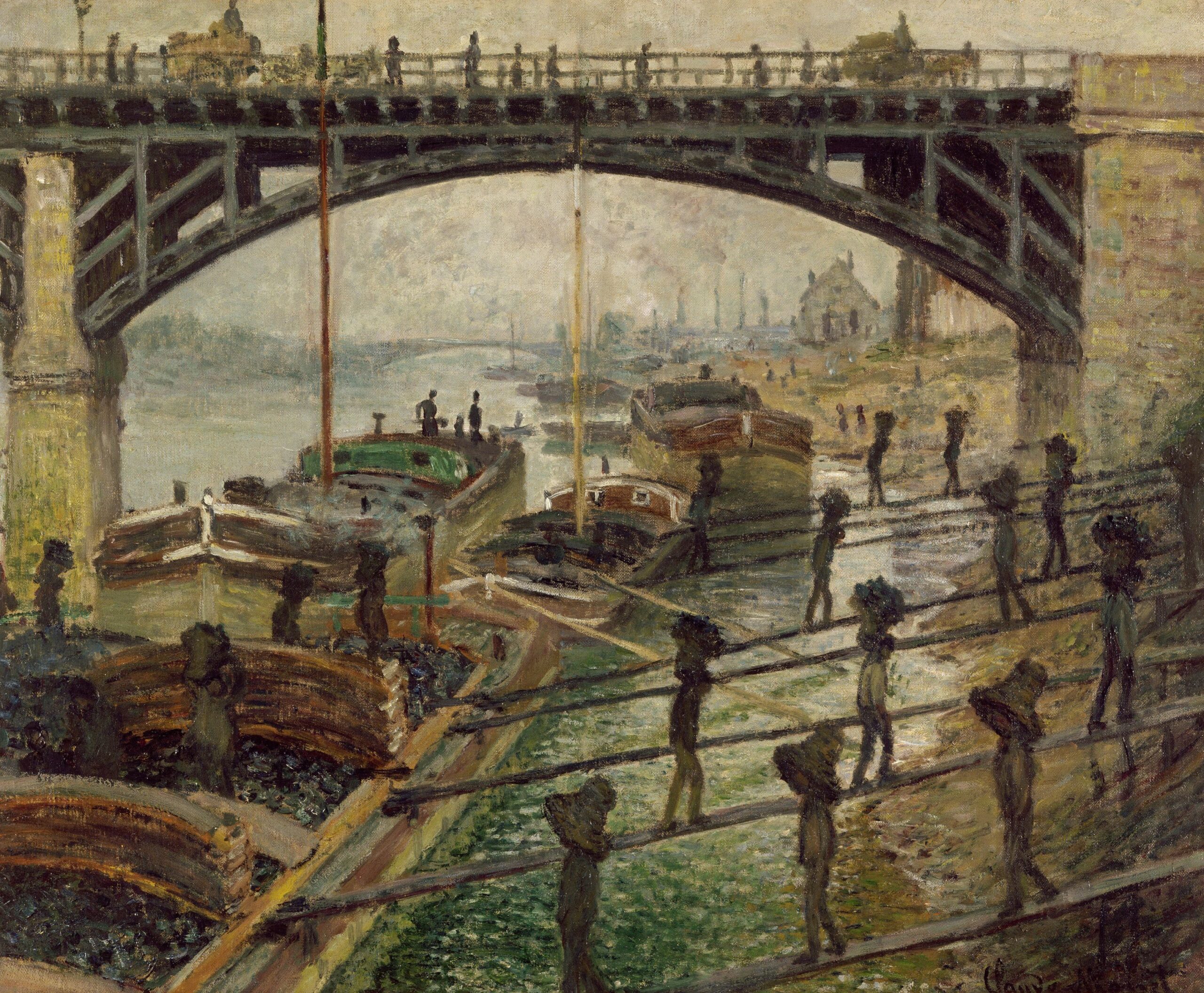
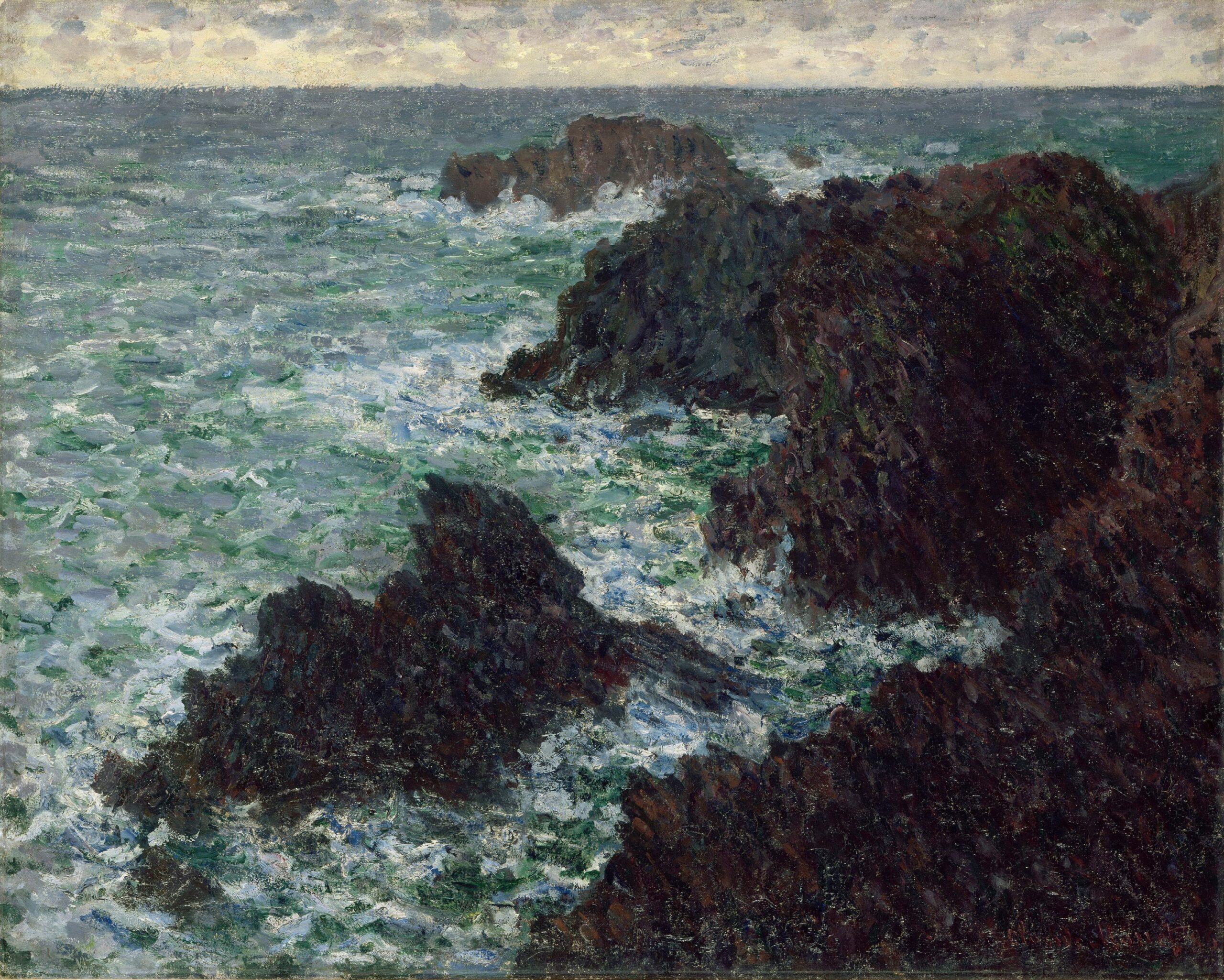
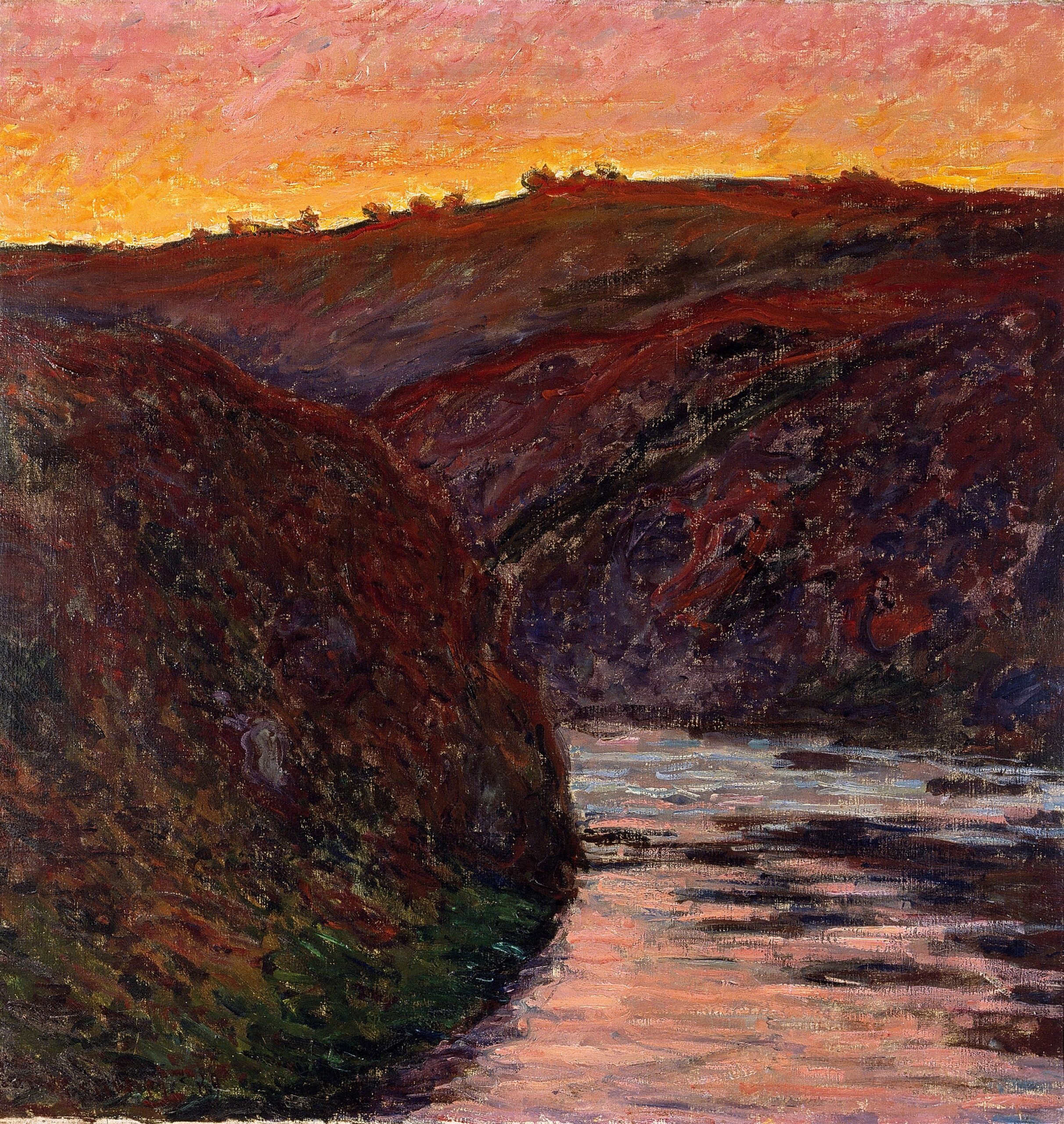
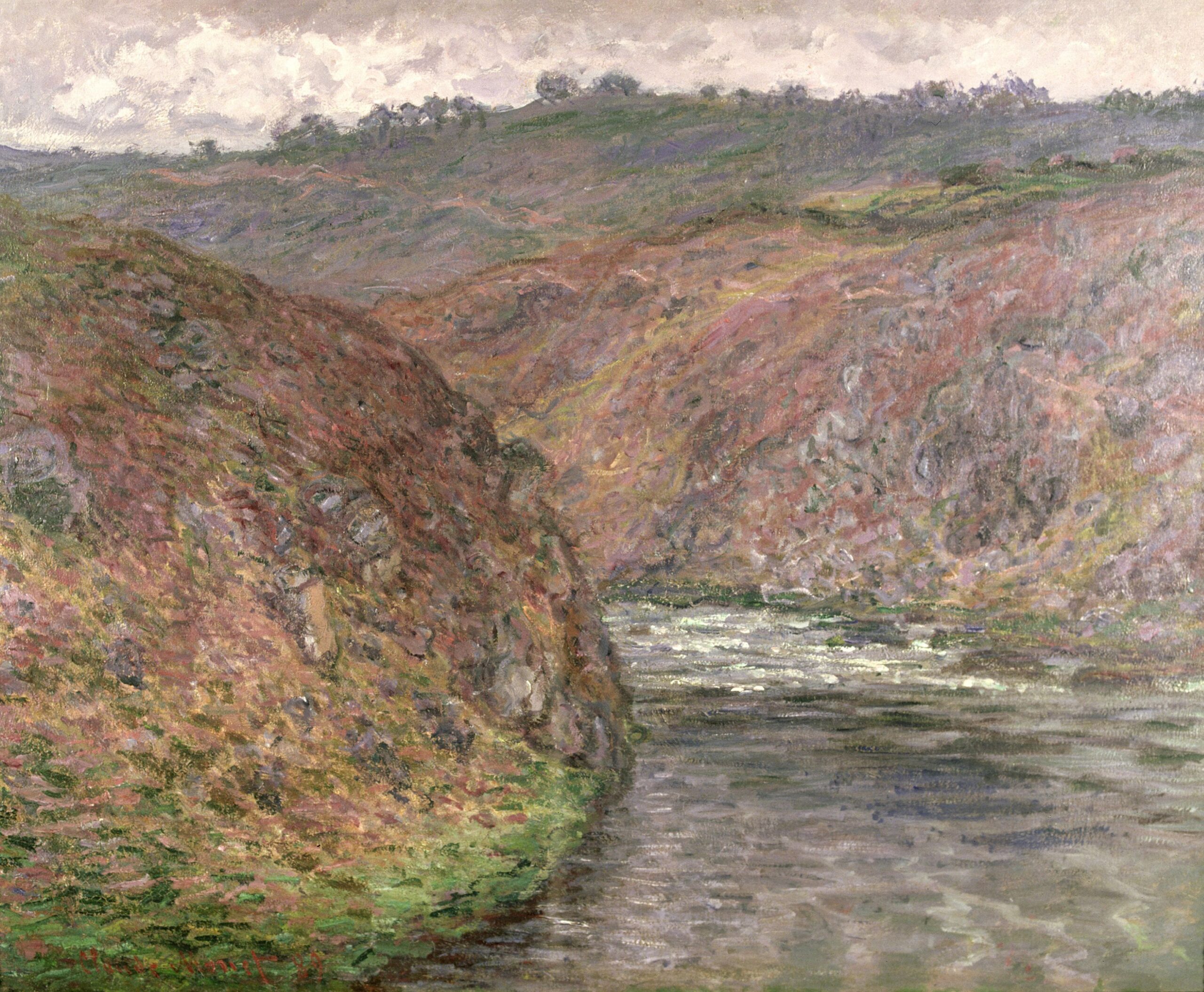
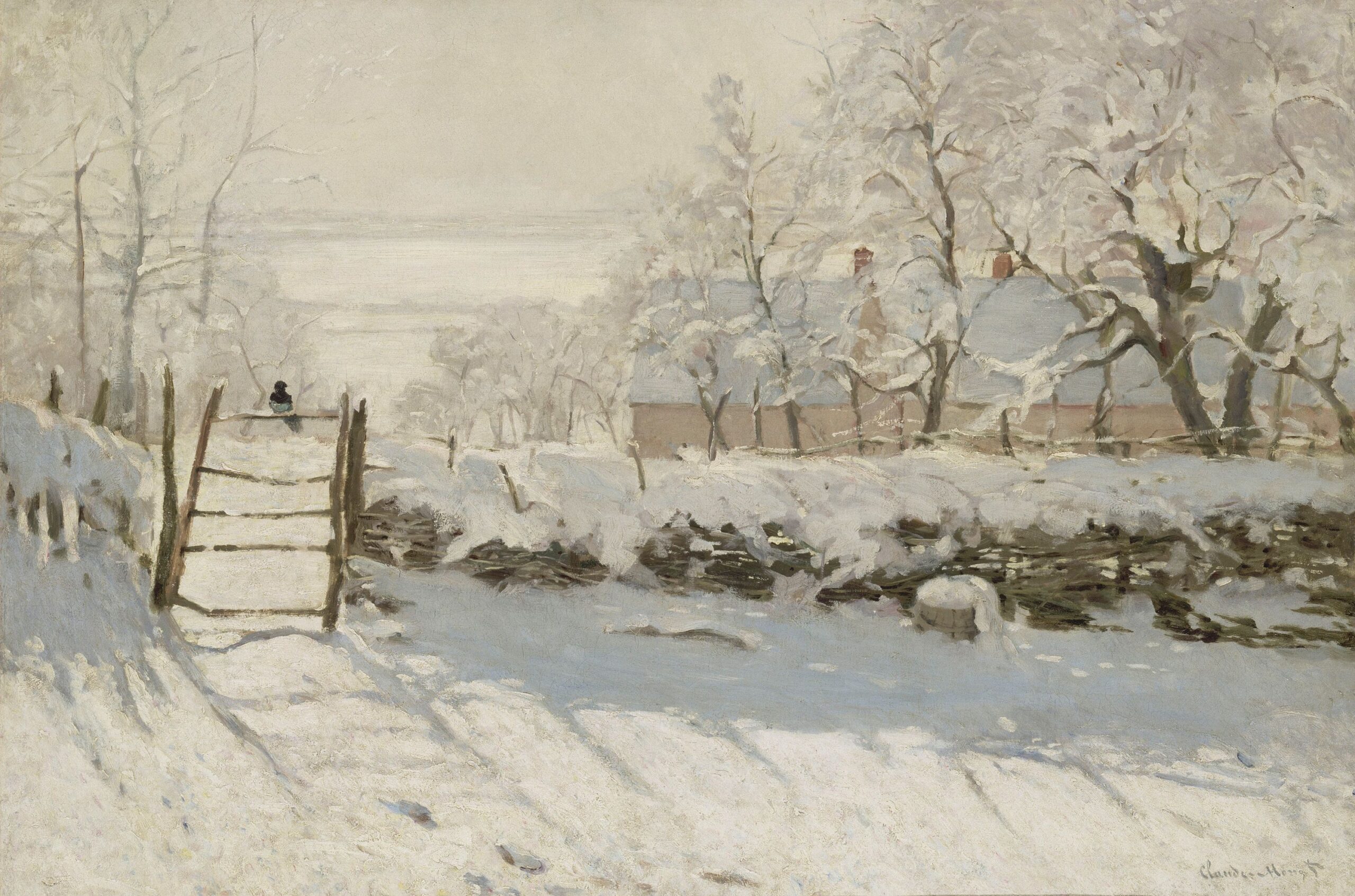
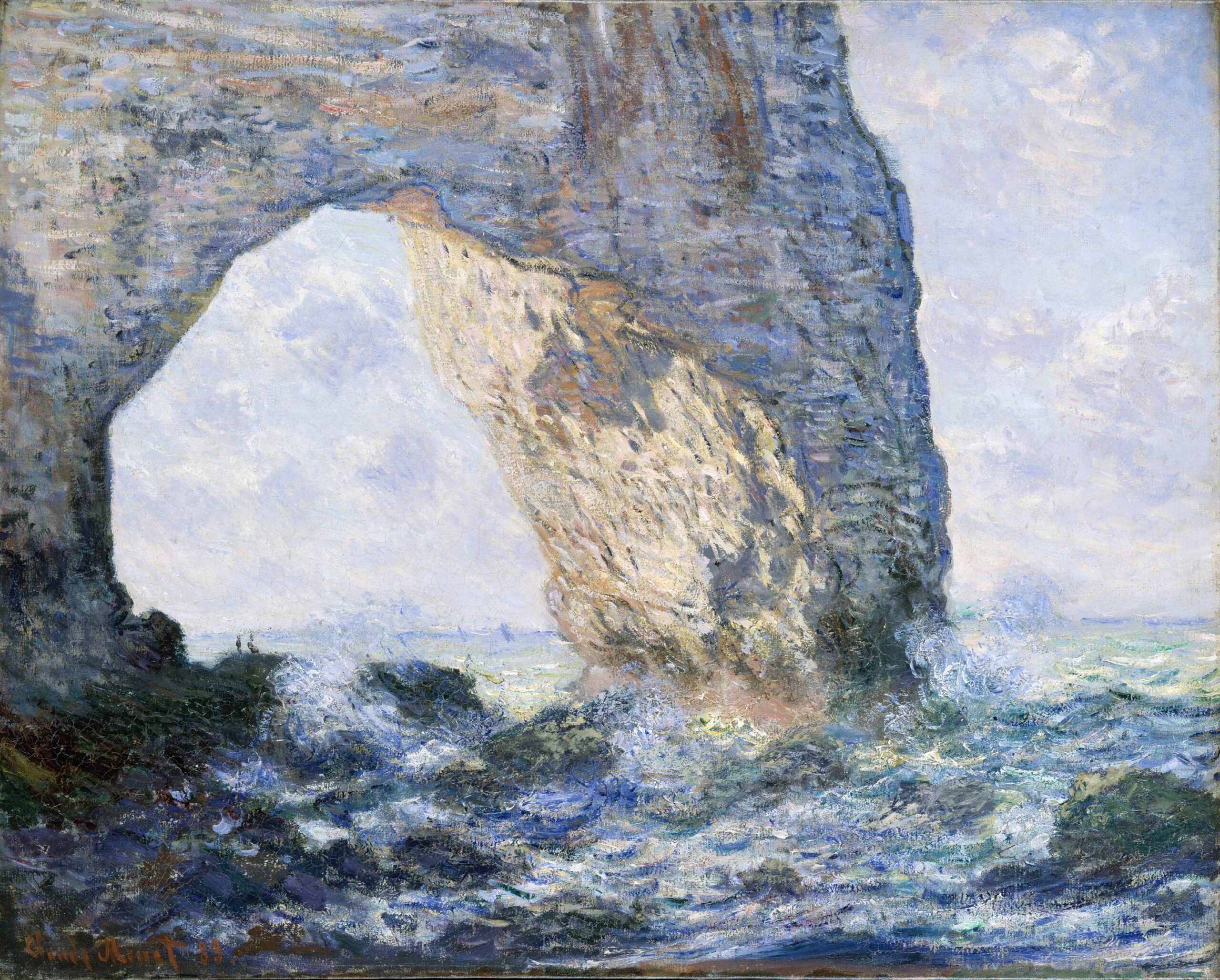
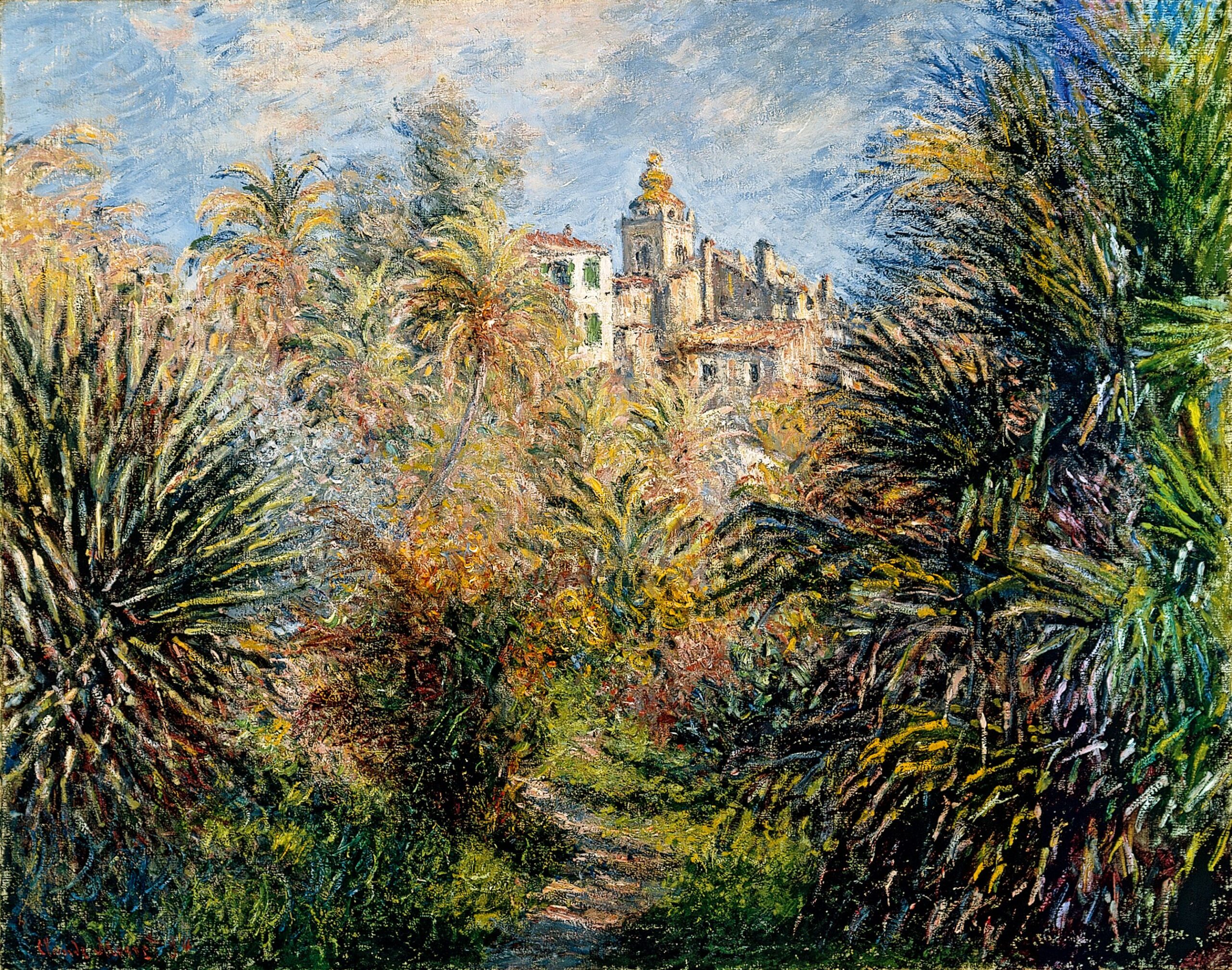
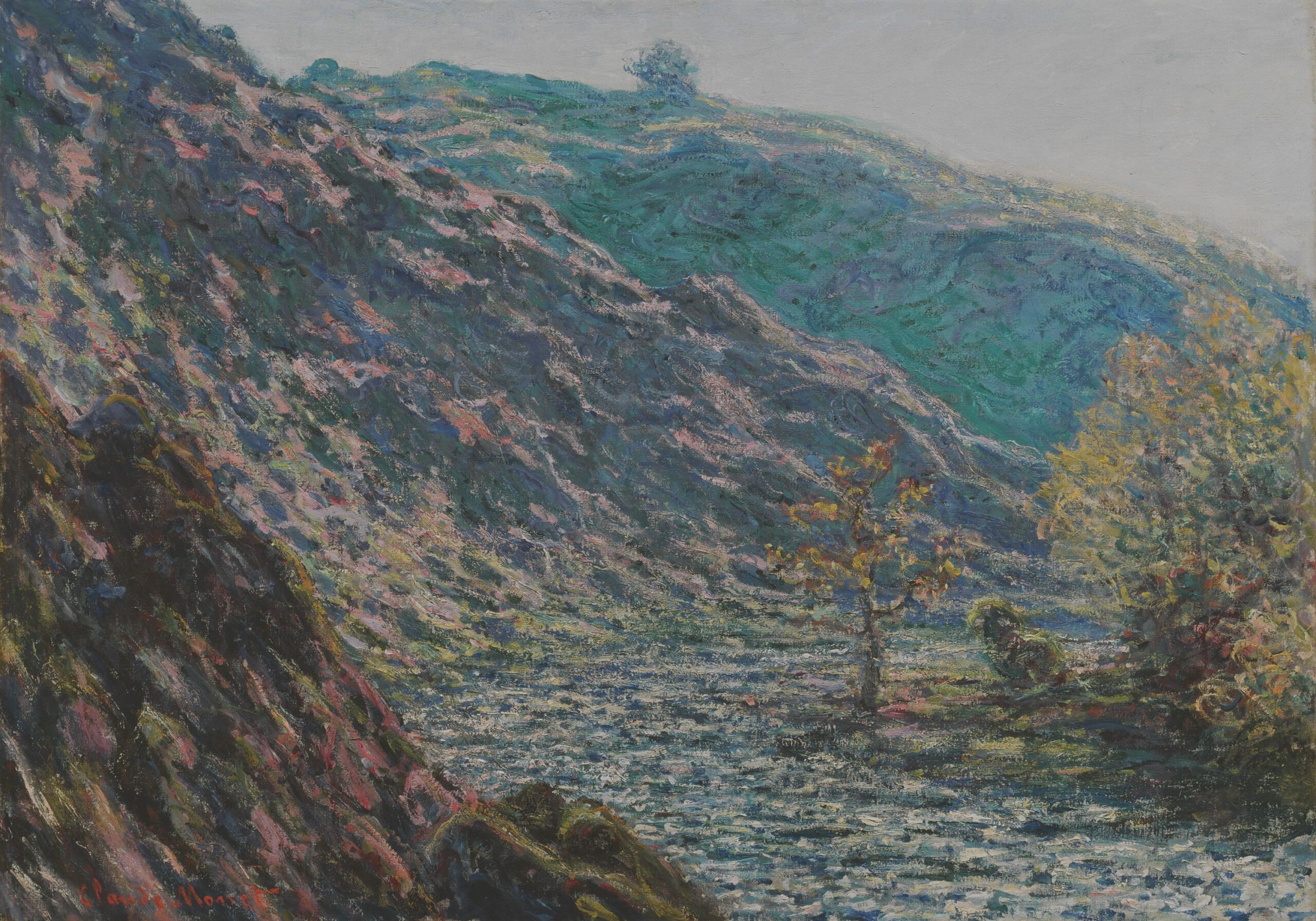
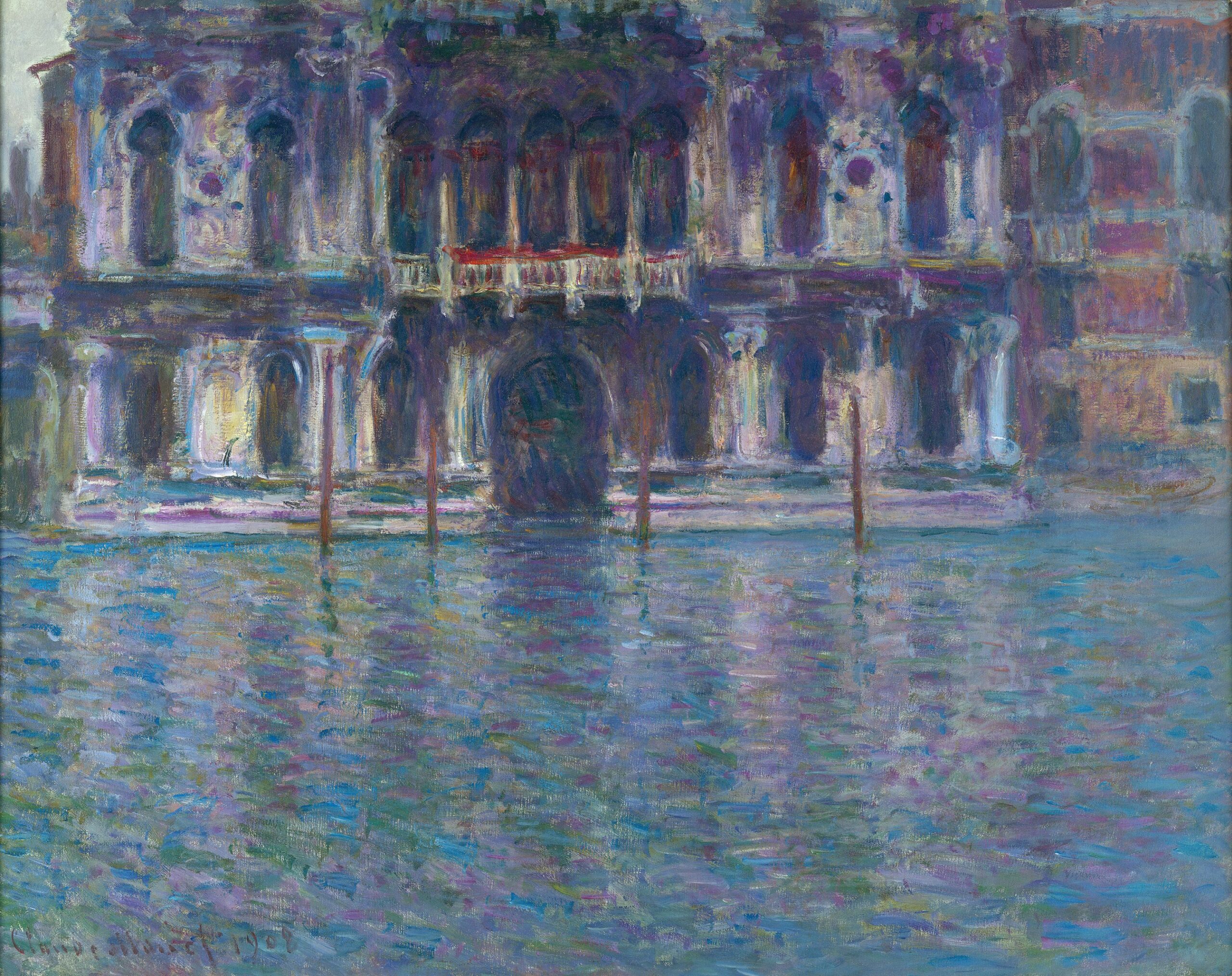
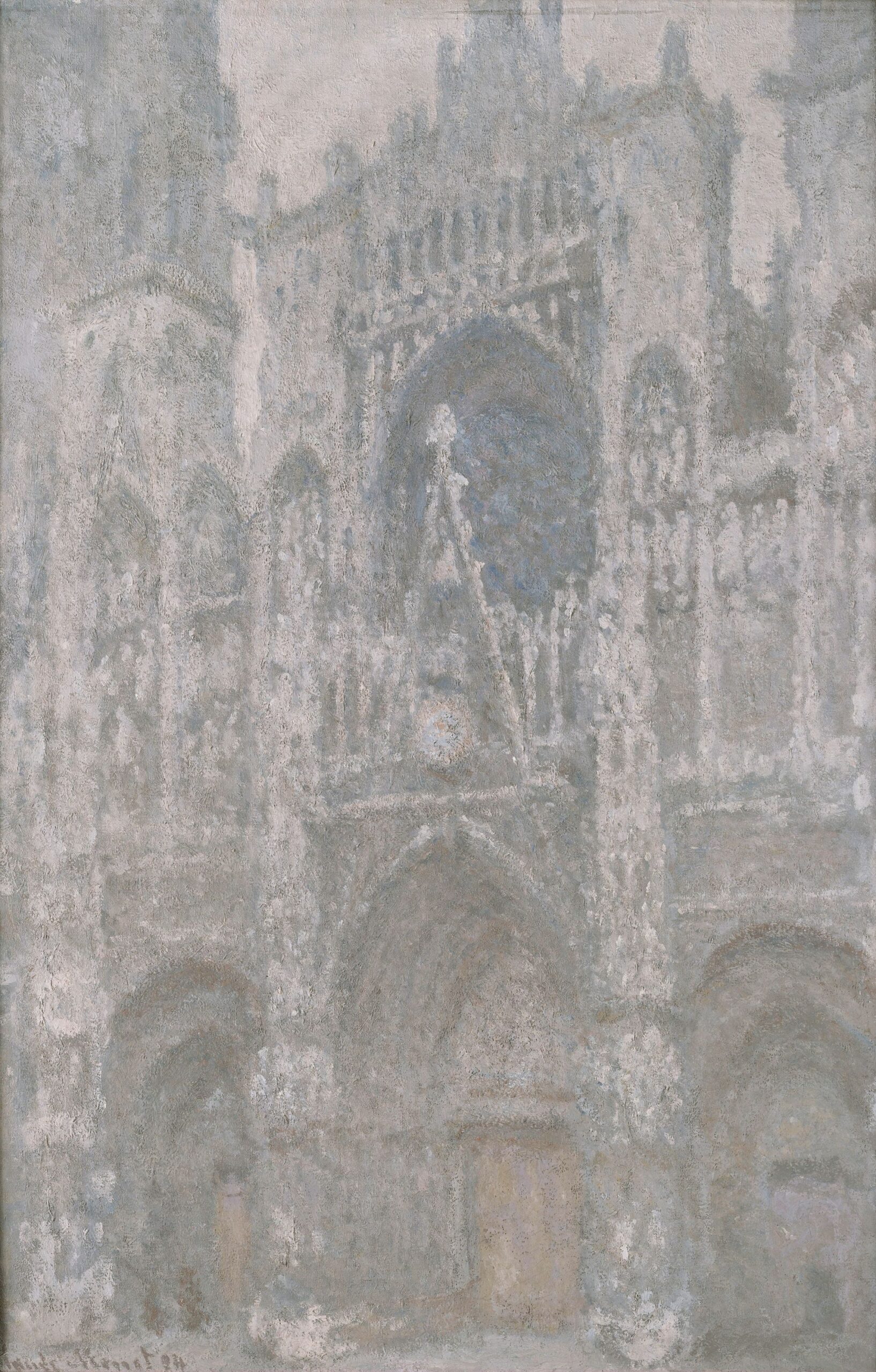
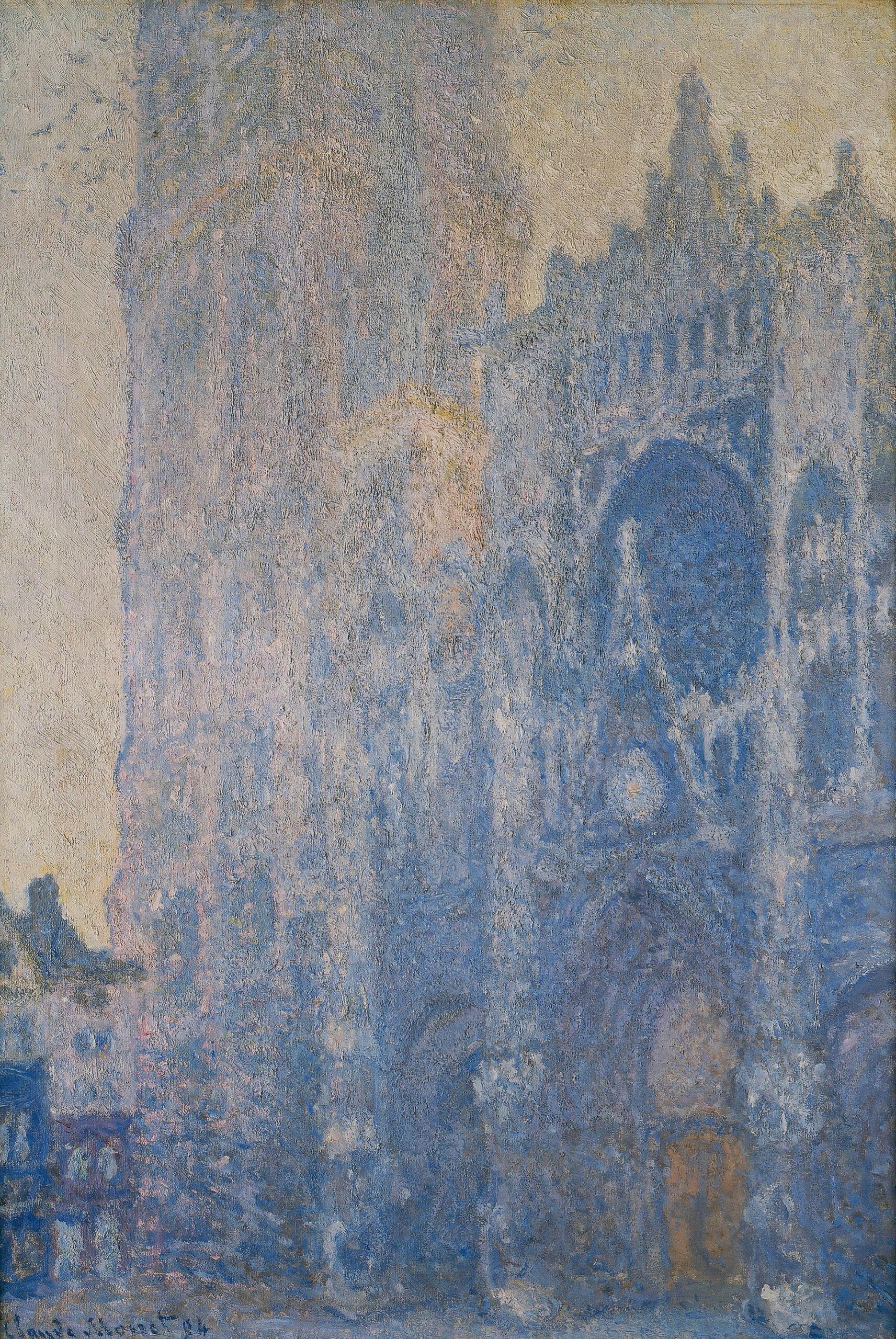
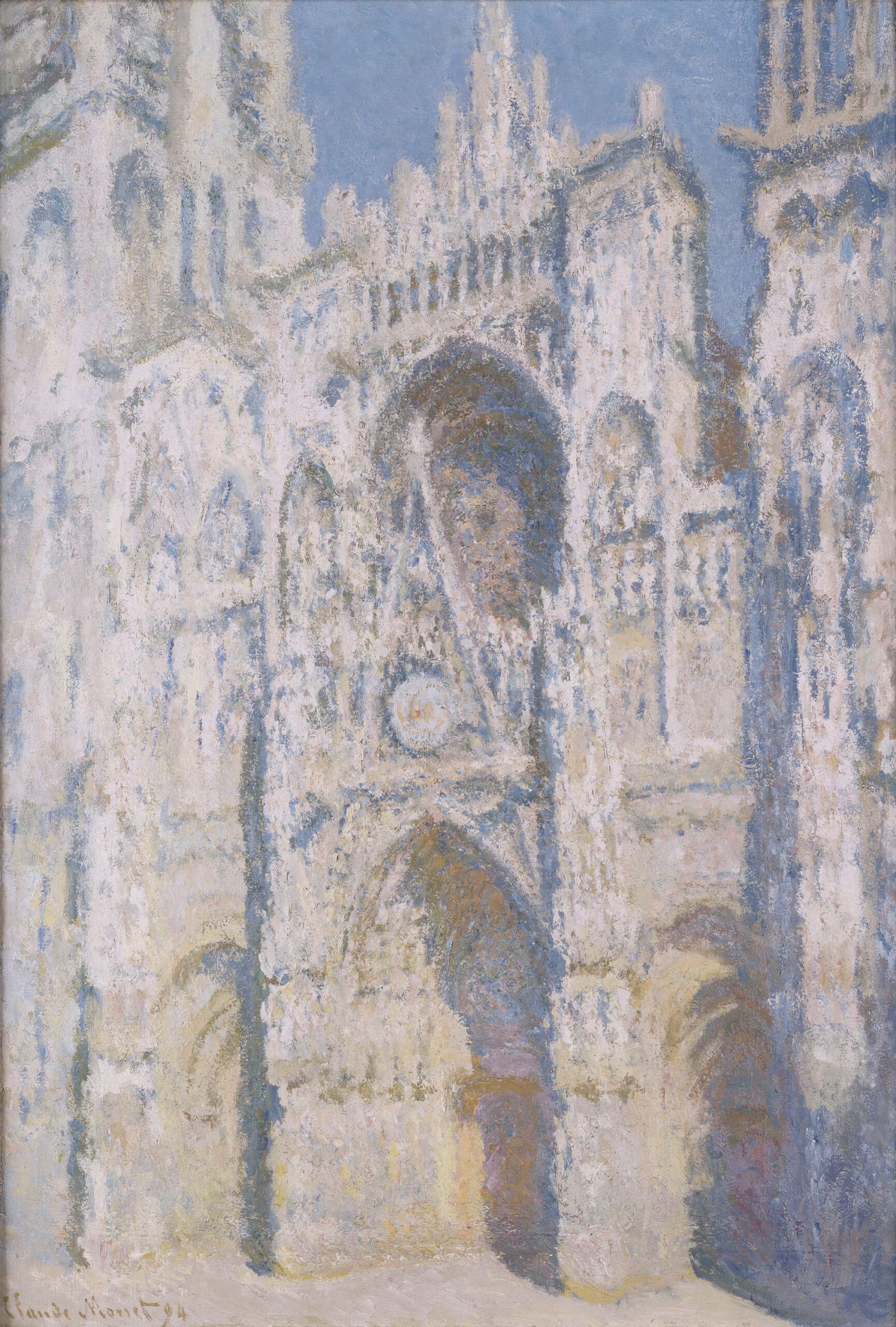
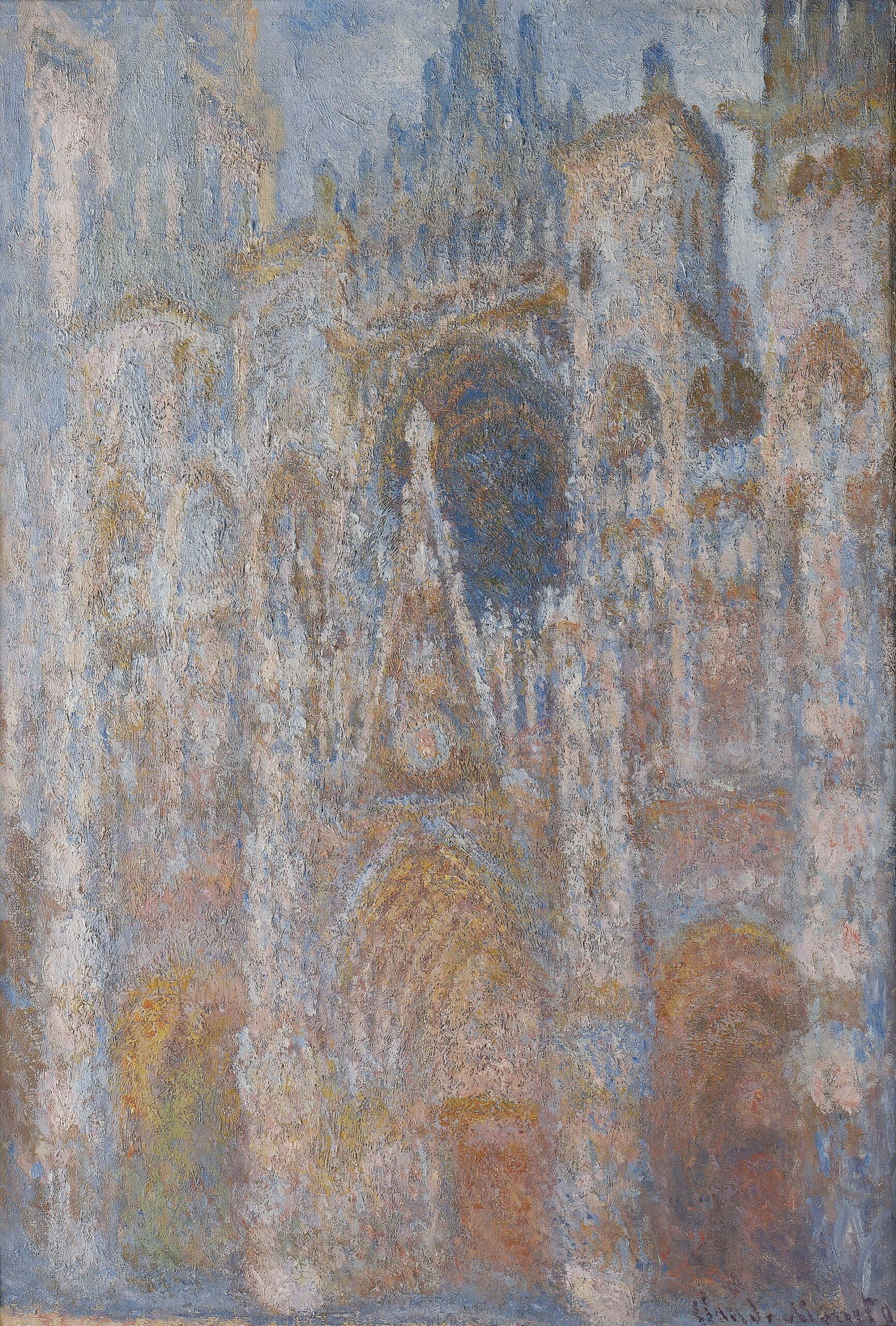
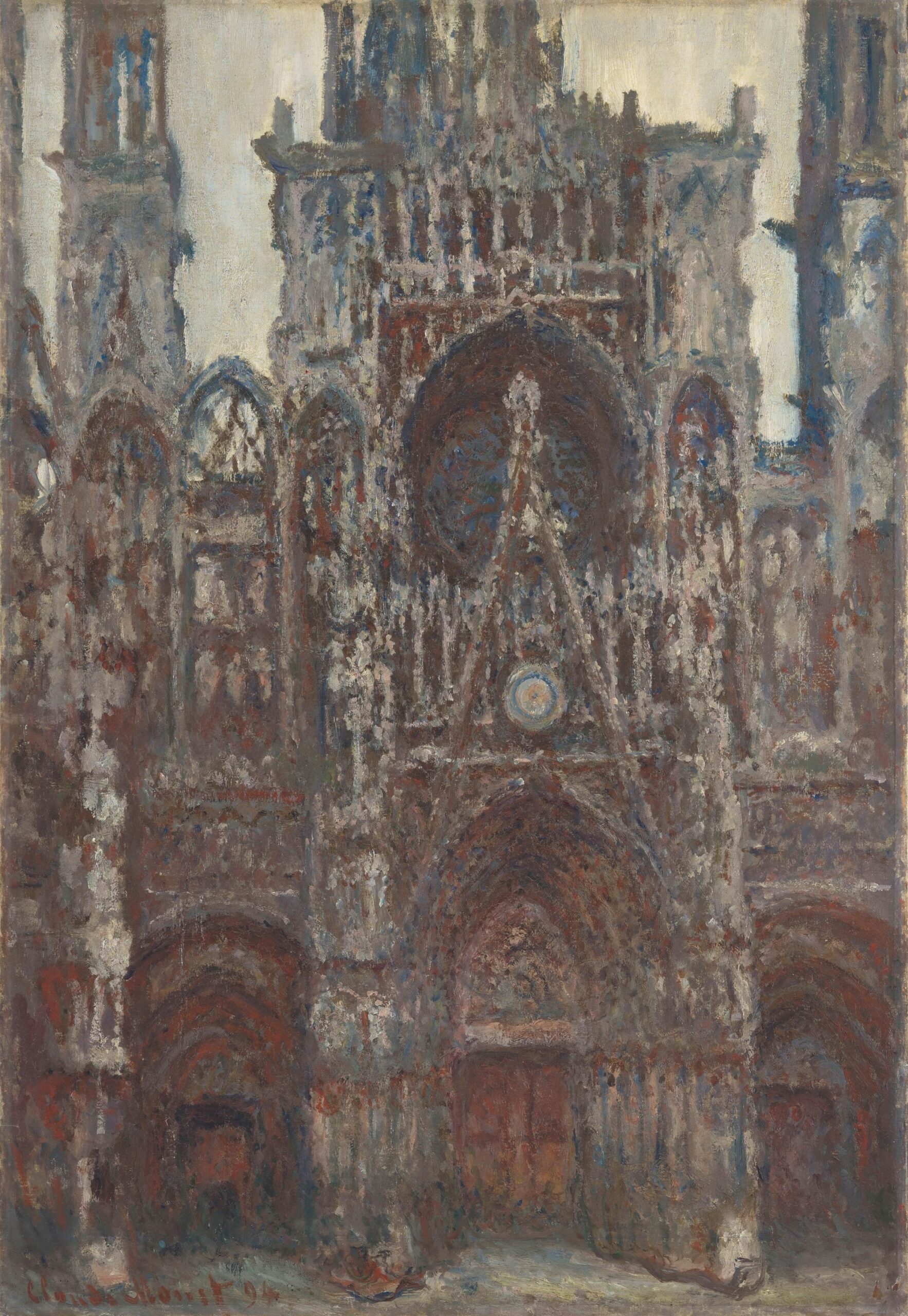
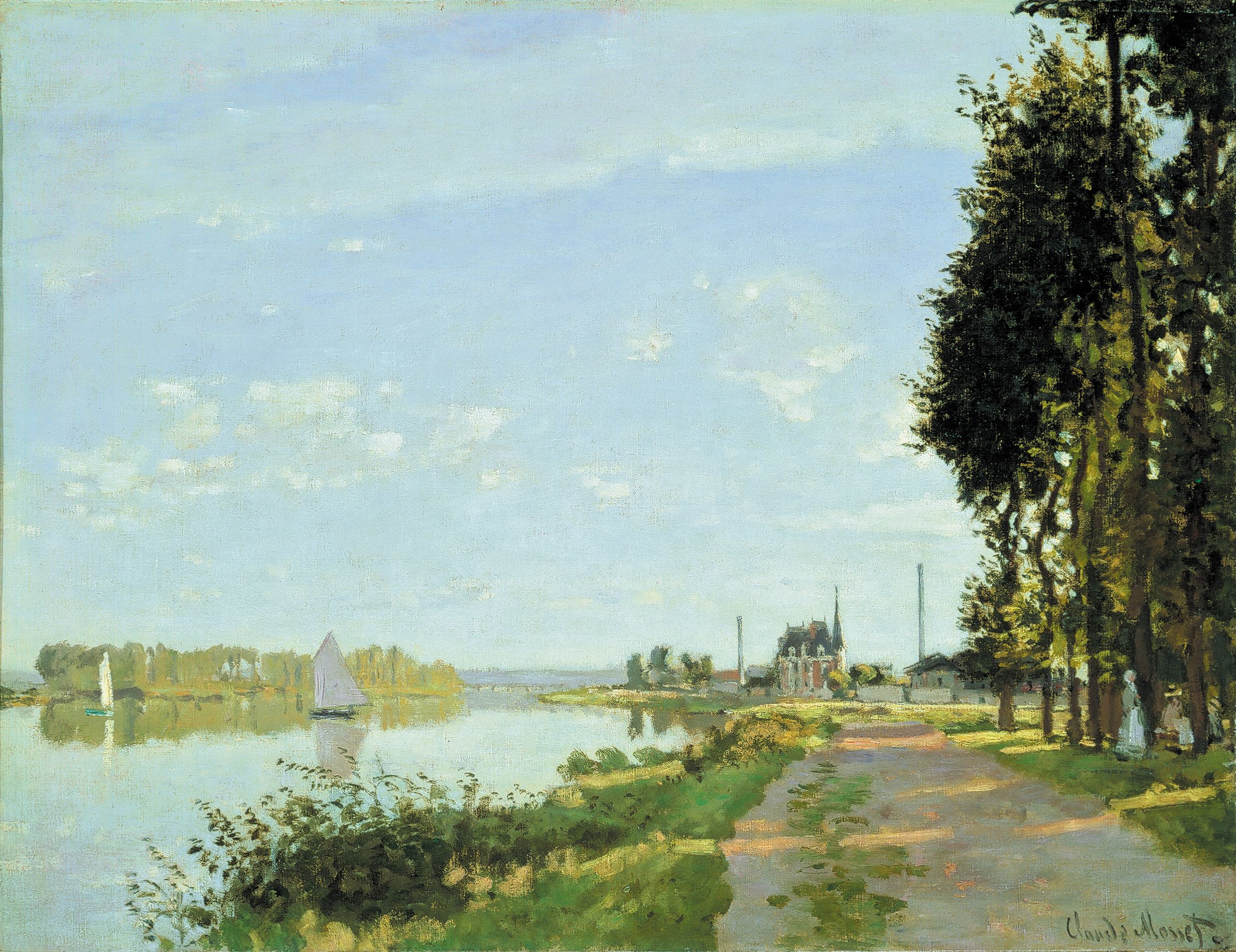
Monet is best known for his series paintings, including views of haystacks, the Rouen Cathedral, and water lilies at his garden in Giverny. Rather than focusing on detail, he emphasized color, light, and fleeting visual impressions. His brushwork is fluid and layered, creating vibrant surfaces. Despite early criticism, he achieved recognition later in life. Monet continued working intensively into old age. He died in 1926. Today, his art remains central to the history of modern painting and the study of light in art.
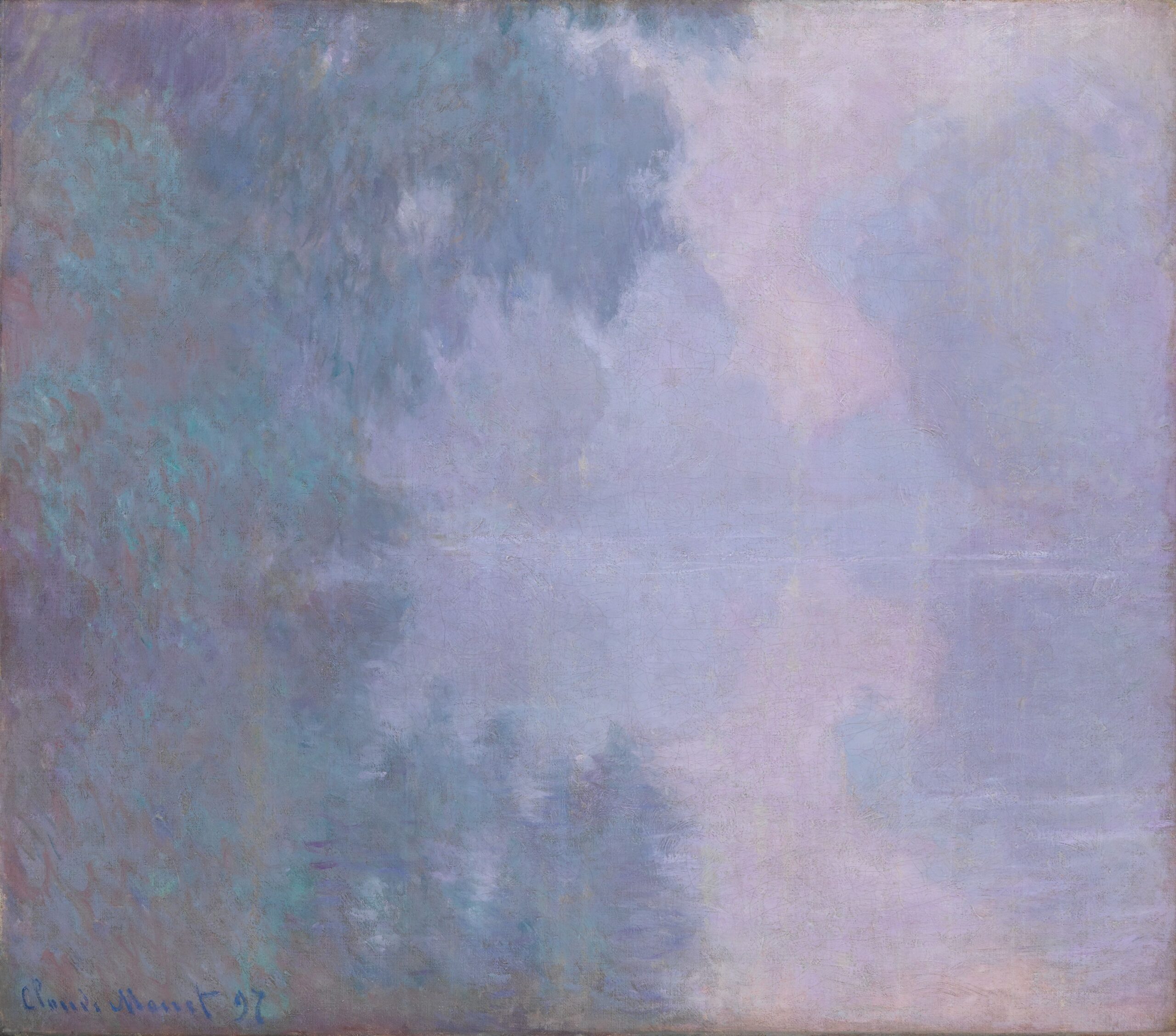
![Claude Monet - Arm of the Seine near Giverny (1897) [2]](https://theartinpixels.com/wp-content/uploads/Claude-Monet-Arm-of-the-Seine-near-Giverny-1897-2.jpg)
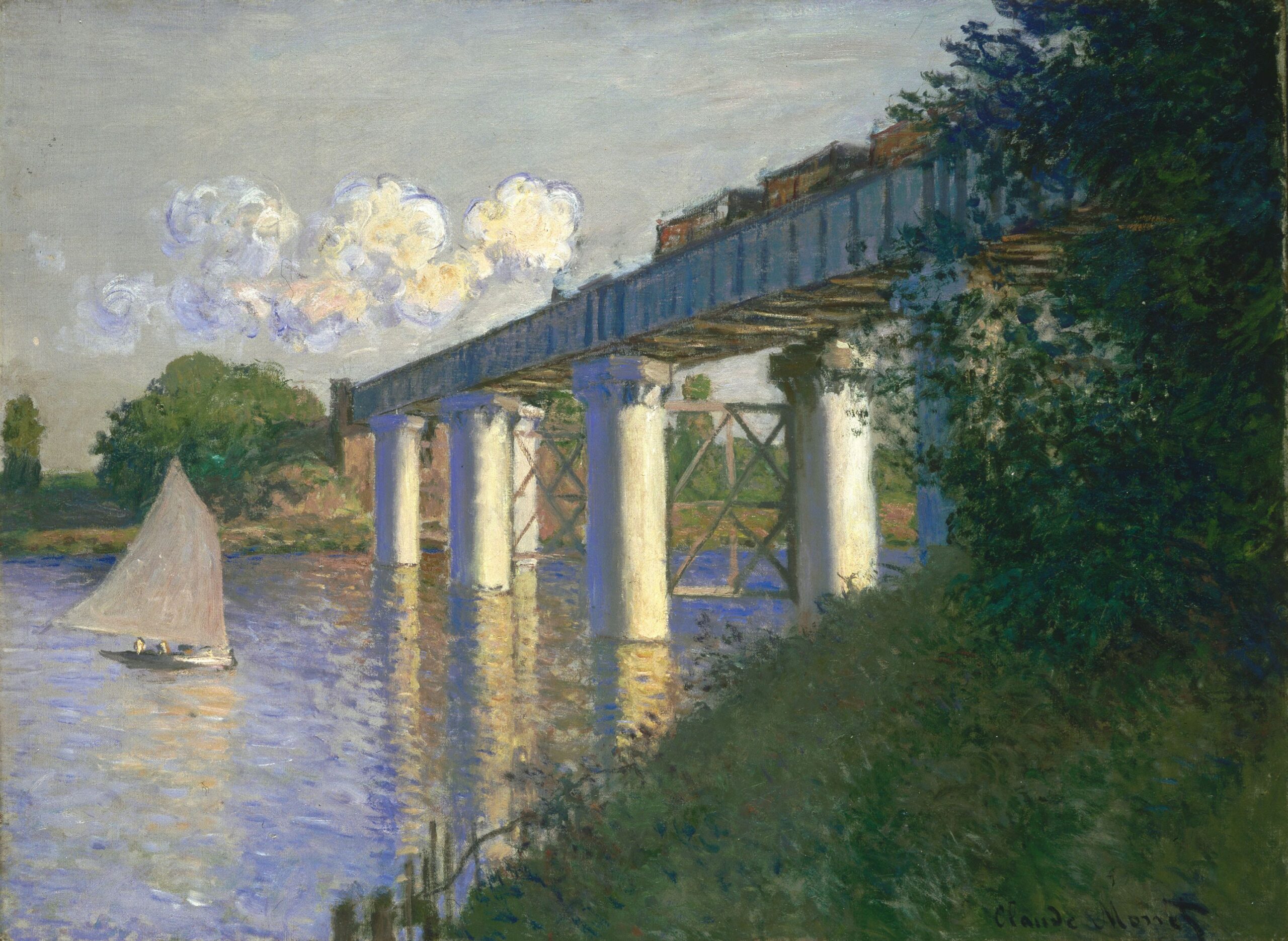
![Claude Monet - The Railway Bridge at Argenteuil (1874) [2]](https://theartinpixels.com/wp-content/uploads/Claude-Monet-The-Railway-Bridge-at-Argenteuil-1874-2-scaled.jpg)