Annibale Carracci
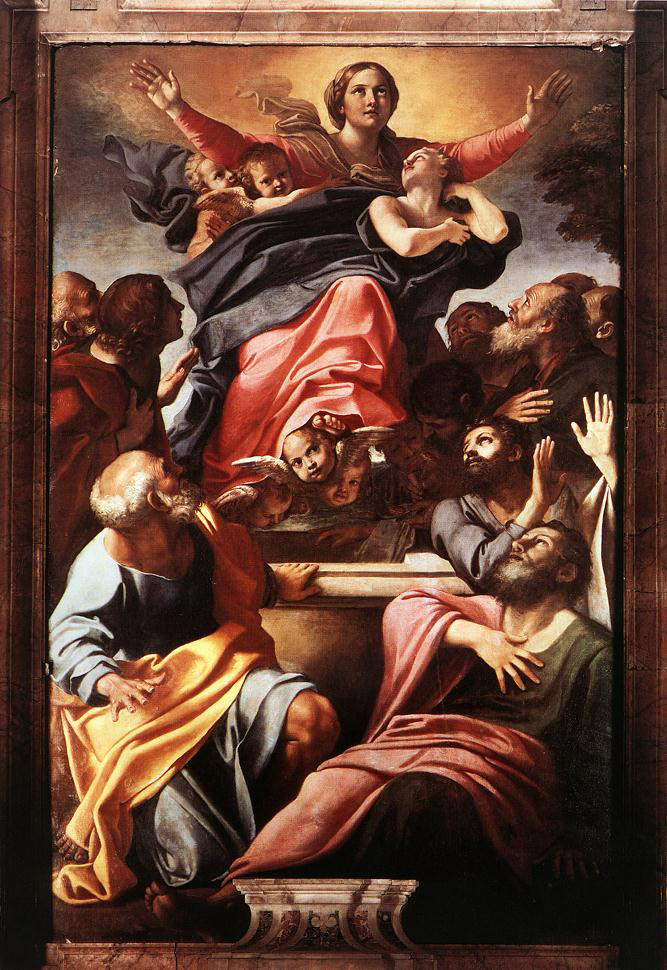
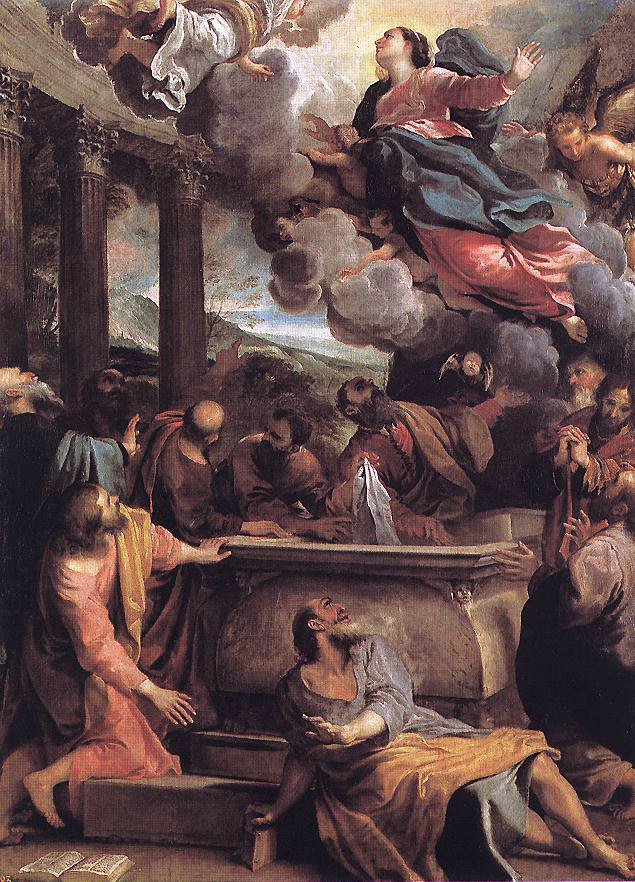
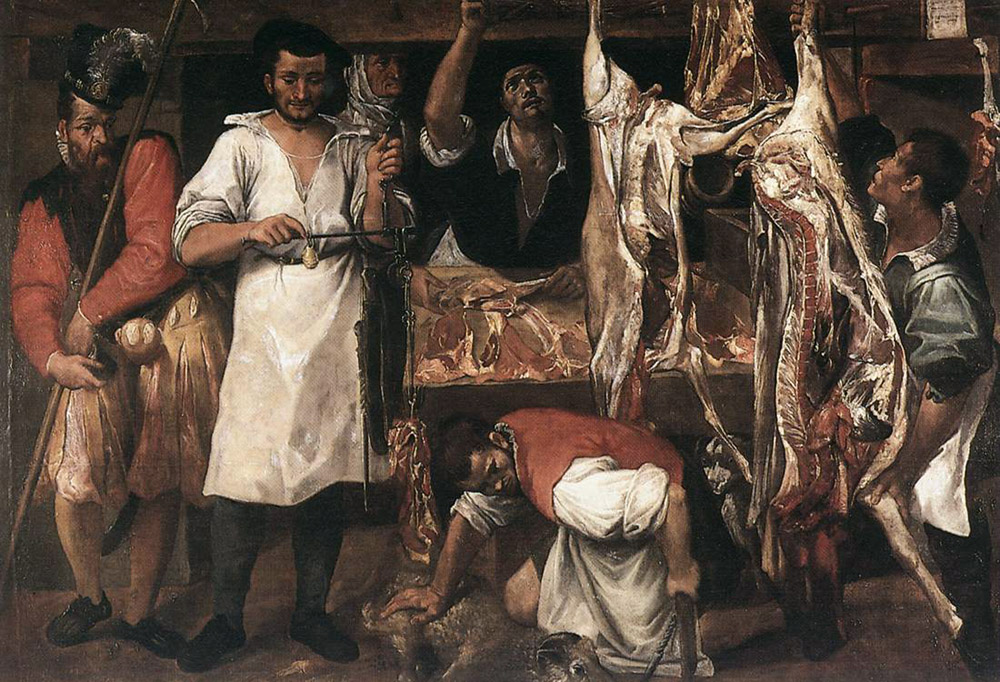
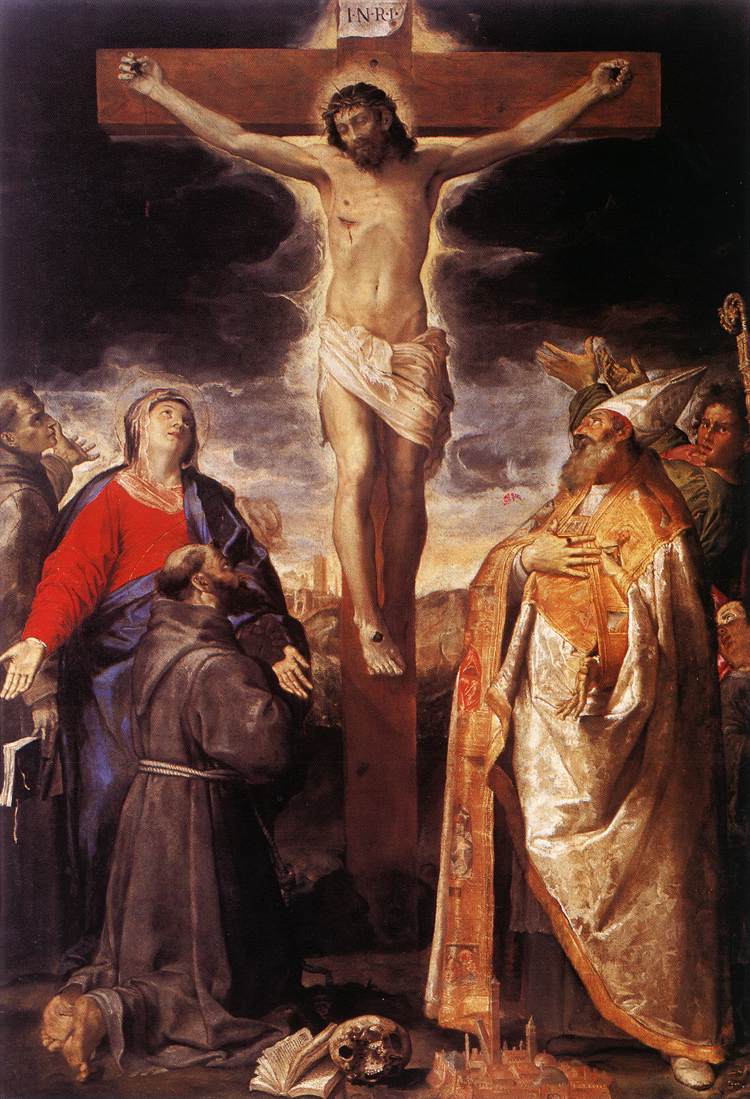
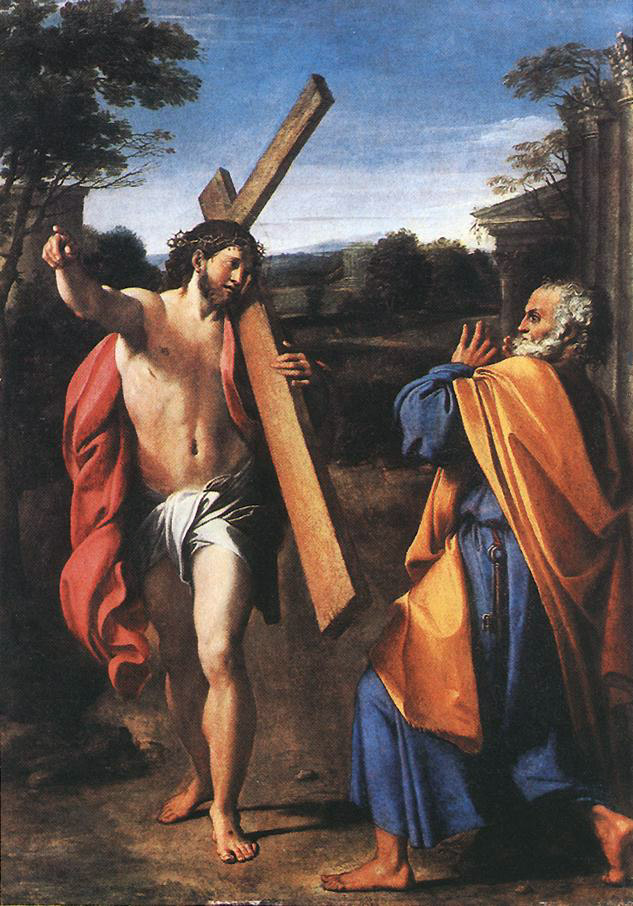
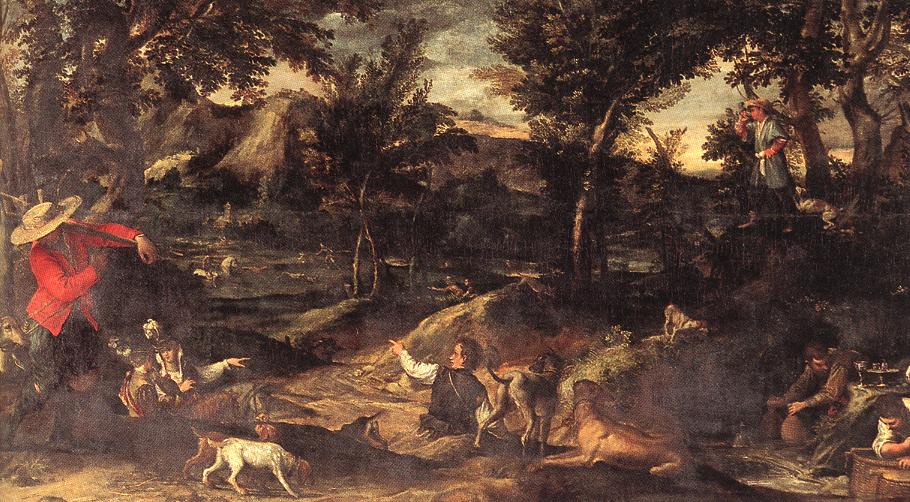
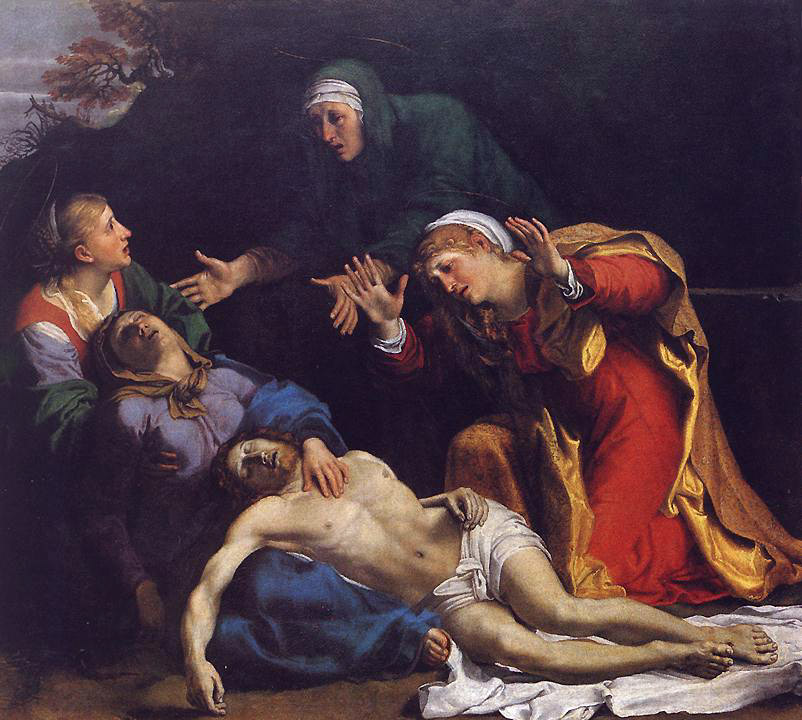
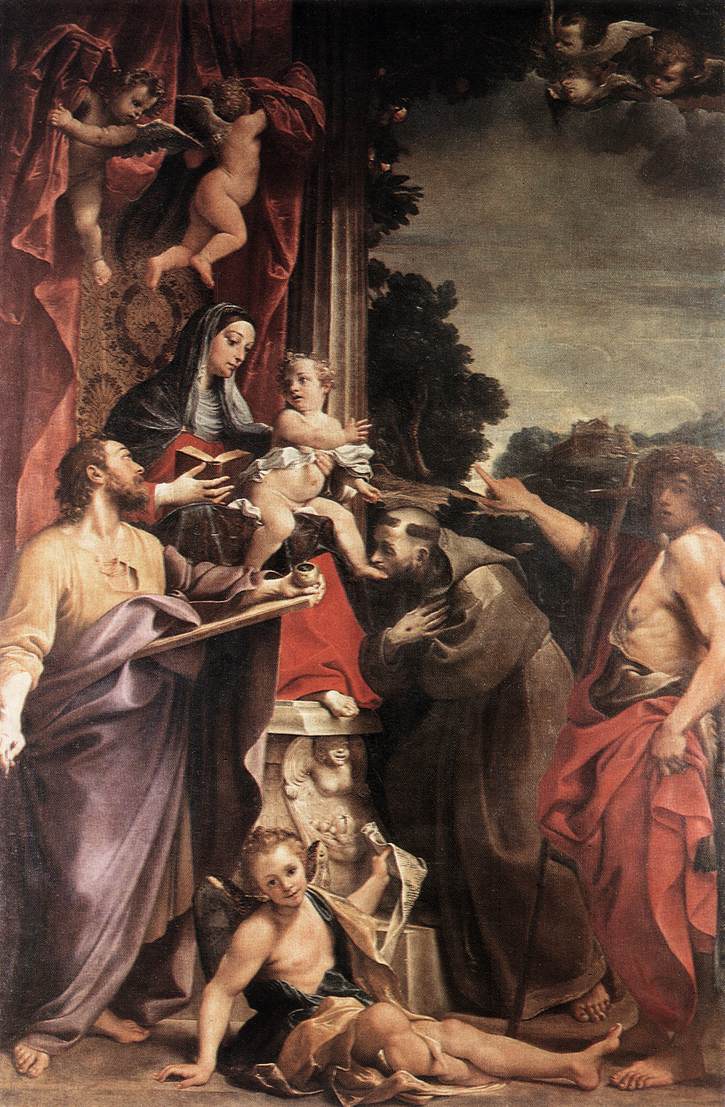
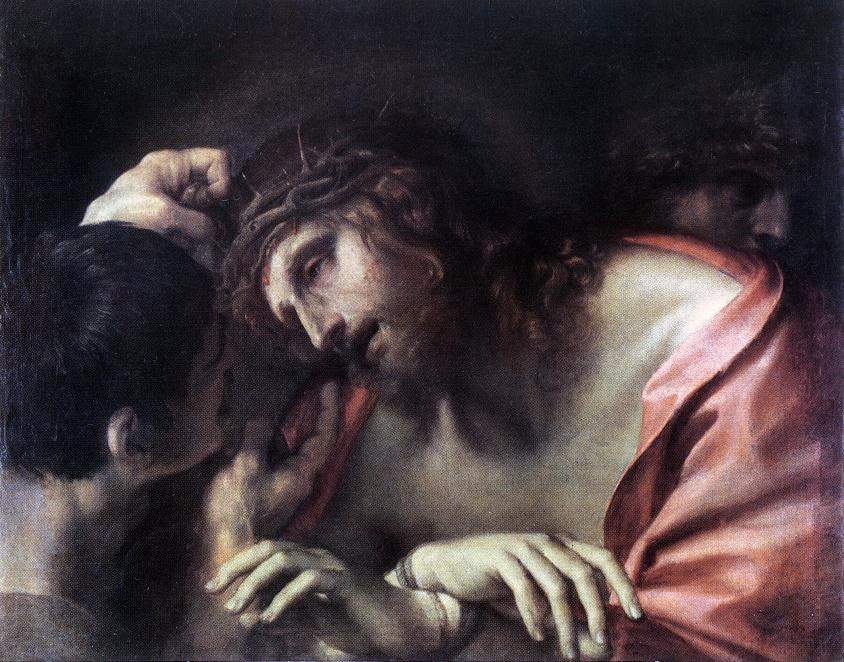
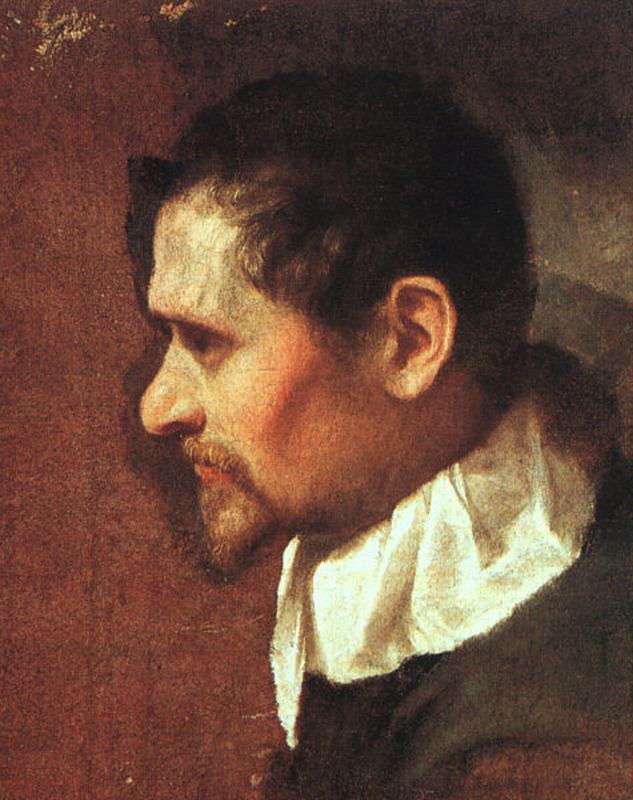
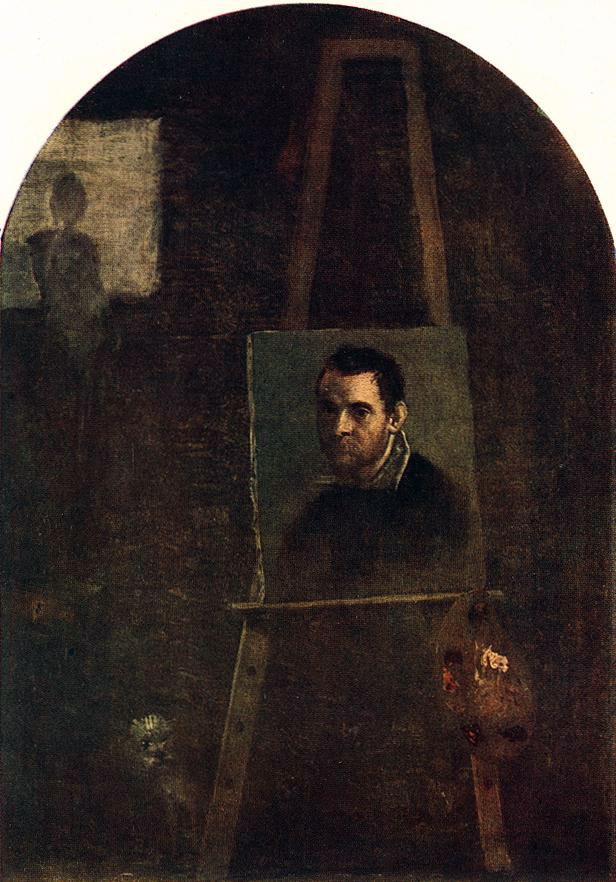
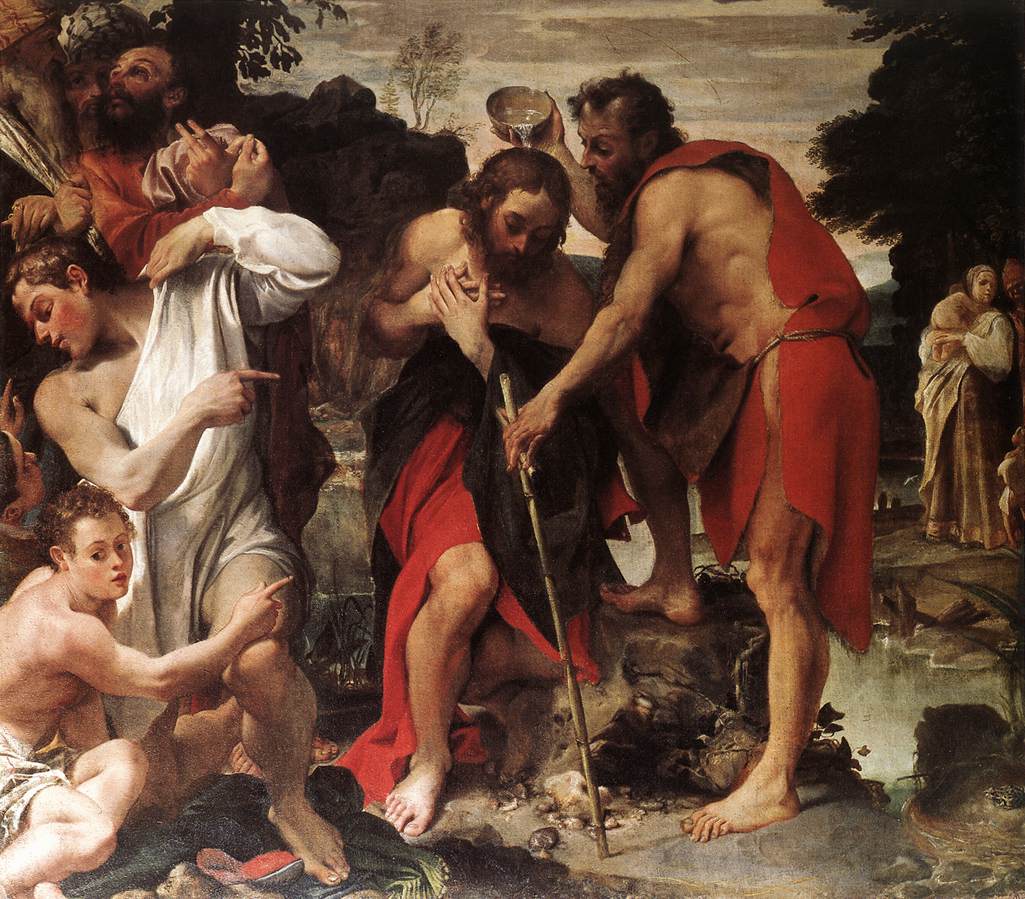
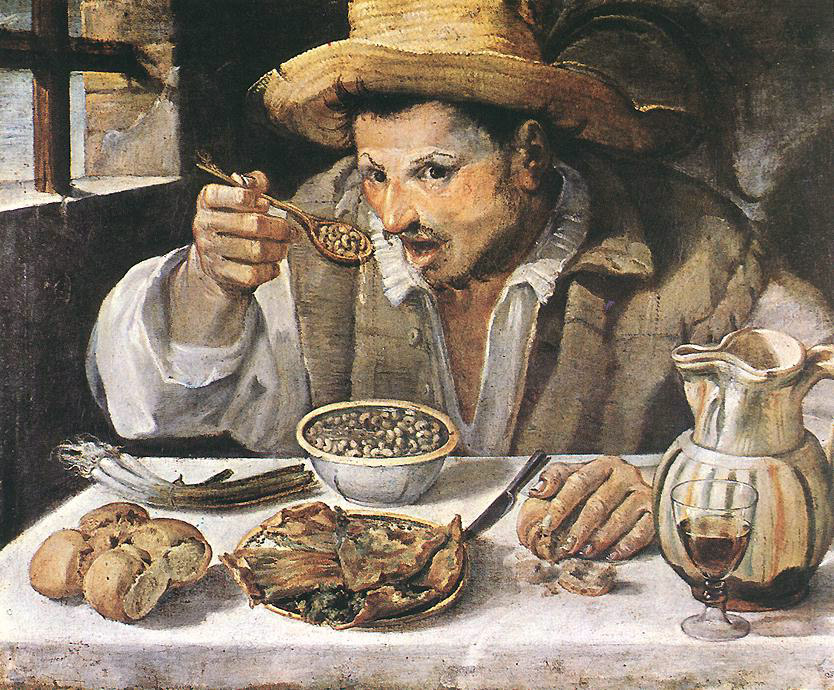
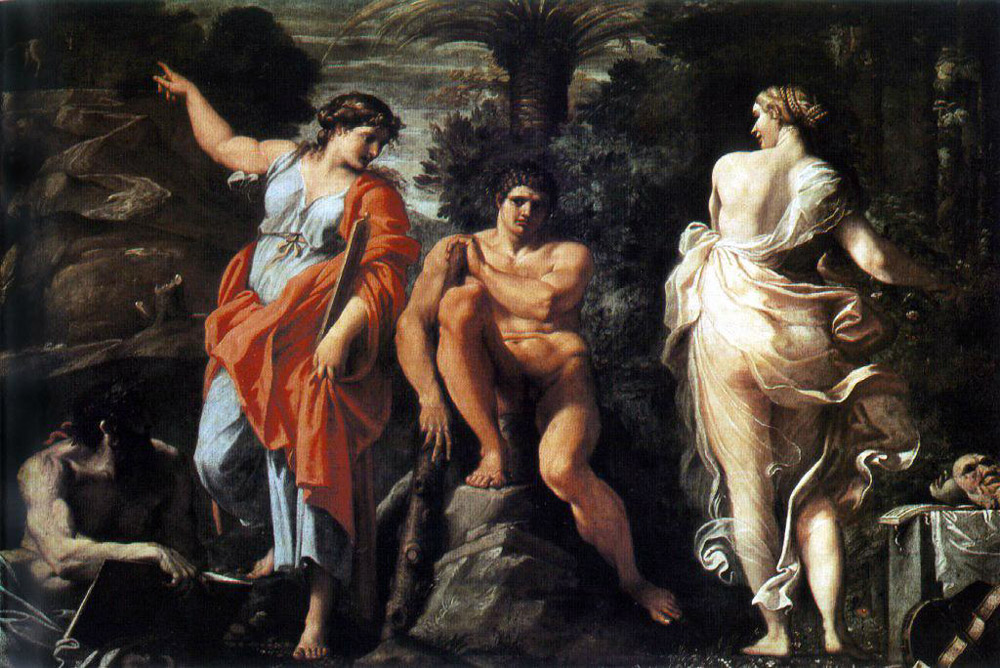
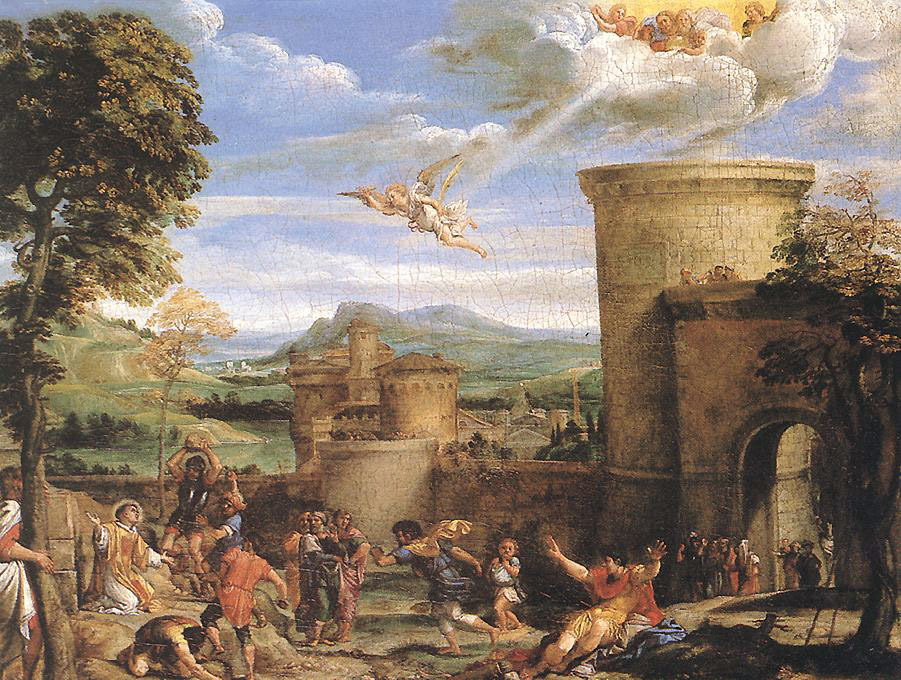
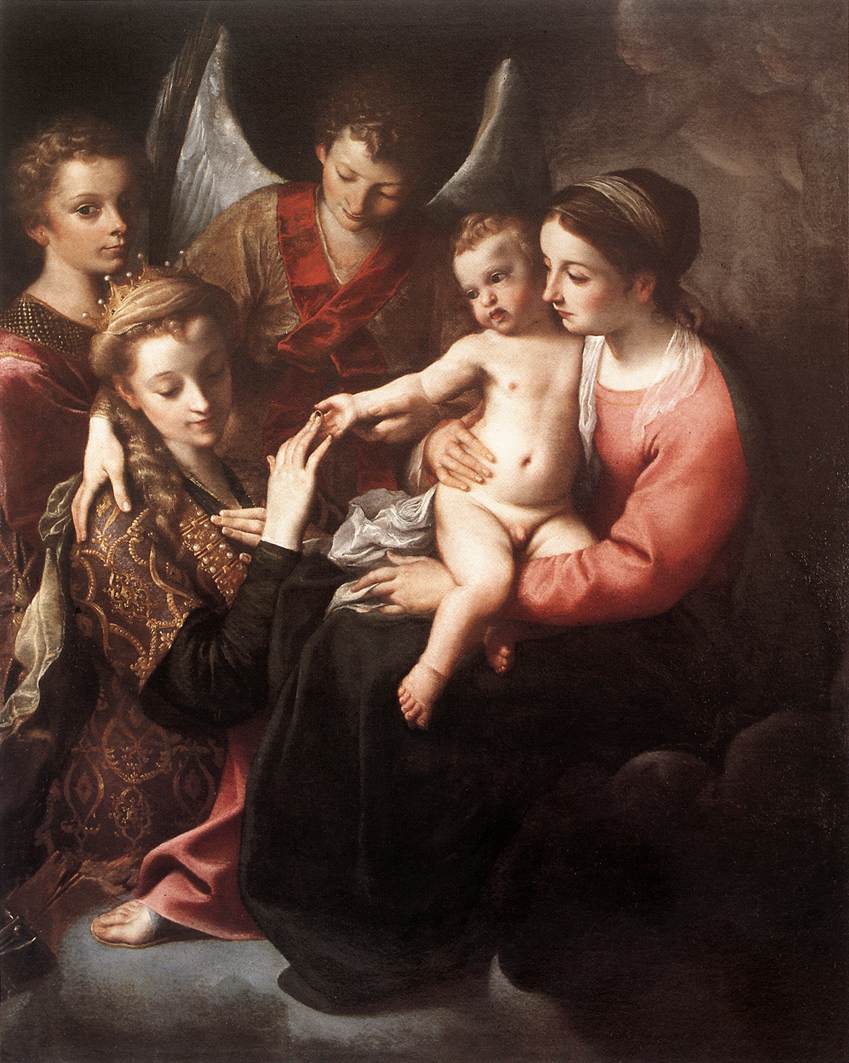
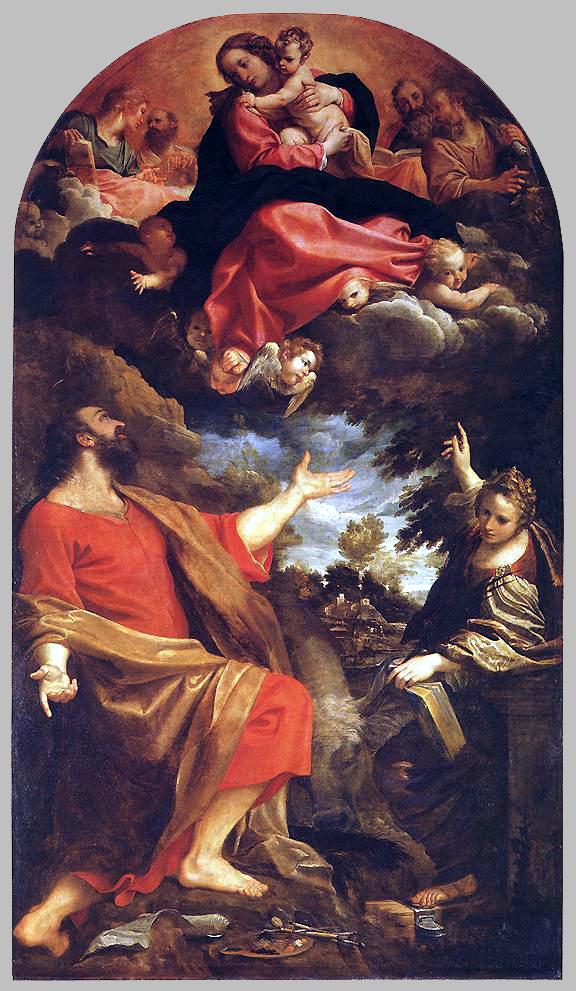
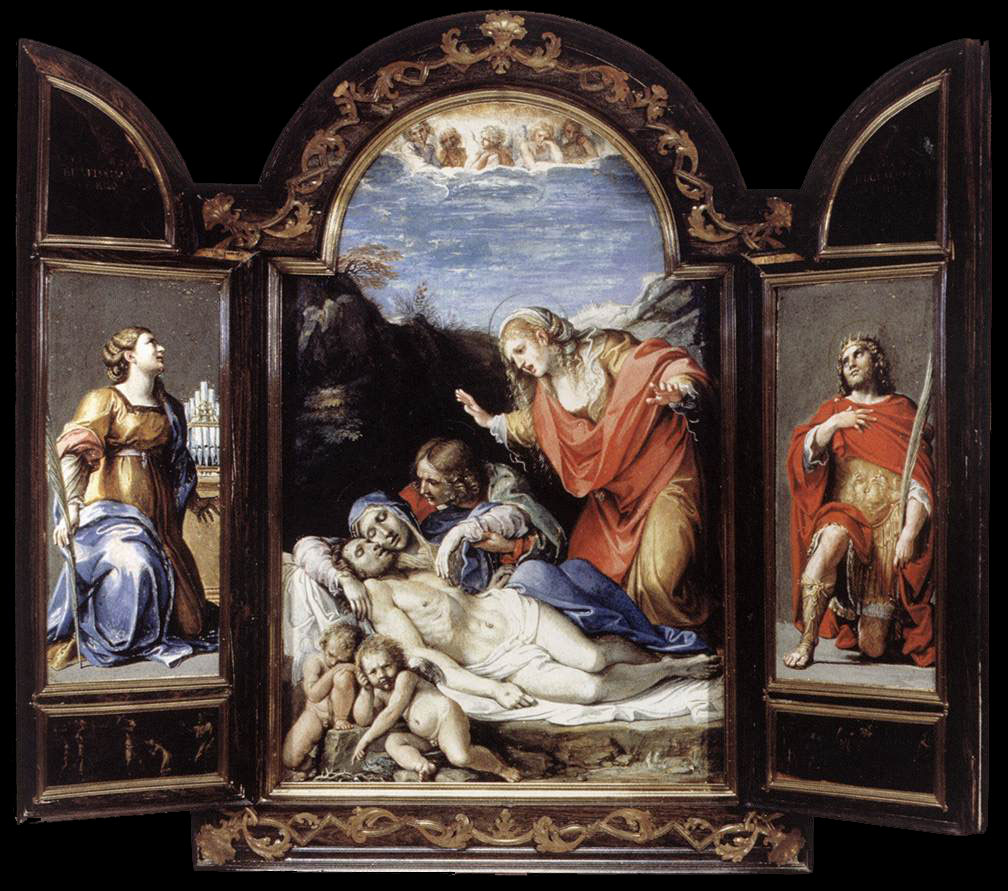
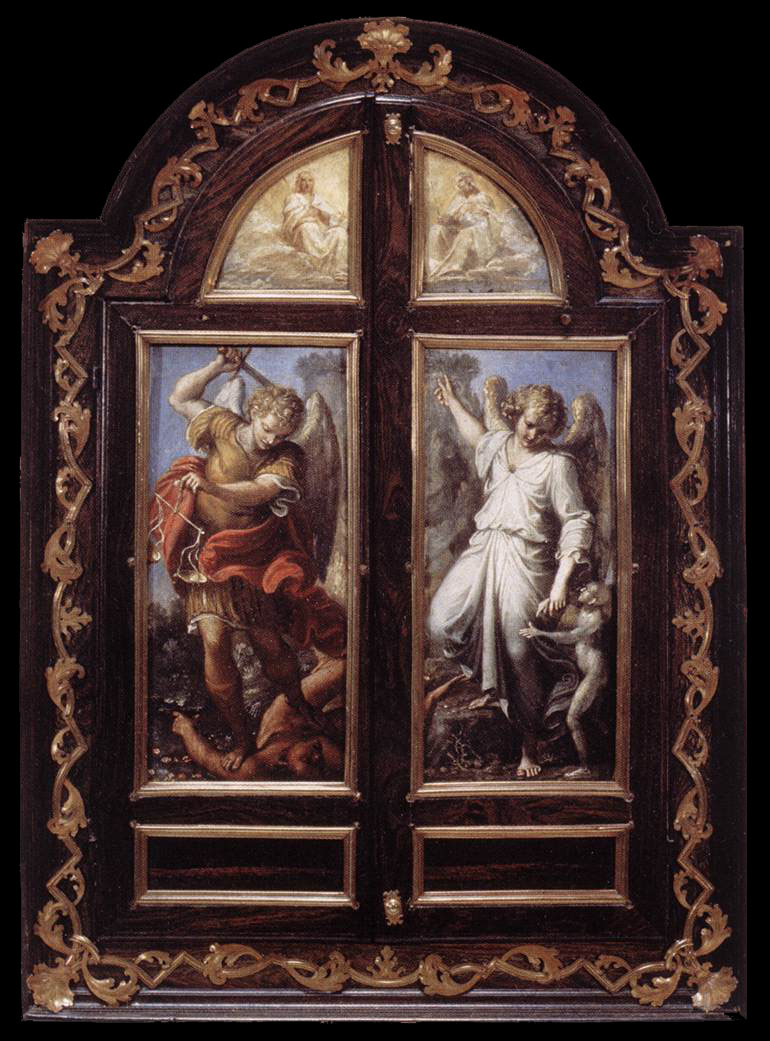
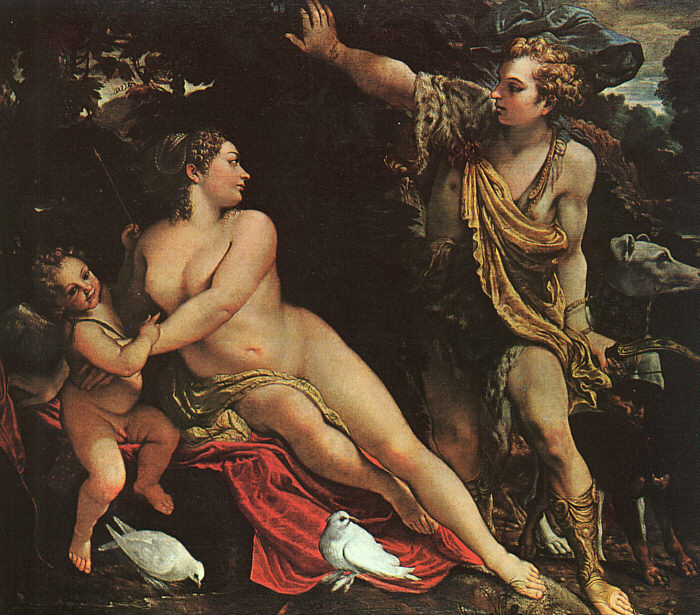
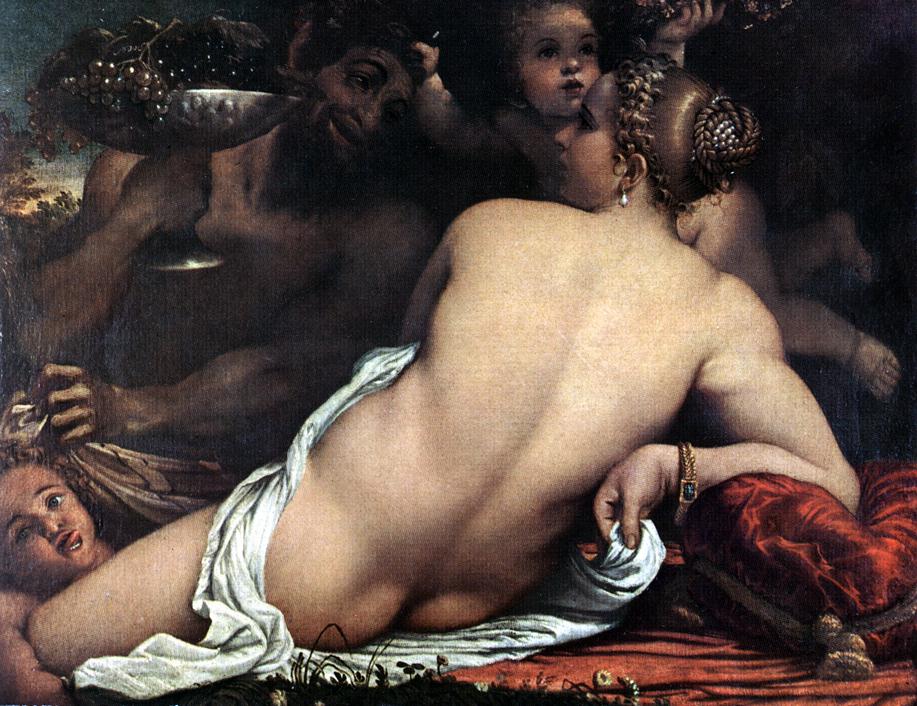
Annibale Carracci was born in 1560 in Bologna, Italy, and became one of the most influential painters of the late Renaissance and early Baroque periods. Along with his family, he helped reform Italian painting by moving away from artificial Mannerism toward greater naturalism and balance. Annibale combined close observation of nature with the harmony and idealism of classical art. His approach laid the groundwork for Baroque painting.
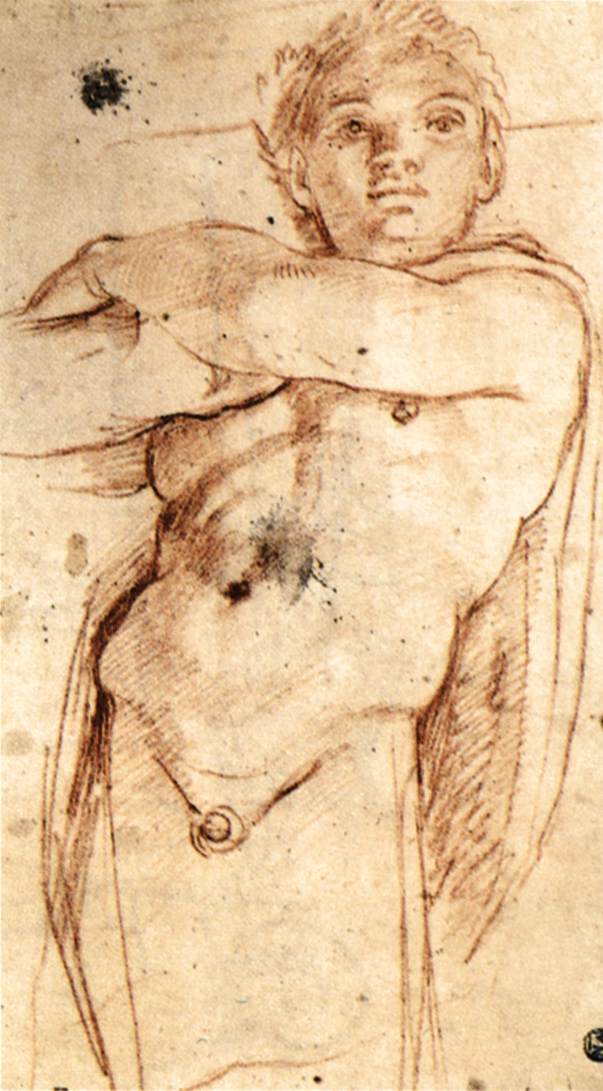
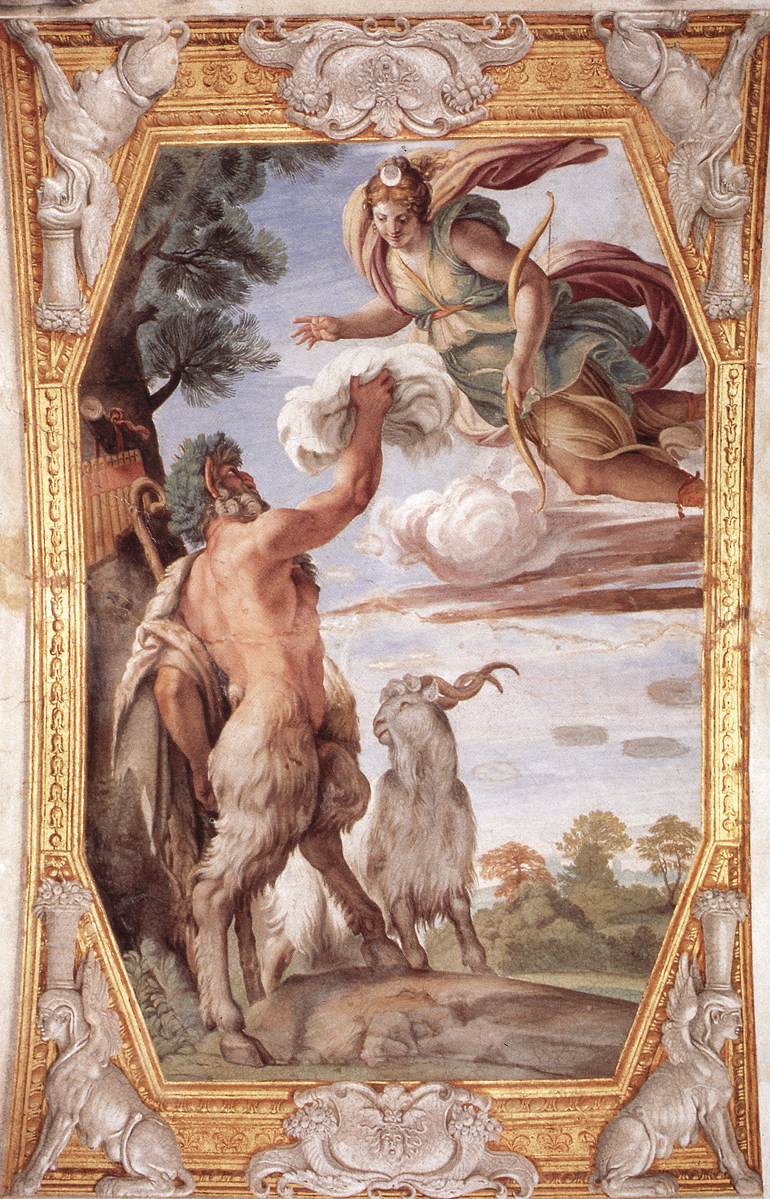
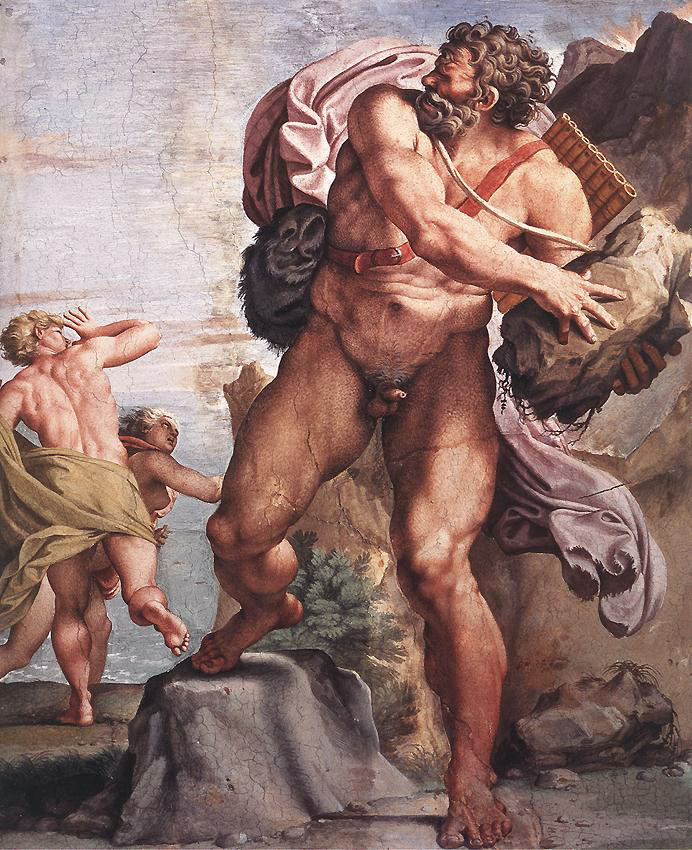
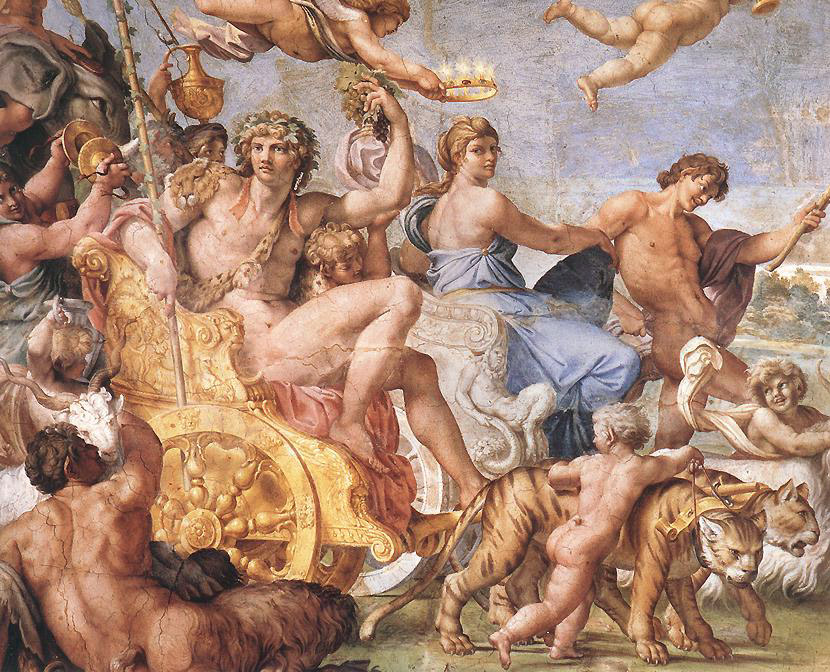
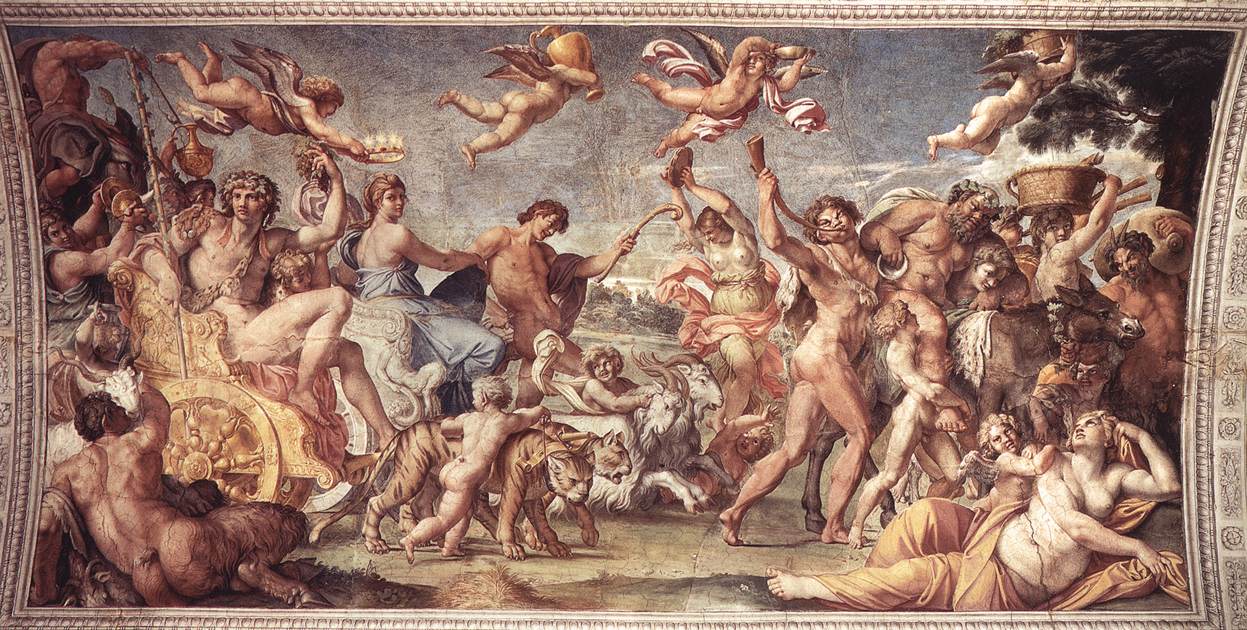
Carracci is especially known for his frescoes, most notably the celebrated ceiling of the Farnese Gallery in Rome. These works display dynamic composition, rich color, and mastery of the human figure. Despite his success, Annibale struggled with periods of emotional and physical exhaustion. His later years were marked by declining health. He died in 1609. Annibale Carracci’s influence extended across Europe, shaping generations of artists and redefining the direction of Western painting.