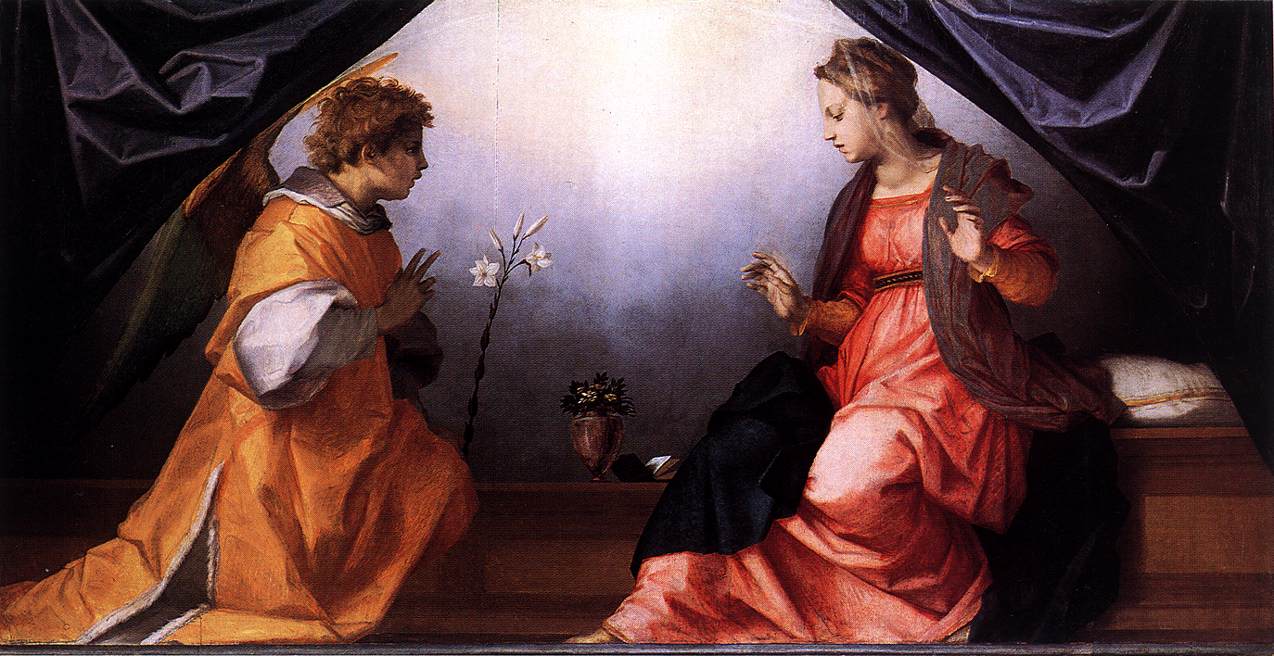
Andrea del Sarto
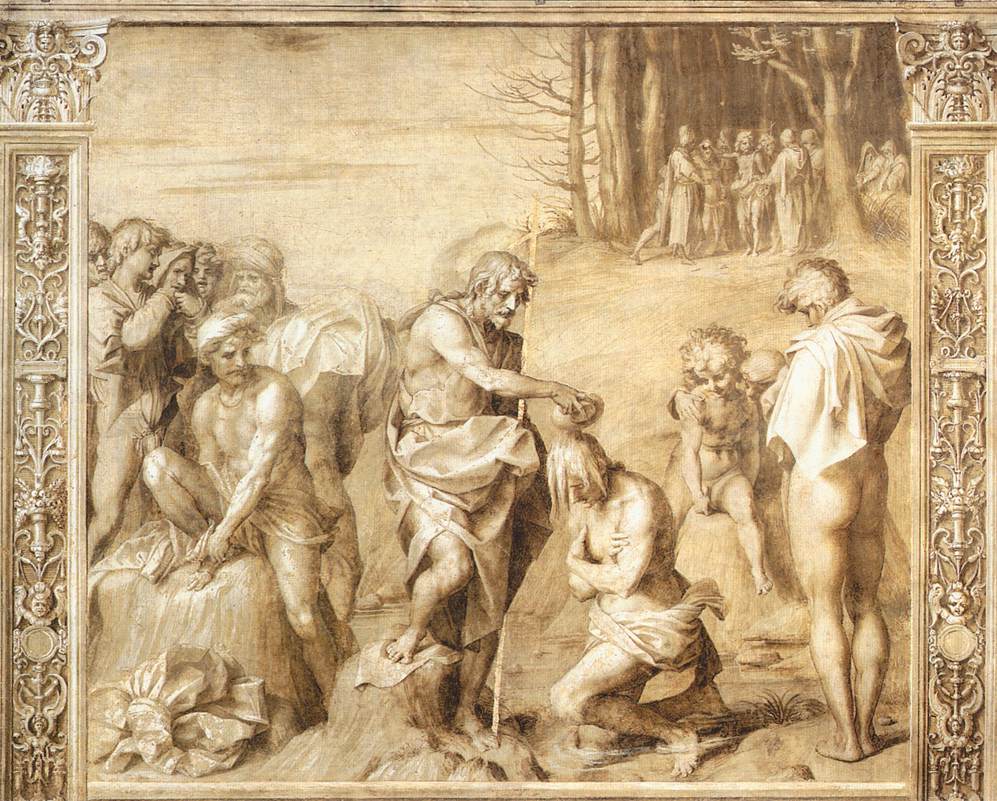
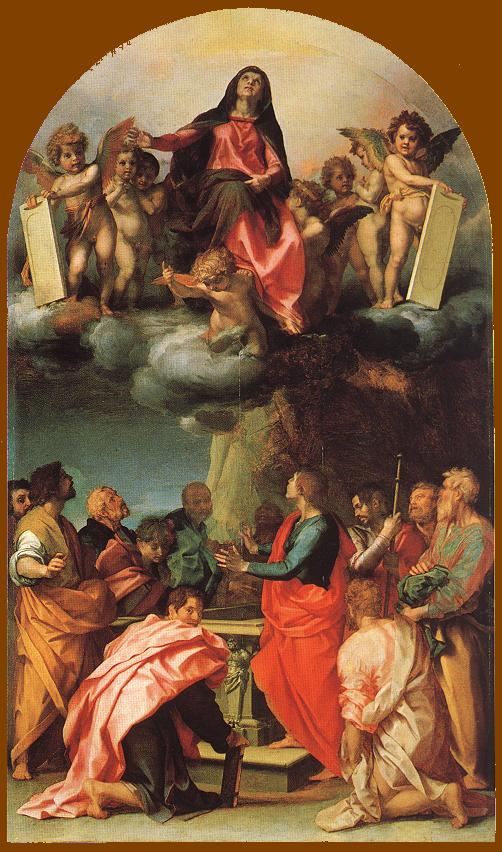
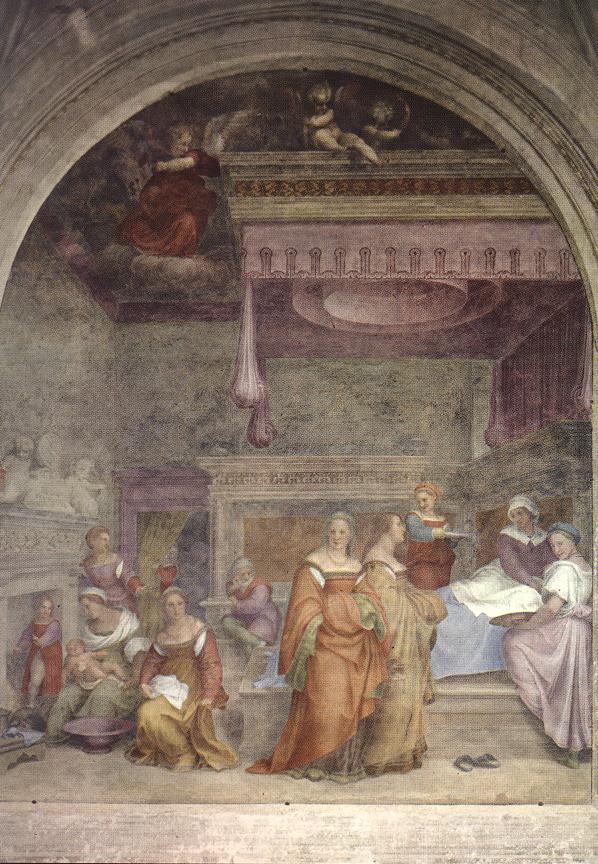
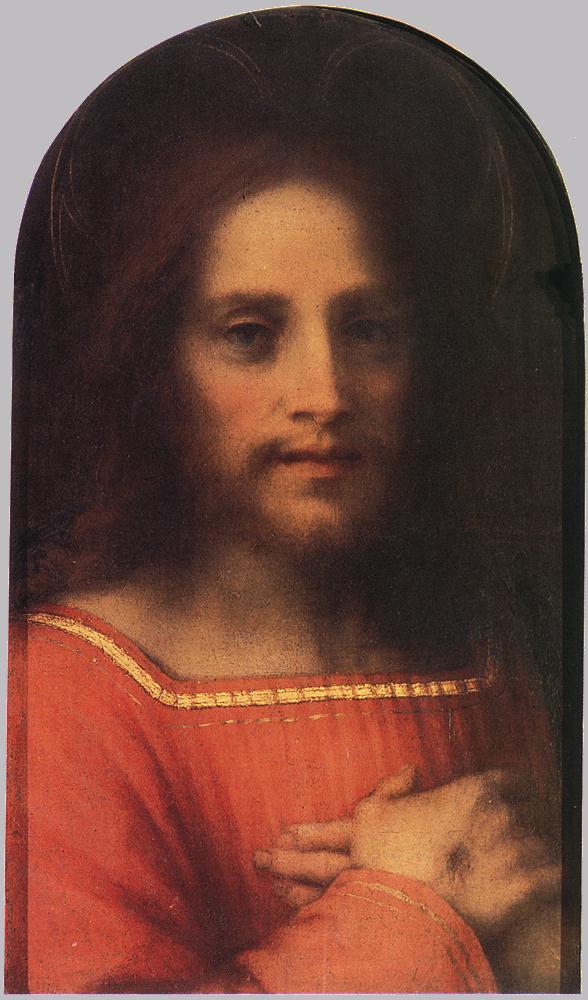
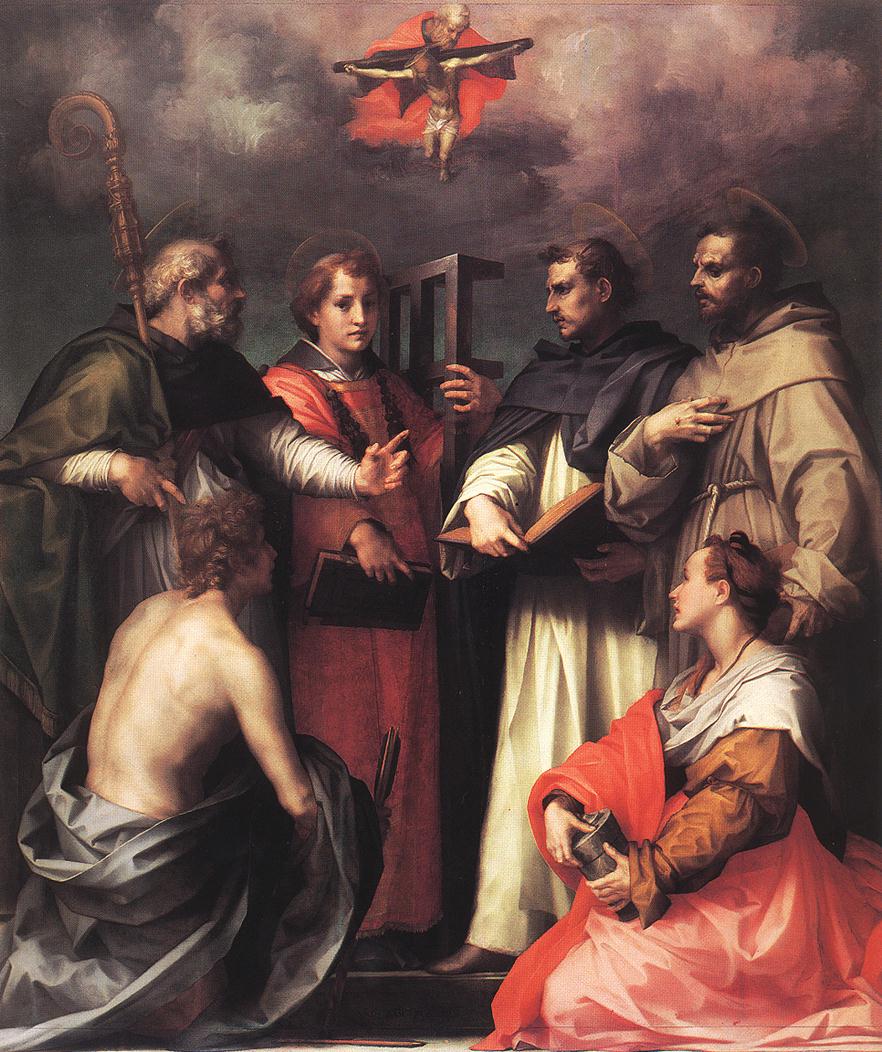
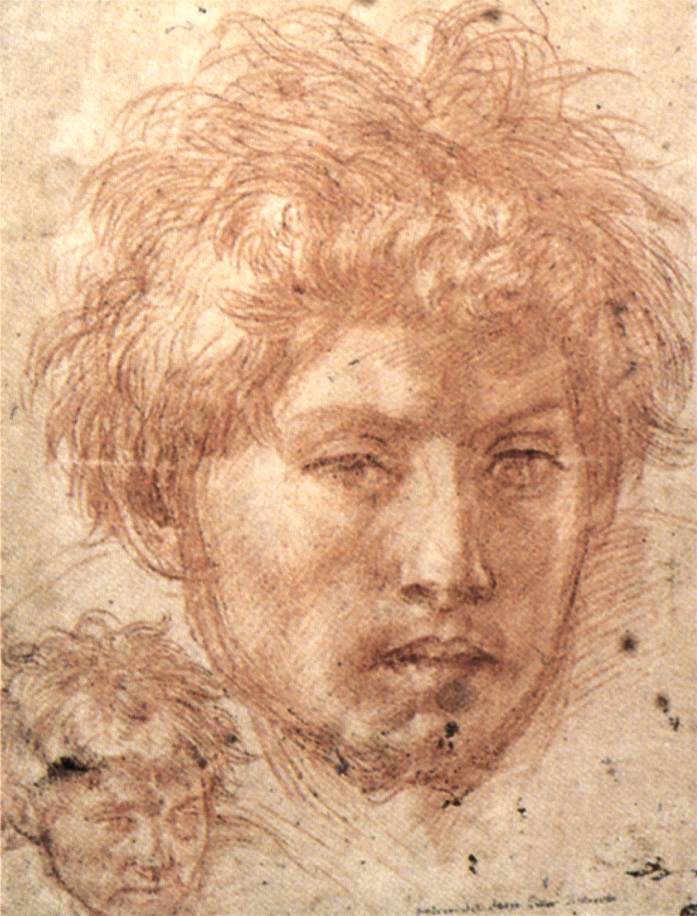
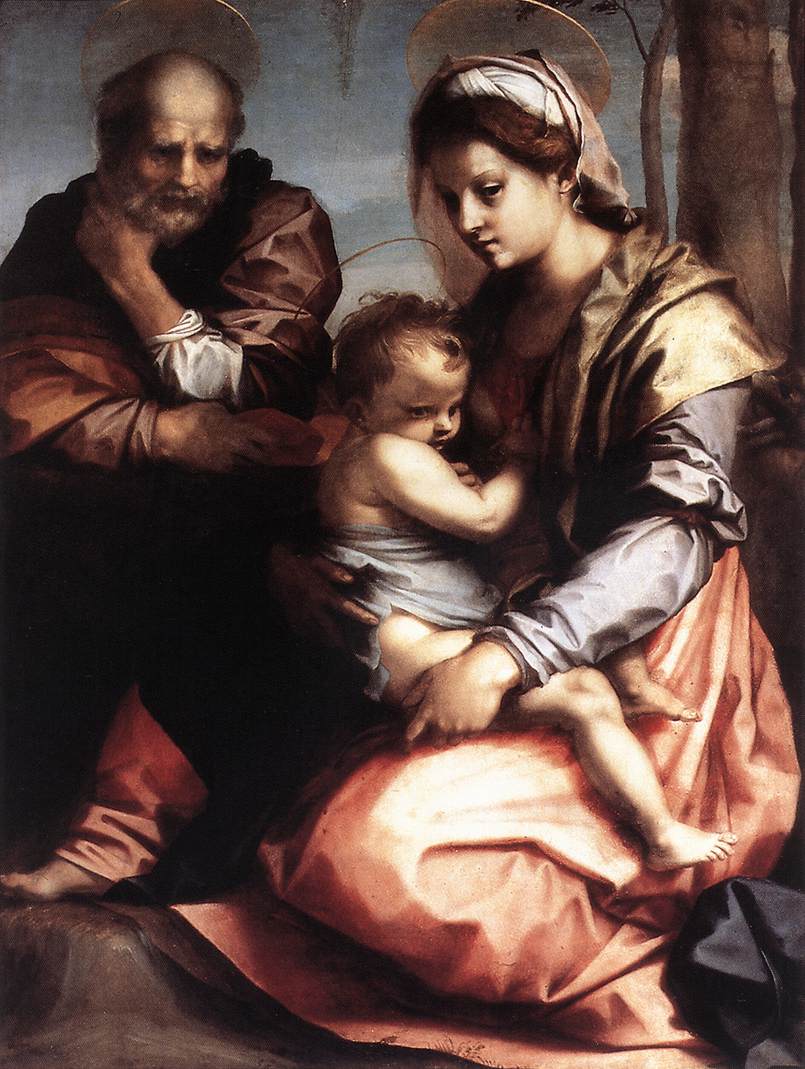
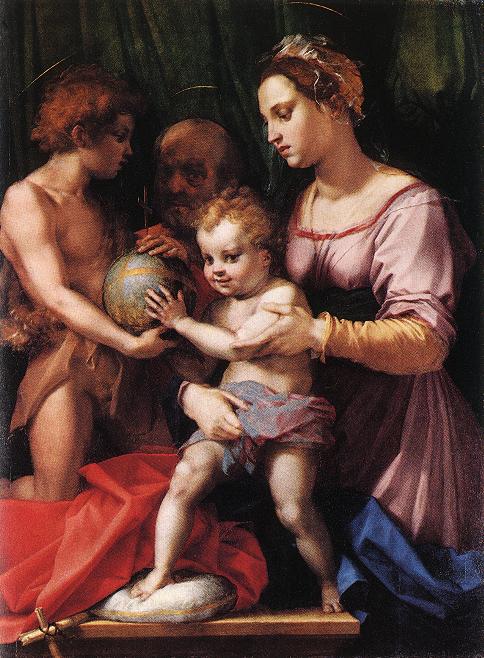
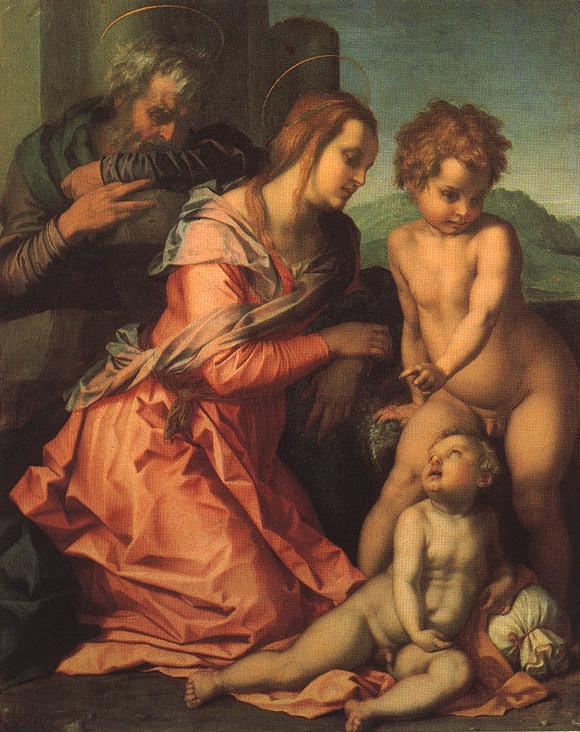
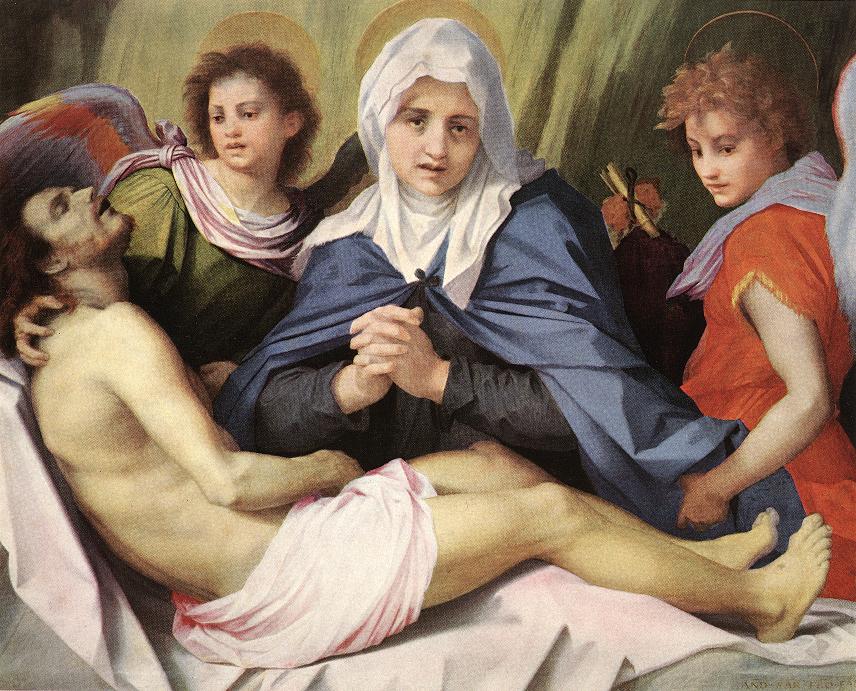
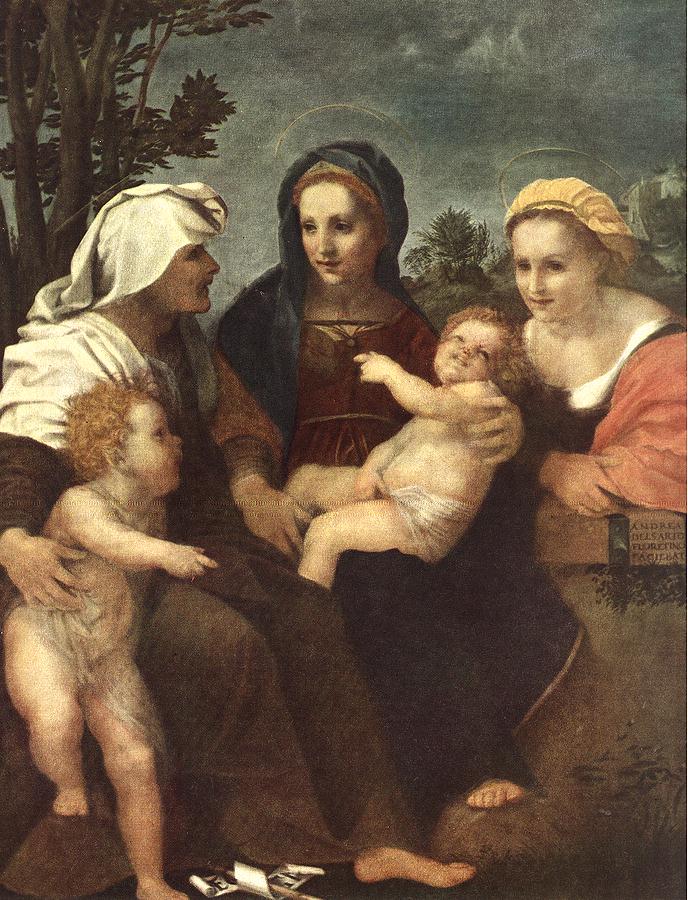
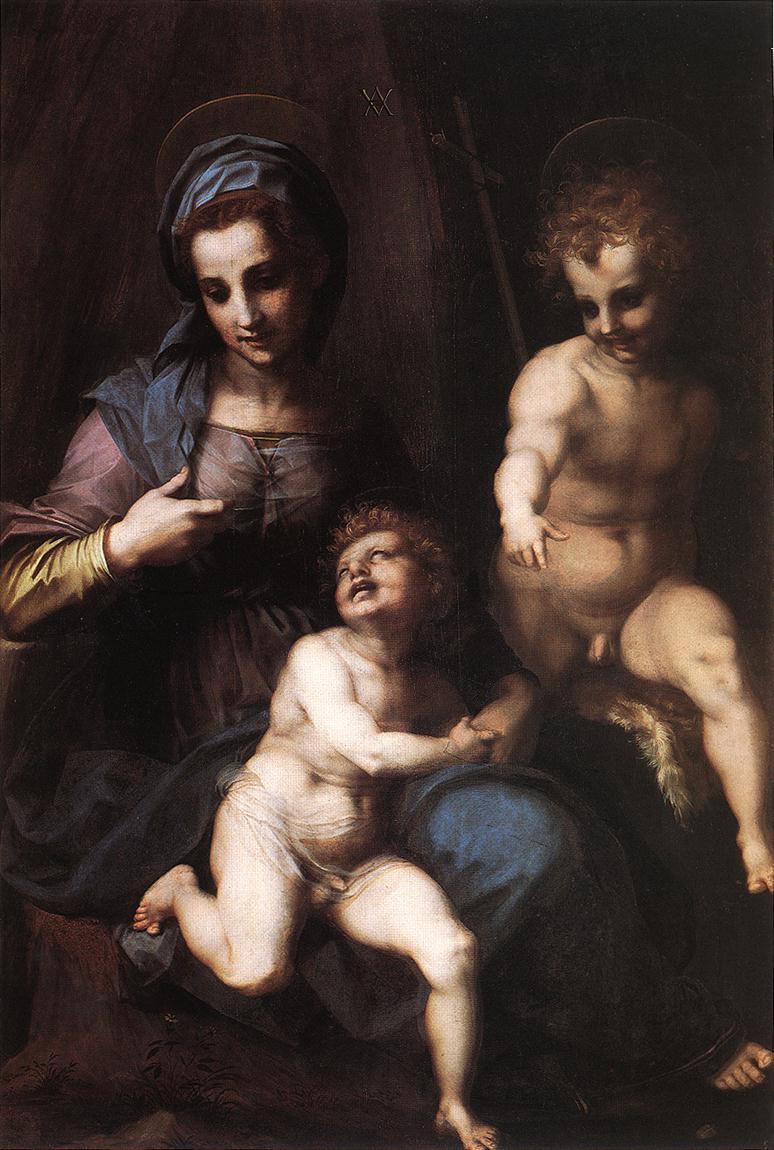
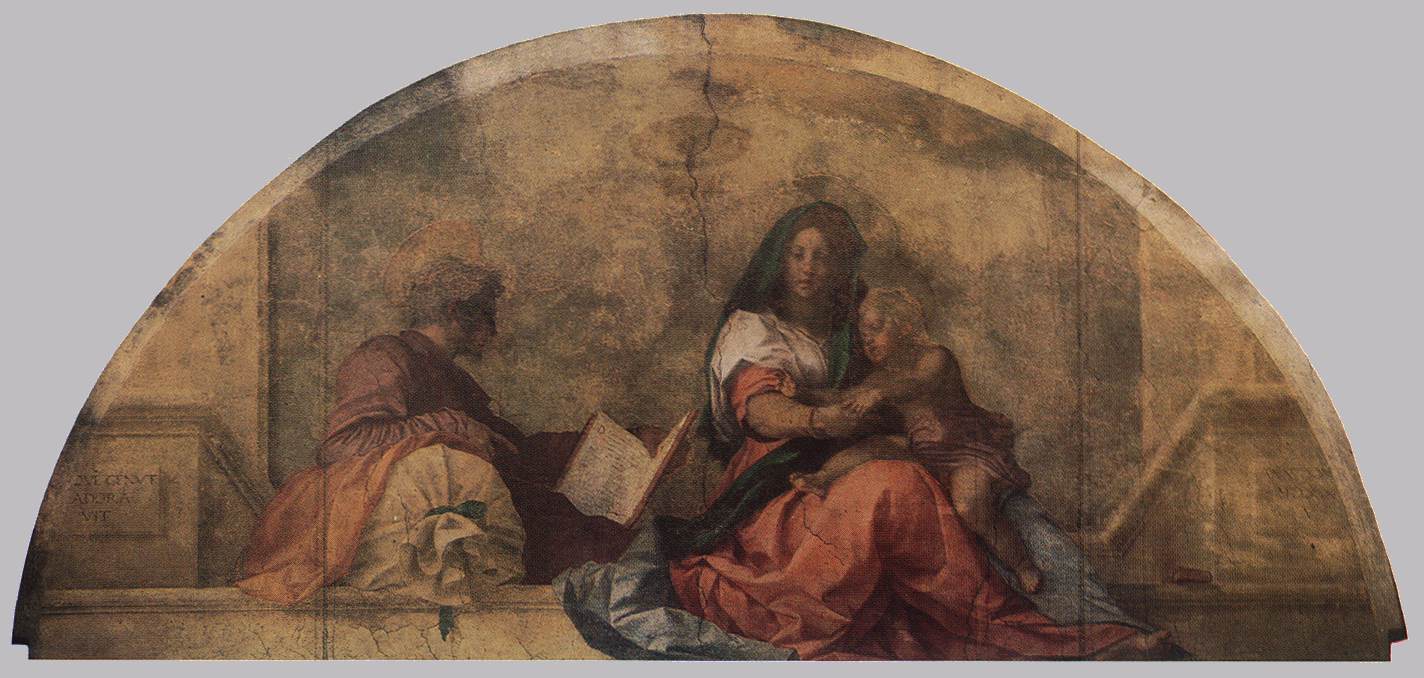
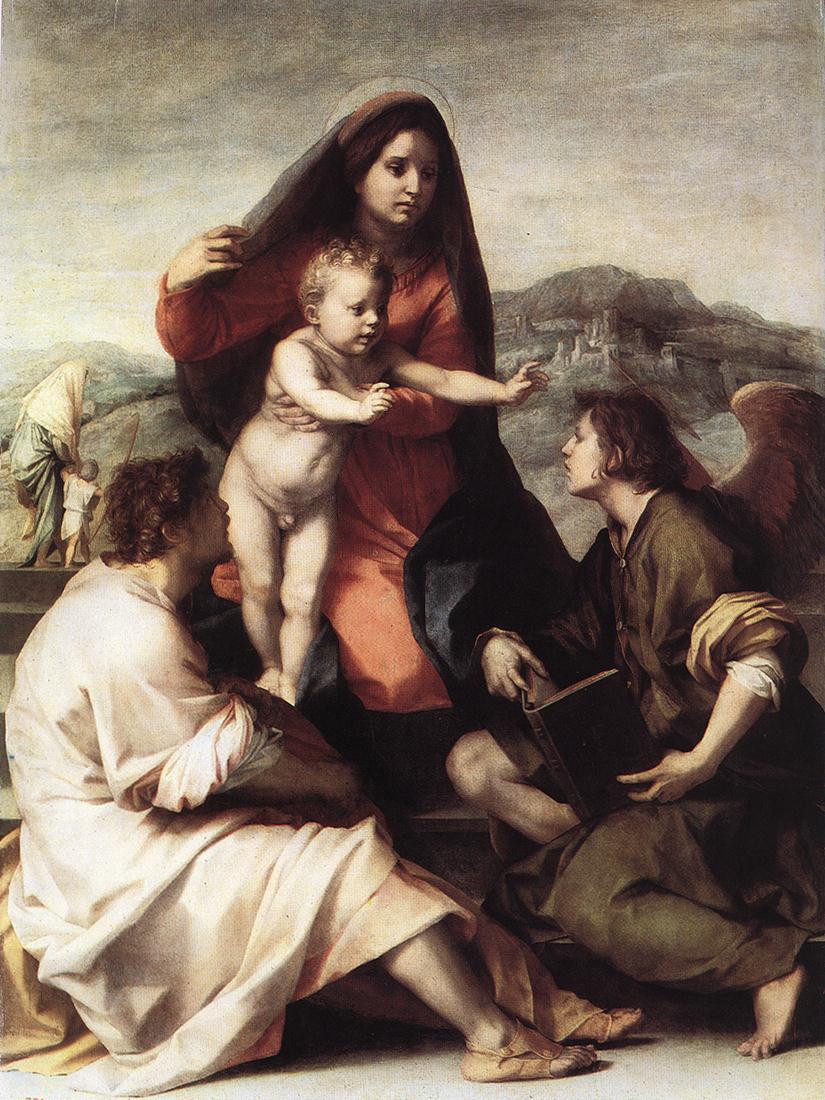
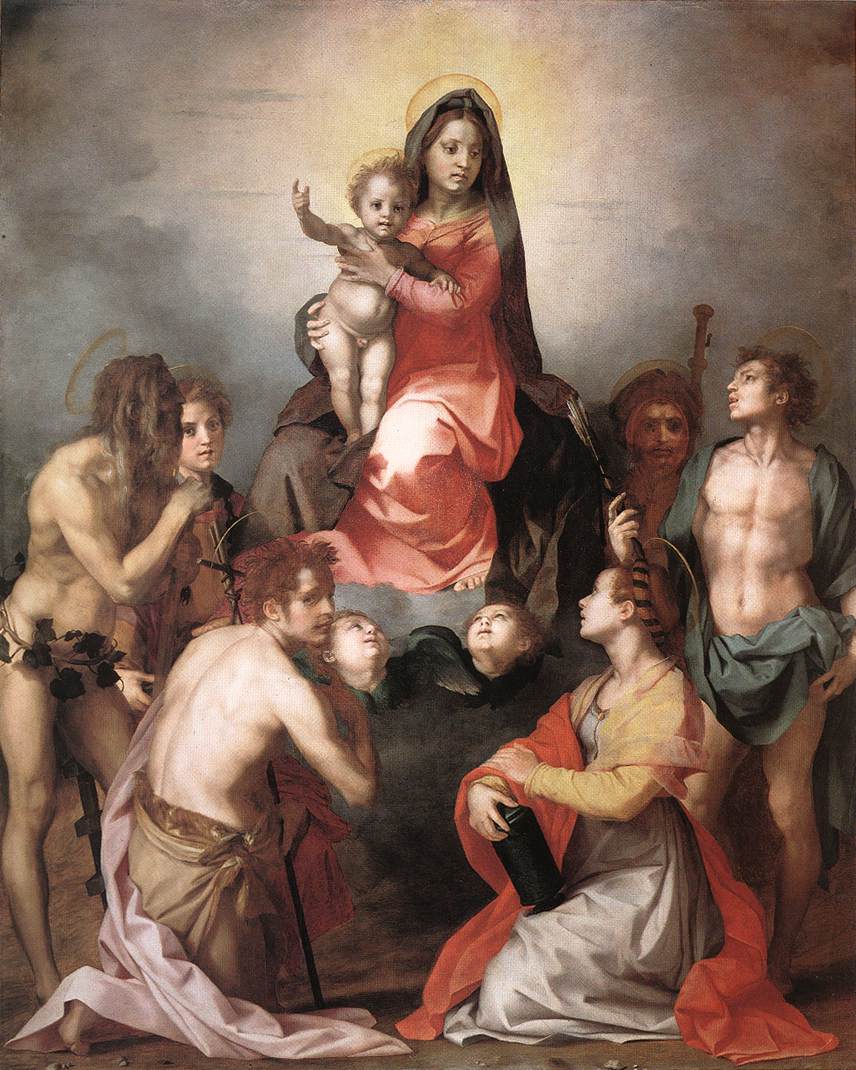
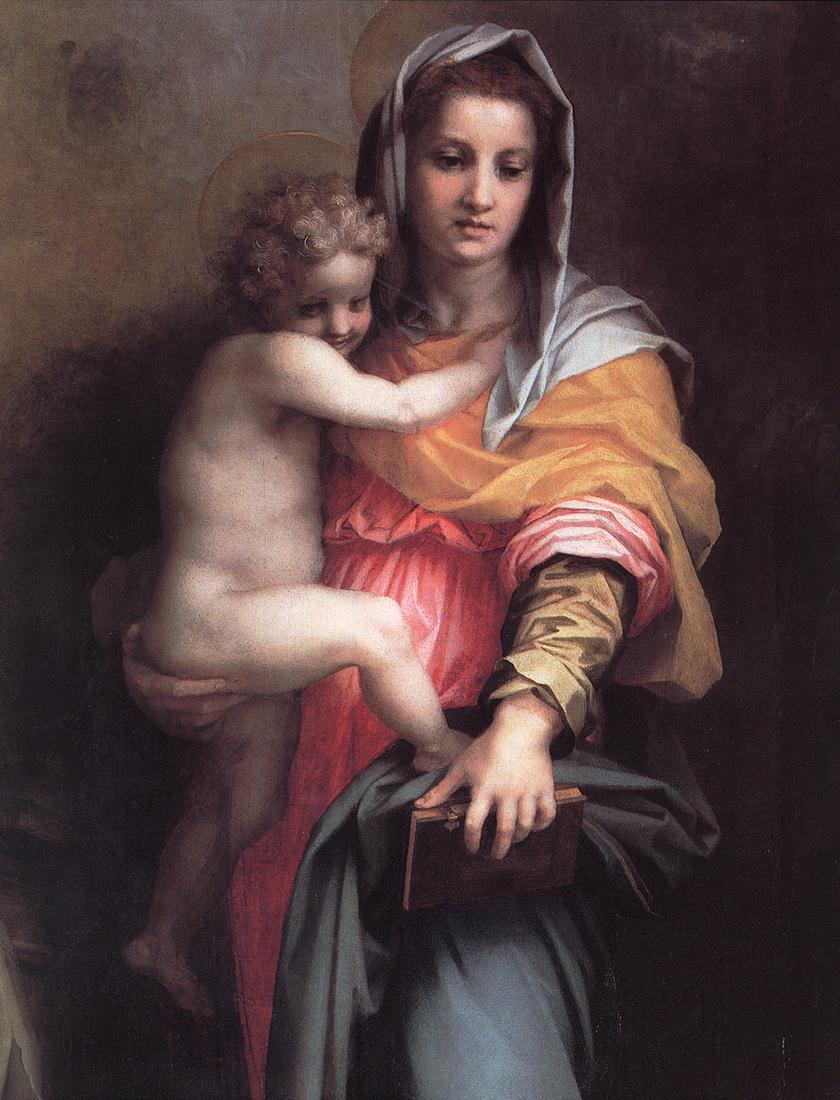
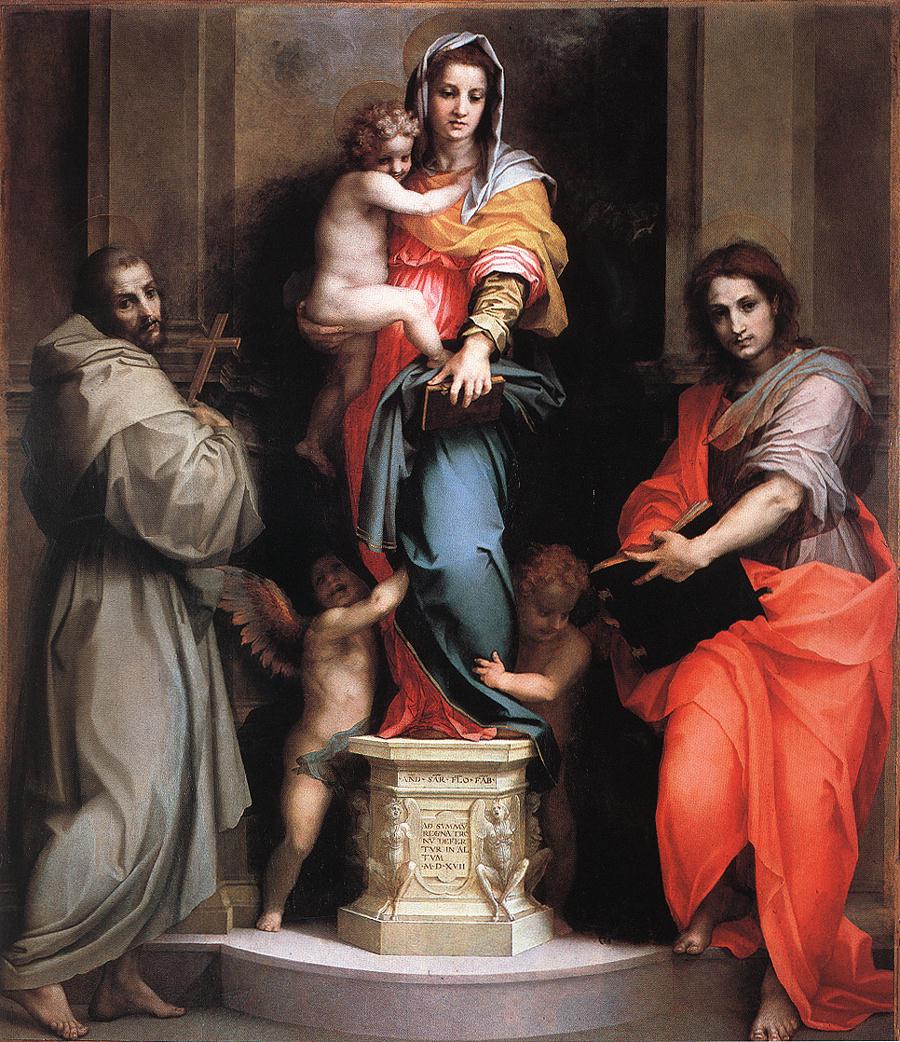
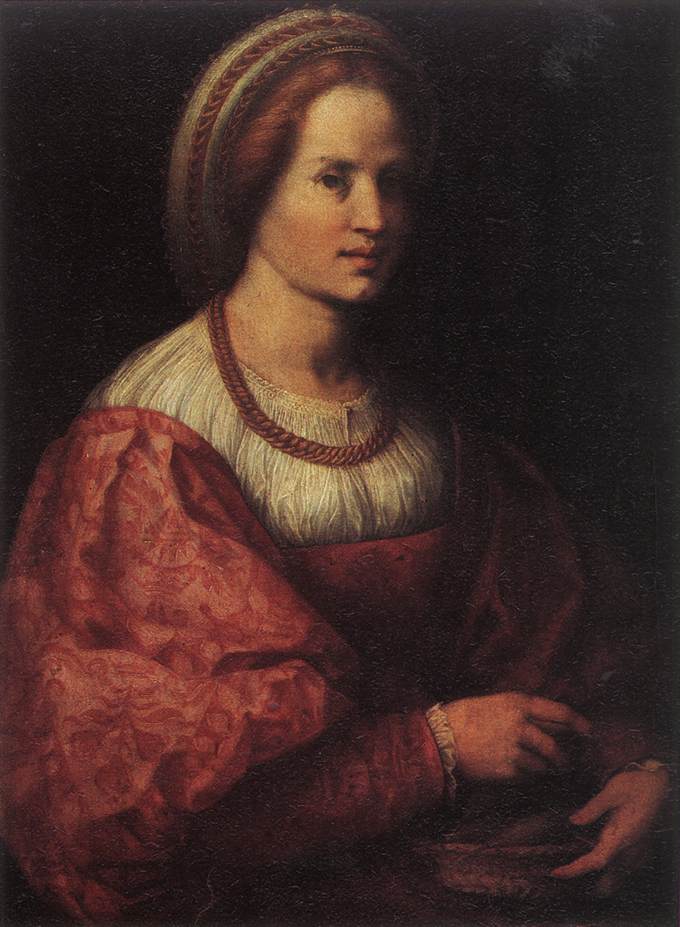
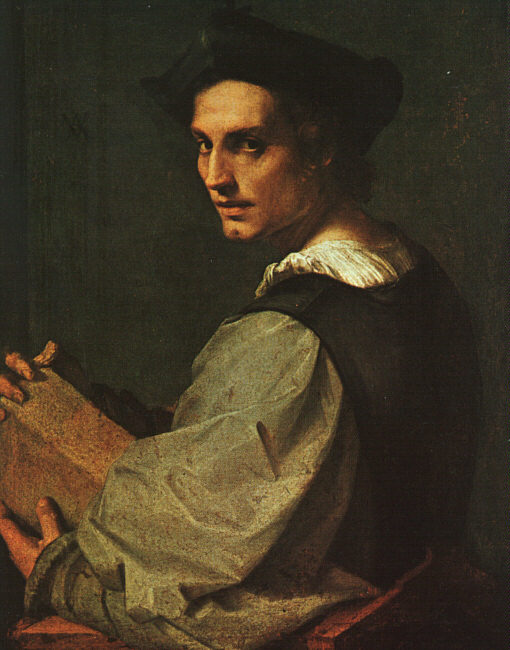
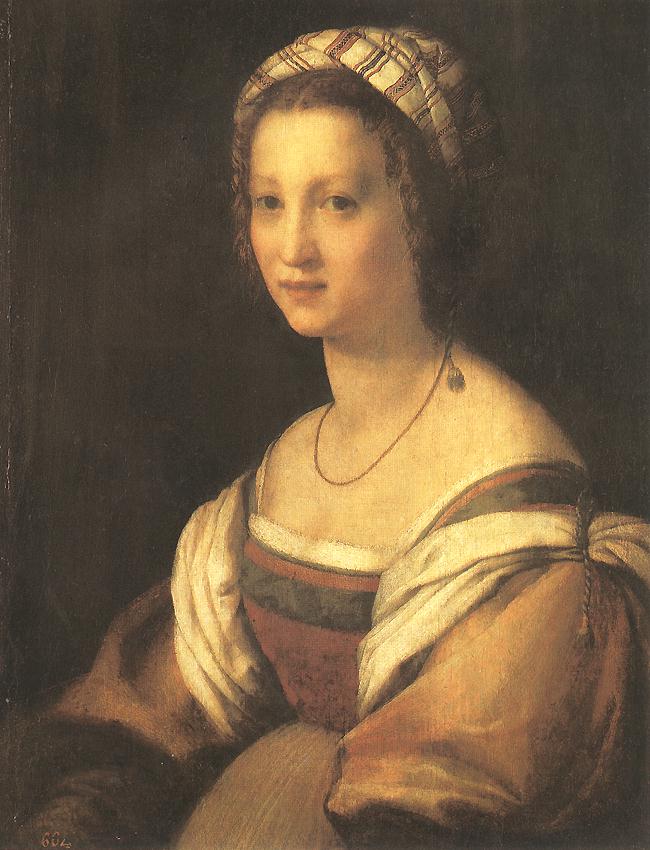
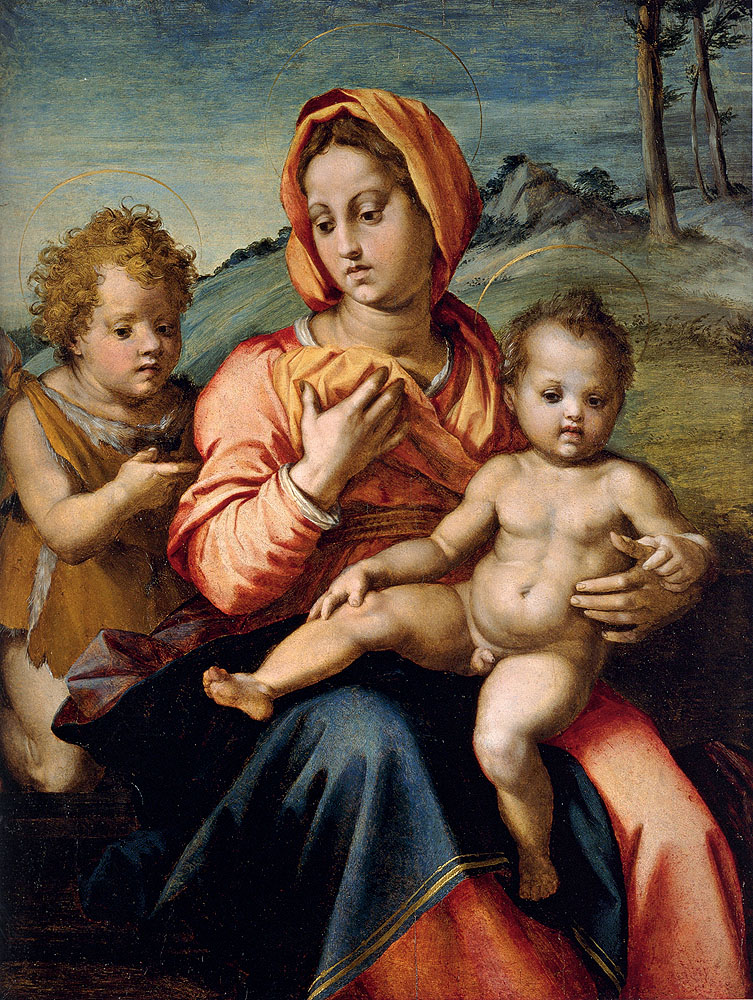
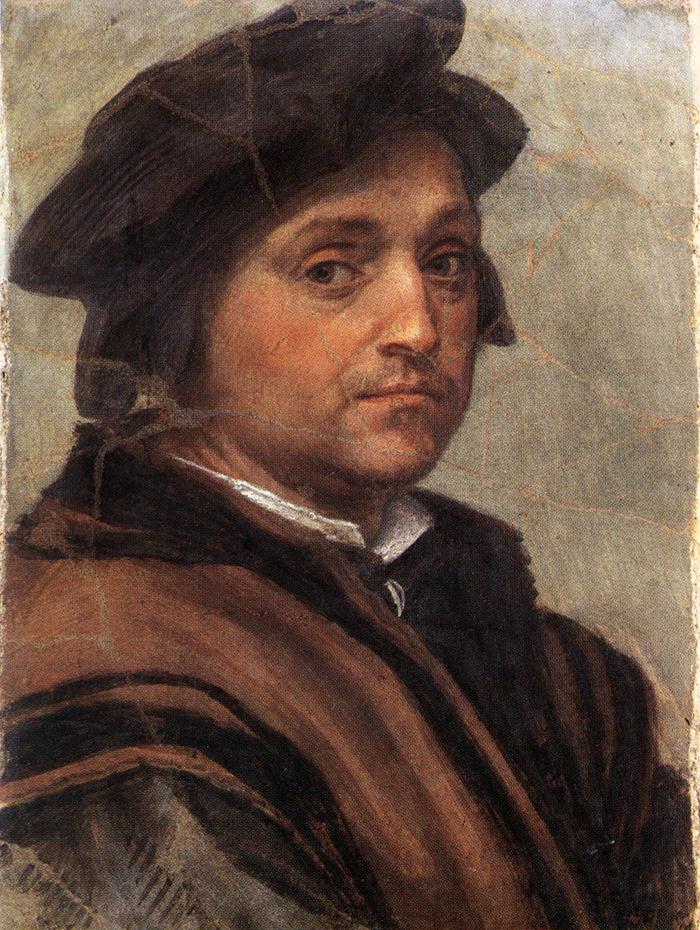
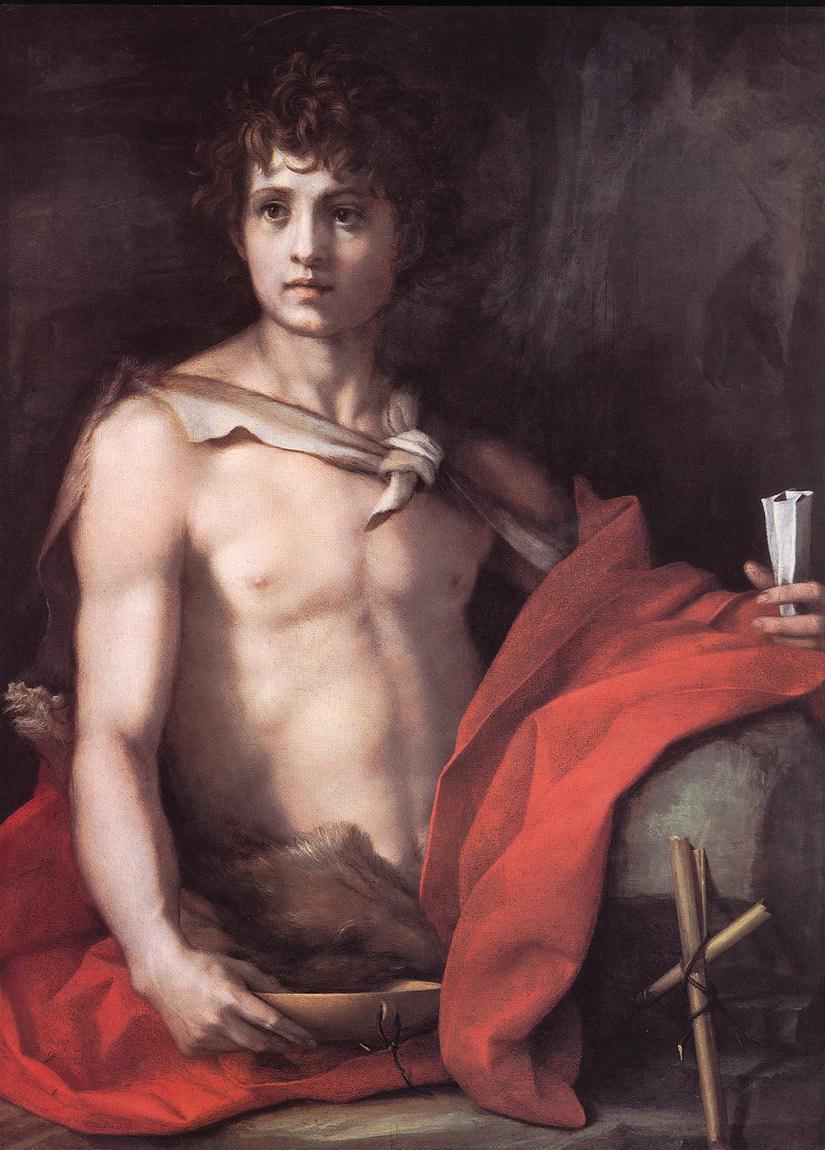
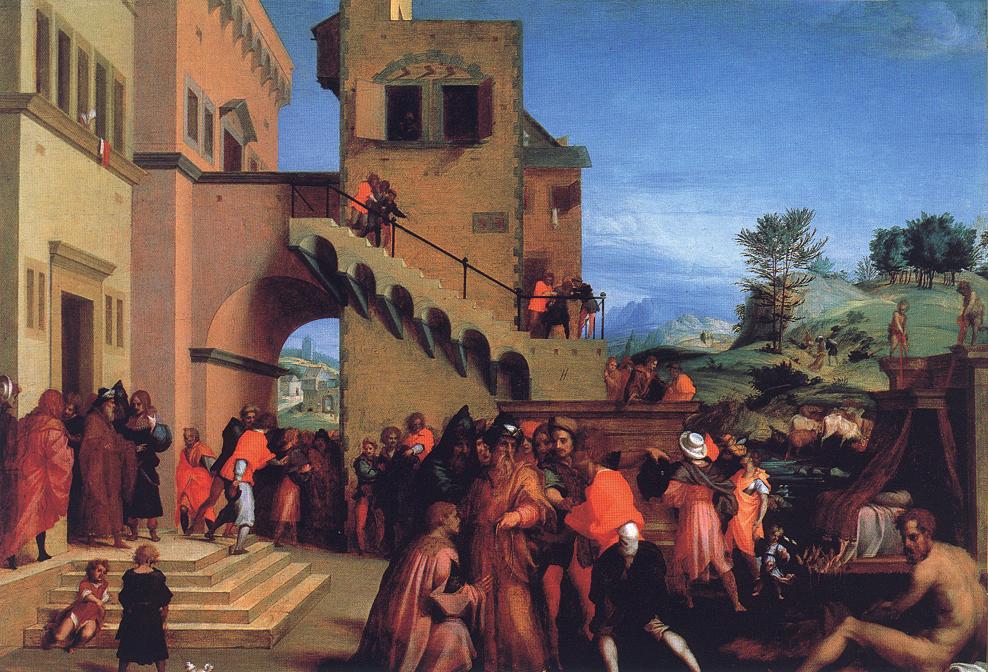
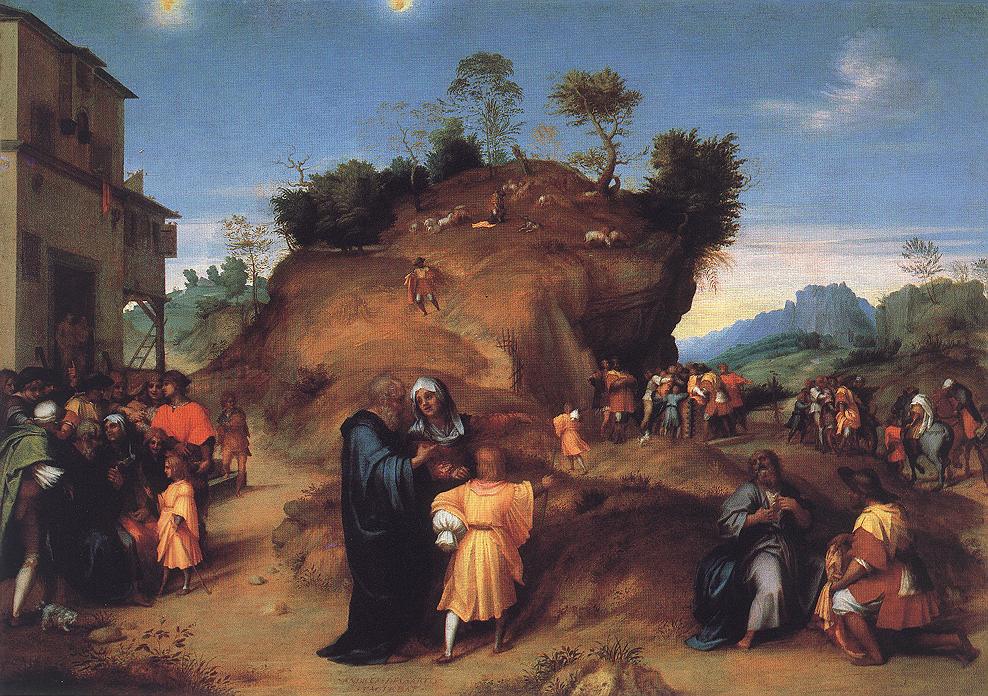
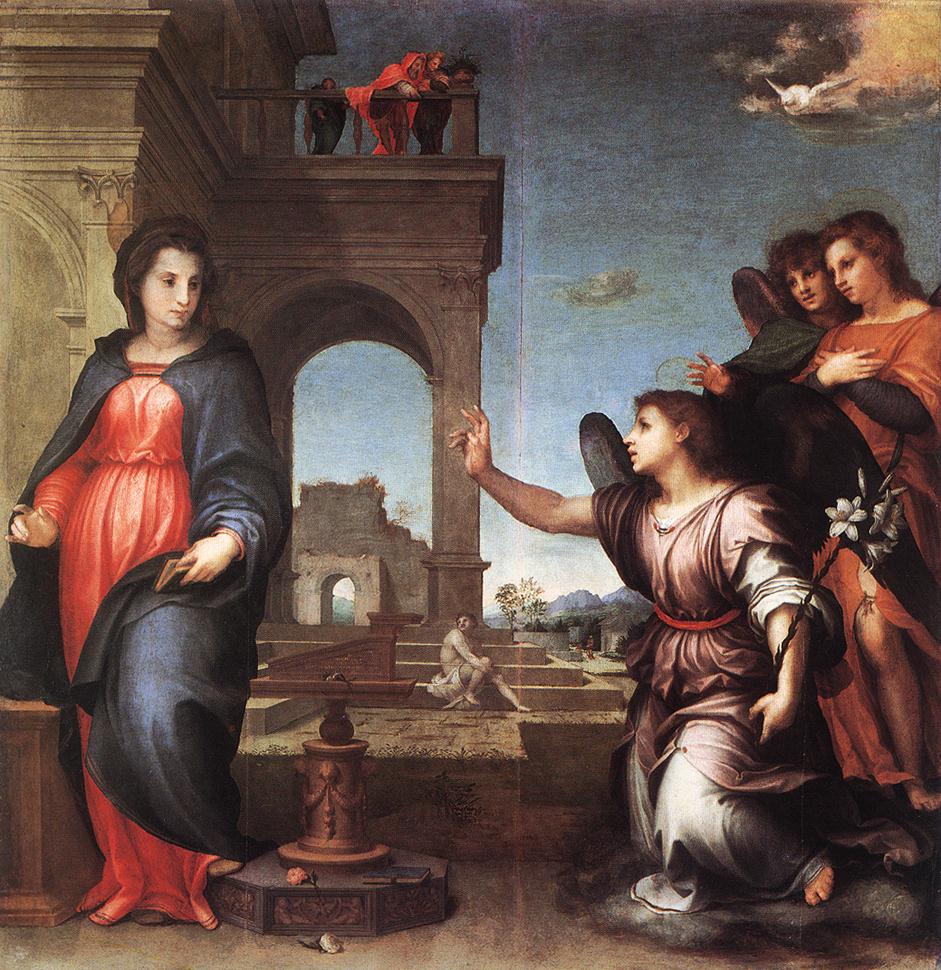
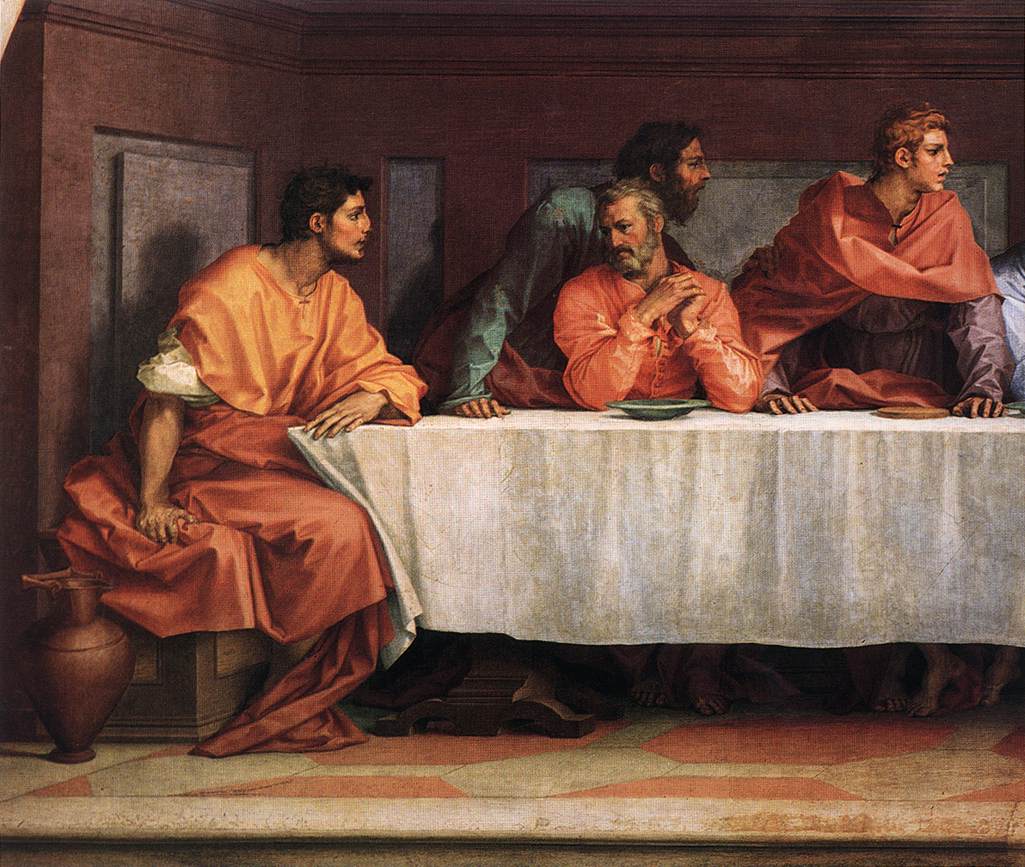
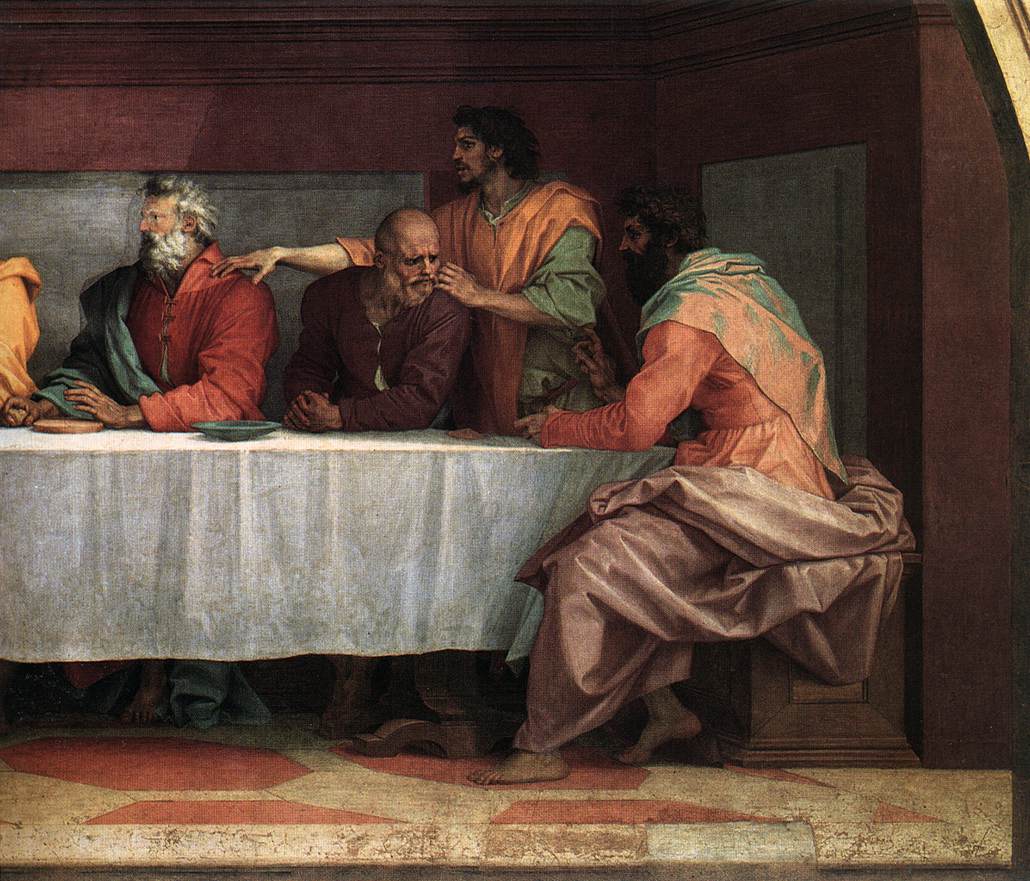
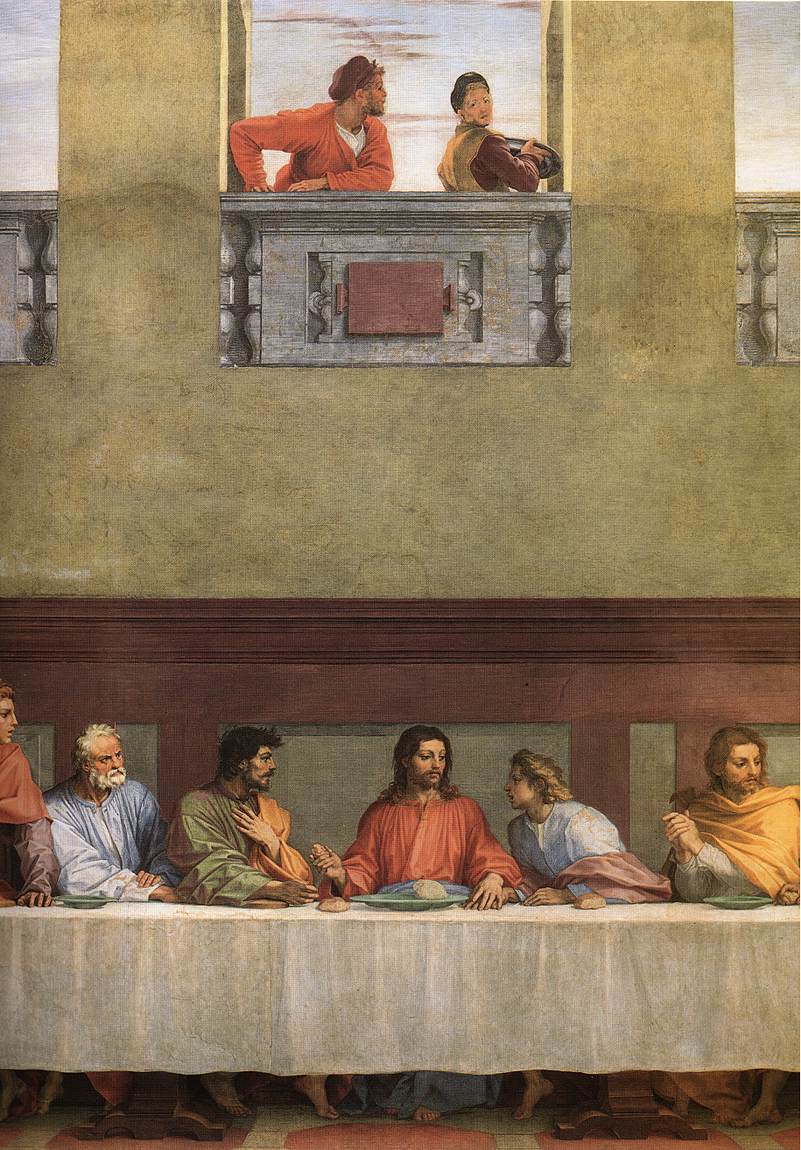
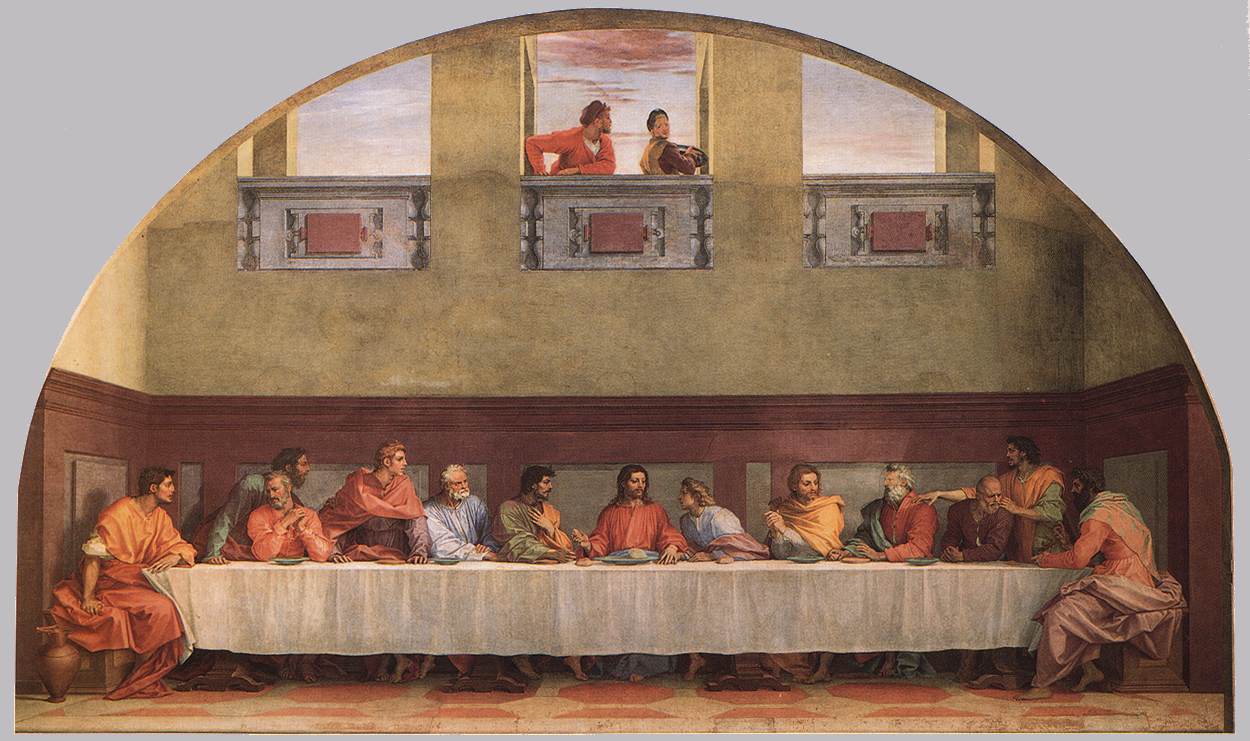
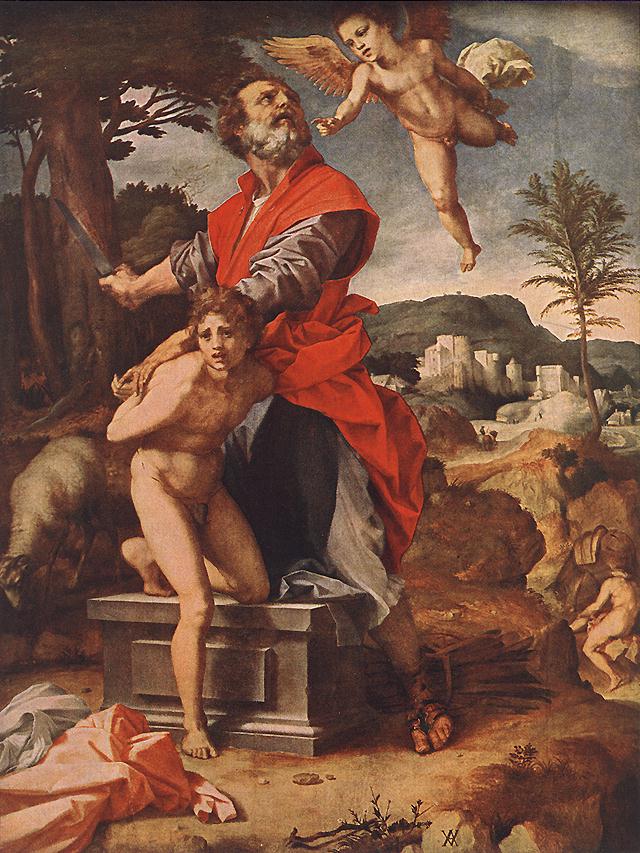
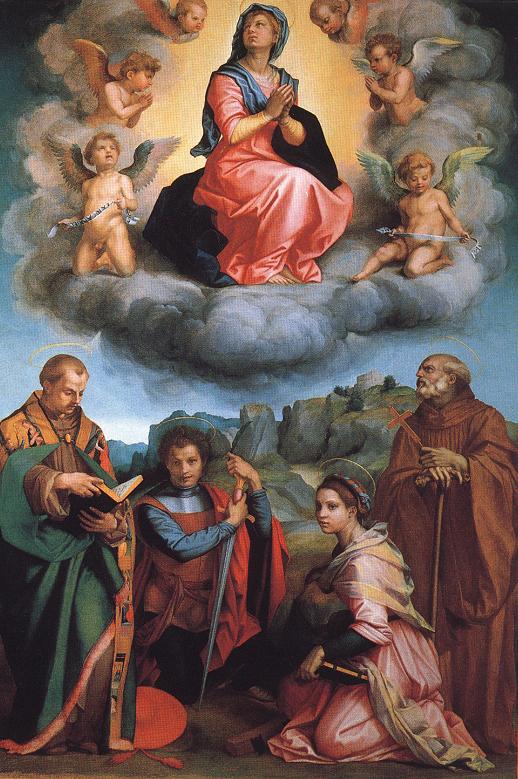
Andrea del Sarto was born in Florence in 1486 and became one of the leading painters of the High Renaissance. Known as “the faultless painter,” he earned this reputation for his exceptional mastery of color, balance, and technical precision. Trained in the Florentine tradition, Andrea combined the structural clarity of earlier Renaissance art with a softer, more harmonious style. His works often depict religious scenes marked by calm expressions and refined human interaction.
Throughout his career, Andrea worked for important patrons in Florence and abroad, including the French court. Despite professional success, his life was shaped by financial difficulties and complex personal relationships. He preferred a quiet working life, focusing on craftsmanship rather than innovation or fame. Andrea del Sarto died in 1530 during a plague outbreak in Florence. His legacy endures in the elegance and technical excellence of his paintings, which influenced generations of later artists.