Albert Bierstadt
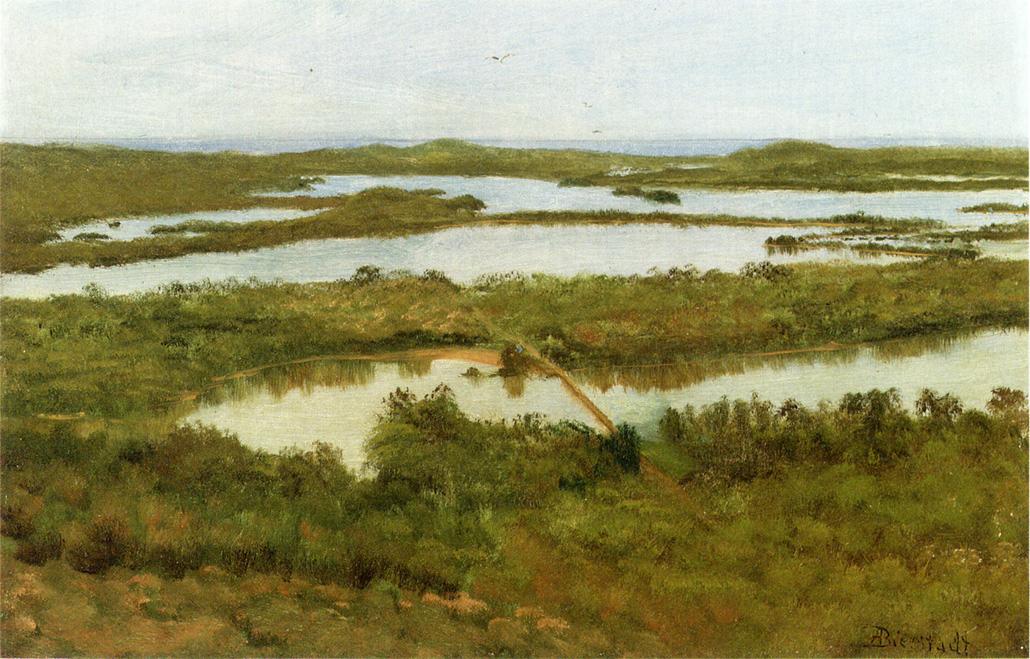
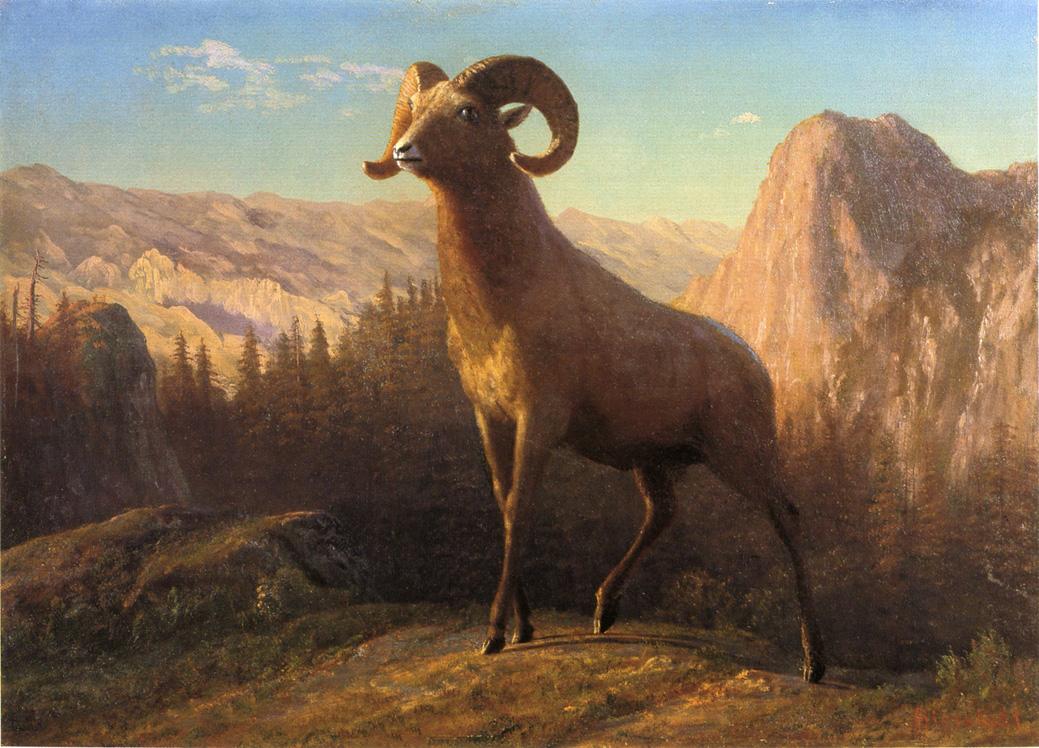
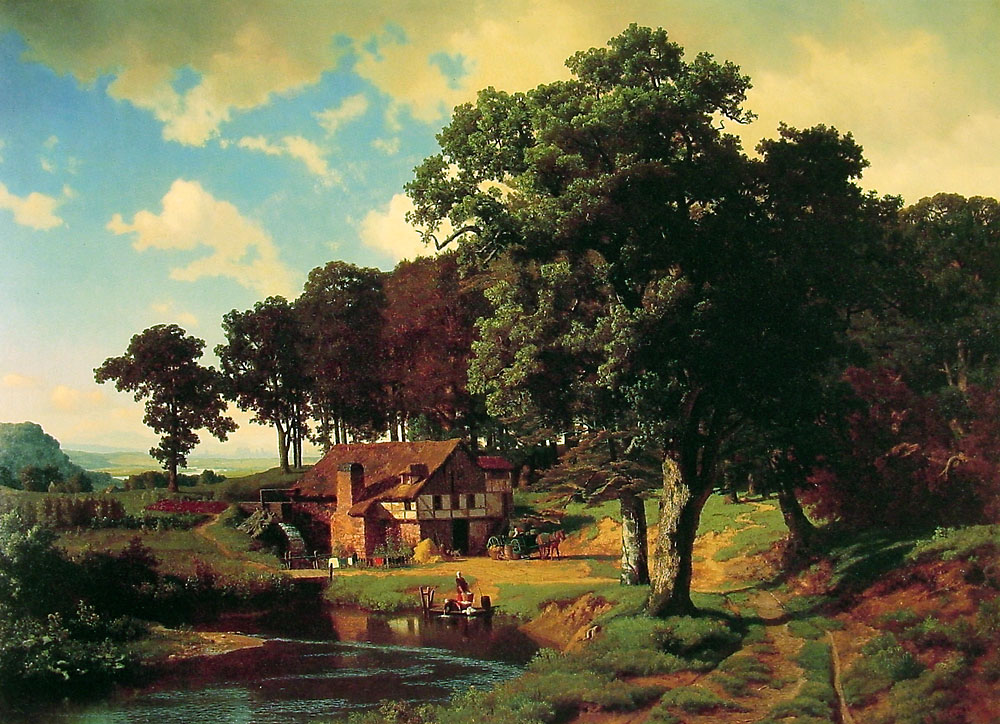
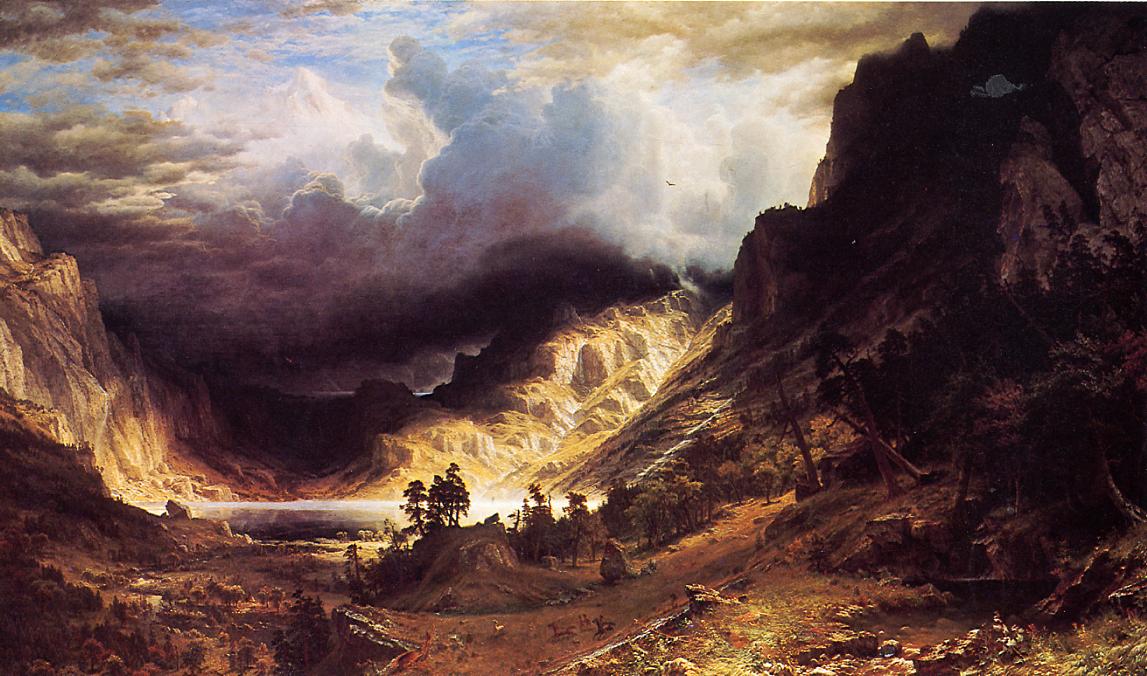
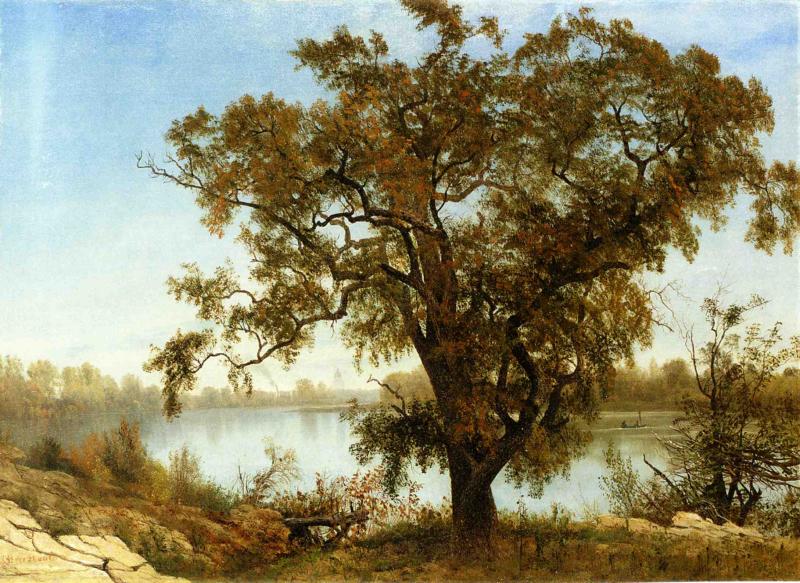
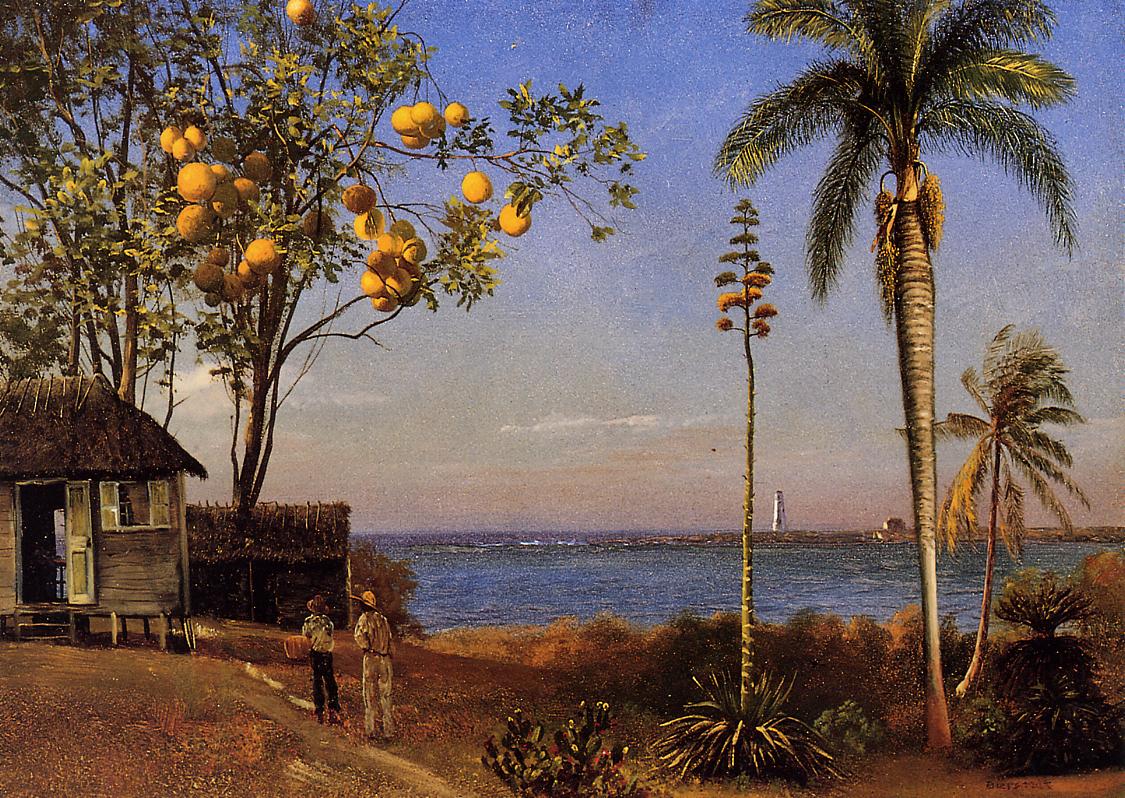
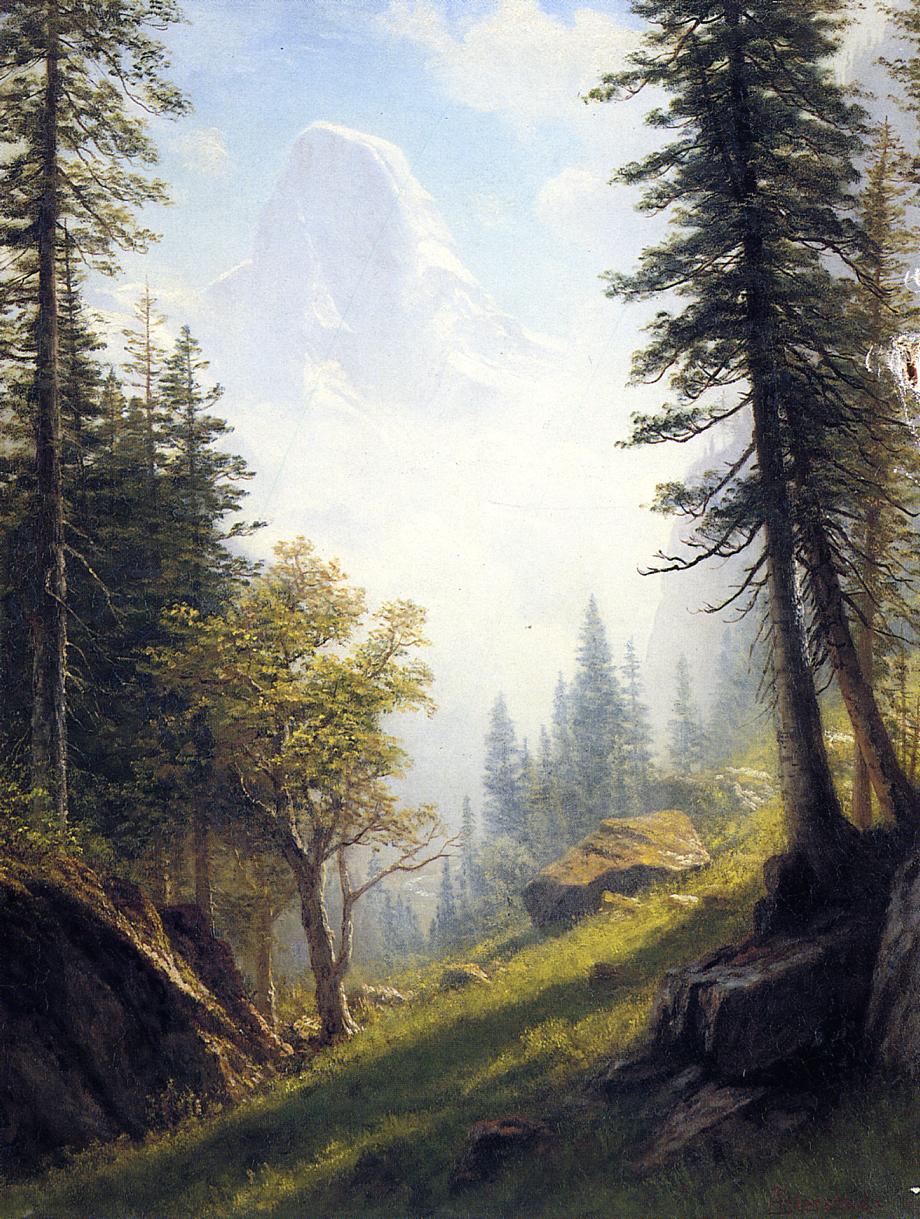
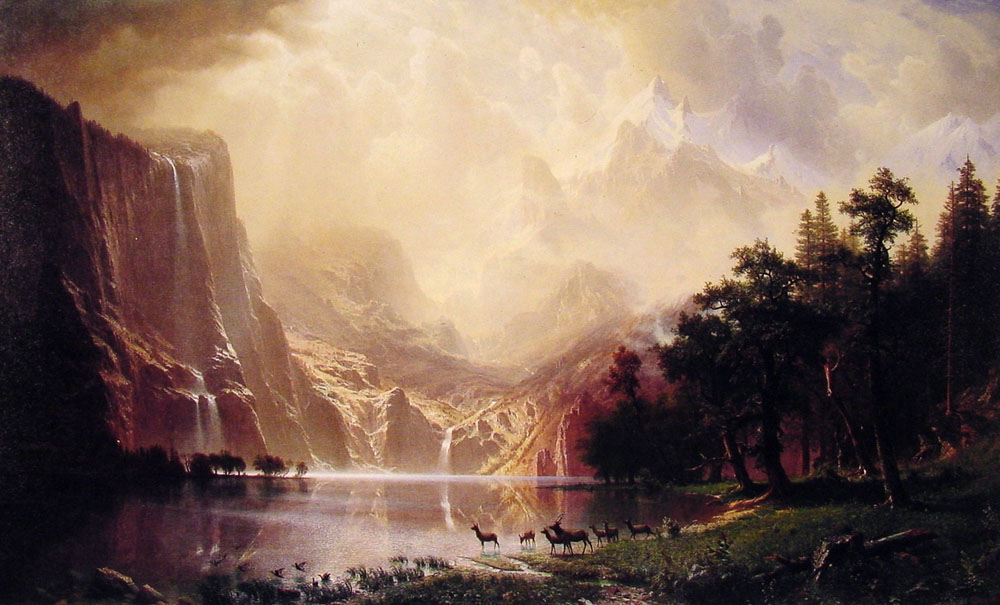
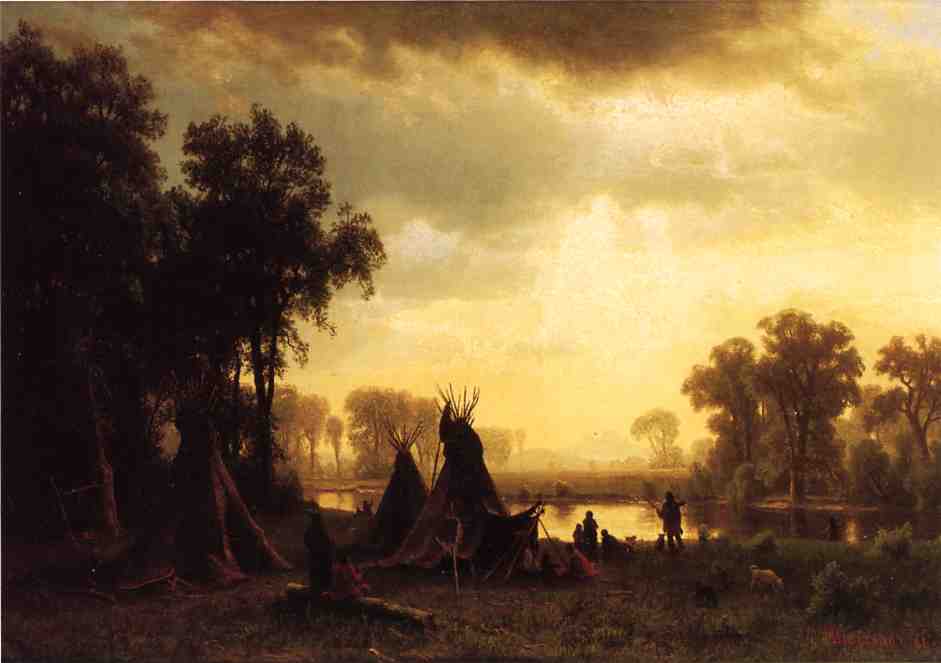
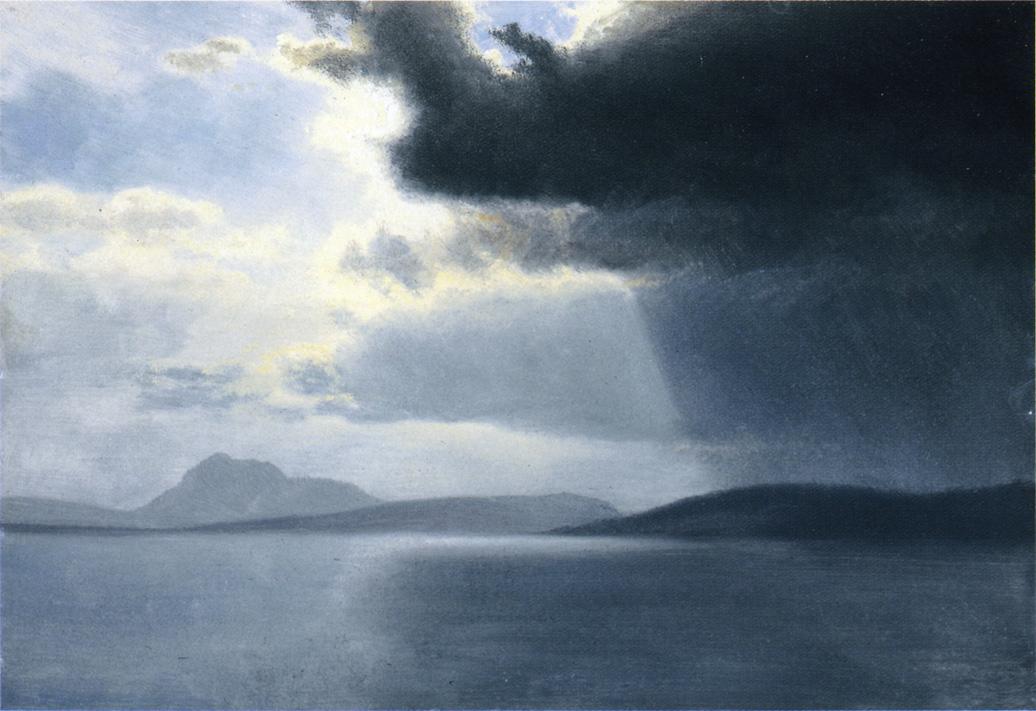
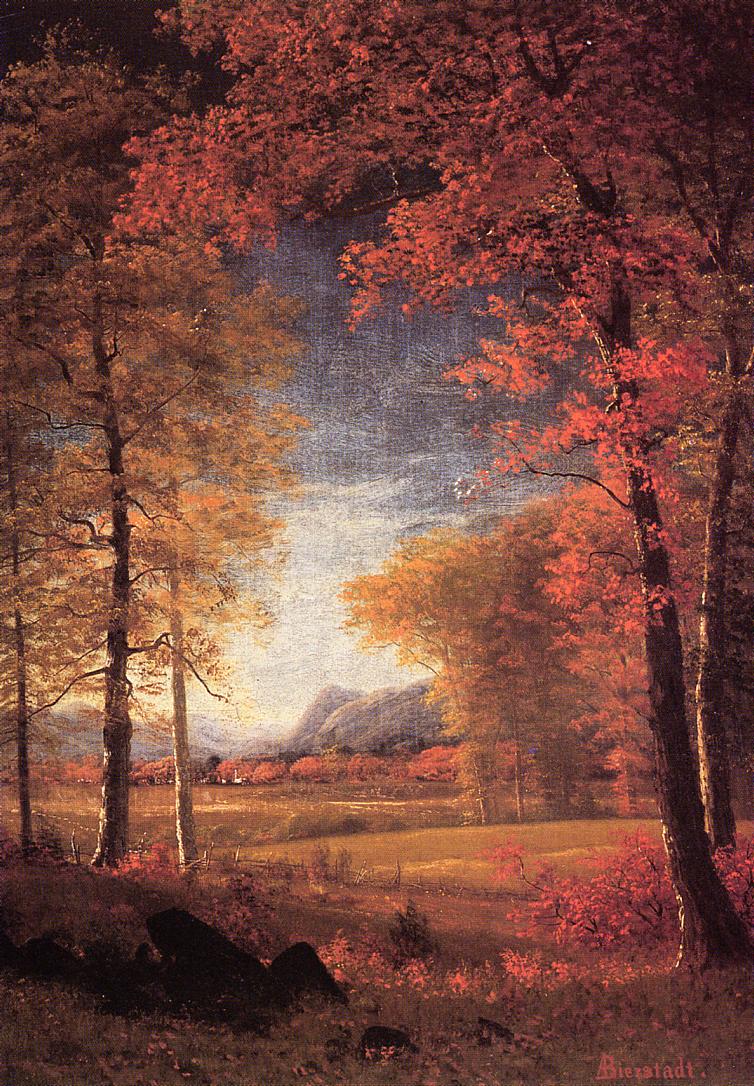
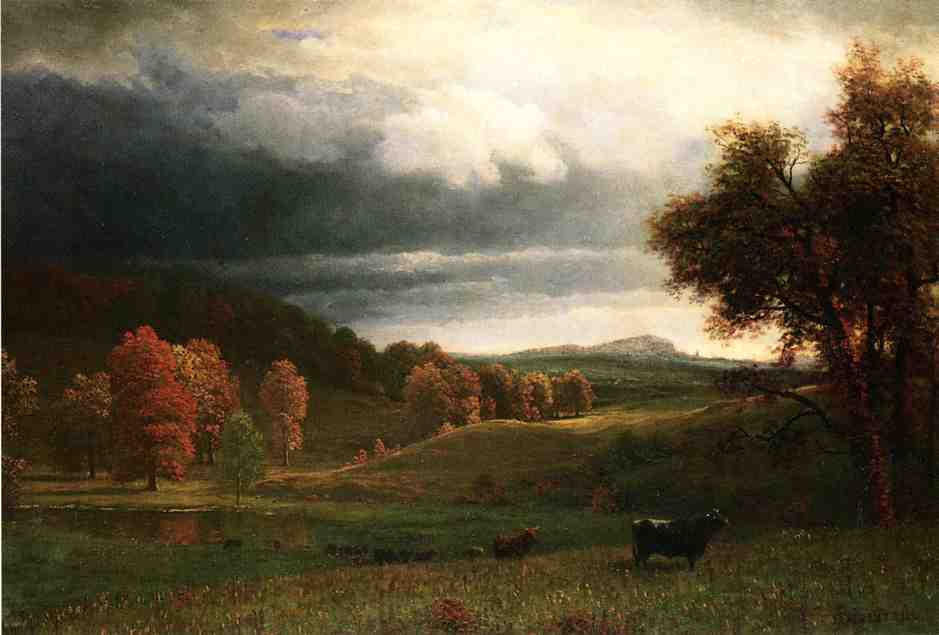
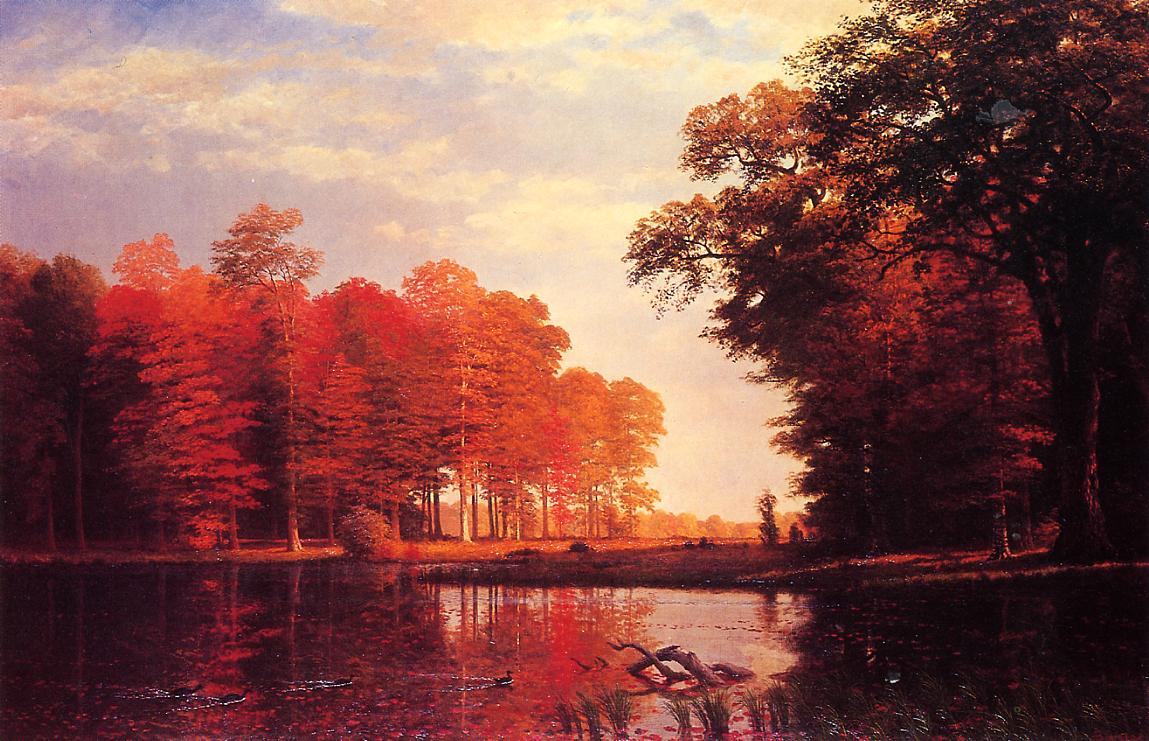
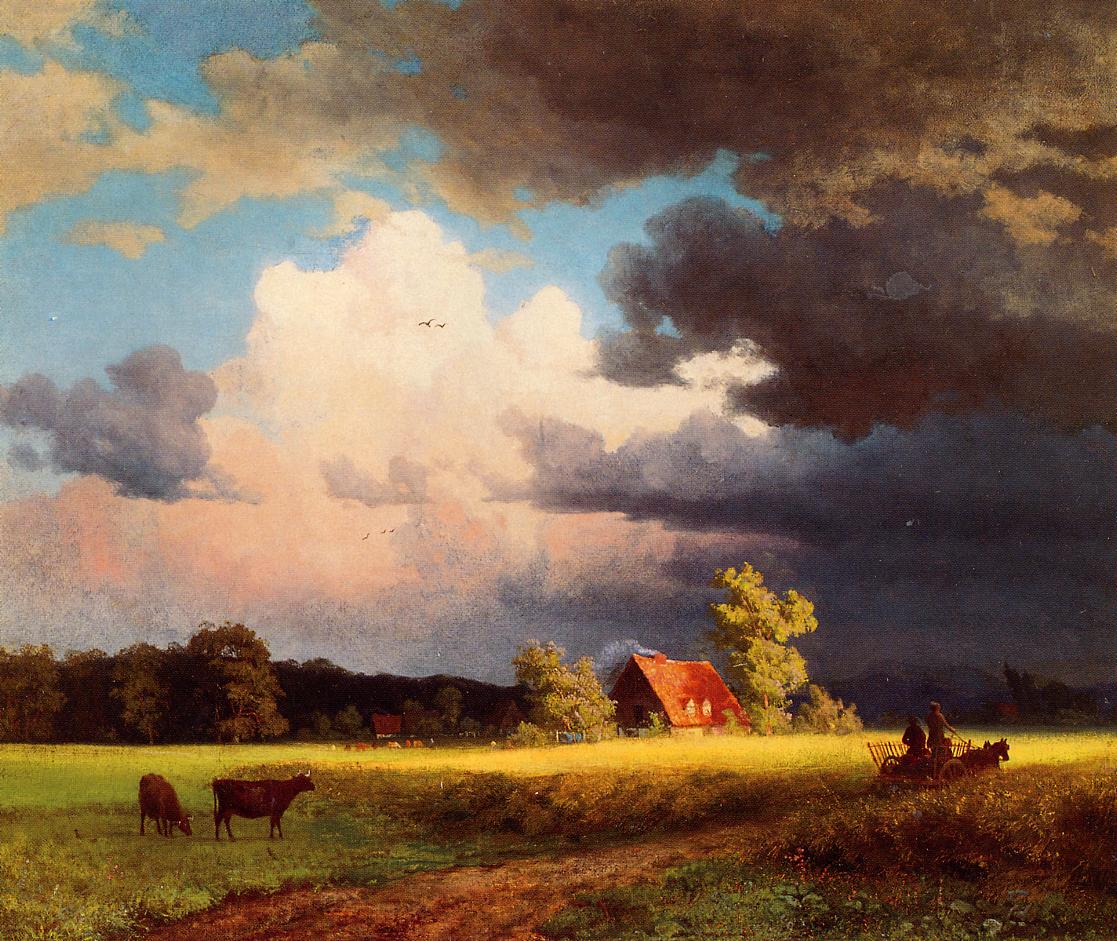
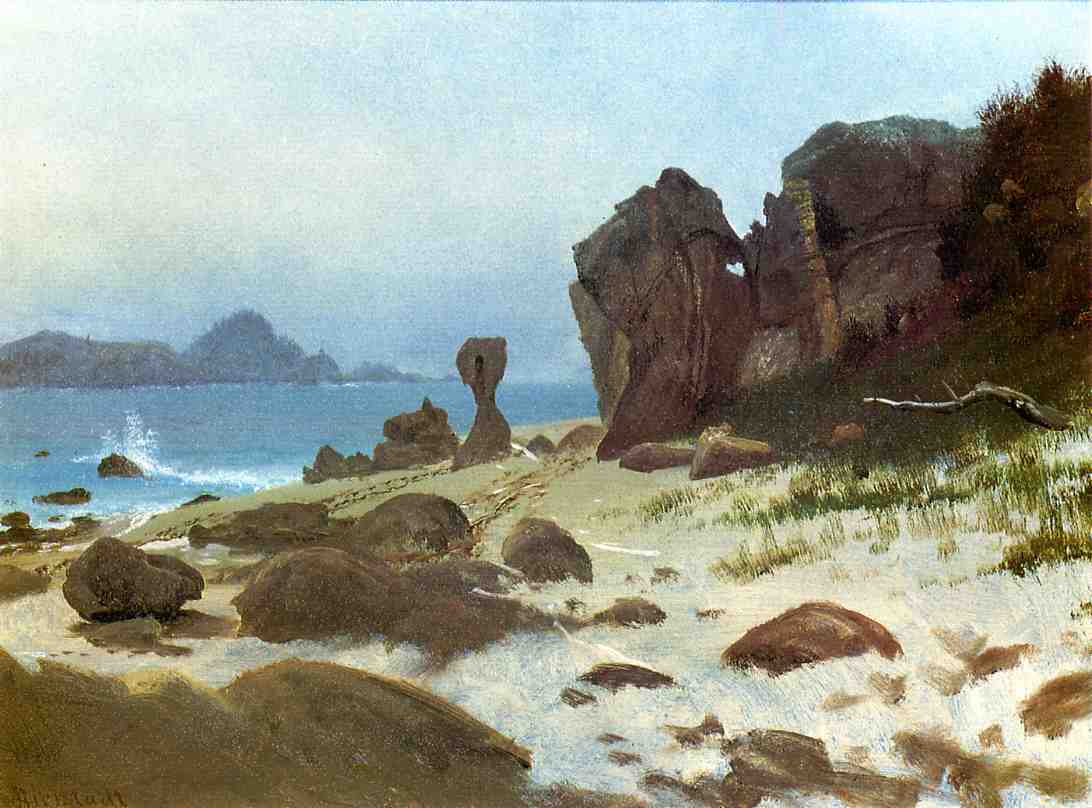
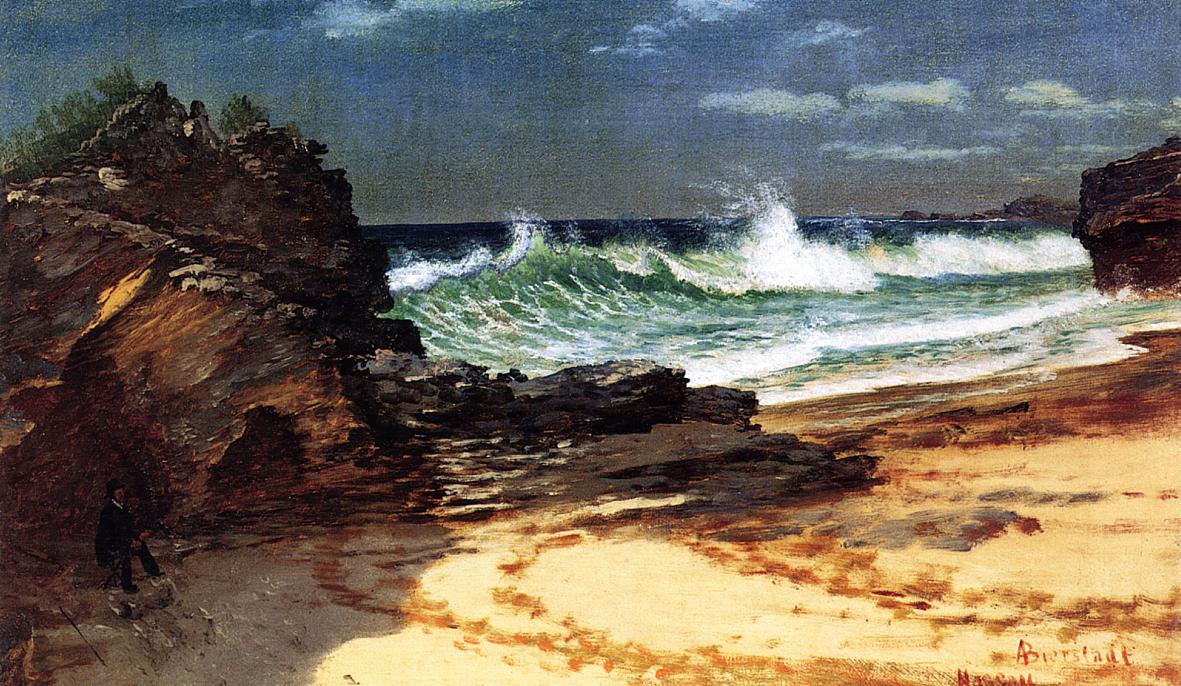
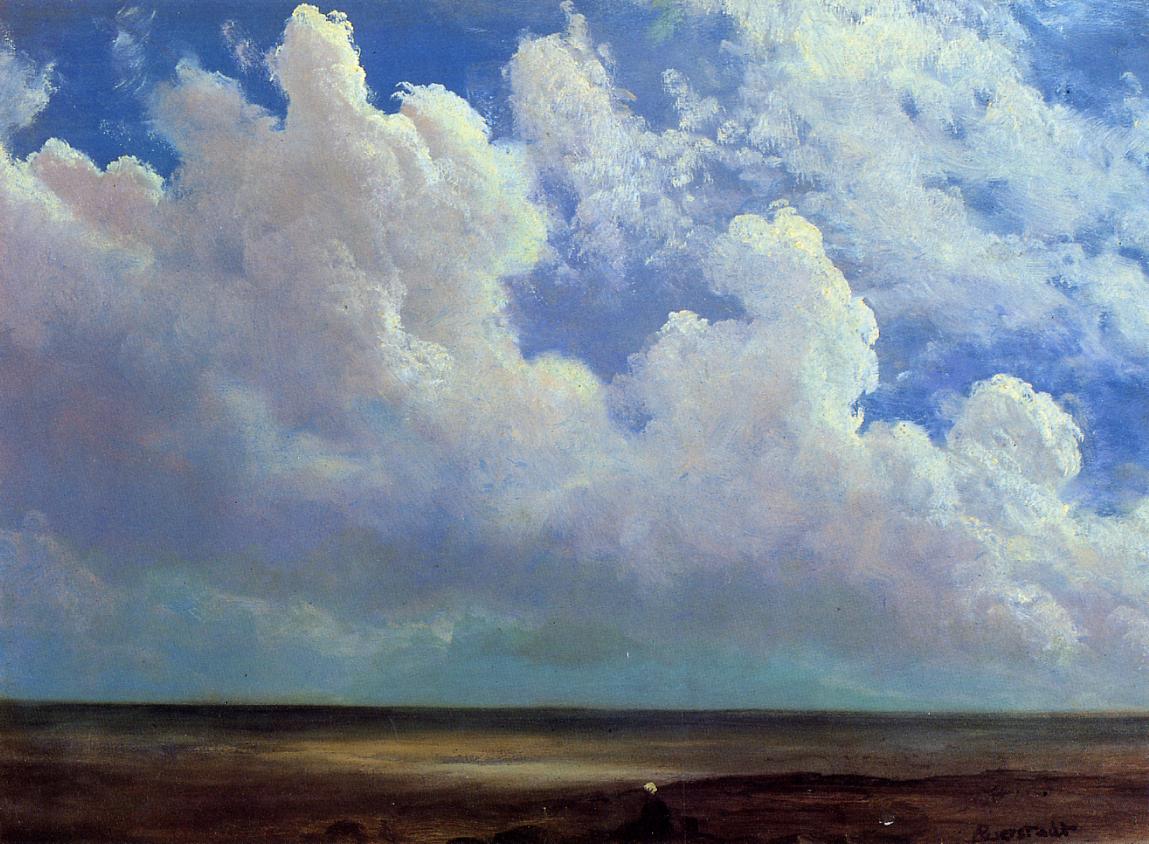
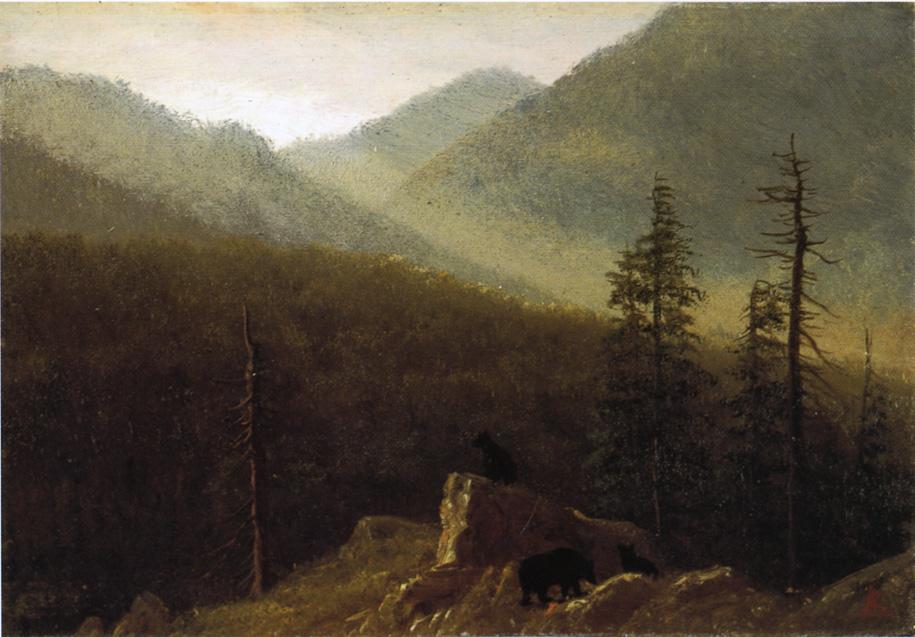
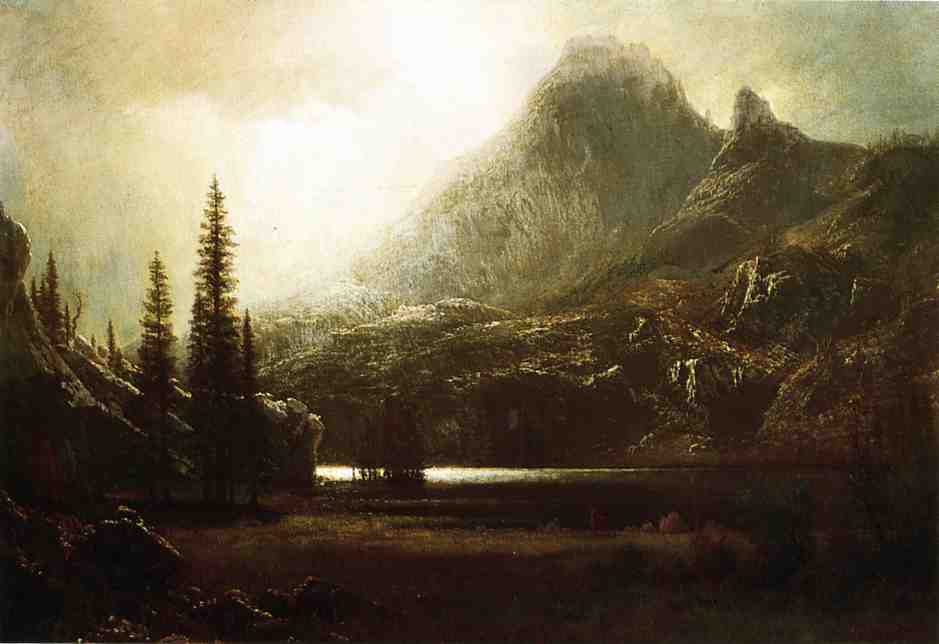
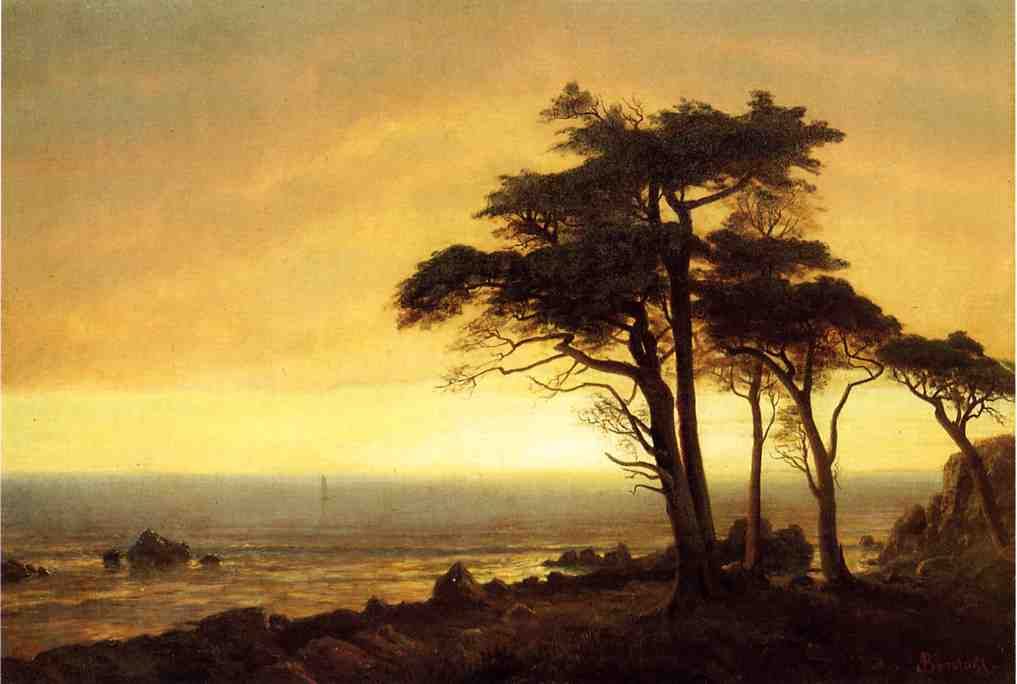
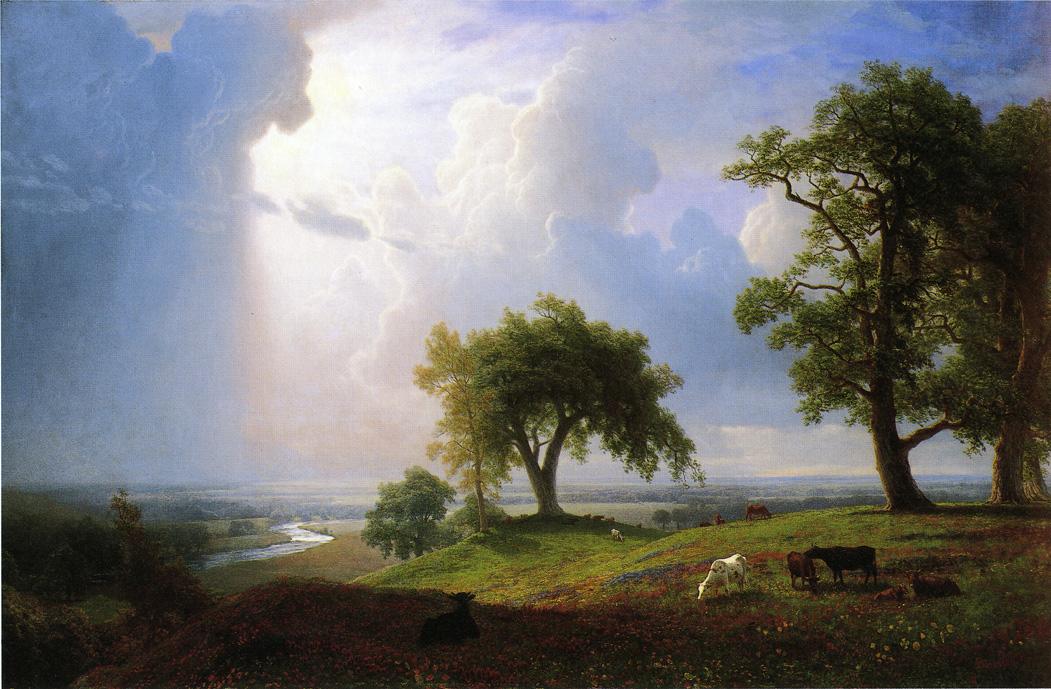
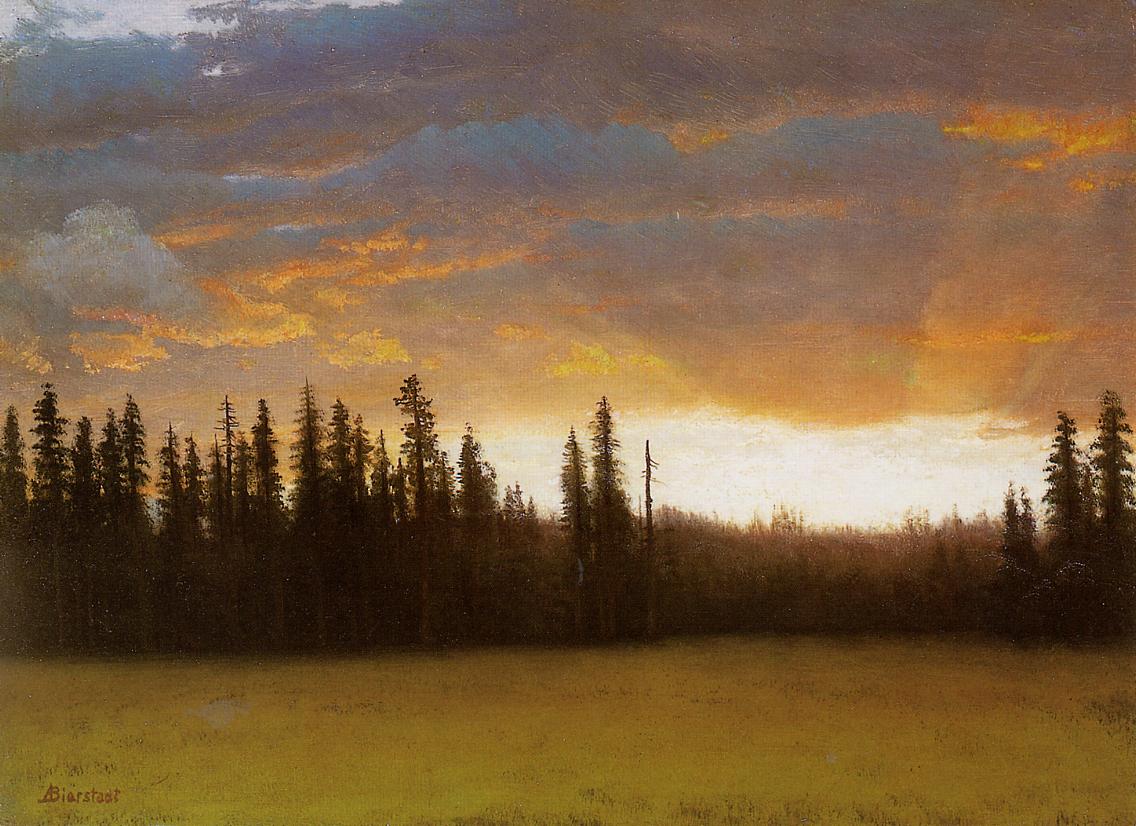
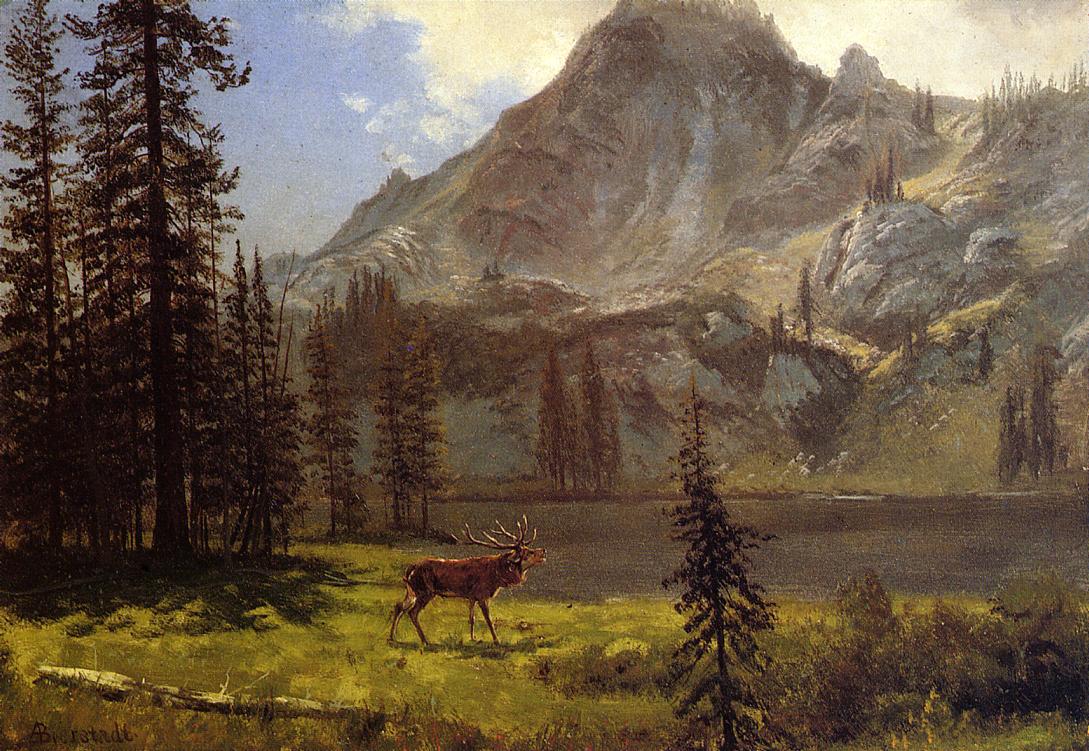
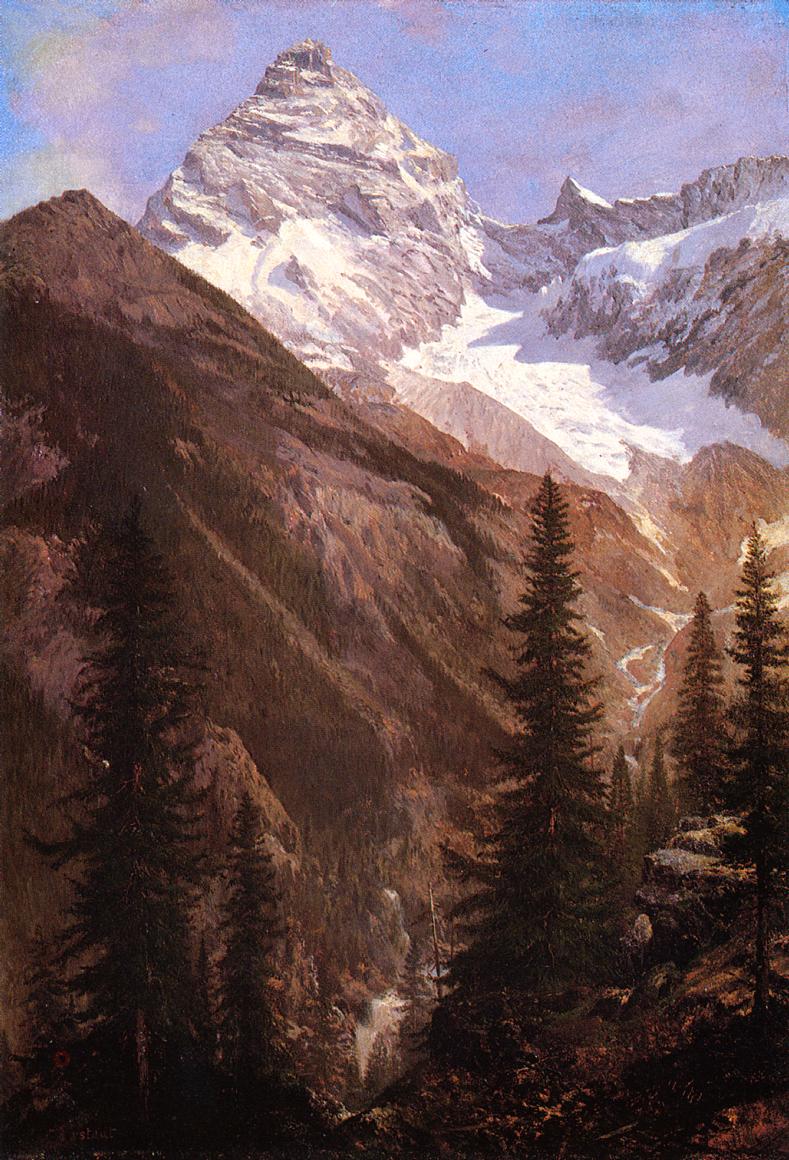
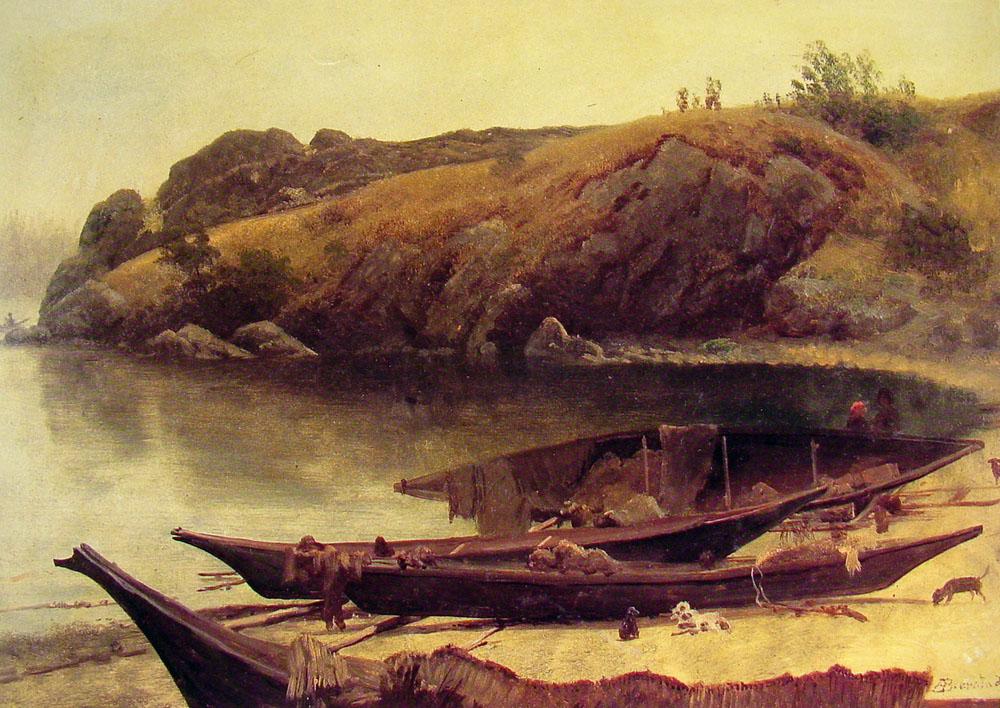
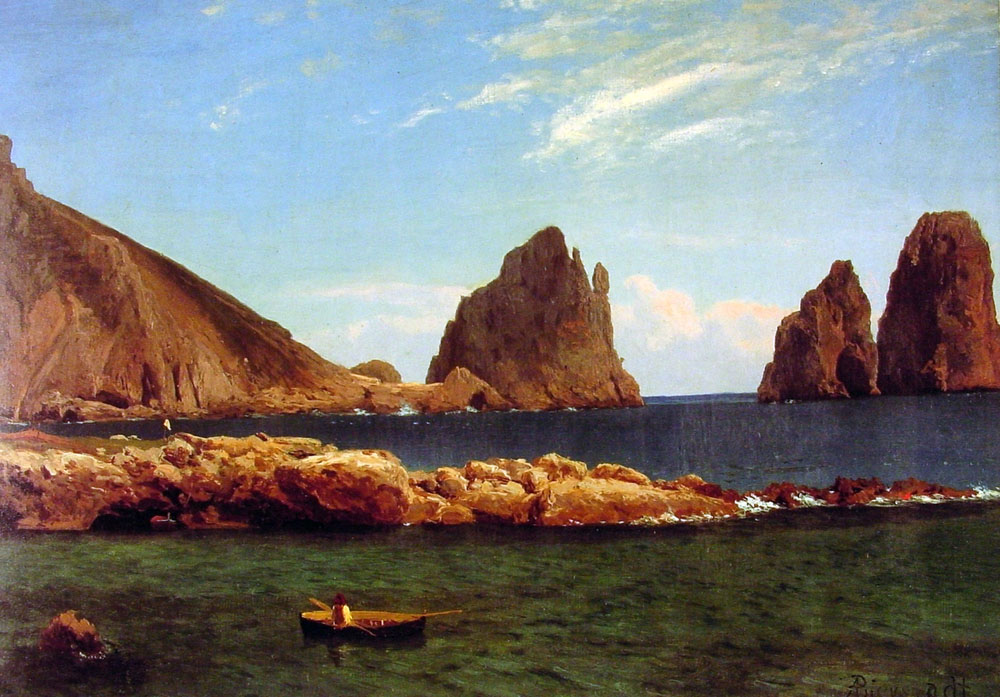
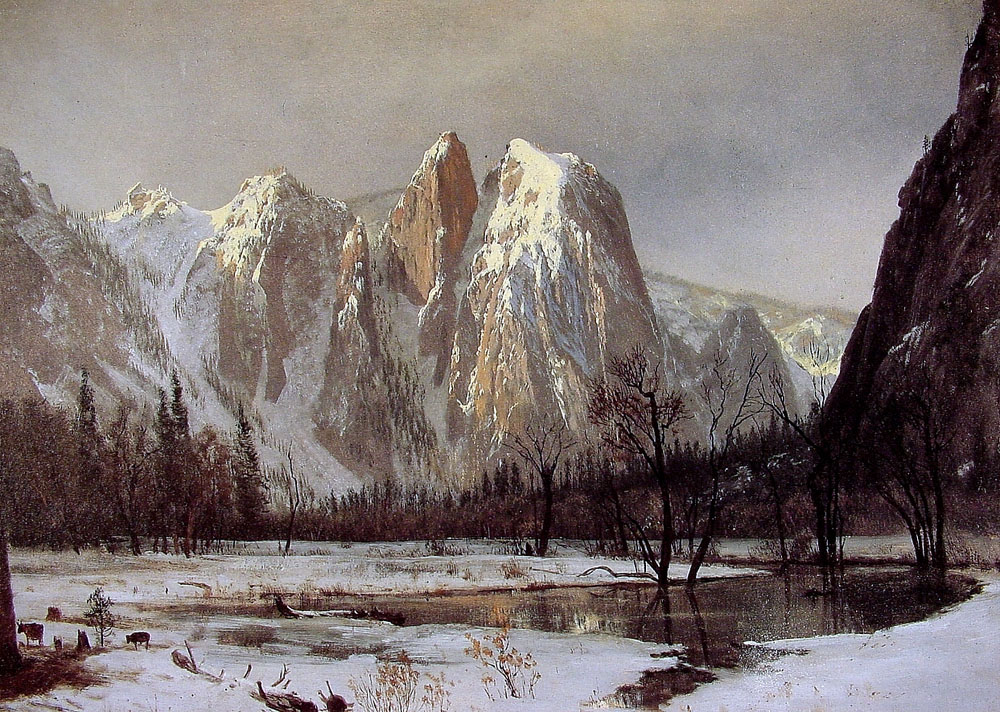
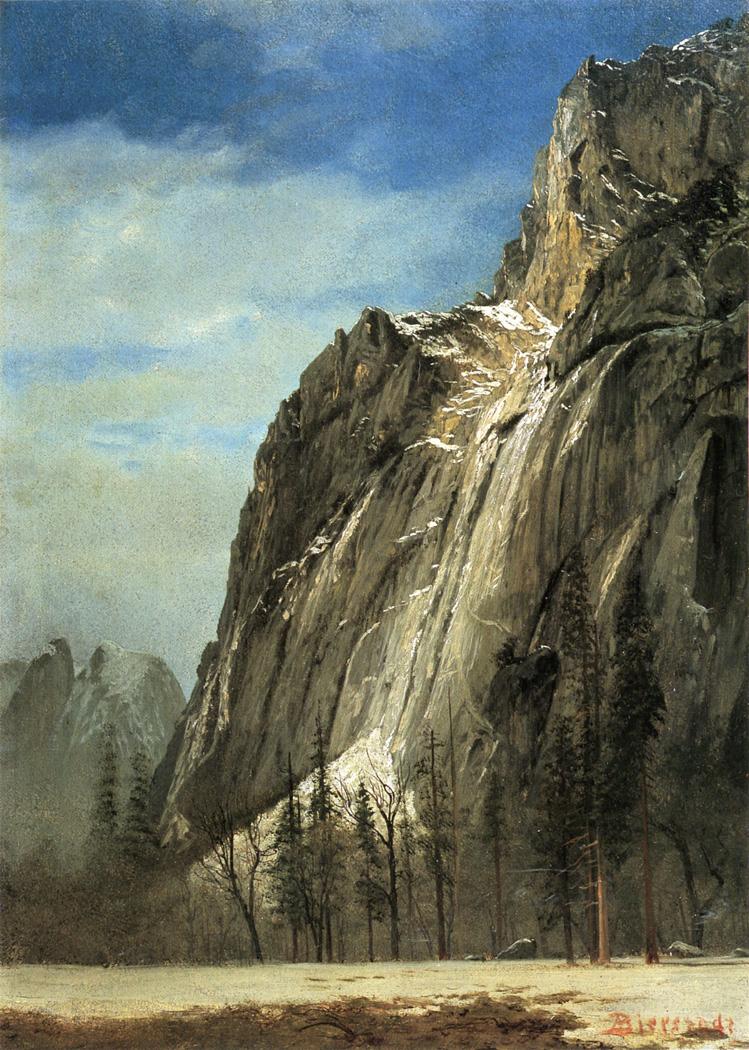
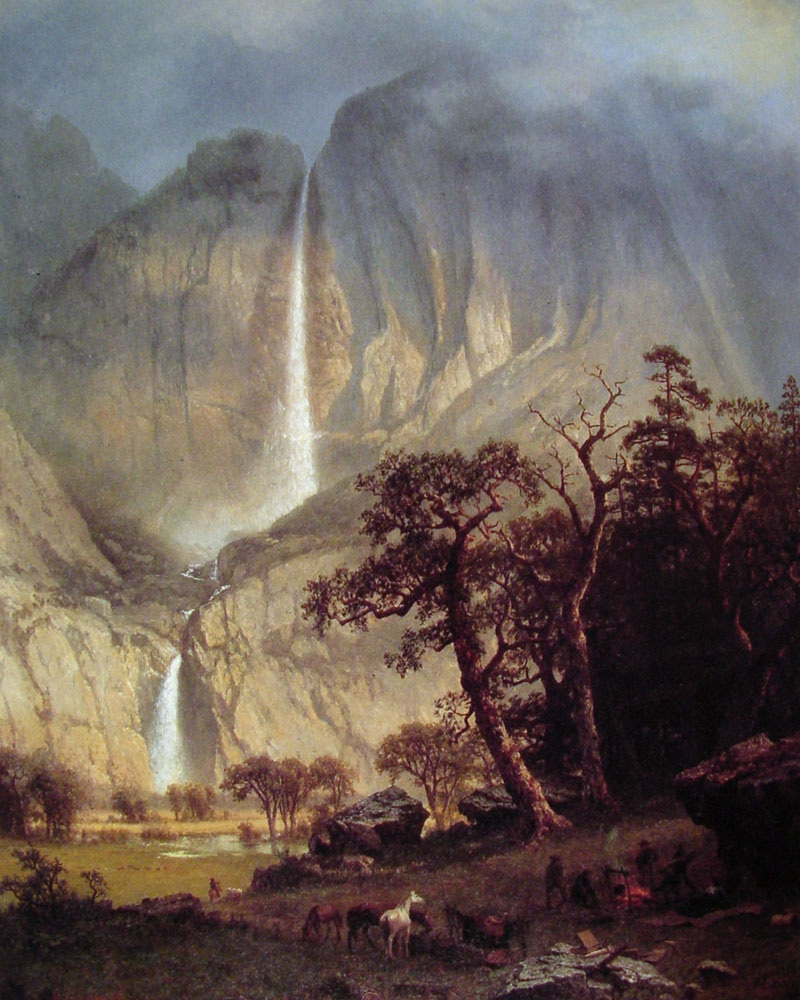
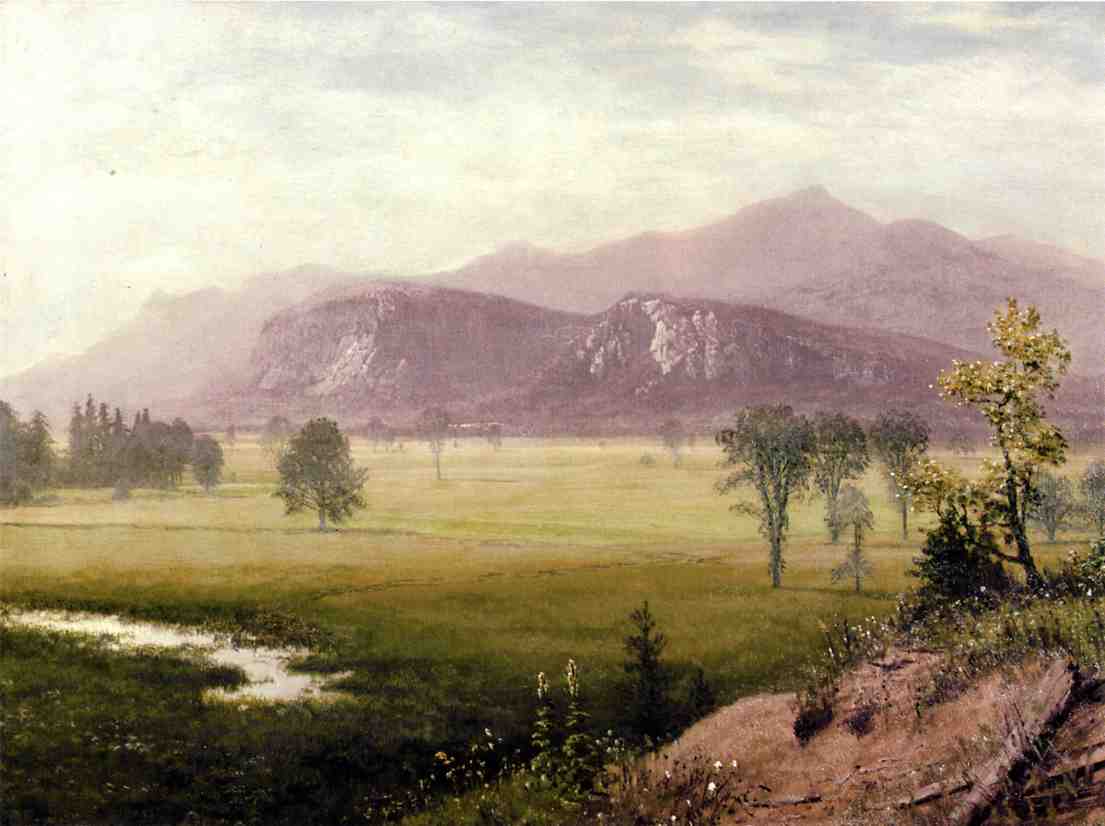
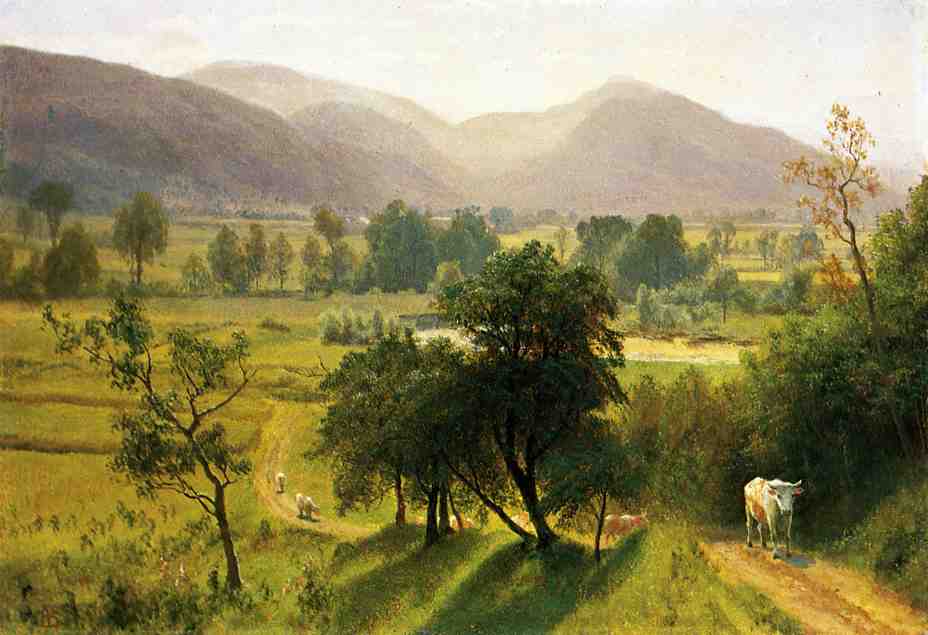
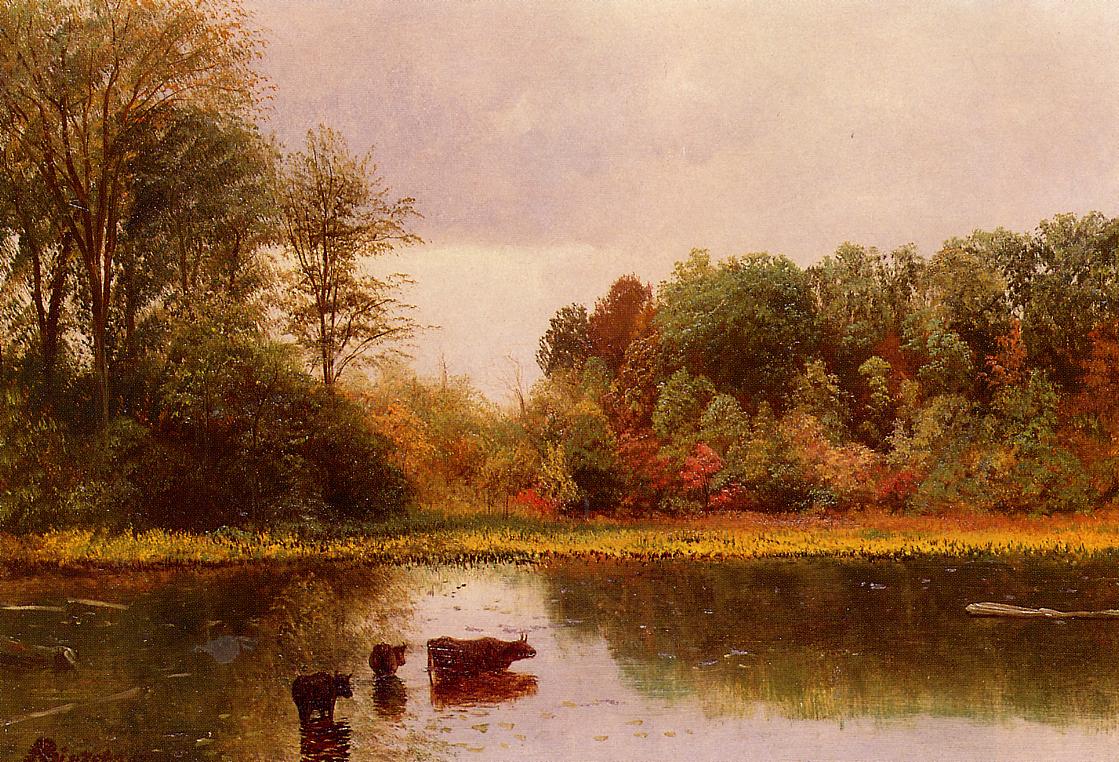
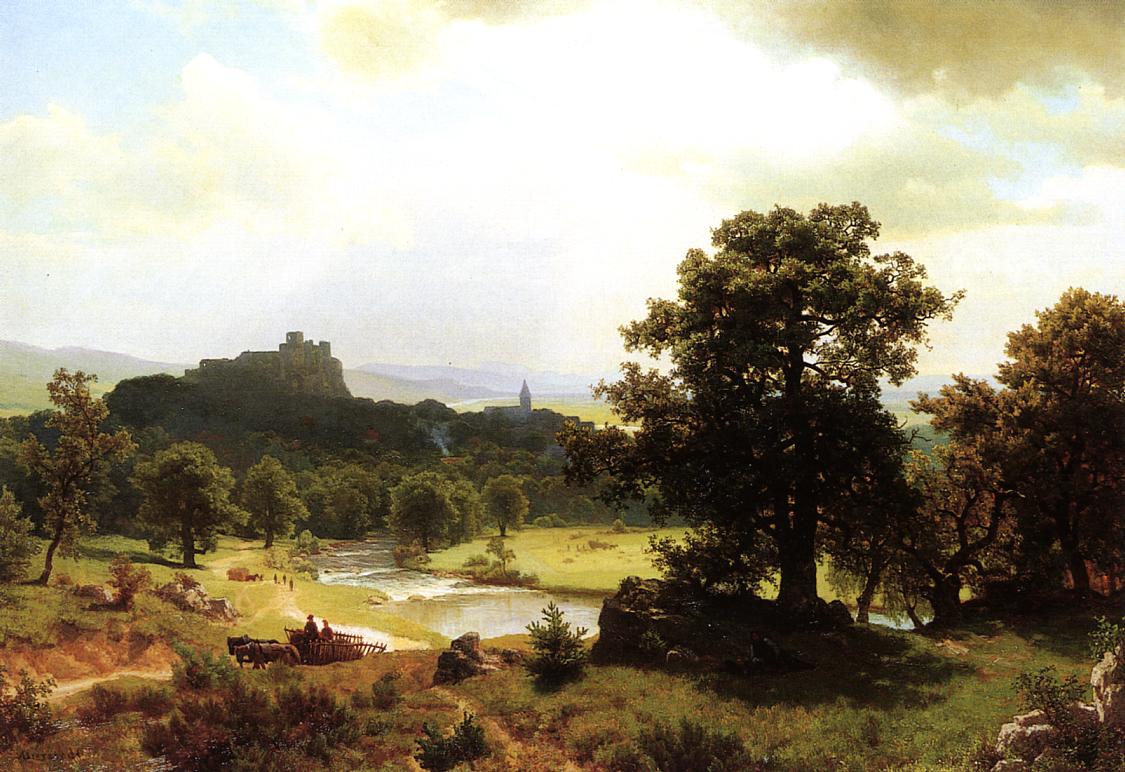
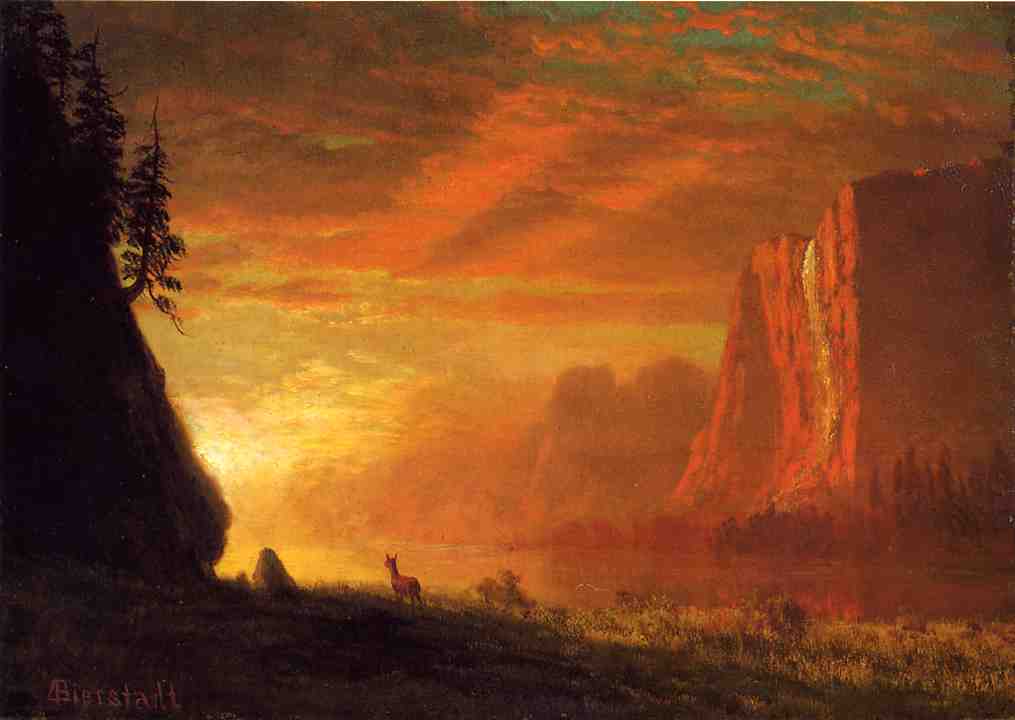
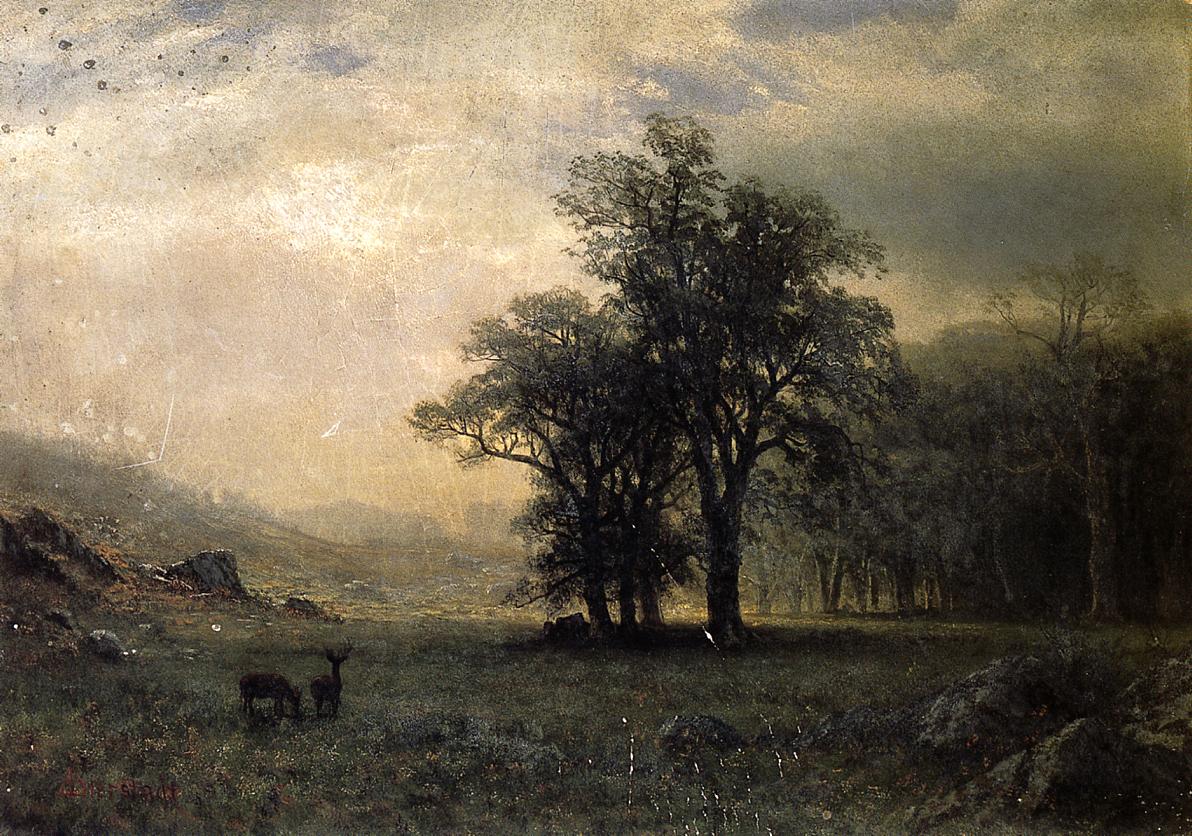
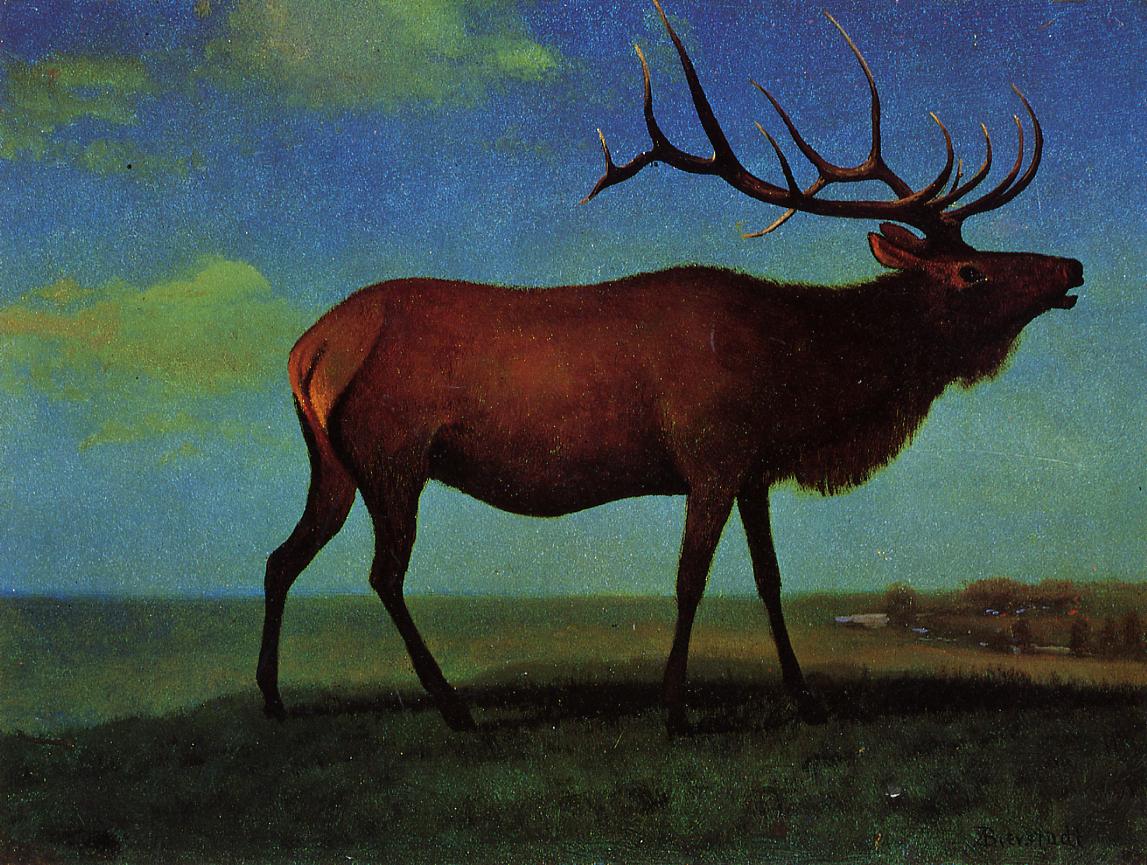
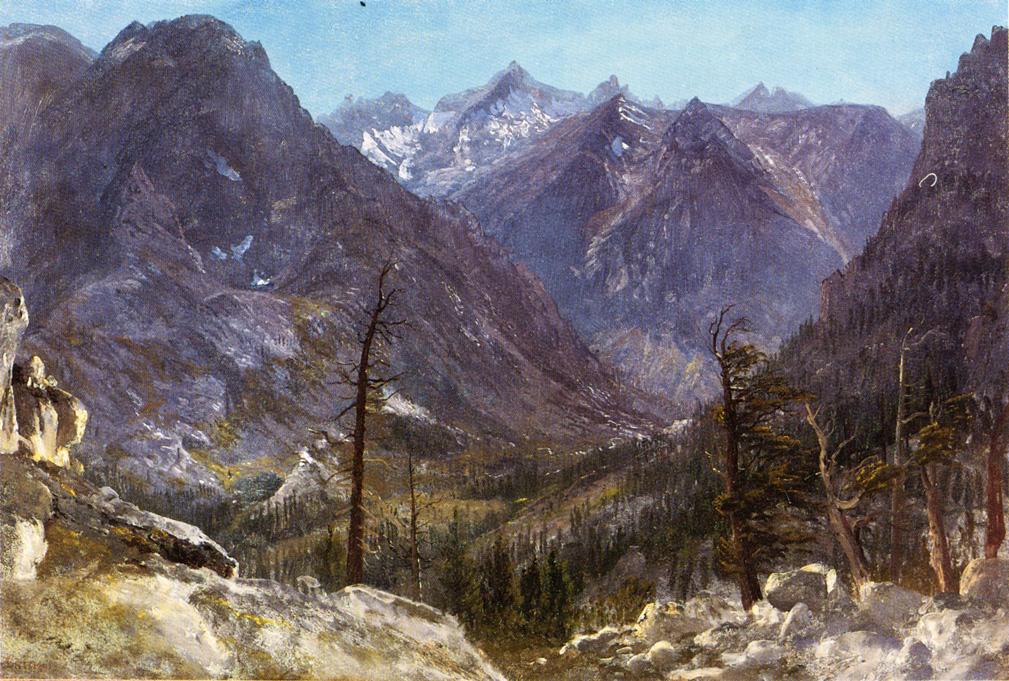
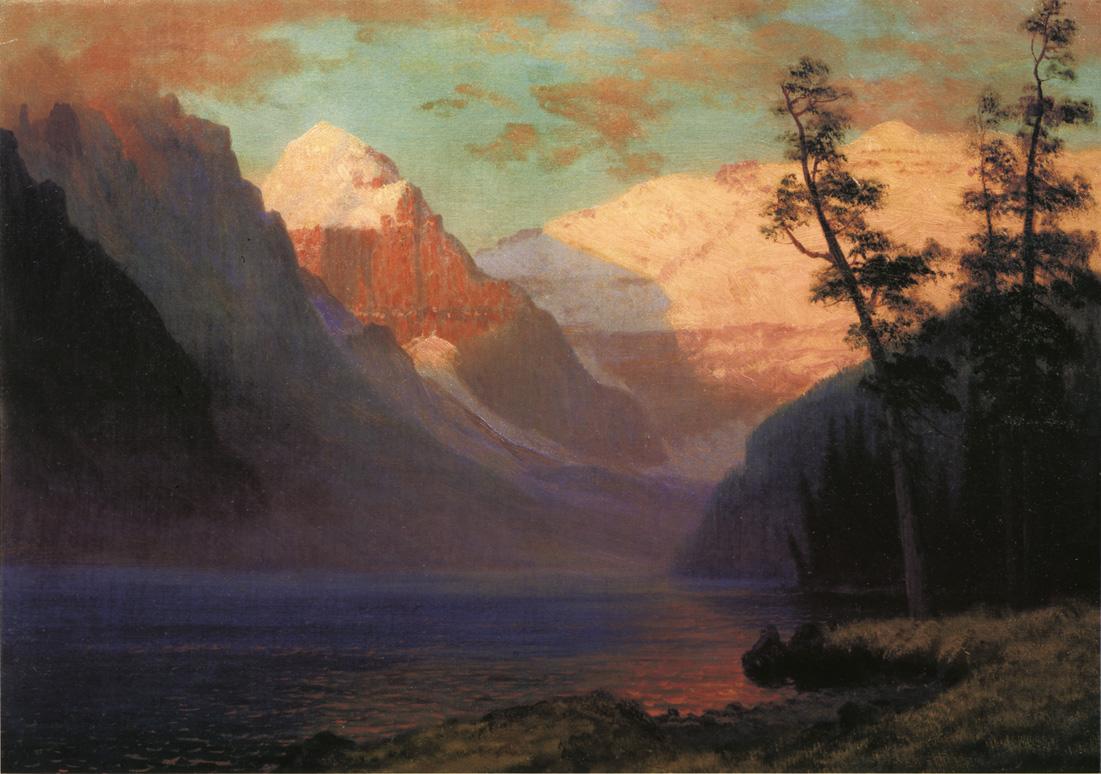
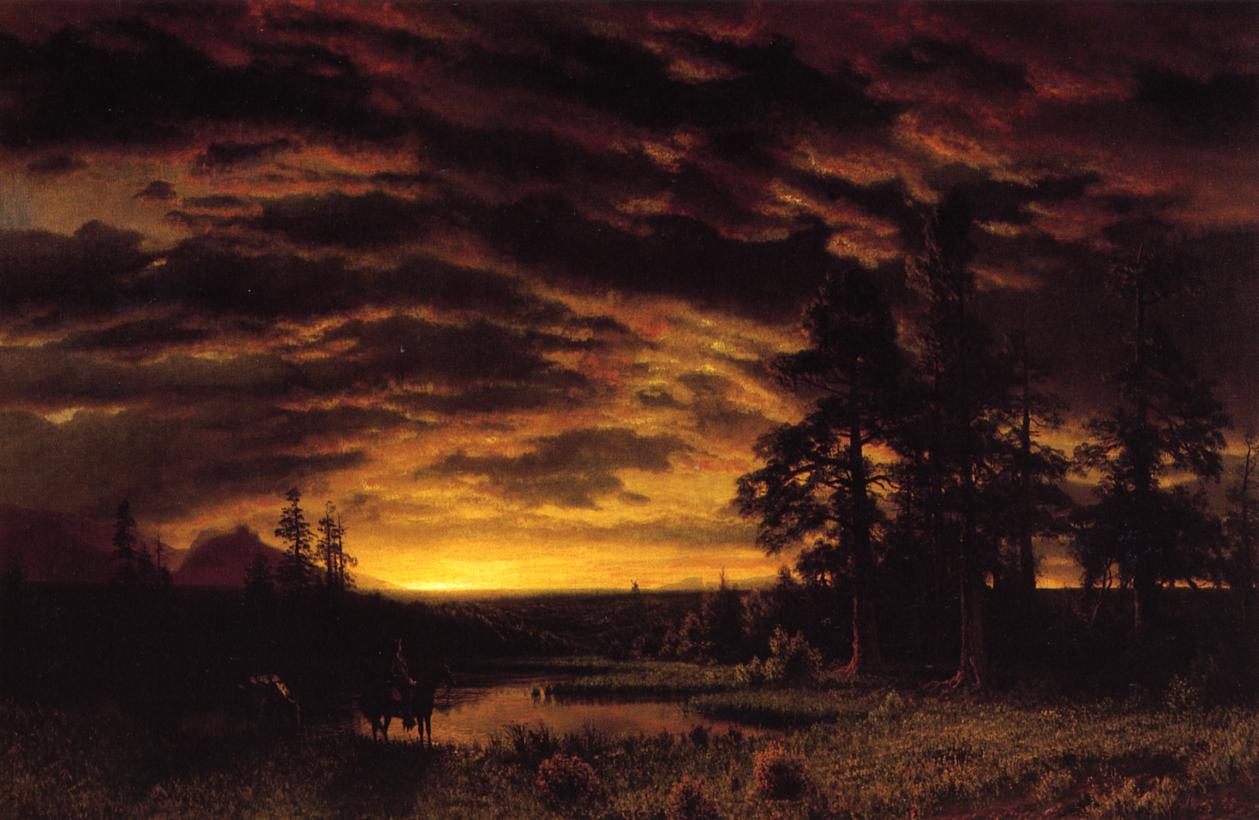
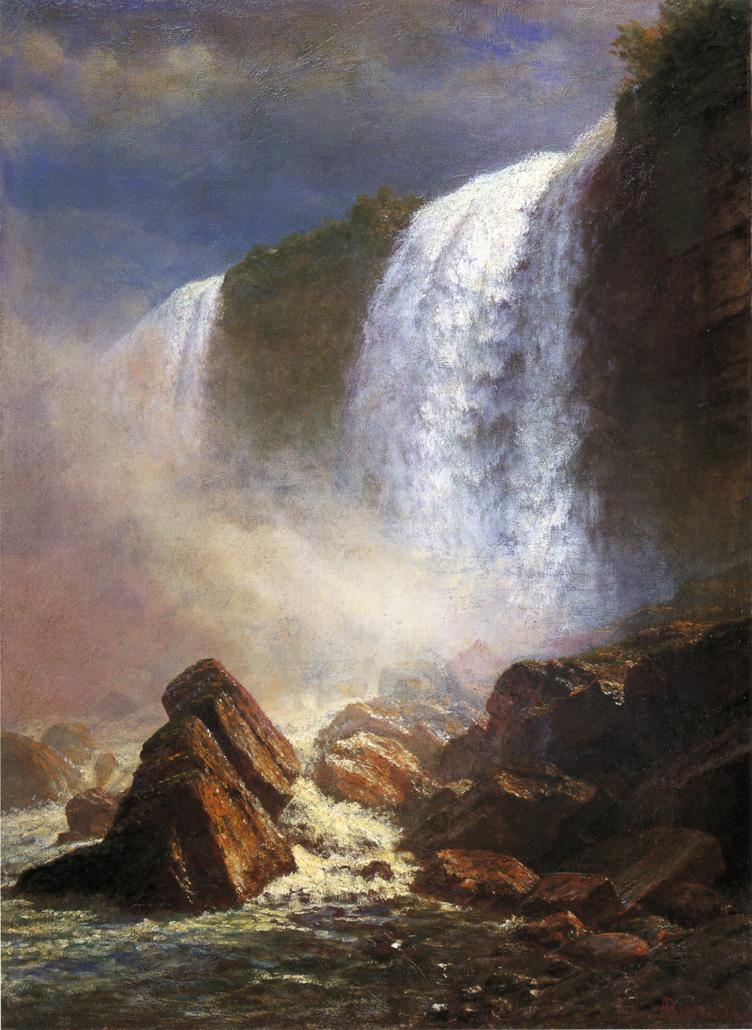
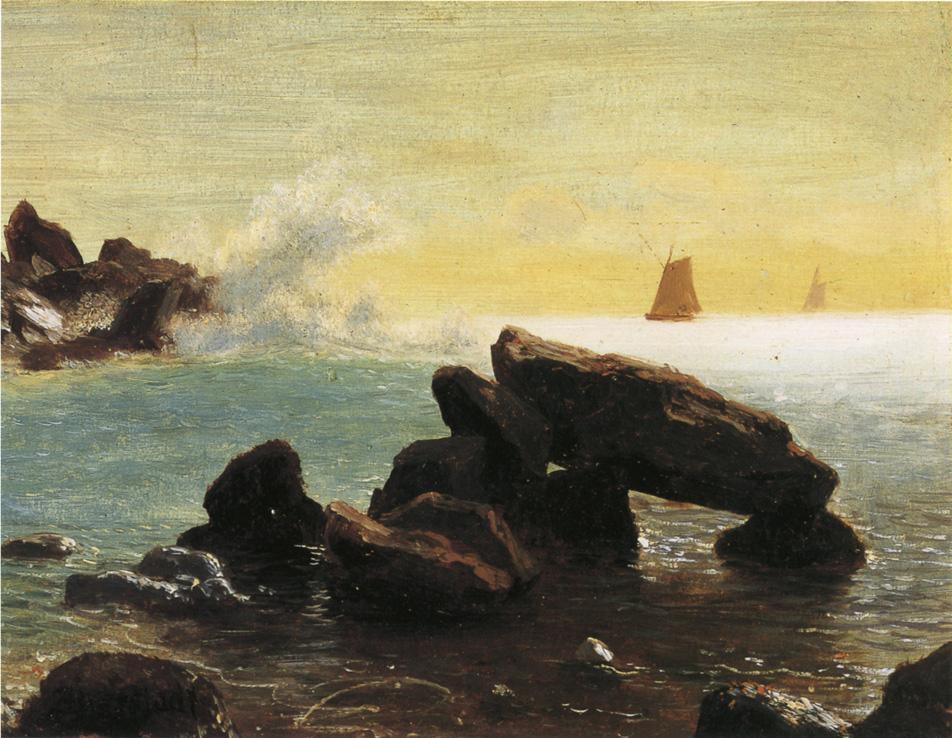
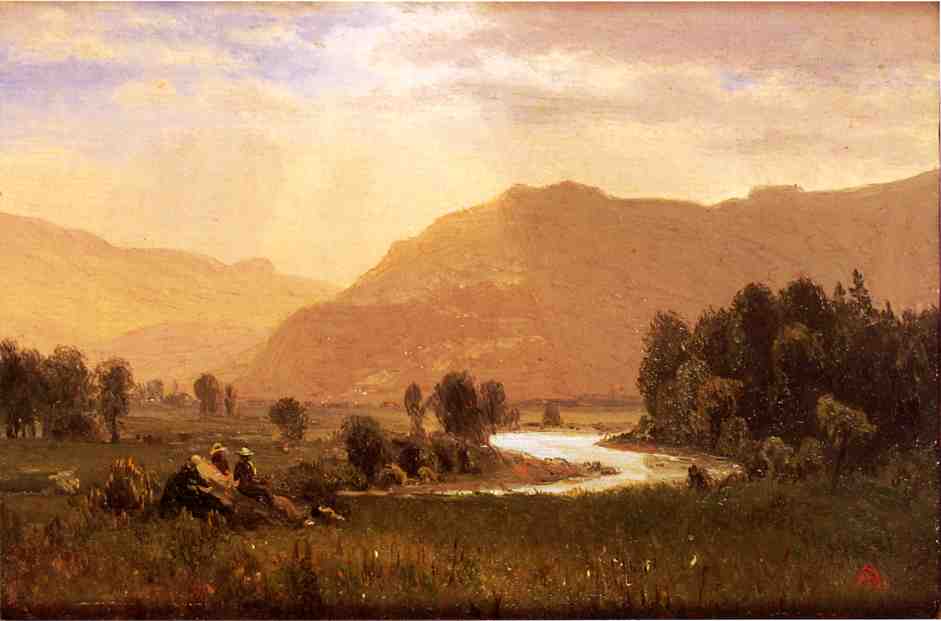
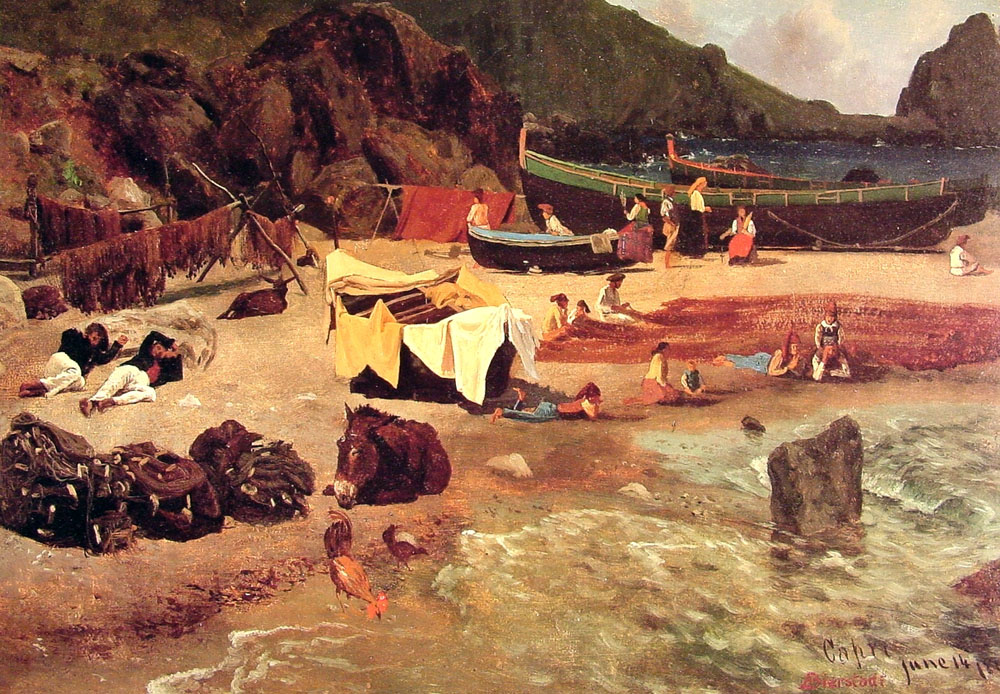
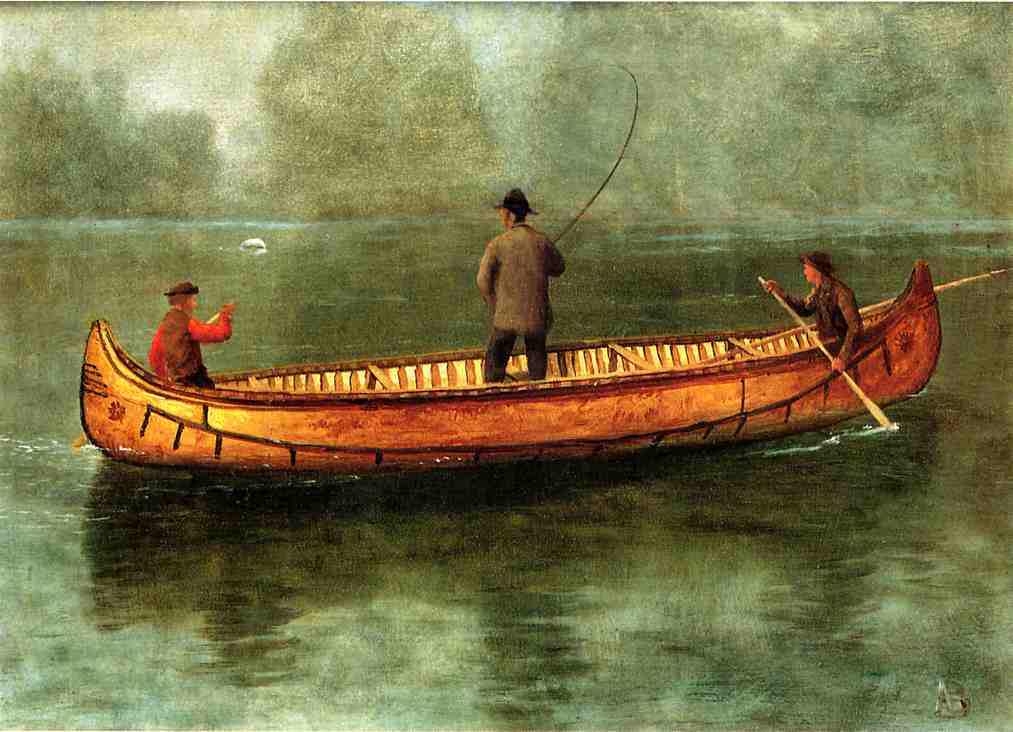
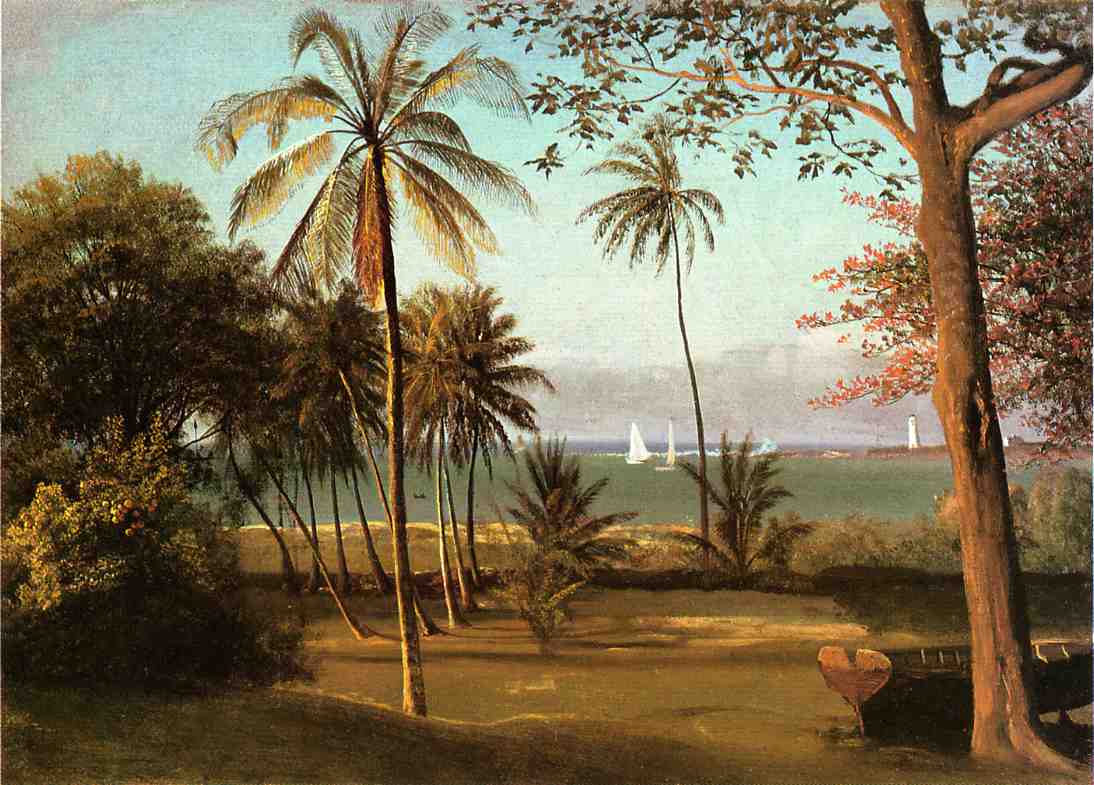
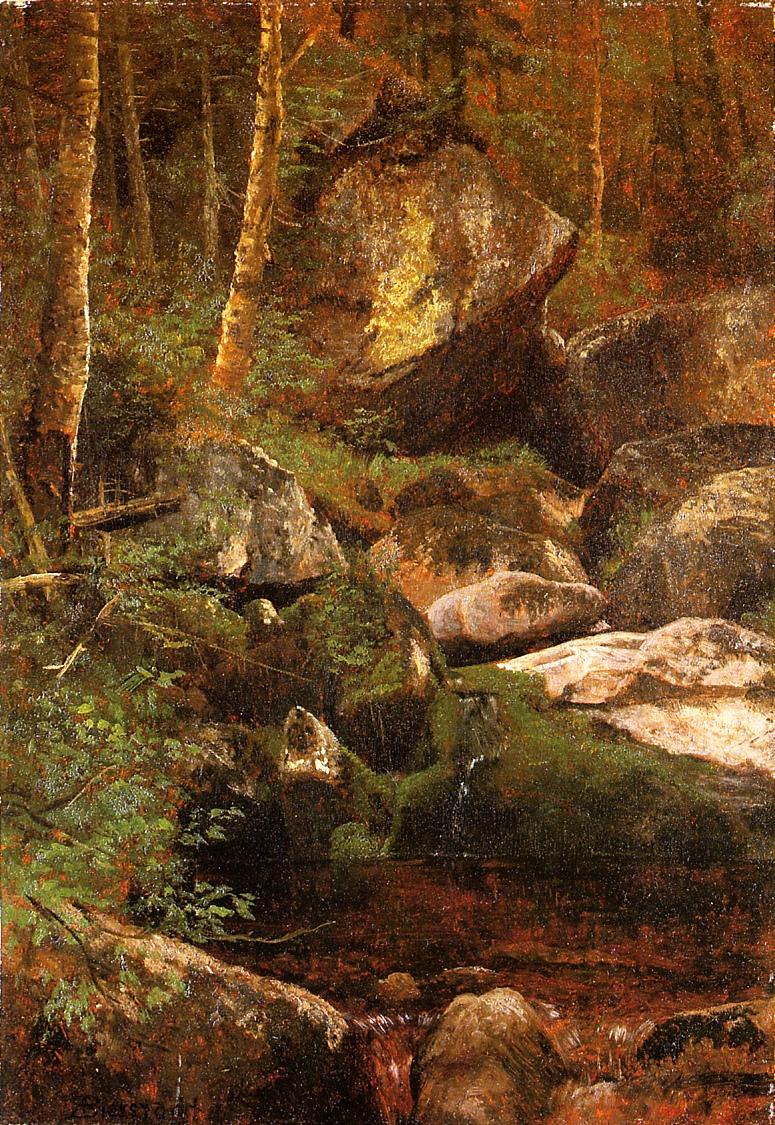
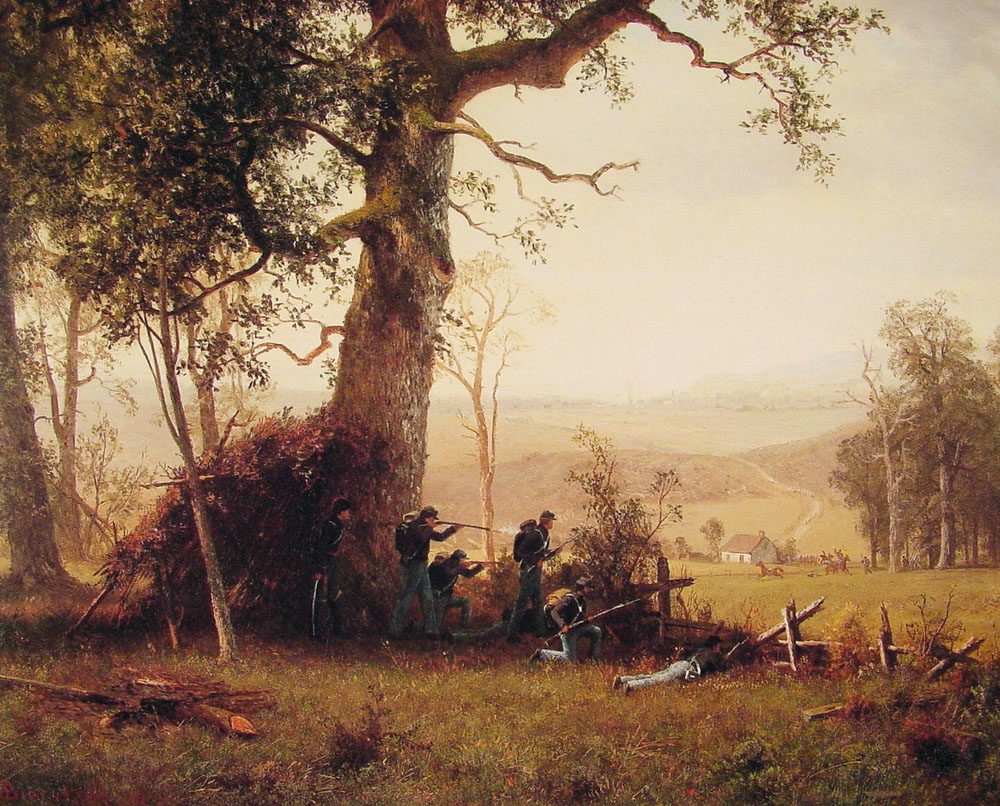
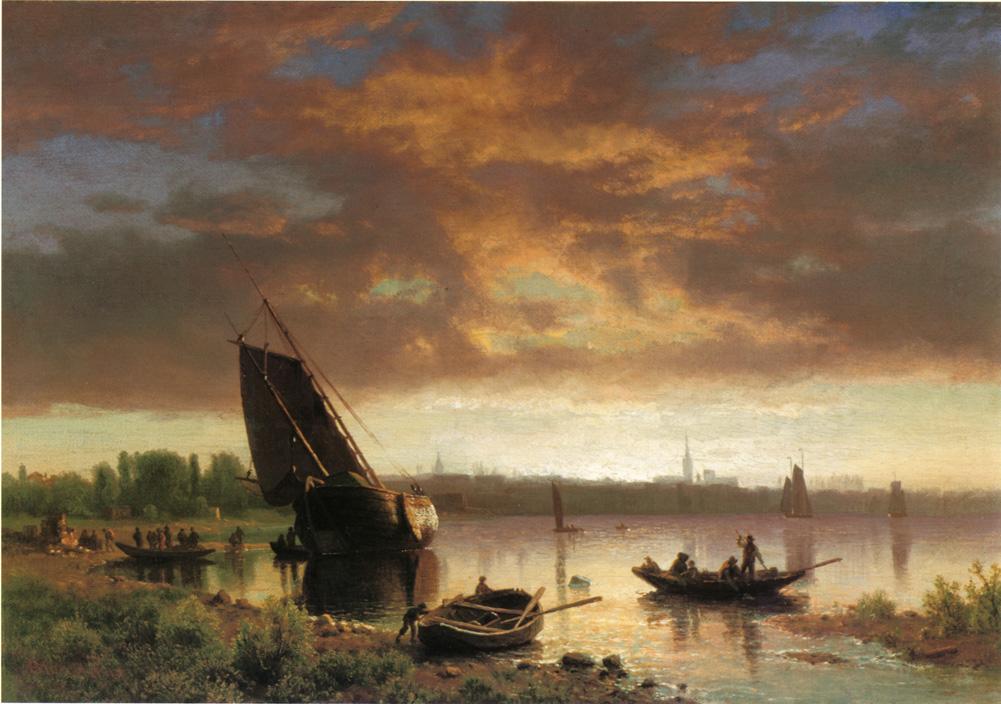
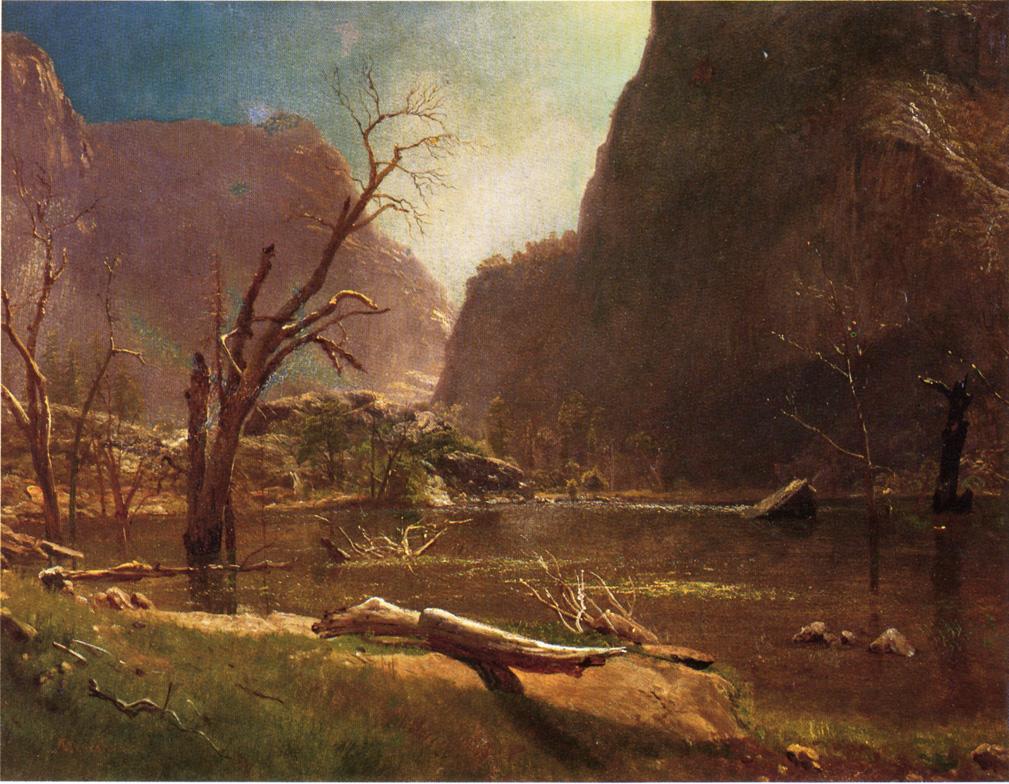
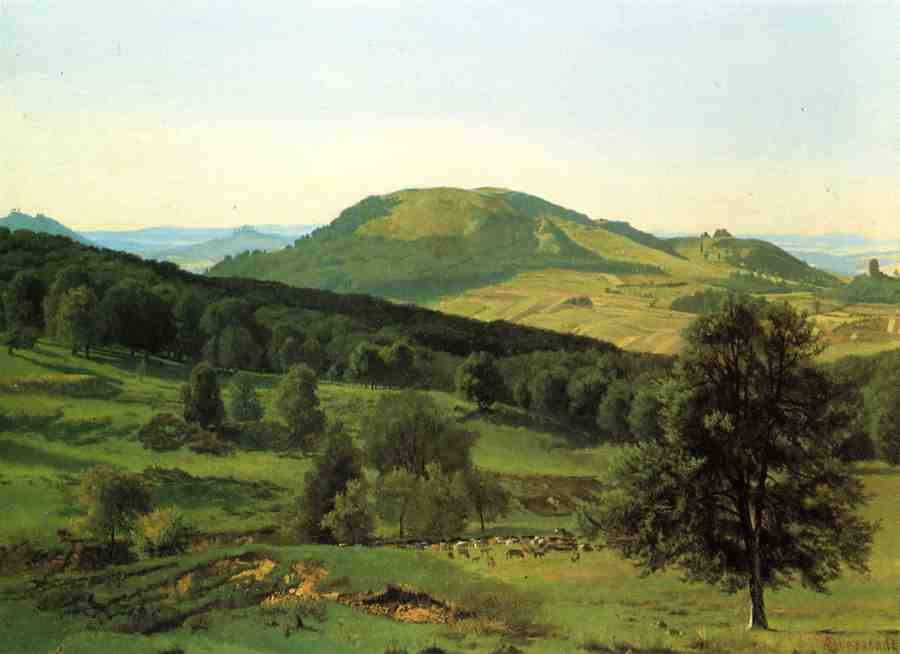
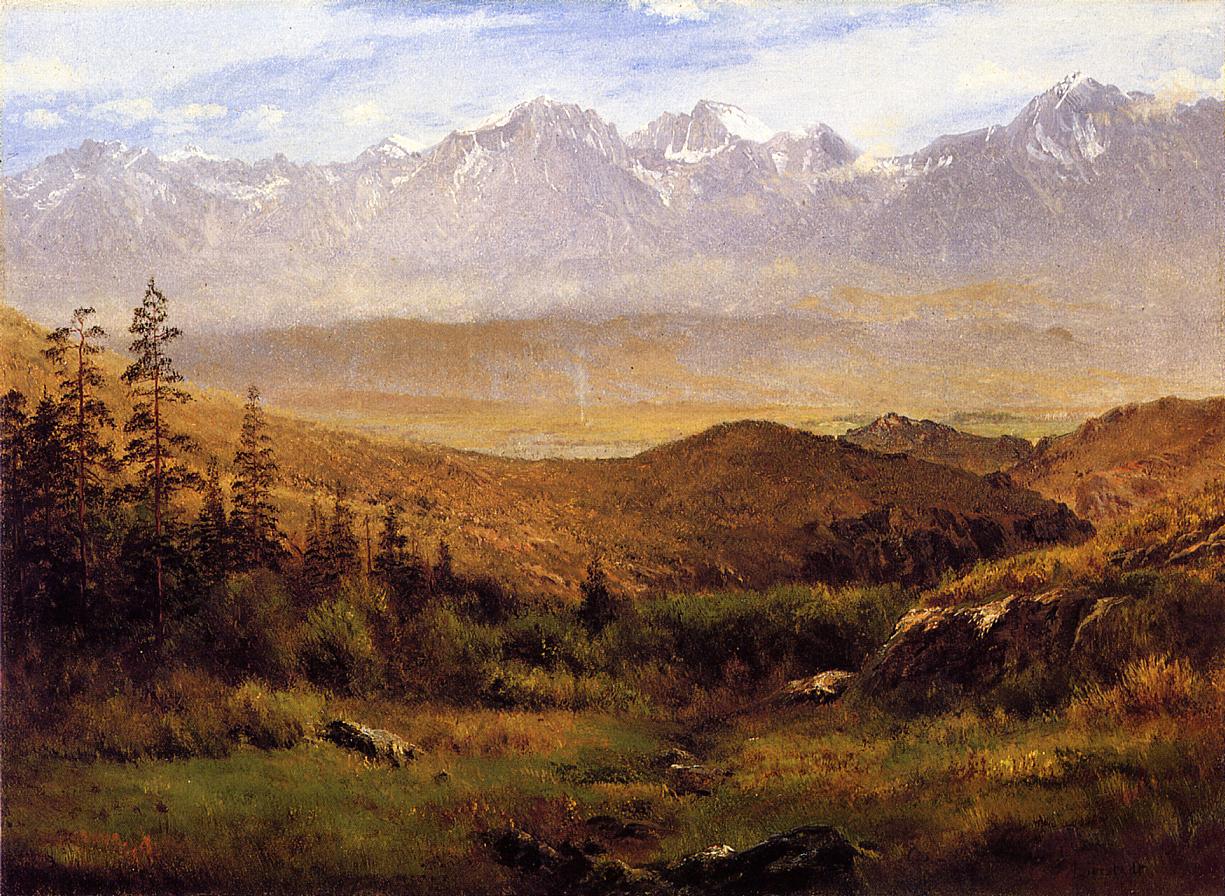
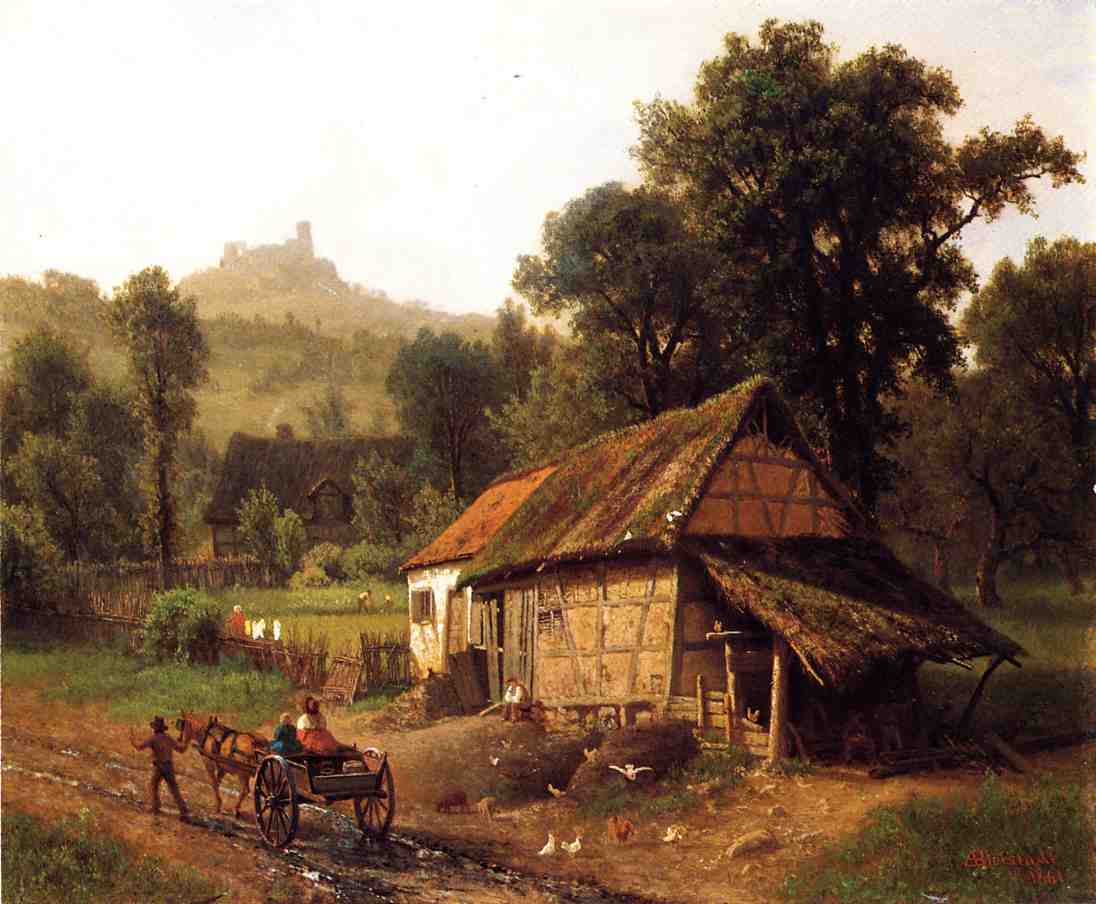
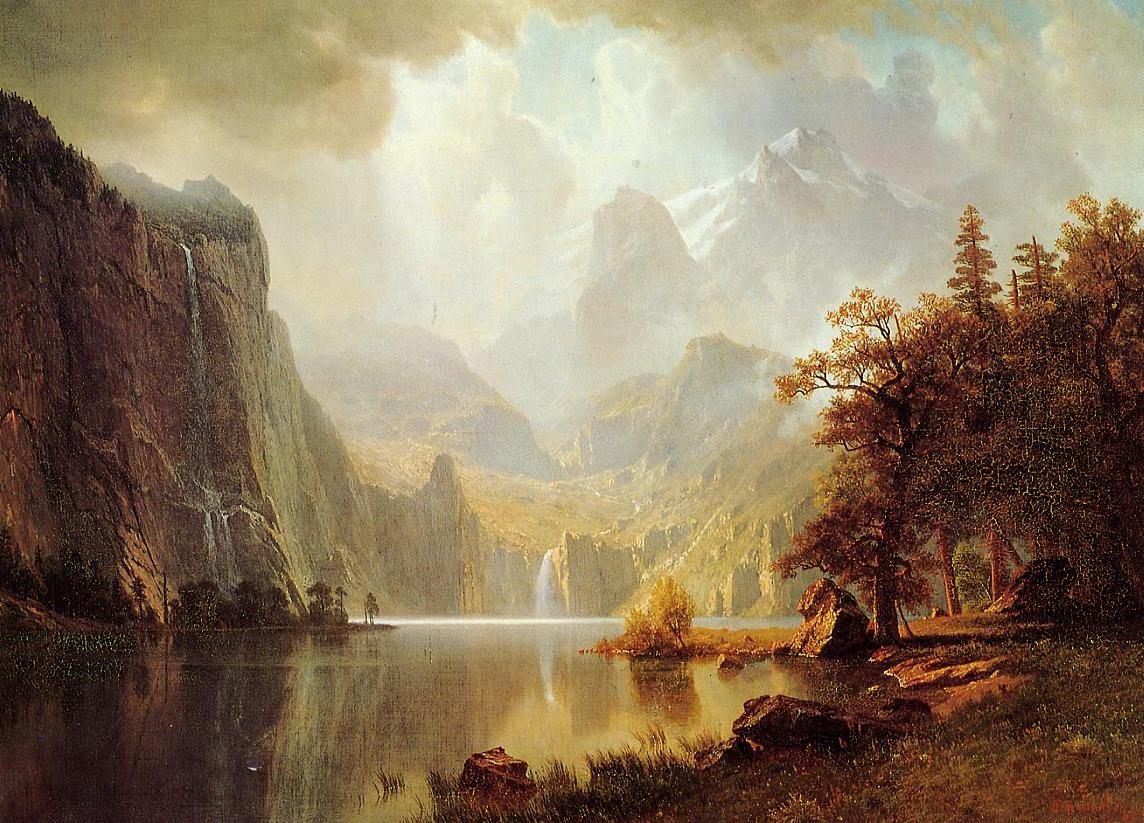
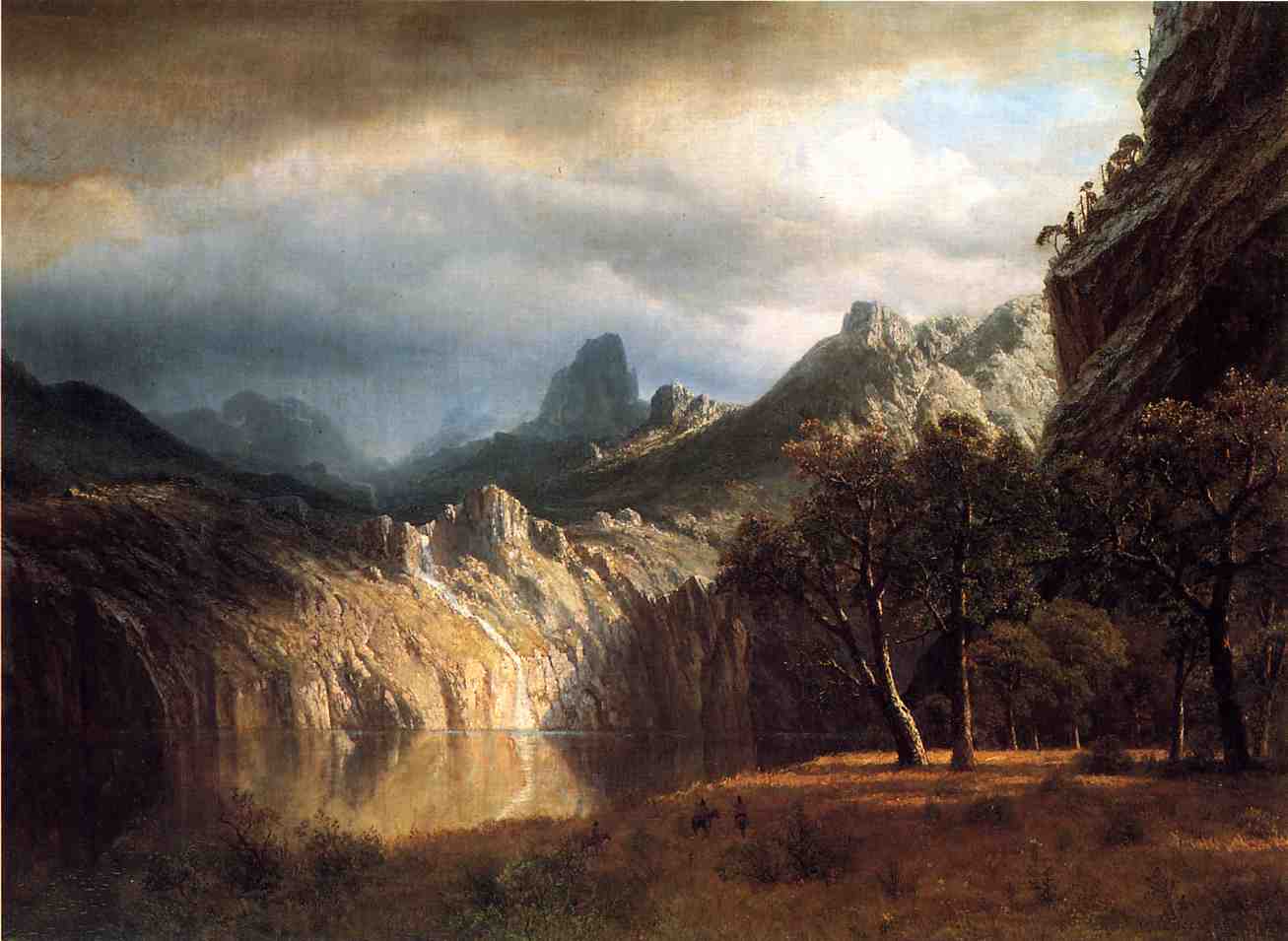
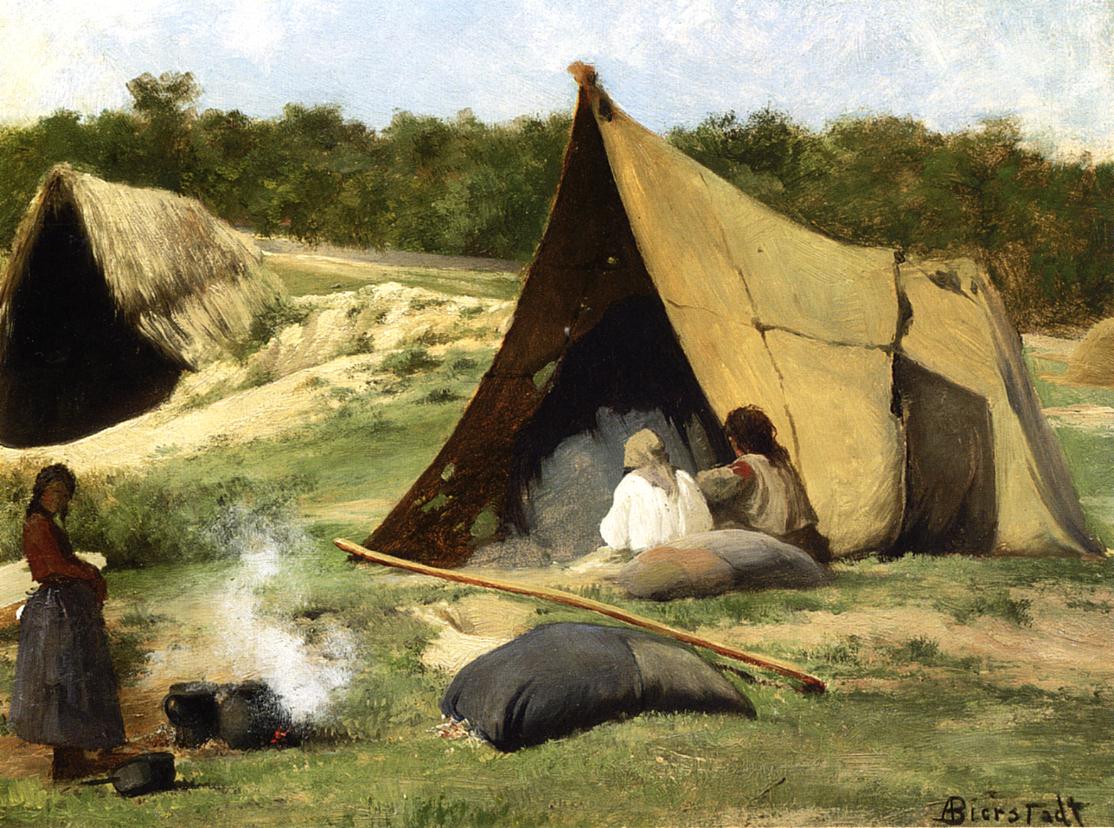
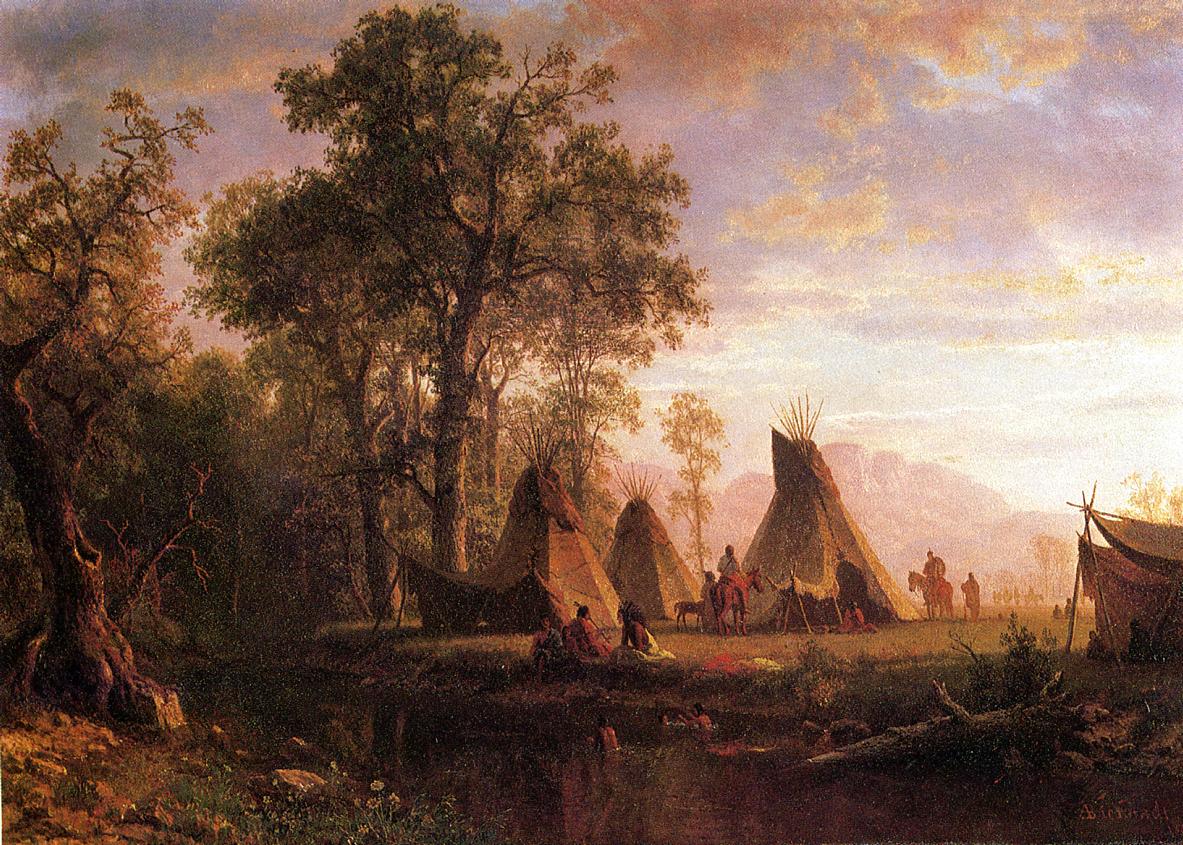
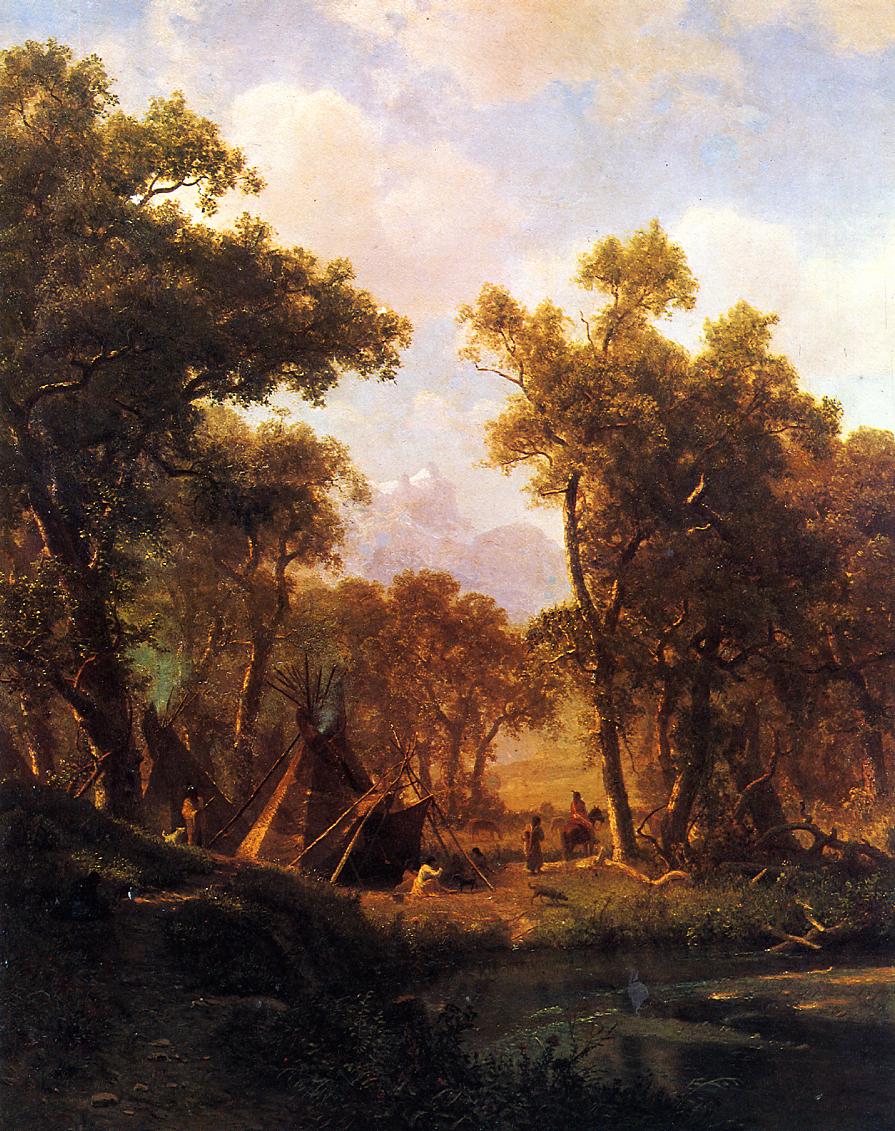
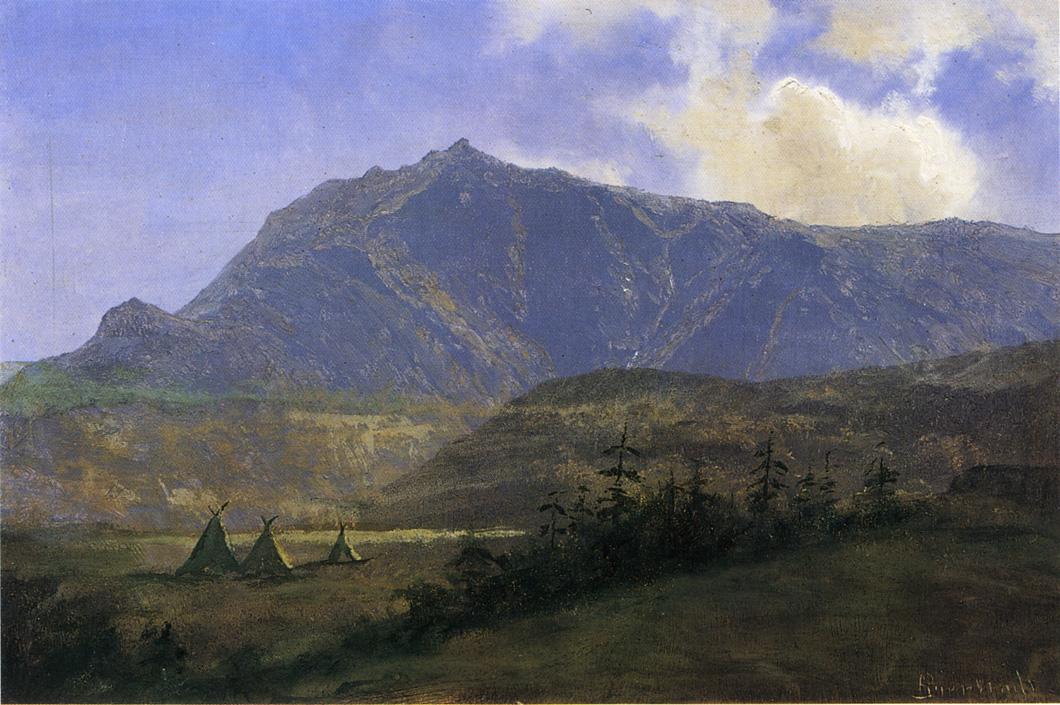
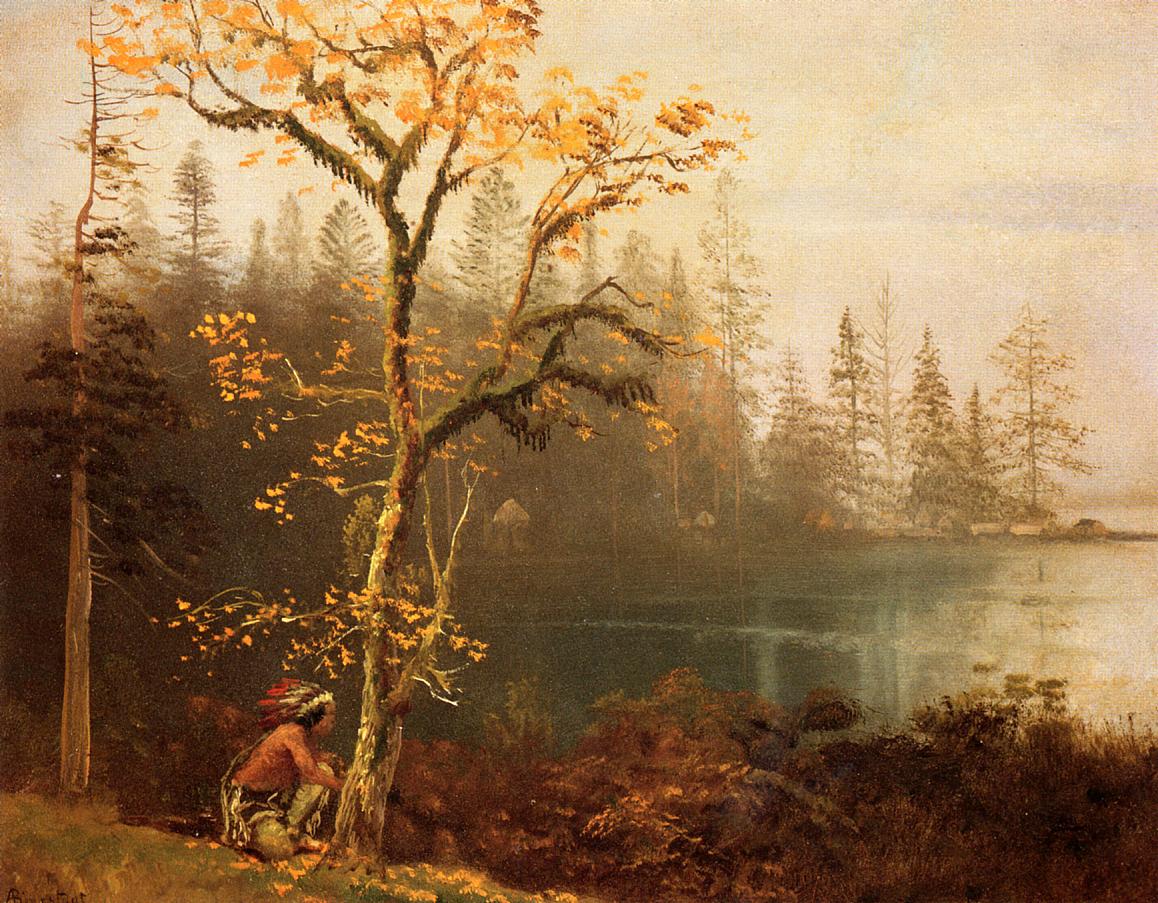
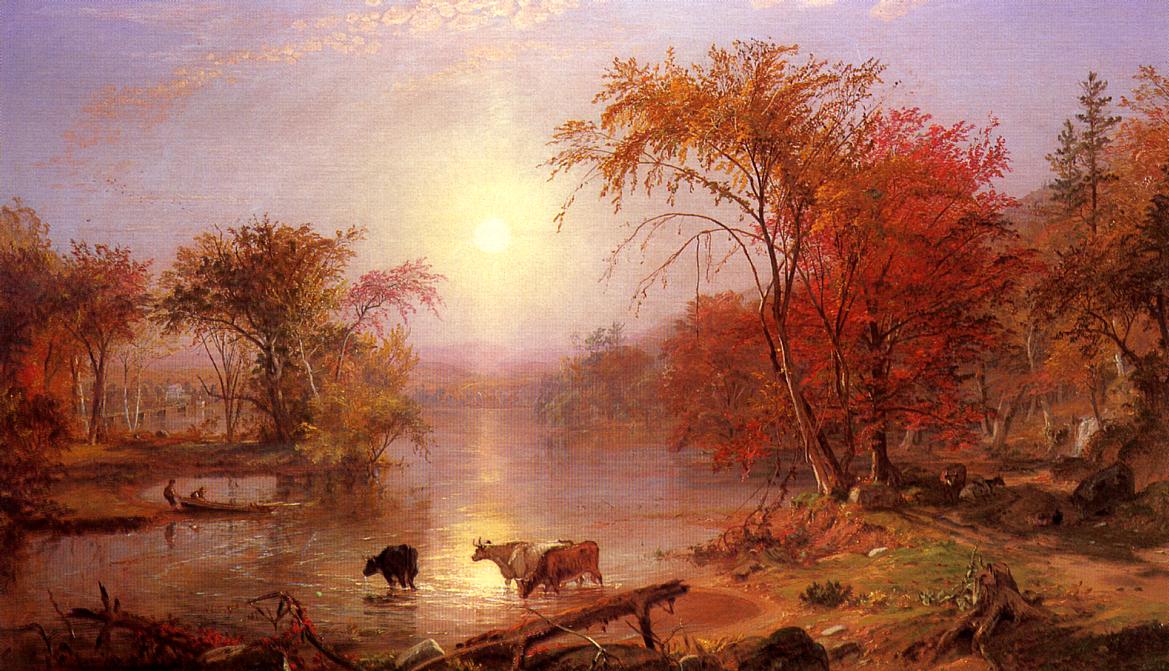
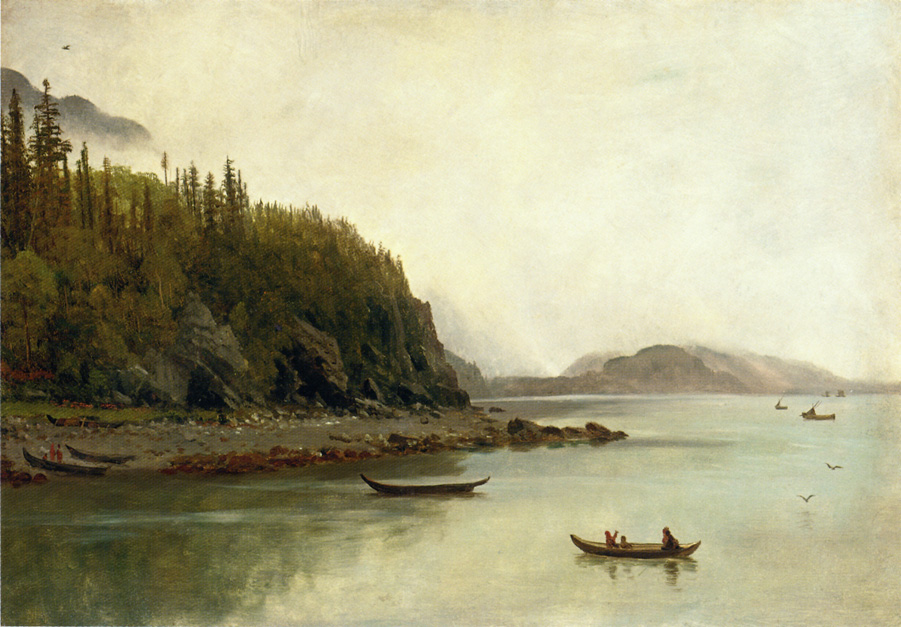
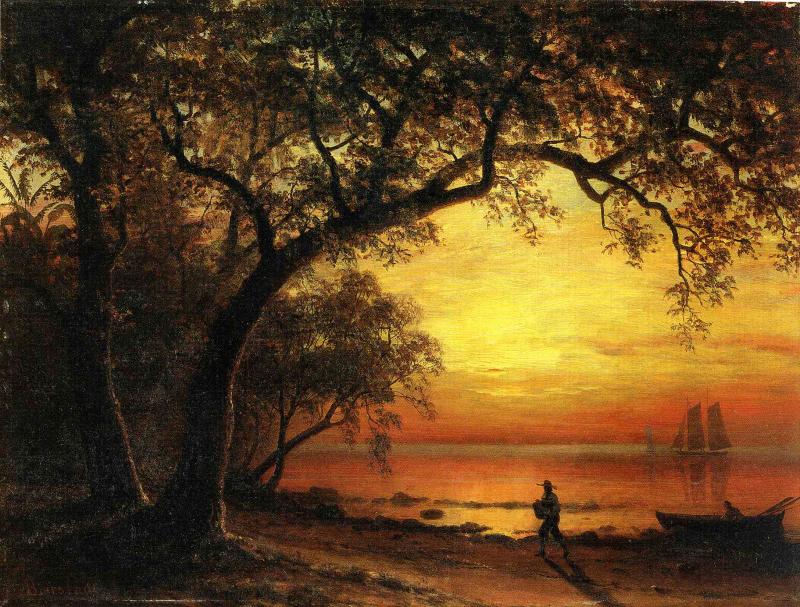
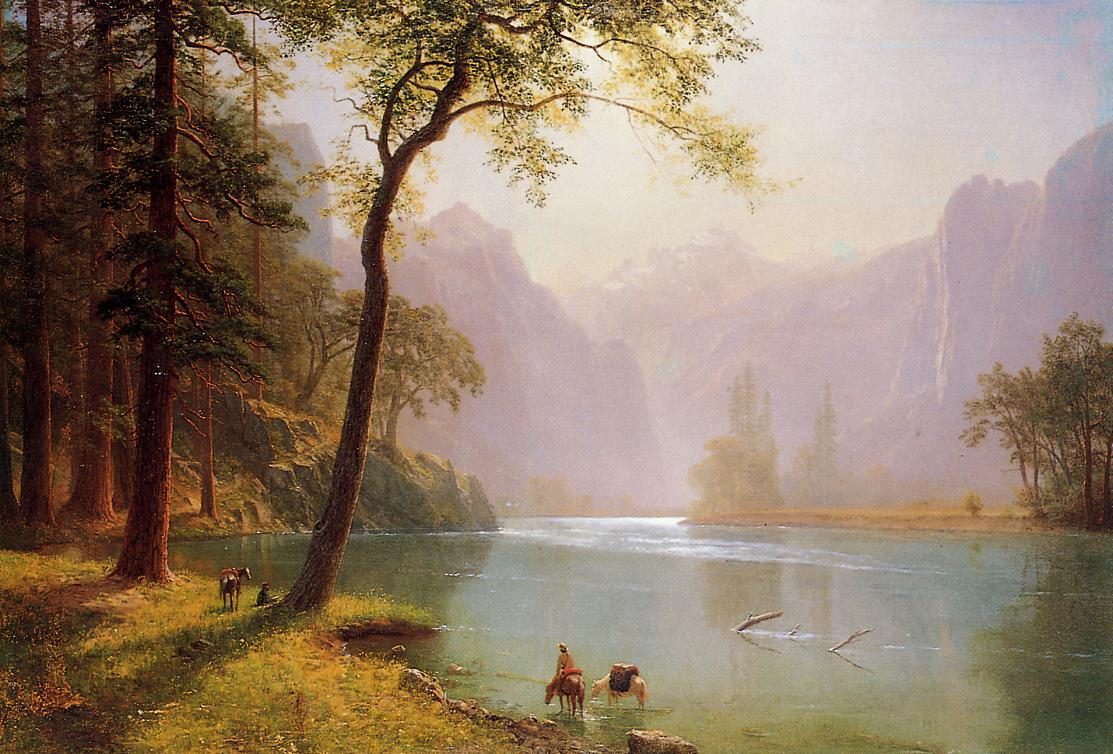
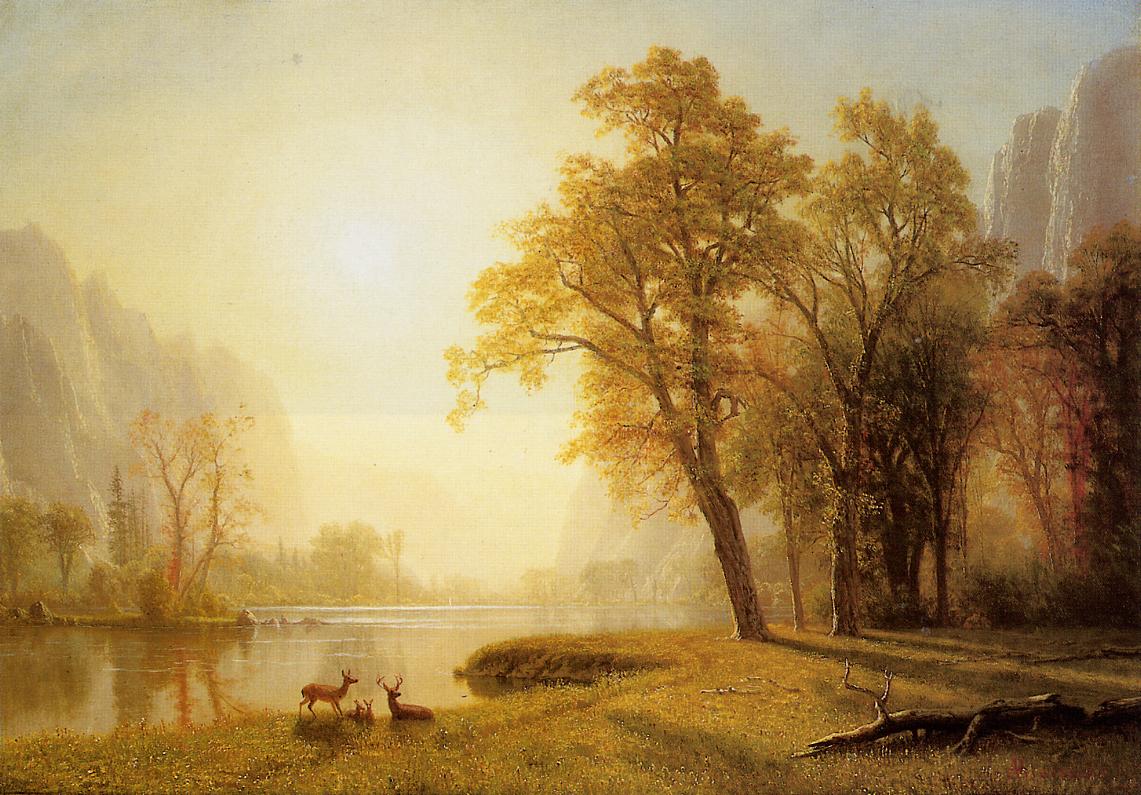
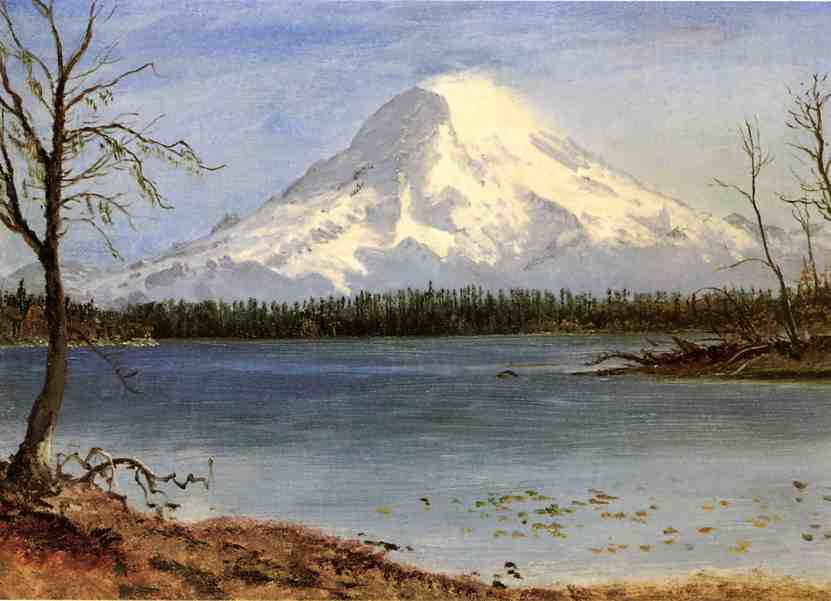
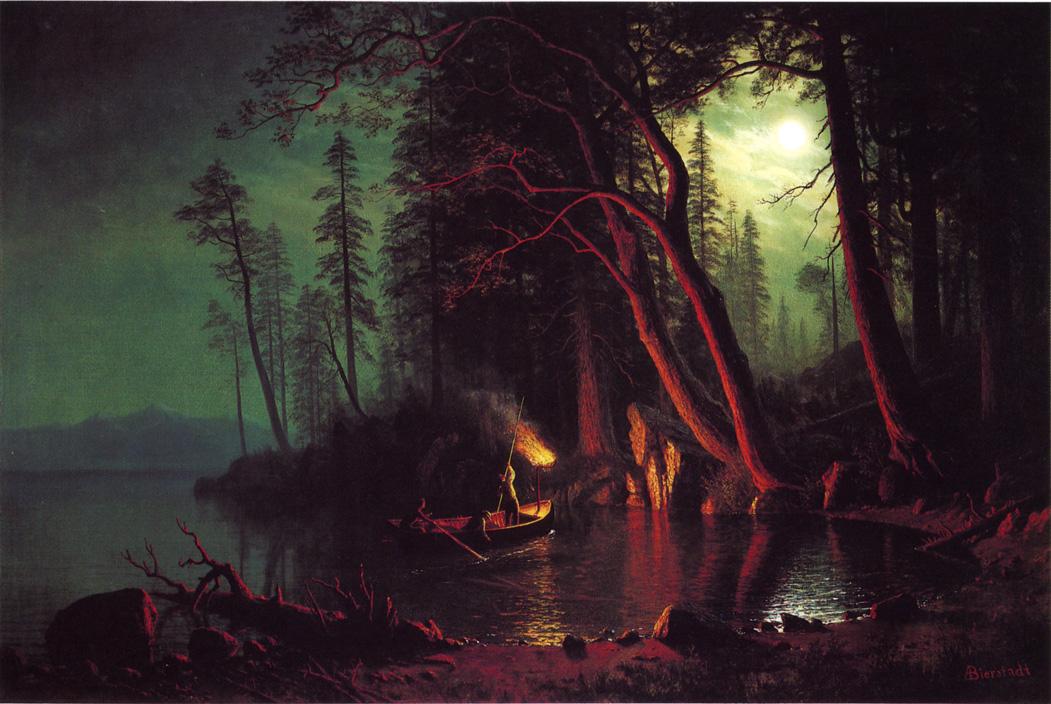
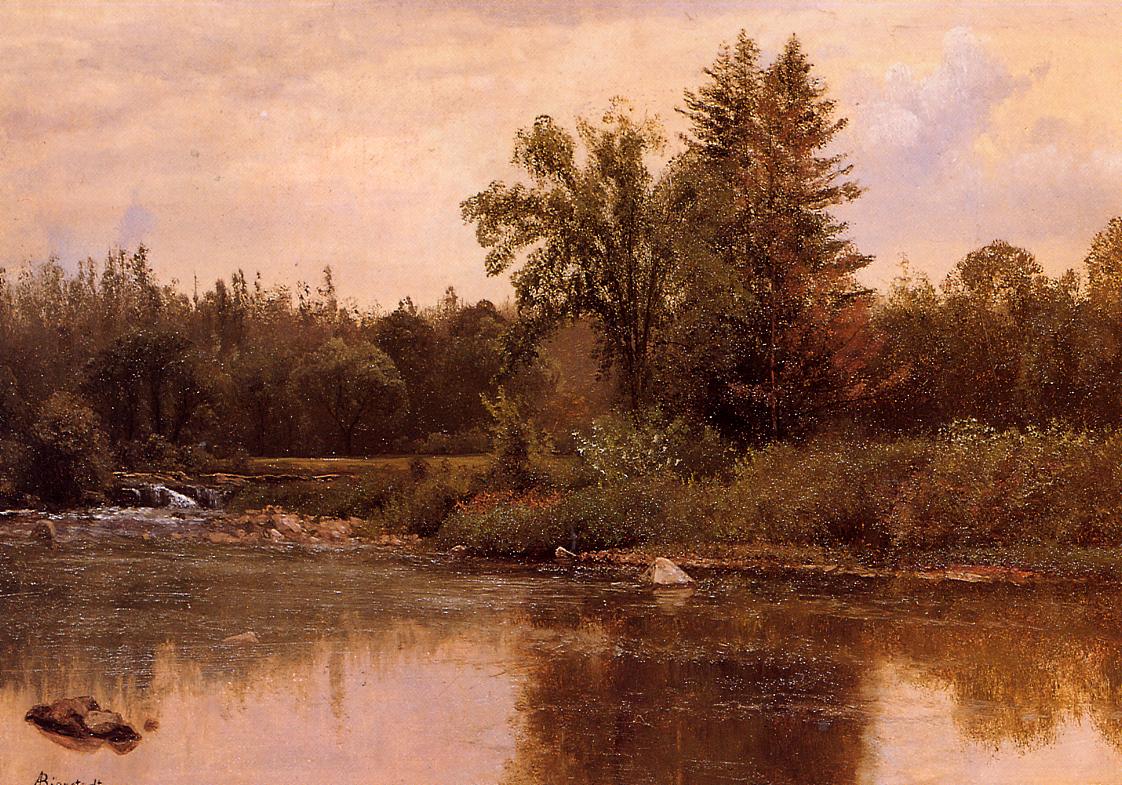
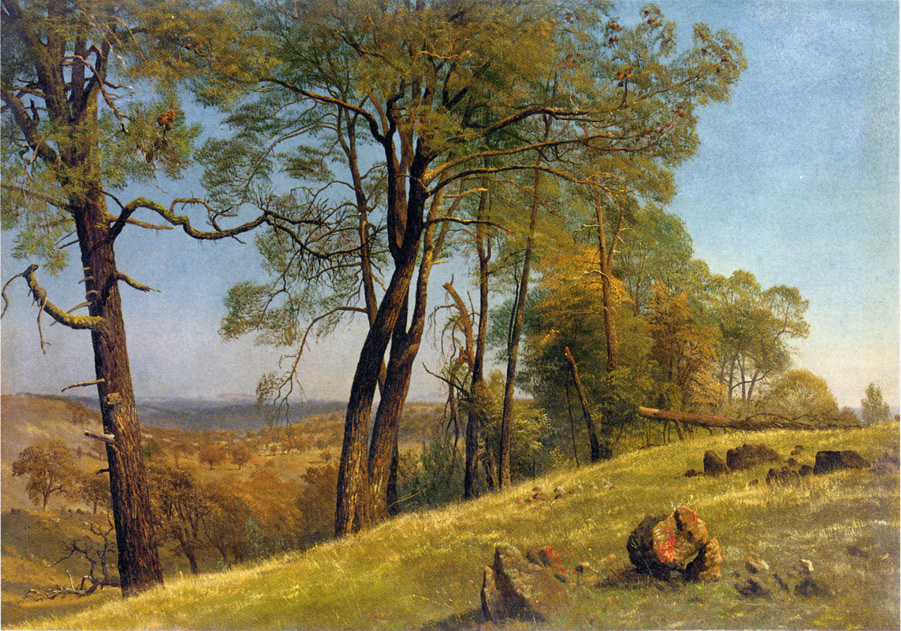
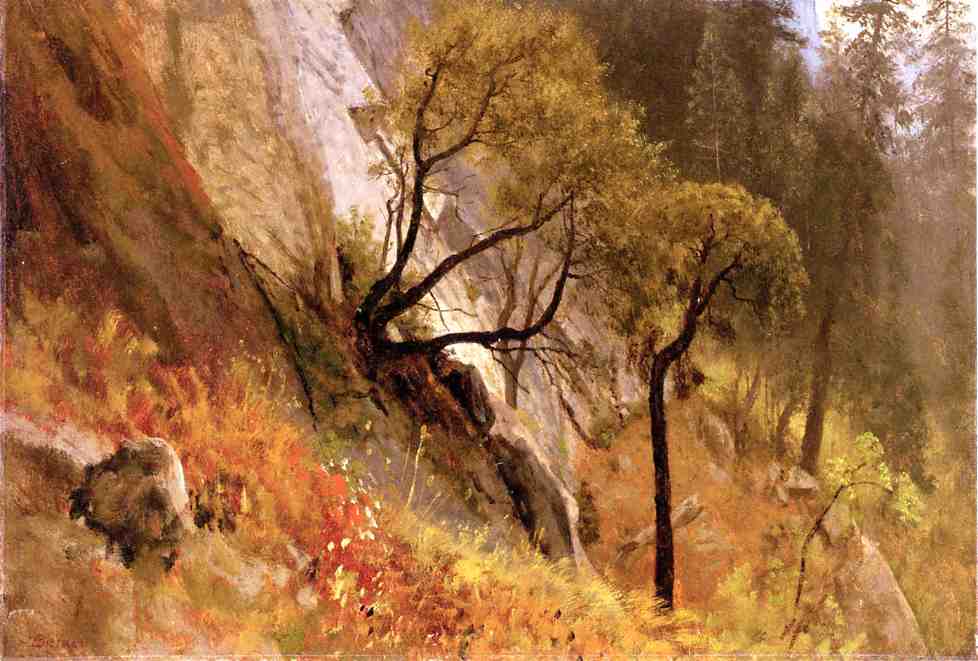
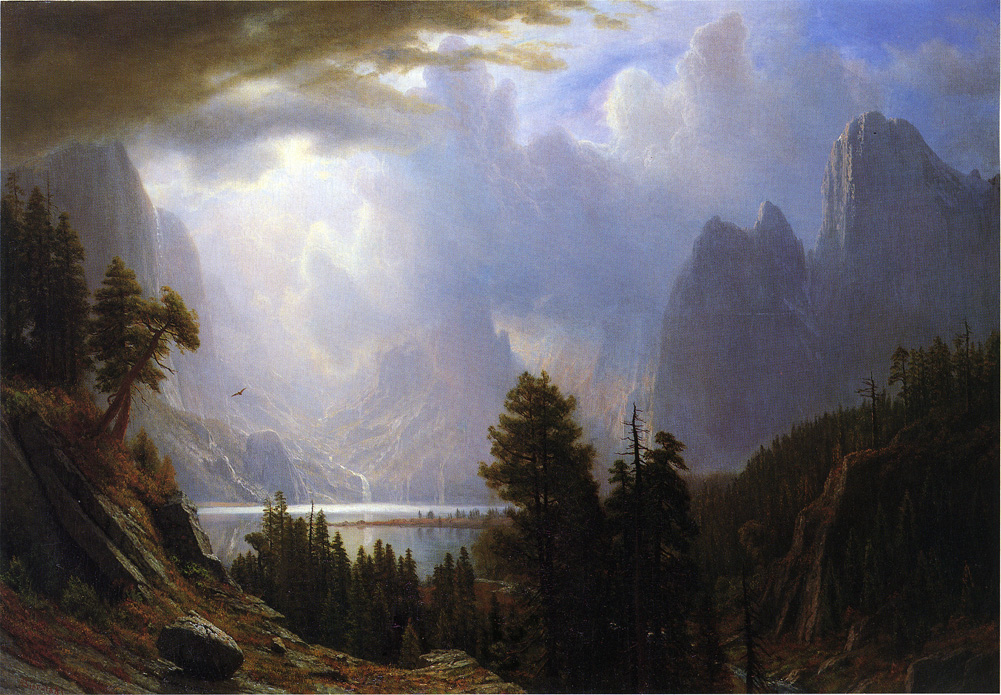
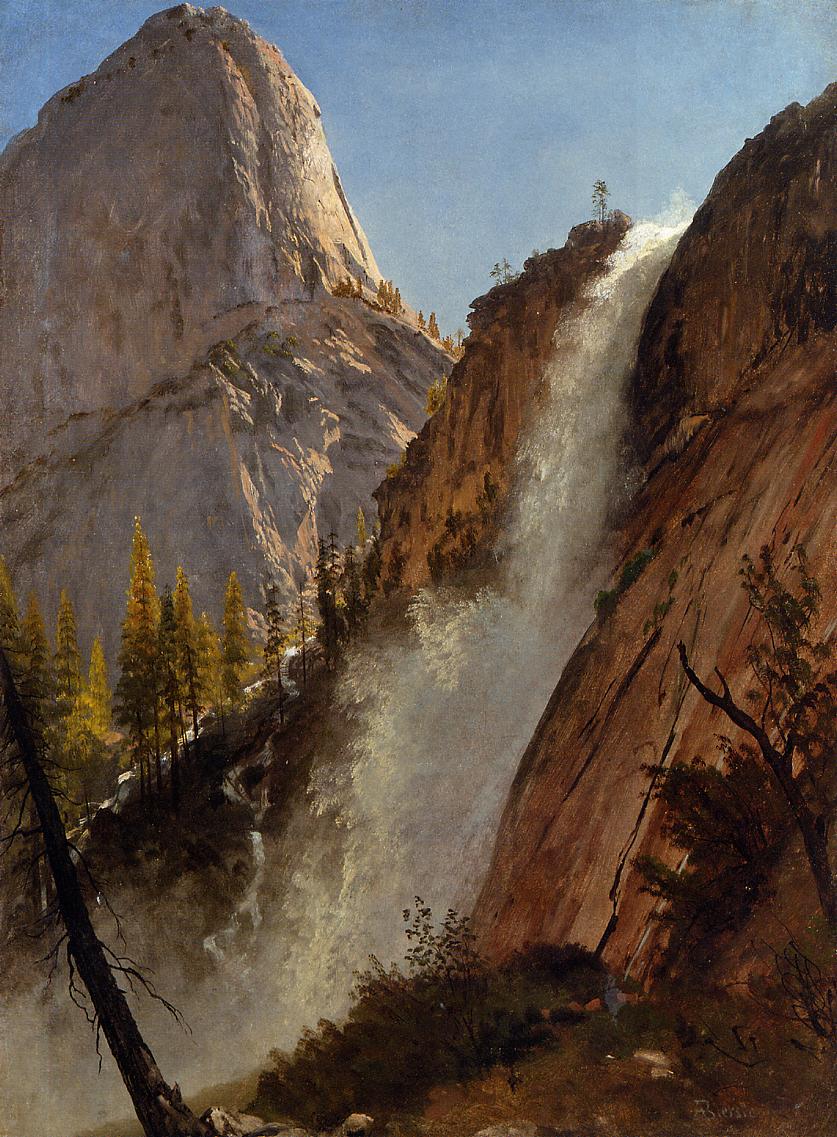
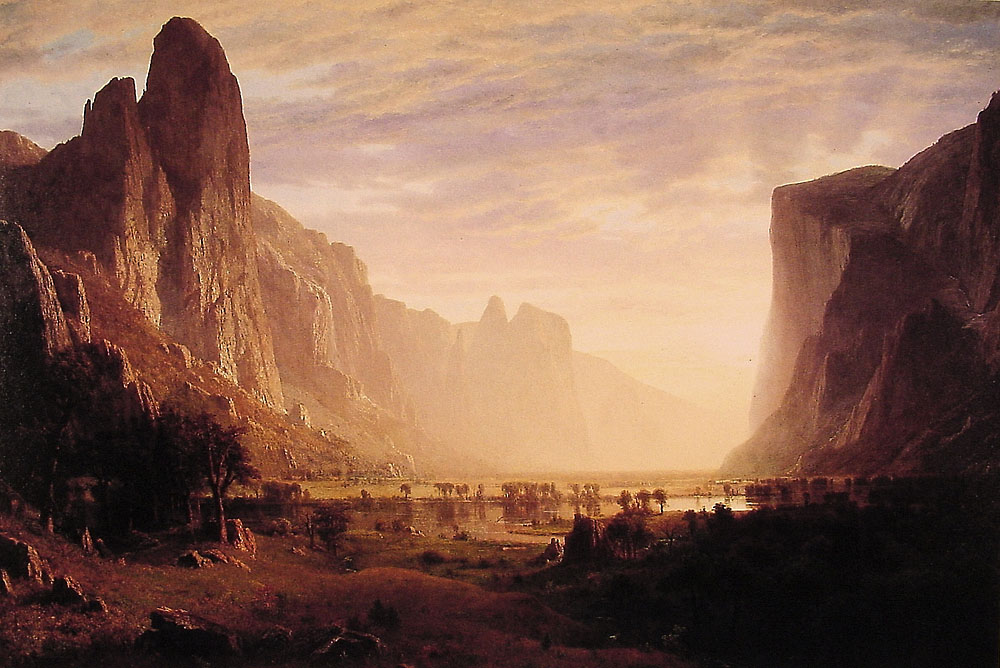
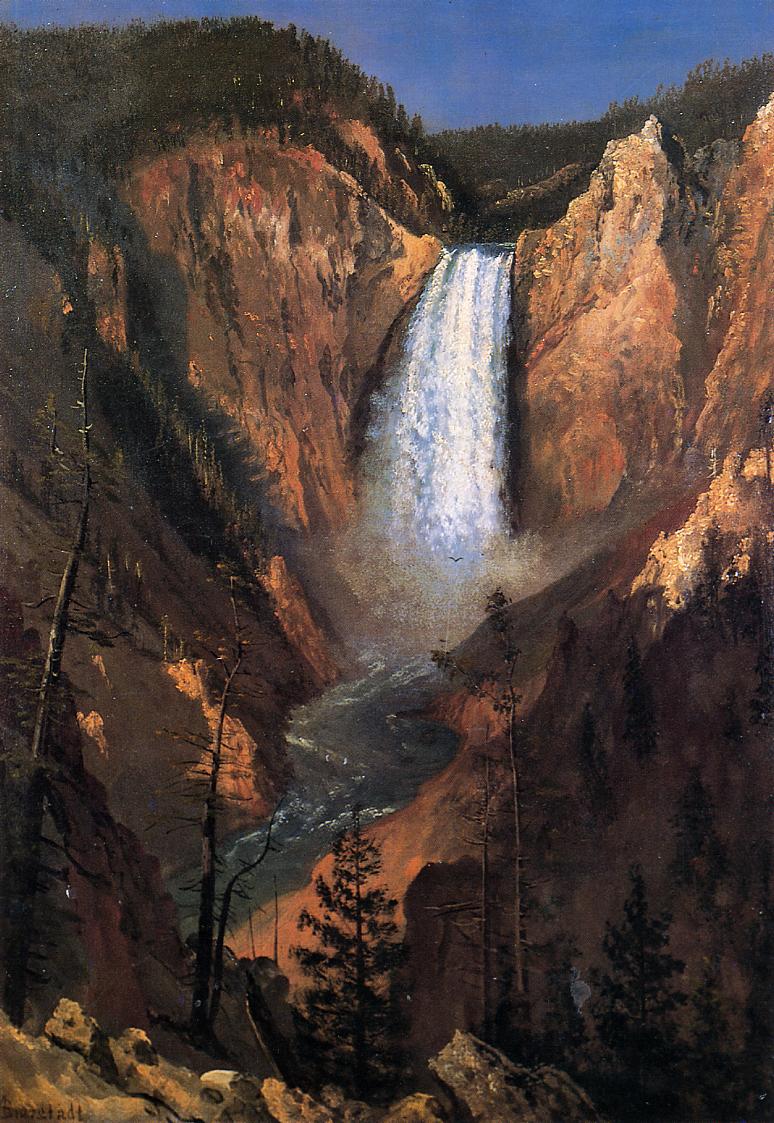
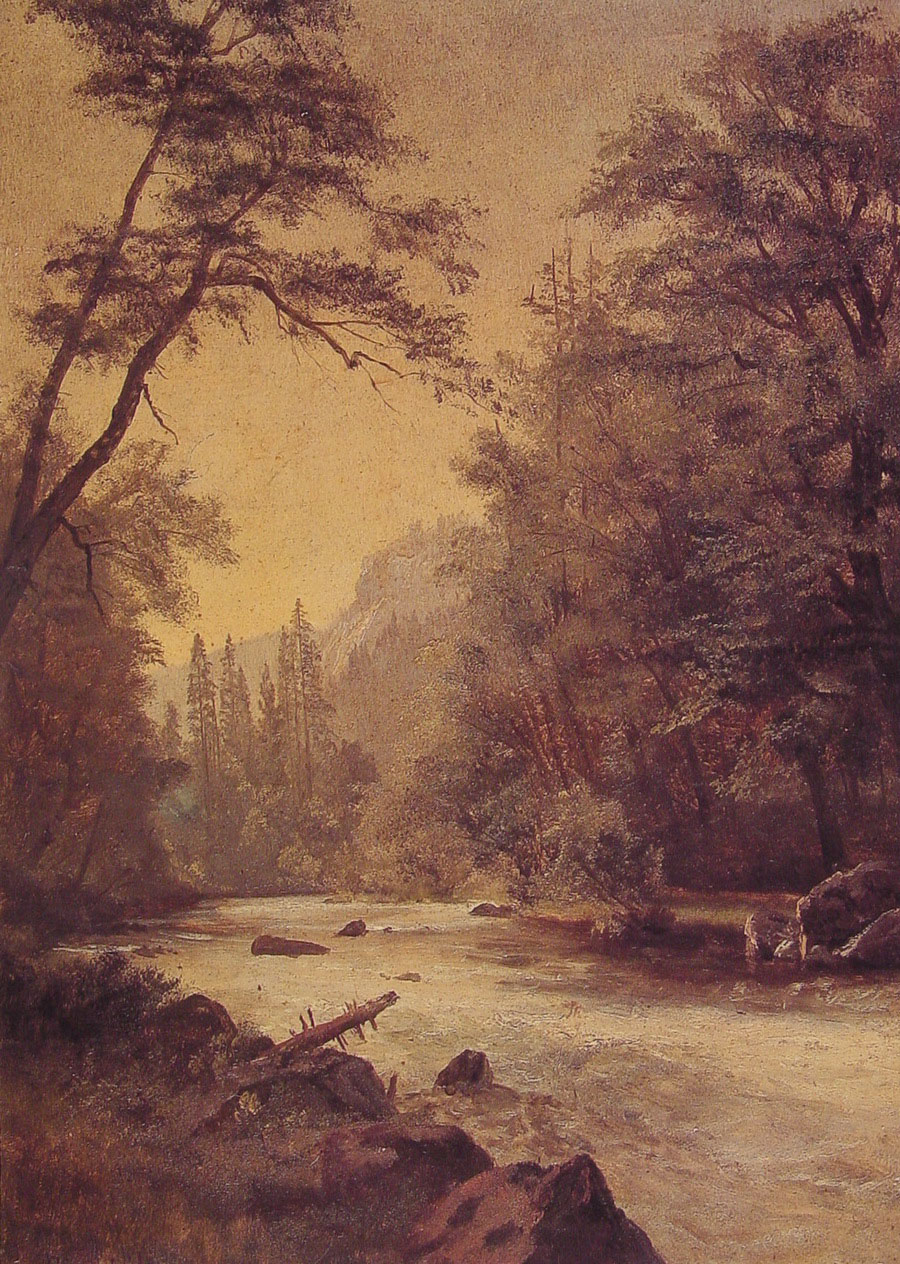
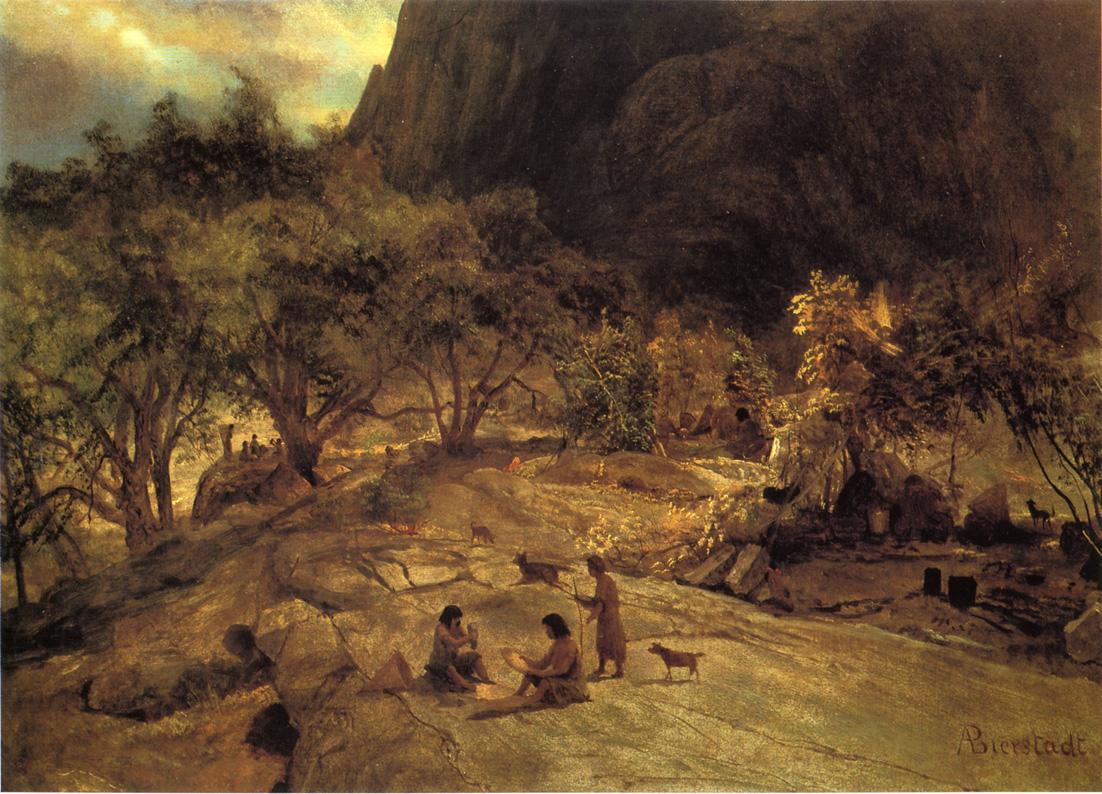
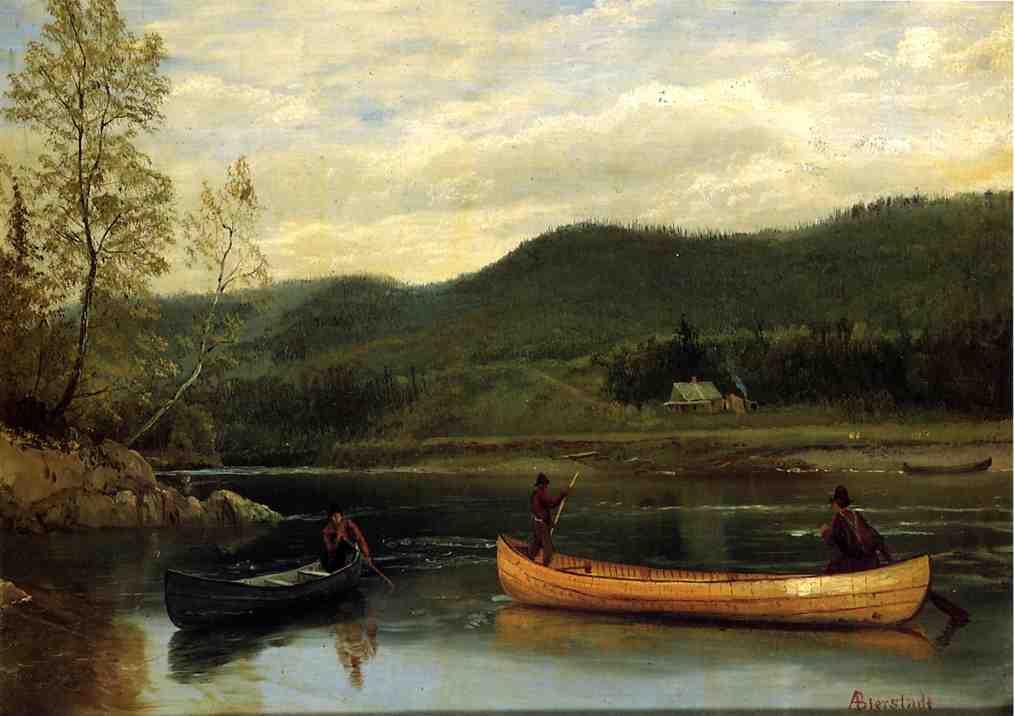
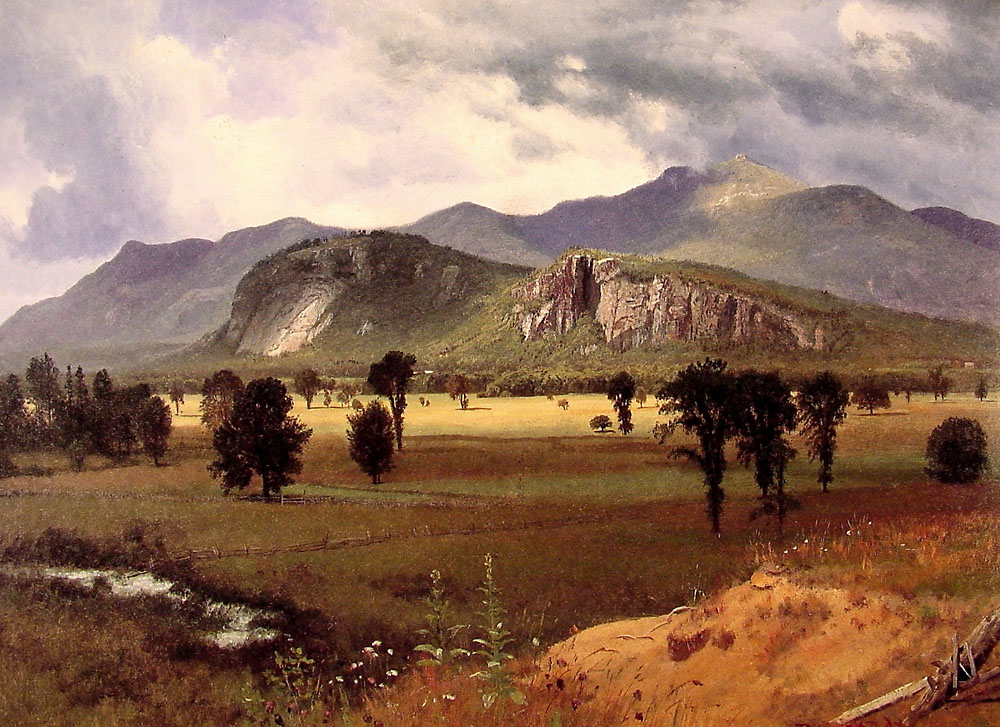
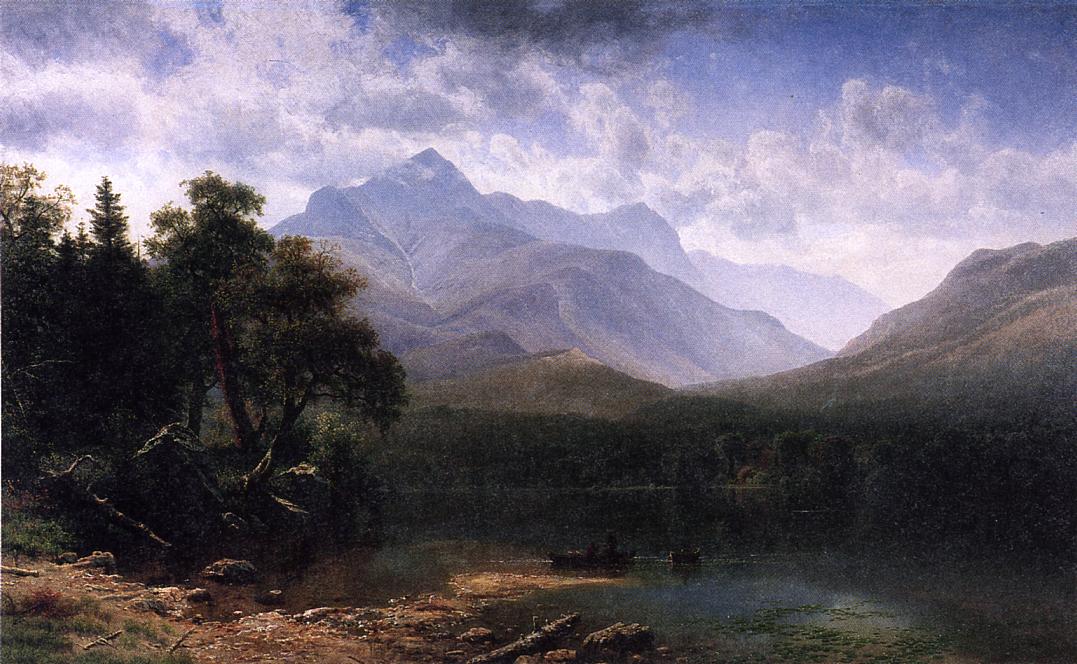
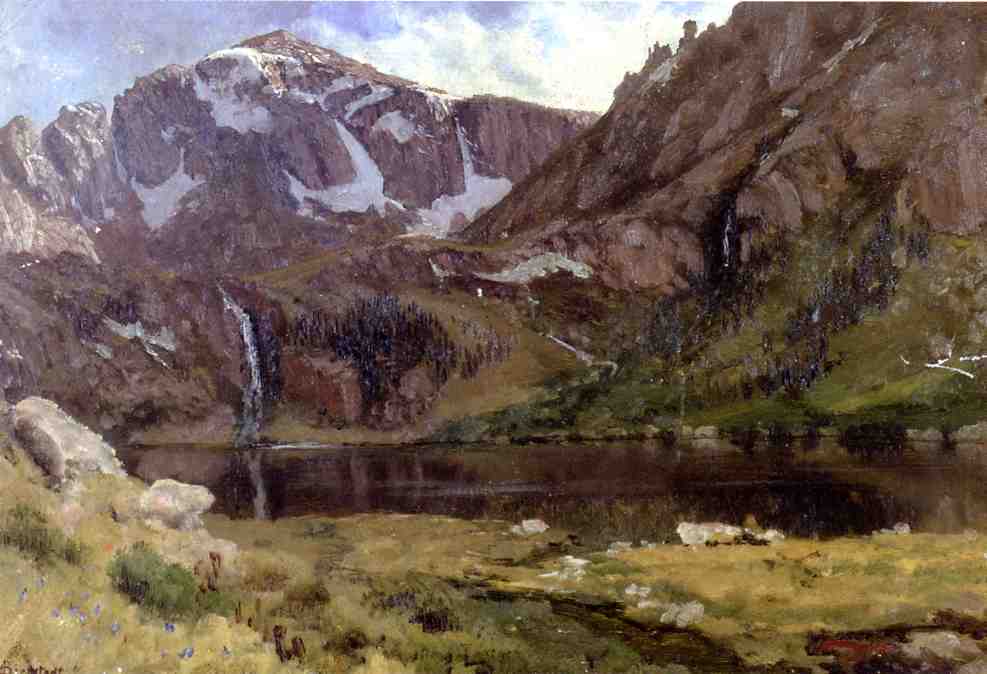
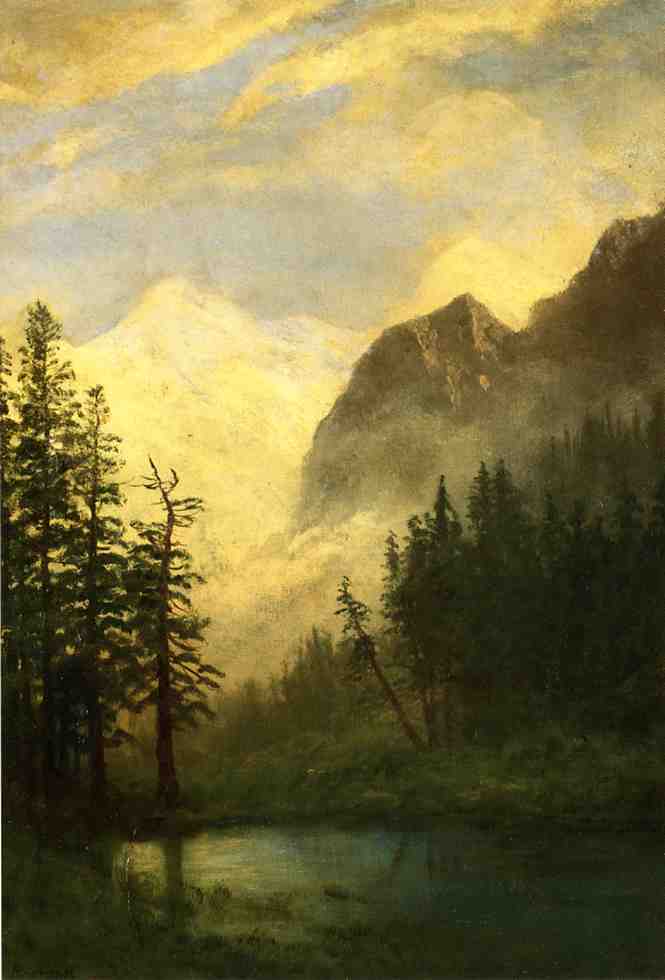
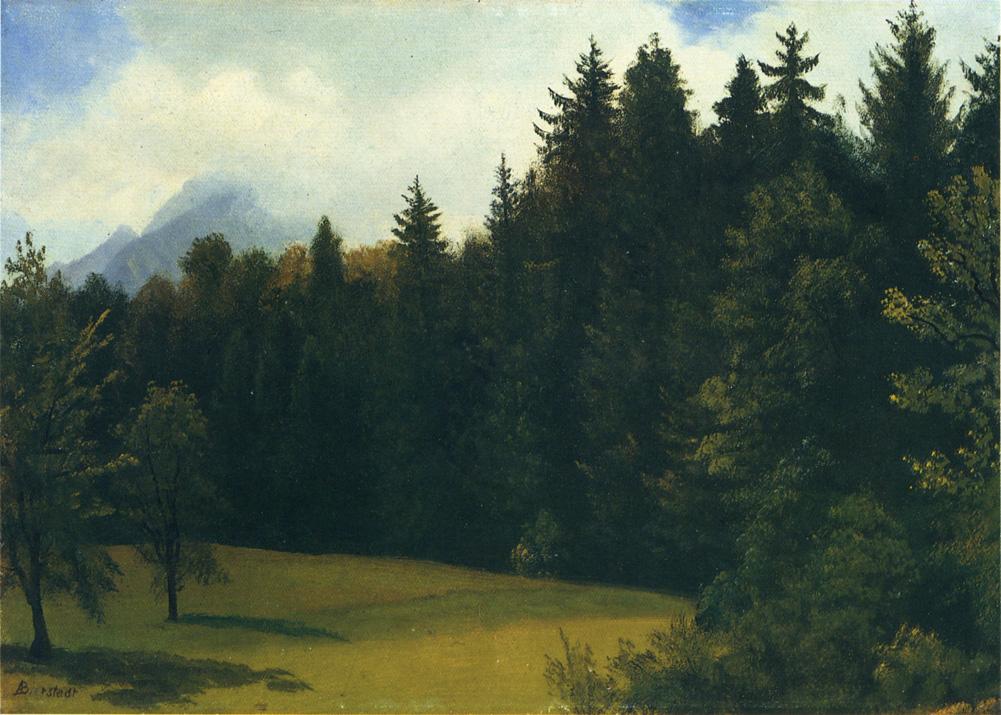
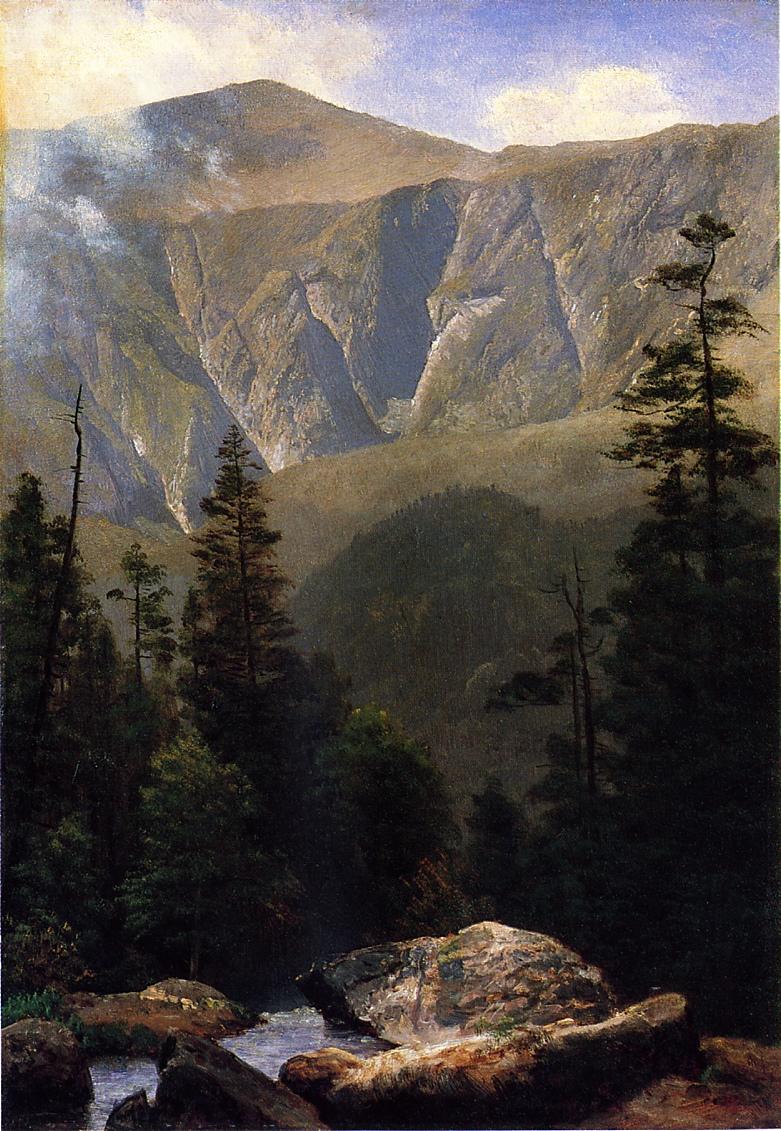
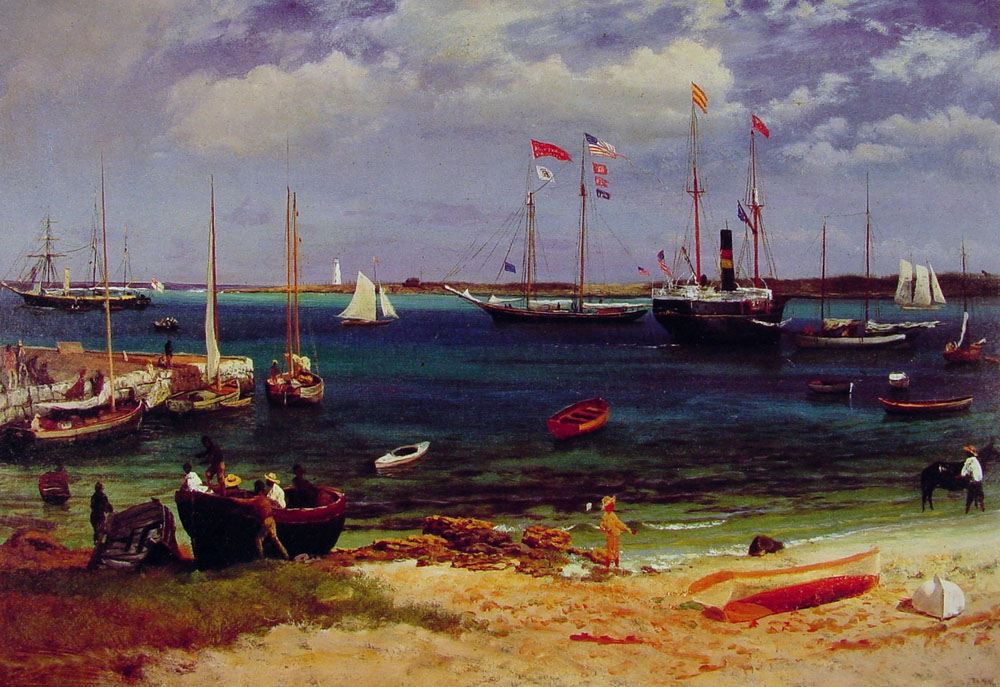
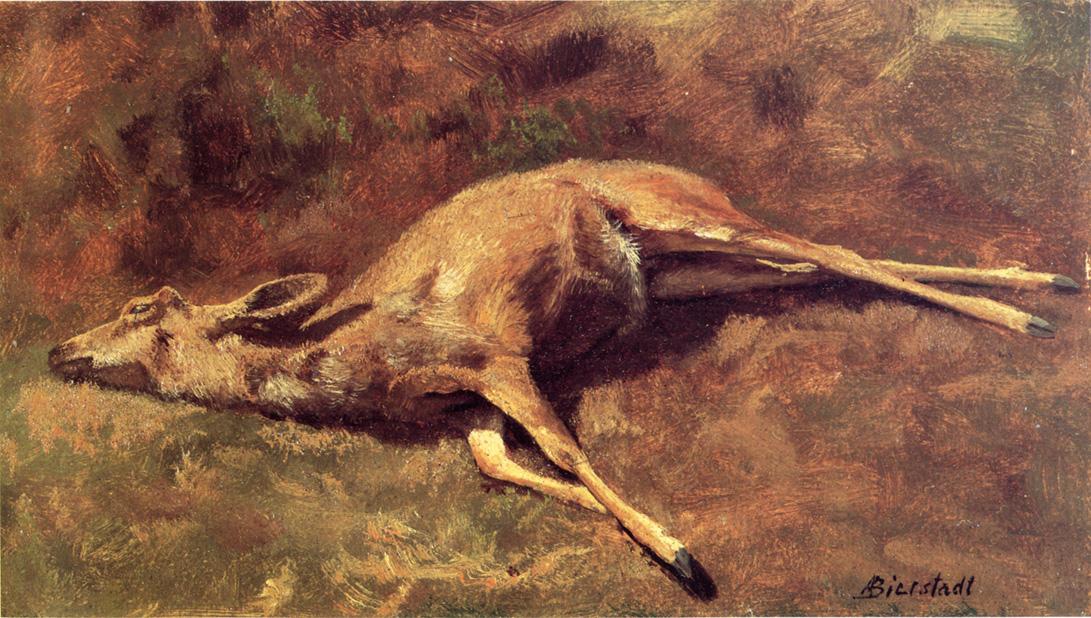
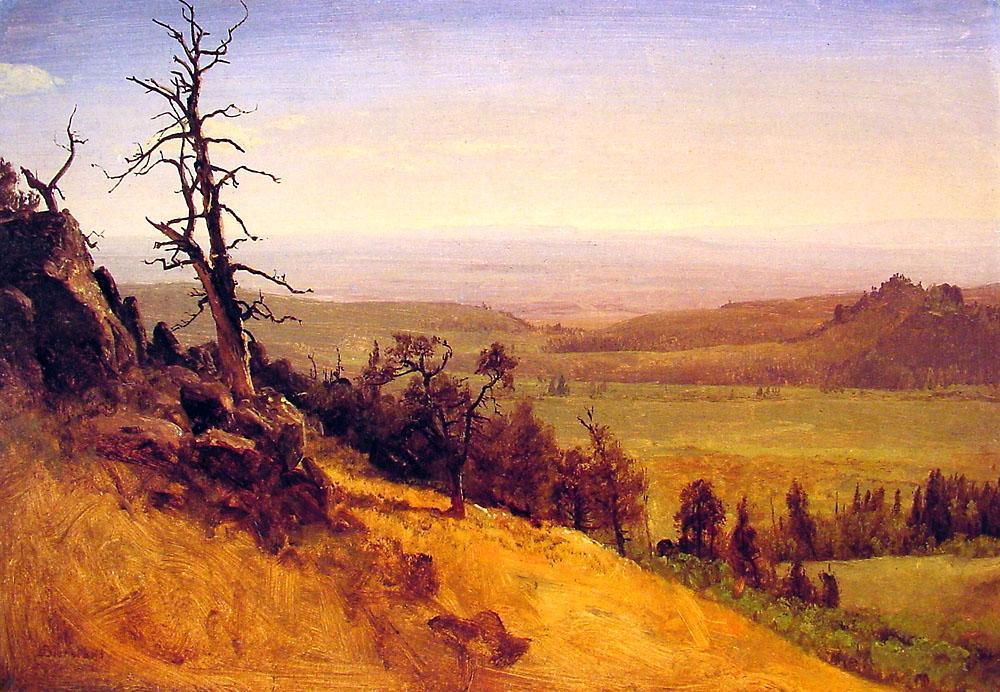
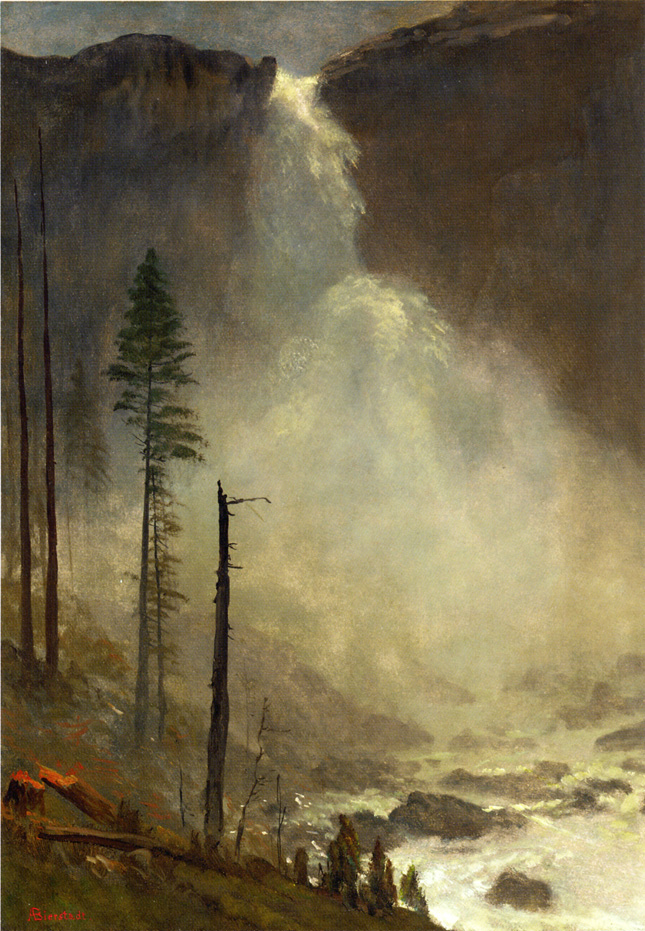
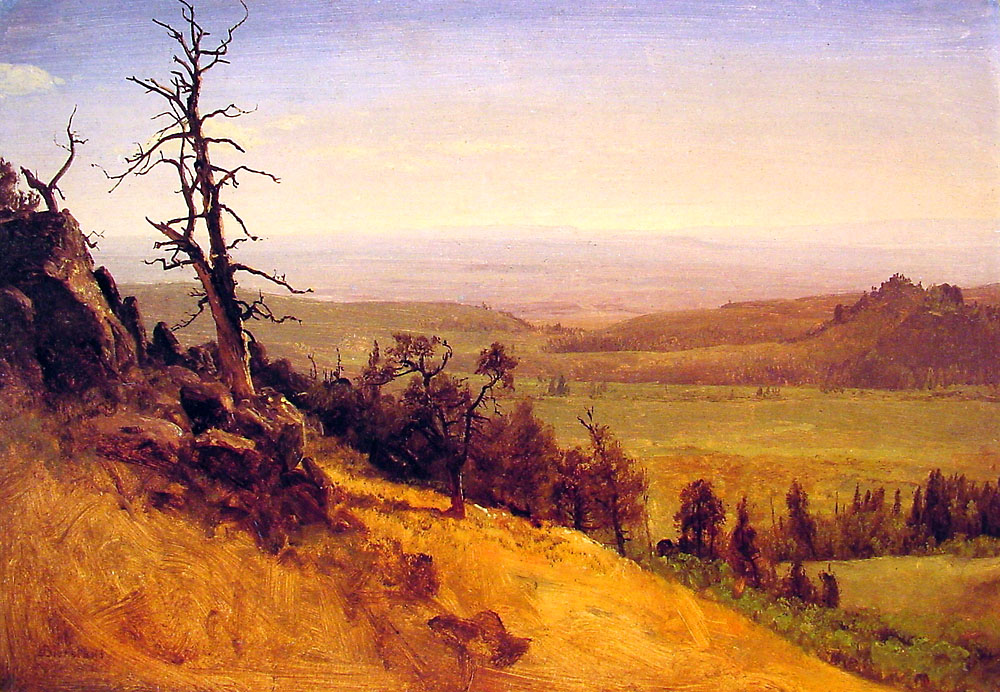
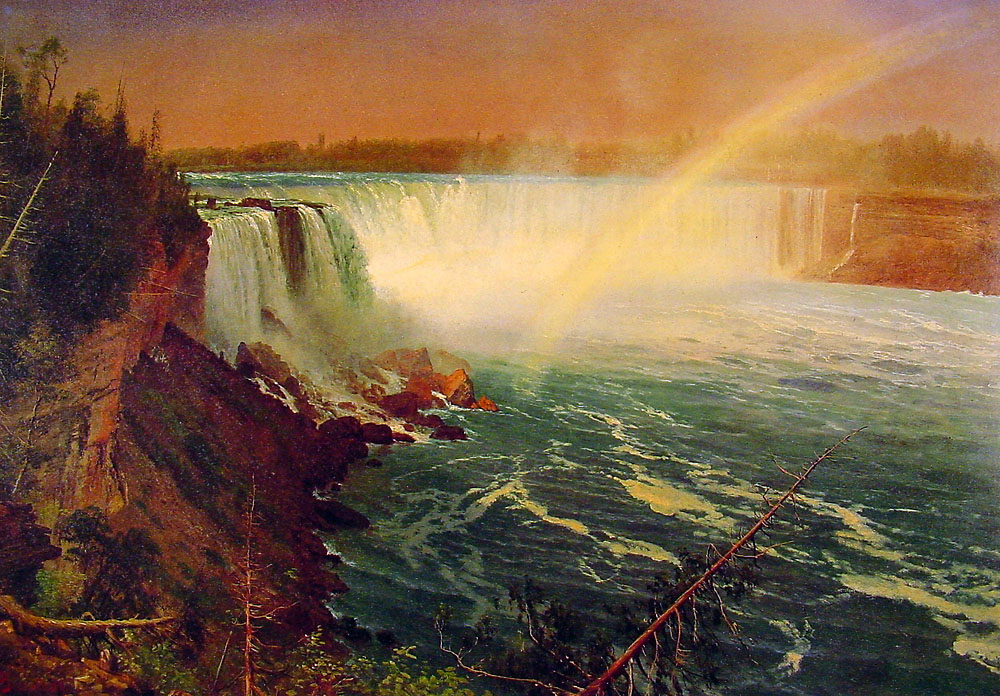
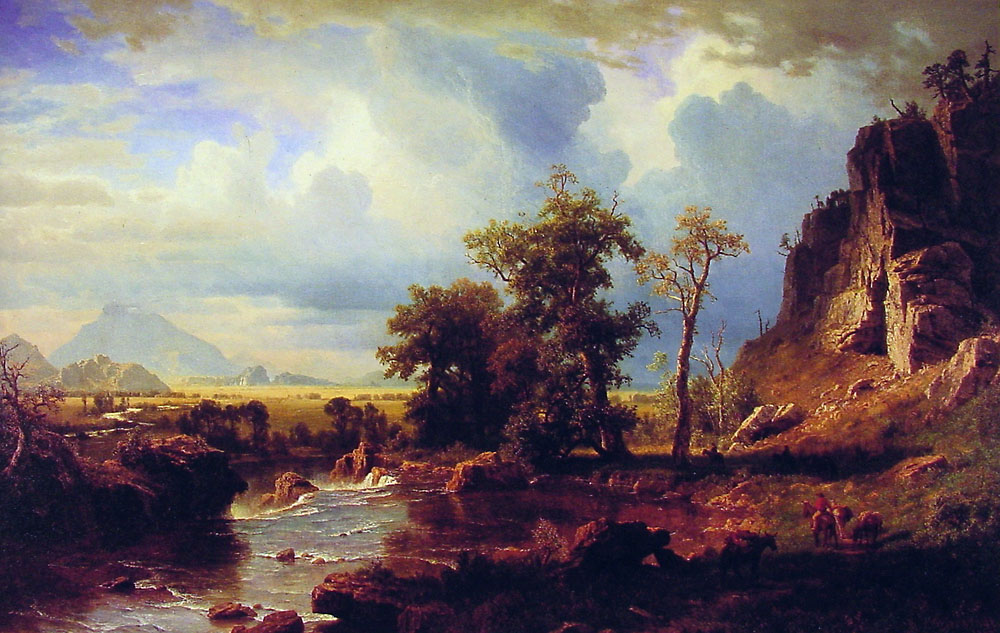
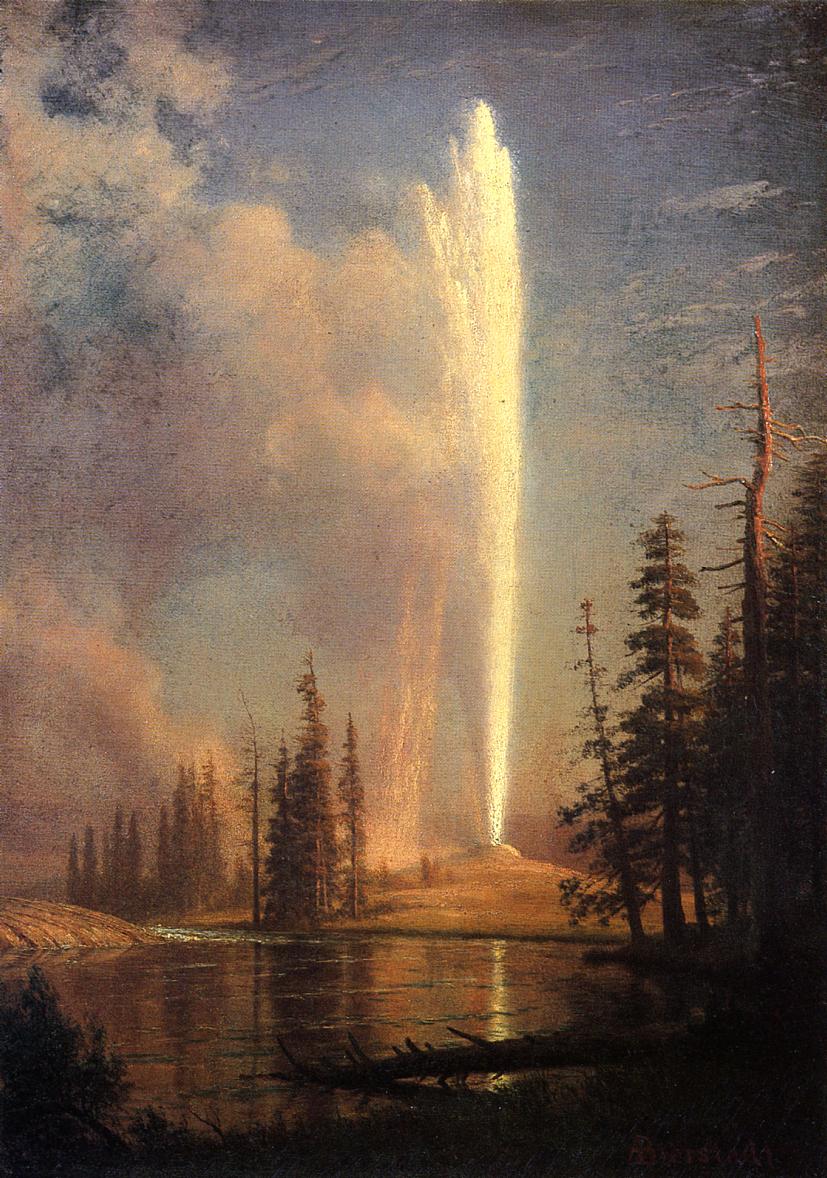
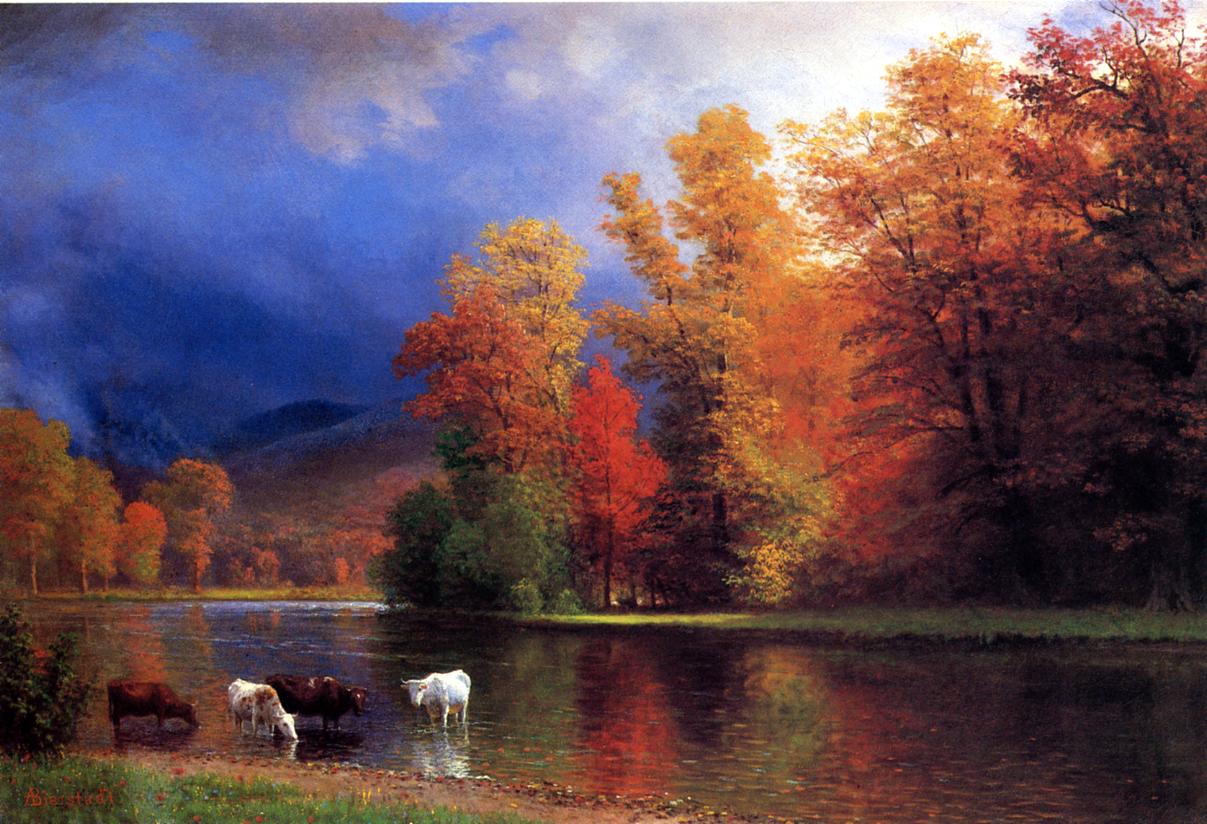
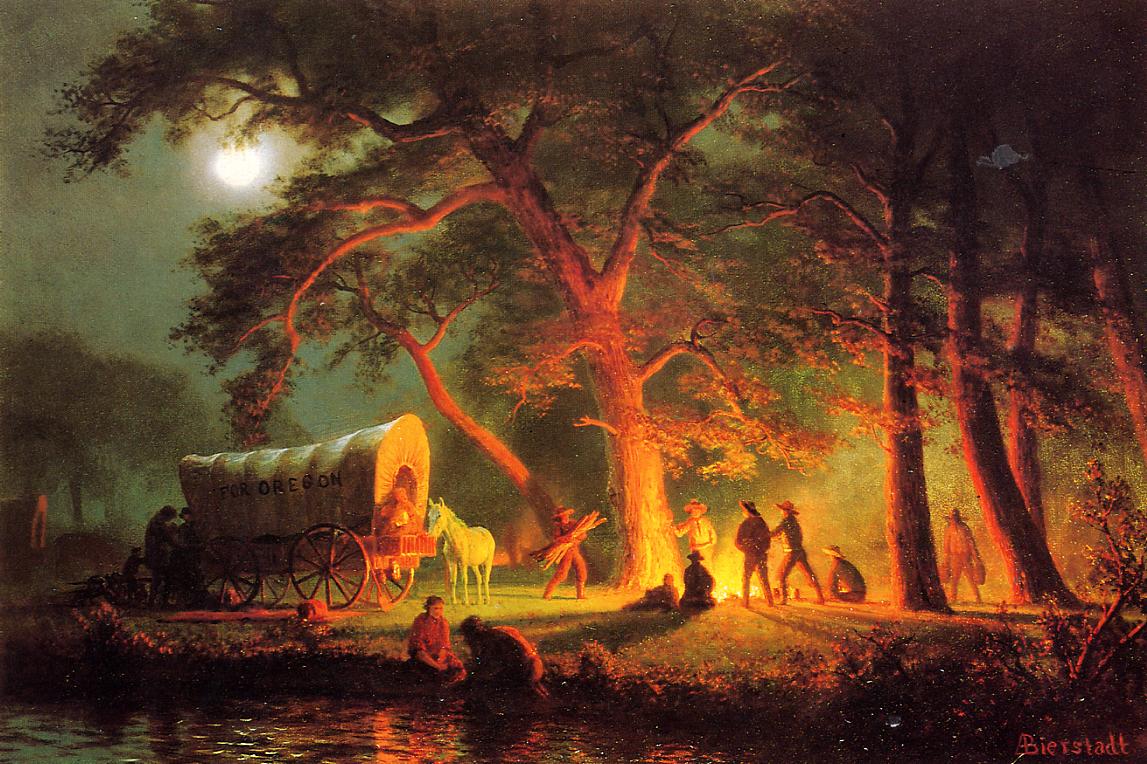
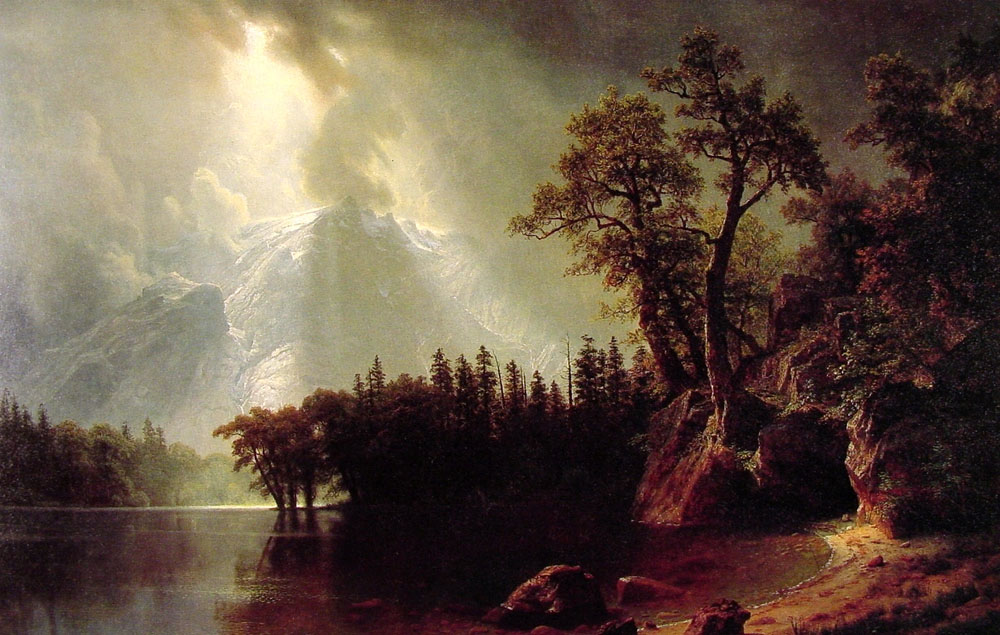
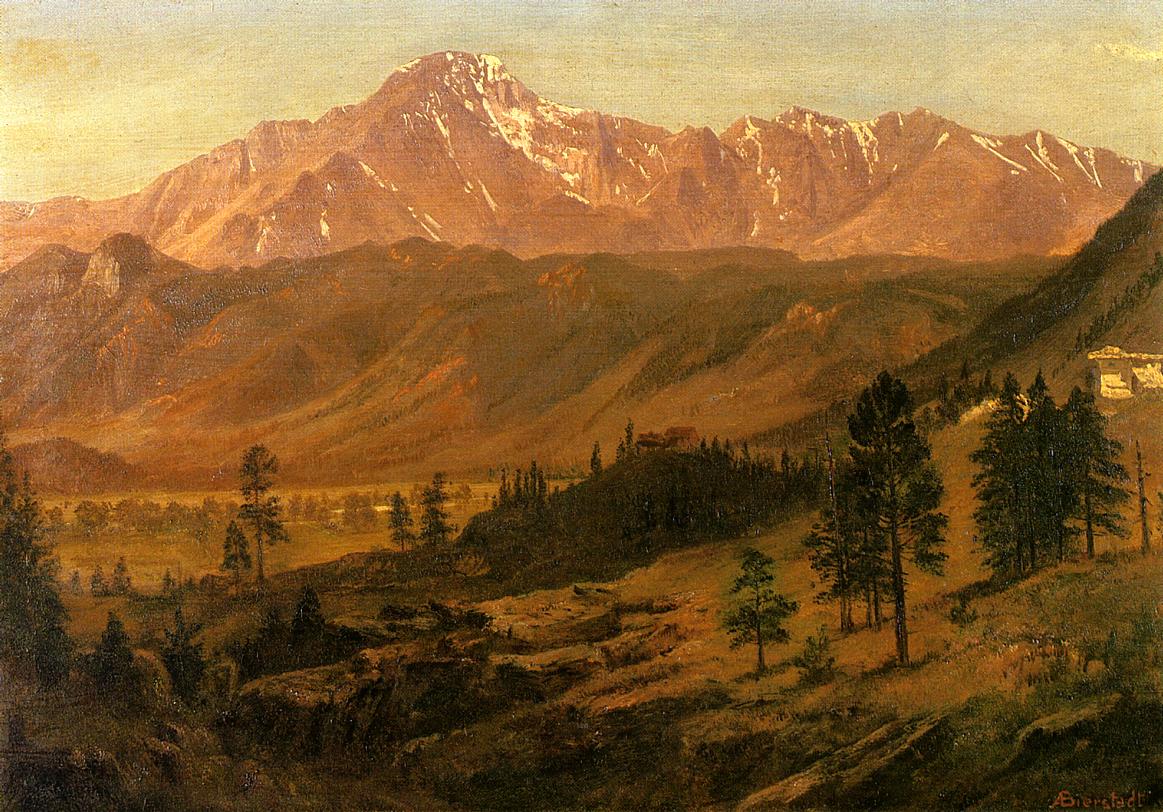
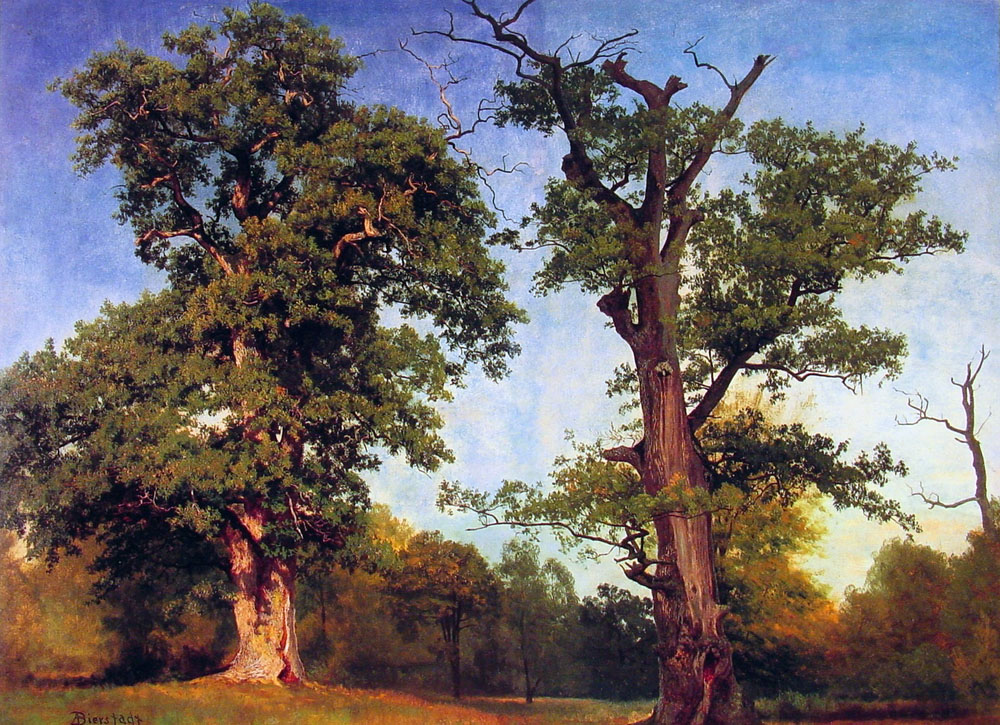
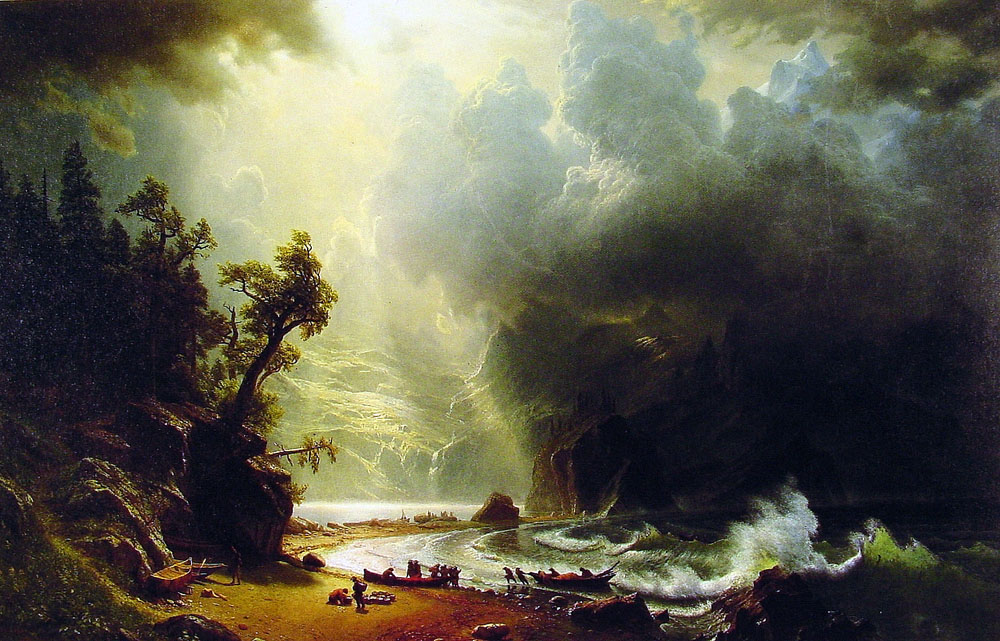
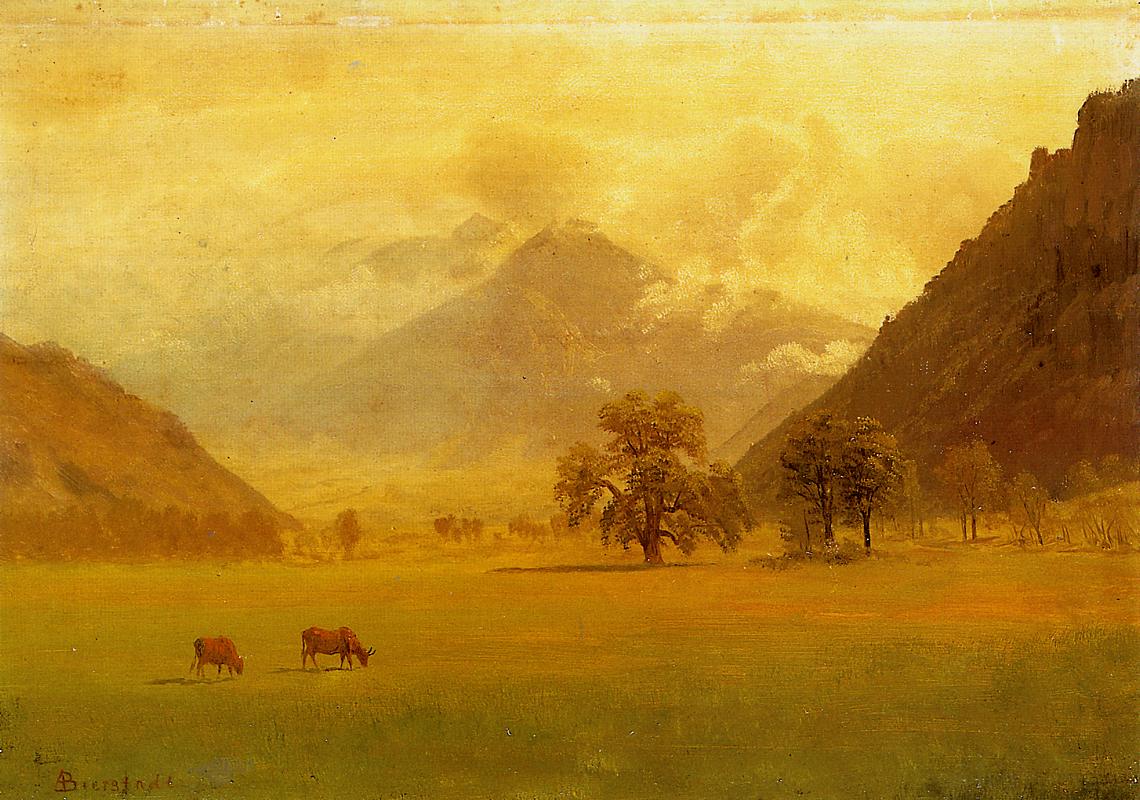
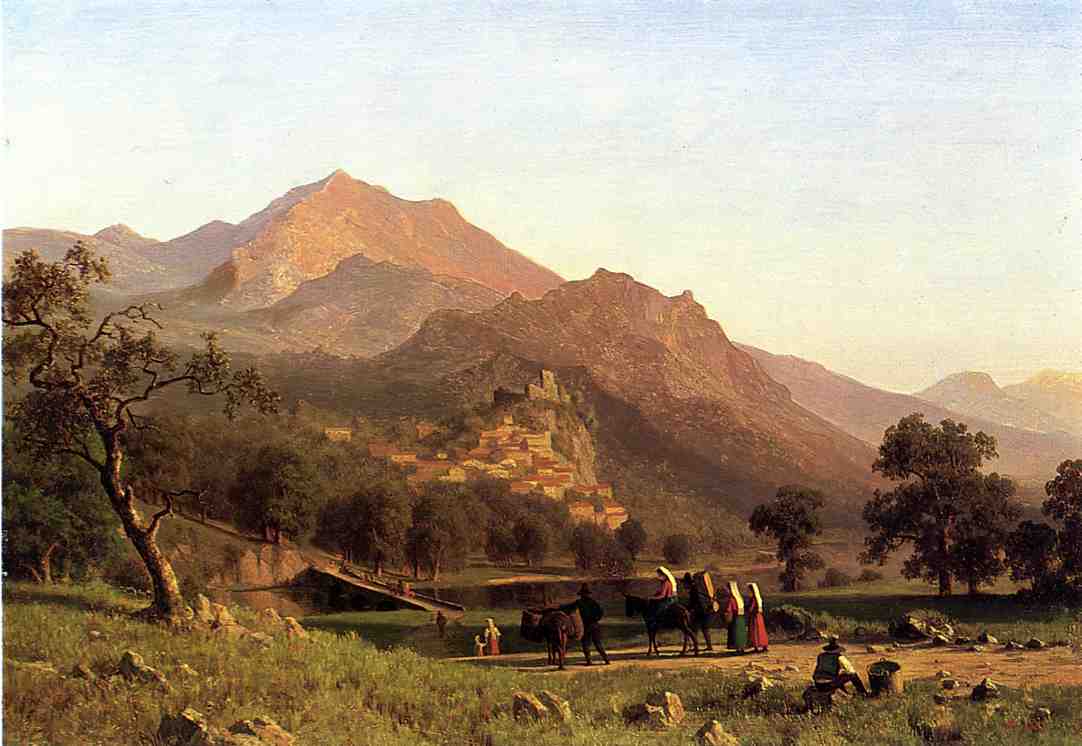
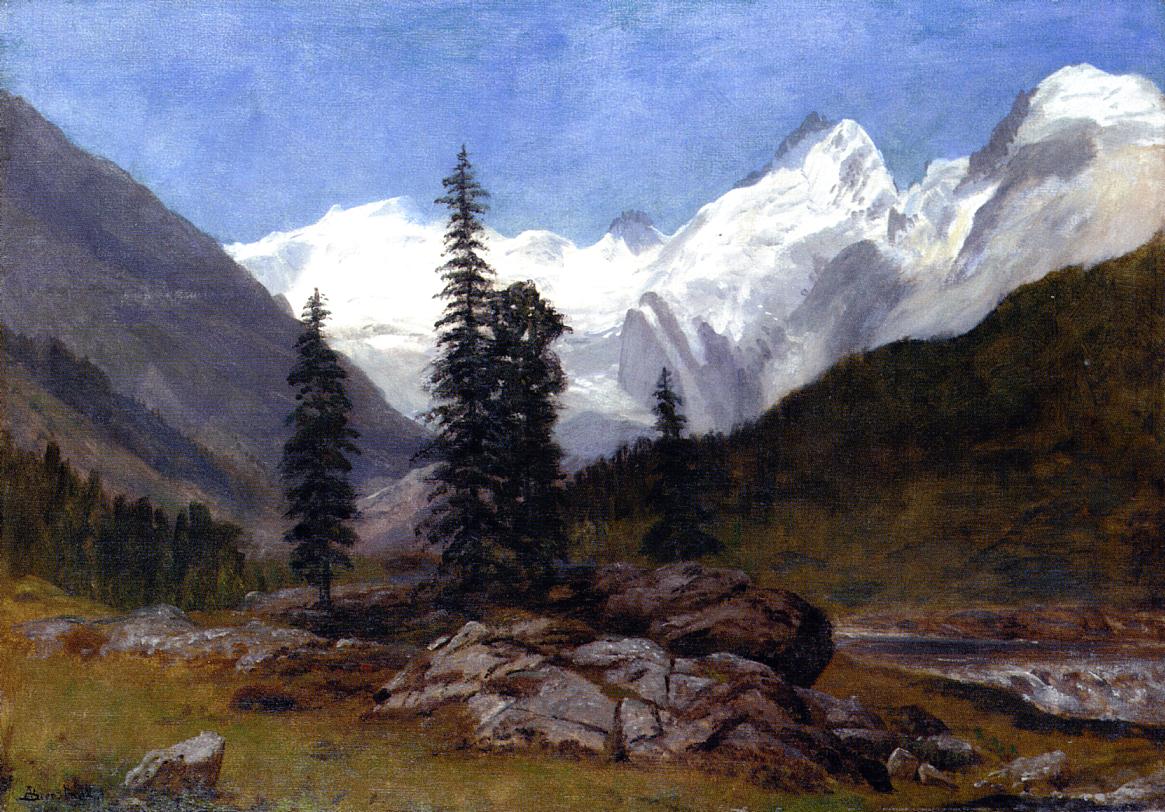
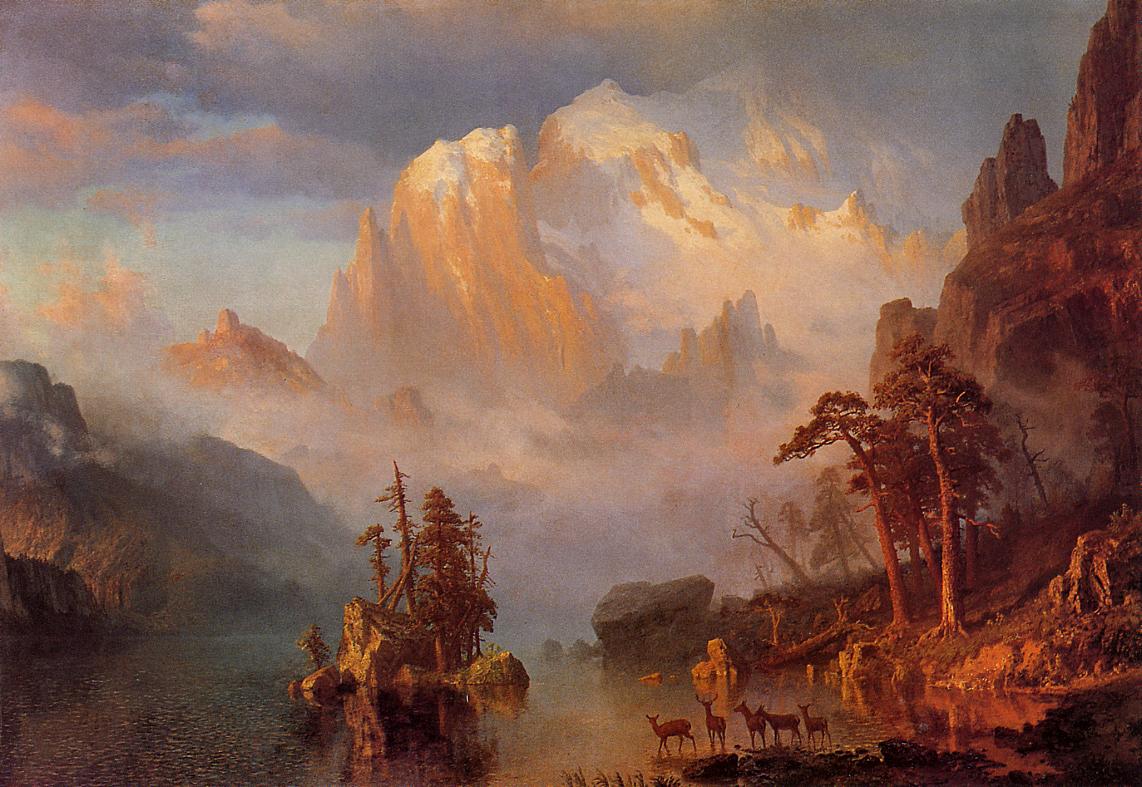
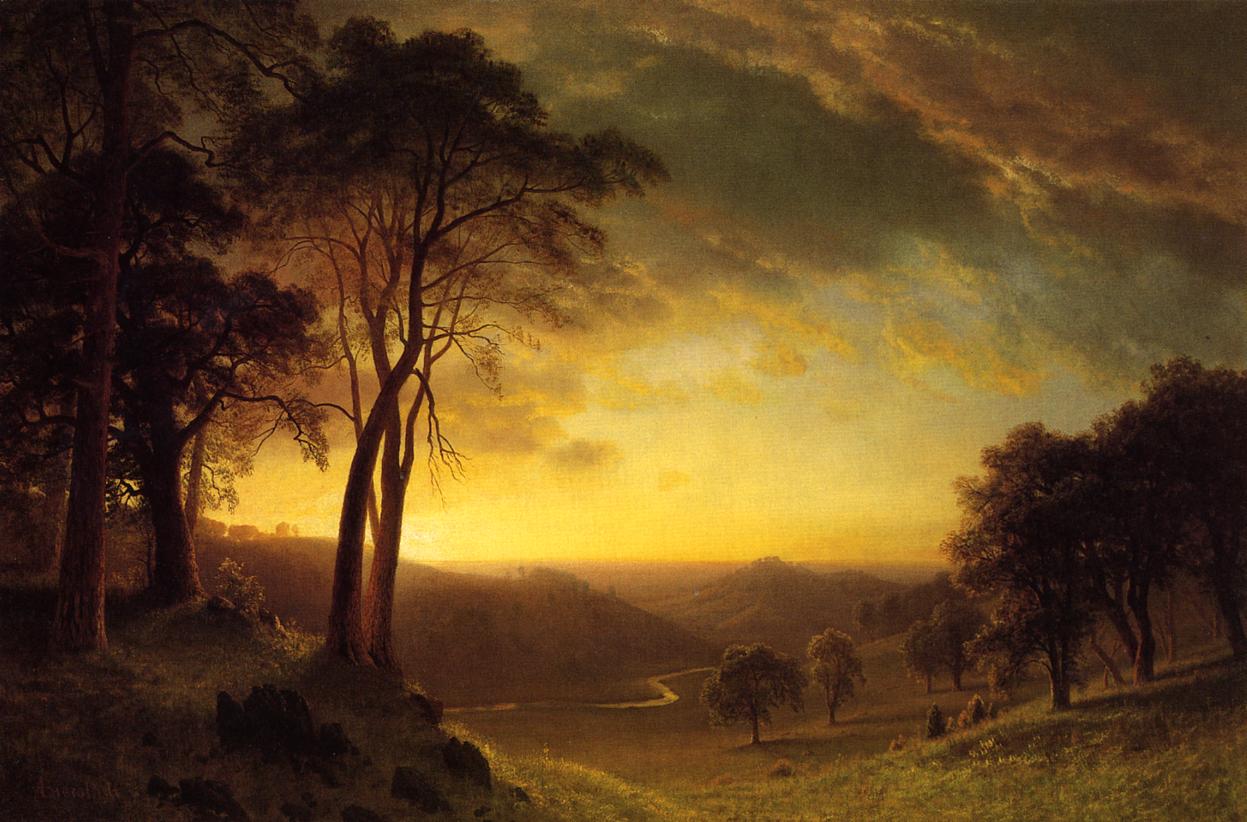
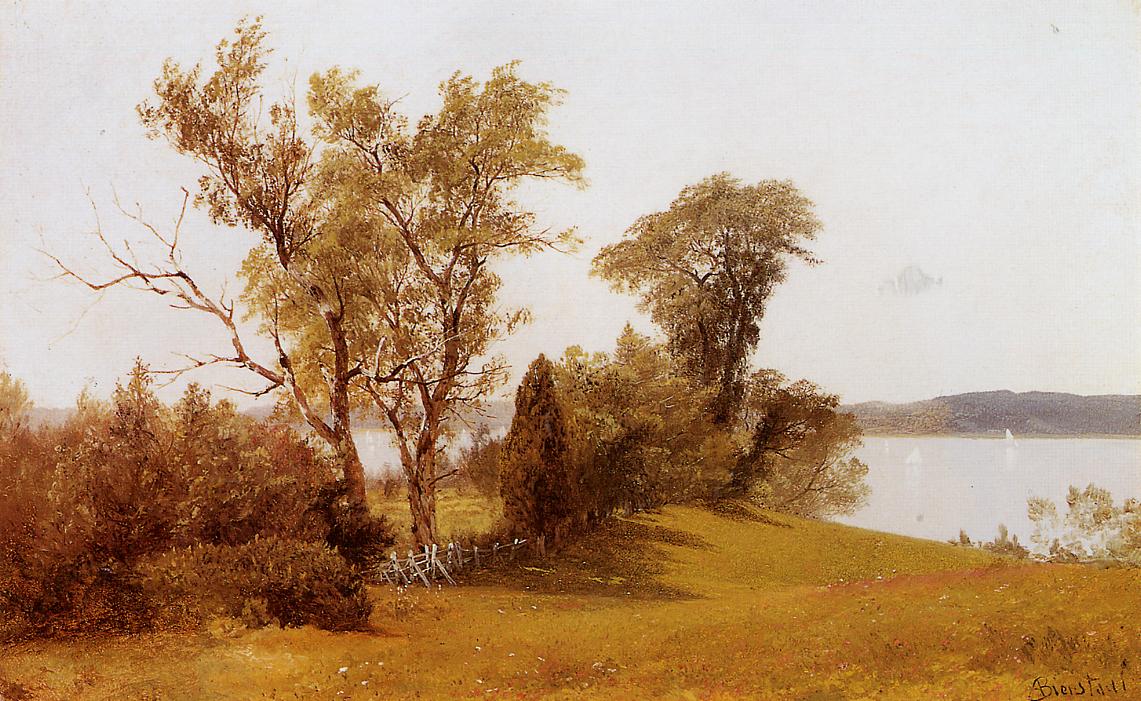
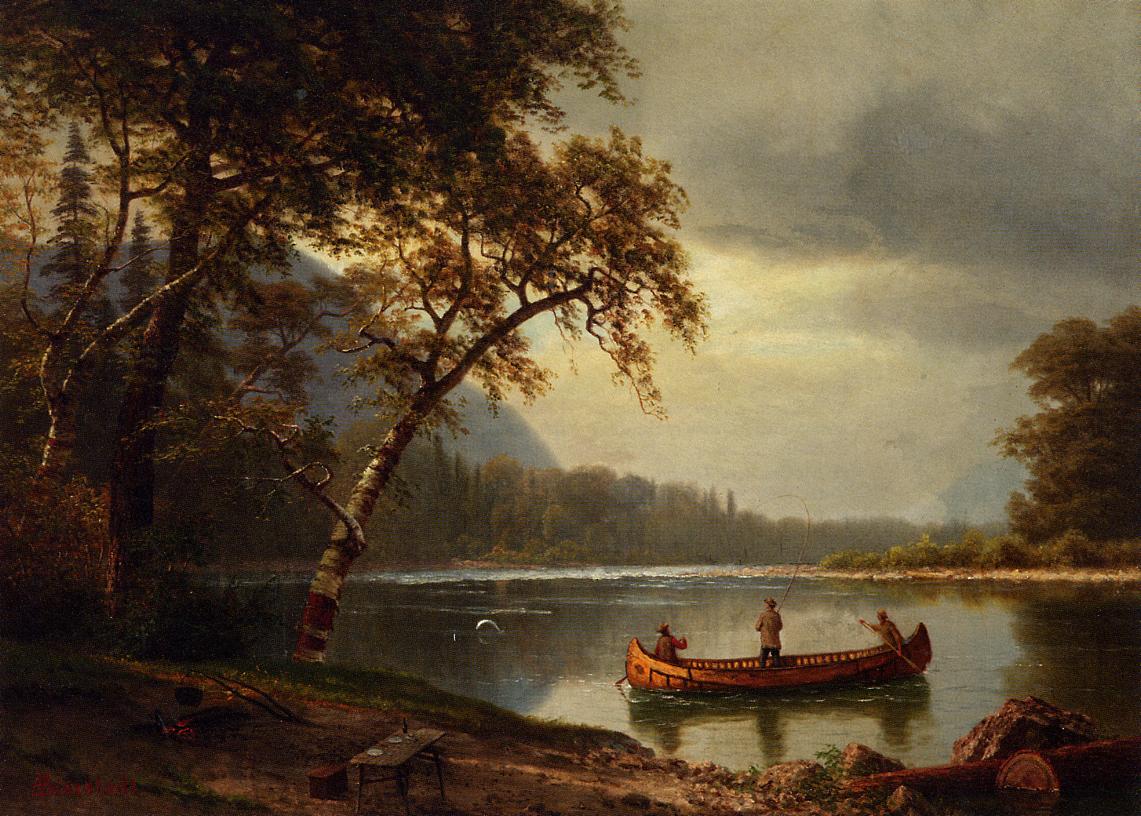
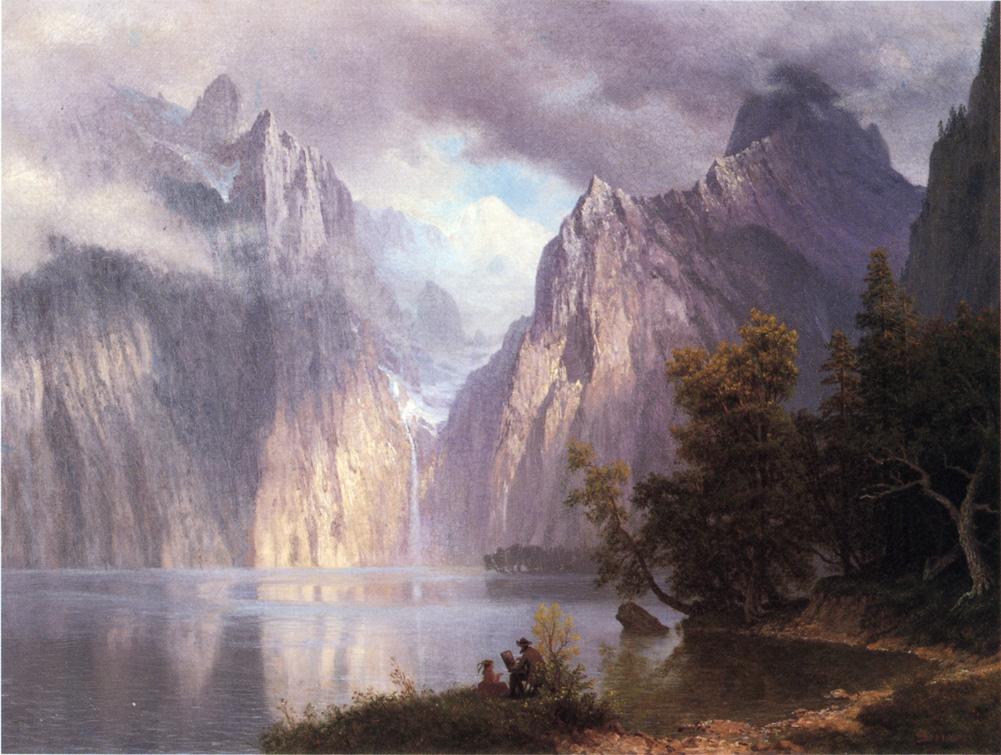
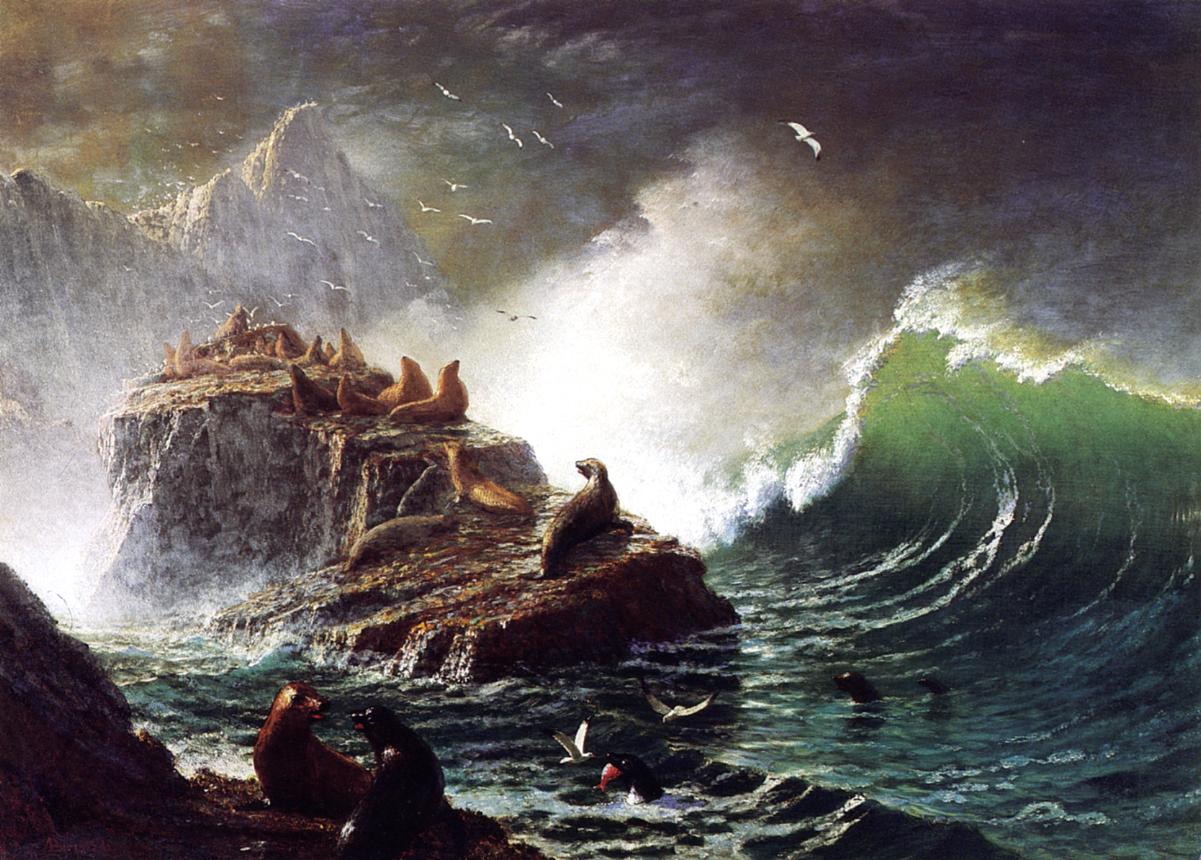
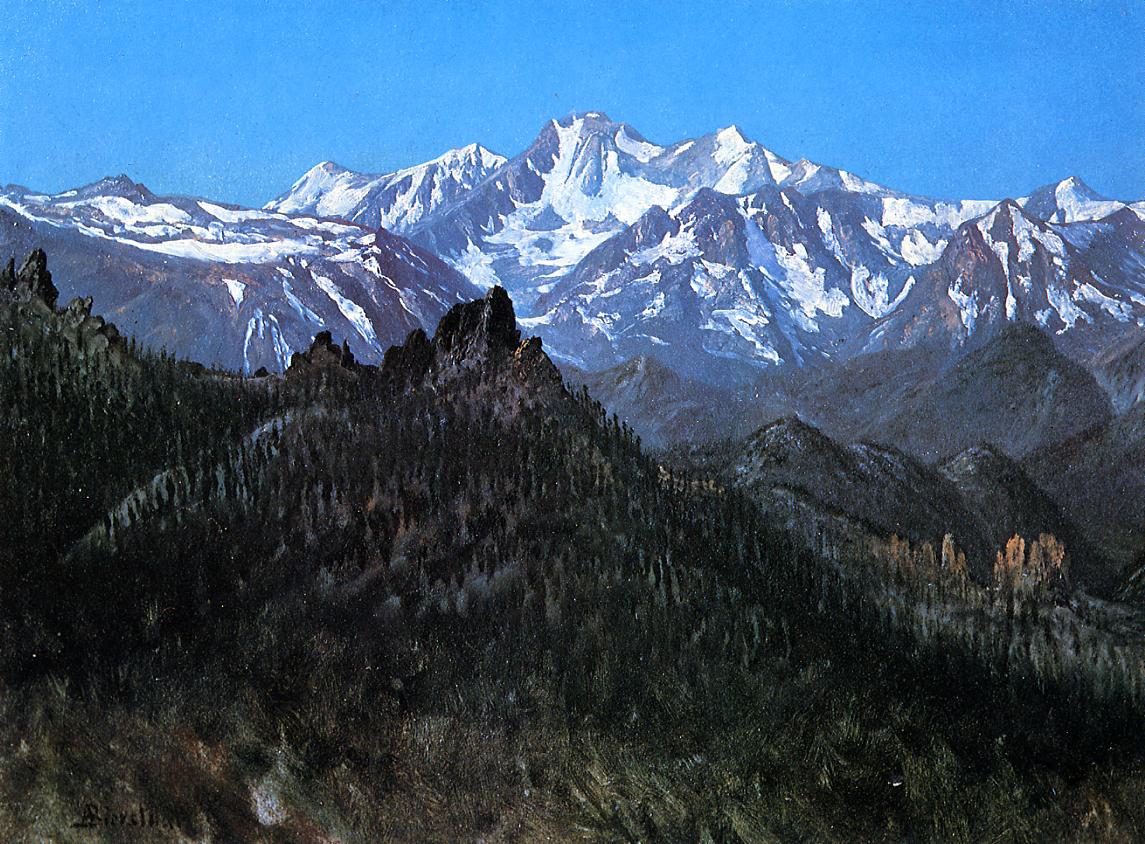
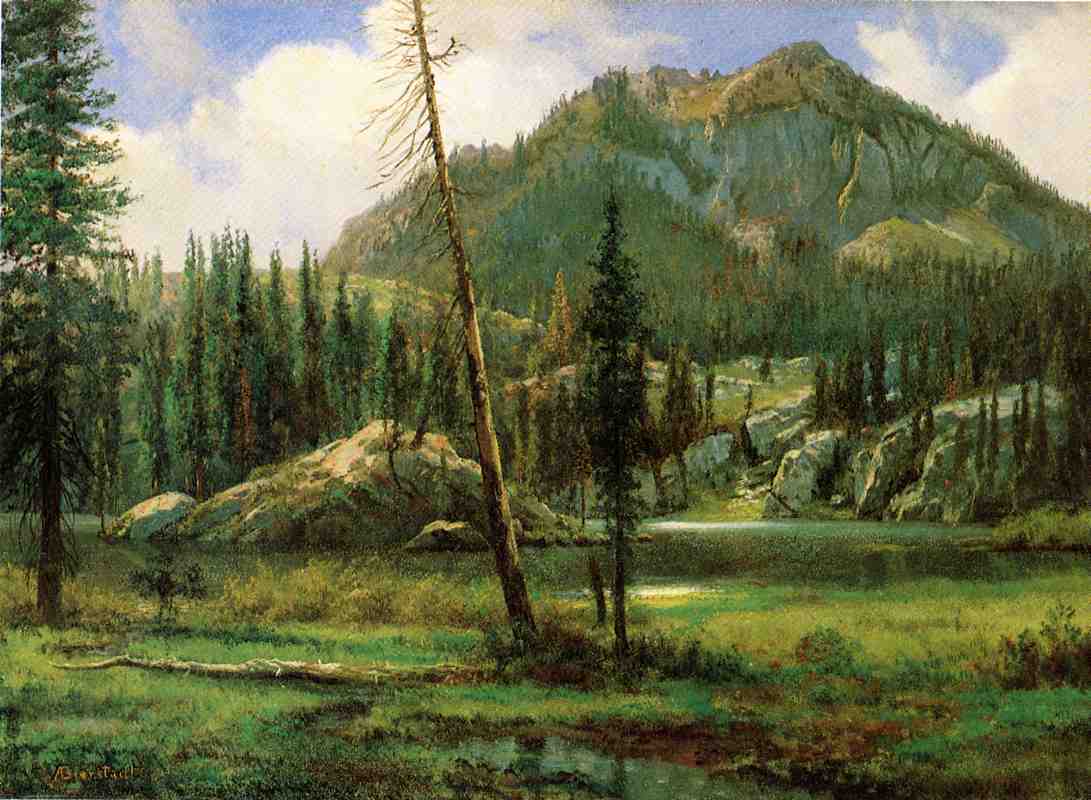
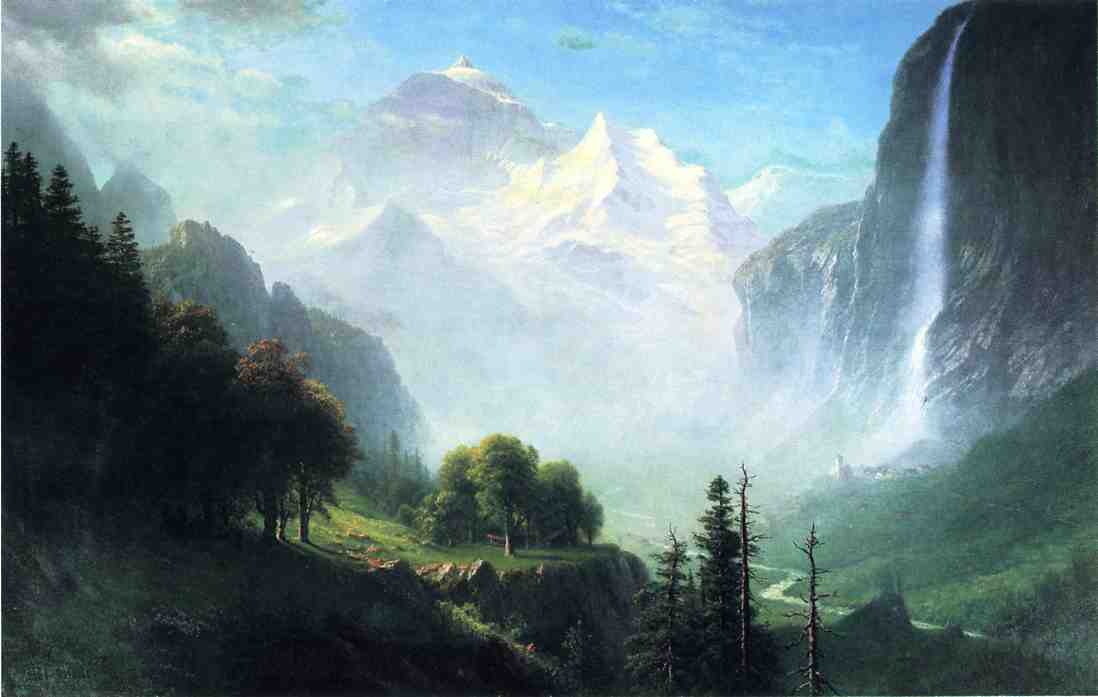
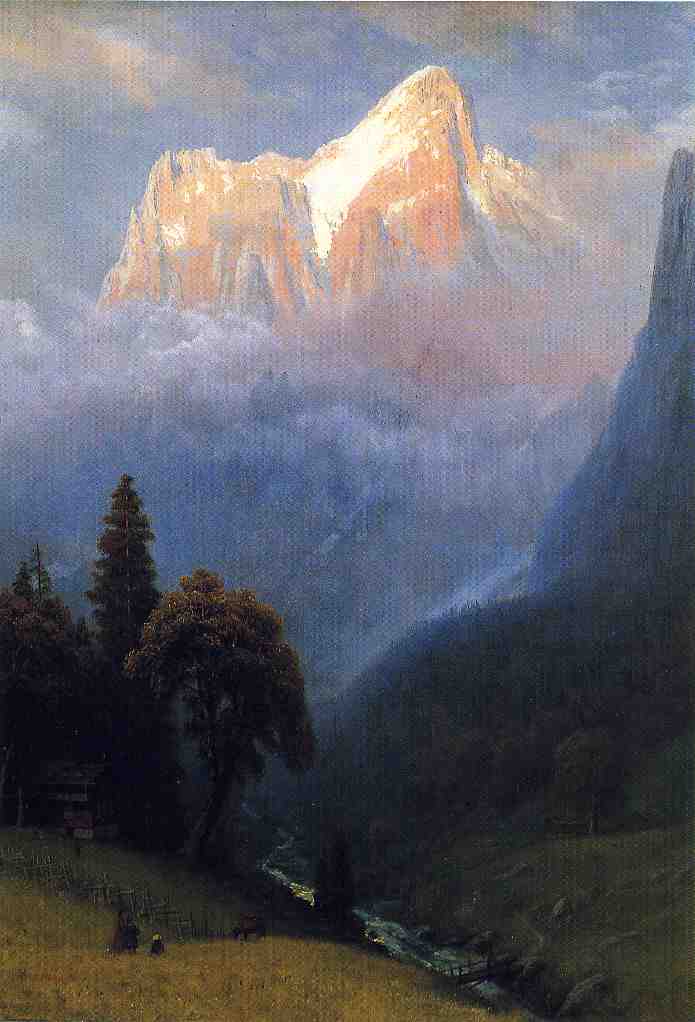
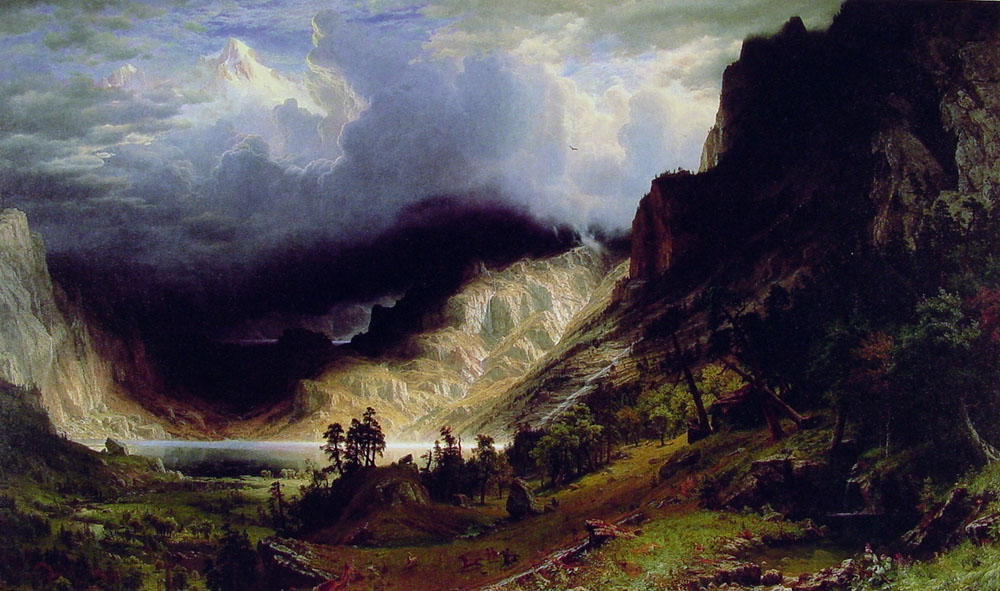
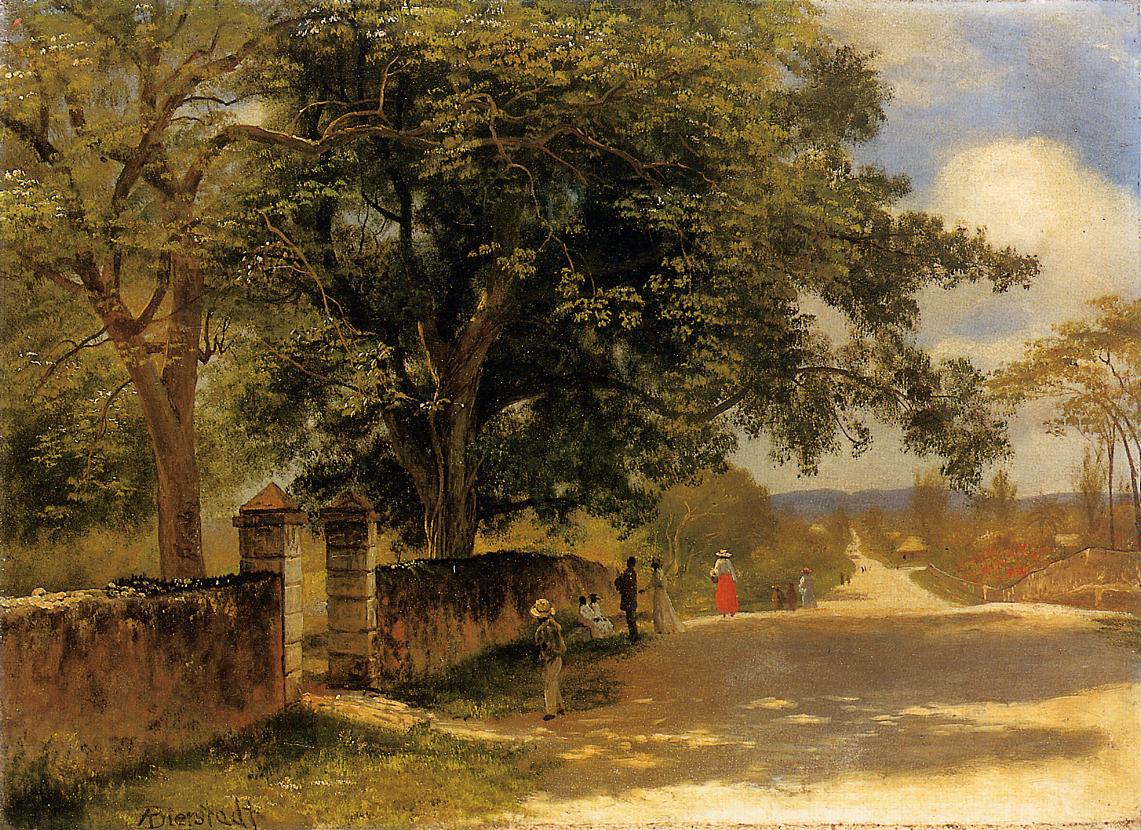
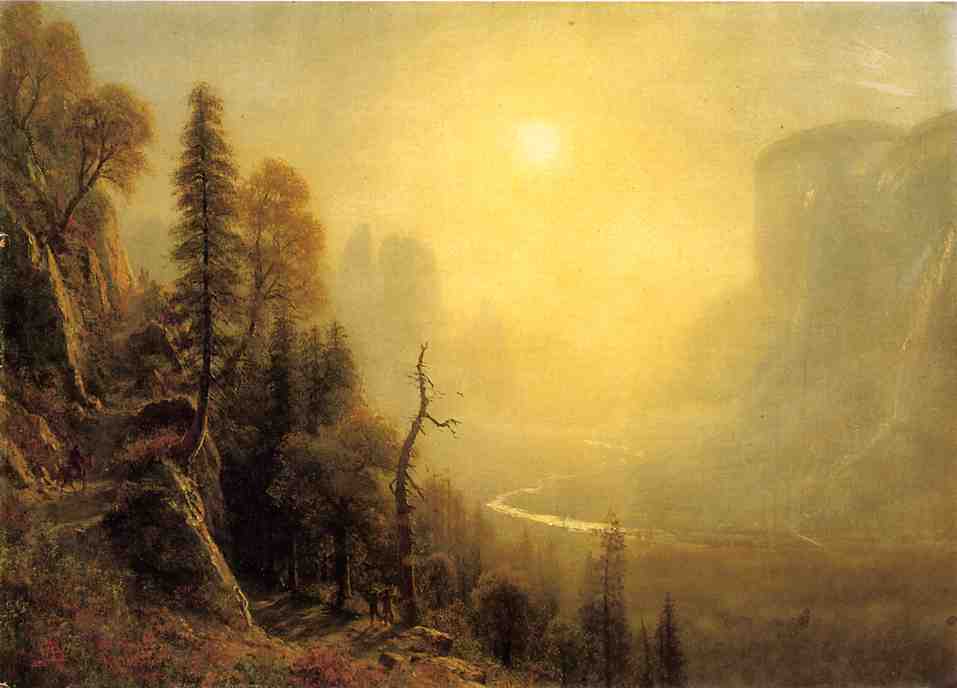
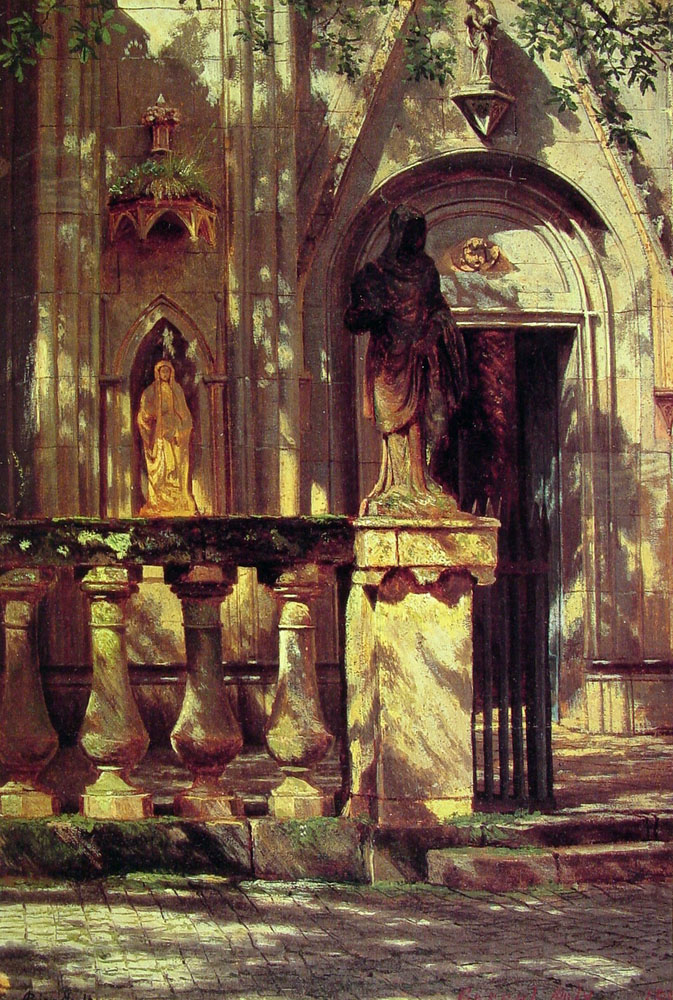
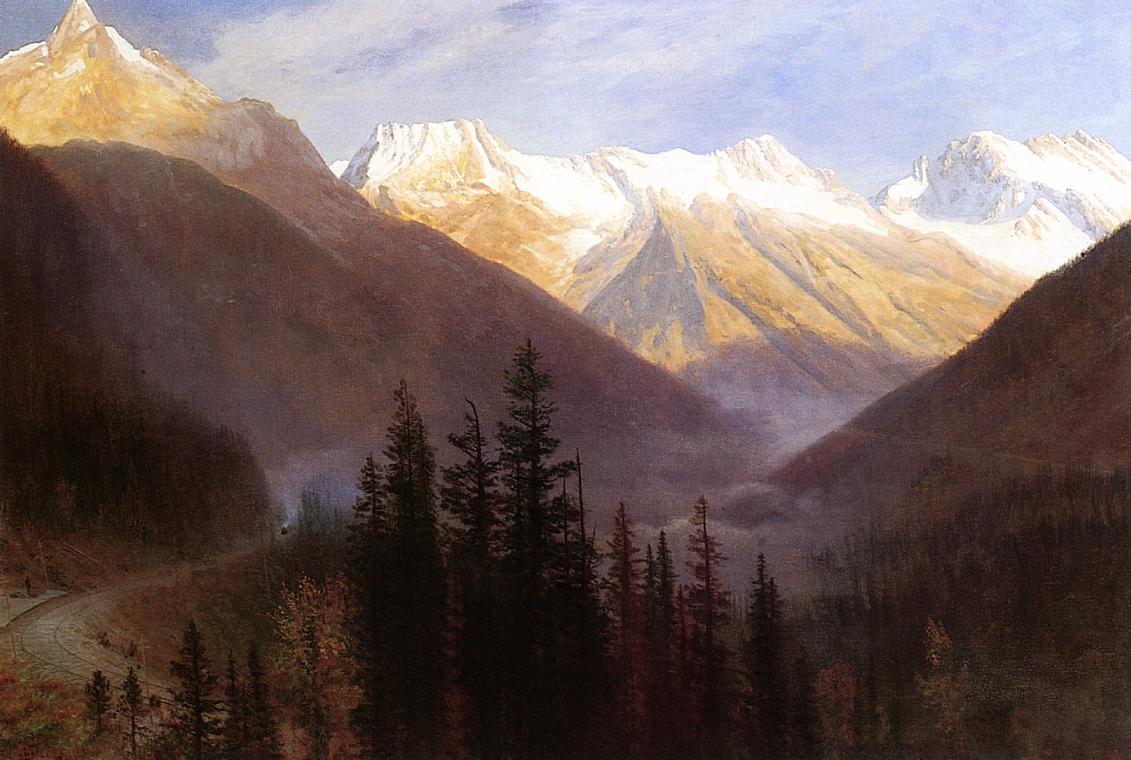
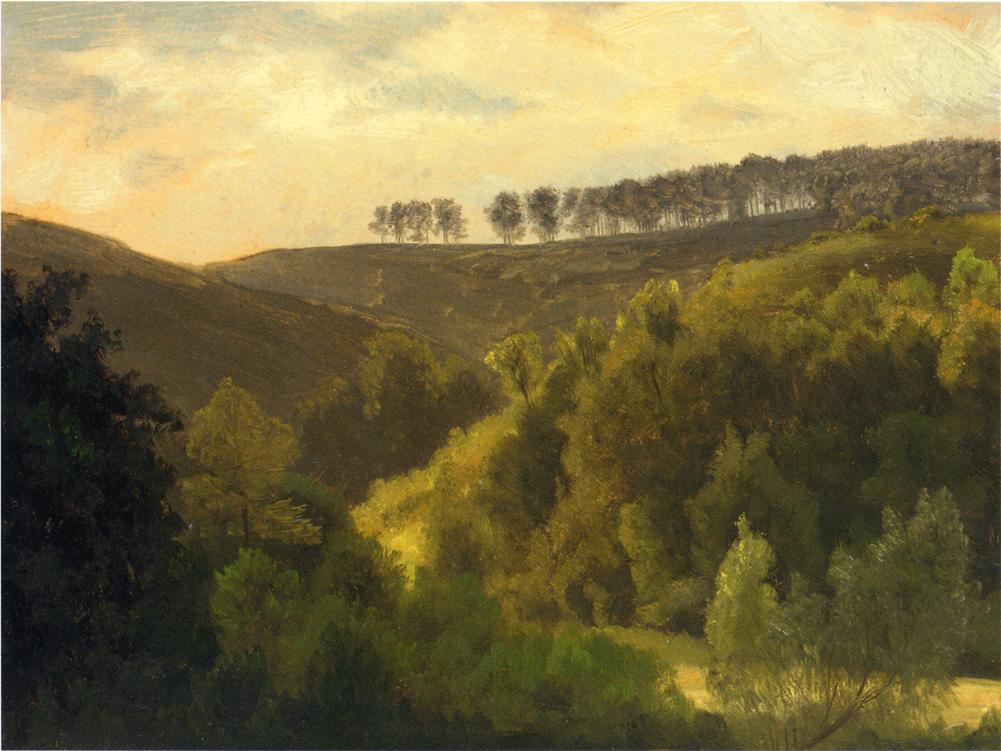
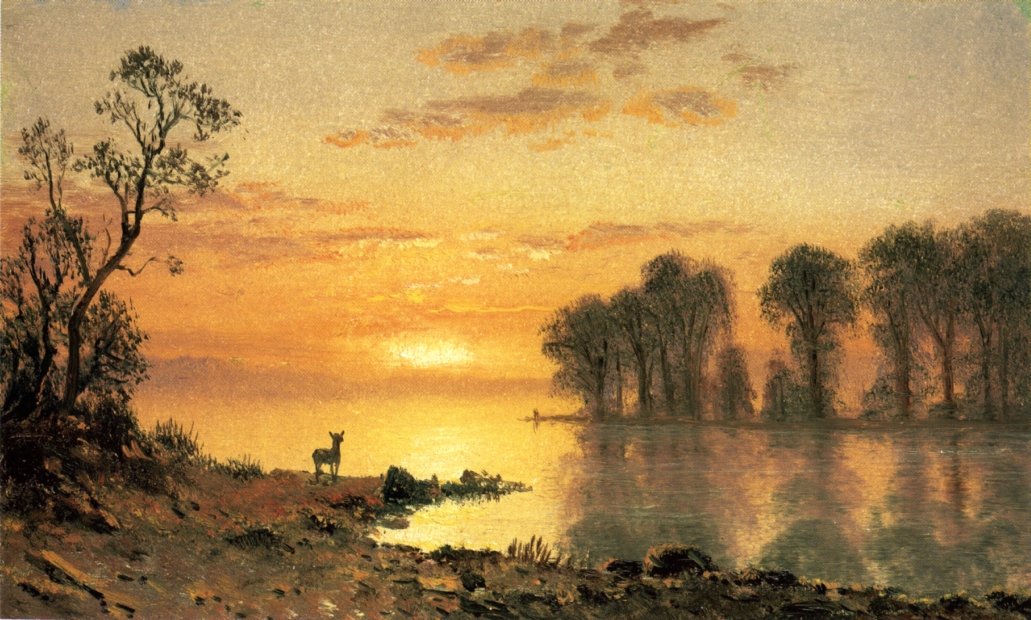
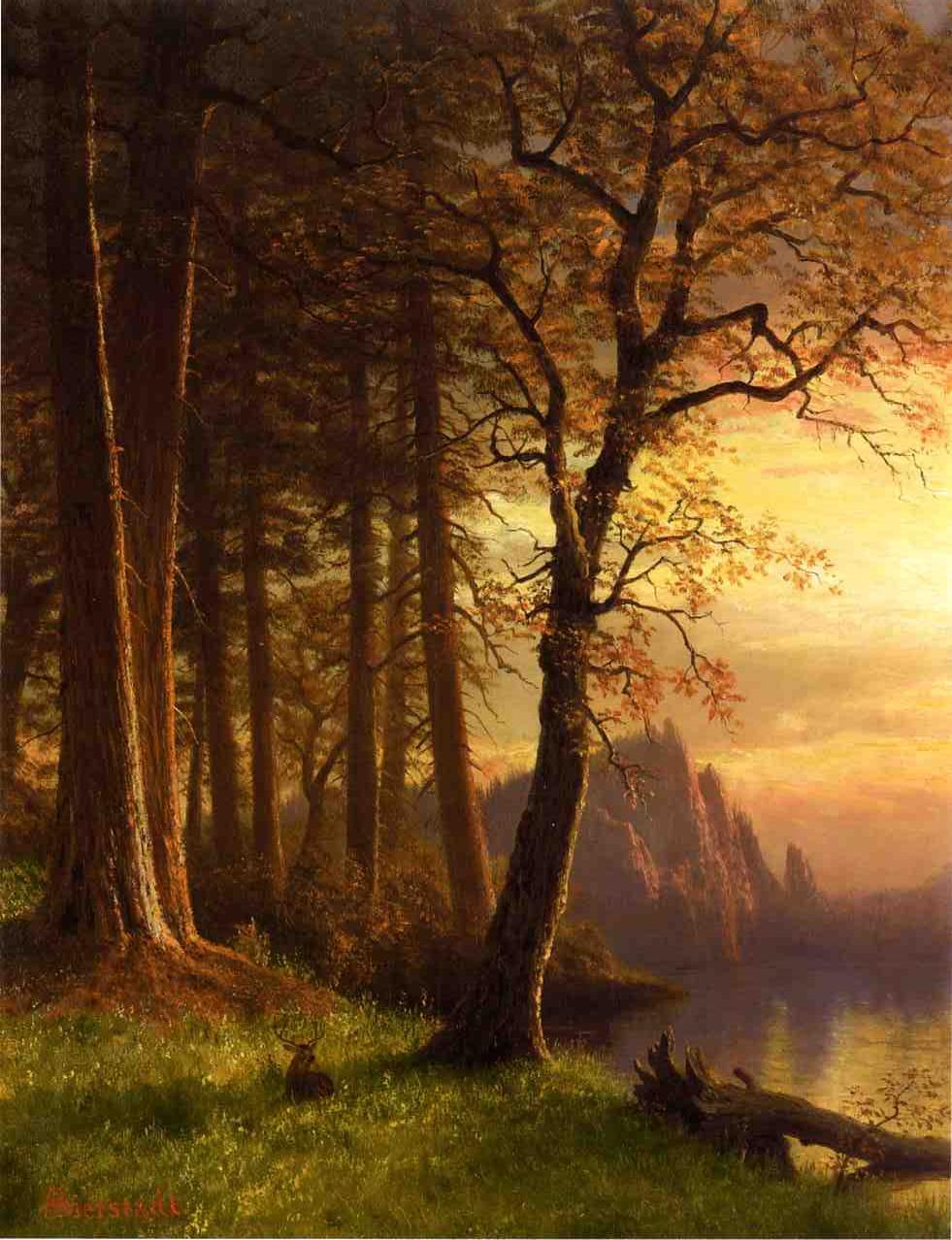
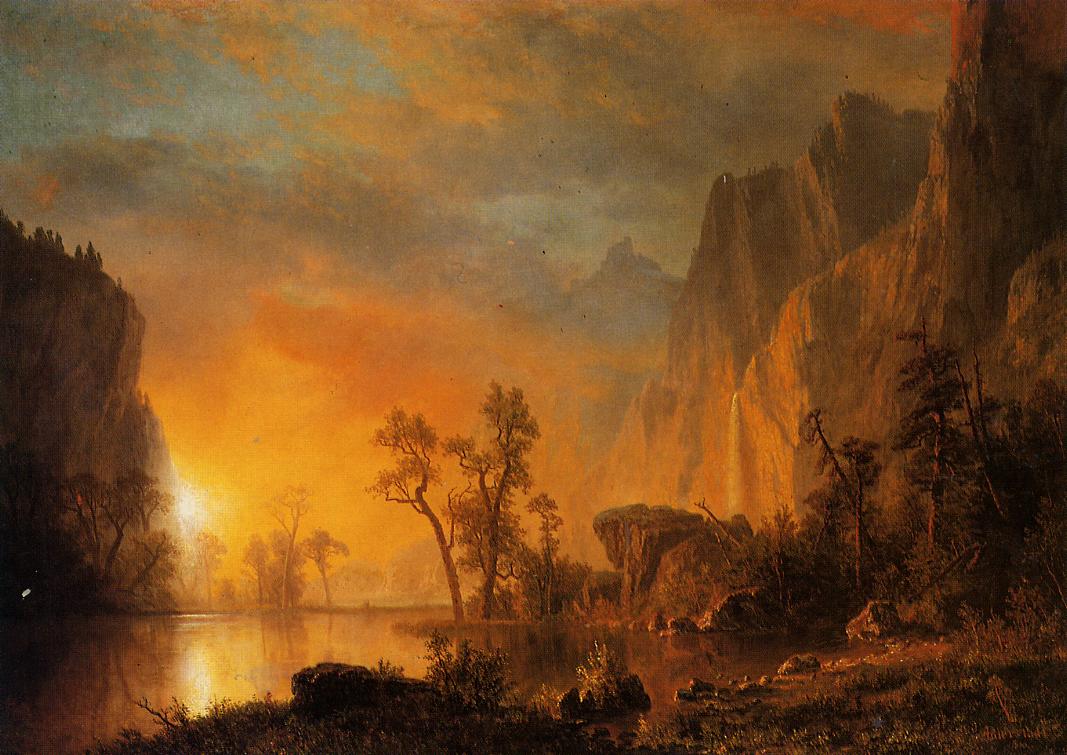
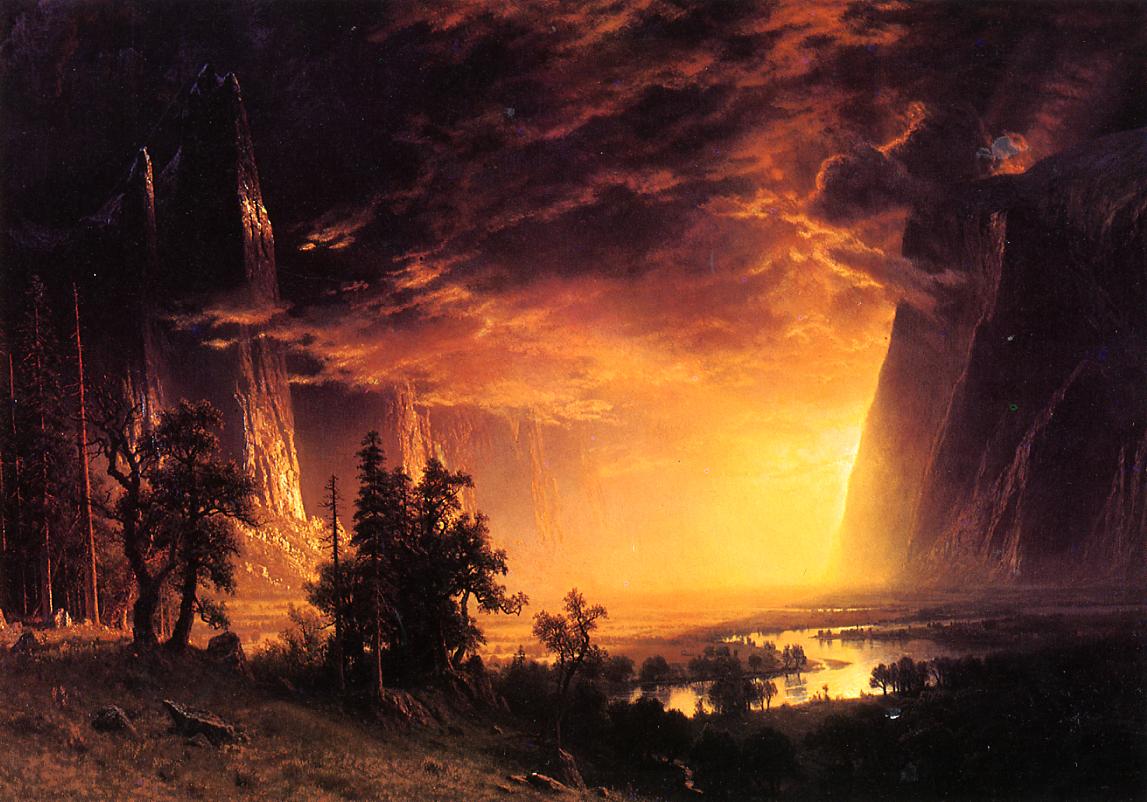
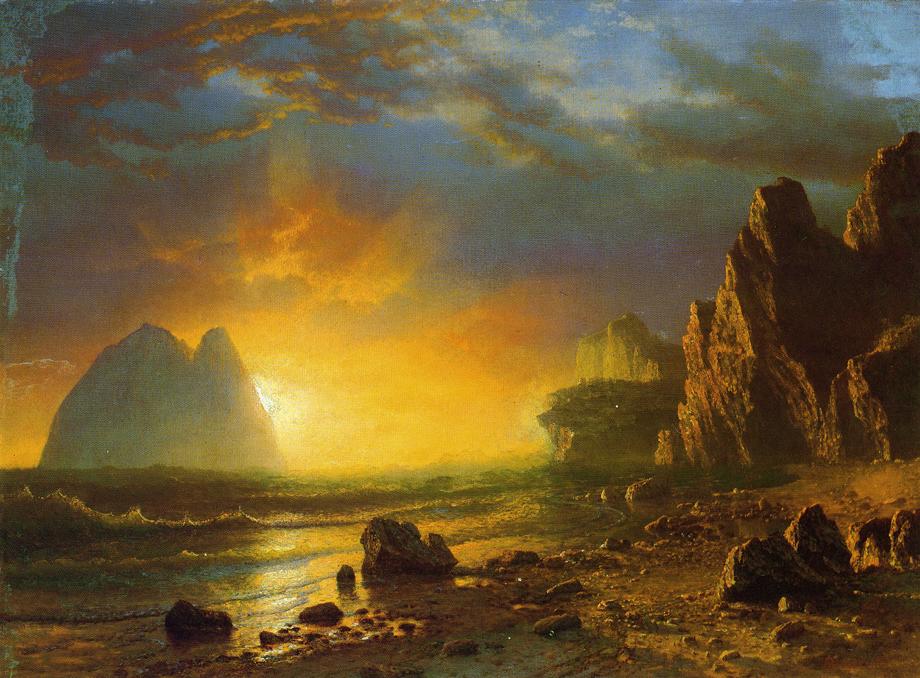
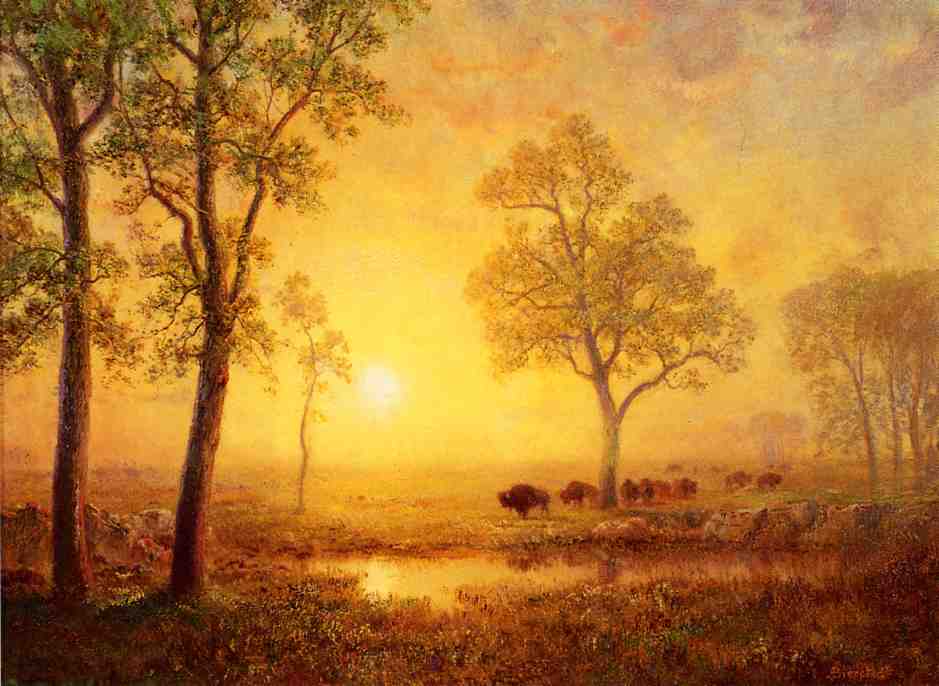
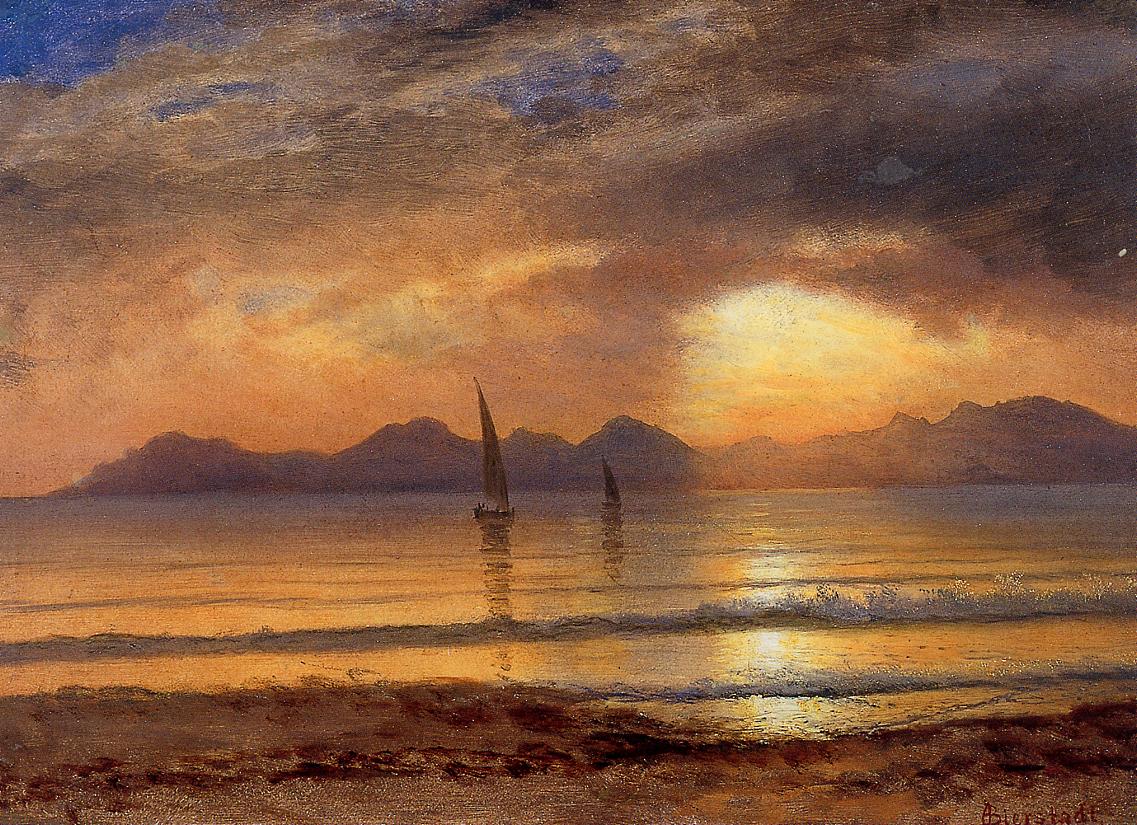
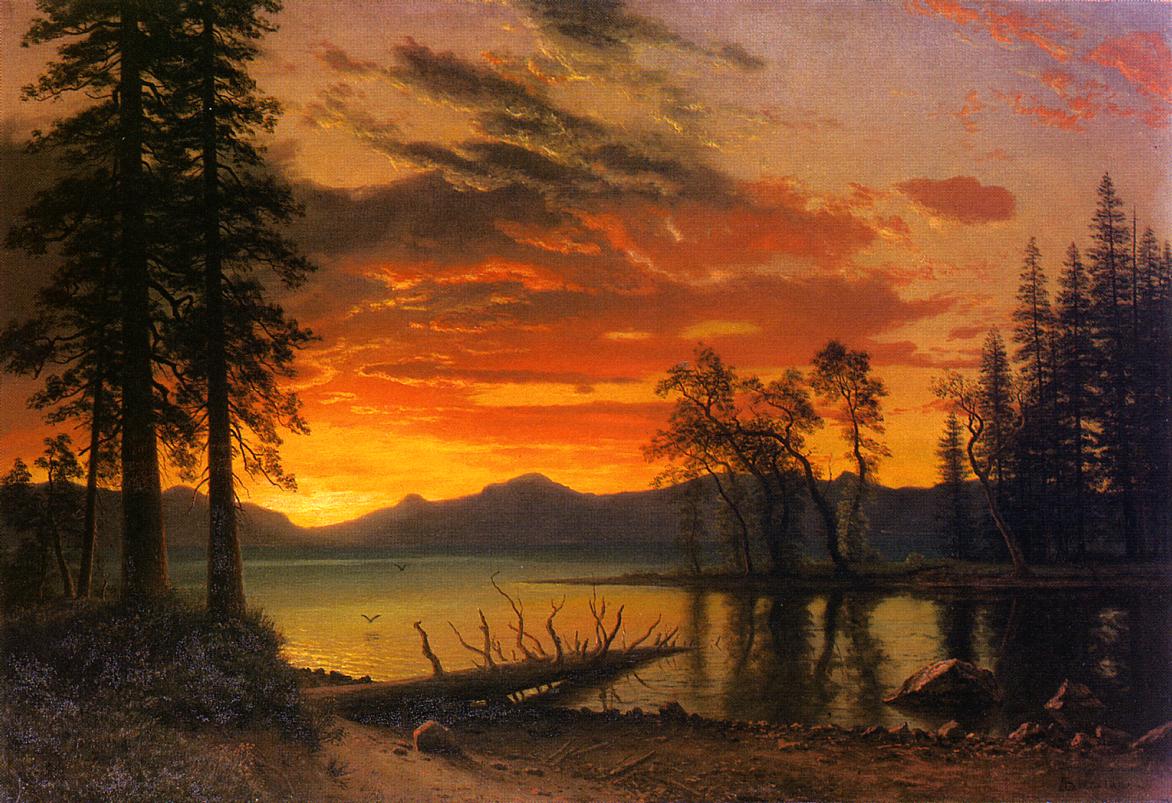
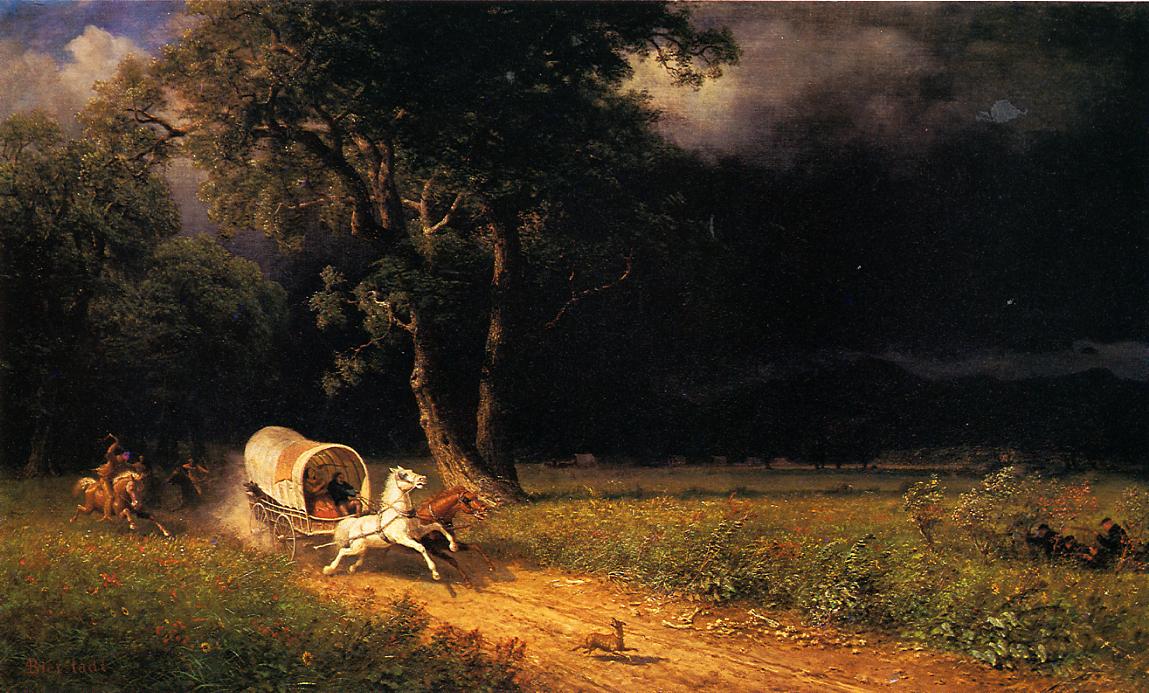
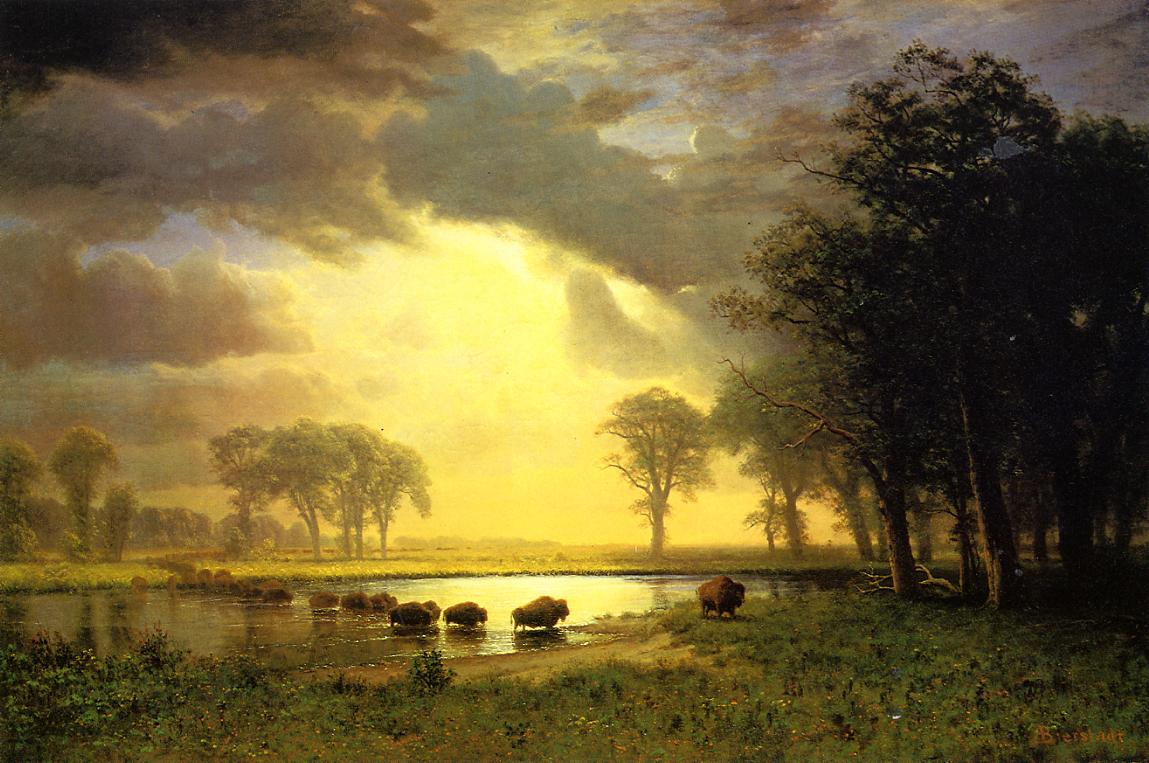
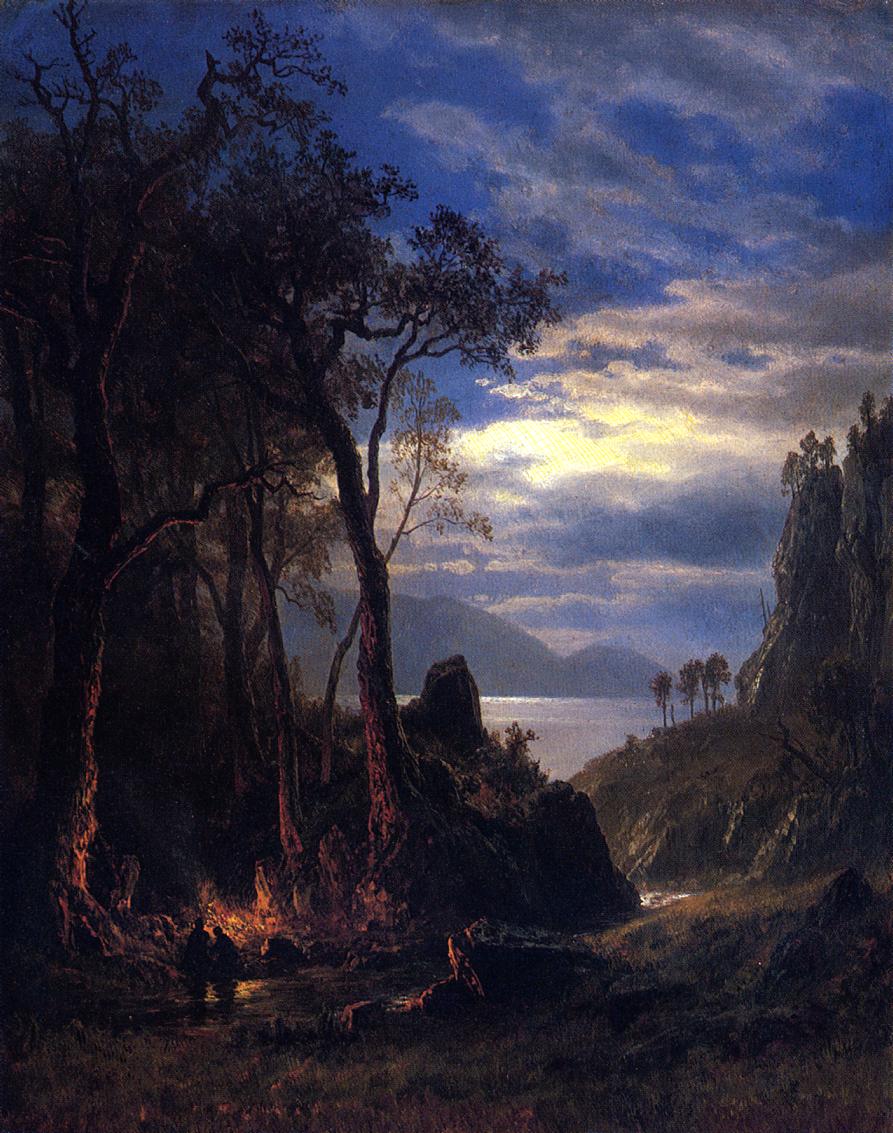
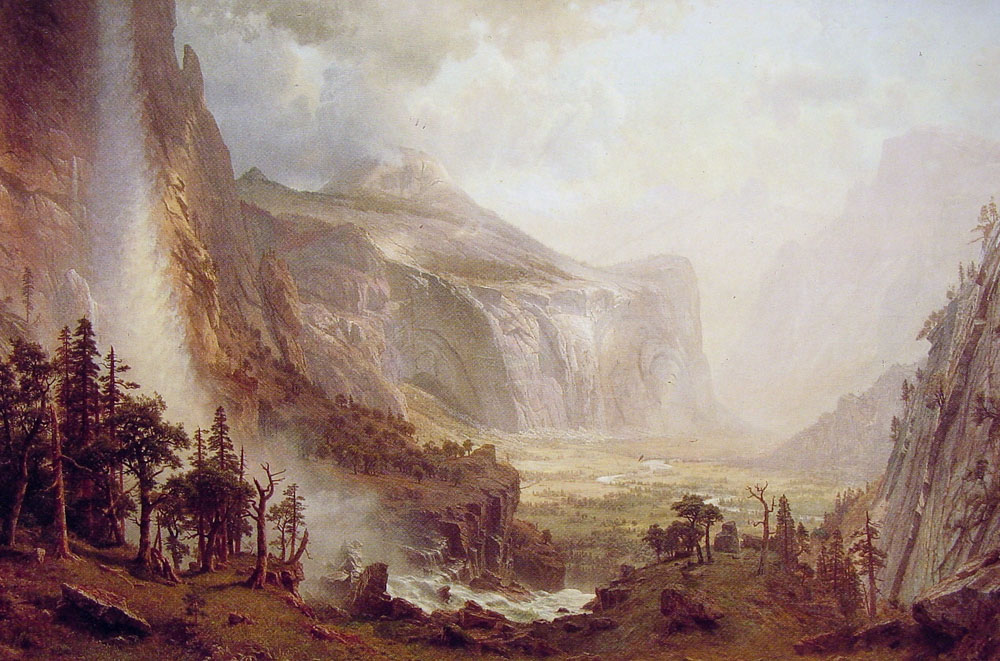
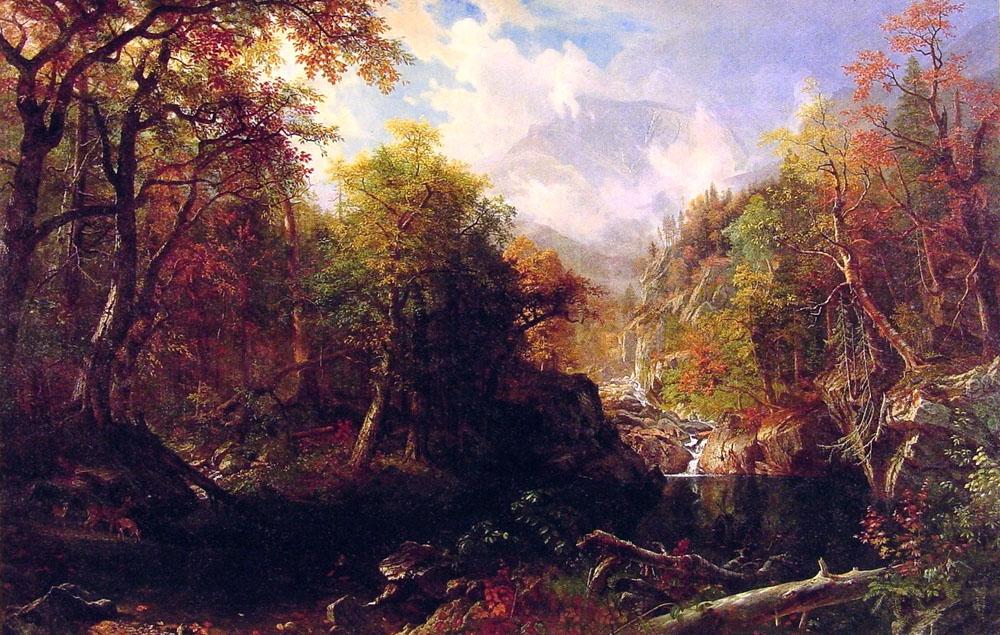
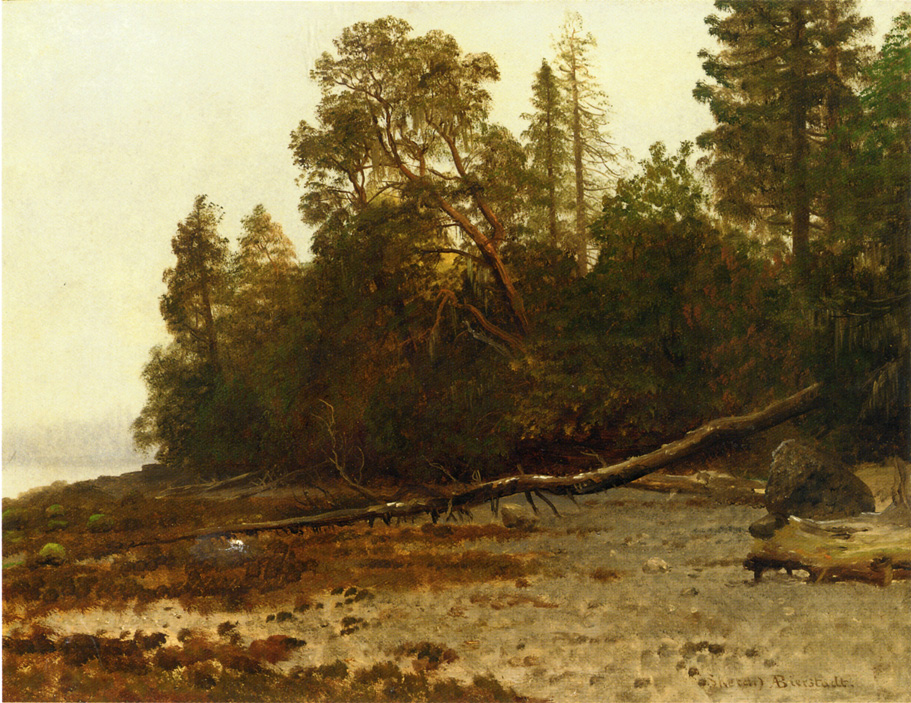
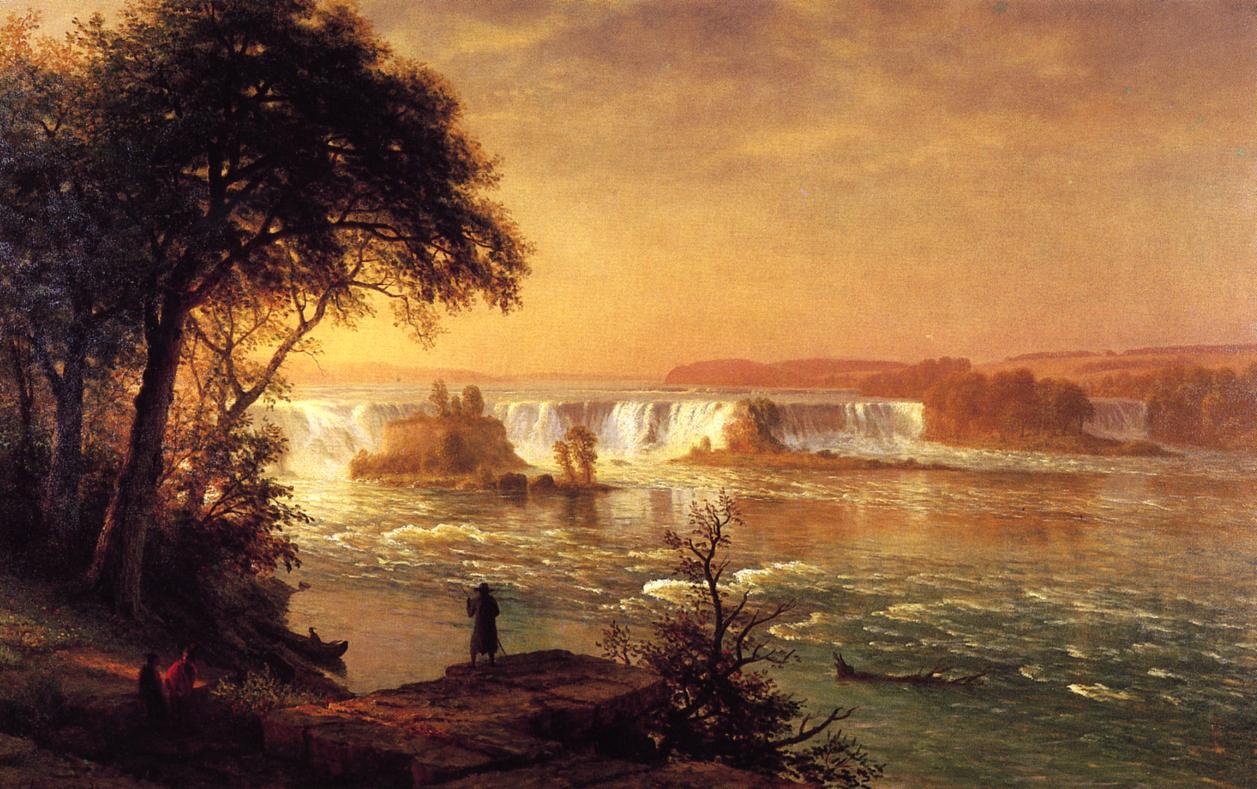
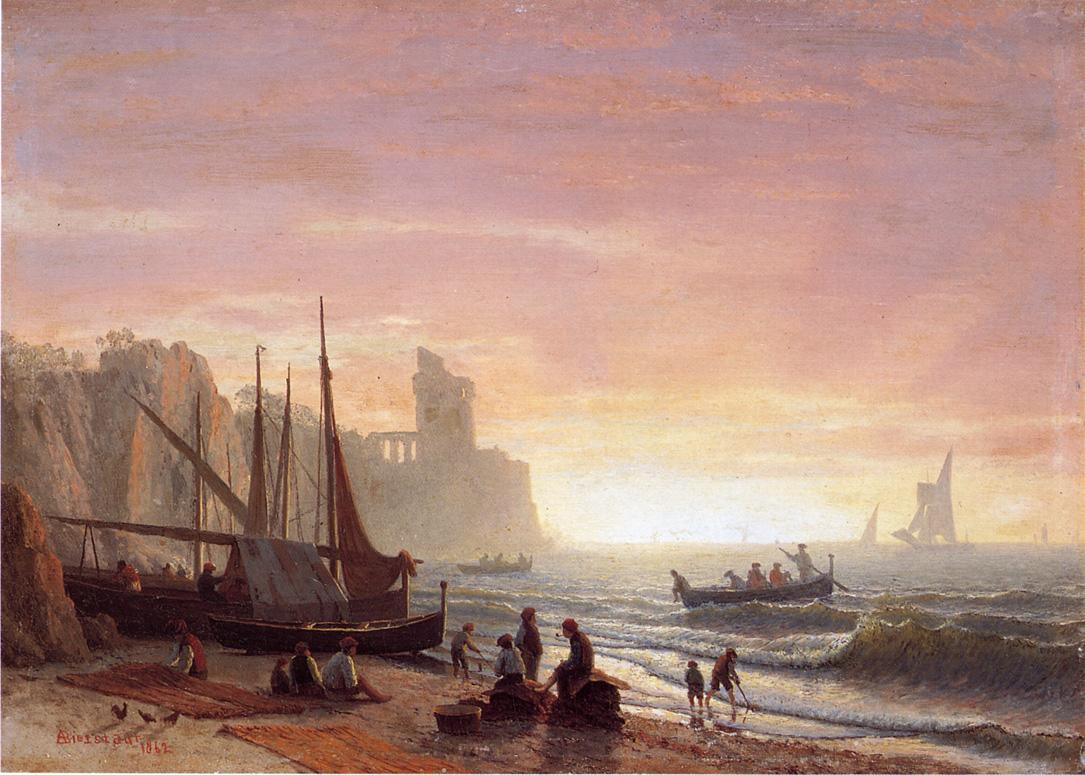
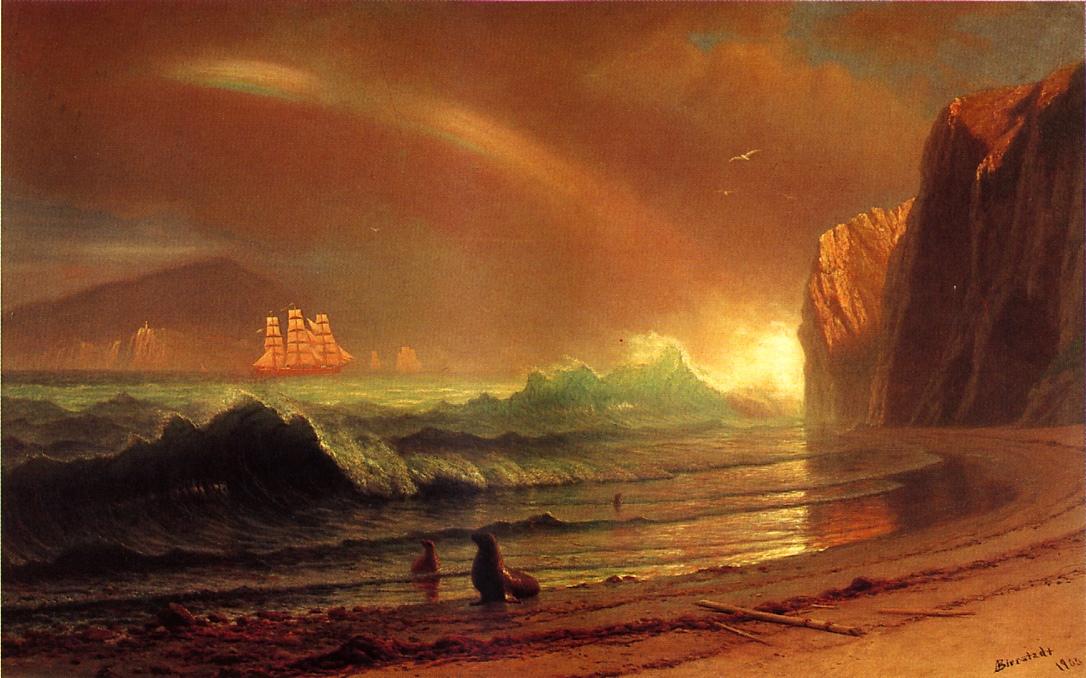
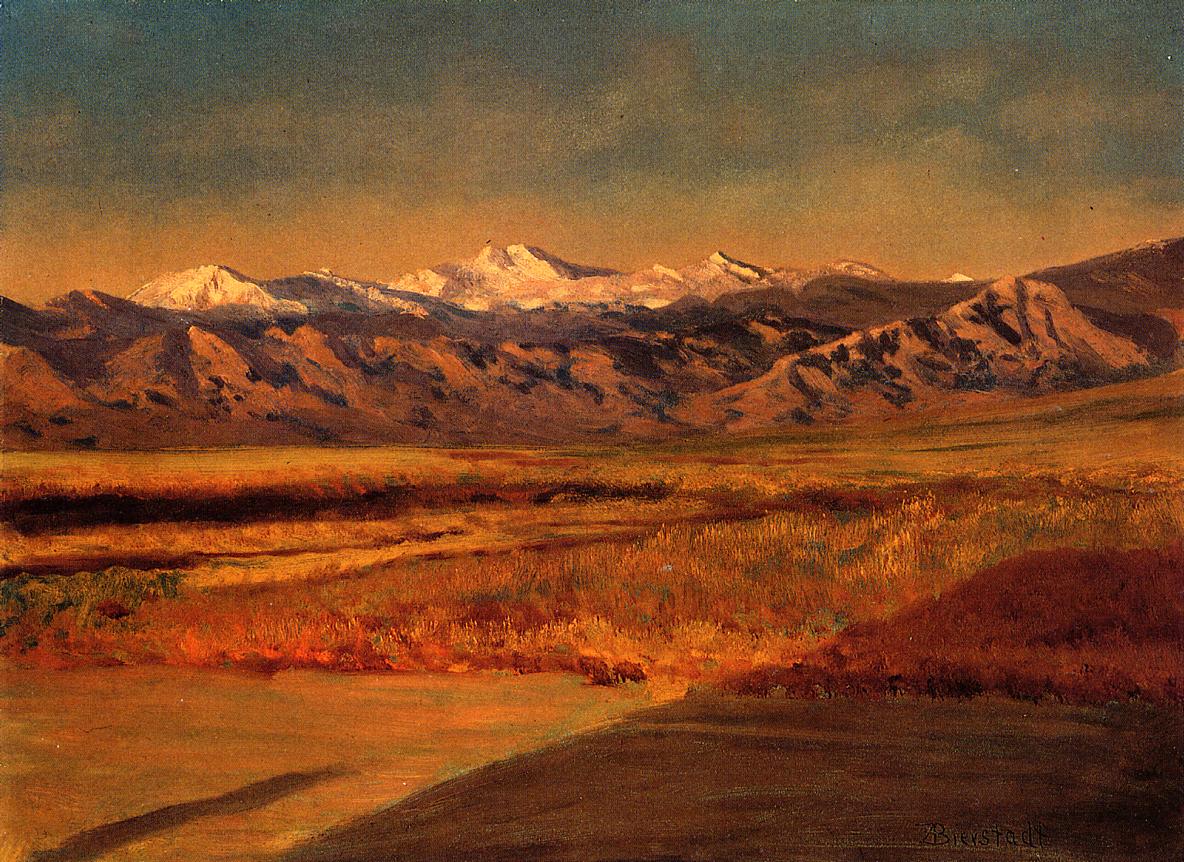
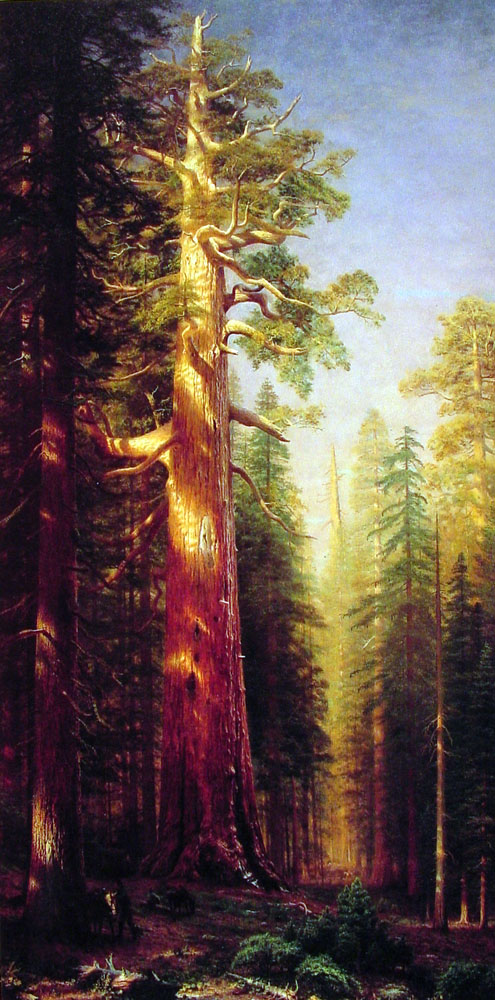
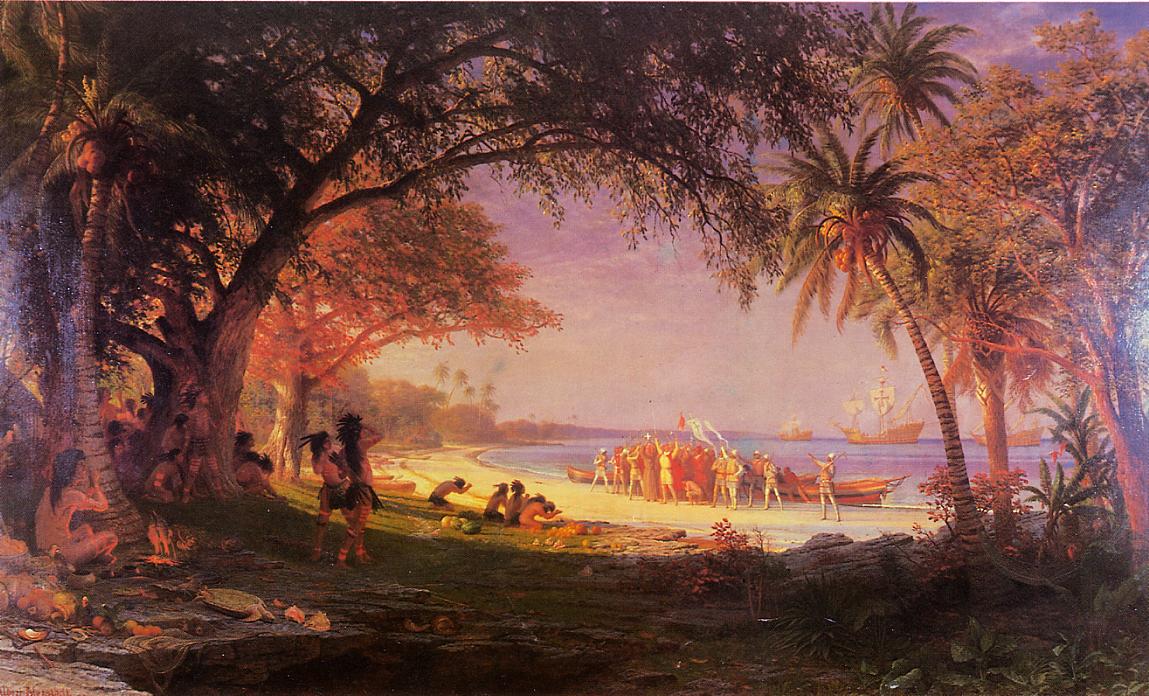
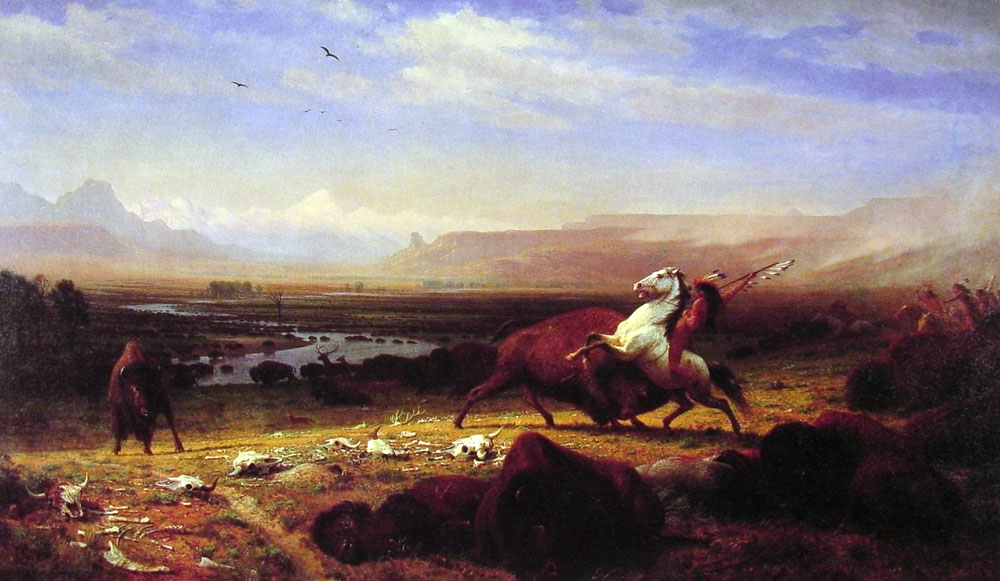
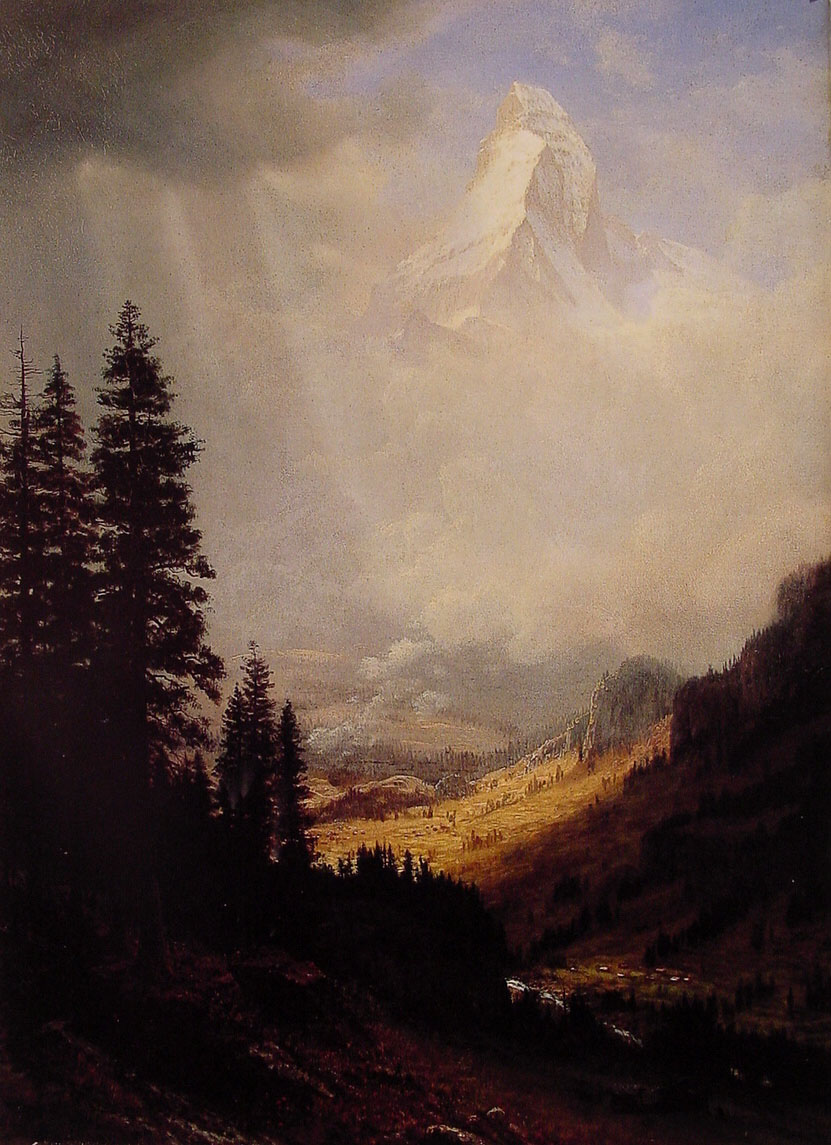
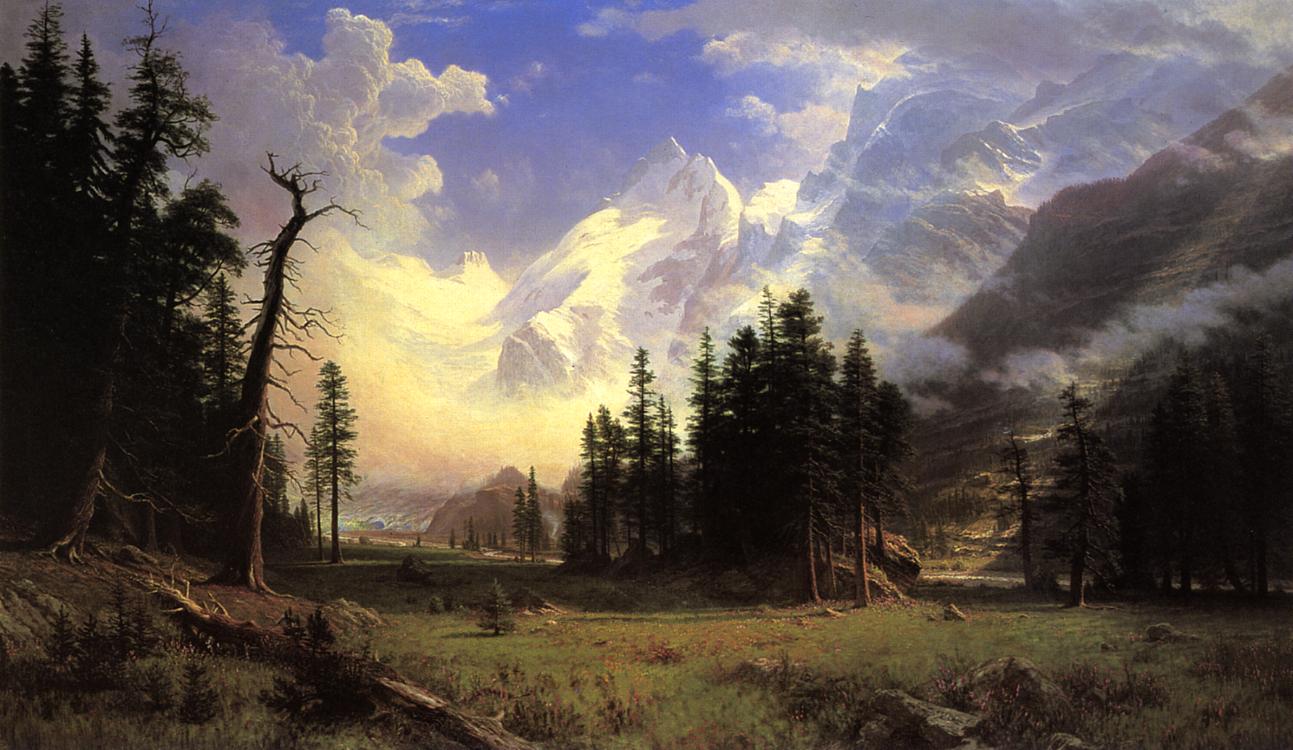
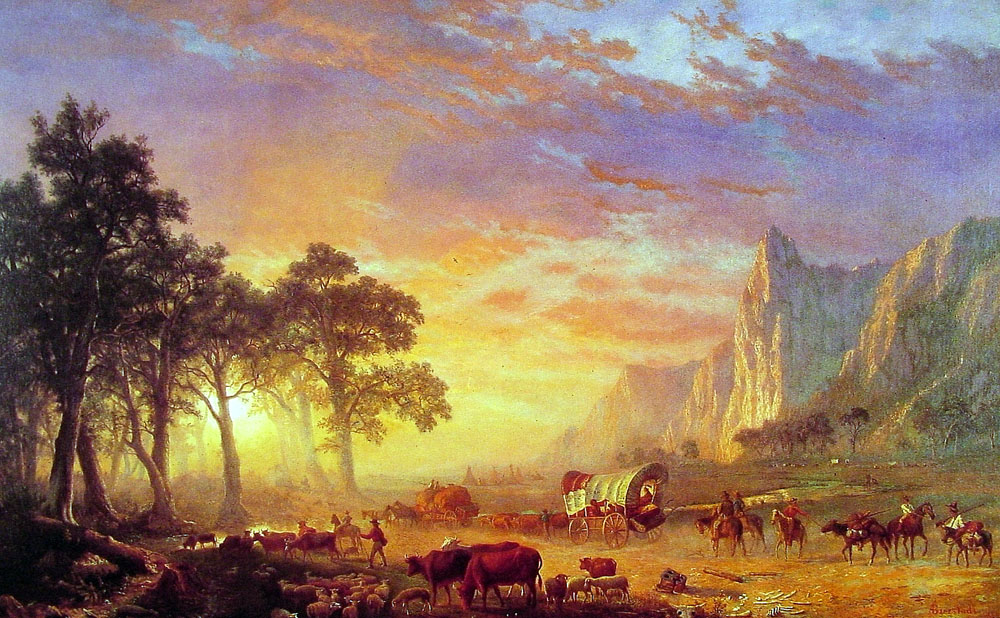
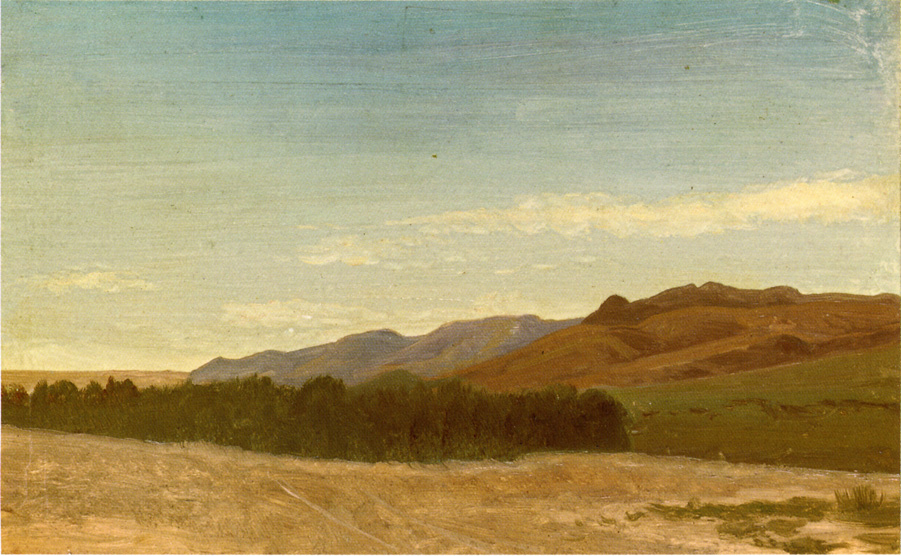
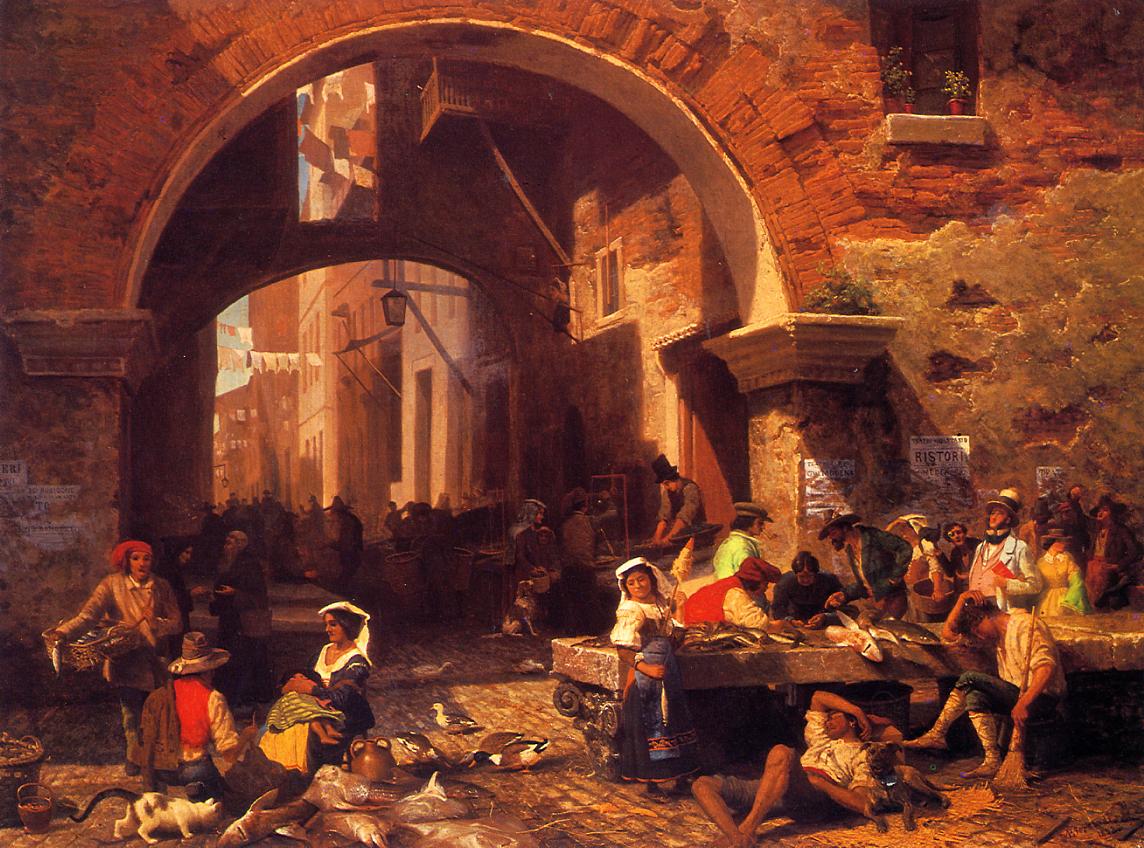
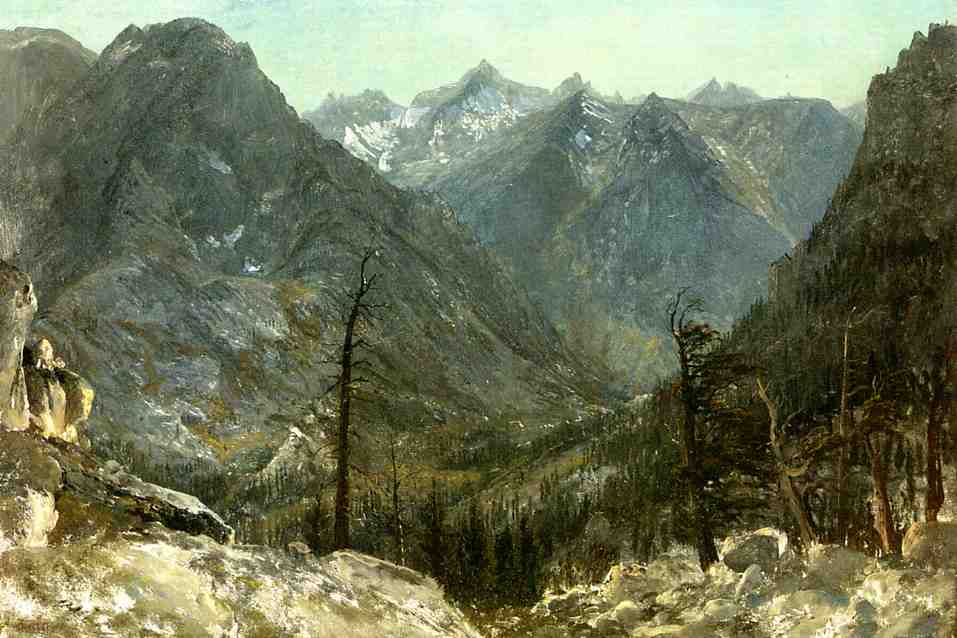
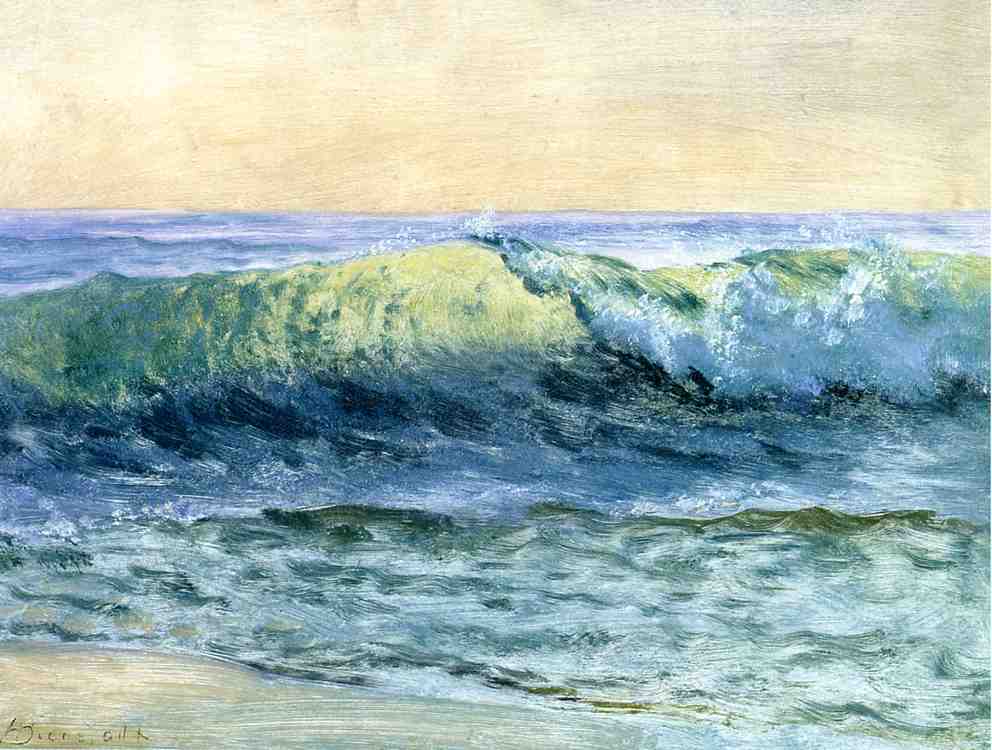
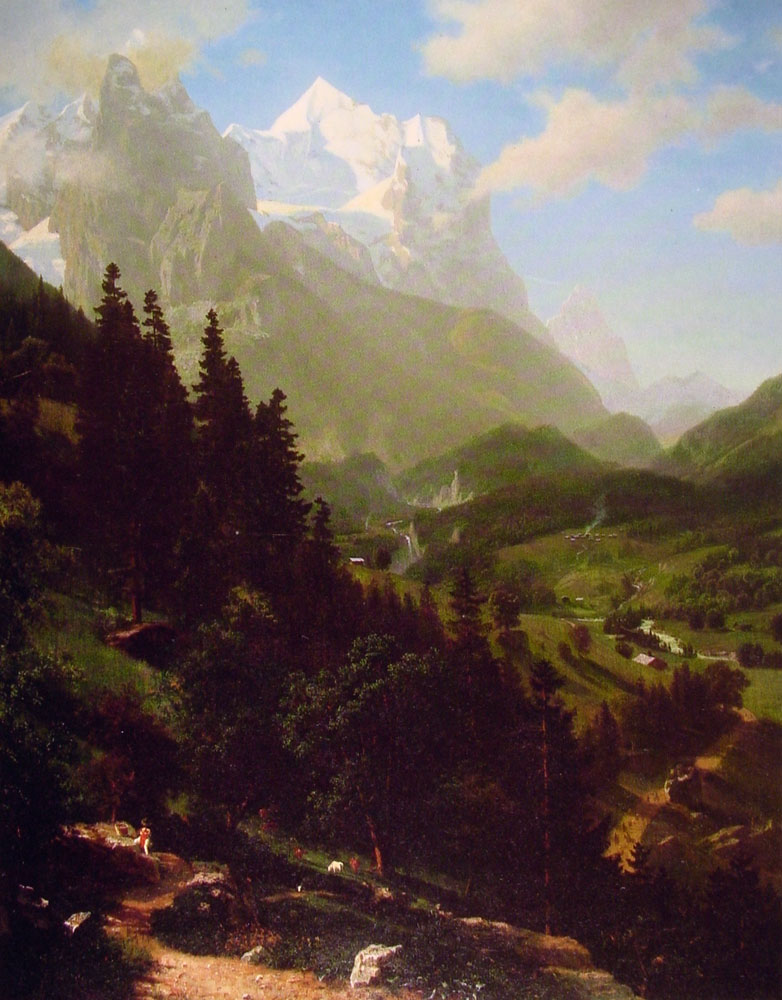
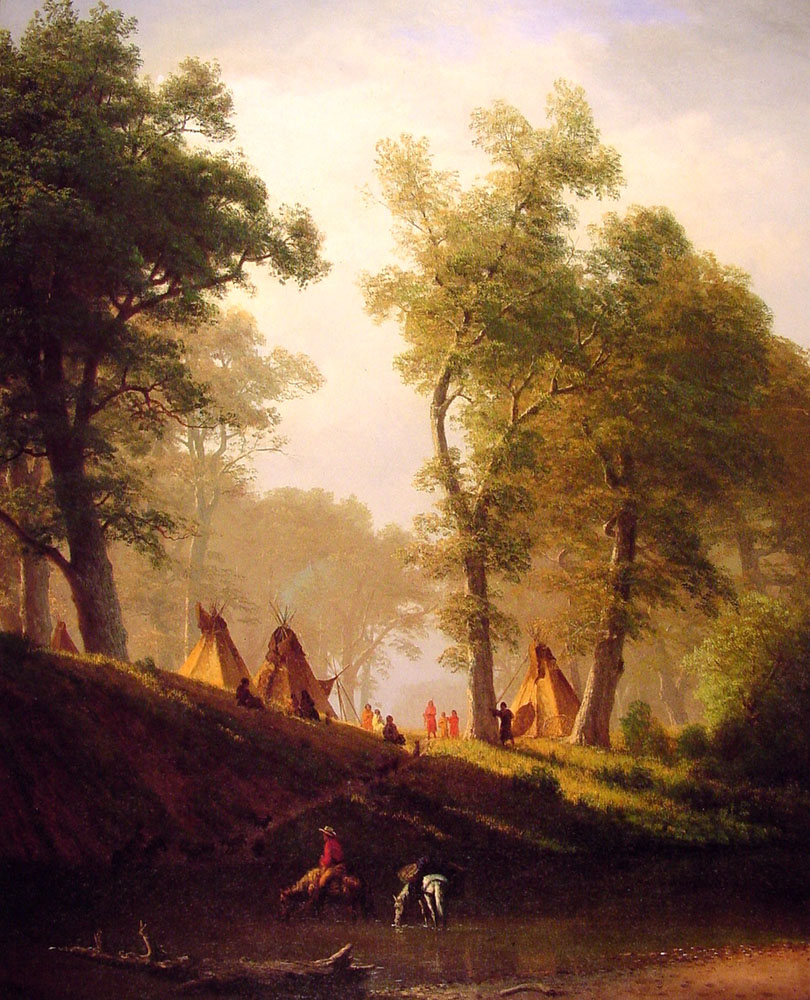
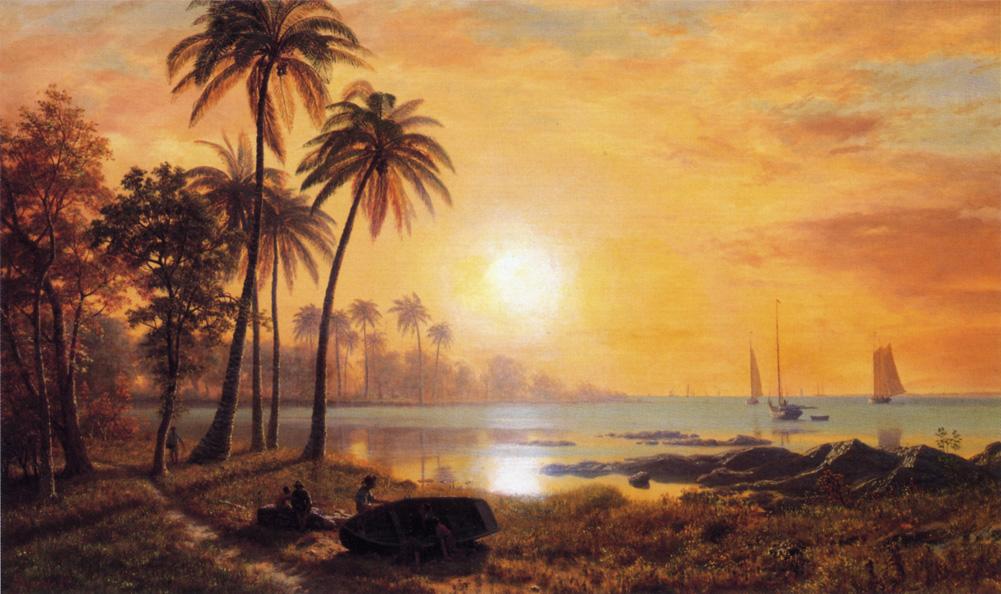
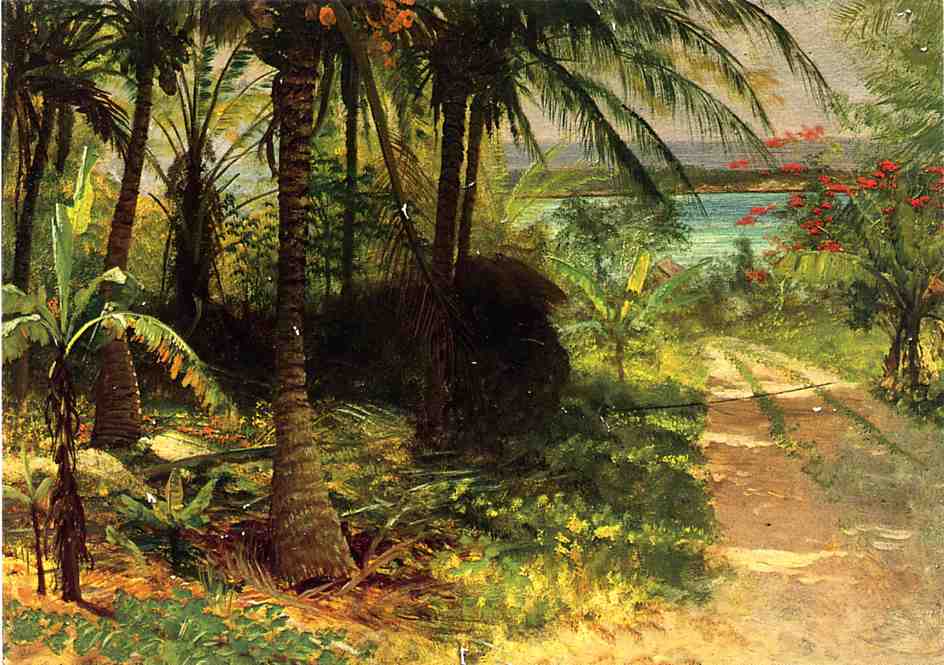
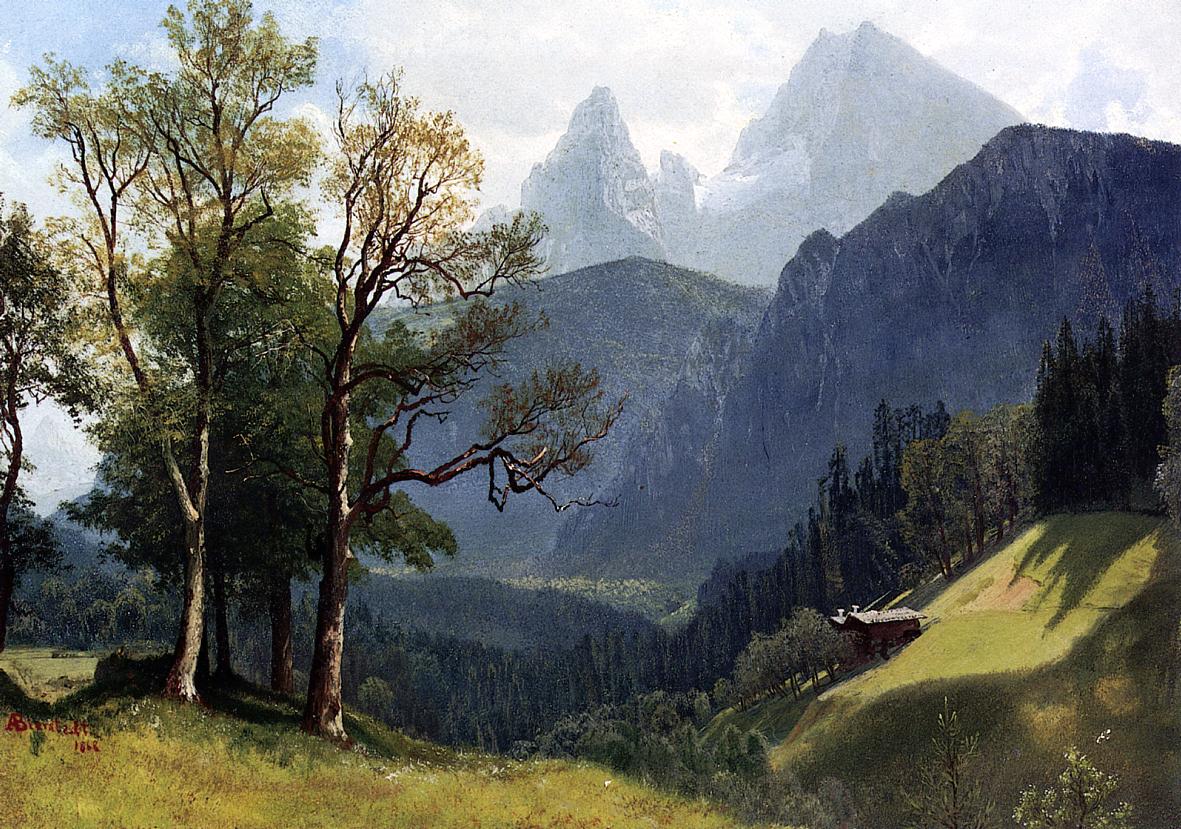
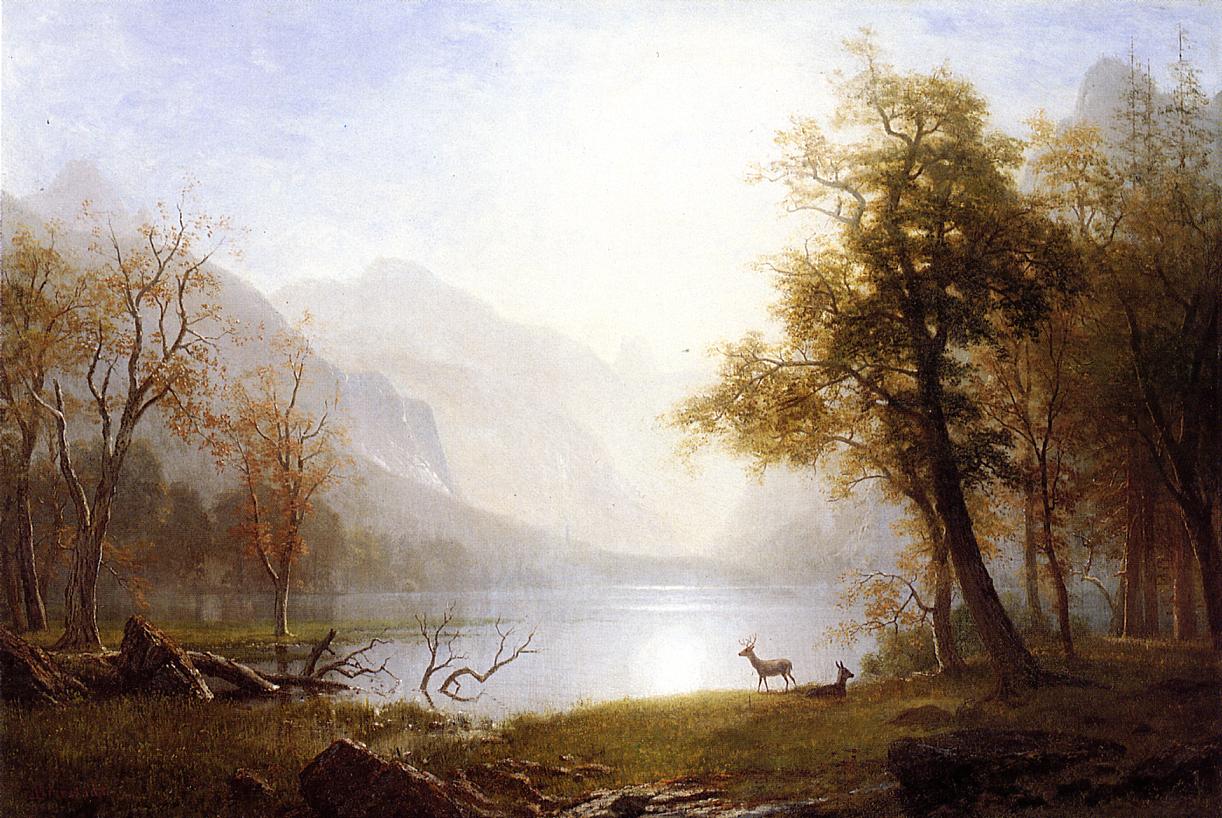
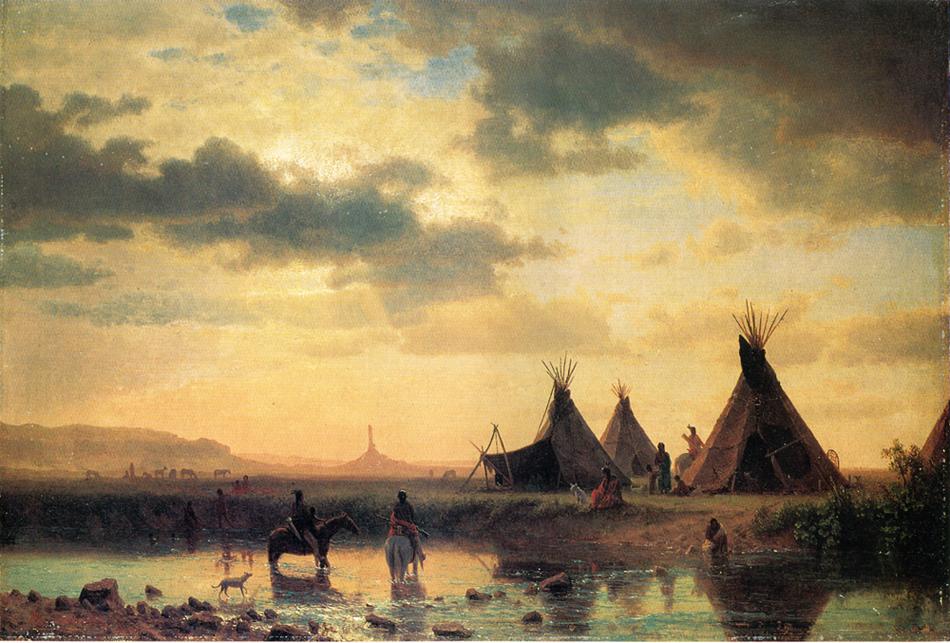
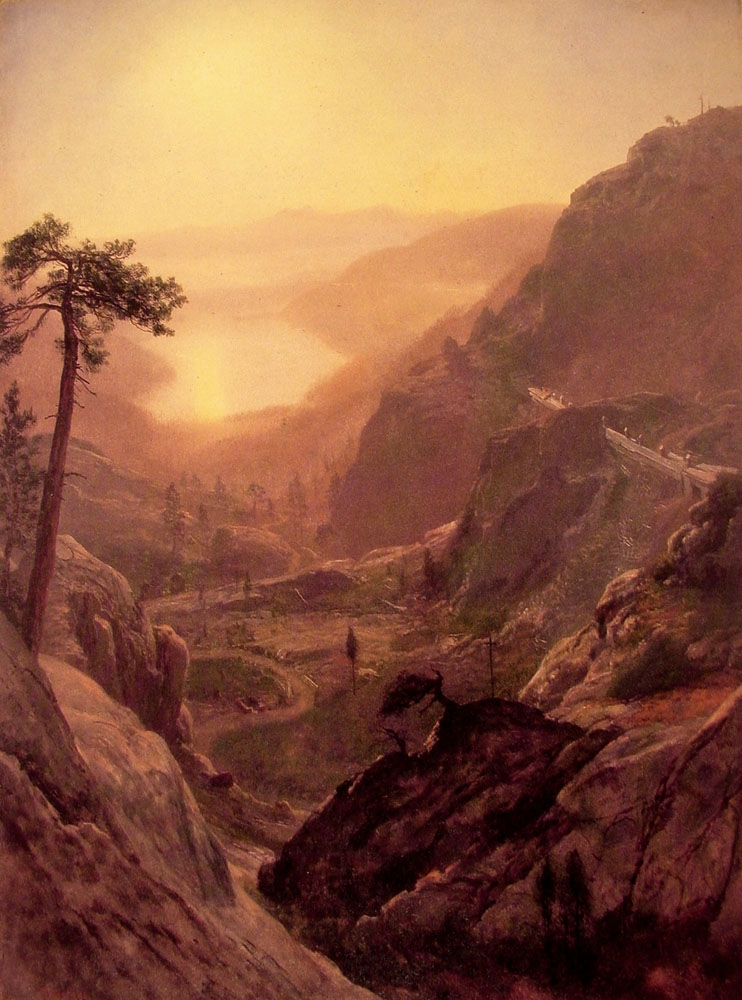
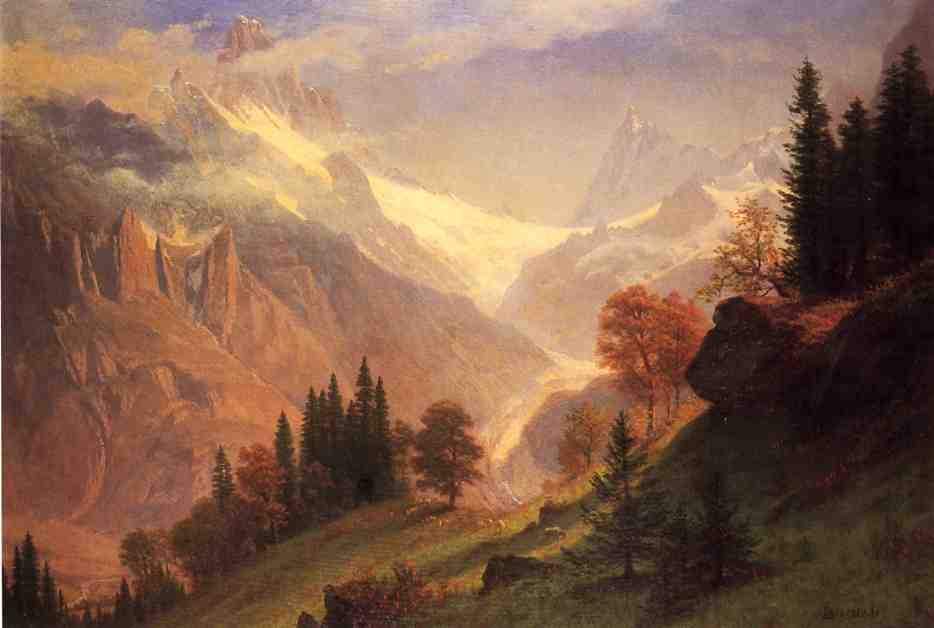
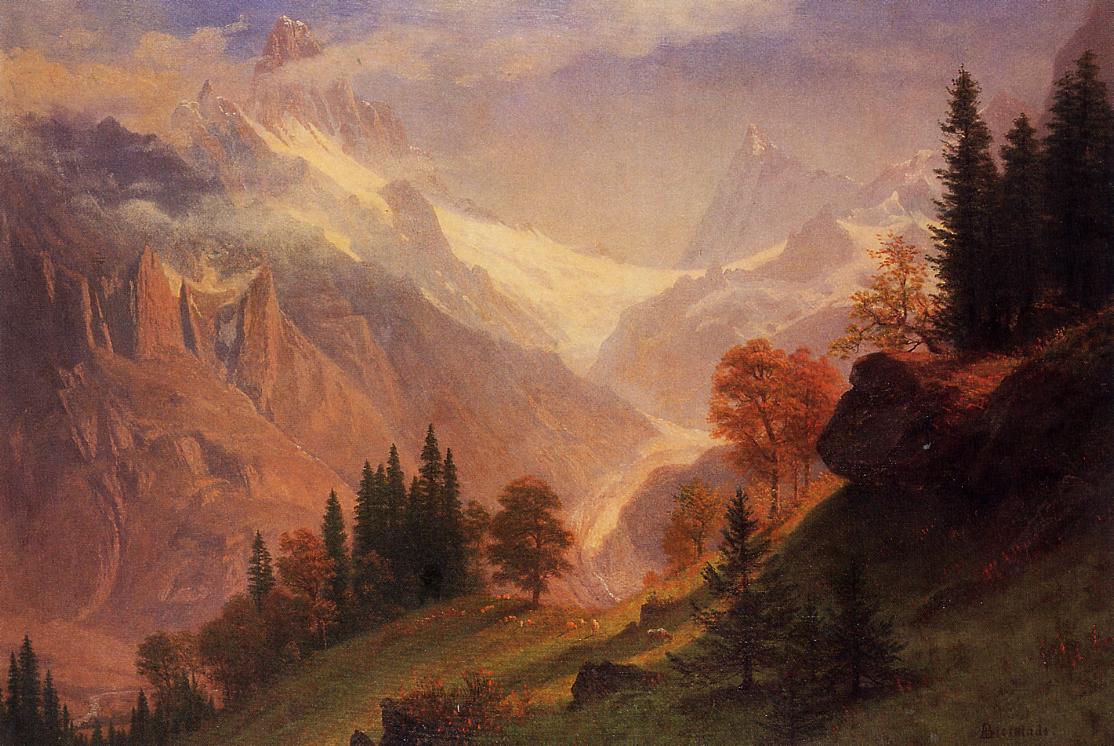
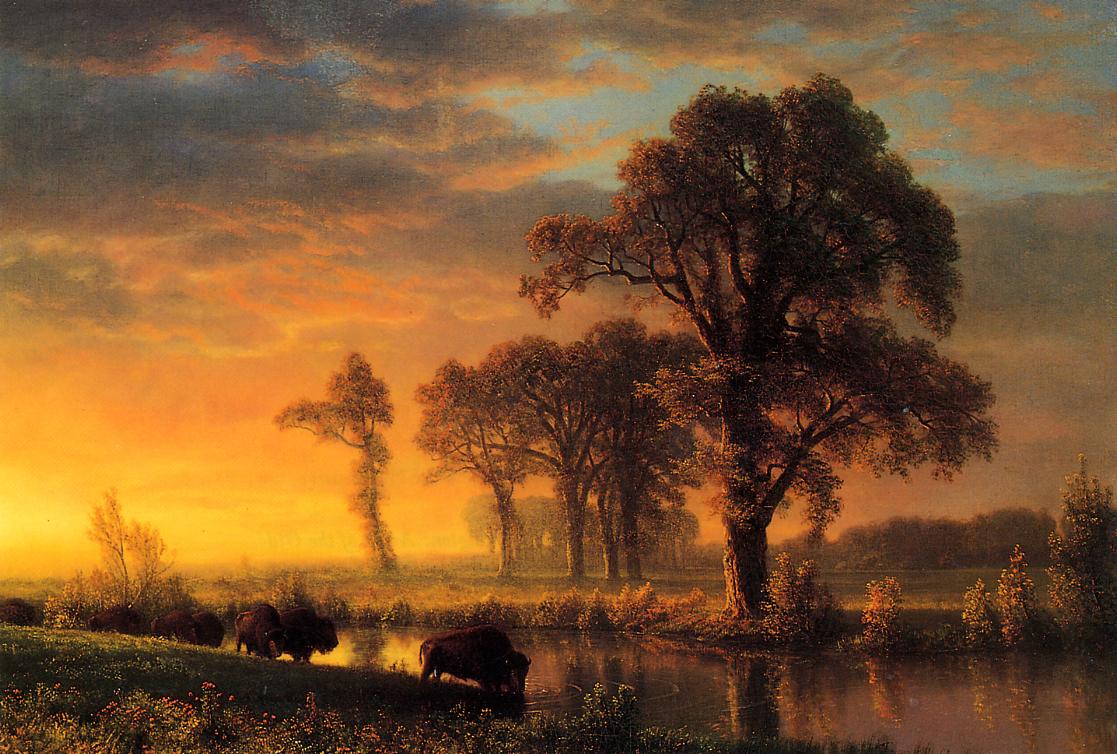
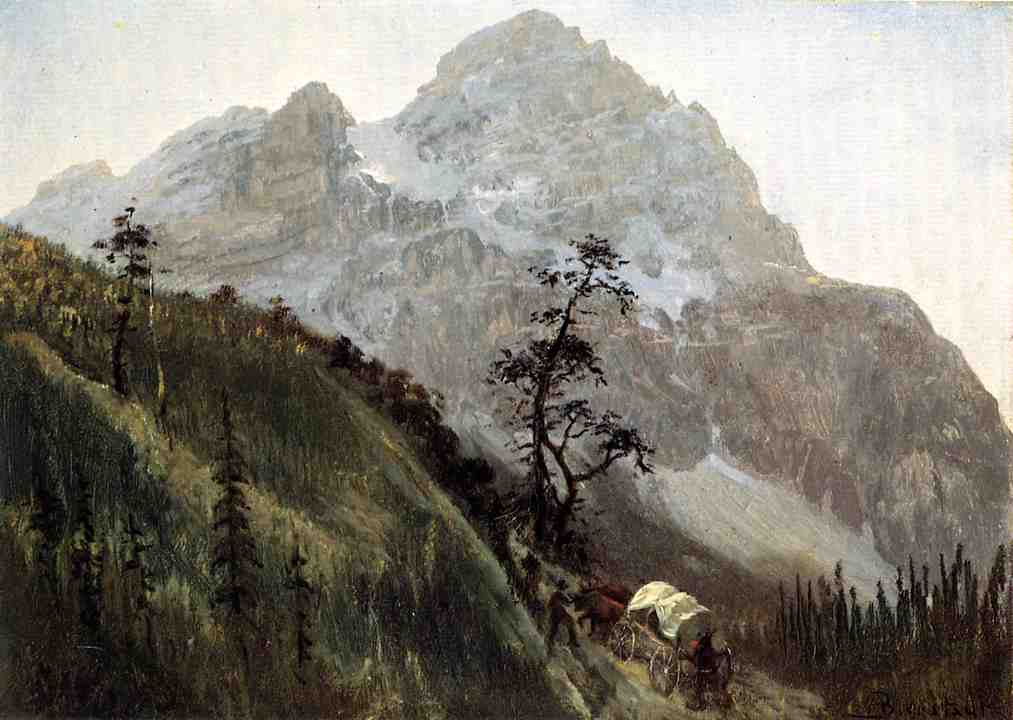
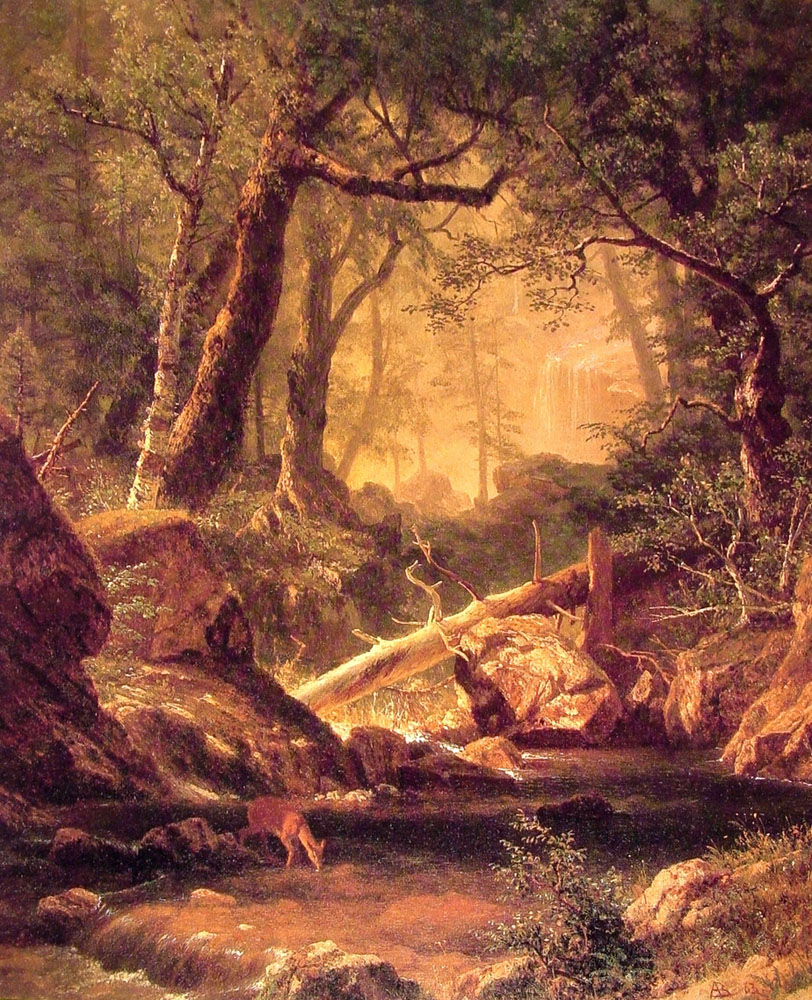
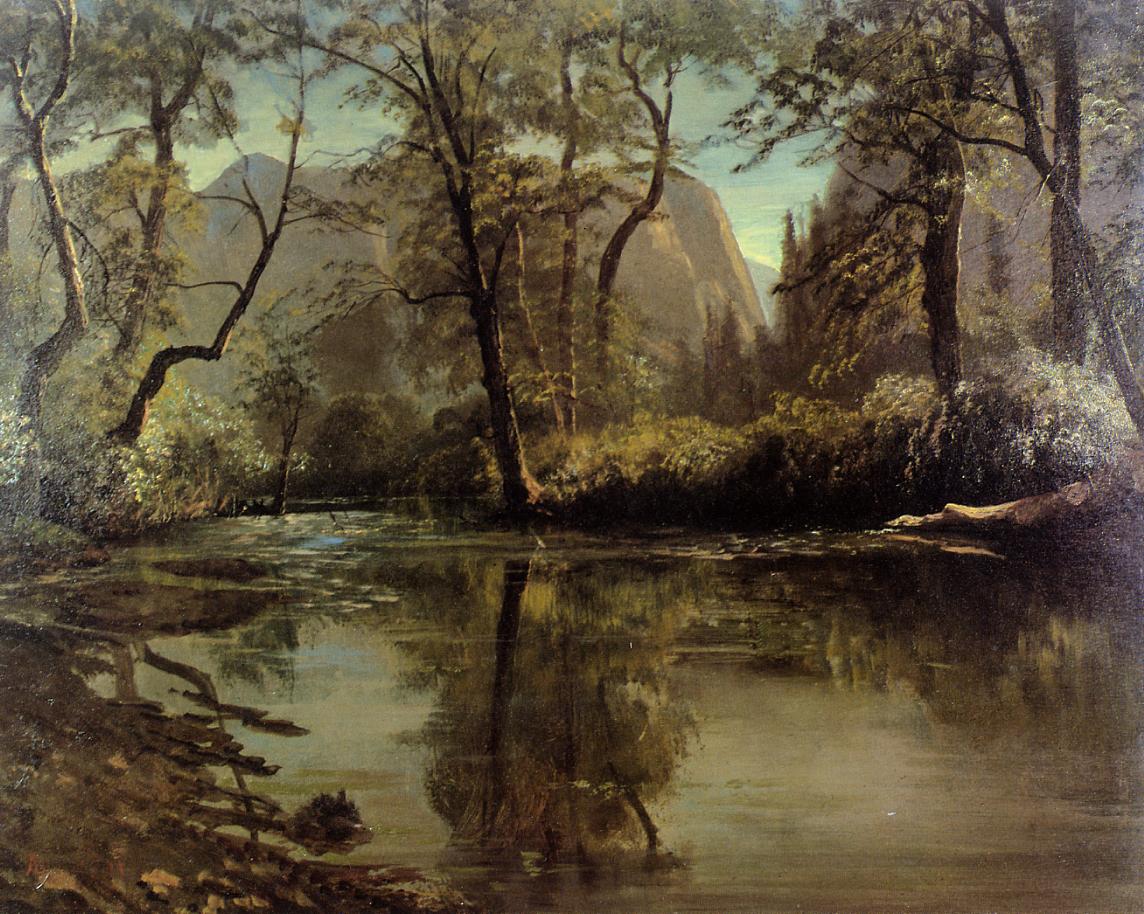
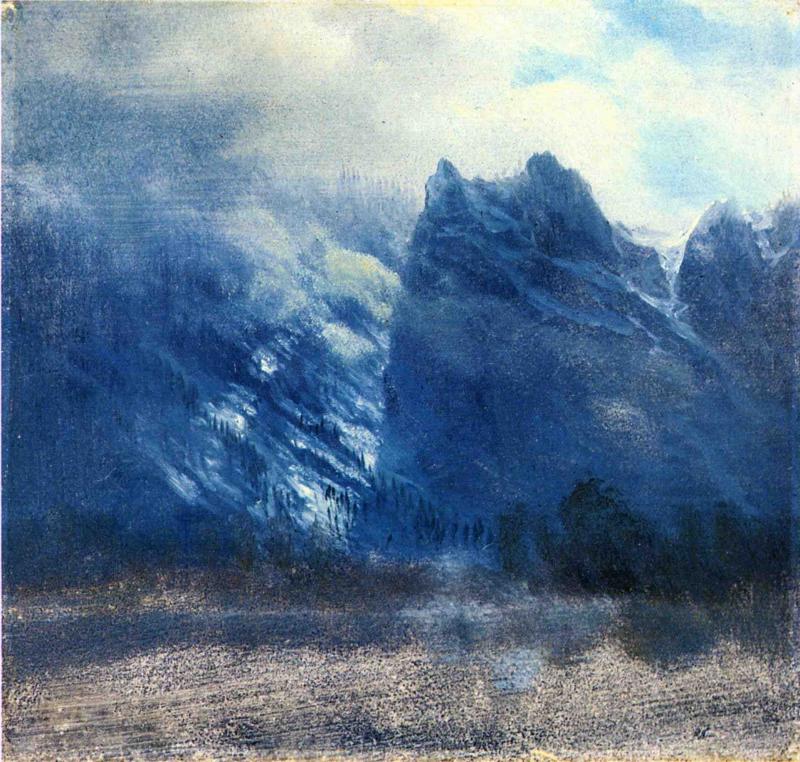
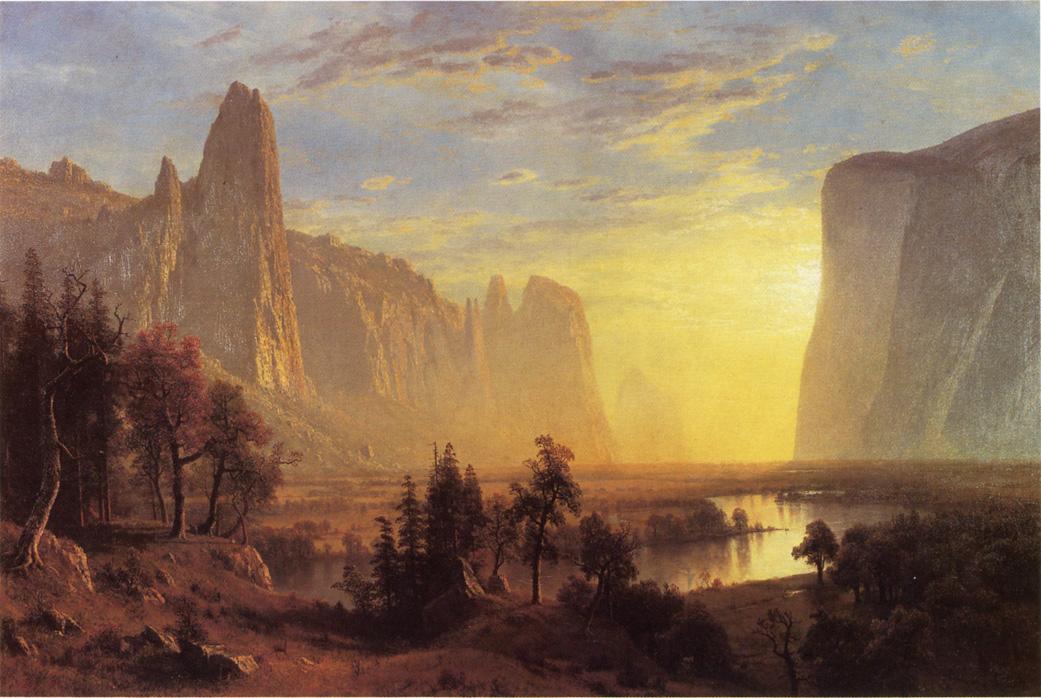
Albert Bierstadt was born in Germany in 1830 and later emigrated with his family to the United States, where he became one of the most prominent landscape painters of the 19th century. He is closely associated with the Hudson River School, a movement known for its romantic and detailed portrayals of nature. Bierstadt traveled extensively across the American West, sketching dramatic landscapes that would later become large studio paintings. His work often presents vast mountains, valleys, and skies with a sense of grandeur and awe.
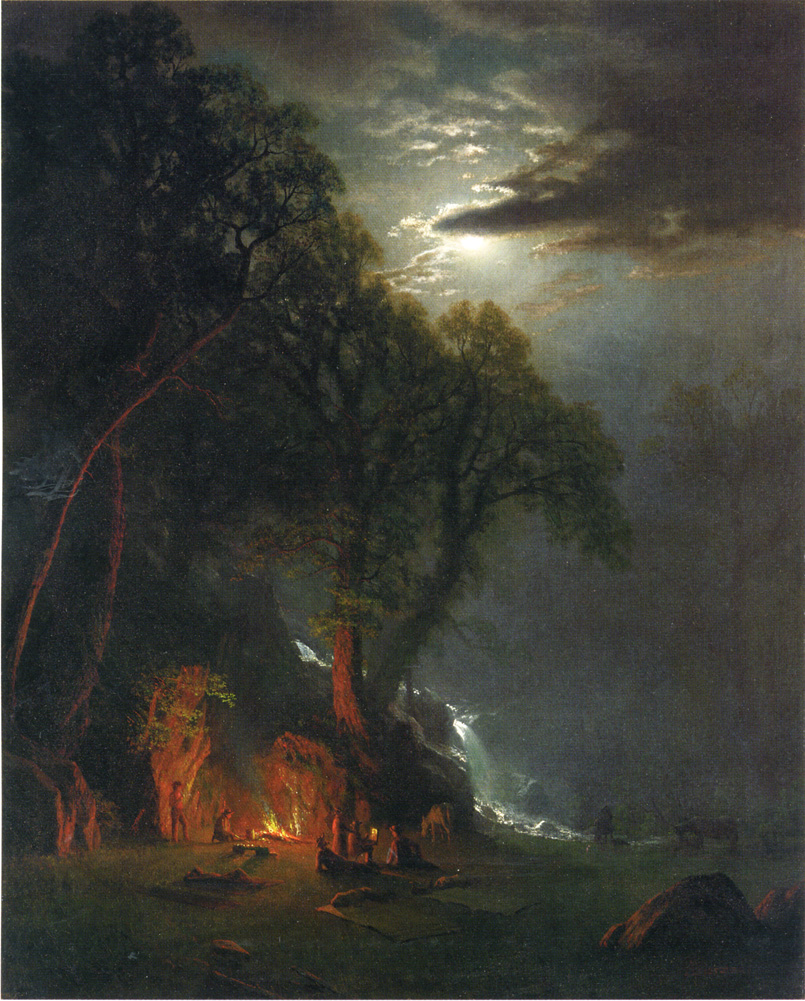
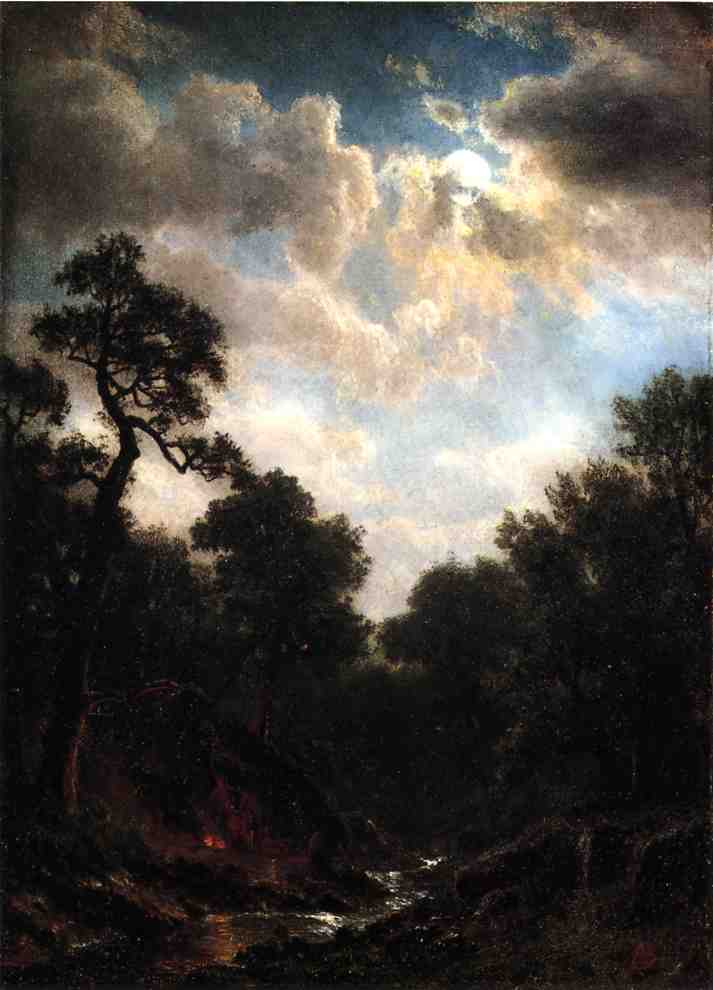
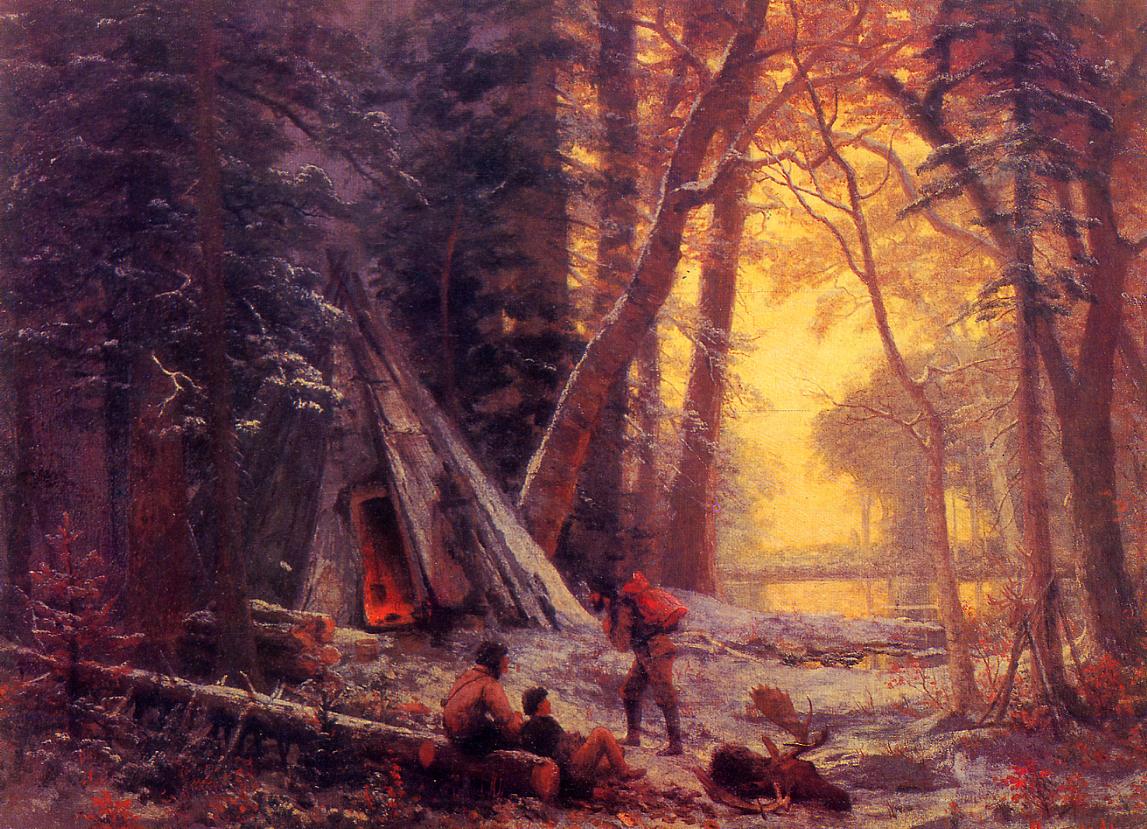
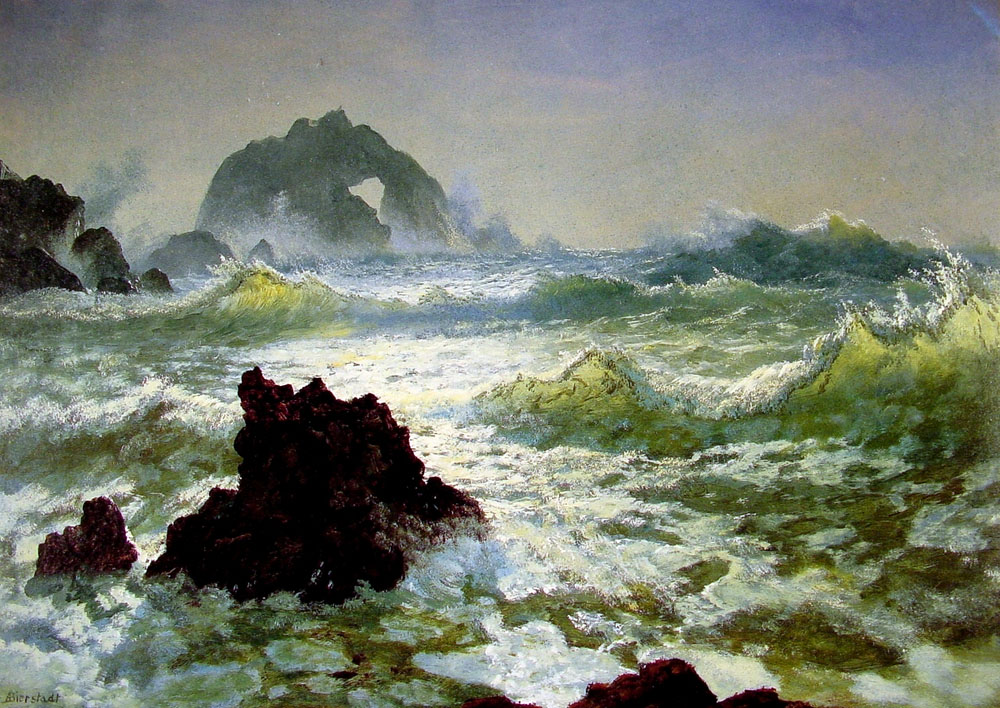
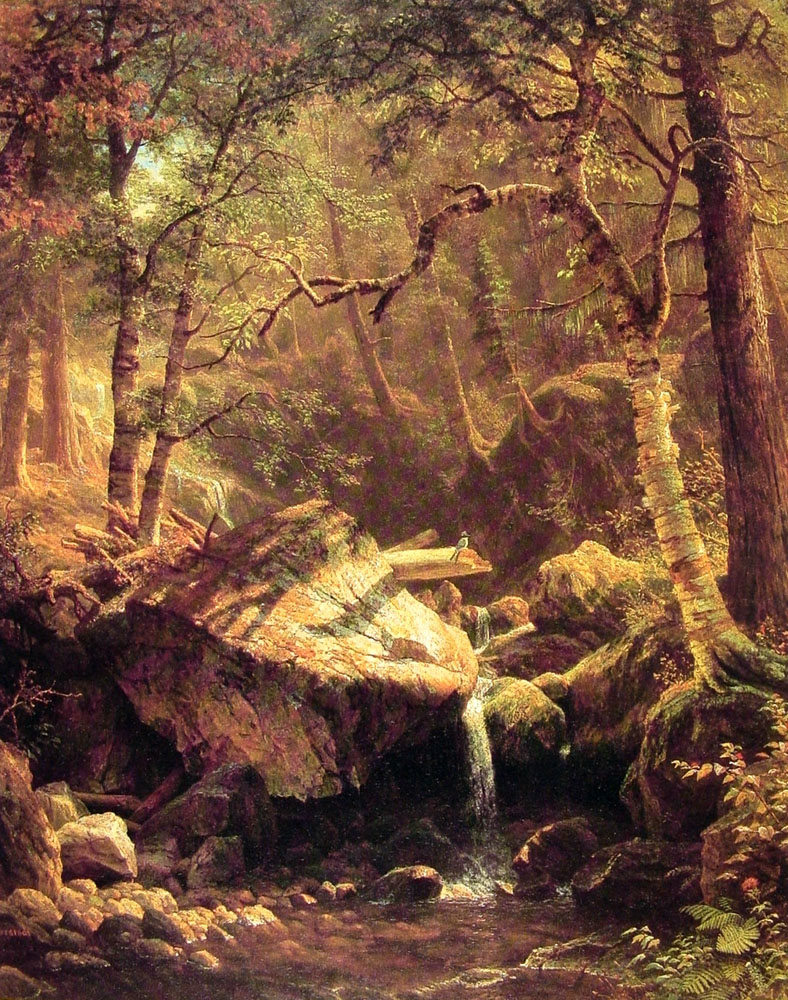
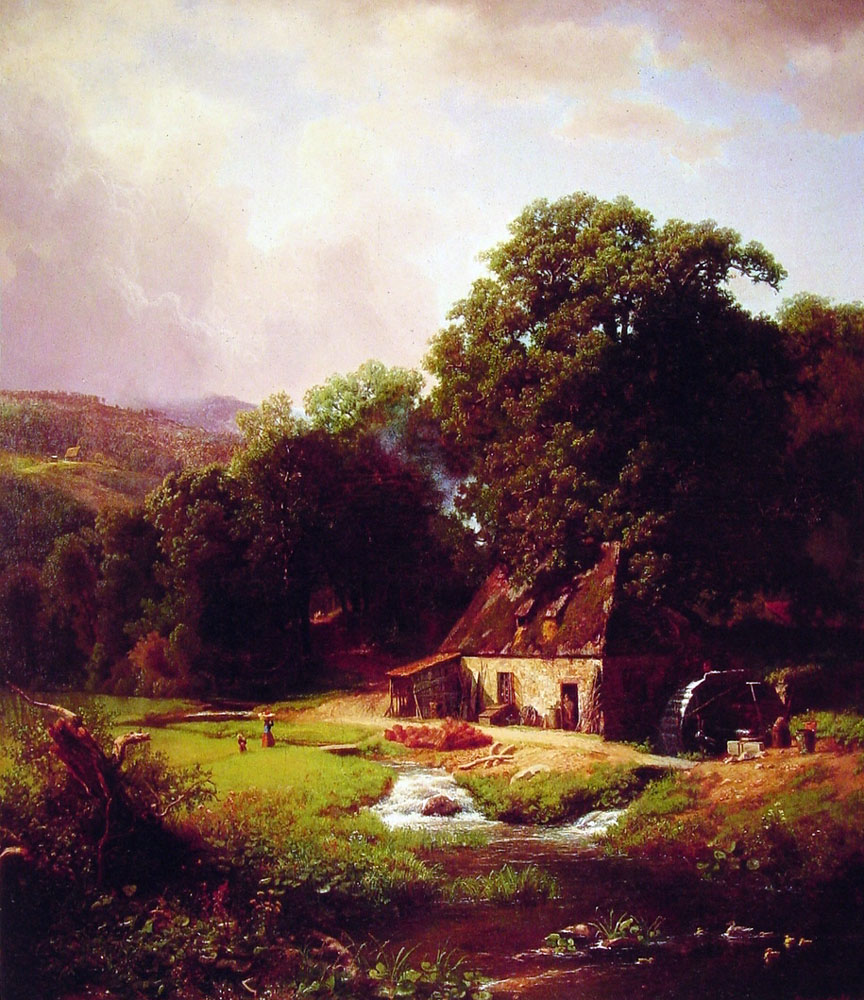
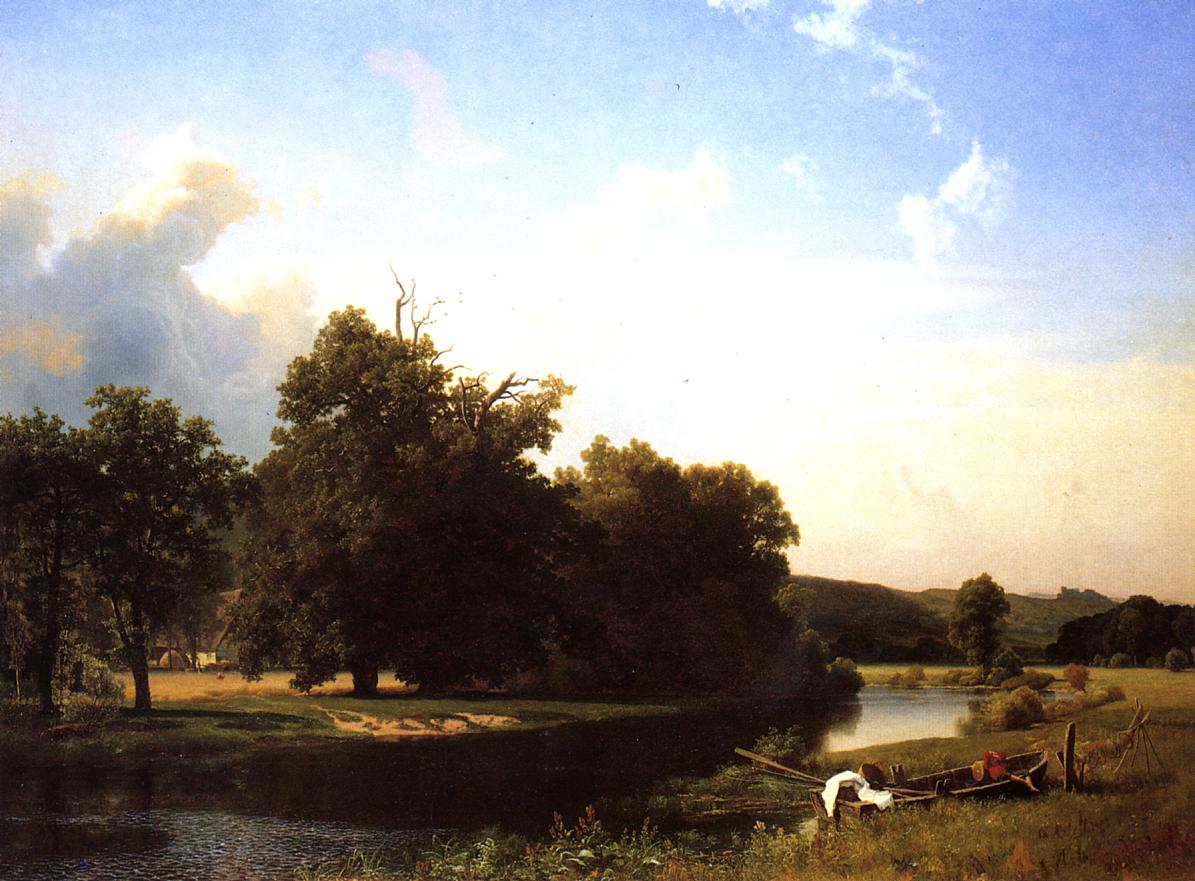
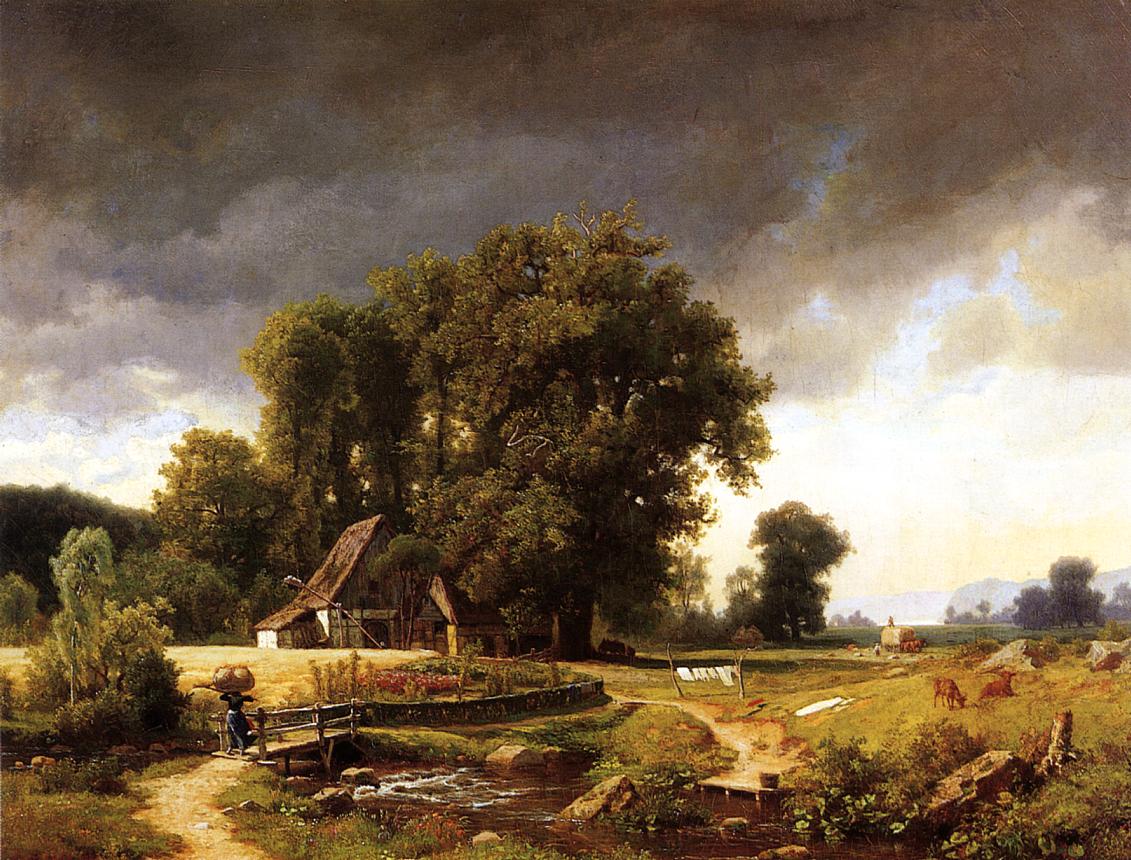
Bierstadt’s paintings reflect the era’s fascination with exploration and the idea of untouched wilderness. He used dramatic lighting and careful detail to heighten the emotional impact of his scenes. During his lifetime, his works were highly successful and widely exhibited. Later critics sometimes viewed his style as overly theatrical, yet his influence remains significant. Bierstadt died in 1902. His landscapes continue to shape the visual imagination of the American frontier.