Agnolo Bronzino
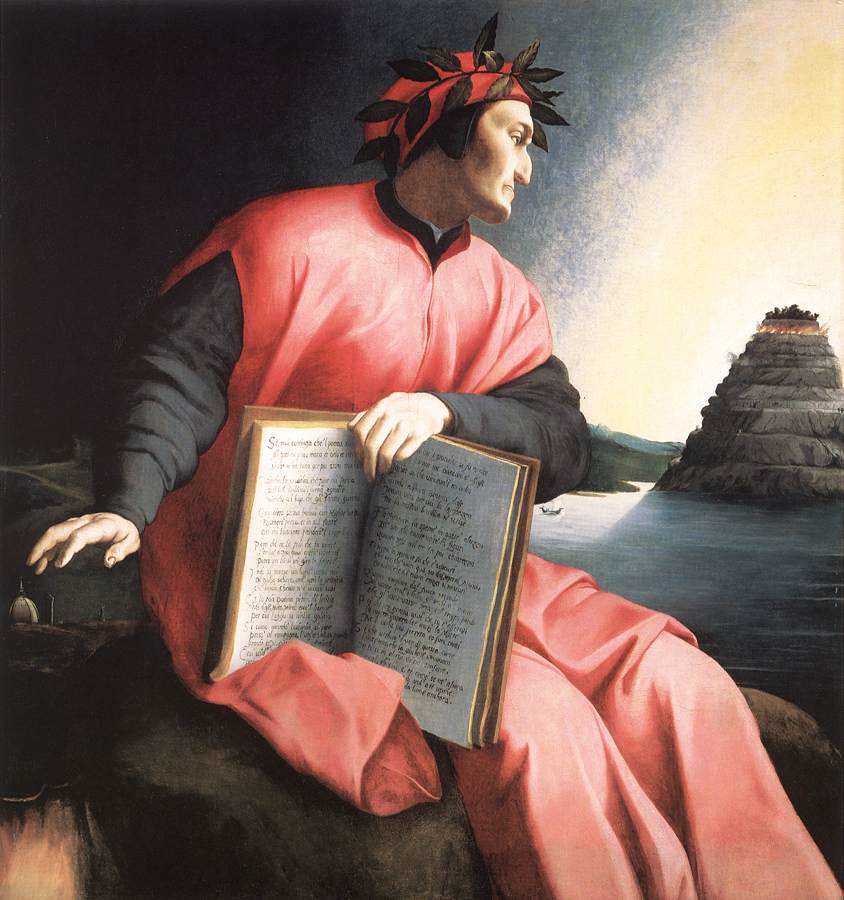
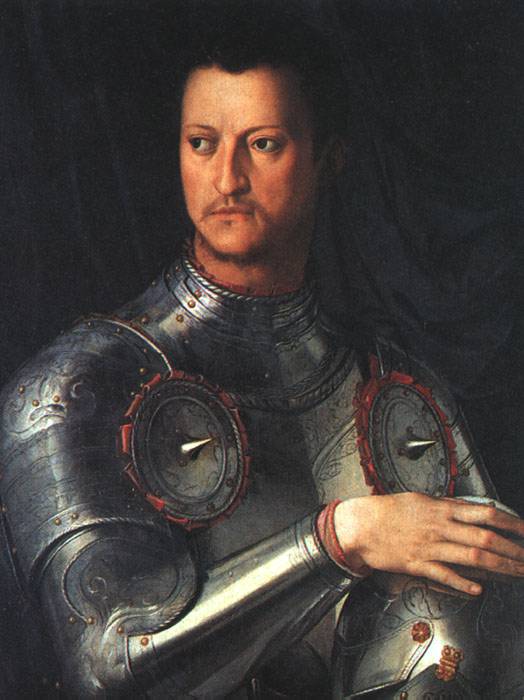
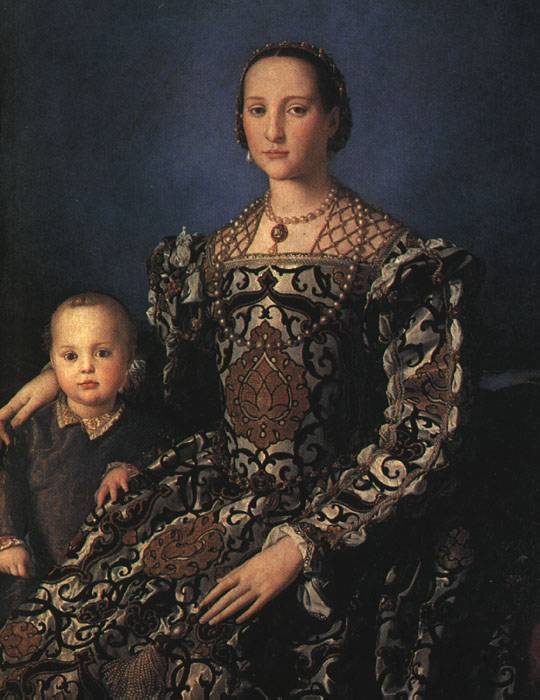
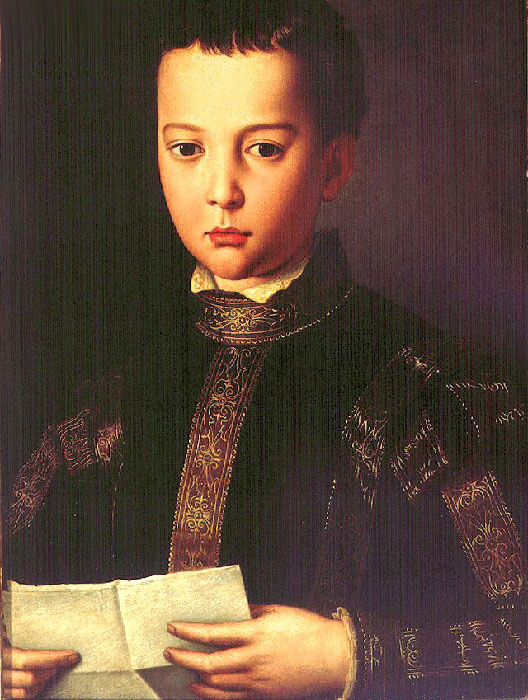
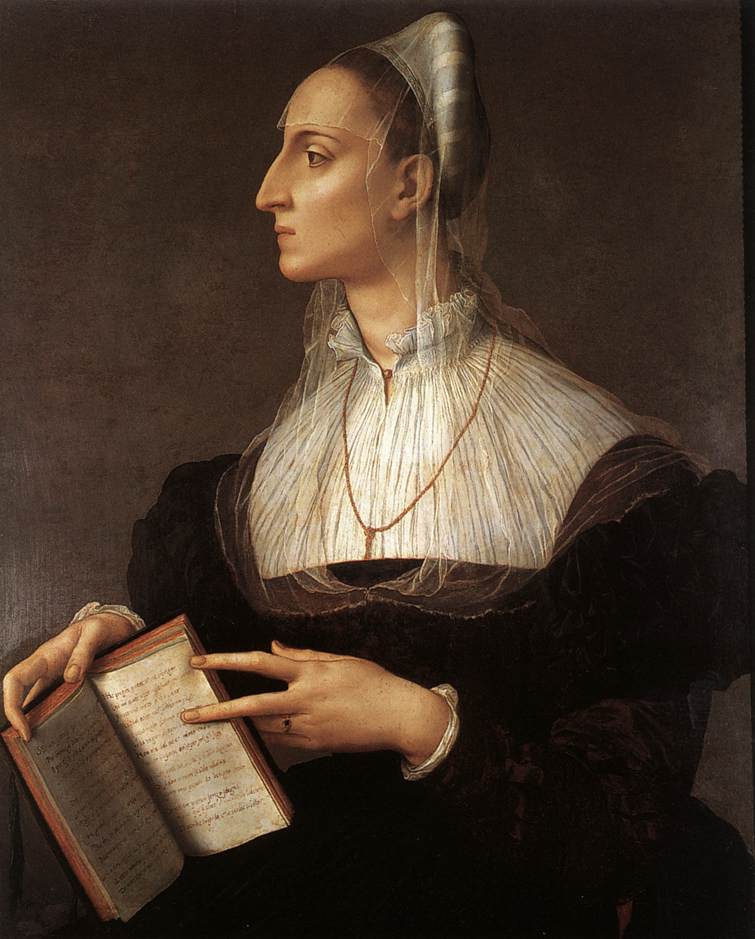
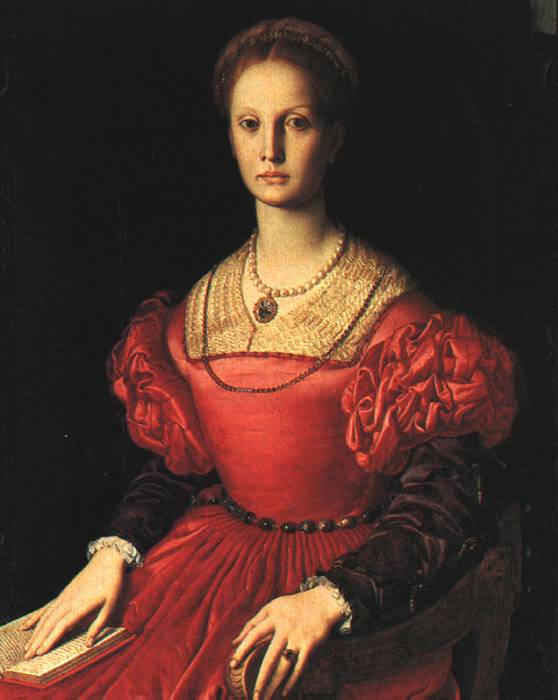
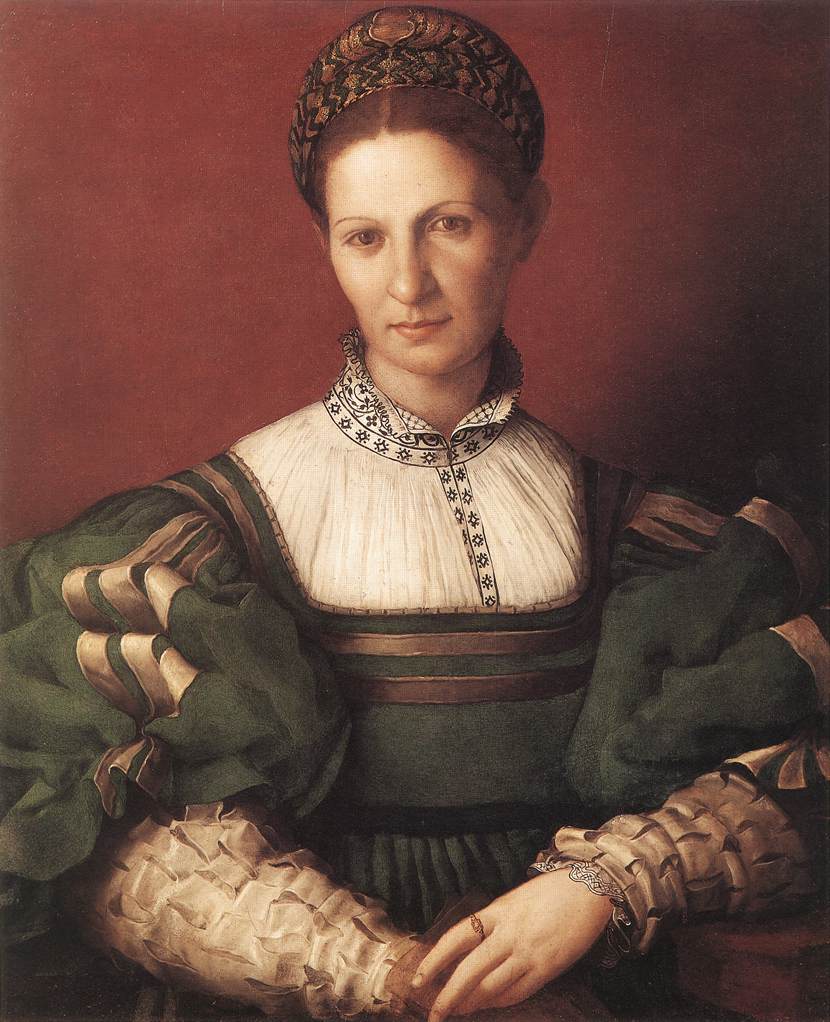
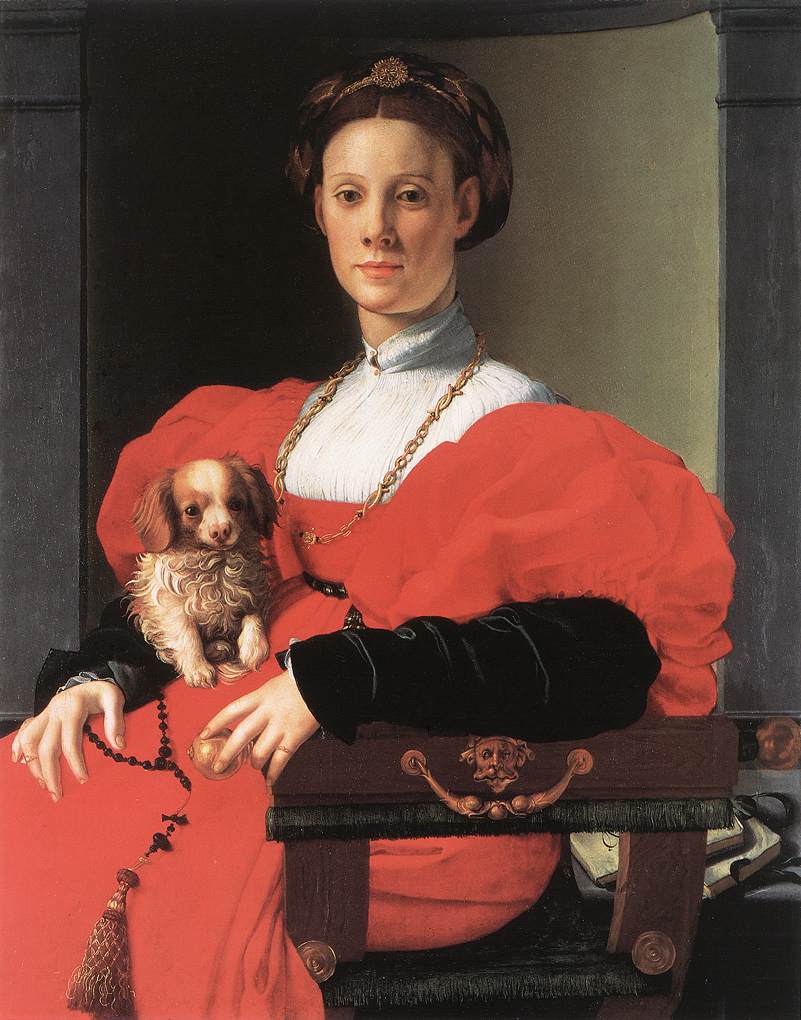
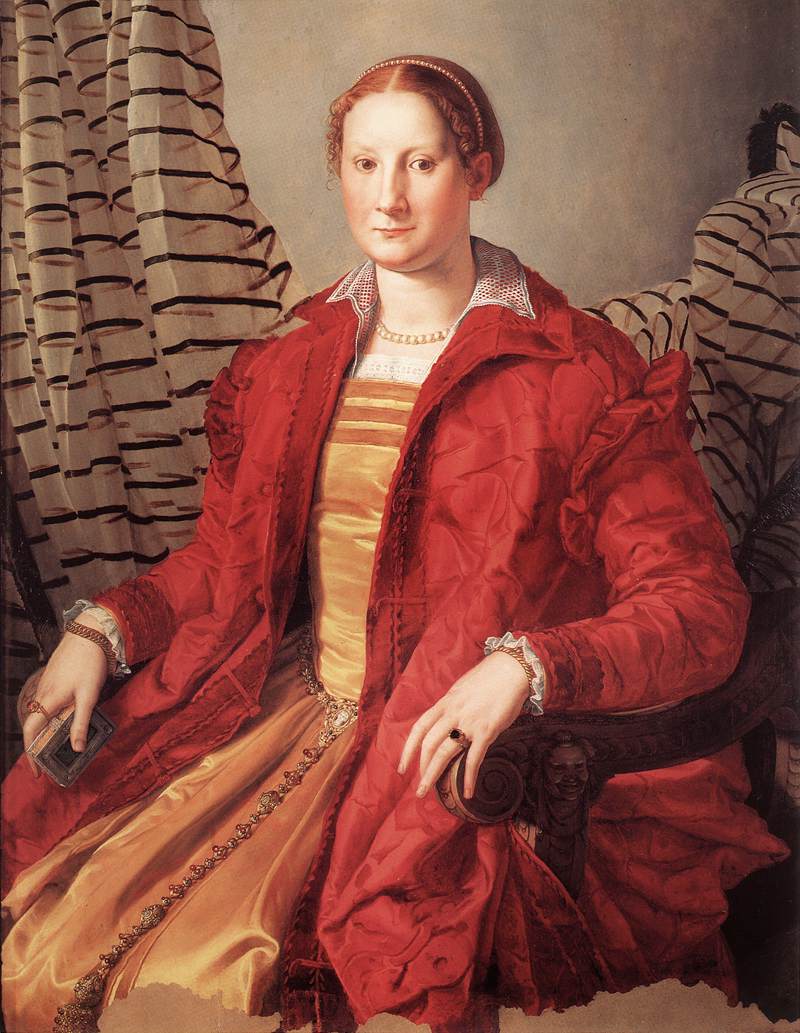
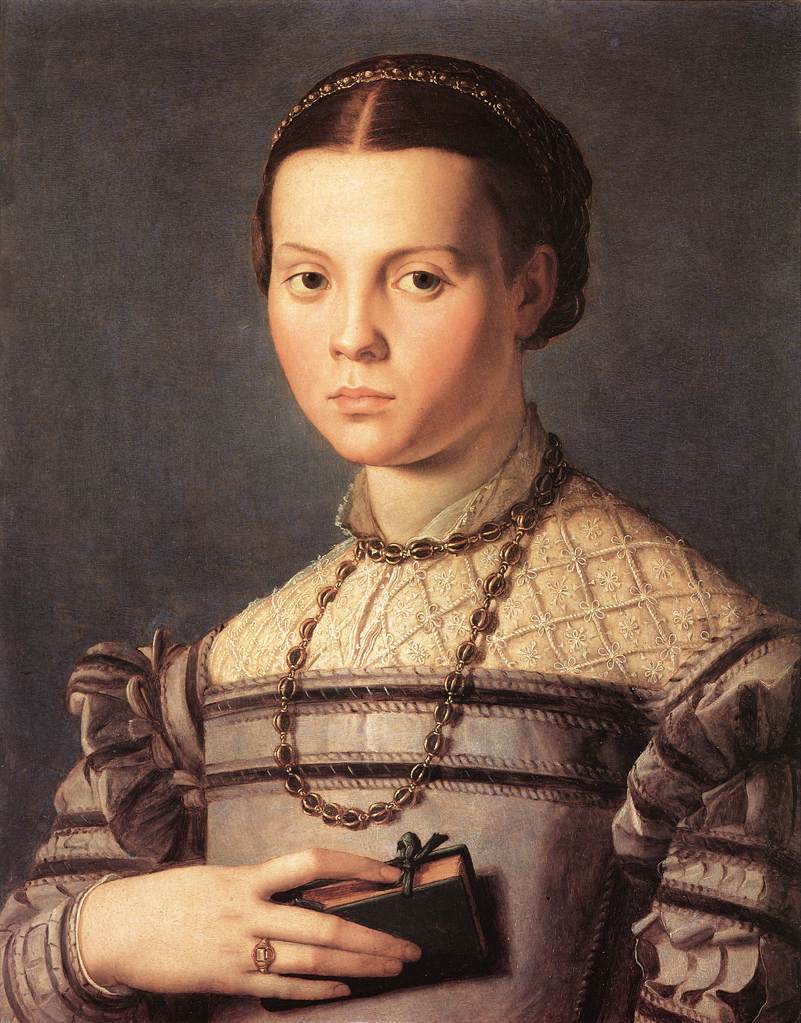
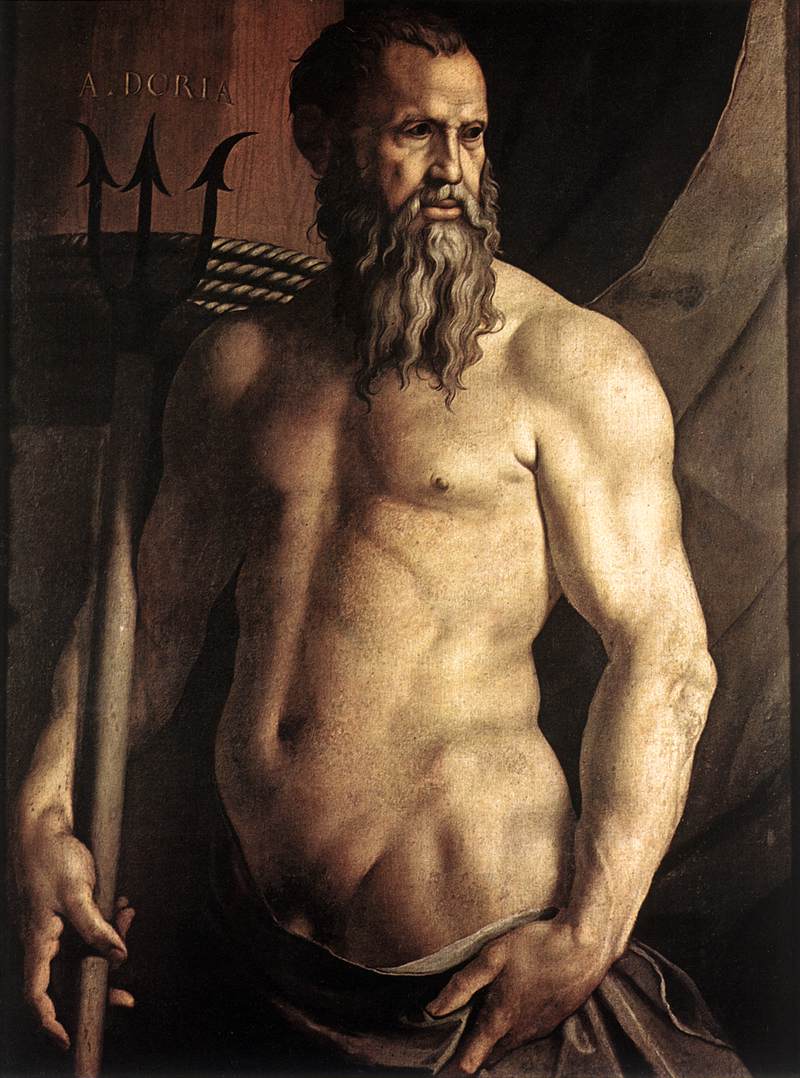
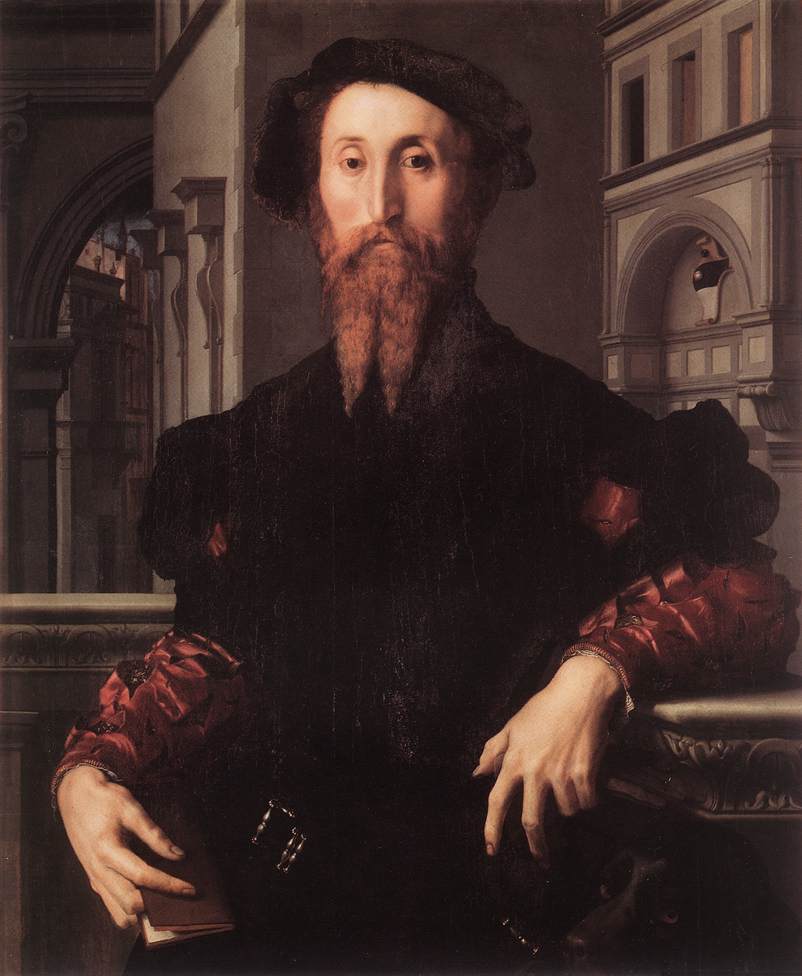
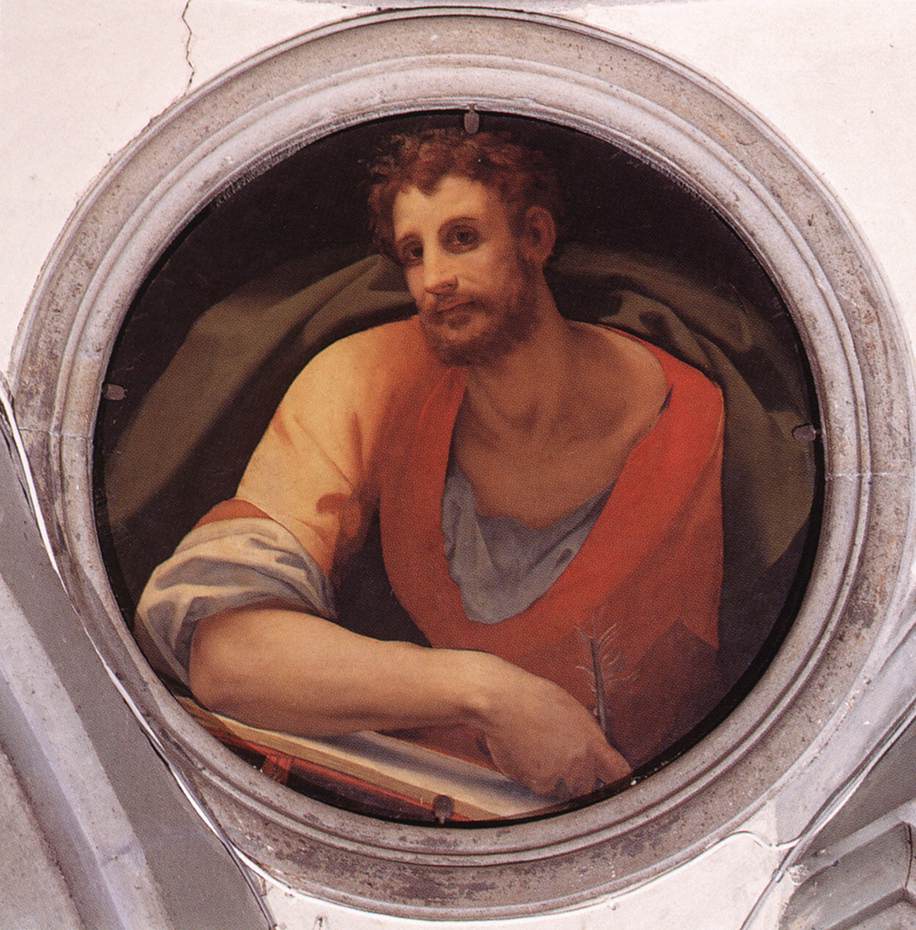
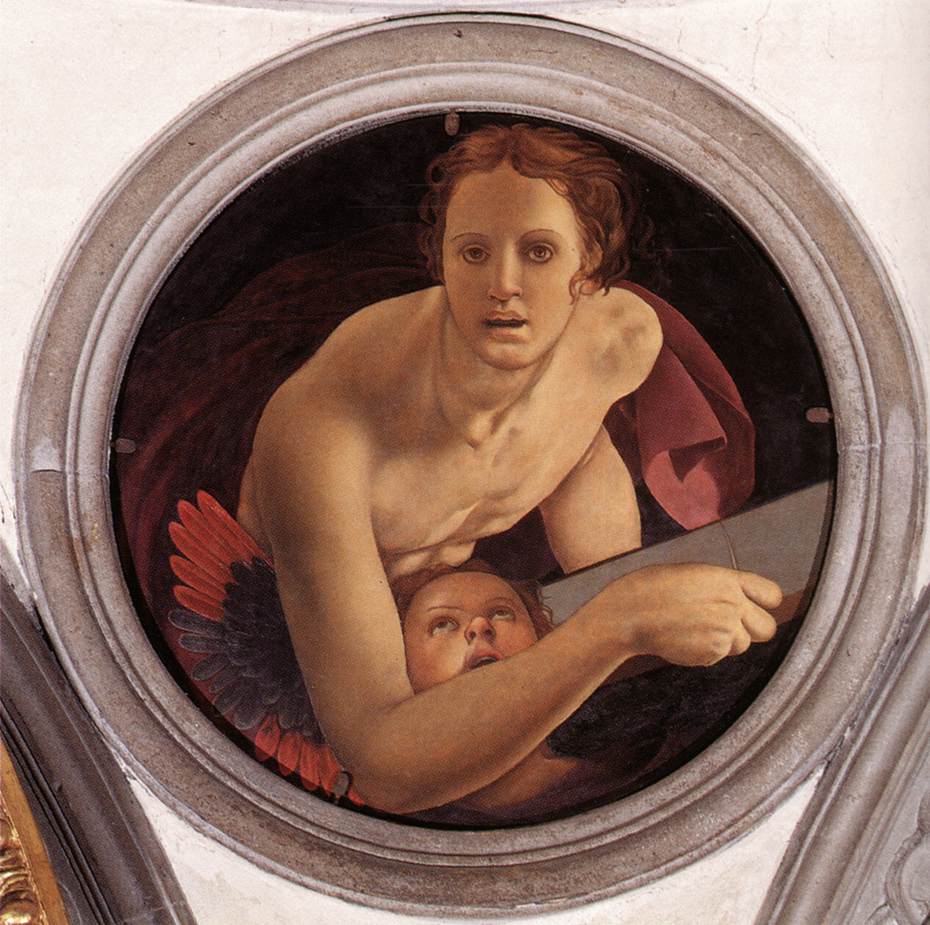
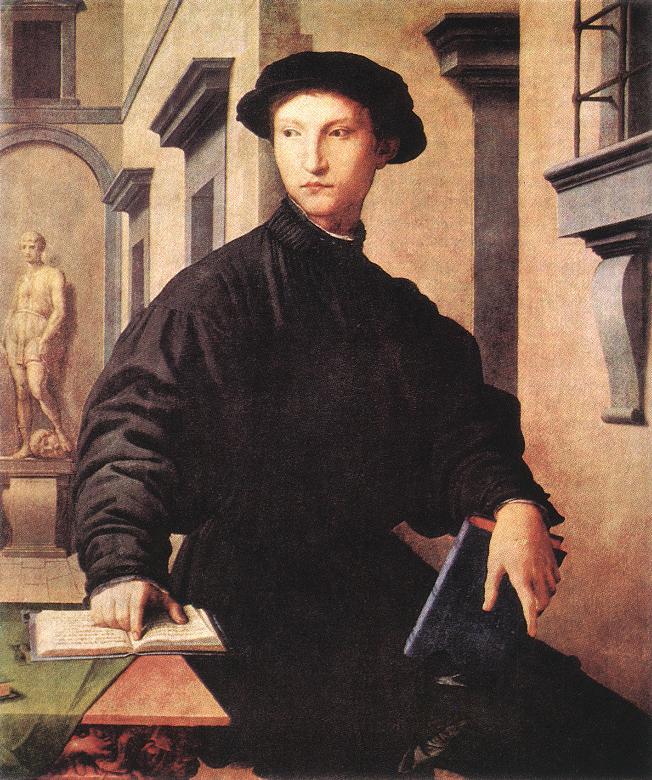
Agnolo Bronzino was born in Florence in 1503 and became one of the most important painters of the Mannerist movement. He was a pupil of Jacopo Pontormo and later worked as a court artist for the powerful Medici family. Bronzino is best known for his refined portraits, characterized by cool elegance, precise detail, and controlled emotion. His figures often appear poised and distant, reflecting the ideals of aristocratic life in 16th-century Florence.
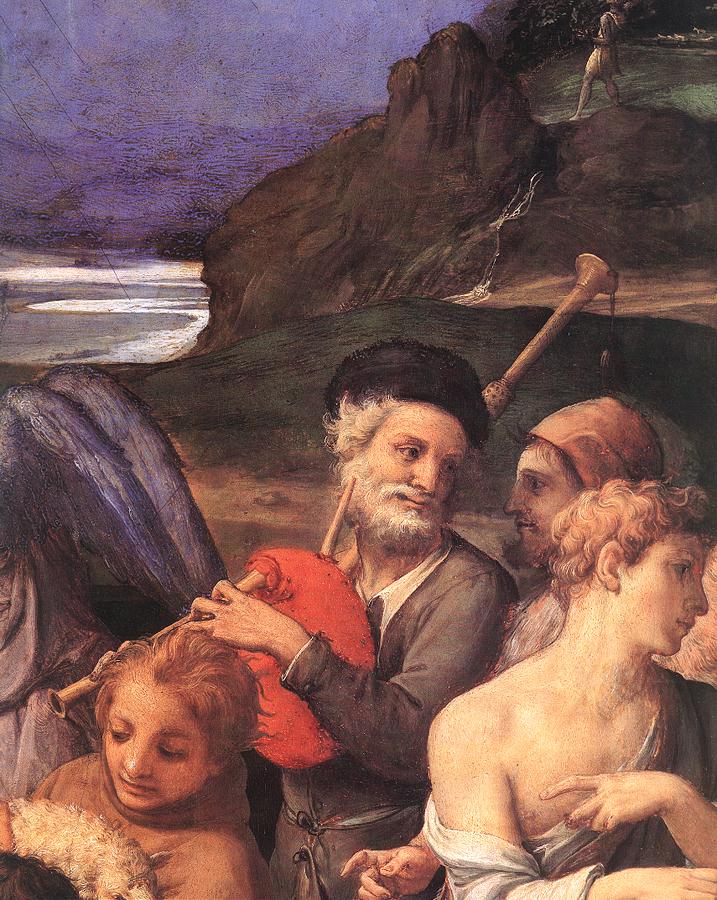
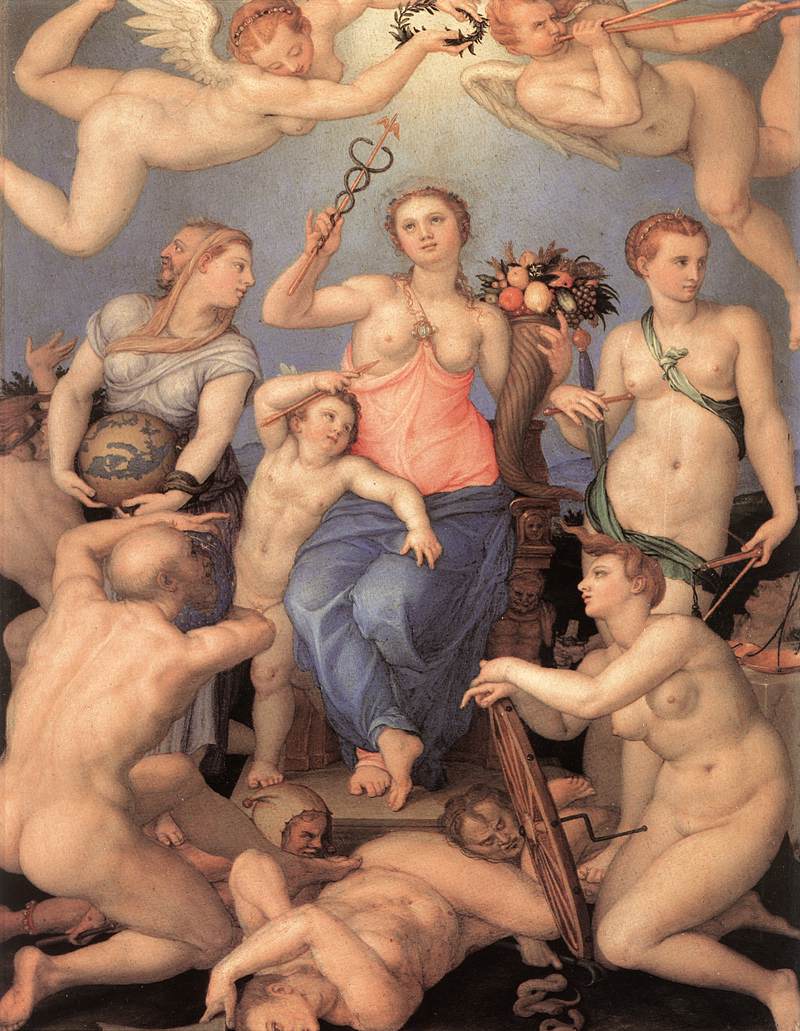
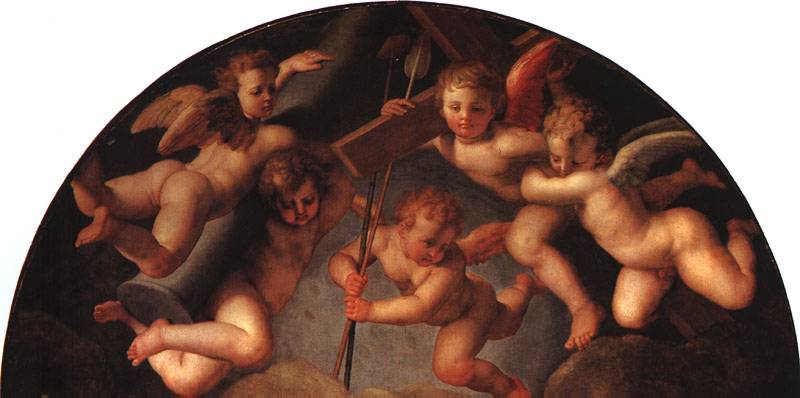
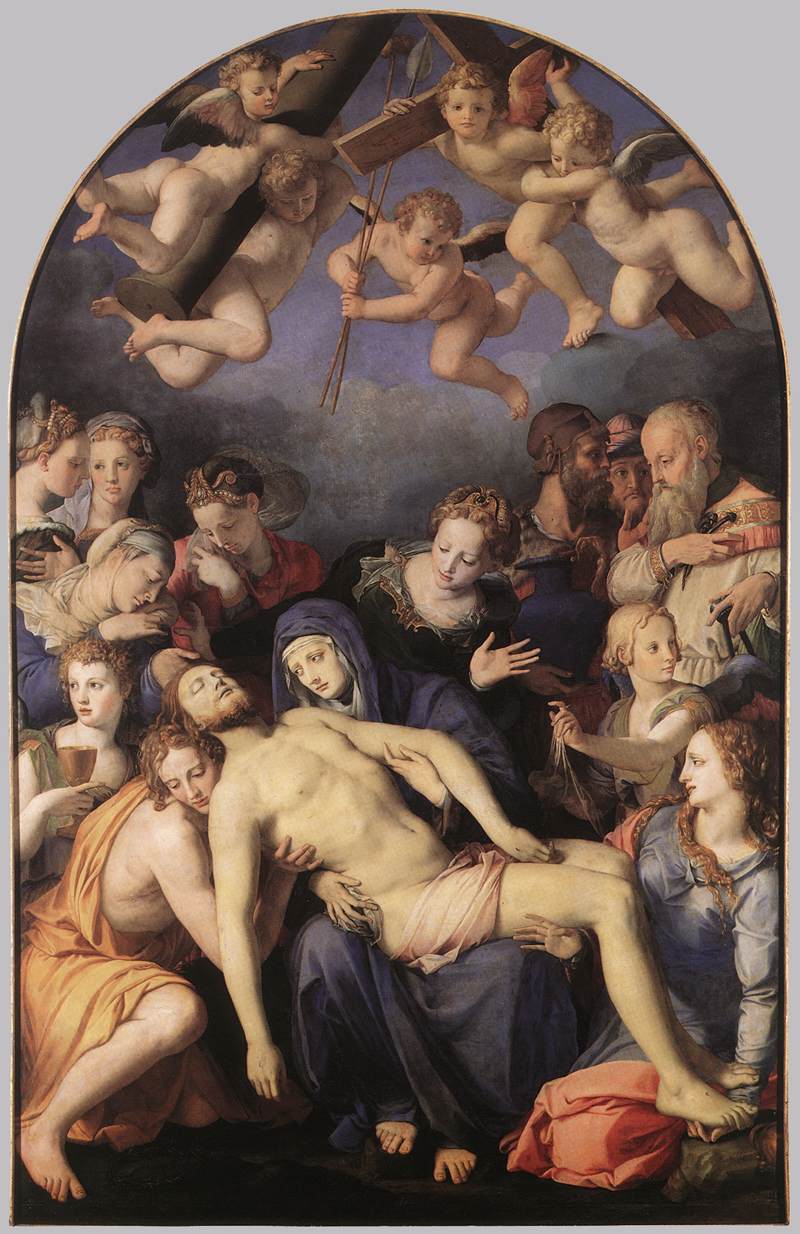
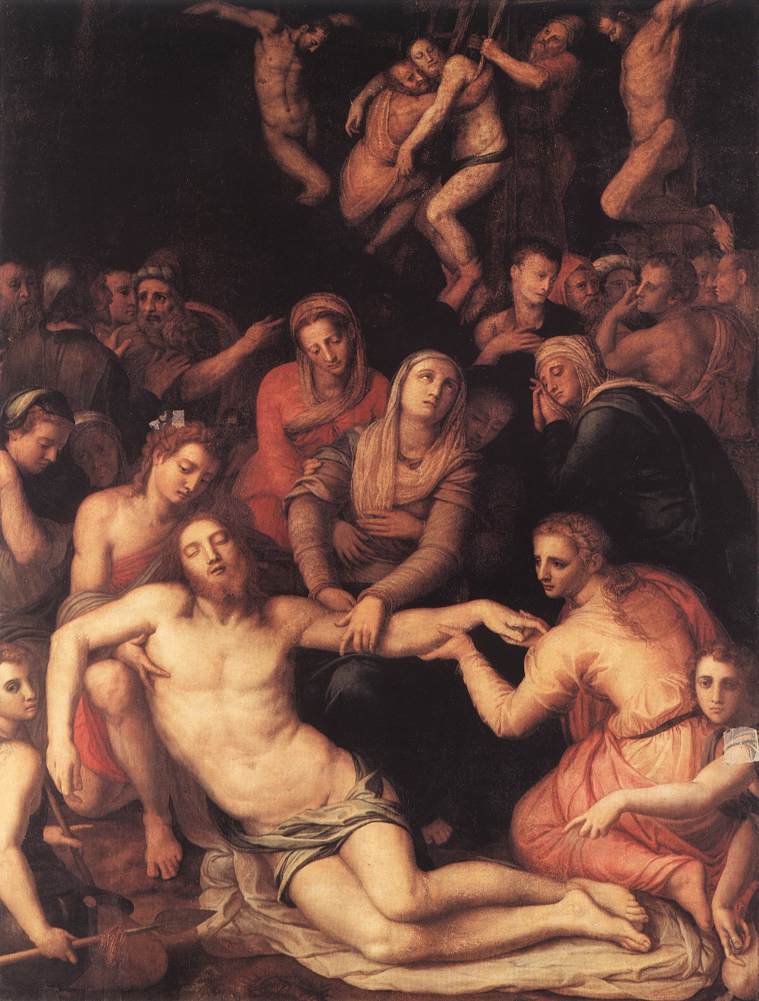
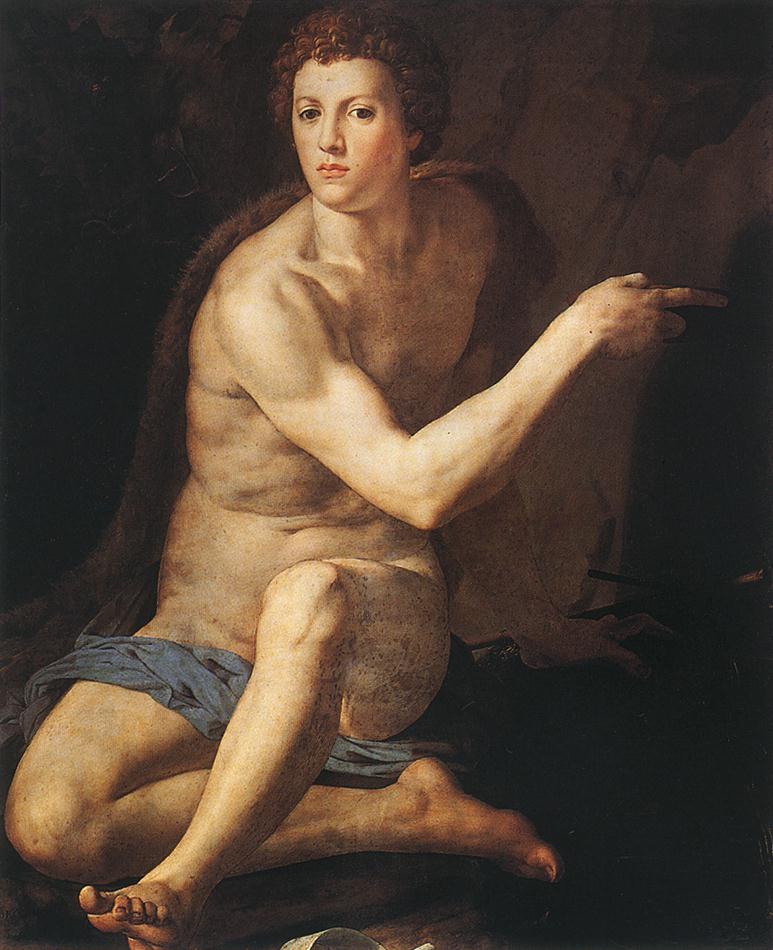
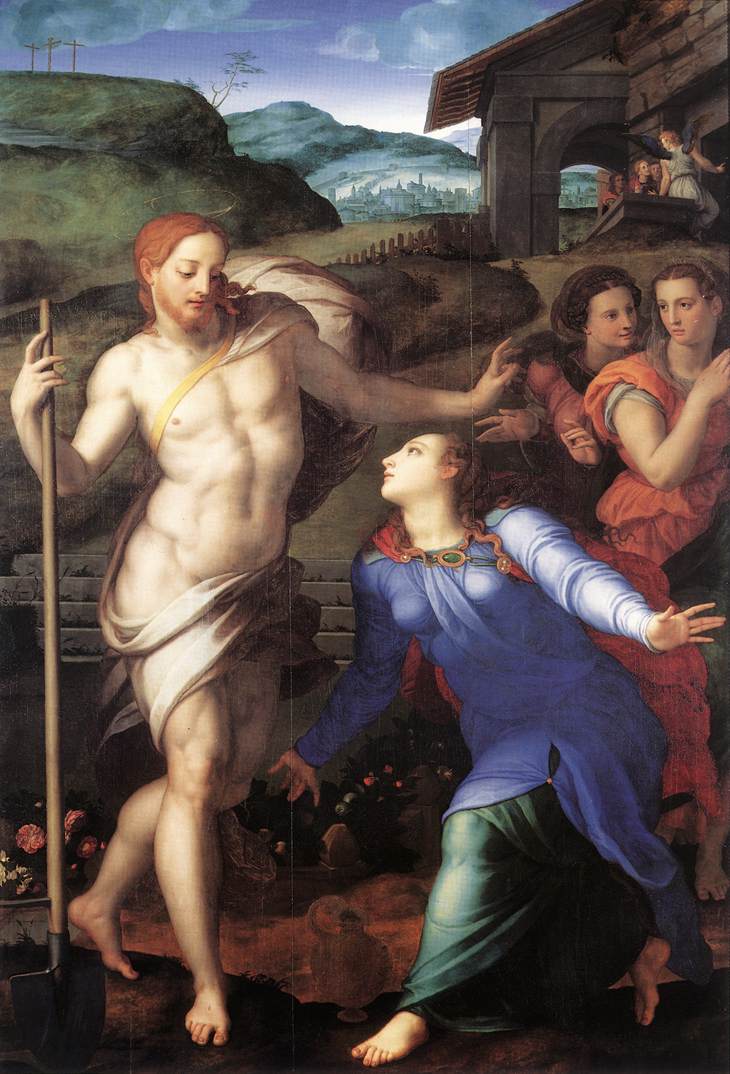
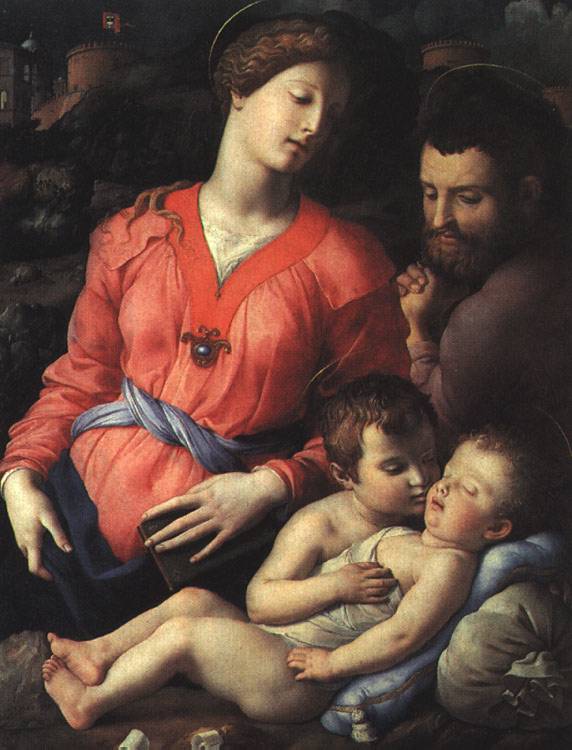
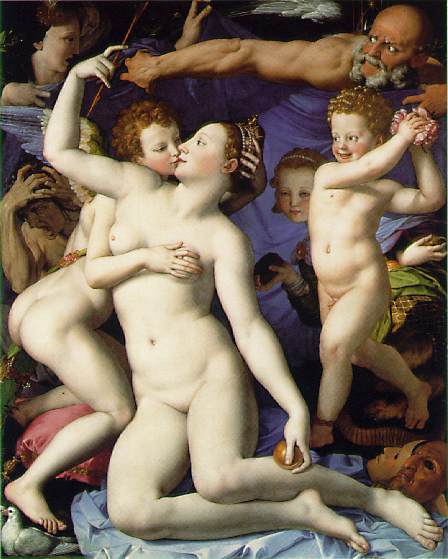
In addition to portraiture, Bronzino painted religious and allegorical scenes with complex symbolism and polished surfaces. His style emphasizes clarity of form and intellectual sophistication over natural warmth. As a poet and intellectual, he was deeply engaged with the cultural life of his time. Bronzino also played a role in shaping official court imagery during the High Renaissance’s later phase. He died in 1572. His work remains a defining example of Florentine Mannerism and its distinctive aesthetic.